
REVIEW · KYOTO TEA CEREMONIES AND MATCHA
Private Kyoto Sushi Cooking Class & Tea Ceremony with Emika
Kyoto cooking in someone’s home feels rare. I love the Obanzai vegetables made from Emika’s organic garden, and you also learn sushi skills that end with freshly made matcha and a tea ceremony. One catch: the meeting point is about a 10 to 15 minute walk from the nearest station, so plan a little extra time.
With a price of $109 per person for about 3 hours, this feels like real value for a private lesson in a local kitchen, not a rushed show-and-tell. You also get local alcohol (or you can lean on matcha) paired with what you cook, which makes the meal feel complete.
You can choose a sushi menu or a Kyoto-resident Obanzai menu when you book, so the class matches your food preferences and skill goals. If you pick the Market tour option, it happens after your cooking and lunch or dinner, so shopping is based on what you just cooked.
In This Review
- Key Highlights You Should Know
- Entering Emika’s Kyoto Home Like a Neighbor, Not a Customer
- Matcha First: How the Tea Sets the Tone
- The Class Plan: Sushi You Choose, Plus Kyoto-Style Obanzai Sides
- Obanzai You Can Taste: Marinated, Slow-Cooked, and Seasonal
- Cooking Takes About an Hour, Eating Takes the Rest
- Tea Ceremony Finish: What It Adds to Your Meal
- The Optional Market Tour: Shopping for Ingredients After You Cook
- Price and Timing: Why $109 Can Make Sense in Kyoto
- Getting There in Nishikyo Ward: Simple Tactics That Save Stress
- Tell Emika the Right Things Up Front: Menu Choice and Dietary Needs
- Who This Kyoto Sushi Cooking Class Fits Best
- Should You Book This Kyoto Class With Emika?
- FAQ
- How long is the Kyoto sushi cooking class and tea ceremony?
- Is this a private tour?
- What is included in the price?
- Do I need hotel pickup and drop-off?
- Can I choose sushi or an Obanzai menu?
- If I choose the Market tour option, when does it happen?
- What is the cancellation policy?
Key Highlights You Should Know
- Organic produce from Emika’s garden goes into your Obanzai vegetable dishes
- Choose your menu focus (sushi or Obanzai) when booking, so you learn what you actually want
- Matcha starts the experience and tea ceremony finishes it, with a Kyoto-hosted feel
- Local alcohol or matcha pairing keeps the meal social, not just instructional
- Private, home-based setting in Kyoto’s Nishikyo Ward makes questions feel easy
- Market tour happens after cooking with a short walk to a supermarket for ingredient ideas to take home
Sit down somewhere quieter. Other tea rooms we booked
- Kyoto: Tea Ceremony in a Traditional Tea House in Kiyomizu
★ 4.9 · 3,519 reviews - Kyoto: Tea Ceremony Ju-An at Jotokuji Temple
★ 4.9 · 3,207 reviews - Kyoto: 45-Minute Tea Ceremony Lesson Experience
★ 4.3 · 2,378 reviews - Kyoto: Table-Style Tea Ceremony at a Kyo-Machiya
★ 4.9 · 1,211 reviews
Entering Emika’s Kyoto Home Like a Neighbor, Not a Customer
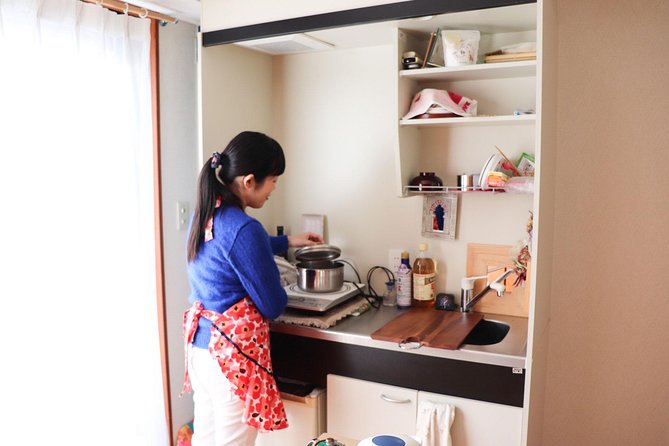
This experience is built around one simple idea: cooking and eating where local life happens. You meet Emika at her home in Nishikyo Ward, and that location matters. A home kitchen has different pacing than a classroom, and that shows in how the lesson feels. It is relaxed enough to ask questions, but structured enough that you still finish with a proper meal.
I also like the fact that this is private. Only your group participates, so you are not sharing counter space with strangers or watching from the sidelines. For families, couples, and solo travelers who want a more personal Kyoto day, that makes it easier to enjoy both the food and the conversation.
Finally, the garden detail changes the whole vibe. Emika grows organic vegetables you will use in the cooking. That is not just a nice marketing line. It helps you taste the difference between ingredients that are fresh, seasonal, and used on their natural schedule, not shipped for maximum shelf life.
Matcha First: How the Tea Sets the Tone
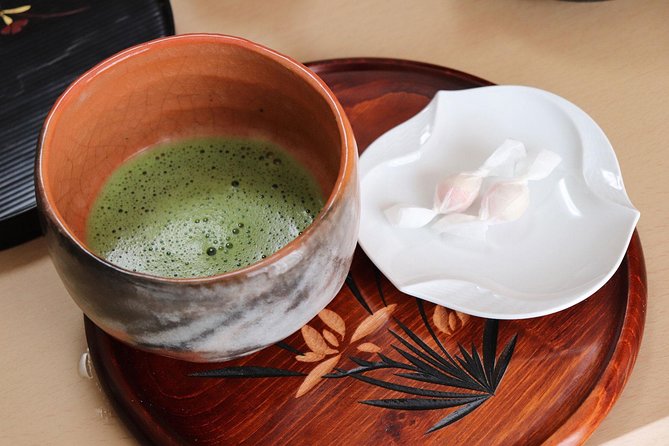
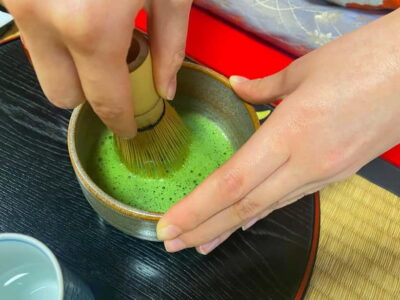
Your class starts (or ends, depending on whether you book lunch or dinner) with freshly made matcha. Emika makes it herself, or her father prepares it. Either way, the point is the same: you begin by slowing down and focusing on one Kyoto ritual before you start cooking.
You also get matcha again as part of the experience flow. The most important practical detail is that you will not be rushed into cooking immediately. That timing helps if you are jet-lagged, traveling with kids, or simply want your Kyoto meal day to feel calm instead of chaotic.
And because this is tied to a tea ceremony at the end, the matcha is not a random freebie. It becomes a thread connecting the meal you cooked with the culture behind the flavors.
The Class Plan: Sushi You Choose, Plus Kyoto-Style Obanzai Sides
The cooking portion lasts about an hour. That is a sweet spot. Long enough to learn technique and understand what matters, short enough that you are not stuck chopping endlessly while hunger builds.
Your menu is based on what you request at booking. You can opt for sushi (your choice of sushi) or opt for an Obanzai-focused menu. In either case, you will also make a traditional main plus two Obanzai vegetable dishes. Expect dishes like miso soup and tofu dishes as part of the core flavor set, along with seasonal vegetable sides.
Here is what the sushi learning typically feels like in a home class:
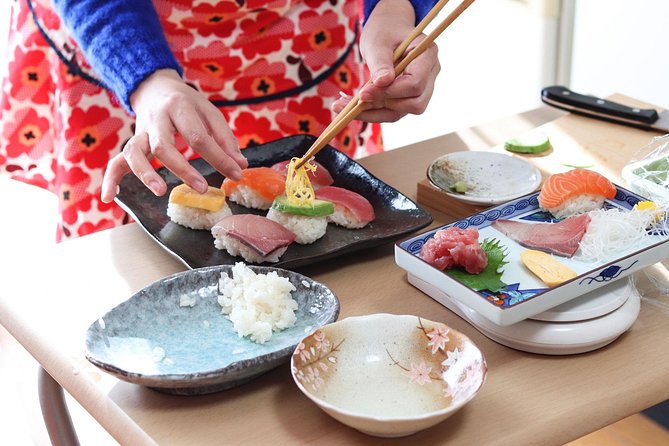
- You learn sushi rice basics, since that is the foundation
- You practice the shaping and rolling process, guided step-by-step
- You assemble sushi with your own choices, with Emika adjusting pacing if you need more time
From what I can tell from how Emika teaches, the goal is not perfection. It is confidence. If you can follow instructions, you can produce something that looks like sushi and tastes like it too.
A nice detail: you are not forced into one rigid menu with no flexibility. When someone books as vegetarian or has dietary needs, Emika handles adjustments when you tell her ahead of time.
Cook it yourself instead. Other kitchens in Kyoto
- Ramen Cooking Class at Ramen Factory in Kyoto★ 5.0 · 1,937 reviews
- Sushi Making in Kyoto! Same-day bookings welcome!★ 5.0 · 713 reviews
- Kyoto: Ramen Cooking Class at a Ramen Factory with Souvenir★ 4.9 · 532 reviews
- Kyoto: Ramen, Gyoza, and Onigiri Cooking Class★ 5.0 · 445 reviews
- The Original Small-Group Sushi Making Class in Kyoto★ 5.0 · 436 reviews
Obanzai You Can Taste: Marinated, Slow-Cooked, and Seasonal
Obanzai is Kyoto home cooking, and this class treats it that way. These are the dishes that show up in everyday meals, not just as tourist-friendly photo props. You get to cook vegetables that are marinated, slow-cooked, and balanced with classic Japanese seasoning.
You might see combinations like:
- marinated mushrooms
- slow-cooked vegetables
- miso soup and tofu dishes
The practical value of learning Obanzai in a private setting is that you start to understand what makes Kyoto cooking taste Kyoto. It is not one dramatic flavor. It is the harmony of small choices: sweetness from simmering, depth from miso, savoriness in tofu, and texture from vegetables prepared to keep their personality.
Also, Emika’s garden means the “seasonal ingredients” are not an abstract concept. Even if your exact vegetables vary by timing, you will learn the lesson behind the shopping: cook what is in season, because that is what tastes best and works best with Japanese sauces and seasonings.
Cooking Takes About an Hour, Eating Takes the Rest
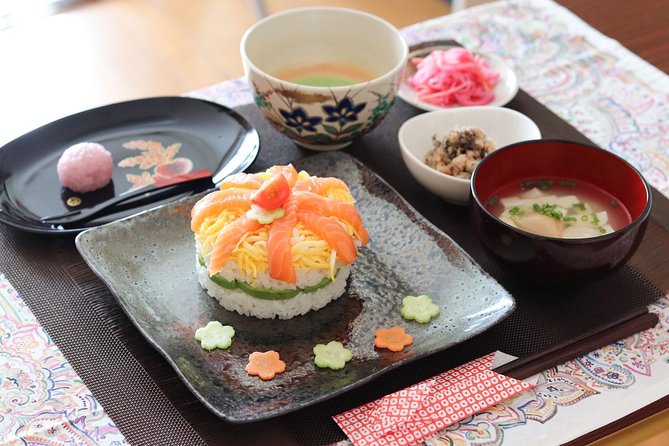
After cooking, you sit down to enjoy the meal you prepared together. This is where the experience becomes more than food instruction. You are in someone’s home, sharing your table, which naturally turns the conversation toward Kyoto: local favorites, neighborhood life, and practical suggestions for what to do next.
The food pairing also makes a difference. Included in the class is local alcohol, typically one to two glasses. If you want something light and drinkable with Japanese meals, nigori sake is specifically mentioned as a popular option. You can also choose matcha paired with your food, which is a smart route if you want a tea-forward flavor day or you simply prefer not to drink alcohol.
If you are worried about being out of your depth, do not. This class welcomes all skill levels. Emika’s teaching style is patient, and she gives clear instructions for both cooking technique and Japanese food etiquette. That matters, because even basic manners and meal flow can make you feel more comfortable during your time in Japan.
Tea Ceremony Finish: What It Adds to Your Meal
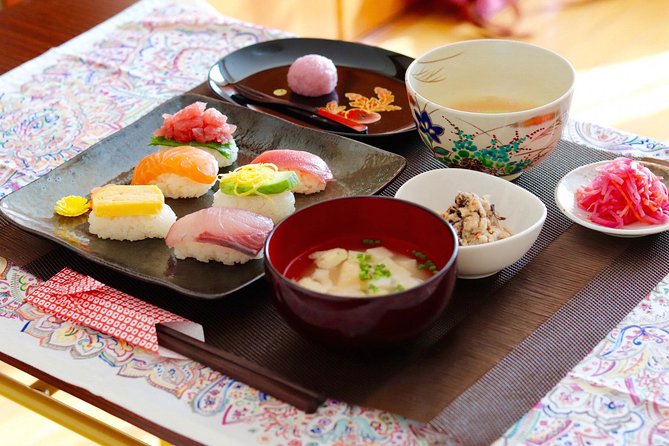
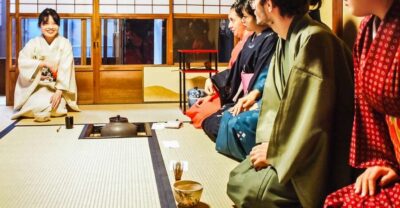
The experience ends with a tea ceremony. Tea ceremony can sound formal, but in this context it feels like a natural wrap-up. You already cooked and ate together, so the ceremony lands as a calm cultural moment rather than a rushed performance.
Since you are already handling matcha earlier, you have a baseline for what to expect. That helps you notice the differences in aroma and taste, and it also gives you something to look forward to at the end, not just the moment the cooking stops.
The best way to enjoy a tea ceremony in this kind of setting is simple: watch Emika’s pacing, follow cues, and let yourself be present. This is not the time to multitask on your phone. Even a basic level of attention makes the ceremony feel meaningful.
The Optional Market Tour: Shopping for Ingredients After You Cook
If you choose the Market tour option, you add a focused shopping and produce stop. This is designed to help you recreate flavors at home.
Important timing detail: the market tour happens after your cooking class and lunch or dinner. So you are not shopping blindly. You are shopping with the taste in your head, which makes your choices smarter and your memory stronger.
The included market component is described as a 1 hour tour to a supermarket and produce area where locals typically shop. After that, you walk about 10 minutes together to the supermarket. If you want to buy ingredients to bring home, Emika can help you purchase items.
What to expect from this part of the experience is not just bags and receipts. It is learning how Japanese ingredients and seasonings fit together in real meals. Even if you only buy a few basics, you will leave with a clearer sense of what to look for back in your own kitchen.
Price and Timing: Why $109 Can Make Sense in Kyoto
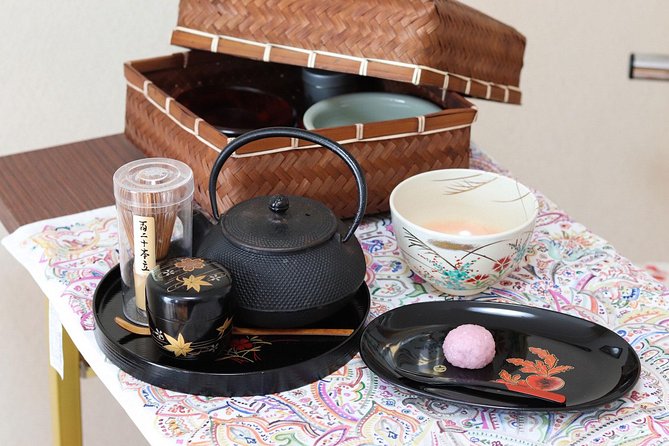
At $109 per person for about 3 hours, you might compare this to other cooking activities and wonder if it is worth it. Here is how I would judge the value.
You are paying for several things that cooking classes often split up:
- Private instruction in a real home kitchen
- Ingredients that connect to Kyoto seasonal cooking
- A full meal that includes what you cook
- Matcha preparation and a tea ceremony
- Local alcohol inclusion (or matcha alternative)
- Optional market tour for ingredient shopping help
Cooking portion time is about an hour, but the experience time is closer to 3 hours once you factor in starting matcha, cooking flow, eating, and tea ceremony.
Also, the tour is often booked about 49 days in advance on average. That is your hint to plan ahead, especially if you want lunch or dinner timing that matches your Kyoto itinerary.
If you want a cookie-cutter class where you mimic steps in a large group, this might feel too intimate. But if you want hands-on cooking plus real Kyoto conversation, the price starts to look very reasonable.
Getting There in Nishikyo Ward: Simple Tactics That Save Stress
The meeting point is Emika’s address in Nishikyo Ward: 31-30 Katsurainariyamachō, Nishikyo Ward, Kyoto, 615-8025, Japan. The activity ends back at the same meeting point, so you do not need to figure out a new location afterward.
You are near public transportation, but you should still expect a walking segment. A 10 to 15 minute walk from the station comes up in feedback, and Kyoto neighborhoods can be winding. If you do not want to rely on nerves, use your map app right when you leave transit and leave yourself a little buffer.
For practical comfort, wear shoes that work for walking and carrying your daypack. You will be in someone’s home environment, and you want to feel relaxed, not stiff from travel.
If you have a mobile ticket, have it ready on your phone for quick check-in.
Tell Emika the Right Things Up Front: Menu Choice and Dietary Needs
This class works best when you communicate clearly when booking. You can inform Emika whether you would prefer a sushi or Obanzai menu. That choice is not just cosmetic, because it determines the main focus of what you cook and how you learn.
You should also share:
- allergies or dietary restrictions
- cooking preferences
- anything your group needs to feel comfortable
Emika is able to accommodate dietary needs when informed ahead of time. That flexibility is part of why the private format matters. In a restaurant class, adjustments can be limited. Here, you are planning around your group.
One more practical tip: decide in advance how much you want to drink. Local alcohol is included in the form of one to two glasses, but you can choose matcha pairings. If you are driving later, want to keep it calm for kids, or simply prefer tea, that is a valid choice.
Who This Kyoto Sushi Cooking Class Fits Best
This is especially good for you if:
- You want a true Kyoto home cooking day, not just a meal you eat
- Sushi is on your list, and you want to learn technique, not just taste
- You want Obanzai flavors using seasonal vegetables
- You like conversation and cultural context while you cook
- You want a class that welcomes all skill levels
It is also a great fit for families. Feedback highlights that Emika can involve kids and keep the lesson relaxed, so you are not stuck with kids waiting while adults learn.
If you are the type who prefers a purely structured, timed workshop with no social element, this might feel too personal. But if you like learning with a host and getting local recommendations, it fits your style.
Should You Book This Kyoto Class With Emika?
Book it if you want the best version of a Kyoto cooking day: private home instruction, sushi or Obanzai focus, organic vegetables, matcha at the beginning and tea ceremony at the end, plus an optional market tour that helps you take ingredients home.
I would skip it if you need a fully barrier-free experience with zero walking, since the meeting point can involve a walk from transit. Also consider whether you want alcohol included, because while it is optional in practice, your group should decide how you want to handle it.
If you are deciding between multiple Kyoto cooking options, this one earns its spot by pairing hands-on learning with the kind of cultural pacing that makes Japan feel personal. It is a day you can feel in your stomach and remember in your habits afterward.
FAQ
How long is the Kyoto sushi cooking class and tea ceremony?
The experience lasts about 3 hours.
Is this a private tour?
Yes. It is private, so only your group participates.
What is included in the price?
A private cooking class and tea ceremony with your host Emika are included. You also get local alcohol (1 to 2 glasses). If you select the Market tour option, a supermarket and produce market tour is included.
Do I need hotel pickup and drop-off?
No. Hotel pickup and drop-off are not included.
Can I choose sushi or an Obanzai menu?
Yes. Let Emika know your preference for a sushi or Obanzai menu when you book.
If I choose the Market tour option, when does it happen?
It happens after your cooking class and lunch. The market tour is included, and you then walk about 10 minutes together to the supermarket.
What is the cancellation policy?
Free cancellation is available if you cancel up to 24 hours in advance for a full refund. Changes within 24 hours are not accepted, and cancellations less than 24 hours before start time are not refunded.
Kitchens You Can Book Into
Kyoto by the Bowl
Newest Kyoto write-ups from the Loving Japan desk

Kyoto Tea Ceremonies and Matcha, side by side.
 ★ 4.9Tea Ceremony in a Traditional Tea House in KiyomizuFrom $493,519 reviews
 ★ 4.9Tea Ceremony Ju-An at Jotokuji TempleFrom $293,207 reviews
 ★ 4.345-Minute Tea Ceremony Lesson ExperienceFrom $222,378 reviews
 ★ 5.0World Heritage Kyoto & Nara Uji Authentic Matcha ExperienceFrom $1291,573 reviews
 ★ 4.9Tea Ceremony ExperienceFrom $251,426 reviews
 ★ 4.9Table-Style Tea Ceremony at a Kyo-MachiyaFrom $451,211 reviews
 ★ 4.8Kenrokuen Tea Ceremony ExperienceFrom $351,139 reviews
 ★ 5.0Kimono Tea Ceremony at Kyoto Maikoya, NISHIKIFrom $65911 reviews