
REVIEW · KYOTO TEA CEREMONIES AND MATCHA
Samurai dress-up and shows, plus Tea Ceremony & Calligraphy
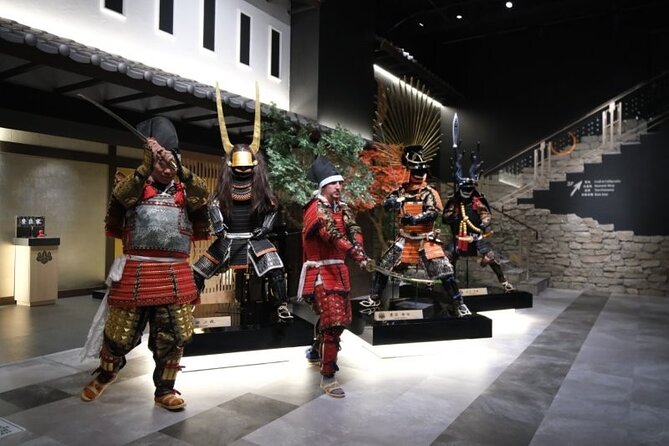
Samurai armor plus tea sounds like a plot twist, and it works. This 3 hour, all indoor experience in Osaka folds samurai dress-up and shows together with tea ceremony and Japanese calligraphy, all near Dotonbori. It is made for people who want culture you can touch, not just watch from a seat.
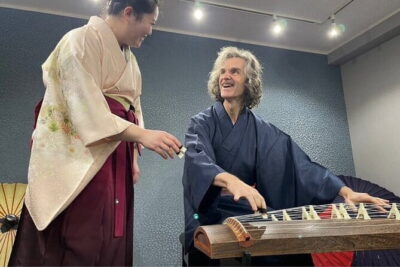
I like how the format moves quickly between hands-on moments. You do sword show energy with live traditional music, then switch gears to calm, careful calligraphy where you actually create something.
One thing to consider is the kimono: it is not included. If you want the full look, plan on paying extra (¥19,800 per person).
In This Review
- Key highlights you will actually use
- Why Osaka puts samurai armor right next to Dotonbori
- Price and value: what $123.87 buys you in 3 hours
- Wearing the samurai outfit, then seeing sword performance plus music
- Tea ceremony time: quiet manners and a cup you can taste
- Calligraphy class: make something you can take home
- The staff factor: how guidance shapes the day
- Who should book this samurai, tea, and calligraphy combo
- How to plan your Osaka day around 3 hours indoors
- Should you book Samurai dress-up, shows, tea, and calligraphy?
- FAQ
- What is included in the experience ticket?
- Is the experience indoors?
- How long does the experience last?
- Where is the experience located?
- Do I need to wear a kimono?
- Do I get to participate or is it only watching?
- Is there a mobile ticket?
- Is the tour suitable for most people?
- Can I get help in English?
- What is the cancellation policy?
Key highlights you will actually use
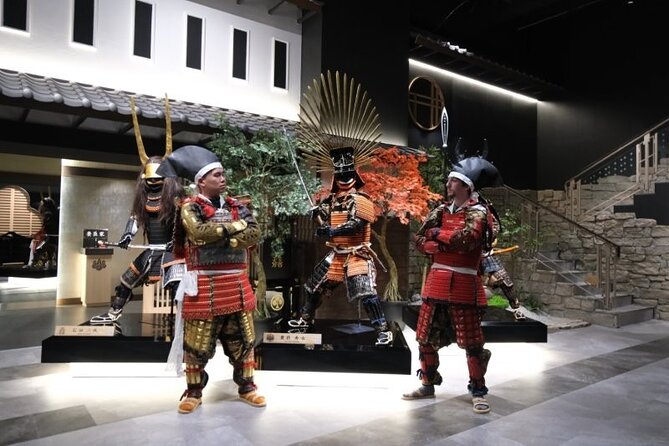
- Samurai armor and show time indoors, so you are not fighting weather
- Sword performances with live traditional music, a great combo for first-timers
- Tea ceremony experience, with hot or cold tea and a moment to slow down
- Japanese calligraphy practice, so you leave with your own brushwork
- Staff attention to detail, with examples like Roi and Maya mentioned for personalized help
- Locker, WiFi, and tea/coffee included, which makes the whole stop easier to enjoy
Sit down somewhere quieter. Other tea rooms we booked
- Osaka: Tea Ceremony Experience
★ 4.9 · 1,426 reviews - Tea Ceremony Experience in Osaka Doutonbori
★ 5.0 · 754 reviews - Matcha Making Class in Osaka with Authentic Japanese Sweets Set
★ 5.0 · 509 reviews - Osaka: Matcha Making Experience with Japanese Sweets
★ 5.0 · 146 reviews
Why Osaka puts samurai armor right next to Dotonbori
Osaka is loud, fast, and full of neon distractions. This stop gives you a different kind of energy without asking you to leave the city center. The venue is about a 5 minute walk from Dotonbori, so you can fit it into a normal day of walking and food.
The biggest practical win is that everything is indoors. That matters in Osaka, where weather can change moods fast. It also keeps the focus on the cultural activities instead of turning your day into a scarf and umbrella operation.
You can go straight from sightseeing to something theatrical. Then you get the softer side of Japanese culture right after, with tea and calligraphy.
Price and value: what $123.87 buys you in 3 hours
At $123.87 per person for about 3 hours, you are paying for a package. That package includes more than one cultural activity, plus the basic comforts that keep the experience smooth.
Included with your ticket:
- Coffee and/or tea, plus hot or cold water and tea
- WiFi
- A locker
- Access to public transport within about a 10 minute walk from stations in the Namba and Shinsaibashi area
Not included:
- Wearing a kimono costs ¥19,800 per person
Here is how I would size up the value. If you tried to book a samurai-style performance, a tea ceremony, and a calligraphy class separately, you would likely spend similar money once you add transport time and the hassle of coordinating schedules. This is one set time, one entry, and several activities tied together. The kimono option is the one obvious extra cost, so decide early whether you want that upgrade.
Also, you get a mobile ticket. That saves you time since you do not need to hunt down printed paperwork.
Wearing the samurai outfit, then seeing sword performance plus music
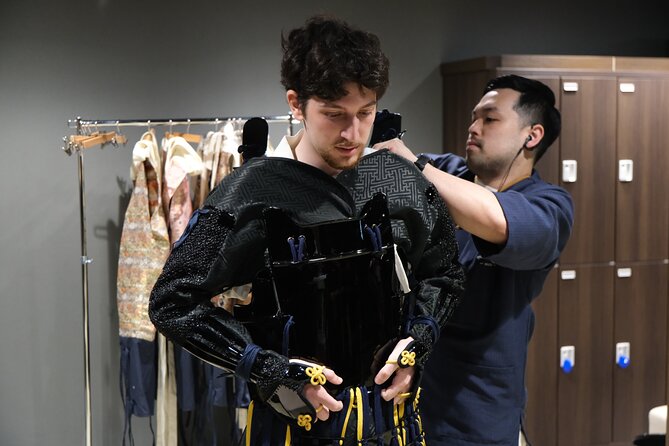
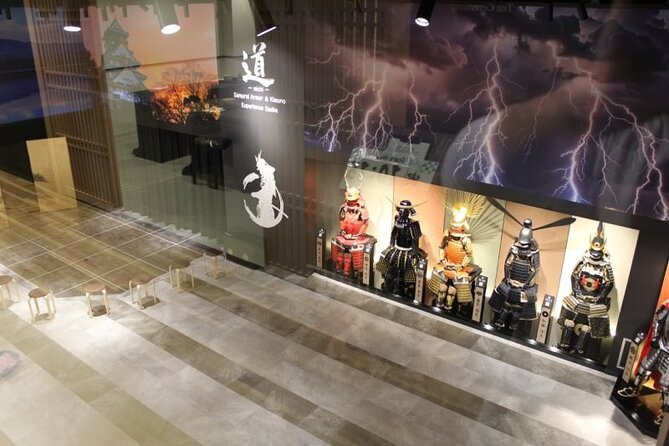
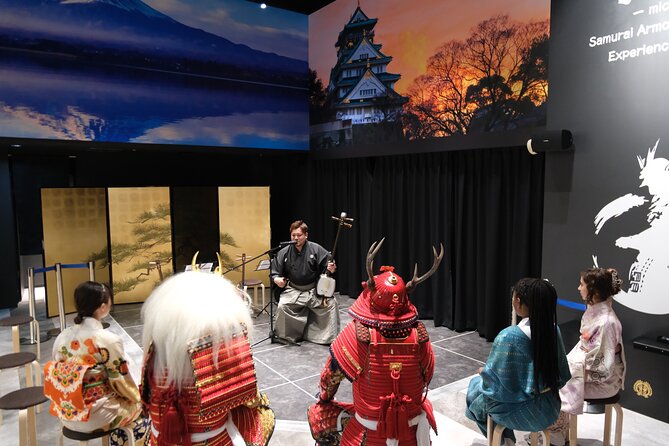
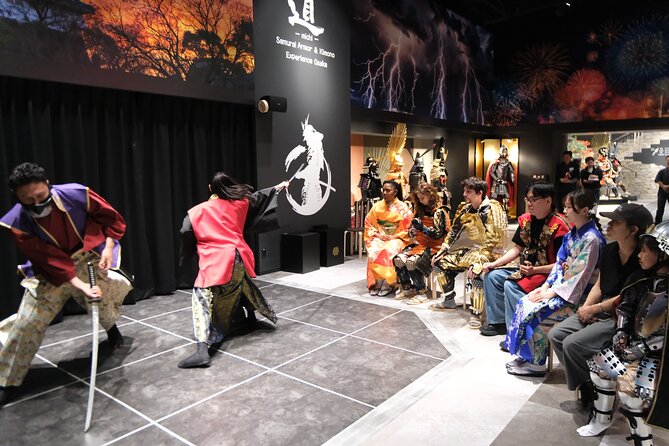
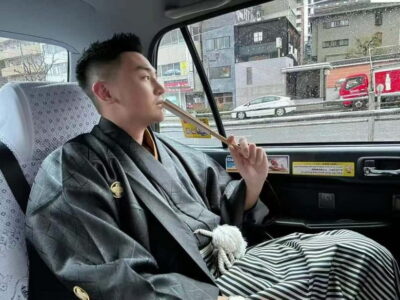
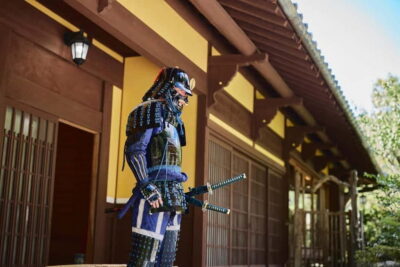
The core of this experience is the samurai dress-up and show sequence. You get into traditional samurai armor, then you watch and participate in the performances that go with it. It is not just costume for photos. The program is built around the armor experience, including sword performance style moments and live traditional music.
From a practical point of view, I like this kind of structured show because it answers the main question for first-timers. What do I do once I am dressed? The staff guide you through it, so you are not stuck standing around wondering whether you are supposed to strike a pose or bow.
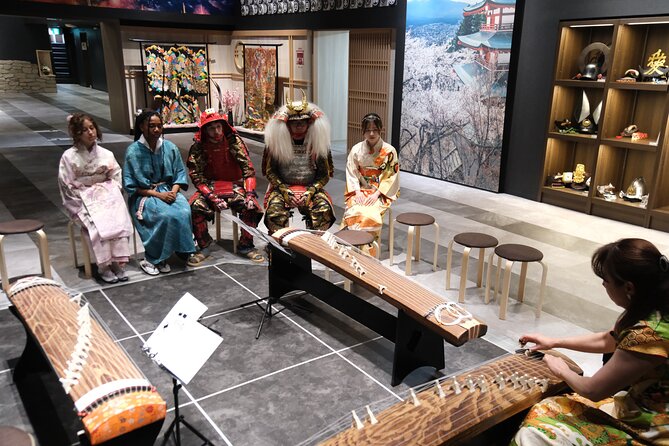
You also get live traditional music in the mix. That is important because it changes the feel from a generic performance to something more grounded in Japanese performing arts traditions. It is the kind of detail that makes the room feel alive.
If you are sensitive to big crowds, this can still work for you because the whole thing is compact and timed, not a free-for-all. You might find the pace brisk, though, since the program rotates between activities.
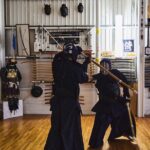
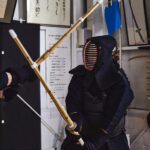
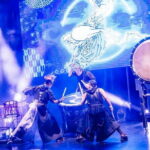
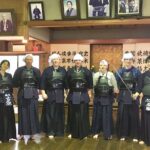
Blade work and stagecraft, other sessions
- Samurai Training Experience KENDO in Osaka★ 5.0 · 515 reviews
- OSAKA NIGHT FUSION Japanese Taiko Kabuki Samurai Dance Show★ 4.8 · 155 reviews
- Osaka: Samurai Training Experience KENDO in Osaka★ 5.0 · 111 reviews
- Osaka: A Modern Samurai, Kabuki, Taiko, & Dance Show★ 4.5 · 66 reviews
- Osaka 2-Hour Genuine Kendo / Samurai Experience In Japan★ 5.0 · 65 reviews
Tea ceremony time: quiet manners and a cup you can taste
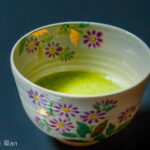
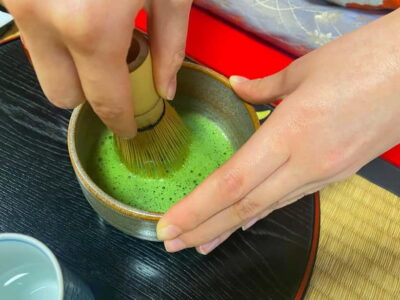
After the energy of armor and performance, the tea ceremony section gives your brain a breather. This part is more about the refined routine than rushing for the photos. You sit down for a tea-focused moment where you learn how the ceremony flows and you get to enjoy tea as part of the experience.
One small but real advantage is that refreshments are part of the included package. So you are not paying extra just to feel human halfway through.
Tea ceremonies are often described as spiritual or poetic. Here, I would frame it as a cultural skill set: attention, timing, and respect expressed through simple actions. Even if you only grasp the basics, you will walk away with a better sense of why tea culture matters in Japan, beyond the taste.
Calligraphy class: make something you can take home
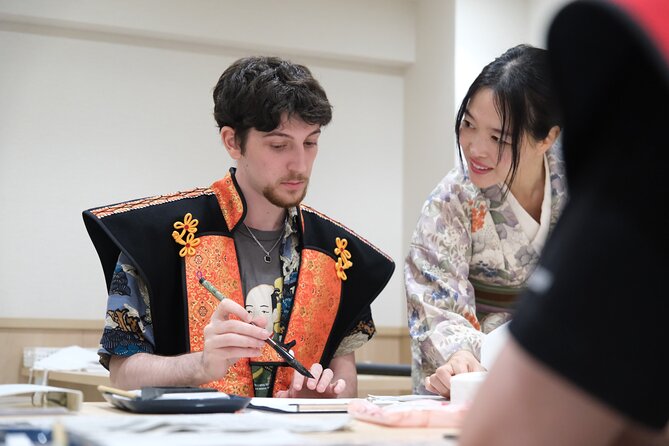
Then comes calligraphy, the most tangible part for many people. You try Japanese calligraphy yourself and create a piece to keep. That is a huge difference from watching a demonstration, because you actively do the brushwork.
This is also where the experience tends to feel most personal. Even if your letters look different from what you expected, the effort is the point. Calligraphy rewards patience, and the lesson format makes it approachable for beginners.
In practical terms, calligraphy lessons help you understand something you can miss as a tourist: form matters in Japanese culture. Stroke order, spacing, and the overall shape are not random. They reflect discipline, and you feel that discipline when your brush touches the paper.
I also like that it gives you a break from performance mode. After the armor, your hands get a totally different kind of workout.
The staff factor: how guidance shapes the day
One reason this experience earns a perfect score from people booking it again is the way staff help. You do not get handed an outfit and sent off into the void.
Names that come up in the feedback include Roi and Maya, praised for attention to detail and support with individualized requests. Even if you are not with them specifically, the lesson here is consistent: the team is focused on making first-timers comfortable.
That matters for cultural activities. If you are nervous about etiquette or not sure what to do during a ceremony, good guidance changes everything. It keeps the experience fun, not stressful.
Who should book this samurai, tea, and calligraphy combo
This is a good fit if you want multiple Japanese culture highlights in one compact plan. It works well for:
- First-time visitors who want a variety of experiences without lots of separate bookings
- People who like interactive shows, not just passive sightseeing
- Couples and small groups who want shared activities that feel memorable
- Travelers who enjoy learning through doing, especially calligraphy and ceremony basics
It may not be your best choice if you want a long, quiet, deep academic class. This is designed as a 3 hour experience with multiple parts, so the focus is on breadth and fun, not extended study.
If you want the full visual impact, consider the kimono upgrade, but only if it fits your budget. The base experience already includes enough to feel like a complete cultural day.
How to plan your Osaka day around 3 hours indoors
Because the venue is close to Dotonbori, I recommend pairing this with an easy walking block before or after. Think of it as a scheduled cultural reset inside a day that otherwise might be all food stalls and late-night shopping.
A smart approach:
- Start your day with lively areas like Dotonbori, then move here when you want a break
- After your session, head back out hungry. You will have just enough peace and calm to enjoy your next meal more
Since the experience is all indoors, you can also use it as a weather backup. If the sky turns, you already have a solid plan.
Timing is about 3 hours, so check your other commitments. You will likely feel like you did a lot by the end, because you did costume, show, tea, and calligraphy in one flow.
Should you book Samurai dress-up, shows, tea, and calligraphy?
If your Osaka wish list includes samurai culture plus a softer side of Japan, I say yes. The value is in the mix: armor dress-up and sword performance energy, then tea ceremony calm, then calligraphy you make yourself. It is one stop that keeps you busy without being exhausting, and it is indoors when you need that safety net.
I would book it if:
- You want hands-on cultural activities in one afternoon or evening
- You like interactive shows and live music
- You would rather spend money on a bundled experience than on three separate classes
Skip or reconsider if:
- You are not interested in the kimono upgrade but extra options would tempt you into overspending
- You prefer long, single-subject workshops over a fast-moving package
Bottom line: this is the kind of Osaka activity that gives you real stories to tell. Samurai armor, tea, and your own calligraphy work in the same 3 hours is a rare combo for a first trip.
FAQ
What is included in the experience ticket?
The ticket includes coffee and/or tea, hot or cold water and tea, WiFi, and a locker. It also includes public transportation support within about a 10 minute walk from stations in the Namba and Shinsaibashi area.
Is the experience indoors?
Yes. The activities take place indoors, so you can relax comfortably in any season.
How long does the experience last?
It is about 3 hours.
Where is the experience located?
It is located at Shinsaibashi ARTY Inn, about a 5 minute walk from Dotonbori.
Do I need to wear a kimono?
No. Wearing a kimono is not included. If you want to wear one, it costs ¥19,800 per person.
Do I get to participate or is it only watching?
It is interactive. You can join the samurai armor shows, try sword performance style activities, take part in the tea ceremony, and participate in the calligraphy.
Is there a mobile ticket?
Yes, the tour uses a mobile ticket.
Is the tour suitable for most people?
Yes. The information says most travelers can participate.
Can I get help in English?
The tour information provided does not specify languages, but it does say staff are available and the experience is designed for participation.
What is the cancellation policy?
Free cancellation is available up to 24 hours in advance for a full refund. If you cancel less than 24 hours before the start time, the amount paid is not refunded.
Blade Work and Stagecraft

Kyoto by the Bowl
Newest Osaka write-ups from the Loving Japan desk
Kyoto Tea Ceremonies and Matcha, side by side.
 ★ 4.9Tea Ceremony in a Traditional Tea House in KiyomizuFrom $493,519 reviews
 ★ 4.9Tea Ceremony Ju-An at Jotokuji TempleFrom $293,207 reviews
 ★ 4.345-Minute Tea Ceremony Lesson ExperienceFrom $222,378 reviews
 ★ 5.0World Heritage Kyoto & Nara Uji Authentic Matcha ExperienceFrom $1291,573 reviews
 ★ 4.9Tea Ceremony ExperienceFrom $251,426 reviews
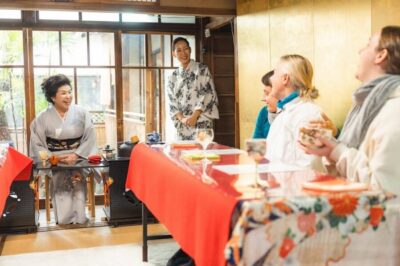 ★ 4.9Table-Style Tea Ceremony at a Kyo-MachiyaFrom $451,211 reviews
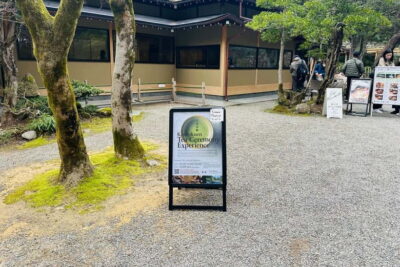 ★ 4.8Kenrokuen Tea Ceremony ExperienceFrom $351,139 reviews
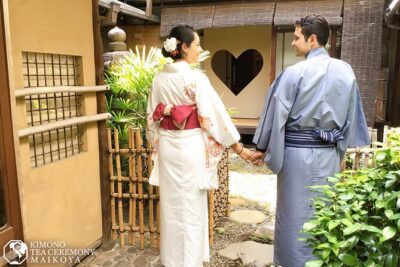 ★ 5.0Kimono Tea Ceremony at Kyoto Maikoya, NISHIKIFrom $65911 reviews