
REVIEW · KYOTO TEA CEREMONIES AND MATCHA
Samurai Show, Tea Ceremony, Japanese Traditional Activities
Tea, ink, and samurai swords collide. In Osaka, this hands-on Japanese tradition visit packs a samurai performance with practical culture time like tea and calligraphy.
I love how much you do in a short window, especially the tea ceremony guidance and the calligraphy practice. You also get real live traditional music plus a show that lets you join in, not just sit there.
One thing to plan for: samurai armor and kimono are listed as not included, so if you want the full costumed look you may need an extra upgrade and extra time.
In This Review
- Key highlights to know before you go
- A Samurai Show and Tea Ceremony Combo That Actually Feels Like Doing Something
- Where to Meet in Osaka, and Why Shinsaibashi Makes This Easy
- Inside the Big Facility, How the Program Stays Fun and Organized
- The Samurai Performance: The Theater Is Real, and the Sword Moves Are Safe
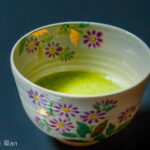
- Tea Ceremony: Slow Down, Learn the Steps, and Enjoy the Ritual
- Calligraphy in Osaka: Ink, Focus, and a Take-Home Moment
- Traditional Music and Instrument Practice: Watch, Then Try
- Staff, Translators, and the Little Details That Make It Feel Smooth
- Price and Value: Is $44.92 Worth It?
- Costumes, Armor, and Kimono Upgrades: How to Decide
- Timing Reality Check: Plan for 3 to 4 Hours If You Want Everything
- Who This Tour Is Best For
- Should You Book This Samurai Show, Tea Ceremony, and Calligraphy Experience?
- FAQ
- Where does the experience start?
- How long is the Samurai show and traditional activities experience?
- What is included in the ticket price?
- Are samurai armor or a kimono included?
- Is there a mobile ticket?
- What is the group size limit?
- Is it near public transportation?
- What happens if weather is poor?
- Can most travelers participate?
Key highlights to know before you go
- Small group size (max 20): easier to hear instructions and get help with hands-on tasks
- Samurai show with safe participation: the sword action is theatrical, not real weapon use
- Tea ceremony and calligraphy are taught, not just watched: you practice and take something home when offered
- Traditional music stations can be hands-on: you may try instruments, not only watch
- Indoor-friendly big facility: rain days feel less stressful
- Staff support for language barriers: interpreters are on hand to help you through each step
Sit down somewhere quieter. Other tea rooms we booked
- Osaka: Tea Ceremony Experience
★ 4.9 · 1,426 reviews - Tea Ceremony Experience in Osaka Doutonbori
★ 5.0 · 754 reviews - Matcha Making Class in Osaka with Authentic Japanese Sweets Set
★ 5.0 · 509 reviews - Osaka: Matcha Making Experience with Japanese Sweets
★ 5.0 · 146 reviews
A Samurai Show and Tea Ceremony Combo That Actually Feels Like Doing Something
This experience is built for people who learn best by doing. You move through stations, watch key parts of the program, then try the skills yourself with staff nearby to guide you.
What makes it especially fun is the mix of moods. You get the high-energy samurai performance, then you slow down for tea, then you switch gears again for calligraphy and traditional music.
It is also a good fit for limited time. The scheduled block is about 2 hours 30 minutes, and the main show portion is described around 150 minutes, all in a big facility.
Where to Meet in Osaka, and Why Shinsaibashi Makes This Easy
You meet at Shinsaibashi ARTY Inn, 2-chōme-17-3 Nishishinsaibashi, Chuo Ward, Osaka 542-0086. The location puts you in the Shinsaibashi area, a practical starting point because Osaka’s subway and train links are close by.
If you are already planning time around Dotonbori, this works nicely as an add-on. Dotonbori is right in the general orbit of Shinsaibashi, so you can pair this with an evening stroll if your timing lines up.
The experience uses a mobile ticket, so you do not need extra paper to get in. Just have your confirmation ready when you arrive.
Inside the Big Facility, How the Program Stays Fun and Organized
The whole thing runs in a big facility, so you can expect a clear, station-by-station flow rather than hopping all over town. That matters because Japanese cultural activities can be time-sensitive, and you want smooth transitions.
A big plus is the small group cap of 20 people. In practice, that helps you get closer to the action, and it makes it easier for staff to assist if you get stuck.
You should also expect English support. Multiple visitors highlighted that translators and staff help you get through activities and questions, which makes the experience feel welcoming even if your Japanese is basic.
Blade work and stagecraft, other sessions
- Samurai Training Experience KENDO in Osaka★ 5.0 · 515 reviews
- OSAKA NIGHT FUSION Japanese Taiko Kabuki Samurai Dance Show★ 4.8 · 155 reviews
- Osaka: Samurai Training Experience KENDO in Osaka★ 5.0 · 111 reviews
- Osaka: A Modern Samurai, Kabuki, Taiko, & Dance Show★ 4.5 · 66 reviews
- Osaka 2-Hour Genuine Kendo / Samurai Experience In Japan★ 5.0 · 65 reviews
The Samurai Performance: The Theater Is Real, and the Sword Moves Are Safe
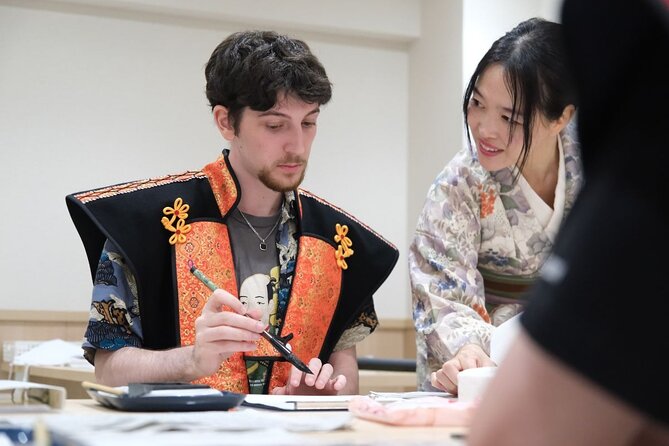
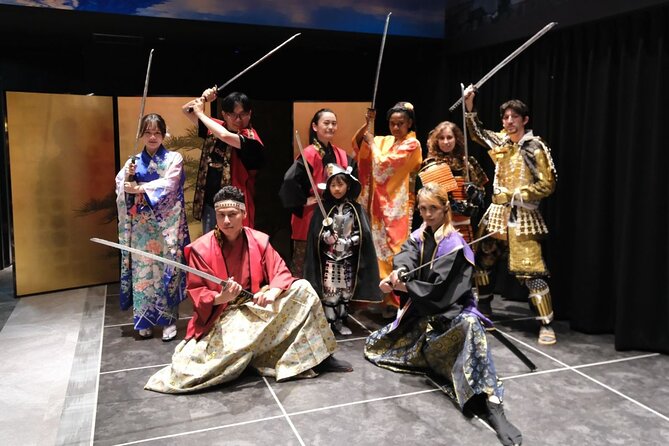
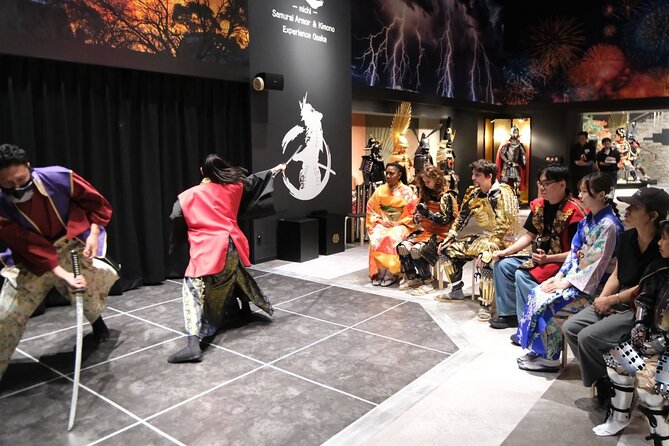
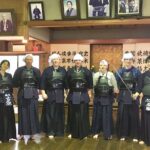
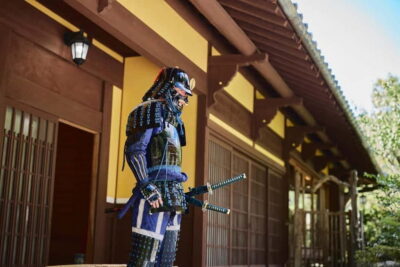
The samurai portion is the showpiece. You watch a dramatic battle-style performance, then you get a chance to practice samurai-style moves as part of the act.
A key detail: the experience is designed so you do not need to worry about real swords. People specifically mentioned that the weapons are not real, which keeps the whole thing comfortable for beginners and families.
If you want the swords-and-stunts feeling, this delivers it. If you are expecting historically museum-grade armor and weapons, you might feel the samurai segment is more entertainment than replica study, since one visitor pointed out that some elements can be reproductions.
That leads to a practical takeaway: treat the samurai show as performance culture, not a hardcore reenactment workshop.
Tea Ceremony: Slow Down, Learn the Steps, and Enjoy the Ritual
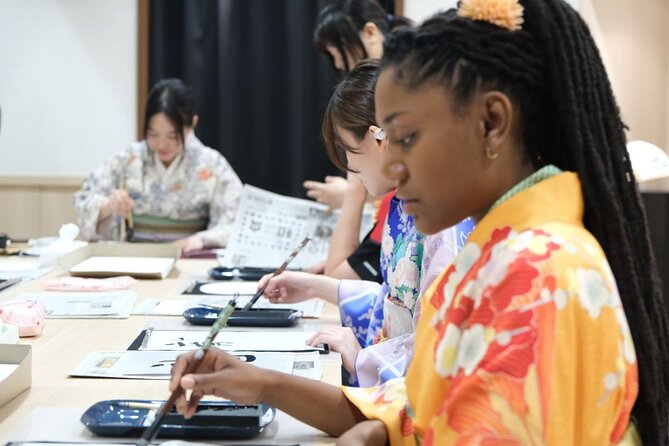
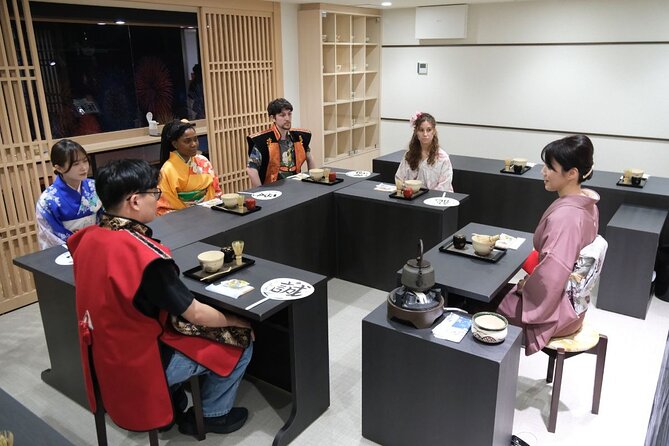
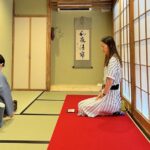
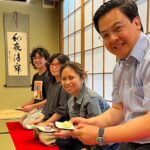
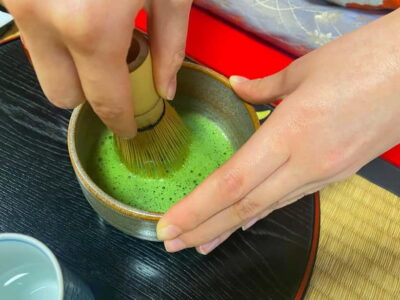
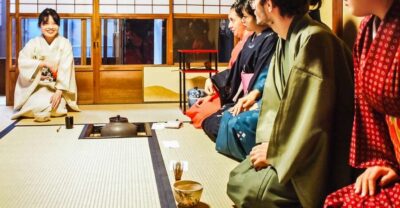
The tea ceremony section is one of the most praised parts of the experience. People consistently highlight that they learn how to do it correctly, not just pose for photos.
This is where you shift from action to etiquette. You get the chance to understand the flow of the ceremony, and you get hands-on time in the process.
Tea is not just a drink here. It is a lesson in attention, timing, and small movements. Even if you only remember a few steps, you leave with something calmer than a typical tourist show.
One practical tip: wear sleeves and layers you can move in comfortably. A tea ceremony is a hands-on activity, so you want your clothes to cooperate.
Calligraphy in Osaka: Ink, Focus, and a Take-Home Moment
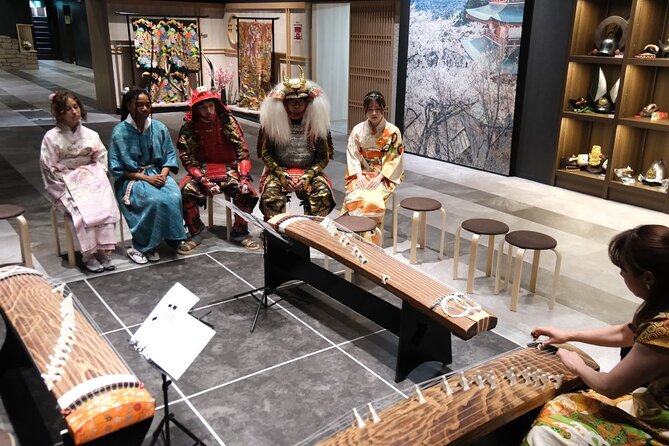
After tea, calligraphy brings you into a different kind of concentration. The format is hands-on, and staff guide you through the process so you can finish something you can keep.
This matters if you are the type who wants more than watching. Calligraphy is one of those activities where you instantly understand what you are doing because the results show right away.
You can also ask questions. Several reviews mention that staff are patient and helpful, especially when language makes things tricky.
If you are worried you will mess up, that is part of it. Calligraphy is not about perfection on the first try. It is about learning the basic strokes and getting feedback along the way.
Traditional Music and Instrument Practice: Watch, Then Try
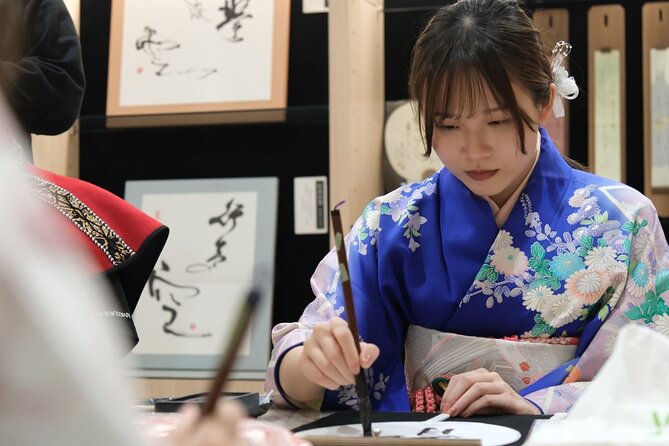
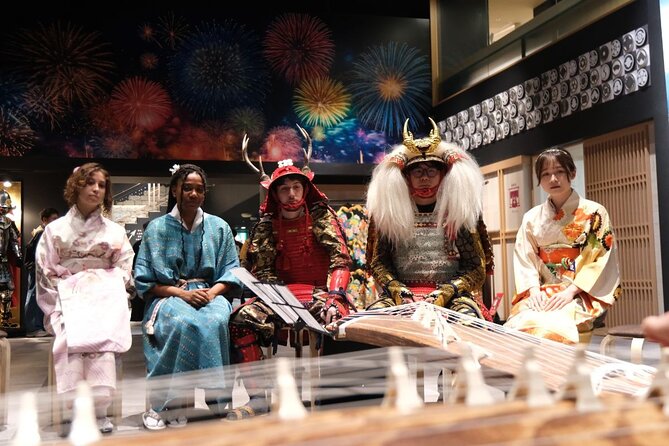
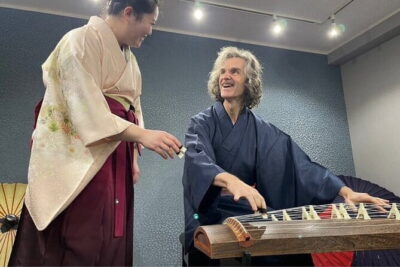
The music portion is not passive. You get live performances on Japanese traditional instruments, and you may also get hands-on time depending on the station and what is scheduled that day.
Reviews mention trying instruments like a Japanese flute and other traditional string or keyboard-style instruments, plus a sense of practical learning rather than only listening.
Even if your first attempt is awkward, it is still a win because you feel the instrument’s technique, not just hear the sound. That is how the experience stays lively and fun.
If you are traveling with kids, this is often a strong moment. One review even mentioned a staff member being hilarious while helping with samurai practice, which made it easy for kids to stay engaged.
Staff, Translators, and the Little Details That Make It Feel Smooth
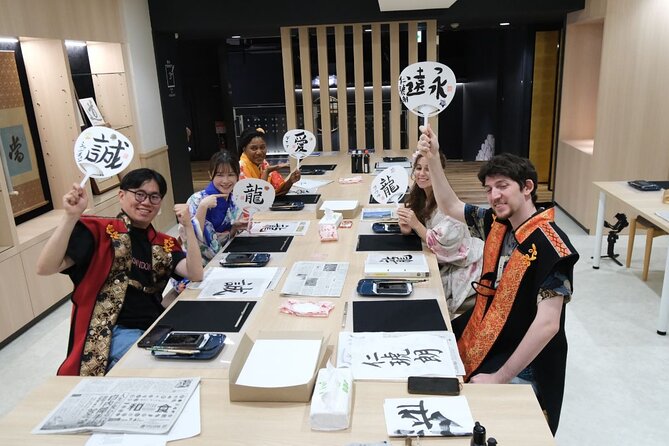
The staff are a major reason this gets such high ratings. Two names come up in the feedback: Yui and Miyu. Visitors thanked them for being friendly, supportive, and helpful through the activities.
What stands out is the way they handle questions and language gaps. You do not feel left behind. Translators are available as you move through stations, so you can get explanations without guessing.
You also get help with movement through the different parts of the program. That seems small, but it makes a difference when you have multiple activities packed into one block.
Price and Value: Is $44.92 Worth It?
At $44.92 per person, the price is hard to beat for a combination of tea ceremony, calligraphy practice, a samurai performance, and traditional music in one place.
The math is simple. Most Osaka cultural experiences charge separately, and you would usually pay more for a single hands-on workshop or a single show. Here you get multiple categories in one ticket.
The value gets even better if you want something indoor-friendly for a rainy day. One review specifically praised how the format works when the weather is bad.
The one caution is extras. The program lists samurai armor, kimono, and ninjya as not included. If you decide to do costume upgrades, your total cost can rise quickly.
Still, even with that caveat, the base ticket feels like a solid deal for the amount you do and the amount you learn.
Costumes, Armor, and Kimono Upgrades: How to Decide
The experience is described around samurai armor and kimono cultural time, but the listing also says armor and kimono are not included. In plain terms, that usually means you can add them, but you are not guaranteed the full costume setup on the standard ticket.
If you want the full look, plan for an upgrade and extra time. One visitor reported a kimono upgrade around 5,000 yen, and they described getting dressed with attendants, keeping certain undergarments and socks, and having help with photos.
Another visitor also mentioned an option to dress in samurai attire. That suggests the facility is set up for costume moments if you pay for them.
My advice: if you only have a half-day and you mainly want the cultural skills, you can skip costumes and still get plenty. If getting photos in traditional outfits matters a lot to you, consider the upgrade because it adds an extra layer to the experience.
Timing Reality Check: Plan for 3 to 4 Hours If You Want Everything
On paper, this is about 2 hours 30 minutes. In practice, people mentioned staying 3 and a half to 4 hours at times, especially when they chose upgrades or extra stations.
So if your schedule is tight, give yourself breathing room. If you want to do everything at a relaxed pace, plan closer to 3 hours minimum, and more if you add costumes.
This is also the kind of experience where you might ask questions, take photos, and repeat parts of the activity if you want one more try. That is when the time adds up.
Who This Tour Is Best For
This is great for a wide range of travelers:
- Families who want structured activities for all ages
- Couples who want a fun afternoon with real cultural instruction
- Rain-day planners who need an indoor-friendly plan in Osaka
- First-time Japan visitors who want multiple traditions in one sitting
It is also a good option if you are not trying to become a master in one day. You are learning basics, gaining context, and leaving with memories you can explain to friends.
If you only want a quick photo stop, this might feel like too much. But if you like interactive learning, you will likely enjoy it.
Should You Book This Samurai Show, Tea Ceremony, and Calligraphy Experience?
Book it if you want a hands-on Osaka afternoon where you do tea ceremony steps, practice calligraphy, watch a samurai performance, and enjoy traditional music, all with help from staff and translators.
Skip or adjust your expectations if you are the type who wants museum-level accuracy from samurai gear and battle props. The samurai segment has a theatrical style, and some elements can be reproductions.
A smart way to decide: think about what you want photos of. If the samurai and kimono look is a top priority, budget for upgrades and time. If your priority is learning and trying multiple traditions without the stress of planning, the standard ticket offers strong value.
FAQ
Where does the experience start?
You start at Shinsaibashi ARTY Inn, 2-chōme-17-3 Nishishinsaibashi, Chuo Ward, Osaka 542-0086, Japan. The tour ends back at the same meeting point.
How long is the Samurai show and traditional activities experience?
The duration is about 2 hours 30 minutes (approx.). The traditional performance and activities portion is described as about 150 minutes.
What is included in the ticket price?
The included activities are a tea ceremony experience, calligraphy experience, traditional Japanese music, and a samurai performance.
Are samurai armor or a kimono included?
No. Samurai armor and kimono are listed as not included in the experience.
Is there a mobile ticket?
Yes. The experience uses a mobile ticket.
What is the group size limit?
The maximum group size is 20 travelers.
Is it near public transportation?
Yes, the meeting area is described as near public transportation.
What happens if weather is poor?
The experience requires good weather. If it is canceled due to poor weather, you will be offered a different date or a full refund.
Can most travelers participate?
Yes. It says most travelers can participate.
Blade Work and Stagecraft

Kyoto by the Bowl
Newest Osaka write-ups from the Loving Japan desk

Kyoto Tea Ceremonies and Matcha, side by side.
 ★ 4.9Tea Ceremony in a Traditional Tea House in KiyomizuFrom $493,519 reviews
 ★ 4.9Tea Ceremony Ju-An at Jotokuji TempleFrom $293,207 reviews
 ★ 4.345-Minute Tea Ceremony Lesson ExperienceFrom $222,378 reviews
 ★ 5.0World Heritage Kyoto & Nara Uji Authentic Matcha ExperienceFrom $1291,573 reviews
 ★ 4.9Tea Ceremony ExperienceFrom $251,426 reviews
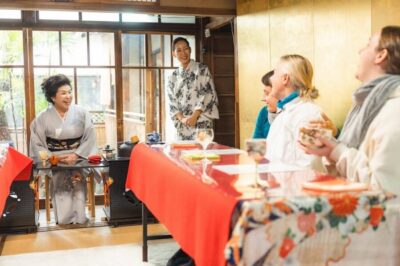 ★ 4.9Table-Style Tea Ceremony at a Kyo-MachiyaFrom $451,211 reviews
 ★ 4.8Kenrokuen Tea Ceremony ExperienceFrom $351,139 reviews
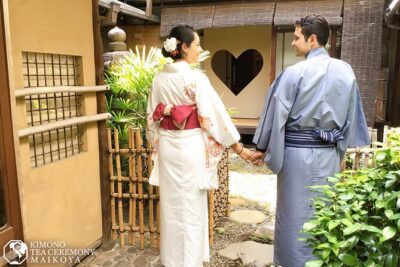 ★ 5.0Kimono Tea Ceremony at Kyoto Maikoya, NISHIKIFrom $65911 reviews
Filed on these lists too