
REVIEW · KYOTO TEA CEREMONIES AND MATCHA
Tea ceremony and kimono experience at Kyoto, Tondaya
Kimono and tea, in a real Kyoto house. I like the machiya setting and the kimono experience that turns a tea lesson into something you can feel in your day. The one watch-out is the format, it runs as a group activity and it can get crowded enough that the ceremony may feel a bit rushed.
You start in a historic townhouse, a true wooden slice of Kyoto life, not a staged studio. If you want calm, clear viewing, consider the private experience option, especially at busy times.
In This Review
- Key points before you go
- A Kyoto machiya with Tondaya Nishijin flavor
- Kimono fitting: what to bring and what to expect
- Tea ceremony basics, served in a real room
- Time limits and group size: the comfort factor
- Photos, the house tour, and how to get better than one shot
- Price and value: is $178.34 worth it?
- Getting there: meeting point, signage, and timing sanity
- Who should book this Kyoto tea ceremony with kimono
- Final call: should you book Tondaya?
- FAQ
- How long is the Tea ceremony and kimono experience?
- What’s included in the price?
- Do I need to bring socks?
- Are geta sandals included?
- Is lunch included?
- Is the experience private or shared?
- What’s the maximum group size?
- Where do I meet for the experience?
- Can I cancel for a refund?
Key points before you go
- Meiji-era machiya townhouse setting that makes tea feel less like a show and more like a ritual
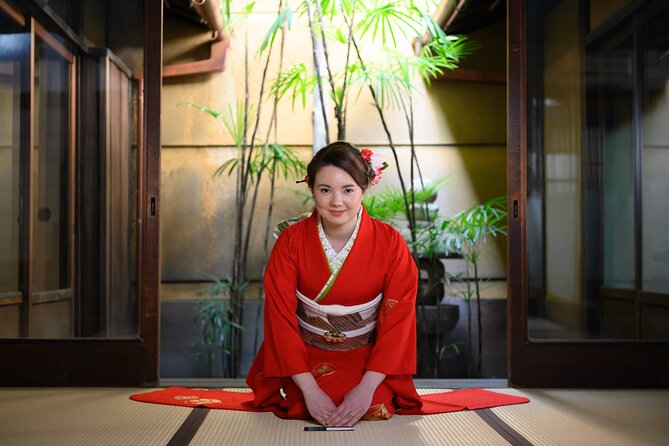
- Silk kimono fitting with hands-on help, plus time for photos around the house
- A tea ceremony that includes matcha and a small sweet (served as part of the session)
- Group size can affect comfort, including whether you can see and hear well
- Bring socks to protect the cultural space, and plan for a short, structured 1.5 hour visit
Sit down somewhere quieter. Other tea rooms we booked
- Kyoto: Tea Ceremony in a Traditional Tea House in Kiyomizu
★ 4.9 · 3,519 reviews - Kyoto: Tea Ceremony Ju-An at Jotokuji Temple
★ 4.9 · 3,207 reviews - Kyoto: 45-Minute Tea Ceremony Lesson Experience
★ 4.3 · 2,378 reviews - Kyoto: Table-Style Tea Ceremony at a Kyo-Machiya
★ 4.9 · 1,211 reviews
A Kyoto machiya with Tondaya Nishijin flavor
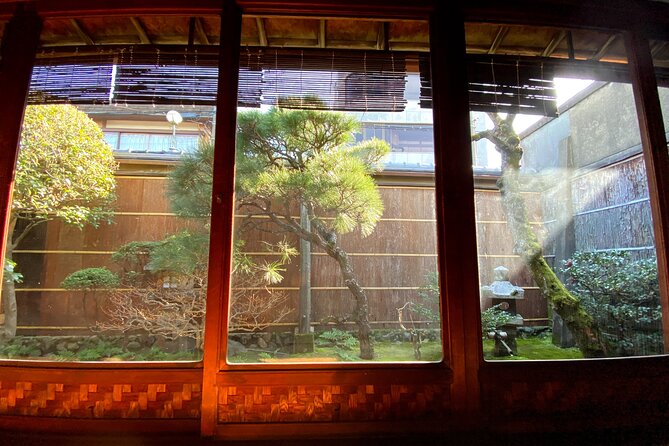
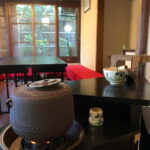
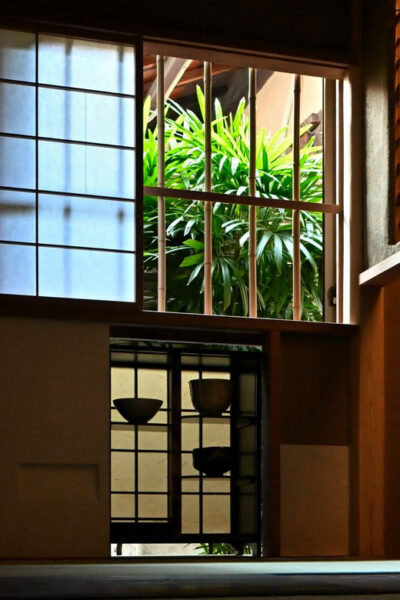
At Tondaya, the big magic is that the tea ceremony happens inside a real traditional townhouse, a machiya. This is the part that most people remember long after the tea is gone. You are not sitting in a generic room. You are in an old Kyoto wooden home, built in the Meiji period, with the small, slow details that come with that kind of architecture.
You also get more than one taste of the place. Before the tea, you have time to look around, take photos, and feel the flow of the space. One review described the atmosphere as more peaceful and authentic than typical tourist setups, and that matches what the venue style suggests. You’ll also likely notice how the house itself shapes the ceremony, because the setting naturally limits sound and sight lines in a good way, and sometimes in a frustrating way when groups are large.
If you like Kyoto for its everyday textures, this is a strong choice. If you are expecting a long, lecture-style cultural class, you might find the session short and structured.
Kimono fitting: what to bring and what to expect
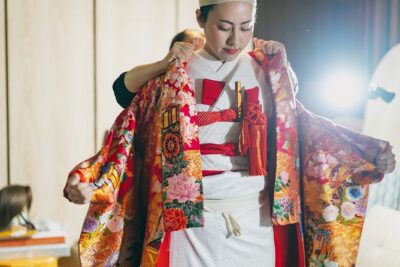
The kimono moment is usually the main event for first-timers. You arrive and the team promptly fits you with an authentic silk kimono. The experience is designed so you do not have to figure out folds, ties, and placement on your own. You’ll likely see a short intro video showing how to wear kimono and how the tea process works, then the helpers step in.
A practical thing: socks matter here. You’re asked to bring socks to protect the cultural assets. If you forget, you could buy socks on site, but plan to arrive prepared.
Kimono also changes how you move. You’ll want to wear clothing that is easy to layer and remove, and you’ll want comfy patience for fitting time. A few people reported the process as part of what makes the experience feel special, while others felt the whole timeline can get rushed when the group is large. Either way, the fitting is the one segment you should expect to feel orderly, because the staff need to manage everyone smoothly.
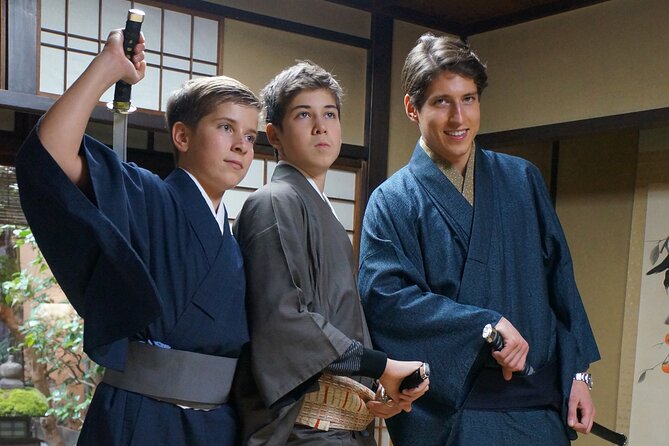
You will also have photo time. The house gives you plenty of angles, and you can take photos around the rooms while you are dressed. One person even mentioned finding spots to photograph the kimono and the tea equipment. That’s a real plus if you care about more than one posed picture.
Tea ceremony basics, served in a real room
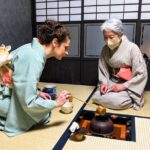
The ceremony itself is the cultural core, and it comes with instruction plus the chance to watch and participate at the pace of a traditional setting. You’ll watch a performance, then you’ll experience the tea. The experience is typically short, and the structure matters because tea ceremony etiquette is all about small, careful movements.
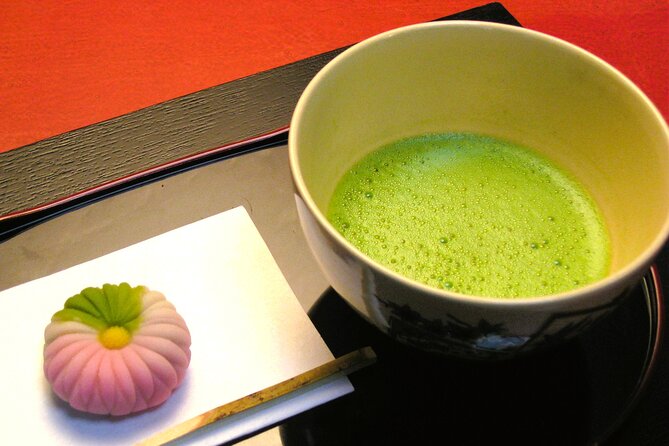
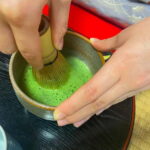
From what people describe, you may see the preparation and then taste matcha. You’re also likely to receive a sweet alongside the tea, which is common in a formal tasting context and adds a pleasant contrast to the bitterness of matcha.
You should also know what to expect from explanation. Some participants felt the teaching was clear and step-by-step, with the guide explaining not just what happens but why. Others felt explanations were brief, especially when the group was crowded or the English support was hard to follow. So if you want a deeper class, think about the private option, where the guide can slow down and keep your group together.
Also, this is a ceremony in a house, not a theater. If you are near the edge of the seating area, you can get a better view. If you are taller or shorter than the people in front of you, that can affect sight lines. If you really care about seeing every movement, plan for the private option or arrive with a mindset of flexibility.
Rental shops we have actually walked into
- Kimono Tea Ceremony at Kyoto Maikoya, NISHIKI★ 5.0 · 911 reviews
- Kyoto: Kimono Rental with Hairstyling and Accessories★ 4.8 · 653 reviews
- Kyoto: Kimono Tea Ceremony at Orizuruya Gion★ 4.9 · 618 reviews
- KYOTO Tea Ceremony with kimono near by Imamiya Jinjya Shrine★ 5.0 · 343 reviews
- Kyoto: Kimono and Tea Ceremony Experience at Cultural Asset★ 4.3 · 306 reviews
Time limits and group size: the comfort factor
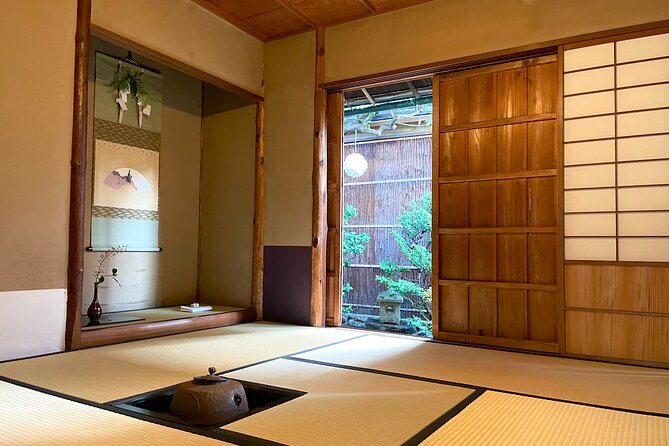
The experience is set for up to 1.5 hours. That time cap is normal for a cultural activity, but it also means you do not get a long wandering tour plus a long ceremony. You will do kimono fitting, photos, a house visit, then the tea ceremony, all inside that compact window.
Group size can make a noticeable difference. The maximum group is listed at 20 people, and that is plenty of people for a small historic townhouse. Some people loved how smoothly it ran, while others said larger groups got chaotic, making it harder to see the host and hear the instruction. There are also mentions of hot conditions in the ceremony room during busier sessions, which can happen in compact spaces when lots of people are packed in.
If you hate feeling rushed, here’s the practical move: choose the private experience option. The trade-off is cost, but the upside is far better viewing and more time for questions. If your budget is tight and you still want to do it as a group, go in ready to focus. Watch the host when you can, and don’t be shy about asking quick questions when there’s a pause.
Photos, the house tour, and how to get better than one shot
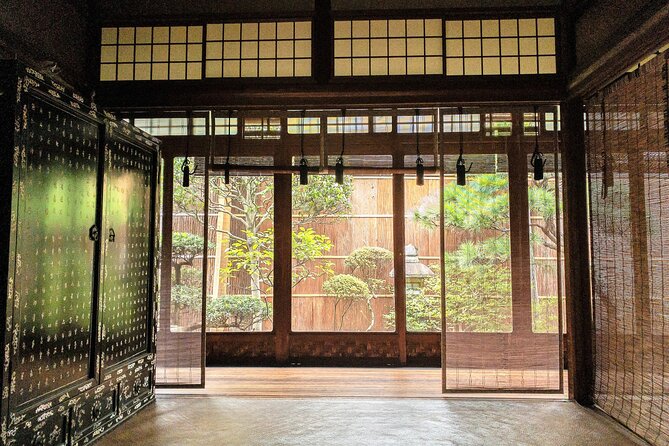
Photography is part of the experience here. You can take photos around the machiya before the ceremony, and in many sessions you can also take photos during the visit. That helps make the kimono feel less like a rushed costume and more like a Kyoto moment you can actually keep.
The house tour is also a key value point. You’ll see a traditional Japanese townhouse and learn about the rooms and objects as you move through the space. One person highlighted walking through a very old tea house, with explanations tied to room features and tea ceremony significance. That kind of guided context is what turns photos into understanding.
One caution: if you want your best pictures, plan your timing. The busy moments are usually at the beginning, while everyone is adjusting in kimono and lining up. By the time you get to the quieter corners of the house, you may be able to take steadier photos. If you’re trying to get a clean shot without other people crossing your frame, you may need to be patient.
Also, poor signage is a recurring theme, so give yourself extra time to find the venue. Once you’re inside and dressed, the rest tends to flow.
Price and value: is $178.34 worth it?
At $178.34 per person, this is not a casual activity. It is priced like a guided cultural experience where you are paying for three things at once: the kimono fitting, the tea ceremony, and the entrance fee to the historic space.
What’s included is meaningful. A kimono fitting takes time and skill, and it’s done by staff who help you get dressed properly. The venue is not generic, it is a machiya turned cultural museum space. The tea ceremony itself includes tasting, and you get an intro to the process.
What’s not included can quietly add costs and hassle. Socks are not included, hair styling and makeup are not included, and geta sandals are not included. Lunch is not included, so you’ll want a plan for when you eat. If you come hungry, it’s easy for the session to feel shorter and more intense than you expected.
Is it worth it? For me, the decision comes down to group comfort and your priorities.
- If you care most about kimono photos plus a straightforward tea tasting lesson, the price can feel fair.
- If you want a slow, deeply explained tea ceremony in a quiet setting, the group format can be a mismatch. In those cases, the private option becomes the better value, even if it costs more, because it upgrades the experience you receive.
Getting there: meeting point, signage, and timing sanity
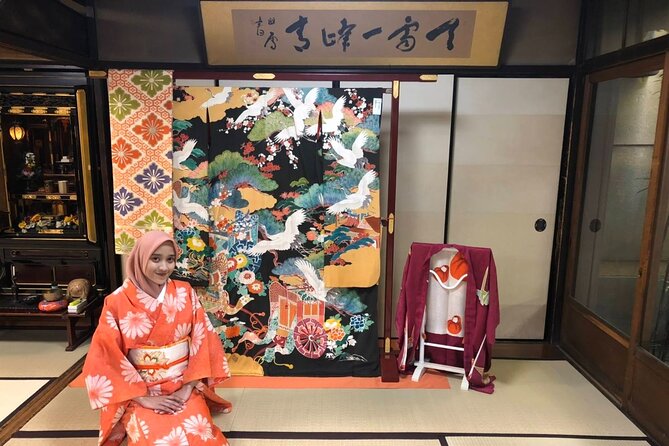
The meeting point is Tondaya – Nishijin Japanese Cultural Experience Museum, 697 Ishiyakushichō, Kamigyo Ward, Kyoto, 602-8226, Japan. The area is near public transportation, which helps a lot in Kyoto where walking times can vary by route.
One practical warning: it can be easy to miss. People reported that it can be hard to spot because signage isn’t great, and that arriving early helps you find it before you start hunting. GPS can help you get your bearings fast.
If you’re planning your day, treat this like a scheduled appointment, not a flexible drop-in. The session is time-capped at about 1.5 hours, and the kimono fitting needs everyone to arrive together. If you’re late, it can compress the whole flow.
Who should book this Kyoto tea ceremony with kimono
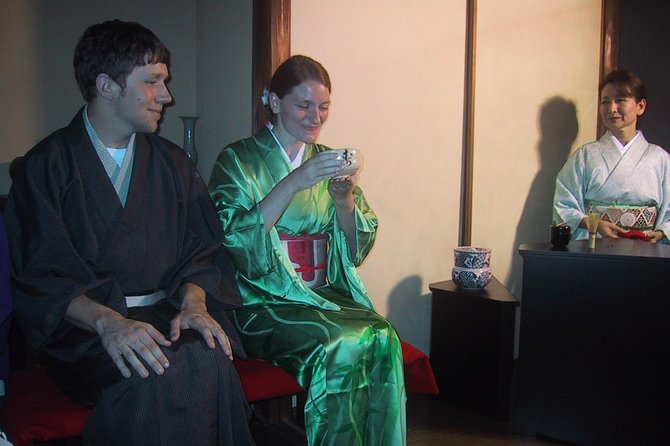
This works best if you want an authentic Kyoto setting plus a hands-on cultural moment without stress. It’s also a great pick if you like photos but want the photos to come with real context, not just a costume and a quick sip.
You’ll likely enjoy it if:
- You want a traditional Japanese tea ceremony in a historic machiya house
- You really want to try a silk kimono and have help dressing
- You value a guided walkthrough of the house and the tea process
- You don’t mind group dynamics, as long as you can see and hear reasonably well
You might want to think twice if:
- You hate small rooms with lots of people
- You need a lot of explanation and history, and you want time for questions
- You’re sensitive to heat in enclosed spaces
- You expect a long, slow ceremony that feels like a private lesson
If you fall into the second group, choose the private option when available. It’s the simplest way to protect your comfort and your understanding.
Final call: should you book Tondaya?
I think this is a strong Kyoto experience when you match the style to your expectations. The value is real if you want kimono fitting, photos in an authentic old house, and a tea ceremony that is guided but not overly long. The historical machiya setting is the reason to come, and the kimono makes it memorable in a way that’s hard to replicate with just a museum visit.
Book it if you:
- Want the classic Kyoto combo, kimono plus matcha ceremony
- Are okay with a group format and a tight 1.5 hour schedule
- Can bring socks and plan a meal around the activity
Consider skipping or switching to private if:
- Clear viewing and calm matter a lot to you
- You know you’ll struggle in crowded rooms
- You want deeper explanation rather than a short, structured tasting
One bonus practical note: you can cancel for a full refund if you cancel at least 24 hours in advance, so you can hold the spot while you sort out the rest of your Kyoto plan.
FAQ
How long is the Tea ceremony and kimono experience?
The maximum experience time is set at about 1.5 hours, though timing may vary depending on crowd levels.
What’s included in the price?
You get a tea ceremony experience, a kimono experience, and the entrance fee.
Do I need to bring socks?
Yes. You’re asked to bring socks to help protect the cultural assets. If you forget, you can buy socks on site.
Are geta sandals included?
No, geta are not included. The experience requires you to bring socks, but geta specifically are not listed as included.
Is lunch included?
No. Lunch is not included.
Is the experience private or shared?
It’s conducted in a group with other participants. A private experience option is available if you prefer a more private setting.
What’s the maximum group size?
The tour/activity has a maximum of 20 travelers.
Where do I meet for the experience?
The start point is Tondaya – Nishijin Japanese Cultural Experience Museum, 697 Ishiyakushichō, Kamigyo Ward, Kyoto, 602-8226, Japan.
Can I cancel for a refund?
Yes. Free cancellation is available, and you must cancel at least 24 hours in advance for a full refund.
Rental Counters, Compared
Kyoto by the Bowl
Newest Kyoto write-ups from the Loving Japan desk
Kyoto Tea Ceremonies and Matcha, side by side.
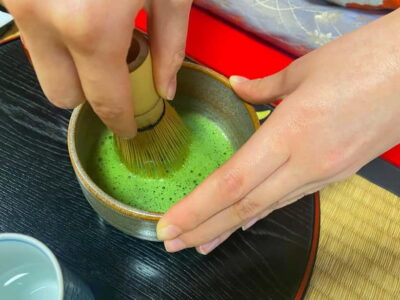 ★ 4.9Tea Ceremony in a Traditional Tea House in KiyomizuFrom $493,519 reviews
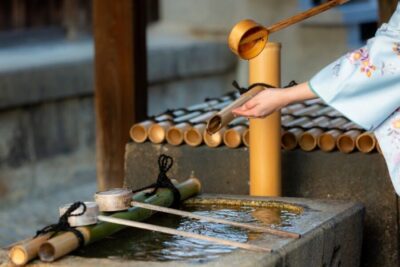 ★ 4.9Tea Ceremony Ju-An at Jotokuji TempleFrom $293,207 reviews
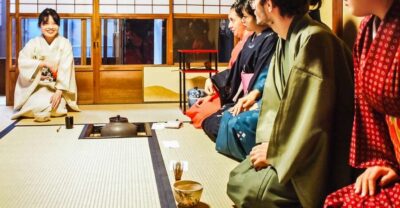 ★ 4.345-Minute Tea Ceremony Lesson ExperienceFrom $222,378 reviews
 ★ 5.0World Heritage Kyoto & Nara Uji Authentic Matcha ExperienceFrom $1291,573 reviews
 ★ 4.9Tea Ceremony ExperienceFrom $251,426 reviews
 ★ 4.9Table-Style Tea Ceremony at a Kyo-MachiyaFrom $451,211 reviews
 ★ 4.8Kenrokuen Tea Ceremony ExperienceFrom $351,139 reviews
 ★ 5.0Kimono Tea Ceremony at Kyoto Maikoya, NISHIKIFrom $65911 reviews
Filed on these lists too