
REVIEW · SUMO WRESTLING EXPERIENCES
Tokyo Ryogoku Sumo Morning Practice + Photo Shoot with Wrestlers
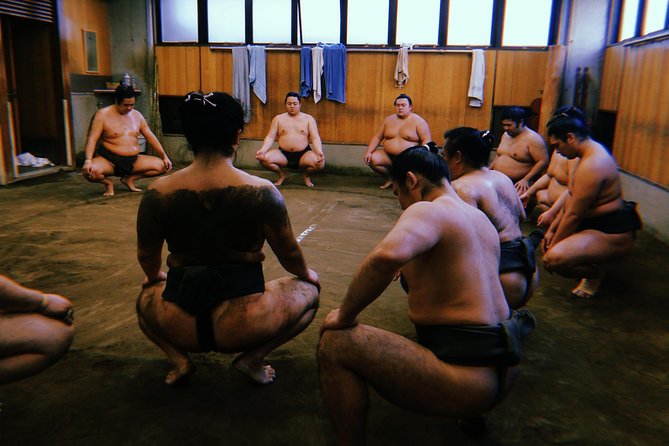
Watching sumo in the morning feels different. This Tokyo Ryogoku experience gets you into an unstaged practice setting so you can see how wrestlers train, not how they perform for a crowd.
What I love most is the small-group access and the fact that the guide helps you get into a stable area that’s hard to find on your own. The second big win is the photo shoot angle, with tour photo coverage included.
One thing to consider: you sit on the floor on tatami for about 1.5 hours, and stable rules can affect what photos you are allowed to take and even whether the session runs as planned.
In This Review
- Key highlights to know before you go
- Ryogoku at 8:00, why sumo mornings hit harder than matches
- The stable experience: what you’ll actually watch during training
- Etiquette and comfort: the part that can make or break your morning
- Photo shoot with wrestlers: what’s included and what’s not guaranteed
- Ryogoku Kokugikan stop: a short stroll with big sumo-town energy
- Guides, explanations, and why your person matters
- Is $98.16 good value for a 2-hour sumo morning?
- Logistics that matter: timing, lateness, and what to pack
- Who should book, and who should skip this sumo morning
- FAQ
- FAQ
- Where do I meet the guide for the sumo practice tour?
- What time does the tour start?
- How long is the tour?
- Is the sumo morning practice admission included?
- Is entry to Ryogoku Kokugikan included?
- What is the minimum age to join?
- Will I be able to take photos during the practice?
- What if the stable cancels the practice?
- What should I do about bathroom breaks?
- What happens if I’m late to the meeting point?
Key highlights to know before you go
- Meet at Ryogoku JR Station East Exit with a MagicalTrip board, then walk to the stable (about 5 to 30 minutes depending on which stable is available)
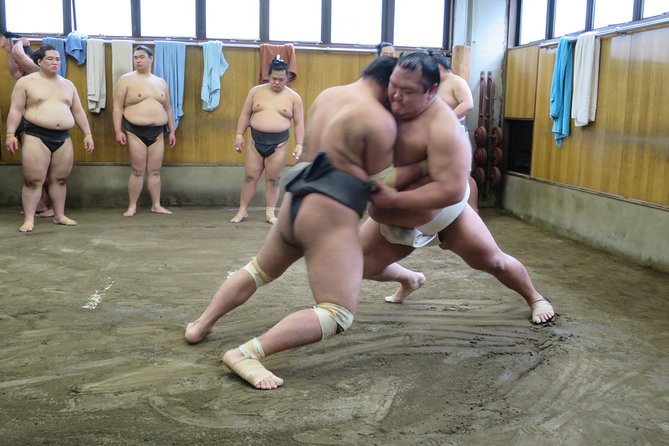
- Close-up morning training in a real stable, with rules that keep the focus on practice (tatami seating, quiet time, limited off-limits areas)
- Tour photos are included, but the stable decides if visitors can photograph wrestlers directly
- Small group size up to 7 travelers, so it usually feels more personal than the big tours
- Ryogoku Kokugikan area stop for 10 minutes, focused on the sumo-town vibe and the neighborhood around Sumo culture
Morning practice or an evening show. Both reviewed
- Tokyo: Sumo Show and Dining Experience
★ 4.8 · 2,742 reviews - the SUMO show
★ 5.0 · 1,960 reviews - Tokyo Shinjuku Sumo Show & Experience with Photo
★ 5.0 · 1,750 reviews - Tokyo: Sumo Show and Experience in Shinjuku
★ 4.8 · 1,001 reviews
Ryogoku at 8:00, why sumo mornings hit harder than matches
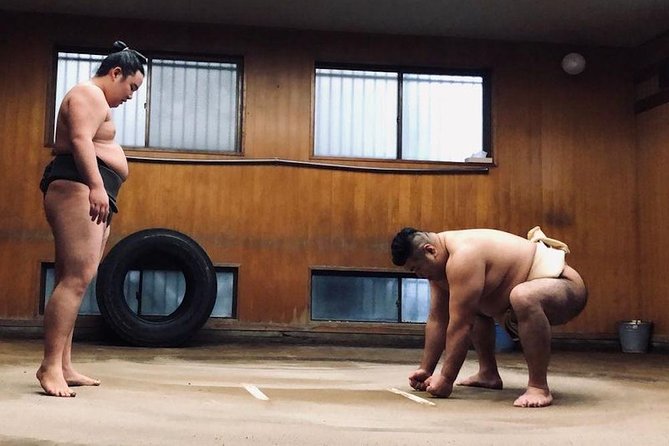
This tour starts at 8:00 am, and it’s smart that you begin early. Sumo training is a daily rhythm, and the morning sessions show the sport as work, routine, and discipline, not just spectacle.
Your meeting point is Re.Ra.Ku Ryōgoku Ekimae, at the JR Ryogoku Station East Exit area. The guide will be holding a red/orange MagicalTrip board, and there’s a key detail worth noting: there are two Ryogoku stations, so do not go to Ryogoku Oedo Line Station. If you want this to feel smooth, arrive early enough to find the group and get settled before the walk to the stable.
Once you meet up, you’ll head to the stable together. The walk can be as short as 5 minutes or as long as 30 minutes, depending on which stable is available that day. That flexibility is part of how stable schedules work around tournament season and wrestler condition.
The stable experience: what you’ll actually watch during training
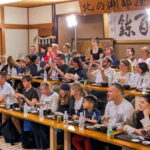
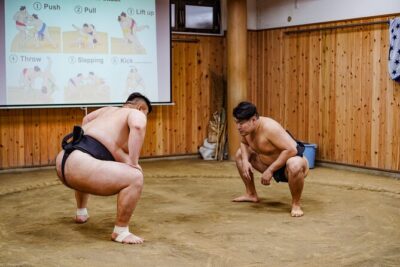
At the stable, you’ll watch morning practice from the audience areas. This is not a staged show with a script. It’s training, with plenty of discipline in how people move, sit, and observe.
Expect two things right away:
- You’ll be sitting on the floor on tatami, and many stables don’t offer chairs.
- You’ll need to follow stable rules, including respecting off-limits areas. The tour info is clear: most areas are off-limits except tatami areas.
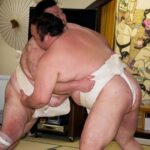
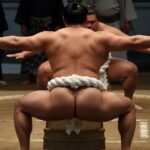
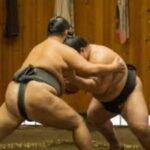
From the experience descriptions and repeat themes in feedback, you can anticipate seeing warm-ups, drills, and techniques that look like real work. Some groups also report seeing actual practice bouts, not just light exercises. The big takeaway for you is that the training feels more physical and structured than you probably expect, especially if your main exposure to sumo is television highlights.
Also plan for quiet time. Several reviews point out that the experience can involve a long stretch where the main activity is watching, with the guide explaining details either before, during, or after segments. If you’re hoping for constant narration, you might find that the stable environment limits how much conversation is possible.
Etiquette and comfort: the part that can make or break your morning
This is a culture and rules experience as much as it is a sport experience. The tour emphasizes that you must be respectful, and stables can refuse guests who offend rules. That’s not meant to scare you. It just means you should treat this like watching someone’s workplace, not a casual attraction.
Comfort tips matter here:
- Go to the toilet before the practice starts. You may not be allowed to go during the session.
- Bring water. Summer in Japan can be hot and humid, and the tour notes heat stroke risk.
- Wear a hat if you’re doing the walk in humid weather.
And because seating is first come, first served, your exact view can vary. If you arrive early and your group gets placed closer, you’ll likely feel the best “close-up” effect. If you end up later in the seating line, you may sit a few rows back.
Finally, be ready for the tour to run a little long at times. The session duration can prolong, which can push the end time past the estimate.
Someone else behind the camera. Other shoots
- Tokyo Ryogoku Sumo Morning Practice + Photo Shoot with Wrestlers★ 4.5 · 277 reviews
- Tokyo Cyberpunk Street Photo Tour★ 5.0 · 165 reviews
- Tokyo by Night Photography Tour (Private Option Available)★ 5.0 · 151 reviews
- Tokyo Sumo Morning Practice Tour w/ Ring-Side Seat + Photo Shoot★ 5.0 · 93 reviews
- Tour with Pro Tokyo Photographer and take Edgy Unique Portraits★ 5.0 · 80 reviews
Photo shoot with wrestlers: what’s included and what’s not guaranteed
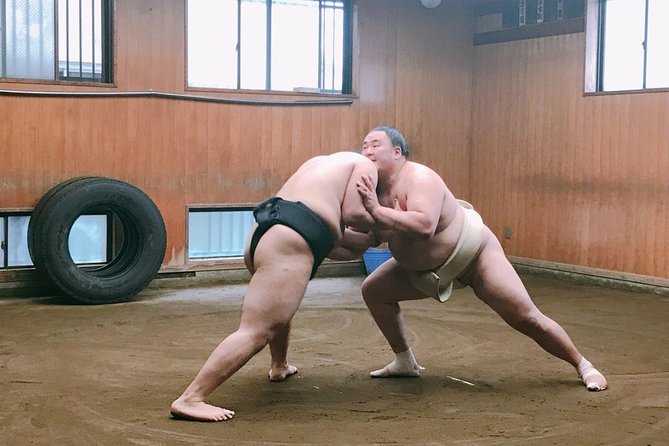
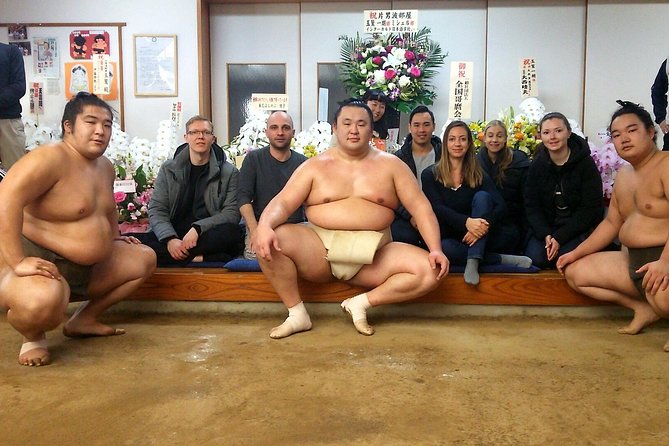
This tour includes photo coverage, and that’s a real value point. You’ll get tour photos included, and the experience is built around seeing wrestlers up close and having a photo shoot component.
But here’s the honest part you should plan around: the stable decides what photos visitors can take, including whether you can photograph wrestlers and whether you can photograph wrestlers with you. The tour info explicitly says permission is not guaranteed.
What I think helps you manage expectations:
- Treat the photo shoot as part of the experience, not a promise you can count on every second.
- Listen to your guide’s instructions on where you can stand, when you can take photos, and when you must put cameras away.
- If you’re hoping for lots of selfies during the practice, you may be disappointed. Stable rules can be strict.
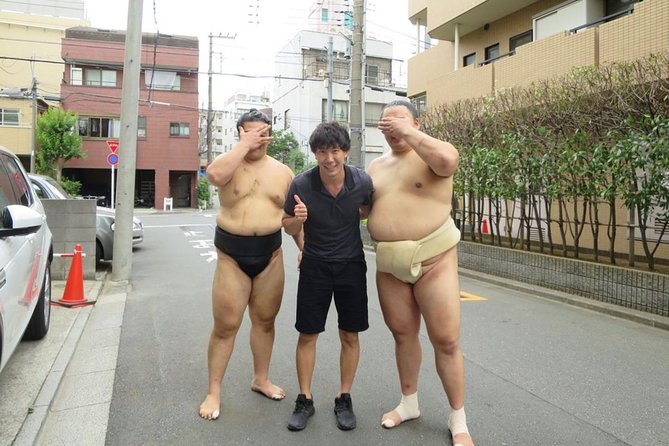
Even with those limitations, many reviews describe post-practice moments where wrestlers interacted and posed for photos with the group. So yes, the human moment is often there. Still, keep your plan flexible because stable decisions drive the final outcome.
Ryogoku Kokugikan stop: a short stroll with big sumo-town energy
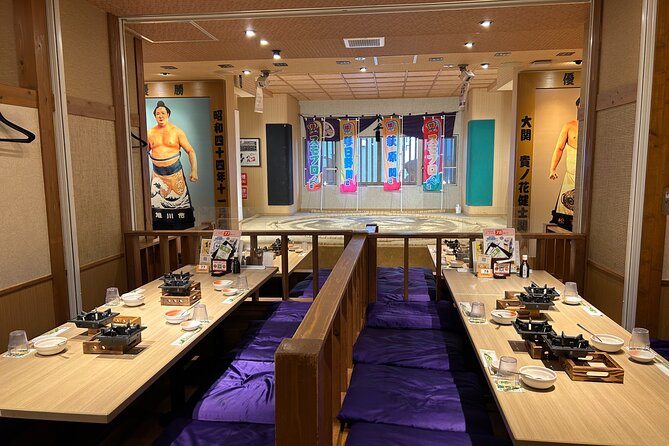
After practice, your guide walks you back to Ryogoku Station. You also get a second stop near Ryogoku Kokugikan, the famous sumo arena area.
This portion is brief, about 10 minutes, and it’s designed more like a guided look around the sumo town than a museum visit. The admission ticket there is listed as free, so you’re mainly getting context, direction, and local flavor from your guide.
For you, the value of this stop is timing. You’re not rushing out of the stable, then hopping onto a different plan immediately. Instead, you get a short buffer that helps it all connect, from real morning practice to the neighborhood built around sumo culture.
Guides, explanations, and why your person matters
In tours like this, the guide can make the difference between a cool photo and a “wow, I finally get it” experience. The best feedback in the review set repeatedly highlights guides who explain sumo rules, hierarchy, and what it means to train like this day after day.
You might see different guide names depending on the day. Some reviews mention Mayu, Masao, Ayaka, Yumiko, Tommy san, and Kate. When the guide is strong, you’ll get practical context that helps you understand what you’re seeing and why it matters, like:
- how ranking and hierarchy shape daily life in the stable
- why specific training routines are structured the way they are
- what respect and tradition look like in real behavior, not just in theory
One caution from the feedback: a couple of people felt the explanation portion could have had more background, especially if they were hoping for a fuller breakdown of practice origins and daily life details. So if you want lots of “what you’re watching” commentary, keep your questions ready and pay attention during any pre-stable briefing your guide gives.
Is $98.16 good value for a 2-hour sumo morning?
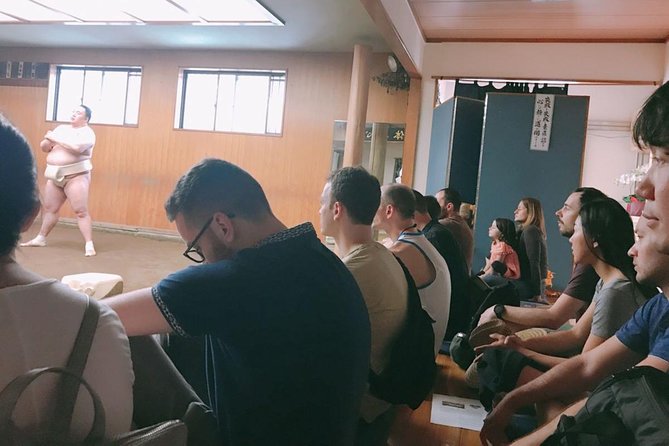
For $98.16, you’re buying more than a ticket. You’re buying access plus translation plus timing. Getting into a stable for training is tough without local help, and the tour is built around exactly that hurdle.
Here’s what supports the value:
- Admission ticket included for the sumo morning practice
- Tour photos included, which reduces the pressure of relying on your own camera permissions
- A local guide who helps you navigate where to go and what to follow
- A small group (maximum 7), which often improves the experience quality versus larger crowds
Where value can feel less satisfying:
- You don’t control seating, and if your group is seated farther back, the “close-up” impact can soften.
- The session depends on the stable schedule. There is a real possibility the tour could be cancelled if the practice changes suddenly, though the tour info says you’d receive a full refund if that happens.
- You’ll spend most of the time sitting and watching quietly, not moving around or doing extra activities.
So my take: this is worth it if you want the real thing, close to the action, and you can handle floor seating. If your priority is comfort, constant narration, or a photo-heavy experience during practice, you might want to think twice or go in with lower expectations for what you can photograph.
Logistics that matter: timing, lateness, and what to pack
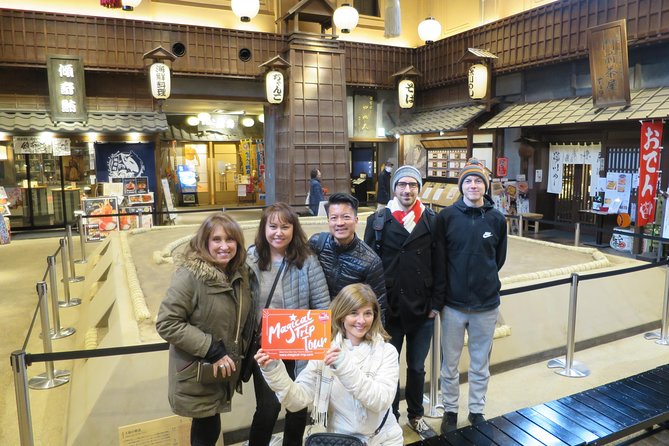
This tour runs on stable time and group timing, and both are strict. The tour notes that you must start on time. If you’re late for more than 15 minutes past meeting time, you will not be able to join, and there’s no refund or reschedule.
That means your morning plan should be built for certainty:
- Arrive early at Ryogoku JR Station East Exit meeting point area.
- Wear shoes that are easy to manage, because you may be changing from walking into a sitting area on tatami.
- Bring a water bottle and something to protect from sun or humidity.
Also remember this age rule: the tour is for over 12 years old only. Children under 12 are not allowed inside the sumo morning practice.
Finally, stable areas are off-limits except tatami areas. Don’t wander, don’t try to “get a better angle” by stepping into restricted zones, and always follow your guide’s directions.
Who should book, and who should skip this sumo morning
Book this if:
- you’re a sumo fan or sports fan who wants to see training mechanics and intensity up close
- you like authentic cultural routines, where rules and quiet observation are part of the experience
- you want a guided plan that handles access problems for you
- you’re okay sitting on the floor for about 1.5 hours
You might skip or reconsider if:
- you need a lot of seating comfort, since chairs are usually not available
- you want constant commentary and a structured explanation throughout the entire practice
- you’re counting on taking lots of photos during practice. Permission depends on stable rules.
- you can’t handle early start times or strict lateness rules
FAQ
FAQ
Where do I meet the guide for the sumo practice tour?
You meet at Re.Ra.Ku Ryōgoku Ekimae, located at JR両国駅東口高架下 (near Ryogoku JR Station East Exit). The guide will be holding a red/orange MagicalTrip board.
What time does the tour start?
The start time is 8:00 am.
How long is the tour?
The duration is about 2 hours (approx.), with about 1 hour 30 minutes for the sumo practice portion.
Is the sumo morning practice admission included?
Yes. The admission ticket for the sumo morning practice is included.
Is entry to Ryogoku Kokugikan included?
The Kokugikan stop is listed as free for admission and takes about 10 minutes.
What is the minimum age to join?
This experience is for guests aged 12 and over. Those younger than 12 are not allowed inside the sumo morning practice.
Will I be able to take photos during the practice?
Not necessarily. The sumo stable decides if audiences can take photos of the wrestlers or with wrestlers, so there is a possibility you cannot take those photos.
What if the stable cancels the practice?
If the stable makes a sudden change and cancels the practice, the tour may be cancelled and you will receive a full refund shortly.
What should I do about bathroom breaks?
You may not be allowed to go to the toilet during the practice, so make sure you use the toilet before the tour starts.
What happens if I’m late to the meeting point?
If you are late by more than 15 minutes past the meeting time, you will not be able to join the tour, and you will not receive a refund or rescheduled option.
Someone Else Behind the Camera


Practice Rooms and Show Nights

Newest Tokyo write-ups from the Loving Japan desk
Sumo Wrestling Experiences, side by side.
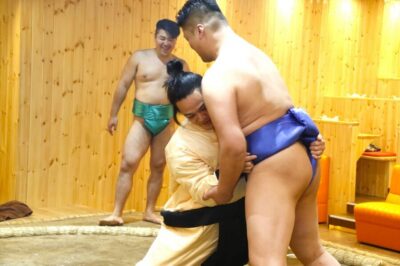 ★ 4.8Sumo Show Experience with Chicken Hot Pot and a PhotoFrom $1036,678 reviews
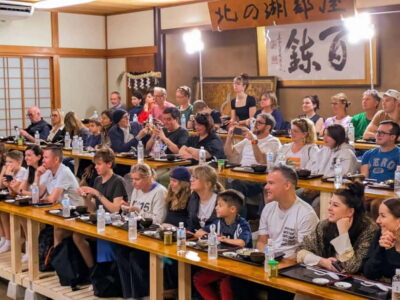 ★ 4.8Sumo Show and Dining ExperienceFrom $792,742 reviews
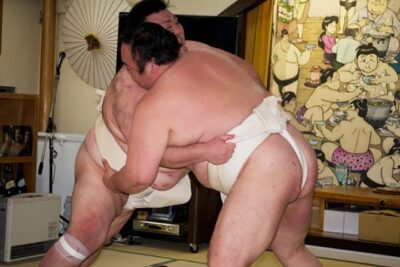 ★ 5.0the SUMO showFrom $891,960 reviews
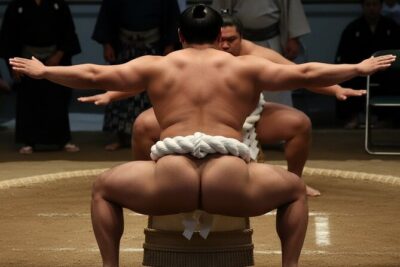 ★ 5.0Tokyo Shinjuku Sumo Show & Experience with PhotoFrom $791,750 reviews
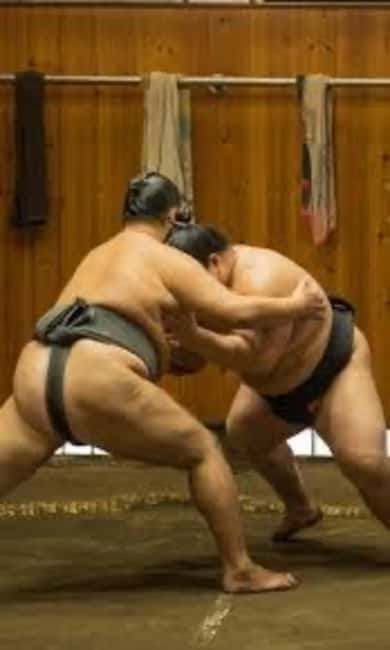 ★ 4.8Sumo Show and Experience in ShinjukuFrom $691,001 reviews
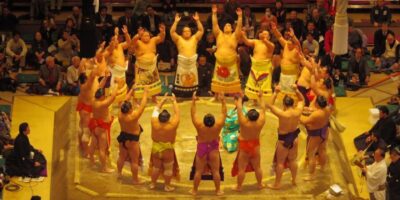 ★ 4.6Sumo Tournament Tour with Chair Seat TicketsFrom $141753 reviews
 ★ 4.5Sumo Show & Experience w/ Optional Kimono & Hot PotFrom $77609 reviews
 ★ 5.0Authentic Sumo Experience in Tokyo: Enter the SanctuaryFrom $171603 reviews
Filed on these lists too