
REVIEW · SUMO WRESTLING EXPERIENCES
Tokyo Sumo Morning Practice Tour w/ Ring-Side Seat + Photo Shoot
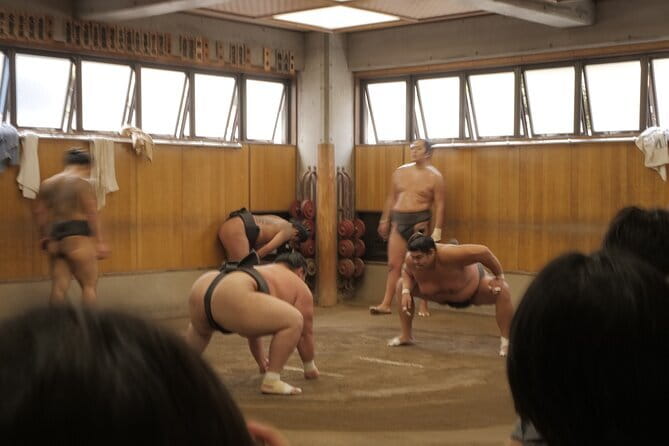
Tokyo’s sumo mornings are not a show, they’re work. This tour takes you into a Tokyo sumo stable for real practice and a chance to see how the day actually runs. You also get a photo shoot moment built in, plus a calm finish at Kiyosumi Gardens.
I especially like the small-group limit of 10, because it makes the viewing situation feel more personal than most big-group activities. I also like that your guide, often Marie, answers questions and helps you read what you’re seeing, not just watch it.
One consideration: sumo stables have strict rules, including tatami-only areas inside, and guests must be 12 and over to enter the stable. If you show up late or act disruptively, entry can be refused with no refund.
In This Review
- Key takeaways
- What makes this Tokyo sumo morning practice tour different
- Small group size, ring-side style viewing, and seating reality
- Kiyosumi Shirakawa meet-up, then walking into sumo training mode
- Watching sumo practice on tatami: what you’ll actually see
- The guide matters more than you think, especially Marie’s explanations
- Photo shoot, but follow the stable’s camera rules
- Kiyosumi Gardens: a calm end after intense training
- Value check: is $99.10 fair for this kind of access?
- Timing and weather tips for a smooth 8:30 am start
- Things that can change on the day, and how to handle them
- Should you book this Tokyo sumo morning practice tour with ring-side seating?
Key takeaways
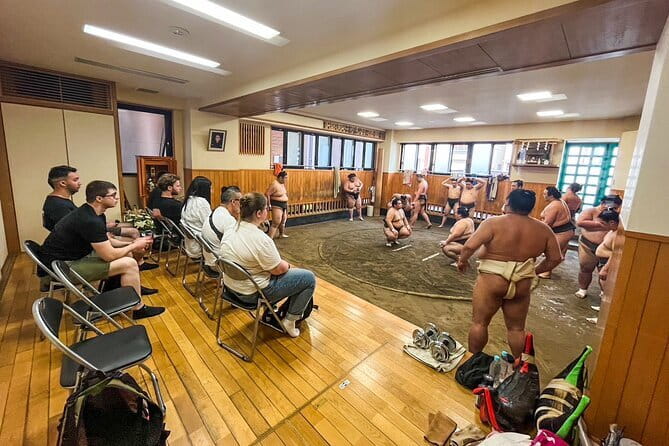
- Small-group, front-row style viewing with first-come seating inside the stable
- A real morning practice session with training you can watch closely
- Guide commentary from Marie or another host who explains routines and context
- Photo shoot included, but exact wrestler photo rules depend on the stable
- Kiyosumi Gardens at the end, so you’re not rushing straight back into Tokyo
Morning practice or an evening show. Both reviewed
- Tokyo: Sumo Show and Dining Experience
★ 4.8 · 2,742 reviews - the SUMO show
★ 5.0 · 1,960 reviews - Tokyo Shinjuku Sumo Show & Experience with Photo
★ 5.0 · 1,750 reviews - Tokyo: Sumo Show and Experience in Shinjuku
★ 4.8 · 1,001 reviews
What makes this Tokyo sumo morning practice tour different
A Tokyo sumo stable visit can be two different things in real life. It can be a tourist-friendly performance, or it can be a working morning for wrestlers. This one is set up to feel like the real version.
You’re going early, you’re watching training up close, and you’re doing it with a guide at your side. That combination matters because sumo practice has lots of rhythm: stretching, repeated drills, and practice bouts that look simple until you pay attention to footwork, timing, and discipline. When you understand what you’re looking at, the whole morning clicks.
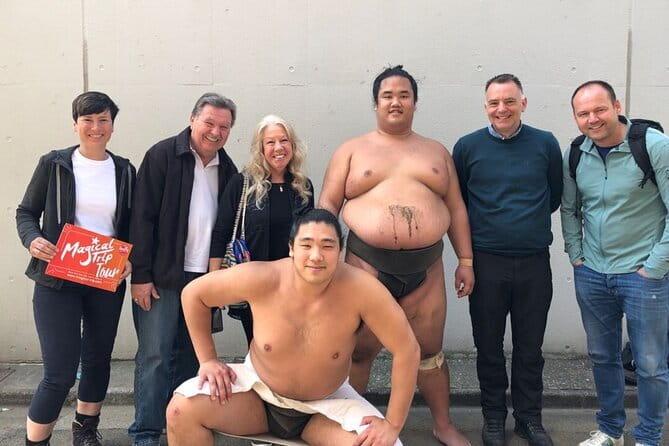
And yes, there’s a photo shoot included. Just know the stable decides the photo rules for that day. So the plan is built around making it easy to capture the moment, while respecting stable policies.
Small group size, ring-side style viewing, and seating reality
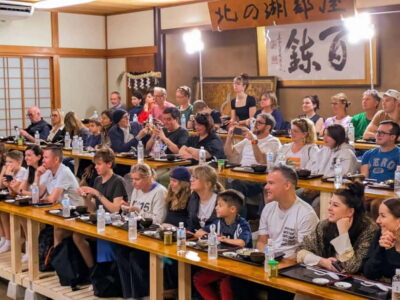
The tour caps the group at 10 travelers, which is a big part of why this works. Fewer people means less crowd noise, less blocking, and more chance that the viewing area stays manageable.
Seating inside the stable is first-come, first-served. So even with a “ring-side seat” style promise in the tour name, the practical truth is simple: show up on time for the 8:30 am start, and you’re more likely to be in the front viewing positions. Arriving later can mean you end up farther back.
If you’re the kind of person who likes to see movement clearly, this matters. If your goal is more about atmosphere and learning sumo basics, the seating difference matters less. Either way, you’ll still be close enough to notice the intensity and the focus.
Kiyosumi Shirakawa meet-up, then walking into sumo training mode
Your morning begins at Kiyosumi Shirakawa Station, where a local guide meets you and leads you to the stable. The meeting area is set up near public transportation, which helps because you’re going early and you don’t want a long scramble to get there.
From there, the tour shifts fast into training mode. Expect a short lead-in and then direct time at the stable. There’s a reason the schedule is tight: you’re there for practice itself, not just a quick glance and a photo.
Also do a quick practical check before you go: you’ll want to use the restroom before the stable session begins. The tour data points out that restroom access may not be available during practice, and it’s a smart move to plan for that.
Someone else behind the camera. Other shoots
- Tokyo Ryogoku Sumo Morning Practice + Photo Shoot with Wrestlers★ 4.5 · 277 reviews
- Tokyo Cyberpunk Street Photo Tour★ 5.0 · 165 reviews
- Tokyo by Night Photography Tour (Private Option Available)★ 5.0 · 151 reviews
- Tokyo Sumo Morning Practice Tour w/ Ring-Side Seat + Photo Shoot★ 5.0 · 93 reviews
- Tour with Pro Tokyo Photographer and take Edgy Unique Portraits★ 5.0 · 80 reviews
Watching sumo practice on tatami: what you’ll actually see
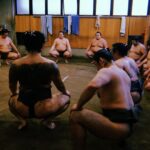
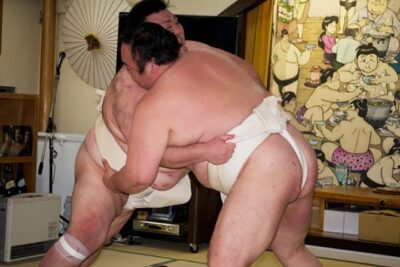
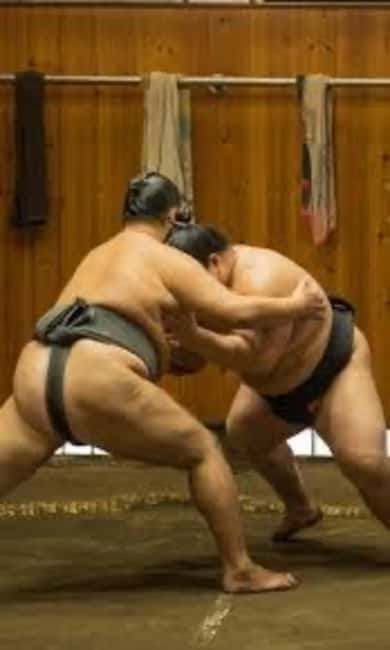
The heart of the tour is watching practice at the sumo stable. This is where you get the “how training really works” part of the experience.
Inside the stable, you’ll follow stable rules closely. Access is limited to tatami areas, and other areas are off-limits. That’s not just formality. It keeps the space respectful and it keeps practice flowing.
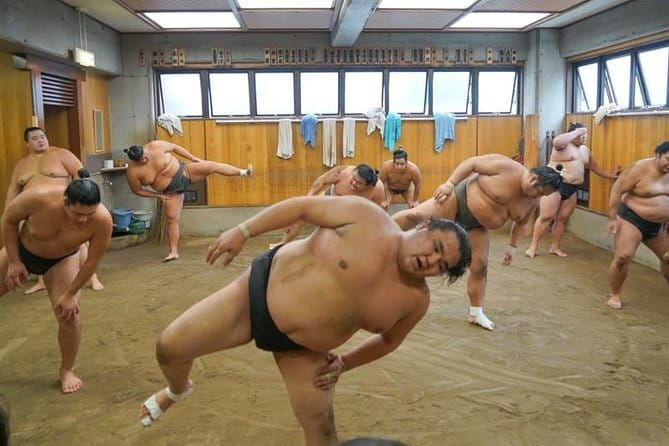
What does practice look like? You can expect a mix of:
- stretching and warm-up routines
- repetitive training drills
- practice bouts where the wrestlers test skills and timing
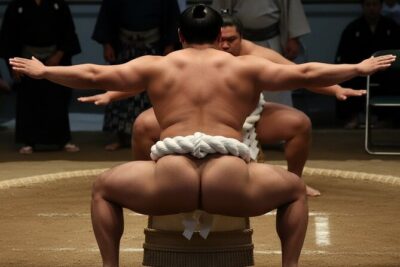
In the best moments, you’ll notice how much attention goes into form and ritual. A stable is not a casual gym. It’s a place with tradition, hierarchy, and a strong sense of order. Even when the pace gets athletic and intense, the vibe stays disciplined.
One useful tip: if you’re sitting farther back, you can still get a good experience. The wrestlers are focused on training, not performing for the crowd. That can be a relief if you hate the “tour group blocks everything” feeling. The flip side is that you won’t get a huge amount of interaction. This tour is about watching the craft.
The guide matters more than you think, especially Marie’s explanations
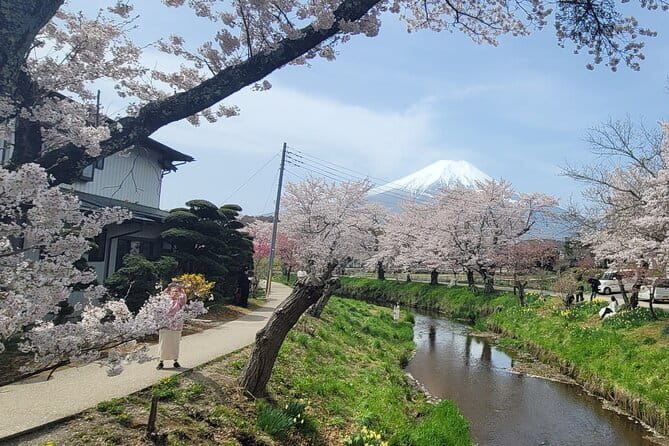
The tour is built around a guide who stays with you and helps you understand what you’re seeing. Many guests highlight Marie by name, and that’s not random. A guide like this changes the whole morning from watching bodies move to understanding why they move that way.
What good guide commentary does in sumo practice is connect dots fast:
- what the routines are for
- how wrestlers interact with training staff
- what to notice during practice bouts
- how sumo training fits together day to day
If you don’t know much about sumo, you’ll still be able to follow the morning. If you already enjoy sumo, the guide helps you spot the details that separate “watching sports” from “understanding the sport.”
There’s also room for Q and A after practice. One review suggests asking for a short rundown of history and basic rules if you’re brand new. I agree with that approach. Even a few minutes of orientation can make your next sumo experience much more meaningful, whether it’s a tournament or another stable visit later.
Photo shoot, but follow the stable’s camera rules
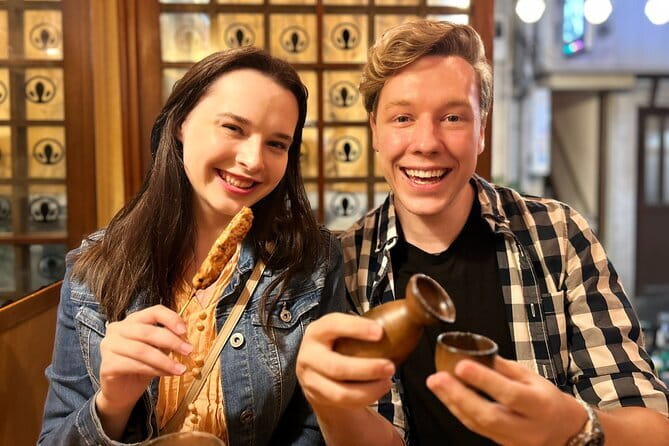
The tour includes a photo session with sumo wrestlers. That’s a real selling point because it turns your memory into something you can keep, not just something you store in your head.
However, photography inside a stable is subject to the stable’s policy. Depending on the day, taking photos of wrestlers or with wrestlers may not be allowed. That’s important to know upfront, because it affects what you can expect from the “with wrestlers” part of the photo shoot.
Here’s how I’d think about it when you book:
- Treat the included photo shoot as the plan
- Keep expectations flexible in case the stable restricts certain photos that day
- Don’t try to break the rules to get a better shot
Also remember: there’s a first-come seating system, and once practice is underway, you’ll want to stay out of the way. Good stable etiquette will help you get better moments during the allocated photo time.
Kiyosumi Gardens: a calm end after intense training
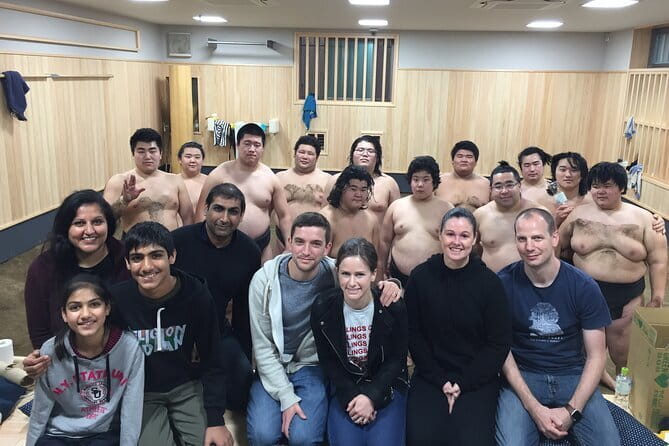
After practice, the tour ends at Kiyosumi Gardens. The walking time is short and the stop is about 30 minutes.
This matters because sumo practice can be surprisingly physical in your senses. You see massive bodies, athletic control, and intense effort. Then you get an easy finish where you can breathe and reset.
Kiyosumi Gardens also gives the morning a nice balance. One part is focused and ritual-heavy. The other part is open-air and slower. If you’re the type who likes to end a tour feeling refreshed instead of rushed, this stop helps.
Value check: is $99.10 fair for this kind of access?
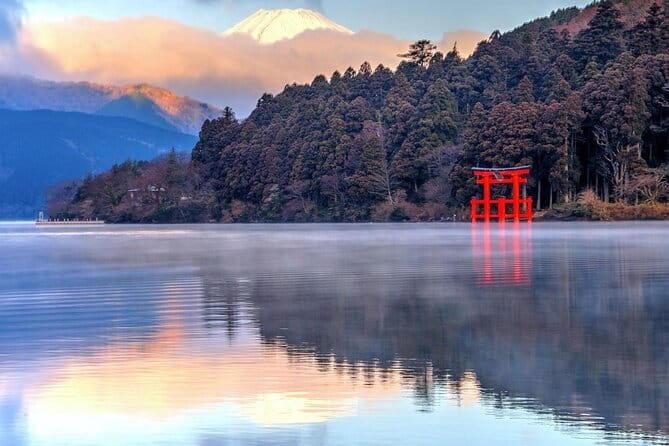
At $99.10 per person for about 2 hours total, the value mostly comes down to access and authenticity.
You’re not just watching a performance. You’re visiting a place where wrestlers train in Tokyo, in the morning. Practice is free in terms of an entrance fee for the stable viewing, according to the tour details. So what you’re paying for is mainly:
- the guided experience and interpretation
- the coordinated entry to a stable morning practice
- the small-group structure
- the included photo moment
Compared with doing sumo-related activities that are more entertainment-heavy, this tends to feel more direct. The small group limit is also a real value factor. It reduces crowd friction, helps you stay oriented, and makes it easier to focus.
Could it feel pricey if you only want a quick photo? Possibly. The experience is better if you actually want to watch training and learn how sumo works. If that’s your goal, the price feels like a fair trade.
Timing and weather tips for a smooth 8:30 am start
Your start time is 8:30 am, and the tour starts promptly. Late arrivals may not be able to join, and missed tours won’t be refunded or rescheduled.
So I’d plan to arrive early at the meeting point. Use a simple rule: add buffer time for trains, stairs, and finding your guide. When tours start promptly, that buffer turns into an easier morning for you.
Weather matters too. Japan’s weather can swing hard, with summer temperatures reaching up to 40°C (110°F) and winter lows dropping to -5°C (20°F). Dress for the conditions, not for the photos. You’ll want comfortable shoes and layers you can manage quickly.
One last prep note: the tour data says group schedules can adjust based on the wrestlers’ condition or tournament commitments. That’s normal for training life. Your best strategy is to show up calm, respectful, and ready for schedule variations without stress.
Things that can change on the day, and how to handle them
Even with a set plan, sumo stables can adjust. Practice length can vary, and you might end earlier or later than the estimated time. Photography rules can shift. And sometimes, a stable can cancel or adjust practice at the last minute.
If a stable cancels, you should expect a full refund, based on the tour’s cancellation terms. If you think you’d be upset by schedule shifts, it’s still worth booking, but plan your wider Tokyo day with some flexibility.
Also, stable entry rules are real. If a guest behaves disruptively or disrespects stable regulations, the stable reserves the right to refuse entry without refund. I treat this as a reminder that sumo practice is sacred and structured, not a free-for-all. Acting respectfully protects your own experience and keeps the day smooth for everyone.
Should you book this Tokyo sumo morning practice tour with ring-side seating?
Book this tour if you fit at least one of these:
- You want a real morning practice look, not a gimmick.
- You love sports and you want the discipline behind the spectacle.
- You’ll appreciate guided explanations, especially from a host like Marie.
- You want an included photo shoot, but you’re okay with stable rules guiding what’s possible.
Skip or reconsider if:
- You hate following strict rules and controlled spaces.
- You’re under 12, since guests under 12 are not permitted inside the stable.
- You only care about getting a big show or you get impatient when schedules shift.
If you want to understand sumo as a sport and tradition, this is one of the best ways to do it in Tokyo. The combination of close viewing, small-group pacing, and a guide who helps you interpret the morning makes the experience feel grounded. Add the Kiyosumi Gardens finish, and you’ve got a smart, memorable use of a morning in the city.
If you book, my practical advice is simple: arrive early for the 8:30 am start, bring weather-smart clothing, and be ready for a respectful, rule-based morning that focuses on training first.
Someone Else Behind the Camera



Practice Rooms and Show Nights
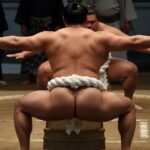
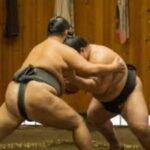

Newest Tokyo write-ups from the Loving Japan desk

Sumo Wrestling Experiences, side by side.
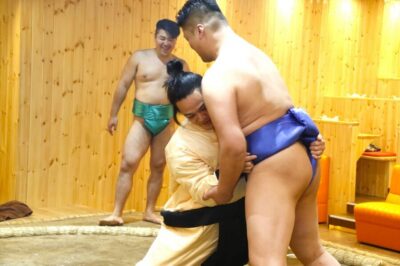 ★ 4.8Sumo Show Experience with Chicken Hot Pot and a PhotoFrom $1036,678 reviews
 ★ 4.8Sumo Show and Dining ExperienceFrom $792,742 reviews
 ★ 5.0the SUMO showFrom $891,960 reviews
 ★ 5.0Tokyo Shinjuku Sumo Show & Experience with PhotoFrom $791,750 reviews
 ★ 4.8Sumo Show and Experience in ShinjukuFrom $691,001 reviews
 ★ 4.6Sumo Tournament Tour with Chair Seat TicketsFrom $141753 reviews
 ★ 4.5Sumo Show & Experience w/ Optional Kimono & Hot PotFrom $77609 reviews
 ★ 5.0Authentic Sumo Experience in Tokyo: Enter the SanctuaryFrom $171603 reviews
Filed on these lists too