
REVIEW · TOKYO TOWER, GINZA AND THE IMPERIAL PALACE
Tokyo Walking Tour : Sumo, Sushi, Tea, Temples and Tokyo Tower
Sumo training, sushi, temples, Tokyo Tower, all walking. This 8 hour 15 minute route strings together five very different Tokyo worlds, and it does it with public transport and a local English speaking guide. I like how the day balances high energy food stops with calmer cultural moments, so you are not just rushing from landmark to landmark.
Two things I especially like: you start at a real sumo beya where you can watch practice, and you end with a Tokyo Tower observation deck visit that gives your day a clear visual finish. The itinerary also includes hands on cultural add ons, like a tea house experience and a sutra copying moment, which turns sightseeing into something you actually do.
One drawback to keep in mind is that sumo training is not guaranteed. The schedule can change, and during Grand Sumo Tournament weeks in January, May, and September, training is closed at many beya. Also, this is several hours outdoors and there is no vehicle to give you a break.
In This Review
- Key highlights you will care about
- A well-paced Tokyo walk that uses transit, not a private van
- Arashio Beya: how to watch sumo training the right way
- Tsukiji Outer Market: guided snacks plus your own wandering time
- Hamarikyu Gardens: tea house culture in a slower pocket of Tokyo
- Zojoji Temple and sutra copying: where the day turns reflective
- Tokyo Tower: the included observation deck finish
- Price and what $166.85 gets you in real terms
- Who should book this Sumo, Sushi, Tea, Temples and Tokyo Tower day
- Should you book this walking tour?
- FAQ
- How long is the Tokyo Walking Tour?
- What time does the tour start and where does it begin?
- Where does the tour end?
- Does the tour use private transportation?
- What is included in the price?
- What is not included?
- Is sumo training guaranteed at the beya?
- How big are the groups and how do tickets work?
- What is the cancellation policy?
Key highlights you will care about
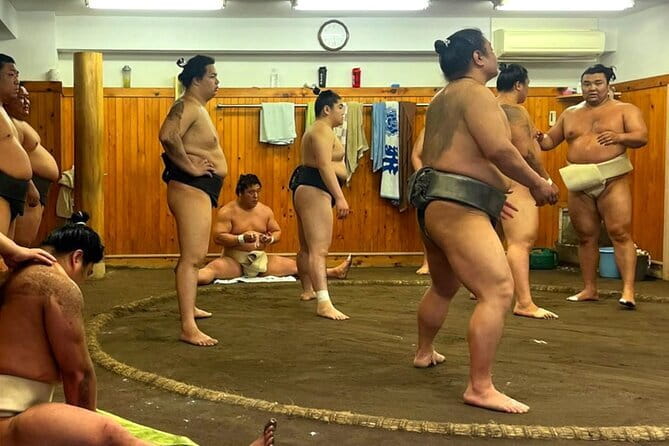
- Arashio Beya sumo practice: Real training, and you keep quiet so the wrestlers can focus
- Tsukiji Outer Market time: Guided snacks plus free time to shop and grab street food at your pace
- Hamarikyu Gardens tea house: Traditional garden intro, then tea and sweets included
- Zojoji sutra copying: A structured cultural stop that slows the day down
- Tokyo Tower ticket included: An observation deck visit with retro architecture and big skyline views
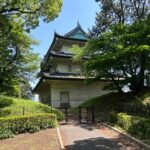
The central Tokyo landmarks, reviewed one by one
- Flagship 2-Hours Official Street Go-Kart Tour – Tokyo Bay Shop
★ 5.0 · 4,974 reviews - Tokyo: Imperial Palace and Shogun Historical Walking Tour
★ 5.0 · 2,251 reviews - Tokyo: Meiji Shrine, Asakusa, Skytree Bus Tour and Cruise
★ 4.7 · 1,986 reviews - Tokyo Panoramic 1 Day: Meiji Shrine, Asakusa, Odaiba and SKYTREE®
★ 4.5 · 1,222 reviews
A well-paced Tokyo walk that uses transit, not a private van
This tour is built around walking plus local trains, so you get a feel for how the city actually moves. It starts at Hamacho Station at 8:15 am and finishes near Akabanebashi Station, which is convenient if you plan to keep exploring after the tour ends. The group is capped at 15, which matters because it makes it easier to stay together at market stalls, temple paths, and along busier streets.
You should also expect a day where your schedule is outdoors for long stretches. That is part of the charm, but it is also why smart shoes and planning for weather pay off. The tour includes the train fee from Ningyocho Station to Tsukiji Station, but trains before and after the tour are on your own. If you hate navigating subways, build in buffer time for your own connection to the meeting point.
The biggest practical advantage here is that the tour handles the structured parts, so you do not need to guess when to be where. You still get free time at Tsukiji Outer Market and at Hamarikyu Gardens, which helps the day feel less like a checklist.
Arashio Beya: how to watch sumo training the right way
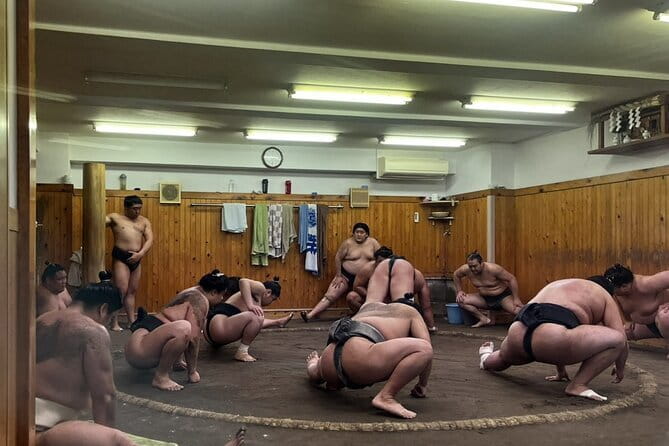
Your day begins at Arashio Beya, a traditional sumo training room. This is not a staged performance. It is real practice, and the rules are simple: you cannot disturb the wrestlers. That quiet, respectful atmosphere is exactly what makes the experience special. You get to see the intensity of training without turning it into a spectacle.
The tour includes time for the beya visit, and admission is free for that stop. But you should read the fine print on expectations. The beya schedule can change, and sometimes sumo will not be training, so you may not be able to see wrestlers practice. And during Grand Sumo Tournament periods in January, May, and September, training is closed.
What you can do to make this stop work for you anyway is treat it like a cultural window, not a guarantee of action. If there are no active drills, you can still appreciate the setting and the tradition around it. I also recommend arriving with the mindset that this is about behavior and respect, not about getting the perfect photo.
Tsukiji Outer Market: guided snacks plus your own wandering time
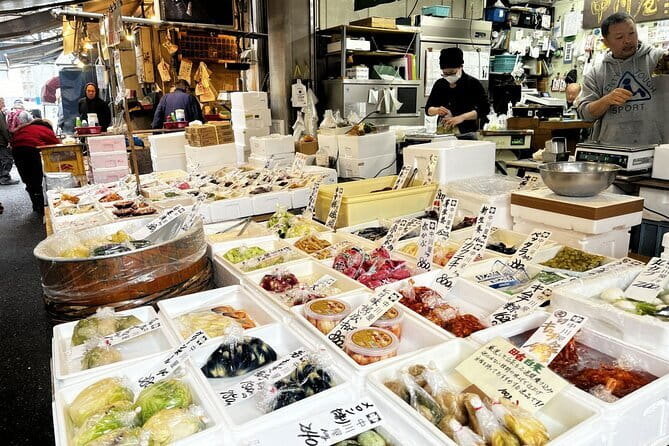
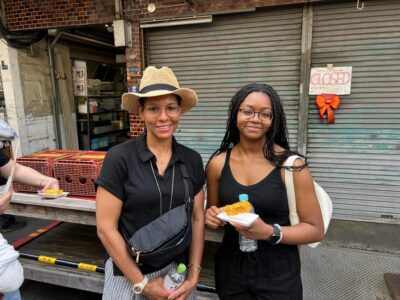
Next up is Tsukiji Outer Market, where you will get a guided walk and some sampling. The market segment is a strong match for food lovers because it combines a plan with flexibility. You get about 1 hour 30 minutes, with time for a guided introduction and then free time to explore at your own pace.
Since food and drink are not included, this is where you control your budget. Use the guidance from your local leader to find places that match what you actually like, then decide what to buy. I like this setup because Tsukiji can be overwhelming, and a guide helps you avoid the trap of only buying the first thing you see.
If you are shopping for souvenirs or pantry items, bring a small plan for carry. Market shopping often turns into more bags than you expect. Also, Tokyo walking days involve lots of stairs and sidewalks, so keep that in mind while you sample.
This is also one of the parts of the tour where your timing matters. If you want to do more shopping, save some energy for the free time block so you are not rushing.
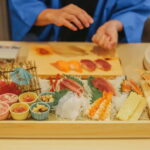
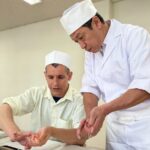
Counters and courses we sat at around Tokyo
- Sushi Making Tokyo Roll and Authentic Japanese Sushi Class★ 5.0 · 3,971 reviews
- Tokyo: Roll and Authentic Sushi Making Class in Asakusa★ 4.9 · 1,957 reviews
- Make Sushi and Create Unforgettable Memories in Tokyo★ 5.0 · 1,413 reviews
- Tokyo: Sushi Making Class in a Happi Coat near a Famous Spot★ 4.9 · 1,377 reviews
- Tokyo Night Foodie Tour in Shinjuku – Seasonal Sushi, Wagyu Beef★ 5.0 · 1,161 reviews
Hamarikyu Gardens: tea house culture in a slower pocket of Tokyo

After the market energy, the tour moves to Hamarikyu Gardens for a guided introduction to the garden and its history. Then you get free time in the gardens before rejoining the group for a traditional tea and sweet experience in a tea house at the garden. Admission to the gardens is included, and the tea house experience is included too.
What I like about this stop is the contrast. The market is about quick choices and street tastes. The gardens are about pacing yourself, noticing details, and taking in a quieter setting. The tea house component turns that stillness into something active, because you sit down for tea and sweets as part of the scheduled flow.
A practical note: you will likely want to slow your walking pace here, even if you feel like you are behind schedule. Taking a breath during the garden portion helps the later temple and tower segments feel easier. Also, since this is outdoors for part of the day, dress for standing and walking, not just for transit.
Zojoji Temple and sutra copying: where the day turns reflective
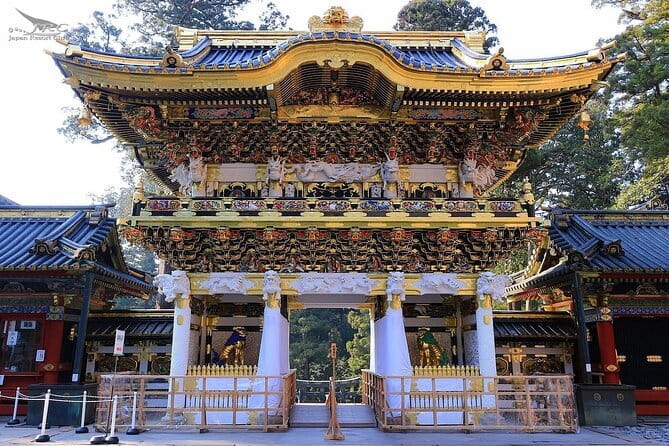
Zojoji Temple is a Buddhist temple complex and park area, and the tour includes both a guided visit and a sutra copying experience fee. The temple stop lasts about 1 hour, which is a good length for people who want something meaningful without feeling like they got stuck.
The guide provides temple history, and the highlight for many visitors is the sutra copying experience. Even if you are not especially religious, it is a hands on cultural activity. Writing in a careful way gives you a moment of focus, and that makes the temple experience more than just looking at structures.
One thing to plan for is mental switching. You are moving from shopping and tasting energy into quiet space. I suggest you approach the copying activity with patience and do not treat it like a race to finish. If your handwriting is not your strong suit, that is fine. The value is the practice and the respect for the process.
Also, the temple stop is included, so you do not have to manage extra ticket purchases or decisions while the day is already busy.
Tokyo Tower: the included observation deck finish
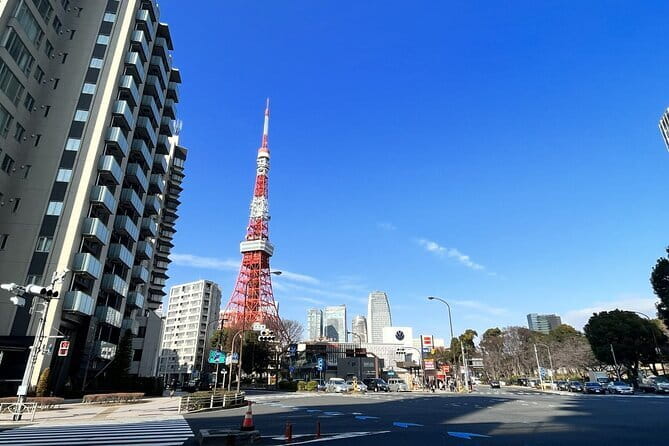
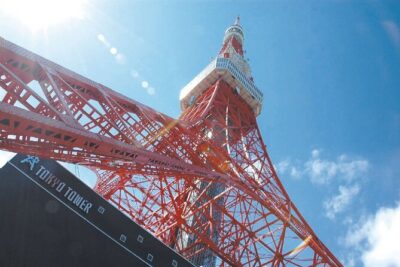
The final big landmark stop is Tokyo Tower. You receive a Tokyo Tower ticket and spend about 1 hour 15 minutes taking in sights and the tower’s retro architecture feel. After temples and markets, this is a welcome shift back to city scale.
I like that the day ends with an observation deck, because it gives you a way to connect the neighborhoods you walked through with a wider view of the city. Even if you have seen other viewpoints in Tokyo, Tokyo Tower has its own character, and getting that last photo moment can be satisfying.
Since food and drink are not included, you may want to consider timing your own meal. If your energy starts to dip near the end, plan to grab something after the tour rather than trying to solve everything during the tower time.
Price and what $166.85 gets you in real terms

At $166.85 per person, this is not the cheapest way to see Tokyo. But it is also not just a basic walking tour with a guide. The value comes from what is already included, especially ticketed moments that would cost money and require you to plan.
Included items cover:
- Train fee from Ningyocho Station to Tsukiji Station
- Hamarikyu Gardens admission
- Hamarikyu tea house experience (traditional tea and sweets)
- Zojoji sutra copying experience fee
- Tokyo Tower ticket
- Local English speaking guide
What is not included:
- Food and drink
- Trains and transport before and after the tour
If you would otherwise pay for multiple admissions and a guided day, this price can start to make sense quickly. You are basically paying for one organized day that combines cultural activities, market time, and a major viewpoint. The walking and public transit approach also keeps the cost lower than tours that rely on private vehicles all day.
The main reason to think carefully about the price is the sumo variable. Because training can be canceled or not scheduled, you are paying for the opportunity to see practice, not a guaranteed show. If sumo is your top priority and you are traveling in January, May, or September, you should temper expectations or plan a backup activity for that morning.
Who should book this Sumo, Sushi, Tea, Temples and Tokyo Tower day
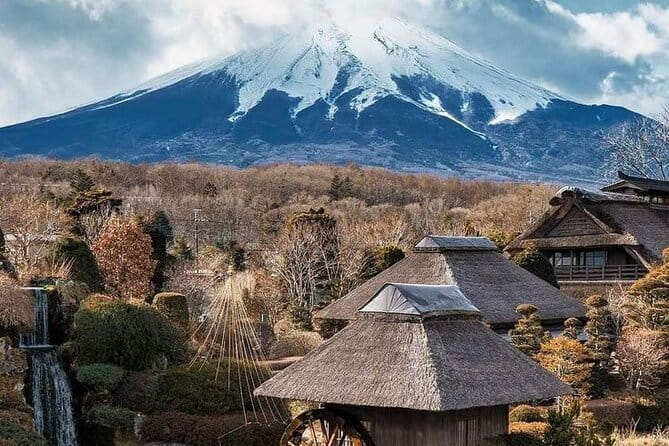
This tour is a great fit if you like structure but still want breathing room. You get guided time at the sumo beya, Tsukiji Outer Market, Hamarikyu Gardens, and Zojoji Temple, plus free time at the market and in the gardens. The group size of up to 15 supports that balance.
You will likely enjoy it most if:
- You want a slice of Tokyo that mixes food, tradition, and skyline views
- You like doing at least one hands on cultural activity, like sutra copying and a tea house experience
- You are comfortable with several hours of walking outdoors and using public transit
You might consider something else if:
- You cannot handle long outdoor walking segments
- You expect sumo practice to be guaranteed every day
- You want a food focused tour where most tastings are included, because food and drink are on you here
Should you book this walking tour?
Yes, I would book it if you want a well balanced day that connects very different parts of Tokyo, with paid experiences already built in. The tea house and sutra copying are especially worth it because they give the day a deeper feel than only taking photos.
If sumo is your single top goal, do it with smart expectations. Check the time of year and remember training schedules can change. Then commit knowing the tour still delivers a strong mix of Tsukiji market time, Hamarikyu Gardens, Zojoji Temple, and Tokyo Tower.
FAQ
How long is the Tokyo Walking Tour?
The tour lasts about 8 hours and 15 minutes.
What time does the tour start and where does it begin?
It starts at 8:15 am at Hamacho Station (2-chōme-59-3 Nihonbashihamachō, Chuo City, Tokyo).
Where does the tour end?
The tour ends near Akabanebashi Station (1-chōme-28-13 Higashiazabu, Minato City, Tokyo). Your guide can help with transport questions after.
Does the tour use private transportation?
No. The tour uses public transport and involves several hours of walking outdoors. There is no private vehicle.
What is included in the price?
Included are the train fee from Ningyocho Station to Tsukiji Station, admission for Hamarikyu Gardens, the Hamarikyu tea house experience, the Zojoji sutra copying experience fee, the Tokyo Tower ticket, and a local English speaking guide.
What is not included?
Food and drink are not included, and trains or transport before and after the tour are also not included.
Is sumo training guaranteed at the beya?
No. The sumo beya schedule can change, and sometimes sumo will not be training. Training is also closed during certain weeks when Grand Sumo Tournaments are held in January, May, and September.
How big are the groups and how do tickets work?
The maximum group size is 15 travelers, and the tour uses a mobile ticket.
What is the cancellation policy?
Free cancellation is available up to 24 hours in advance for a full refund.
Counters and Courses

Central Tokyo Landmarks


Newest Tokyo write-ups from the Loving Japan desk






Tokyo Tower, Ginza and the Imperial Palace, side by side.
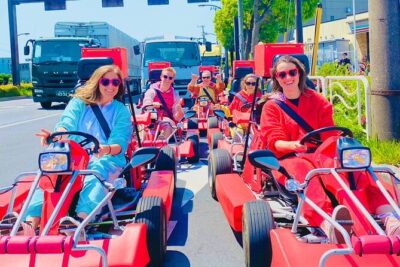 ★ 5.0Flagship 2-Hours Official Street Go-Kart Tour – Tokyo Bay ShopFrom $644,974 reviews
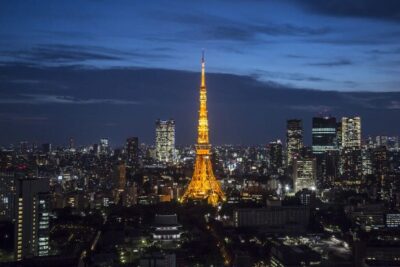 ★ 4.6Tokyo Tower: Admission TicketFrom $93,661 reviews
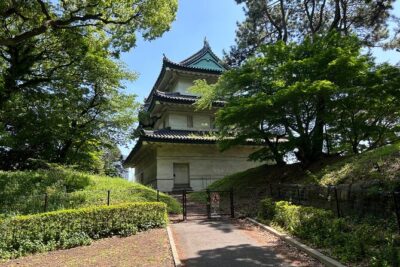 ★ 5.0Imperial Palace and Shogun Historical Walking TourFrom $222,251 reviews
 ★ 4.7Meiji Shrine, Asakusa, Skytree Bus Tour and CruiseFrom $1221,986 reviews
 ★ 4.8Chopstick Making Workshop in GinzaFrom $251,366 reviews
 ★ 4.5Tokyo Panoramic 1 Day: Meiji Shrine, Asakusa, Odaiba and SKYTREE®From $851,222 reviews
 ★ 4.9Imperial Palace Japanese History Walking TourFrom $32987 reviews
 ★ 4.9Imperial Palace and Shogun Walking TourFrom $16935 reviews