
REVIEW · JAPANESE COOKING CLASSES
Traditional Home cooking Experience in Osaka, Japan
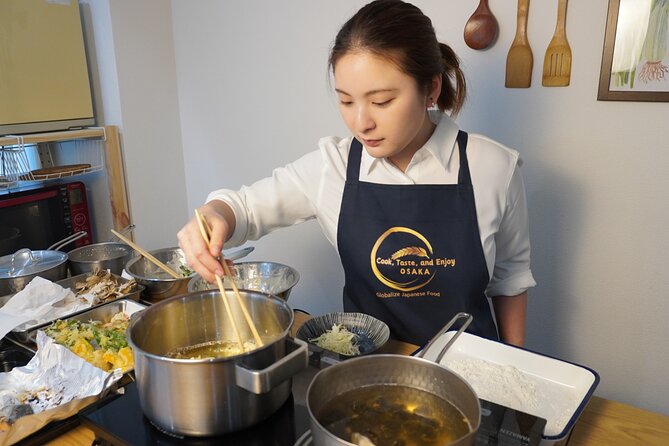
Two hours, two dishes, real Osaka home cooking. What makes it interesting is the blend of hands-on cooking and easygoing instructor time, built around seasonal Japanese ingredients. I love how the class keeps you busy making food, not just watching, and how it treats the rice like the real star. One thing to consider, though, is that it is short and kitchen-focused, so it is not a long sightseeing stroll.
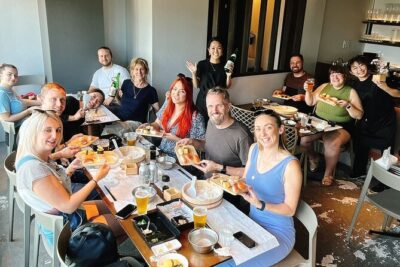
You pick Course A or Course B when you book, and then you cook and taste together for about two hours. The group stays small, up to 8 people, which makes questions easy and the coaching practical. And yes, there can be more than just cooking, with songs and an instrument performance by a performer named Keiko mentioned in past sessions.
In This Review
- Key highlights you should know before you go
- Osaka home cooking that actually feels like a home meal
- Course A versus Course B: pick the dishes that match your mood
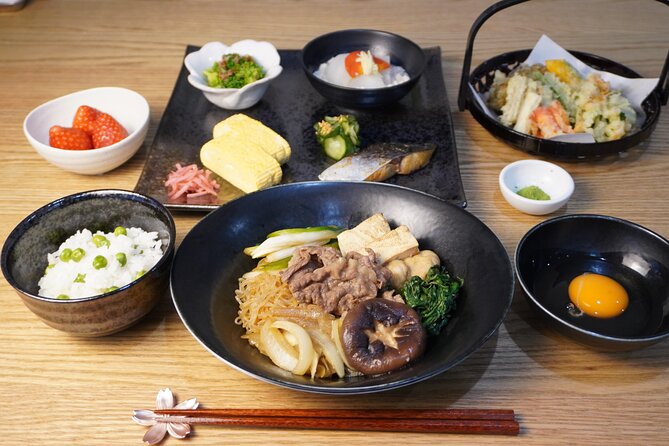
- Course A menu: sukiyaki, tempura, rolled omelet
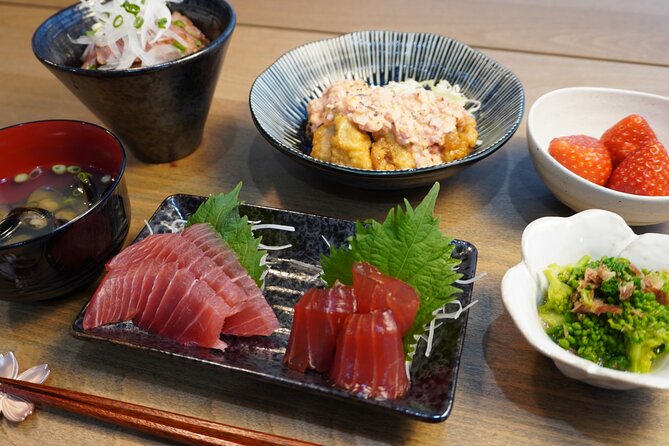
- Course B menu: wagyu bowl, chicken nanban, sashimi
- Which course should you choose?
- Where the class starts in Osaka (and why the location matters)
- The two-hour flow: what you do once you walk in
- 1) Orientation and cooking prep
- 2) Cooking two dishes together
- 3) Eating together and tasting what you made
- Seasonal ingredients and the rice story you will actually remember
- Small group coaching: why max 8 people helps
- Drinks, water, and what is included in the meal
- What you learn that goes beyond the recipe card
- Price and value: is $104.51 for two dishes fair?
- Best for who: the right fit for your Osaka itinerary
- Quick planning tips so you enjoy it more
- Should you book Cook, Taste and Enjoy Osaka?
- FAQ
- How long does the cooking class last?
- Where does the class meet in Osaka?
- Do I choose Course A or Course B when I book?
- What dishes are included in Course A?
- What dishes are included in Course B?
- How many people are in a class?
- Is water included?
- Are alcoholic beverages included?
- When do most people book this experience?
- Is confirmation sent after I book?
- What is the cancellation policy?
Key highlights you should know before you go
- Two clear menu paths (Course A or Course B) with two dishes each, so you choose what you want to eat
- Top Koshihikari rice sourced directly from Minami-Uonuma, Niigata Prefecture through a contracted farmer
- Seasonal ingredients tied to Japan’s four seasons, so the dishes feel current, not copied from a generic template
- Small group size (max 8) for more hands-on time and better English support
- Fun-first cooking style, where the instructor teaches while keeping the mood light
Cook it yourself instead. Other kitchens in Osaka
- Sushi Making Osaka Roll and Authentic Japanese Sushi Class
★ 5.0 · 1,220 reviews - Osaka Sushi Making Experience
★ 5.0 · 400 reviews - Osaka: Ramen and Gyoza Cooking Class in Dotonbori
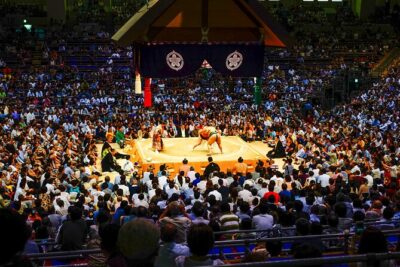
★ 5.0 · 378 reviews - Osaka: Sumo Stage Show with Bento or Snack + Fight & Photo
★ 4.3 · 364 reviews
Osaka home cooking that actually feels like a home meal
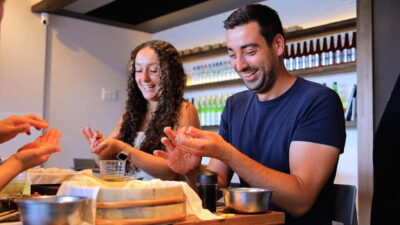
Osaka is famous for street food and quick bites. This experience turns that idea on its head. Instead of grabbing food and moving on, you slow down for two hours and cook like you are in someone’s kitchen.
What I like most about this setup is that it is not just recipe reading. You learn while you cook, and then you eat what you made. That matters because Japanese cooking can look tidy and simple from the outside, but it is all about timing, heat, and the feel of the steps. When you get guided practice, the dish stops being mysterious.
The other big win is the rice. The class uses Koshihikari rice sourced directly from a contracted farmer in Minami-Uonuma, Niigata Prefecture, one of Japan’s leading rice-producing areas. Even if you are not a rice person today, you will be one after you taste rice treated like it deserves attention.
Course A versus Course B: pick the dishes that match your mood
Before you arrive, you choose either Course A or Course B. Both courses share the same structure, cook two dishes together, then enjoy them. The difference is what those dishes are.
Course A menu: sukiyaki, tempura, rolled omelet
Course A centers on comfort and variety. You get:
- Sukiyaki, a sweet-savory hot pot style dish that is deeply tied to home cooking in Japan
- Tempura, crisp-fried seafood or vegetables style cooking, where heat control is everything
- Rolled omelet, a classic Japanese technique that is equal parts cooking and patience
If you want a course that feels like a full Japanese meal spread, this is the better match. It also gives you a mix of textures, from rich broth to crisp tempura to the soft, set layers of the omelet.
- Hungry Osaka Street Food Tour:15 Tastings & 3 Drinks with a Local★ 5.0 · 1,727 reviews
- Osaka: Tea Ceremony Experience★ 4.9 · 1,426 reviews
- Osaka Kickstart: Hotspots & Hidden Gems Tour★ 5.0 · 1,306 reviews
- Osaka: Hotspots & Hidden Gems Walking Tour Private or Group★ 4.9 · 1,300 reviews
- Deep Backstreet Osaka Tours (Option to add Dinner)★ 5.0 · 1,290 reviews
Course B menu: wagyu bowl, chicken nanban, sashimi
Course B goes big on savory, protein-forward flavors:
- Wagyu roast beef bowl, where the quality of the beef really matters
- Chicken nanban, a Japanese comfort dish that usually brings crunch and tangy flavor
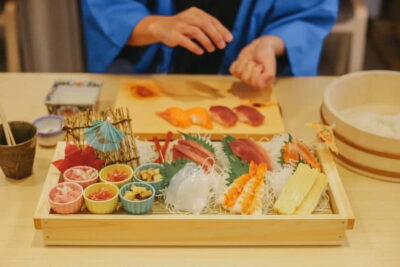
- Sashimi, which shifts the mood to something lighter and cleaner after cooked dishes
This course is a strong choice if you are in Osaka to eat meat and want that wow factor from the first bite. And getting sashimi included helps you balance the fried and cooked items.
Which course should you choose?
If you love fried snacks and classic techniques, lean Course A. If you want meat-forward bowls plus a fresh finish, lean Course B. Either way, you are cooking two dishes in the same time window, so your decision is really about flavor preference, not effort.
Where the class starts in Osaka (and why the location matters)
The meeting point is at 2 Chome-13 Nishishinsaibashi, Chuo Ward, Osaka 542-0086, Japan, and the activity ends back at the same place.
Nishishinsaibashi is convenient because you are close to a main, walkable Osaka area with lots around it. That matters for planning. After the class, you can eat something else nearby or head back to your hotel without feeling like you crossed the city just to find a kitchen door.
You also get a mobile ticket, so you are not juggling paper confirmations.
One more practical point: the class is described as near public transportation. If you are basing yourself around Shinsaibashi or Namba, you will likely find it easy to get there on time without making transit your whole morning or afternoon.
The two-hour flow: what you do once you walk in
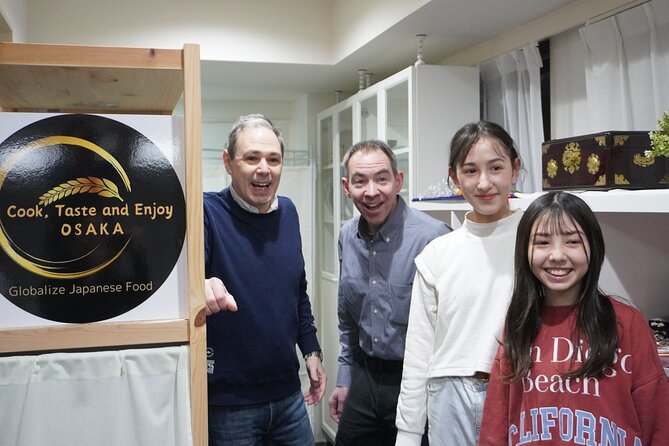
The format stays pretty consistent. You arrive, get introduced, then cook with the instructor and staff while using seasonal ingredients.
Here is what that usually means in a hands-on class like this:
1) Orientation and cooking prep
You start with a quick setup so you know what you are making and how the kitchen process works. This is where the instructor’s approach shows. In past sessions, the host and chef were described as friendly and easy to talk to, with great English. That is not a small detail. When you understand the steps clearly, you cook with confidence instead of guessing.
2) Cooking two dishes together
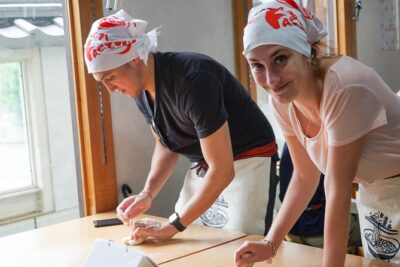
You are not just assisting in the background. You cook alongside the staff while the instructor guides you through key steps. For tempura and rolled omelet, the technique matters. For sukiyaki or chicken nanban, timing and seasoning balance matters. And for the wagyu bowl and sashimi side, you shift from cooking heat to presentation and freshness.
3) Eating together and tasting what you made
Then comes the best part: tasting. You get to compare your work to what the dish is supposed to taste like. That feedback loop is where skill actually forms. It is also why the class is short but satisfying. You do not wait around for a huge meal later. Your “lesson” ends on your plate.
Seasonal ingredients and the rice story you will actually remember
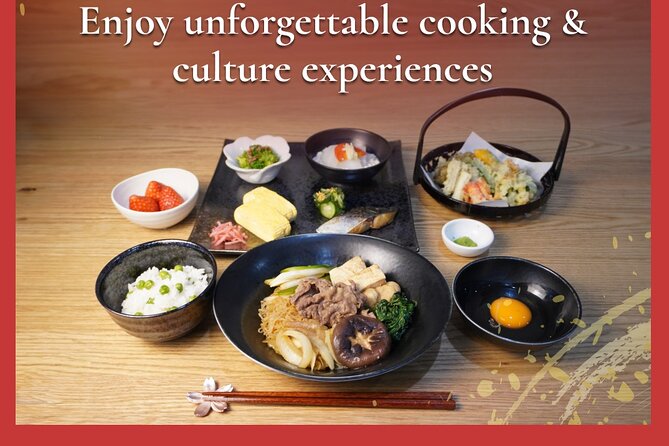
This class leans into a very Japanese idea: food changes with the season. The menu uses seasonal ingredients that reflect Japan’s four seasons, so you are not getting the same dish lineup year-round just to keep things easy for the kitchen.
That seasonal approach matters because it changes how the dishes taste. It also changes how you think about the dish, because you are not copying a recipe that never changes. You are learning the logic behind the flavors.
Now the rice. The class emphasizes Koshihikari from Minami-Uonuma, Niigata. That is not a marketing detail you can ignore. High-quality rice improves texture, aroma, and how well it holds up under different dishes. In a wagyu bowl, rice is the base. In sukiyaki, rice soaks up flavor. In a class like this, the rice quality keeps the whole meal grounded, so even your simpler bites taste intentional.
Small group coaching: why max 8 people helps
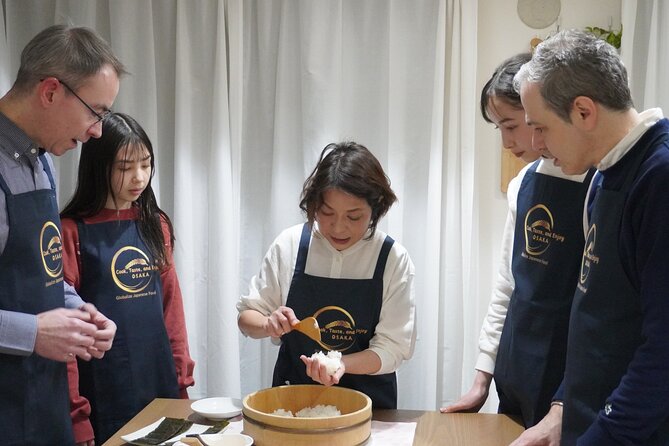
Up to 8 travelers are allowed. In real terms, that means you are more likely to get attention when you hit a question.
Cooking classes fail when the instructor is stuck repeating instructions in a large room. Here, the small size helps with flow: more hands-on time, faster correction, and better chances to ask why something works.
Also, multiple past participants highlighted the instructor and chef as skilled and kind, with easy conversation in English. That is what you want in a cooking class. You want to understand, not memorize.
Drinks, water, and what is included in the meal
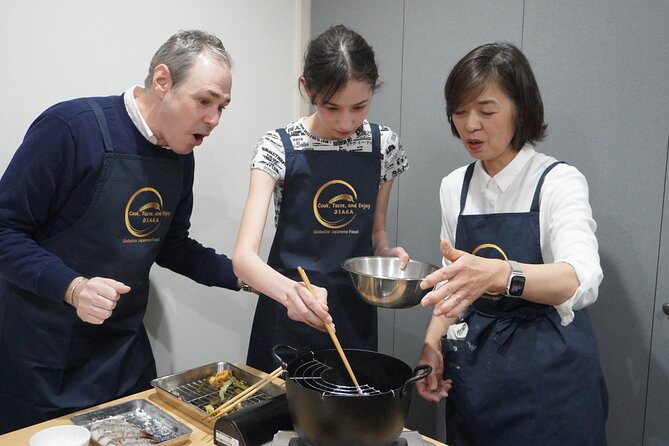
This experience includes free water, but other drinks cost extra. Alcoholic beverages are not included.
So if you are the type who likes pairing food with a beer or sake, you will need to plan for that separately. On the plus side, not including alcohol can keep the class experience focused. It helps you stay sharp during technique steps like tempura.
Food-wise, you get two dishes per course, and you will eat what you cook. In a two-hour window, that is a solid “you paid, you ate, you learned” structure.
What you learn that goes beyond the recipe card
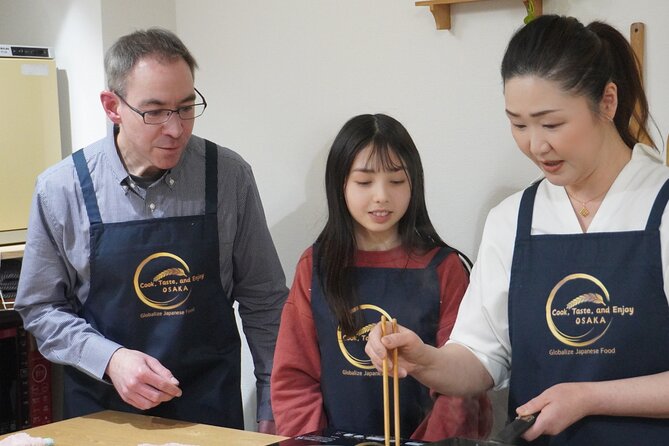
A cooking class can be either a performance or a skill session. This one leans toward skill.
You are learning Japanese home cooking in a hands-on way, using seasonal ingredients and working with quality rice. The best takeaway is not memorizing a dish name. It is understanding how Japanese cooking balances texture and timing: heat for crispness, sauce balance for comfort foods, and careful technique for rolled items.
Also, the fun factor matters. In at least one past session, the class included songs and an instrument performance, with a performer named Keiko. Even if you are not sure you will love that part, it changes the mood. It makes the meal feel like a cultural evening, not a rushed workshop.
Price and value: is $104.51 for two dishes fair?
At $104.51 per person for about two hours, this is not the cheapest food activity in Osaka. But price is not just minutes. It is what you get for those minutes.
Here is what you are buying:
- Two cooked dishes (and you eat them)
- Coaching during the cooking process
- A strong focus on ingredients, including contract-sourced Koshihikari rice from Niigata
- A small group size (max 8), which raises the chance you get real help
- Instruction with noted English support in past sessions
If you compare this to eating two full meals out, it can look reasonable because you are getting instruction plus the meal, not just food. If you are trying to do Osaka on a tight budget, it may feel like a splurge. But if you value hands-on learning and you want one authentic experience that is not just another walk-through, the cost starts to make sense.
The main value tradeoff is beverage freedom. Water is free, but other drinks cost extra, and alcohol is not included. So plan around that if you want a bar-style night.
Best for who: the right fit for your Osaka itinerary
This works best if you:
- Want a practical Osaka cooking experience with hands-on guidance
- Prefer learning food skills you can repeat later
- Like home-style Japanese cooking and seasonal ingredients
- Want a small-group activity that does not eat your whole day
It might be less ideal if you are looking for a long, multi-stop food crawl with lots of walking between locations. This class stays centered on cooking and eating, and that is by design.
Also, since there are two distinct course options, your choice can match your appetite. Meat lovers may prefer Course B. Comfort-food and technique variety fans may prefer Course A.
Quick planning tips so you enjoy it more
- Choose your course based on what you want to eat more, not what you think you should try. You will taste what you cook, and that is the payoff.
- Eat lightly beforehand if you know you get hungry during cooking steps. Two dishes sounds manageable until you start smelling everything coming together.
- Bring normal travel energy, not a party plan. With alcohol not included, the best mood is focused and curious.
- If you are staying around the Shinsaibashi area, the Nishishinsaibashi meeting point is a practical start. It is easy to continue the day afterward.
Should you book Cook, Taste and Enjoy Osaka?
If you want one memorable, authentic meal that also teaches you something real, I think this is an easy yes. You get hands-on Japanese home cooking, clear instruction for English-speaking visitors based on past experiences, and a small-group setup that keeps the class personal. Add in the rice focus and seasonal ingredients, and it feels like more than a generic cooking demo.
Book it if:
- You like the idea of cooking and then eating what you made
- You care about ingredient quality, especially Koshihikari rice
- You want a short, satisfying activity in central Osaka
Skip it if:
- You want a long sightseeing day
- You are mainly looking for lots of different stops and street-food wandering
- You expect alcohol to be part of the experience
FAQ
How long does the cooking class last?
It lasts about 2 hours.
Where does the class meet in Osaka?
The meeting point is 2 Chome-13 Nishishinsaibashi, Chuo Ward, Osaka, 542-0086, Japan. The activity ends back at the meeting point.
Do I choose Course A or Course B when I book?
Yes. You choose Course A or Course B at the time of reservation.
What dishes are included in Course A?
Course A includes sukiyaki, tempura, and rolled omelet, and you make two dishes together.
What dishes are included in Course B?
Course B includes wagyu roast beef bowl, chicken nanban, and sashimi, and you make two dishes together.
How many people are in a class?
The maximum group size is 8 people.
Is water included?
Yes, water is free. Other drinks are charged separately.
Are alcoholic beverages included?
No, alcoholic beverages are not included.
When do most people book this experience?
On average, it is booked 19 days in advance.
Is confirmation sent after I book?
Confirmation is received within 48 hours of booking, subject to availability.
What is the cancellation policy?
You can cancel for a full refund up to 24 hours in advance of the experience’s start time. Free cancellation is offered, but changes or cancellations within 24 hours of the start time are not refunded.
Kitchens You Can Book Into

Newest Osaka write-ups from the Loving Japan desk



Japanese Cooking Classes, side by side.
 ★ 5.0Sushi Making Tokyo Roll and Authentic Japanese Sushi ClassFrom $593,971 reviews
 ★ 4.9Roll and Authentic Sushi Making Class in AsakusaFrom $581,957 reviews
 ★ 5.0Ramen Cooking Class at Ramen Factory in KyotoFrom $1311,937 reviews
 ★ 4.9Sushi Making Class in a Happi Coat near a Famous SpotFrom $421,377 reviews
 ★ 5.0Sushi Making Osaka Roll and Authentic Japanese Sushi ClassFrom $311,220 reviews
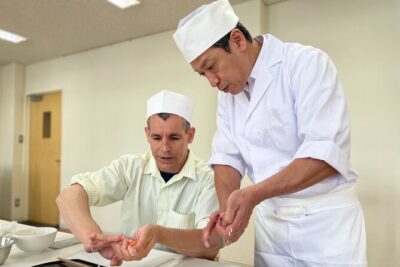 ★ 5.0Tokyo Sushi Making Class in Tsukiji with Professional ChefFrom $491,177 reviews
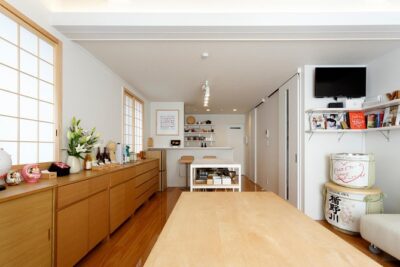 ★ 5.0Ramen & Gyoza Cooking Class in Tokyo with Local Supermarket VisitFrom $122823 reviews
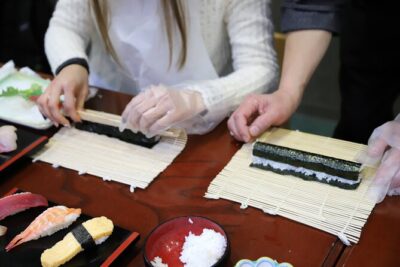 ★ 5.0Tsukiji Fish Market Guided Tour and Sushi Making with Pro ChefFrom $104775 reviews
Filed on these lists too