
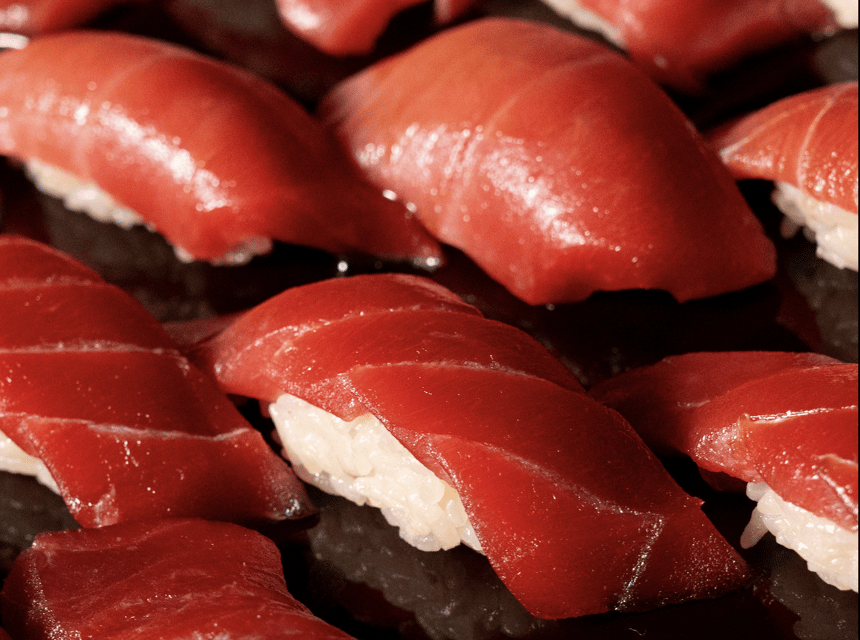
REVIEW · SUSHI AND SASHIMI EXPERIENCES
Unlimited Sake Tasting with Sushi Omakase tasting in Tokyo
Sake and sushi in 90 minutes sounds risky, yet it works here in Roppongi. You get unlimited sake tasting plus a sushi omakase-style meal at SUSHIROKU, with a small group capped at 8. The big draw is the pairing, Japanese food culture in one focused sitting.
I really like the variety built into the drink menu, with 8 types or more of sake to compare. And the sushi side has a serious anchor, tuna from Yamayuki, described as Japan’s top wholesaler.
One possible drawback: the tasting can feel more food-and-drink forward than lecture forward. If you want lots of stories and brewing details, you may have to ask, and the pacing may feel quick at times.
In This Review
- Key Highlights to Know Before You Go
- Where the Evening Starts: SUSHIROKU in Roppongi
- Unlimited Tokyo Sake: How the 8+ Types Fit Together
- A practical way to enjoy the comparison
- Sushi Omakase with Yamayuki Tuna: What to Expect from the Meal
- Seating and pace: the one thing to mentally prepare for
- How to Sip and Eat Like You Want, Not Like You Fear
- My low-drama rules for this kind of tasting
- Why This Price Can Make Sense in Tokyo
- Who This Works Best For (and Who Should Rethink)
- Tips for Booking and Getting the Most Out of 90 Minutes
- Should You Book This Unlimited Sake and Sushi Omakase in Roppongi?
- FAQ
- Where is the meeting point?
- How far is it from Roppongi Station?
- How long is the experience?
- What is included in the price?
- How does unlimited sake tasting work?
- What kind of sushi tuna is served?
- What is the group size?
- Is it wheelchair accessible?
- What is the cancellation policy?
- What is the price per person?
Key Highlights to Know Before You Go
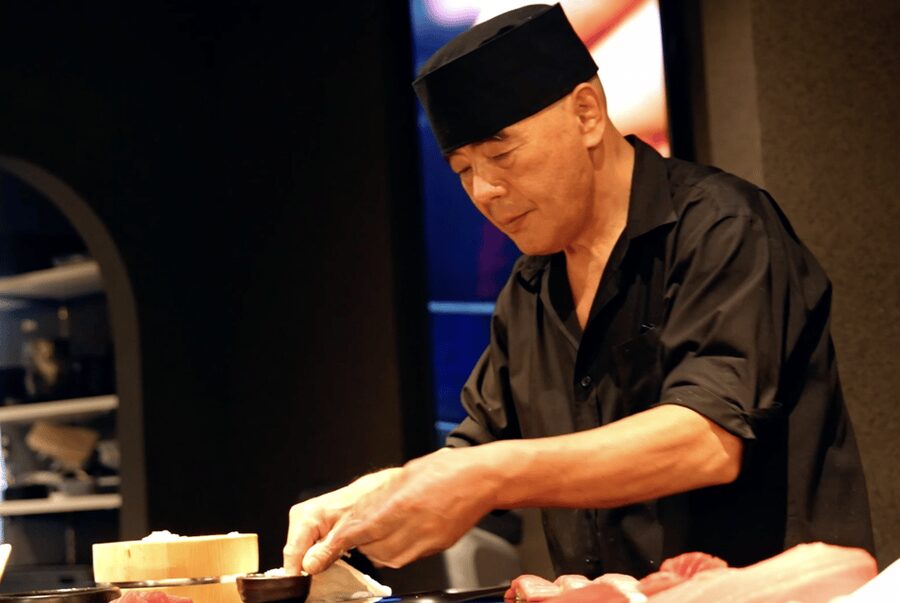
- Unlimited 75-minute sake window: you can sample freely within the first part of the experience.
- 8 types of sake, region-to-region comparisons: offerings can range from as far north as Hokkaido to as far south as Kyushu.
- Yamayuki tuna emphasis: the sushi experience is built around high-quality tuna from a major wholesaler.
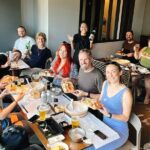
- Small group, capped at 8: easier conversation and a calmer feel than big-group tours.
- Sushi tasting moves fast: the sushi sequence can be finished in about the first half hour.
- You might shift seats to accommodate the room: expect a brief change in setup as other diners arrive.
Counters and courses we sat at around Tokyo
- Sushi Making Tokyo Roll and Authentic Japanese Sushi Class
★ 5.0 · 3,971 reviews - Tokyo: Roll and Authentic Sushi Making Class in Asakusa
★ 4.9 · 1,957 reviews - Make Sushi and Create Unforgettable Memories in Tokyo
★ 5.0 · 1,413 reviews - Tokyo: Sushi Making Class in a Happi Coat near a Famous Spot
★ 4.9 · 1,377 reviews
Where the Evening Starts: SUSHIROKU in Roppongi
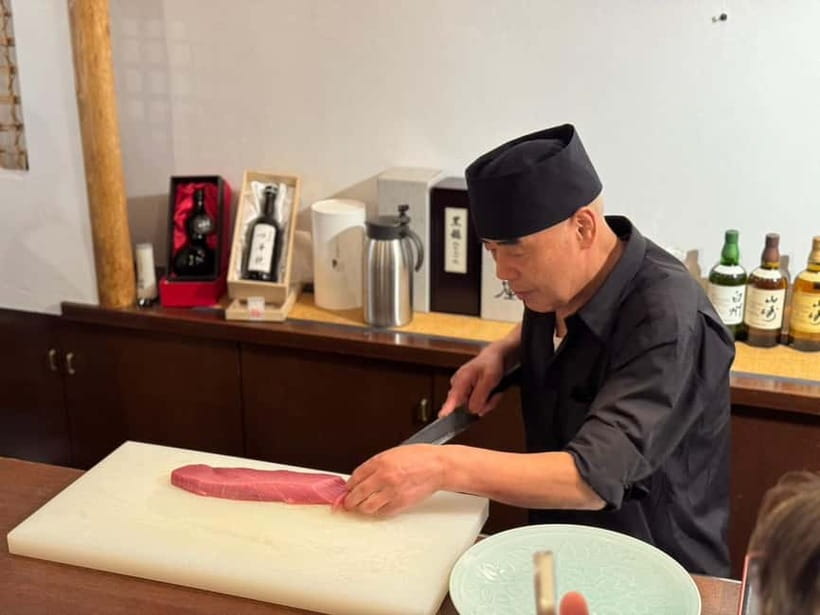
This experience meets at SUSHIROKU, on the 4th floor of Vort Roppngi Briller Kaleido in Minato-ku. It’s extremely convenient for an evening out in Tokyo: it’s a 3-minute walk from Roppongi Station (Tokyo Metro Hibiya Line and Toei Oedo Line), and it’s also about a 1-minute walk from Don Quijote Roppongi. Translation: you can shop, grab something quick, then head upstairs without stress.
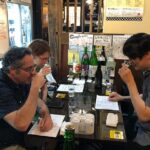
The setup matters. This is a tasting experience in a real dining room, not a warehouse classroom. You’ll likely check in, then settle in while the staff start working through both the sake and sushi portions. Because it’s a small group, you’re not lost in a crowd, but you should still plan for a dinner that runs like a service line, not like a slow museum tour.
If you’re trying to manage your pace, arrive with a clear plan. Decide before you go how many sake pours you want to sample, and keep water nearby. That way, you enjoy the comparison without turning the night into a blur.
Unlimited Tokyo Sake: How the 8+ Types Fit Together
The star of the show is the unlimited sake tasting. You’ll have access to 8 types or more, with the exact number depending on availability. The unlimited window is 75 minutes, and then the meal continues within the full 90-minute experience.
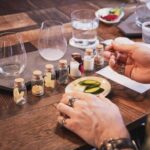
What I find smart here is the sourcing range. The sake is described as coming from breweries across Japan, from Hokkaido in the north down to the Kyushu area in the south. That matters because it gives you a natural tasting theme: you’re not just trying random bottles. You’re comparing how sake can shift with regional styles, local ingredients, and production choices.
Also, the tasting is built to help you notice differences beyond “this is good.” You’re given repeated chances to taste, compare, and reset your palate between samples. Even without a formal lecture, the structure pushes you to pay attention to aromas and flavor direction. Some sakes may come across more crisp or clean. Others may feel fuller or more layered, depending on what’s served that night.
A practical way to enjoy the comparison
Here’s a simple approach I’d use:
- Start with a lighter, fresher pour if one is offered first.
- Midway, taste something that feels warmer or more intense.
- Finish with your favorite again, to confirm it after you’ve sampled everything.
If you care about learning, you can still get value. One theme from prior guests is that the explanation level can be limited. That means your best move is to ask specific questions, like what region each sake is from, or what ingredient and flavor direction the brewer is aiming for. If the staff can’t go deep, at least you can collect the labels and learn later.
Pour another. Breweries and tasting rooms nearby
- Ramen and Sushi Cooking Class with Sake Pairing Set in Tokyo★ 5.0 · 291 reviews
- Sake Tasting Masterclass in Shinjuku (8+ Varieties with a Pro)★ 5.0 · 271 reviews
- Sake Omakase in Tokyo: Guided Tasting by Certified Sommeliers★ 5.0 · 239 reviews
- Tasting All Types of Sake with Sommelier★ 5.0 · 151 reviews
- Wagyu & Sake Pairing in Shinjuku – Steak, Shabu-Shabu & More★ 5.0 · 112 reviews
Sushi Omakase with Yamayuki Tuna: What to Expect from the Meal
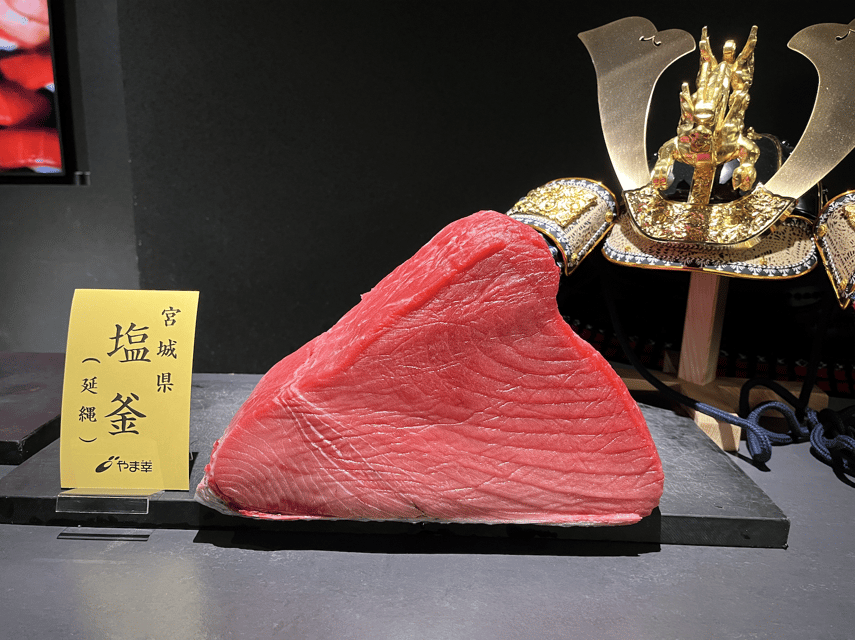
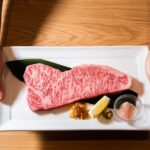
On the sushi side, the experience is centered on premium tuna from Yamayuki, described as Japan’s top wholesaler. That claim matters because sushi quality is not just about the chef, it’s also about supply chain consistency. A strong wholesaler helps keep the tuna grade and freshness reliable, which makes the tasting more meaningful. If you’re someone who cares about tuna flavor, fat distribution, and texture, this is the right kind of focus.
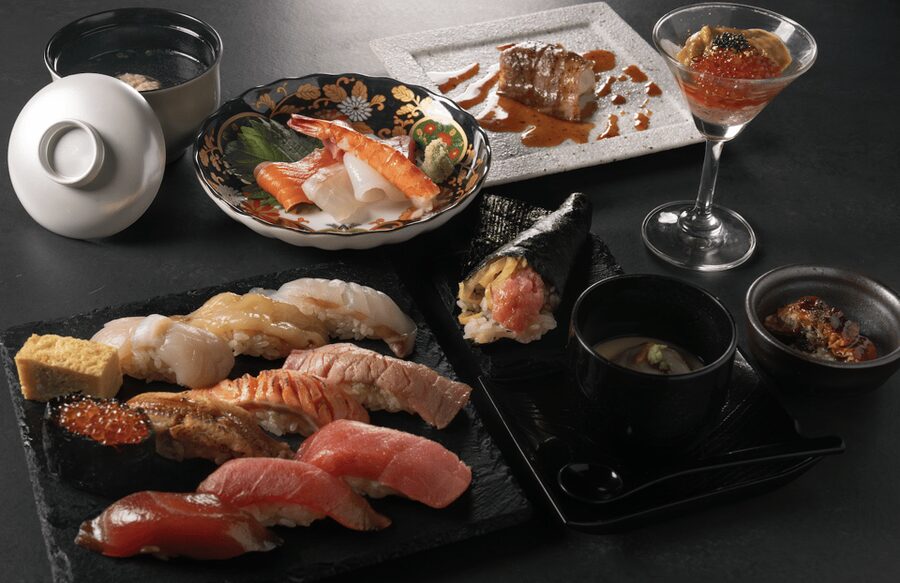
The sushi is presented as an omakase tasting. You should expect a set sequence rather than a slow, flexible dining plan. In one case, the sushi portion felt like it moved quickly, with sushi presented in about 30 minutes. That doesn’t mean you’re shorted on quality. It means you need to stay mentally in “food service mode,” not “lingering” mode.
What’s nice is that the sushi and sake timing overlap. You’re sampling sake while the chef sends out pieces. That pairing changes how you perceive each bite. Sake can lift the flavor of the fish and refresh your palate between pieces. If you’re the type who normally drinks wine with dinner, this is the Japanese version of that idea, just with more frequent comparisons.
Seating and pace: the one thing to mentally prepare for
Because the room needs to handle incoming diners, you might be asked to move from a counter spot to a table near the door. If this happens, don’t read it as rude service. It’s more about space management during peak traffic in Roppongi. Keep your jacket and bag organized, and expect the flow to prioritize serving on time.
How to Sip and Eat Like You Want, Not Like You Fear
Unlimited sake sounds carefree. It can also turn into bad choices if you let it. So I like the idea of being strategic from the first pour.
My low-drama rules for this kind of tasting
- Sip, don’t gulp. Your goal is tasting and comparing.
- Use water. If the menu offers water, take it often.
- Pace your sake between sushi pieces. This helps you notice how the flavor shifts.
- Have a plan for your last two pours. Don’t burn your top pick too early.
Also, remember the duration is short: 90 minutes total. You’re not doing a full evening. You’re doing a concentrated experience. That’s great for travelers who want something high-impact, but it also means you should avoid treating it like a late-night hang where conversation stretches for hours.
If you want more explanation, be proactive with questions. Ask about region first, then about what to notice. If you ask general questions like what makes this sake special, you may get vague answers. If you ask specific ones, you’re more likely to get useful details.
Why This Price Can Make Sense in Tokyo
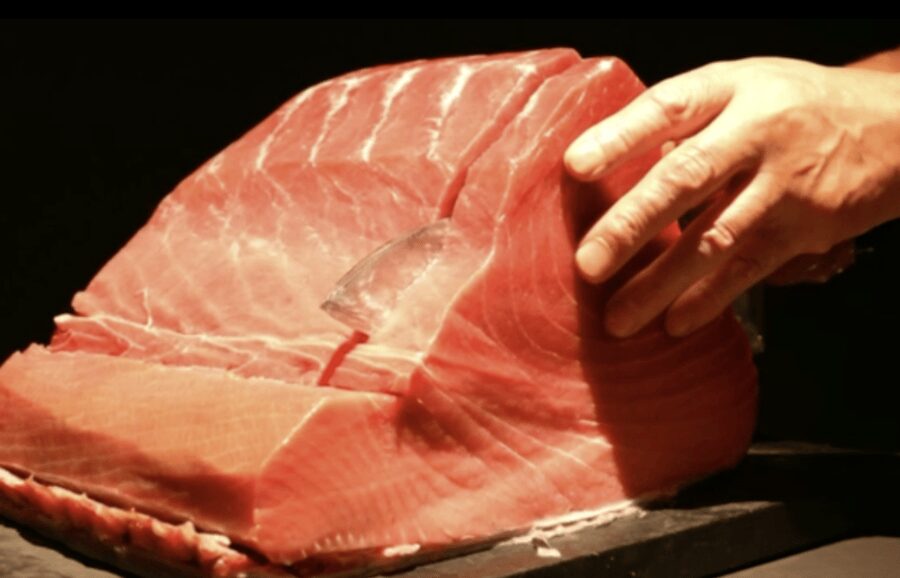
At $63 per person for 90 minutes with unlimited sake and a sushi tasting, the value depends on your priorities. In Tokyo, high-quality sushi is not cheap, and alcohol pricing can add up quickly. Here, the structure bundles both, and the small group format keeps it from feeling like a factory line.
So who does this pricing work for?
- You drink sake (or want to try it seriously).
- You want tuna-focused sushi, not just a generic starter meal.
- You prefer a short, organized experience over planning two separate reservations.
If you rarely drink alcohol, the value drops. Unlimited tasting only helps if you actually use it. But even then, the tuna and sushi sequence can still justify the cost compared to paying separately for a sushi meal and a few drinks.
One more nuance: the experience can feel more like a tasting dinner than a guided class. If you want a deep, step-by-step sake history lesson with lots of brewing science, you might feel under-served. But if you’re happy to learn by tasting and asking a few targeted questions, the price-to-experience ratio can feel fair.
Who This Works Best For (and Who Should Rethink)
This setup fits a specific kind of traveler. I think it’s ideal if you’re:
- A food-first traveler who wants Japanese sake and sushi in one go
- Someone who likes small group experiences, with a cap of 8 participants
- A tuna lover who appreciates quality sourcing, especially with Yamayuki tuna
- A traveler who enjoys tasting comparisons across regions rather than one single standout bottle
It might be less ideal if:
- You want a heavily guided, story-heavy sake lecture with deep brewing details.
- You hate service pacing and would rather sit for a long, slow multi-hour meal.
On the flip side, quick pacing is not automatically bad. It often means fresher service, cleaner flow, and less waiting around. You still get a proper tasting rhythm, just compressed.
Tips for Booking and Getting the Most Out of 90 Minutes
The experience runs for 90 minutes, and starting times depend on availability. If you have a tight schedule in Tokyo, this short duration is a plus. It’s also easier to plan around it than a longer omakase reservation.
A few practical tips:
- Arrive a little early so you can settle before the first pours.
- Go in expecting an active pace. This is not a slow dinner cruise.
- If you want to talk about sake, prepare 2 or 3 question topics ahead of time: region, flavor direction, and what to notice when tasting.
Also, keep in mind it’s described as wheelchair accessible, which is a real plus for mobility planning.
Should You Book This Unlimited Sake and Sushi Omakase in Roppongi?
Yes, if you want a concentrated Tokyo evening where sake and sushi are the main event. The combination of unlimited sake for 75 minutes, plus sushi focused on Yamayuki tuna, makes it a straightforward value play for people who eat and drink with intent.
I would book it if you’re excited to compare sake from Hokkaido to Kyushu, and you’re happy to let the tasting format do the teaching. If your top priority is a deep, guided sake lesson with lots of brewing history and detailed explanations, you should temper expectations and plan to ask questions directly.
In short: this is a solid pick for tasting-minded travelers who want Japan food culture without the planning headache, and who can enjoy a meal that moves at a dining pace.
FAQ
Where is the meeting point?
The meeting point is SUSHIROKU, 4th Floor, Vort Roppngi Briller Kaleido, 3-14-14 Roppongi, Minato-ku, Tokyo 106-0032, Japan.
How far is it from Roppongi Station?
It is about a 3-minute walk from Roppongi Station (Tokyo Metro Hibiya Line and Toei Oedo Line).
How long is the experience?
The duration is 90 minutes.
What is included in the price?
The experience includes unlimited sake tasting and a sushi tasting.
How does unlimited sake tasting work?
There are 8 types or more of sake depending on availability, and unlimited tasting is available for 75 minutes.
What kind of sushi tuna is served?
The sushi tasting includes premium tuna from Yamayuki, described as Japan’s top wholesaler.
What is the group size?
The group is small, limited to 8 participants.
Is it wheelchair accessible?
Yes, the experience is listed as wheelchair accessible.
What is the cancellation policy?
You can cancel up to 24 hours in advance for a full refund.
What is the price per person?
The price is $63 per person.
Cups, Cellars and Tasting Rooms
Counters and Courses

Newest Tokyo write-ups from the Loving Japan desk


Sushi and Sashimi Experiences, side by side.
 ★ 5.0Sushi Making Tokyo Roll and Authentic Japanese Sushi ClassFrom $593,971 reviews
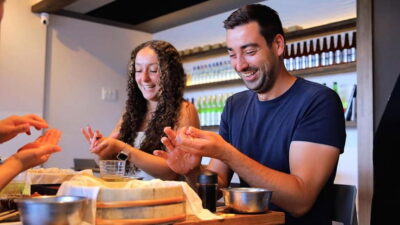 ★ 4.9Roll and Authentic Sushi Making Class in AsakusaFrom $581,957 reviews
 ★ 5.0Make Sushi and Create Unforgettable Memories in TokyoFrom $791,413 reviews
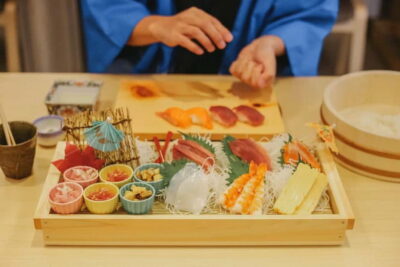 ★ 4.9Sushi Making Class in a Happi Coat near a Famous SpotFrom $421,377 reviews
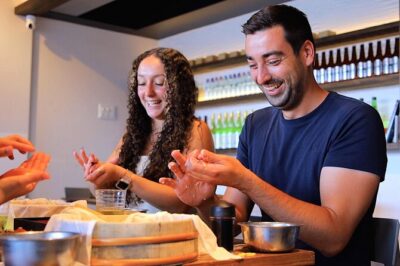 ★ 5.0Sushi Making Osaka Roll and Authentic Japanese Sushi ClassFrom $311,220 reviews
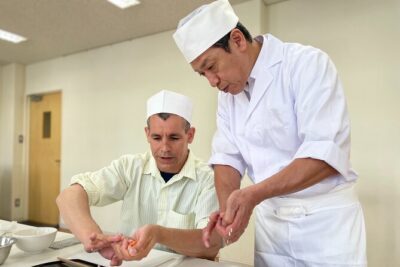 ★ 5.0Tokyo Sushi Making Class in Tsukiji with Professional ChefFrom $491,177 reviews
 ★ 5.0Tokyo Night Foodie Tour in Shinjuku – Seasonal Sushi, Wagyu BeefFrom $1111,161 reviews
 ★ 5.0Tsukiji Fish Market Guided Tour and Sushi Making with Pro ChefFrom $104775 reviews