
REVIEW · JAPANESE COOKING CLASSES
Well-balanced BENTO (lunch box) Cooking Class
Bento-making is a calm kind of adventure. In Osaka, this hands-on class at Sakura Cook puts bento lunch skills and dashi fundamentals right on your cutting board and then in your lunch box.
I love how the small group setup (max 8) keeps the teaching personal, especially when instructors like Yumi or Fumi explain not just the steps but the why behind them. I also love that you finish with a real lunch, with chopsticks and complimentary miso soup, after you pack your own triangular rice balls and side dishes. One possible drawback: because you make several components in about 2 hours 30 minutes, the pace can feel busy if you want extra time per station.
In This Review
- Key things to know before you go
- Why This Osaka Bento Class Feels Like Real Lunch, Not a Demo
- Arrive at Sakura Cook, Pick Your Box, and Get a Game Plan
- From Dashi to Dishes: What You Cook in About 2.5 Hours
- Wagyu, Shrimp, Salmon, Egg, and the Comfort-Food Feel
- Triangular Rice Balls: The Molds Make It Click
- Packing Your Bento Box Like Someone Who Does This Every Week
- Eat What You Made, With Miso Soup and Itadakimasu
- Price and Value: Is $92.24 Worth It?
- Who This Bento Class Is Best For
- Practical Tips for Your Osaka Day Around This Class
- Should You Book This Bento Cooking Class in Osaka?
- FAQ
- Where does the class meet in Osaka?
- How long is the well-balanced bento cooking class?
- How many people are in the group?
- Is a mobile ticket used?
- What do we cook during the class?
- Will there be miso soup?
- Can children join?
- Are dietary requirements handled?
- Is the class near public transportation?
- Can I cancel for a full refund?
Key things to know before you go
- Dashi first, then hands-on dishes, so you understand the flavor base behind many Japanese meals
- Up to seven home-style items, including Wagyu beef, shrimp, salmon, egg, squash, mushroom, and green vegetables
- Triangular rice balls with molds, a simple technique that makes the shape look right fast
- You pack the bento yourself, guided on how to arrange food so it looks appealing before you eat
- Miso soup with your lunch, the kind of pairing locals build into everyday meals
- Instructors use warm, clear English, with explanations that stick to the process
Cook it yourself instead. Other kitchens in Osaka
- Sushi Making Osaka Roll and Authentic Japanese Sushi Class
★ 5.0 · 1,220 reviews - Osaka Sushi Making Experience
★ 5.0 · 400 reviews - Osaka: Ramen and Gyoza Cooking Class in Dotonbori
★ 5.0 · 378 reviews - Osaka: Sumo Stage Show with Bento or Snack + Fight & Photo
★ 4.3 · 364 reviews
Why This Osaka Bento Class Feels Like Real Lunch, Not a Demo
If you want something more useful than a photo stop, this type of cooking class hits the sweet spot. You learn how Japanese home-style lunches are built: flavor comes first (dashi), the components get cooked with practical techniques (simmering, grilling, frying, marinating), and then presentation matters because the meal is meant to be eaten, not displayed.
The bento box theme is smart for a first-time cooking experience. Bento is not just “cute.” It’s how people plan portions, balance textures, and keep lunch tasty even when it is packed ahead of time. In this class, you get to practice that logic with real ingredients and real timing, then eat what you make.
Arrive at Sakura Cook, Pick Your Box, and Get a Game Plan
The class meets at Banix北堀江 Japan, 550-0014 Osaka, Nishi Ward, Kitahorie, 3-chōme62 システマギャラリー, then returns there after you’re done. It’s a good setup if you like walking around Nishi Ward afterward, but do give yourself a few minutes buffer. Cooking classes start on time, and you’ll want to be ready to get your apron on.
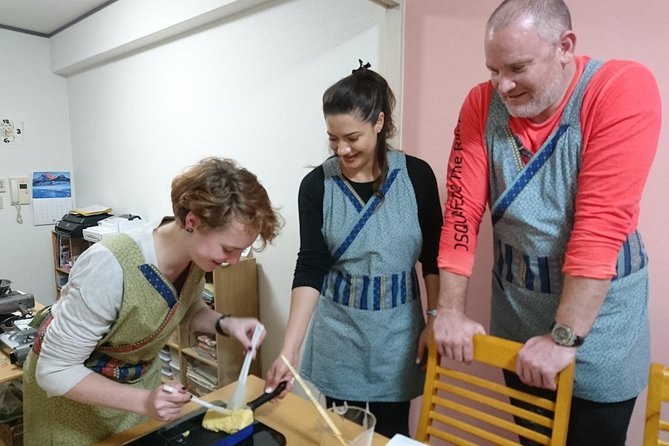
At the start, you choose your favorite lunch box. That small choice matters more than you’d think. You’ll be arranging everything into that exact container, so you’ll feel more invested in the final result. You also put on an apron, then get into the flow of the kitchen tasks.
This is designed as a small-group class, max 8 travelers. That size is ideal for asking questions, getting help with shaping rice balls, and learning how to pack without fighting for space.
From Dashi to Dishes: What You Cook in About 2.5 Hours
The core of the class starts with making Japanese broth, dashi. Dashi is the flavor backbone behind a lot of Japanese cooking, and learning it early gives the rest of the meal context. One review highlighted how the instructor explained the process and even the history behind dashi, which helps you move from recipe-following to real understanding.
After dashi, you make seven basic Japanese dishes that are often eaten at home. Based on the class description, you’ll work with ingredients like:
- Wagyu beef
- Shrimp
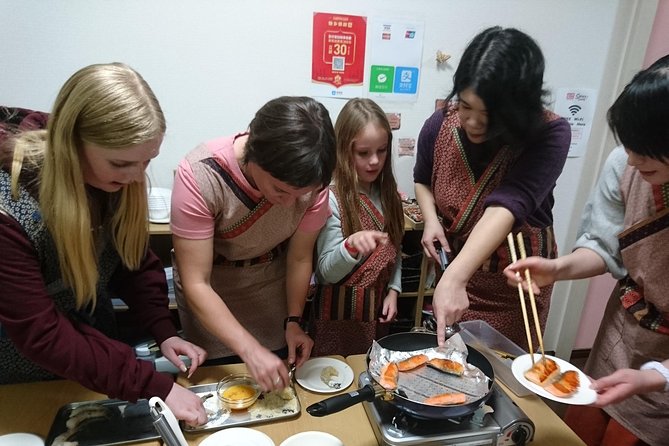
- Salmon
- Egg
- Squash and mushroom
- Green vegetables
The techniques you practice are the practical ones you’d actually use later. Expect training in frying, grilling, simmering, and marinating. That mix is perfect because it prevents the class from becoming one long “do the same thing seven times” routine.
If you’re the type who likes results fast, you’ll probably enjoy the structure. There’s a clear chain: build broth, cook components, then assemble. If you learn best by doing, this format makes it hard to zone out.
- Osaka Go Karting Tour with Funny Costume★ 5.0 · 2,658 reviews
- Osaka Castle: Museum and Tower Entry Ticket★ 4.5 · 2,380 reviews
- Osaka: Shinsekai Food Tour with 13-15 Dishes at 5 Eateries★ 4.8 · 2,204 reviews
- Osaka Food Tour: 13 Dishes at 5 Local Eateries★ 5.0 · 2,149 reviews
- Hungry Osaka Street Food Tour:15 Tastings & 3 Drinks with a Local★ 5.0 · 1,727 reviews
Wagyu, Shrimp, Salmon, Egg, and the Comfort-Food Feel
What makes this class feel well-balanced is that it doesn’t lean too hard on one ingredient or one cooking style. Wagyu beef and shrimp give you the “special dinner” feeling, while egg, mushroom, and vegetables keep the meal grounded and home-like.
You also do marinating and then cook the marinated items, which helps the flavors stay interesting instead of tasting flat. And because the class is focused on Japanese home cooking, the dishes tend to feel familiar and comforting, even if you’ve never made them before.
A practical benefit here: when you taste your finished bento, you can connect each flavor to the technique you practiced. That means you can repeat the idea later, even if your exact ingredients change.
Triangular Rice Balls: The Molds Make It Click
Then comes one of the most satisfying skills in the whole session: making triangular rice balls using plastic molds. You practice the shaping steps, then complete two rice balls when you’re ready.
This is a great part of the class for beginners. Rice-shaping sounds tricky until someone shows you a repeatable method. The molds take the frustration out of forming a triangle, so your effort goes into getting the rice texture and the consistency right, not wrestling with geometry.
If you’re traveling with kids, this portion often works well because it gives immediate visual feedback. Even if the first attempt looks a little off, you can correct quickly.
Packing Your Bento Box Like Someone Who Does This Every Week
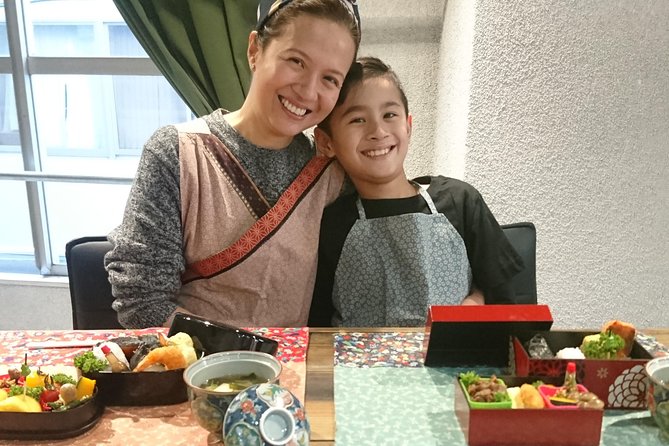
Cooking is only half the bento lesson. The other half is arranging.
Once your dishes are ready, you pack your bento with fresh vegetables. You’ll get instructor guidance on an attractive pack way, and the class encourages you to think about balance: where heavier items go, how to separate textures, and how to keep everything from turning into one mixed pile.
This is also where you’ll appreciate learning during a real meal format. Bento is supposed to survive packing, and it should still look good when opened later. Even if you eat it right away here, you still learn the same planning mindset.
One featured highlight from the class described how instructors explained not only the cooking but the arranging and presenting part. That’s the difference between a “food event” and an actually useful cooking class.
Eat What You Made, With Miso Soup and Itadakimasu
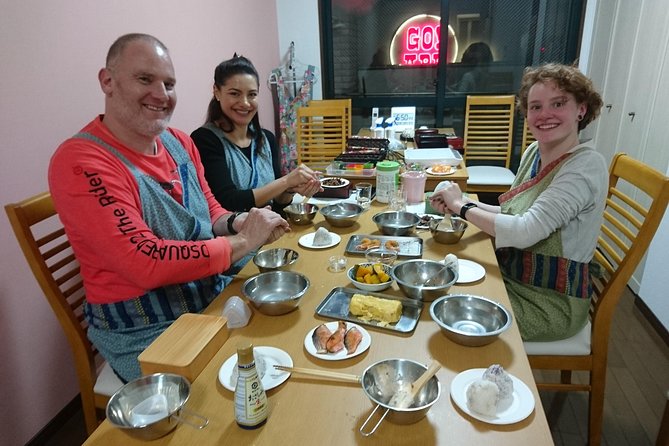
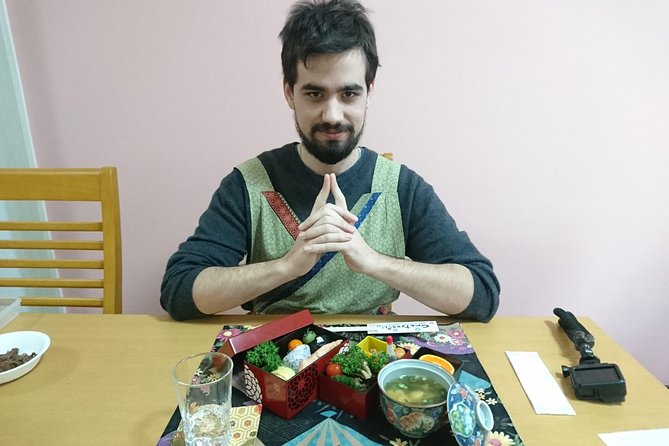
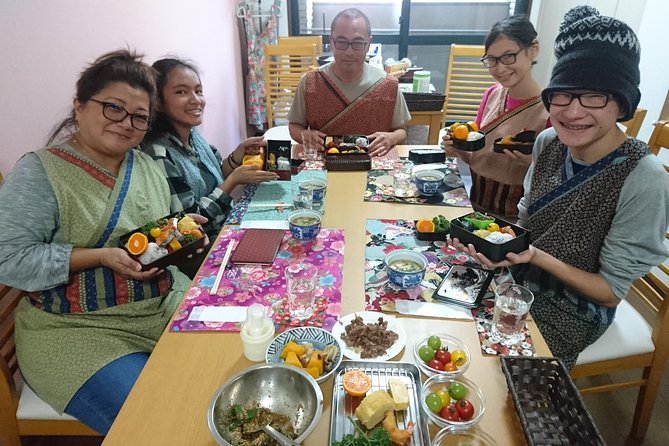
When everything is finished, you sit down and eat the bento you assembled. You’ll use chopsticks, and the class ends with the moment Japanese households often share, it starts with Itadakimasu.
You also get complimentary miso soup. It’s a small add-on, but it rounds out the meal in a way that feels very Japanese. Soup gives warmth and comfort, and it balances the bento’s mix of flavors.
If you’re the kind of person who worries that cooking classes end with “mostly standing around,” this one avoids that. You cook, you pack, and you eat your work.
Price and Value: Is $92.24 Worth It?
At $92.24 per person, this is not a cheap activity. But it does have strong value for what you get: a small-group hands-on class, instruction throughout, ingredients for multiple dishes, plus your finished lunch with miso soup.
You also get training in several core techniques in one session: frying, grilling, simmering, and marinating, plus dashi making and rice-ball shaping. That’s a lot to learn in a single 2 hours 30 minutes.
Another subtle value point: bento is practical. You leave with a workflow you can repeat. Instead of memorizing one dish, you learn how components fit into a balanced Japanese lunch format.
Booking tends to fill, and the class is typically booked about 53 days in advance, so if you’re set on going, earlier planning helps.
Who This Bento Class Is Best For
This experience is a strong fit if you want:
- A hands-on Osaka activity where you actually cook and assemble lunch
- A guided introduction to dashi and Japanese home cooking techniques
- A small-group setting where you can participate in every dish
- A meal-centered cultural experience that ends with eating what you made
It’s also family-friendly in a practical way. The class description says children must be accompanied by an adult, and reviews describe it as manageable for a 12-year-old. If you’re bringing kids, you’ll probably like the “do, shape, pack, eat” rhythm.
If you hate busy schedules, you might find the time limits a little tight. The pace can move because you’re producing several components in one sitting.
Practical Tips for Your Osaka Day Around This Class
A few things will make the class smoother:
- Wear comfortable clothes. You’ll be standing and working hands-on.
- Use the instruction time to ask questions early, especially if you’re slow with chopping or shaping.
- If you have dietary requirements, advise them at booking. The class asks you to do this ahead of time.
- Bring a respectful appetite. You’ll taste everything you assemble.
Also, keep logistics simple. The meeting point is near public transportation, and the activity ends back there, so you can plan your next Osaka stop without a complicated commute.
Should You Book This Bento Cooking Class in Osaka?
Book it if you want a fun, hands-on way to understand how Japanese lunch is built, not just how it tastes. The class structure is practical: dashi first, then multiple home-style dishes, then triangular rice balls, then packing a bento you can be proud of, finished with miso soup.
Skip or rethink if you’re looking for a slow-paced, one-dish cooking experience. Here you’re learning several things inside a tight time window. Still, if that sounds like a challenge you’ll enjoy, it’s a great value way to spend half a day in Osaka.
If you’re traveling with someone who likes food and structure, this one is especially hard to beat. It ends with a real lunch, built by your own hands.
FAQ
Where does the class meet in Osaka?
The start point is Banix北堀江 Japan, 550-0014 Osaka, Nishi Ward, Kitahorie, 3-chōme62 システマギャラリー. The activity ends back at the meeting point.
How long is the well-balanced bento cooking class?
It runs for about 2 hours 30 minutes.
How many people are in the group?
The class has a maximum of 8 travelers.
Is a mobile ticket used?
Yes, the experience includes a mobile ticket.
What do we cook during the class?
You start by making dashi broth, then prepare up to seven basic Japanese dishes often eaten at home, including items made with Wagyu beef, shrimp, salmon, egg, squash and mushroom, and green vegetables. You also make triangular rice balls.
Will there be miso soup?
Yes. Miso soup is complimentary and served with your meal.
Can children join?
Children must be accompanied by an adult.
Are dietary requirements handled?
You should advise any specific dietary requirements at the time of booking.
Is the class near public transportation?
Yes, the meeting location is near public transportation.
Can I cancel for a full refund?
Free cancellation is available. You can cancel up to 24 hours in advance for a full refund, based on the experience’s local time. If you cancel less than 24 hours before, the amount paid is not refunded.
Kitchens You Can Book Into

Newest Osaka write-ups from the Loving Japan desk


Japanese Cooking Classes, side by side.
 ★ 5.0Sushi Making Tokyo Roll and Authentic Japanese Sushi ClassFrom $593,971 reviews
 ★ 4.9Roll and Authentic Sushi Making Class in AsakusaFrom $581,957 reviews
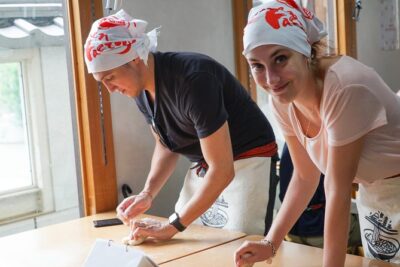 ★ 5.0Ramen Cooking Class at Ramen Factory in KyotoFrom $1311,937 reviews
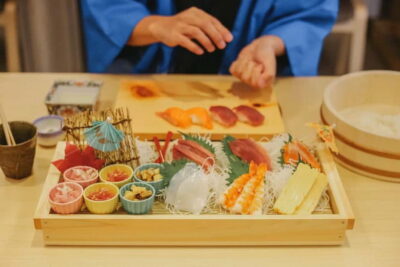 ★ 4.9Sushi Making Class in a Happi Coat near a Famous SpotFrom $421,377 reviews
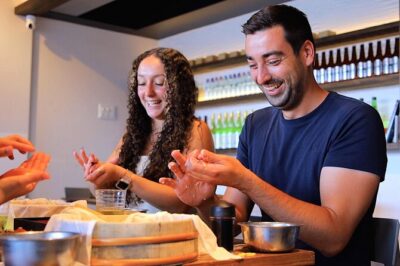 ★ 5.0Sushi Making Osaka Roll and Authentic Japanese Sushi ClassFrom $311,220 reviews
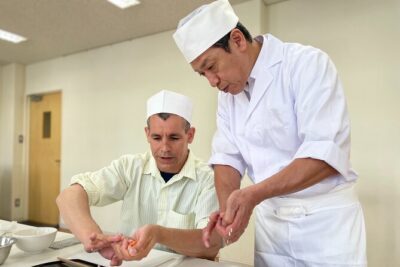 ★ 5.0Tokyo Sushi Making Class in Tsukiji with Professional ChefFrom $491,177 reviews
 ★ 5.0Ramen & Gyoza Cooking Class in Tokyo with Local Supermarket VisitFrom $122823 reviews
 ★ 5.0Tsukiji Fish Market Guided Tour and Sushi Making with Pro ChefFrom $104775 reviews
Filed on these lists too