
REVIEW · SUSHI AND SASHIMI EXPERIENCES
Cozy Tokyo Class: Ramen, Sushi, Sake Pairing & Cultural Exchange
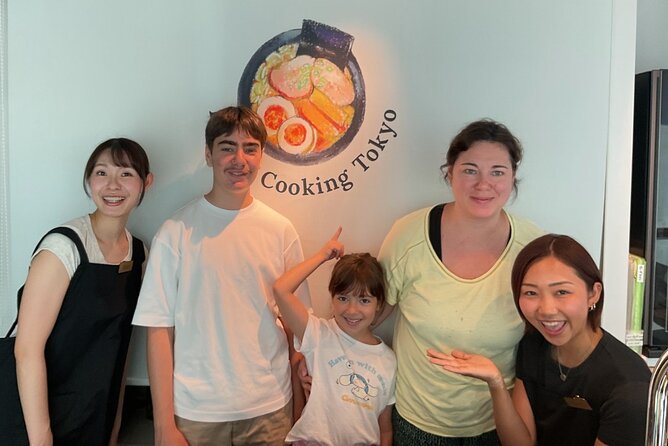
Tokyo tastes better when you make it. This cozy small-group class pairs hands-on cooking with cultural exchange, led by English-friendly Japanese hosts. You’ll learn two iconic dishes, ramen and sushi (or optional gyoza), then sit down for what you made and how to recreate it later.
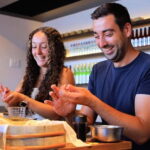
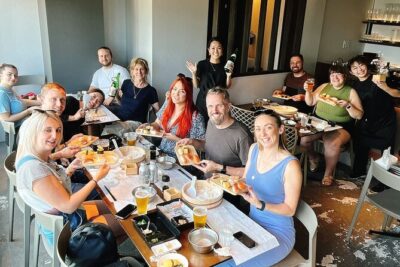
What I like most is the class size. You cook in an intimate setting with a cap of four people, so questions actually get answered and the pace stays friendly. I also love the tone: the hosts, including Umi San and Kou San, mix cooking with stories about Japanese food traditions, not just instructions.
One thing to consider is expectations around choice and depth. The format is built around a 3-hour session, and the second dish can be sushi or optional gyoza, so you might not get a full, deep-dive into every ramen or sushi detail you’ve ever seen online.
In This Review
- Key highlights you can plan around
- A Cozy Cooking Base in Tsukishima, Easy to Reach
- Ramen + Sushi (or Gyoza): A Simple Way to Learn Japanese Cooking
- Inside the 3-Hour Flow: How Your Kitchen Skills Build Fast
- Your Hosts and the Cultural Exchange Part That Actually Feels Human
- Sake Pairing, Japanese Beer, and Non-Alcoholic Options
- What You Take Home: The Recipe Gift That Saves Your Future Self
- Who This Class Fits Best, and Who Should Rethink It
- Price and Value: Is $79 Worth It?
- How to Slot It Into a Tight Tokyo Day
- Should You Book Cozy Tokyo Class: Ramen, Sushi, Sake Pairing & Cultural Exchange?
- FAQ
- What is the duration of Cozy Tokyo Class?
- How much does the class cost?
- What dishes will I learn to make?
- Is this class beginner-friendly?
- How big is the group?
- Are sake pairings included?
- Do I get a recipe to take home?
- Where does the class start?
- Is transportation included?
- What is the cancellation policy?
Key highlights you can plan around
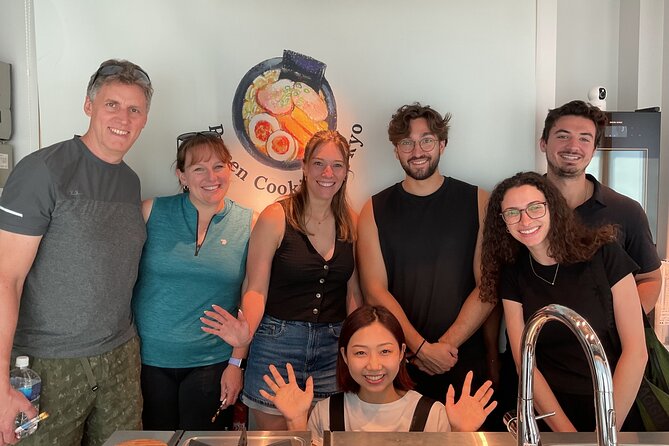
- Up to four per class means you are not shouting over other cooks
- Two iconic dishes: ramen plus sushi, with optional gyoza
- Sake pairings are part of the experience, with Japanese beer and non-alcoholic options too
- English-friendly hosts help you move from raw ingredients to finished plates with less stress
- Recipe gift included, so you can recreate what you cooked back home
- Cozy cultural exchange, with stories that connect ingredients to Japanese food tradition
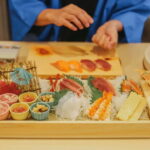
Counters and courses we sat at around Tokyo
- Sushi Making Tokyo Roll and Authentic Japanese Sushi Class
★ 5.0 · 3,971 reviews - Tokyo: Roll and Authentic Sushi Making Class in Asakusa
★ 4.9 · 1,957 reviews - Make Sushi and Create Unforgettable Memories in Tokyo
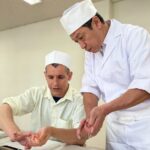
★ 5.0 · 1,413 reviews - Tokyo: Sushi Making Class in a Happi Coat near a Famous Spot
★ 4.9 · 1,377 reviews
A Cozy Cooking Base in Tsukishima, Easy to Reach
Your class starts at HAUS Tsukishima, in Chuo City, Tsukuda, at 2-chōme 13-5. It is in a real neighborhood feel, not some far-flung industrial zone, which matters because you want your Tokyo day to flow without drama.
The practical upside is timing. This runs about 3 hours, and it ends back at the meeting point. That makes it easier to pair with the rest of your day, especially if you are bouncing between neighborhoods and hate the idea of long commutes.
Also, the setup is described as cozy and small-group from the start. That’s not fluff. In a cooking class, room layout and crowding affect everything: your visibility, how often you can ask questions, and whether you can hear the host while you chop and stir. A smaller group is one of the main reasons the experience feels relaxed.
Ramen + Sushi (or Gyoza): A Simple Way to Learn Japanese Cooking
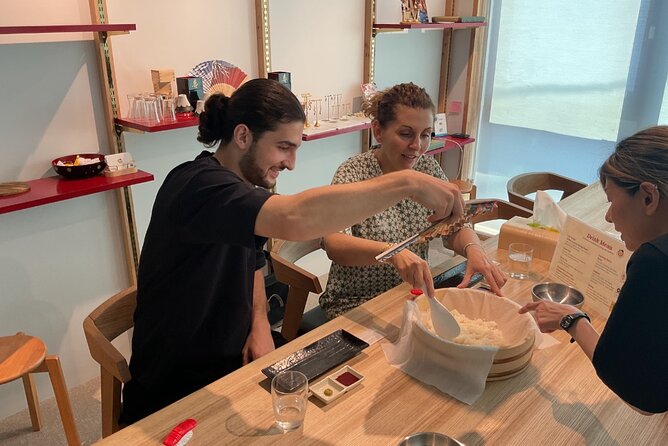
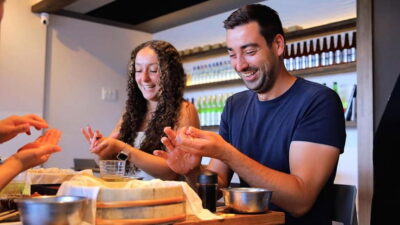
The core promise is clear: you will make ramen and sushi from scratch, with gyoza as an option. Even if you do not consider yourself a cook, the class is pitched for beginners and experienced cooks alike.
Why that matters for you is simple. Ramen and sushi can feel intimidating because they have reputations. In reality, both come down to repeatable steps and good ingredient handling. A class like this gives you those steps in a guided order, so you are not stuck Googling measurements mid-kitchen panic.
You also get something that’s hard to replicate on your own. The hosts explain how Japanese culinary traditions connect to the dish you are making. That gives your cooking a reason, not just a recipe. You start to understand why certain flavors, textures, or techniques show up again and again in Japanese food.
One more note: the pairing of dishes is part of the format. If you show up expecting ramen plus sushi every single time, you might want to confirm what you will be making in your exact session. The class includes ramen plus sushi, and also offers gyoza as an optional alternative in some cases.
Inside the 3-Hour Flow: How Your Kitchen Skills Build Fast
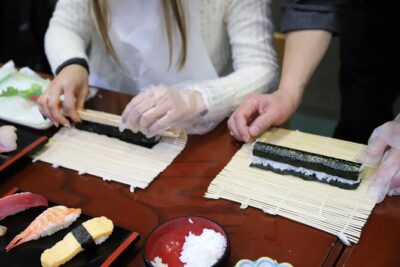
You start with a warm welcome from the English-friendly hosts. Then the session moves into cooking mode, with everything centered on getting you to a finished ramen and sushi plate (or optional gyoza).
What you can expect during those three hours is a steady rhythm: prep, cooking, assembling, and tasting. The big win is that the instructions are paced for real humans, not just culinary school robots. People mention that the facilitators explain at a good speed and with clear guidance, which is exactly what you want when you have limited time.
I like that the class is built around doing, then tasting, then learning. In many workshops, you only cook and hope it turns out. Here, you also get to taste what you make, which helps you learn the difference between how it looks and how it should taste. Then the recipe gift makes it easier to recreate at home without guessing.
A small practical advantage: when you cook in a tight group setting, you can watch the host troubleshoot other people’s steps too. That is often where you pick up the real technique tips, like how to handle ingredients so you avoid common mistakes.
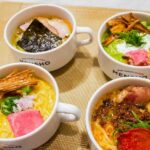
A bowl somewhere else in Tokyo
- Ramen & Gyoza Cooking Class in Tokyo with Local Supermarket Visit★ 5.0 · 823 reviews
- Tokyo: Ramen Tasting Tour with 6 Mini Bowls of Ramen★ 4.9 · 432 reviews
- Tokyo: Easy Ramen Cooking Experience in Kabukicho, Shinjuku★ 4.6 · 321 reviews
- Ramen and Sushi Cooking Class with Sake Pairing Set in Tokyo★ 5.0 · 291 reviews
- Professional Ramen & Gyoza with Ramen Chef in a restaurant!★ 5.0 · 223 reviews
Your Hosts and the Cultural Exchange Part That Actually Feels Human
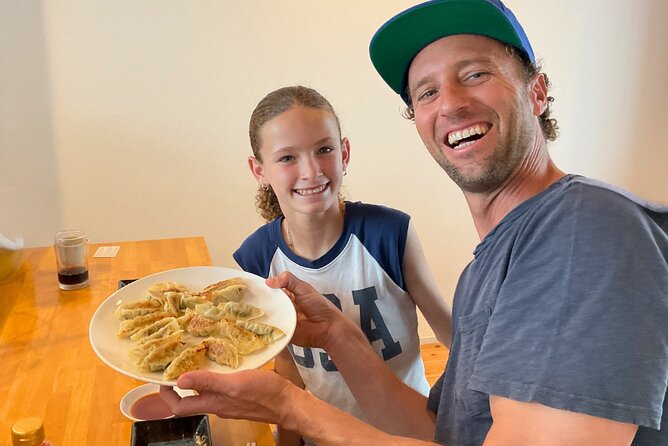
This experience is branded as more than cooking. The theme, Beyond Cooking, Feel the Connection, is not just marketing language. The hosts bring in cultural stories while you work, which helps the class feel like conversation rather than a one-way lesson.
Names mentioned in the experience include Umi San and Kou San, along with other hosts you may meet depending on the session. You might hear them talk about why certain ingredients matter, how Japanese eating habits show up in the dishes you are making, and how to think about flavors as something you balance, not something you simply add.
The cultural exchange angle also shows up in the environment. The hosts are described as kind, caring, and genuinely excited to share. That matters because food learning goes faster when you feel comfortable asking questions.
And yes, the class is family-friendly and works for couples and friends too. People also use it for birthdays and honeymoon-style trips, which makes sense. If you want a shared activity that leads to a shared meal, this format hits the mark.
Sake Pairing, Japanese Beer, and Non-Alcoholic Options
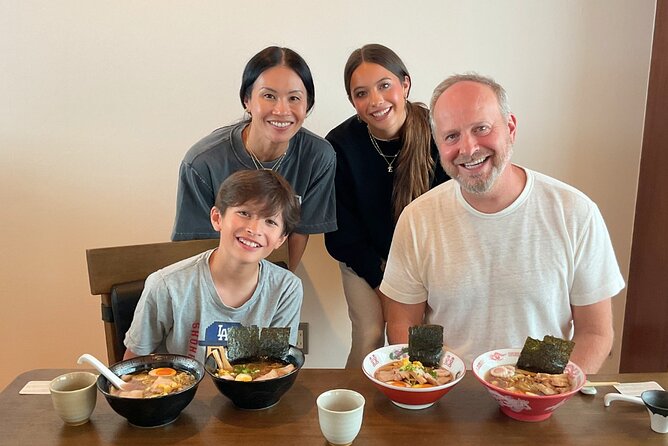
A big part of the social feel is the drink pairing. The class includes unlimited sake pairings, plus Japanese beer or non-alcoholic beverages.
For me, drink pairing is not automatically a selling point. But in a cooking class, it can change how you experience flavors. Japanese sake pairing typically highlights different notes in a meal, so you notice texture and taste in a more intentional way. It also turns dinner out of the ordinary into something you remember.
You should also know this is built into the experience, not an add-on you have to hunt for. That makes planning easier. If you are the designated driver or traveling with someone who does not drink, there are non-alcoholic options included as well.
What You Take Home: The Recipe Gift That Saves Your Future Self
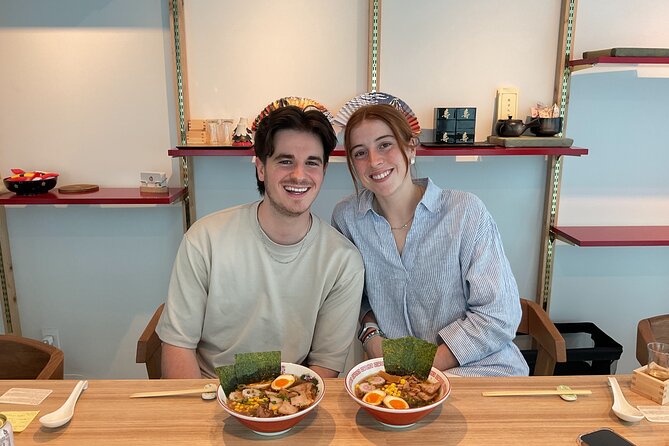
The class includes a detailed recipe gift so you can recreate what you made at home. This is one of the most valuable parts of cooking classes, because Tokyo is great, but memory fades fast. Recipes help you lock in what you learned while it is fresh.
You will likely use the recipe in a practical way. First you make the dish once at home to confirm the steps. Then you adjust slowly, based on what you liked most in class. That’s how you turn one neat vacation meal into an ongoing skill.
Also, having both ramen and sushi recipes (or ramen and gyoza depending on your session) gives you more than a single one-off souvenir. You leave with multiple building blocks. That’s especially helpful if you are cooking for friends who keep asking what you ate in Japan.
Who This Class Fits Best, and Who Should Rethink It
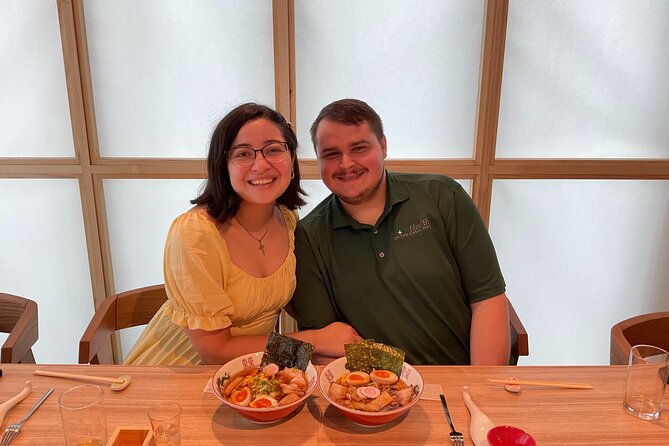
This class is a strong fit if you want:
- Hands-on cooking without needing advanced skills
- A small-group setting where you can actually ask questions
- Japanese food with a cultural story tied to ingredients and technique
- A fun shared activity for a date, friends trip, or family day
It also seems to work well for kids, since the experience is described as fun for parents and kids, and the facilitators are engaged and friendly.
Who might rethink it? If you want a very specific niche outcome, like only ramen or only sushi, the session format may not match. If your definition of mastery is professional-level broth work or ultra-technical sushi detail, you may feel the time is too short. But if your goal is confidence and a clear recipe pathway, this class is designed for that.
Price and Value: Is $79 Worth It?
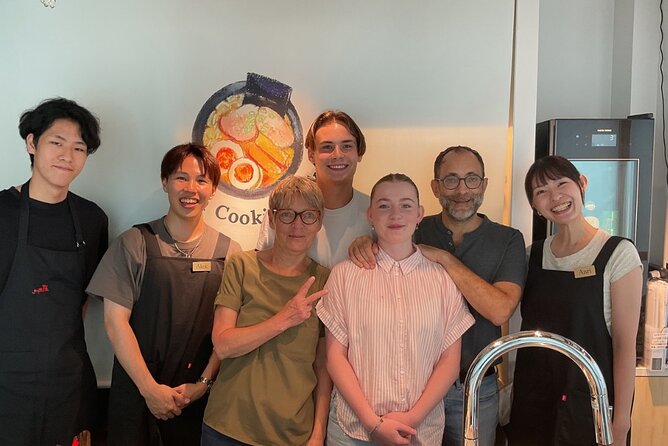
At $79 for about 3 hours, you are paying for much more than an instructor telling you what to do. You get ingredients, cooking guidance, cultural exchange, tasting, and recipe handouts included. You also get unlimited sake pairings, plus Japanese beer or non-alcoholic beverages.
Value in Tokyo is all about what replaces your time. If you spend $79 and walk away with only a full stomach, that can be a miss. But here you leave with practical skills you can use again at home, plus a meal you cooked yourself. That makes the price feel more like training than entertainment.
Small-group cooking is also usually more expensive per person than big group classes. The cap at four people is a real value driver, because it affects how personal the attention feels and how smoothly the class runs.
The only cost you need to plan around is transportation to the meeting point. Private transport is not included, so build that into your day like you would for any other Tokyo activity.
How to Slot It Into a Tight Tokyo Day
A 3-hour class is a nice middle block. It is long enough to feel satisfying, not so long that it wrecks your whole itinerary. If you are sightseeing hard in the morning, you can treat this as a reset in the early afternoon or later evening.
Since it ends back at the same meeting point, you do not have to figure out a complicated end-of-tour commute. And because it is near public transportation, you can keep your routing simple.
If you are doing other food-focused stops, pick one theme for your day. Ramen, sushi, and sake already cover a lot of ground. So pair it with neighborhoods and views rather than stacking too many food tours back-to-back.
Should You Book Cozy Tokyo Class: Ramen, Sushi, Sake Pairing & Cultural Exchange?
Book it if you want a small-group cooking class in Tokyo where you make ramen and sushi (or optional gyoza), taste what you cook, and get a recipe you can actually use later. The hosts, including Umi San and Kou San, come through as warm, excited, and supportive, and that tone matters when you are learning something new.
Skip or shop around if you only care about one dish, or if you expect a super long, ultra-technical training session. The class is designed to be friendly and efficient, not to produce restaurant-ready perfection in one sitting.
If your goal is a memorable, practical meal-making experience that also teaches you why Japanese flavors work the way they do, this is an easy yes.
FAQ
What is the duration of Cozy Tokyo Class?
It runs for about 3 hours.
How much does the class cost?
The price is $79.
What dishes will I learn to make?
You will learn to create ramen and sushi from scratch. There is also optional gyoza.
Is this class beginner-friendly?
Yes. The experience is suitable for beginners and also works for more experienced cooks.
How big is the group?
The class is capped at four people, and the activity has a maximum of eight travelers.
Are sake pairings included?
Yes. The experience includes unlimited sake pairings, and it also includes Japanese beer or non-alcoholic beverages.
Do I get a recipe to take home?
Yes. You receive a detailed recipe as a gift so you can recreate the dishes at home.
Where does the class start?
It starts at HAUS Tsukishima, 2-chōme 13-5, Tsukuda, Chuo City, Tokyo, 104-0051.
Is transportation included?
No. Private transportation is not included, though the meeting point is near public transportation.
What is the cancellation policy?
Free cancellation is available. You can cancel up to 24 hours in advance for a full refund, and cancellations within 24 hours are not refunded.
One More Bowl




Counters and Courses


Newest Tokyo write-ups from the Loving Japan desk




Sushi and Sashimi Experiences, side by side.
 ★ 5.0Sushi Making Tokyo Roll and Authentic Japanese Sushi ClassFrom $593,971 reviews
 ★ 4.9Roll and Authentic Sushi Making Class in AsakusaFrom $581,957 reviews
 ★ 5.0Make Sushi and Create Unforgettable Memories in TokyoFrom $791,413 reviews
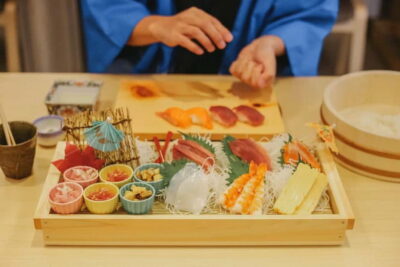 ★ 4.9Sushi Making Class in a Happi Coat near a Famous SpotFrom $421,377 reviews
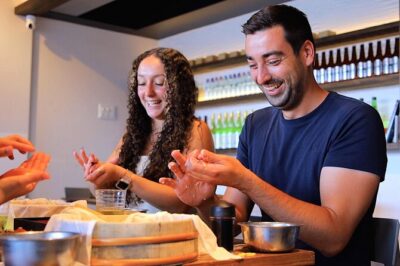 ★ 5.0Sushi Making Osaka Roll and Authentic Japanese Sushi ClassFrom $311,220 reviews
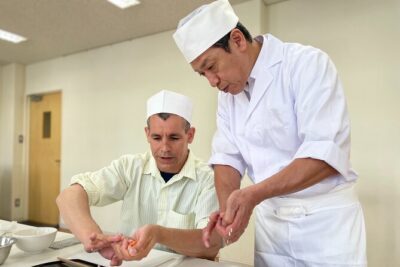 ★ 5.0Tokyo Sushi Making Class in Tsukiji with Professional ChefFrom $491,177 reviews
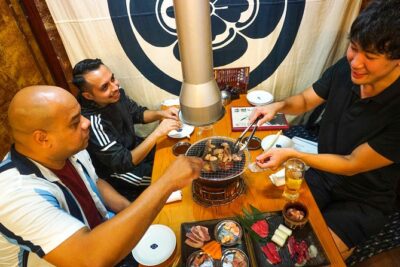 ★ 5.0Tokyo Night Foodie Tour in Shinjuku – Seasonal Sushi, Wagyu BeefFrom $1111,161 reviews
 ★ 5.0Tsukiji Fish Market Guided Tour and Sushi Making with Pro ChefFrom $104775 reviews