
REVIEW · KYOTO TEA CEREMONIES AND MATCHA
Uji: Private immersion into Kyoto’s tea and reglious culture
Uji turns Kyoto’s chaos into a quieter, more meaningful tea day. This private-feeling tour links green tea culture with temple life, using UNESCO sites and a real tea-drinking experience as your guide rope.
I especially like the pacing. You get structured stops with enough time to look, pause, and understand what you are seeing, not just rush through.
One thing to consider is the stairs. The route includes many stair sections, so if your legs are sensitive, plan accordingly or ask for modifications.
In This Review
- Key Things You’ll Notice on This Uji Tea and Buddhism Tour
- Uji in Four Hours, and Why It Feels Like a Break From Kyoto
- Getting Started at Keihan Uji Station Information Centre
- Stop 1, Takumi-no Yakata: A Real Gyokuro Tea Experience
- Stop 2, Ujigami Shrine: UNESCO Grounds and the Water Story
- Stop 3, Koshoji Temple: Soto Zen Roots and Tea Ceremony Links
- Stop 4, Byodoin Temple and Museum: The Heian-Era Lake Scene
- Stop 5, Byodoin Omotesando: The Historic Street of Tea Shops
- Stop 6, Prefectural Uji Park: Riverside Traditions and Cormorant Fishing
- What’s Included, What’s Not, and How to Plan Your Day
- The Value Question: Is $162.41 Per Person Worth It?
- Who Should Book This Tour (and Who Might Skip It)
- Final Thoughts: Should You Book This Private Uji Tea and Buddhism Tour?
- FAQ
- FAQ
- What time does the tour start?
- Where is the meeting point for the tour?
- How long is the Uji tea and Buddhism experience?
- Is this tour private, and how many people are in the group?
- What is included in the price?
- What is not included?
- Will there be stairs on this route?
- Is the tour near public transportation?
- What is the cancellation policy?
Key Things You’ll Notice on This Uji Tea and Buddhism Tour
- Gyokuro tea at Takumi-no Yakata, with a step-by-step explanation of how the high-grade leaves are prepared
- Ujigami Shrine’s underground spring water, a rare water story tied directly to tea-shop culture
- Koshoji Temple, a Soto Zen landmark, linking Zen traditions to how tea rituals took shape in Japan
- Byodoin Temple plus museum time, with the temple grounds built around a man-made lake
- Byodoin Omotesando tea-stall street, perfect for smelling roasted and fresh tea scents while you walk
- Uji Park and the river tradition of cormorant fishing, adding a practical, local rhythm to the day
Sit down somewhere quieter. Other tea rooms we booked
- Kyoto: Tea Museum Tickets and Matcha Grinding Experience
★ 4.9 · 739 reviews - Uji: Green Tea Tour with Byodoin and Koshoji Temple Visits
★ 4.8 · 72 reviews - Uji: UNESCO Heritage & Tea Ceremony Walking Tour
★ 4.6 · 54 reviews - Slow Cycling Tour at Uji’s Matcha Green Tea Fields and Heritage
★ 5.0 · 25 reviews
Uji in Four Hours, and Why It Feels Like a Break From Kyoto
Uji is one of those places where the day stops feeling like a checklist and starts feeling like a sequence. You begin with tea, move through sacred spaces, then end back near the river and the everyday traditions that keep this town moving.
This is designed for a small group (up to 8 travelers), so you get more back-and-forth with your guide. It also runs about 4 hours, which makes it a smart choice if you want something deeper than a quick side trip.
The price is listed at $162.41 per person, which is not cheap for Japan. But you are paying for guided access, included admissions, and the guided tea house experience, not just transportation.
Getting Started at Keihan Uji Station Information Centre
Your day begins at Keihan Uji Station Information Centre in Uji (Otsukata, 713 Keihan Uji Bldg 1F). The start time is 9:00 am, and the tour ends back at the same meeting point, which makes timing easier on your Kyoto schedule.
Because it is near public transportation, you can slot it into your itinerary without a long logistics puzzle. Still, show up a bit early, because mornings here can be quietly busy.
Also, plan for lots of walking and stairs. The itinerary includes many steps, and that can slow the day down if you are moving carefully.
Stop 1, Takumi-no Yakata: A Real Gyokuro Tea Experience
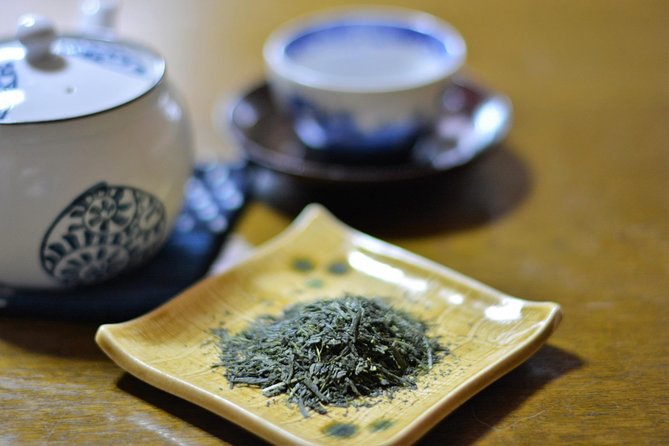
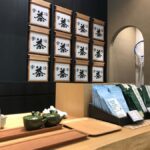
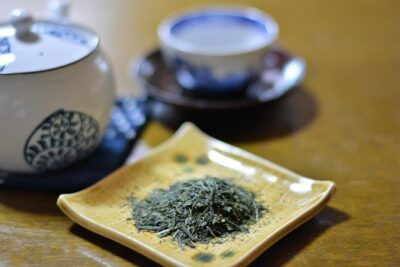
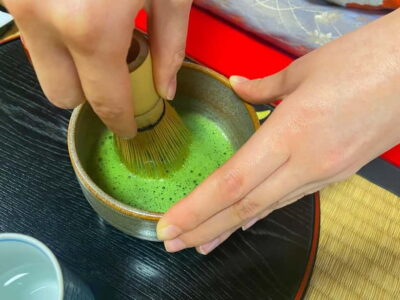
The first stop is Takumi-no Yakata, focused on a Gyokuro tea experience. Gyokuro is described as the highest-grade green tea in Japan, and that matters, because the preparation method is part of the lesson.
Instead of a generic sip-and-go, you get guided attention while the leaves are slowly steamed in increasingly warm water. This is the kind of detail that changes how you taste. It turns tea from a drink into a process you can actually notice with your senses.
What I like about this start is that it sets the tone. You learn how the tea is handled before you start seeing the religious sites that historically connected tea, discipline, and daily ritual.
Practical note: wear shoes you can walk in comfortably, because even the tea house portion likely comes with some outdoor-to-indoor movement.
- Uji and Wazuka Matcha Farm Half Day Private Guided Tour★ 5.0 · 21 reviews
- Uji Tea Ceremony and UNESCO Heritage Walking Tour★ 5.0 · 20 reviews
- Uji: Private immersion into Kyoto’s tea and reglious culture★ 5.0 · 17 reviews
- Kyoto tea town for matcha lovers★ 5.0 · 16 reviews
Stop 2, Ujigami Shrine: UNESCO Grounds and the Water Story
Next you visit Ujigami Shrine, described as the oldest original shrine in Japan and a UNESCO world heritage site. This stop is not just about shrine architecture, it’s also about water.
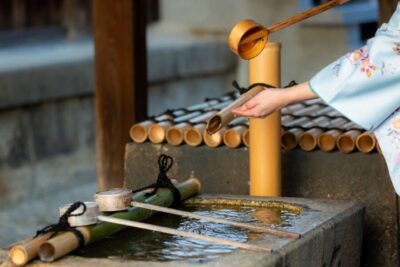
The shrine houses what is described as the last of Uji’s underground spring water, bubbling up naturally. Then local tea shops collect this water, which ties the sacred site to the very practical stuff you will be tasting later in the day and seeing in tea-stall culture.
This is a great moment to shift your thinking from tourism to meaning. Uji’s tea identity is not random. It is rooted in resources, water, and long-term local practice.
If you are sensitive to crowds, go with the morning start. Starting early generally helps you move through holy spaces with more breathing room.
Stop 3, Koshoji Temple: Soto Zen Roots and Tea Ceremony Links
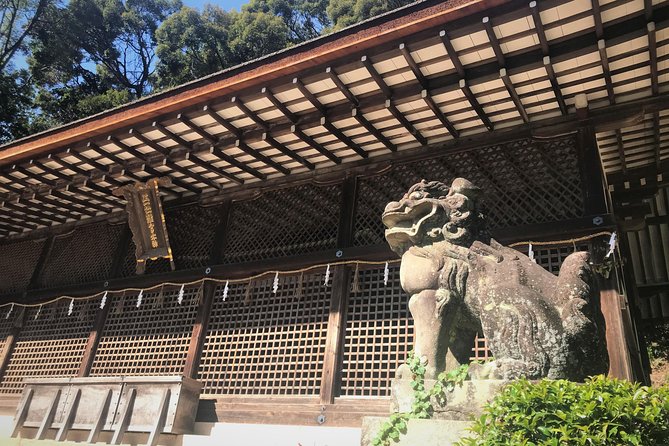
After Ujigami Shrine, the tour moves to Koshoji Temple, described as the oldest Soto Zen temple in Kyoto. This is where the tour explains the intersection of tea and Buddhism in a very direct way.
Zen Buddhism came in from China, and the tour frames that influence as something that helped pioneer the tea ceremony in Japan. Even if you do not know much about Zen going in, this stop gives you a framework: tea is not only about flavor, it is also about form, focus, and rhythm.
This is typically one of the calmer stops in the itinerary. It pairs well with the earlier tea lesson, because you start thinking about how ceremony and mindfulness show up in everyday life.
Keep an eye on the ground underfoot. Temple areas often involve uneven surfaces and stairs, so move slowly here.
Stop 4, Byodoin Temple and Museum: The Heian-Era Lake Scene
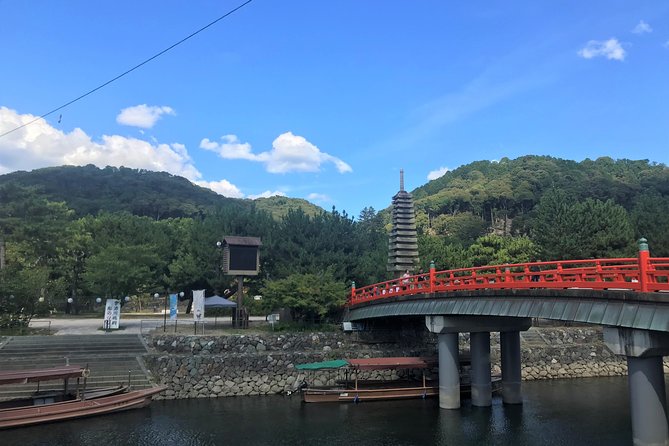
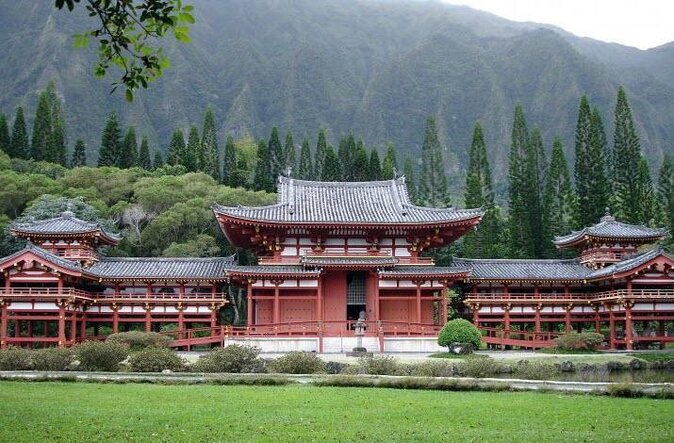
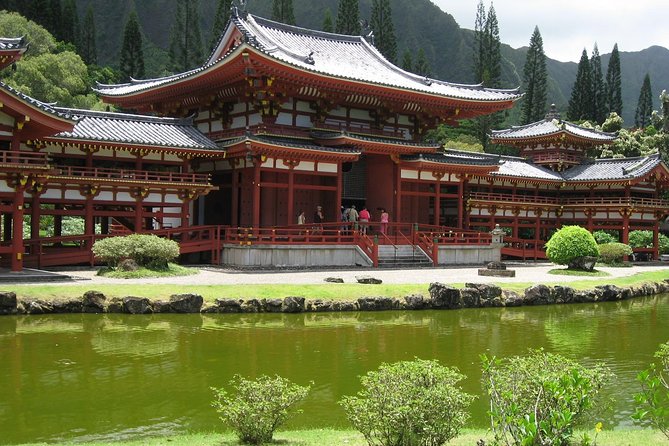
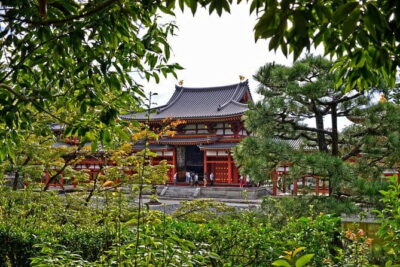
Then you reach Byodoin Temple, dating back to the Heian period. It is another UNESCO world heritage site, and the description notes that the main hall sits on a man-made lake.
If you like photography, this stop gives you structure. The lake setting creates strong sightlines, and you can also spend time looking at how the grounds guide your attention.
The tour also includes admission to the Byodoin museum, and that part is worth planning for. A museum stop can feel like time filler on some tours, but here it is paired with the temple itself, so you can connect artifacts and context to the building you just saw.
You will also see references to Byodoin as a cultural landmark, including its appearance on a Japanese coin. That kind of pop-culture clue makes it easier for your brain to remember what you just learned.
Stop 5, Byodoin Omotesando: The Historic Street of Tea Shops
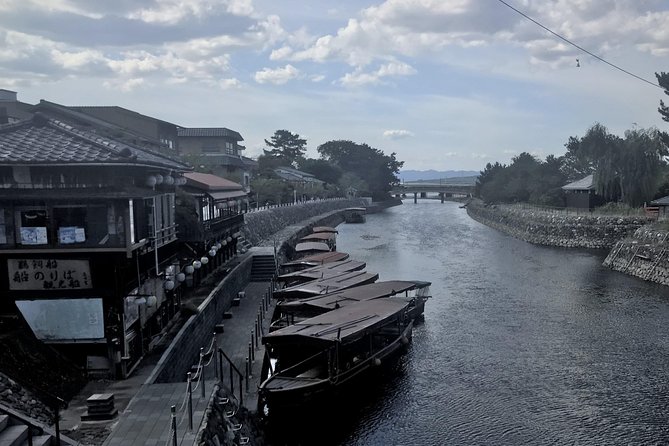
From the temple, you walk Byodoin Omotesando, described as a pilgrimage street leading to Byodoin Temple. The street is lined with tea shops, including shops that go back to medieval times, so it feels like a living corridor rather than a photo backdrop.
This stop is about senses as much as facts. You are meant to smell the aroma of fresh tea and notice the range of tea produced in the region.
If you like buying small souvenirs, this is where it makes sense. One review tip stood out to me: bring cash. Even if you plan to pay digitally most places, a tea-stall street can be unpredictable, and small purchases go smoother with bills in your pocket.
If you want to keep your day light, you can still enjoy this stretch without buying much. Just take your time and let your nose guide you.
Stop 6, Prefectural Uji Park: Riverside Traditions and Cormorant Fishing

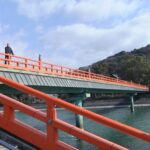
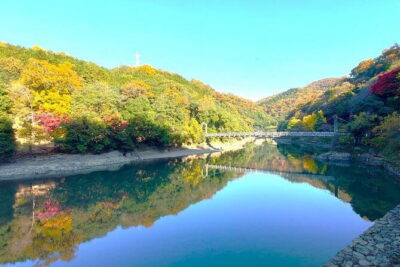
Next is Prefectural Uji Park, where you stroll along an island in the middle of the river. The itinerary frames this river as historically important for trade between the capitals of Kyoto and Nara, bringing tea, sake, and other goods through the region.
There is also a local tradition connected to the river: cormorant fishing. The tour positions it as an ancient practice, and the park setting is a fitting place to learn it because it is literally tied to the waterway in front of you.
This ending works well because it resets your pace. After temples and tea rooms, you get air, water views, and a calmer walking segment.
What’s Included, What’s Not, and How to Plan Your Day
Your included items are clear and useful:
- Admission to the temples and the museum at Byodoin
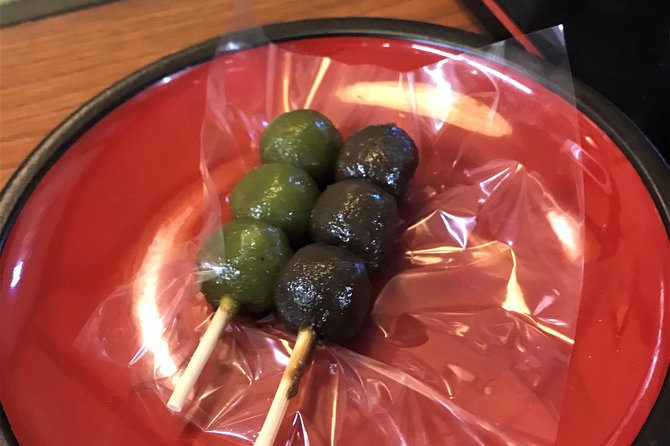
- A Gyokuro tea house experience plus a Japanese sweet
What is not included is also straightforward:
- Food and drink outside of the tea experience
So budget for a meal on your own after the tour, or plan a simple snack strategy before you go if you know you get hungry. Because it’s only about 4 hours, you usually are not stuck on a full-day food plan, but you still might want calories if you are doing a lot of walking.
Also, this is not presented as a full lunch tour. If you prefer meals planned and included, you may need to add a separate stop.
The Value Question: Is $162.41 Per Person Worth It?
Price in Japan can be a balancing act. Here you are paying for multiple UNESCO-site admissions plus a guided tea house session, all wrapped in a small-group format.
For me, the strongest value is the tea-and-spirituality link. Many tours hit temples and tell stories, but this one starts with a specific tea process and then uses sacred stops to explain why tea culture and religious practice grew together.
Second, the group size helps. A tour capped at 8 travelers usually means less waiting, fewer long lines, and more chance to ask questions.
If you are traveling on a strict budget, you could spend less by doing Uji on your own. But if your goal is understanding tea rituals and Buddhist context in a single half-day, this structure saves time and turns Uji into something more than scenery.
Who Should Book This Tour (and Who Might Skip It)
This tour fits you if you:
- Want more than a quick tea tasting and actually care about the tea process
- Like your sightseeing connected to meaning, not just buildings
- Prefer a small group and an organized route across Uji’s highlights
- Enjoy temple visits and want the tea-Buddhism connection made clear
You might think twice if:
- You have trouble with stairs. The route includes many steps, and even a few minutes here and there can add up.
- You dislike any schedule where food is not included. Lunch is not part of the package.
Final Thoughts: Should You Book This Private Uji Tea and Buddhism Tour?
I think this is a smart booking if you want a calmer Kyoto counterpoint and you care about tea as culture, not just a drink. The combination of Gyokuro preparation, UNESCO temple stops, and a riverside end makes the half-day feel complete without being exhausting.
If you decide to go, bring cash, plan comfortable shoes, and keep your expectations flexible. You are not rushing through Uji’s best parts, you are learning how they connect.
FAQ
FAQ
What time does the tour start?
The tour starts at 9:00 am.
Where is the meeting point for the tour?
The meeting point is Keihan Uji Station Information Centre, 1F of the Keihan Uji Building, Otsukata 713, Kyoto, Uji, Japan (611-0021).
How long is the Uji tea and Buddhism experience?
The tour lasts about 4 hours.
Is this tour private, and how many people are in the group?
It is described as a private guided tour, and it has a maximum of 8 travelers.
What is included in the price?
Admission to the temples and the museum at Byodoin is included, along with a Gyokuro tea house experience and a Japanese sweet.
What is not included?
Food and drink outside of the tea experience are not included.
Will there be stairs on this route?
Yes. The itinerary includes many stairs, and you should let the provider know if this poses a problem so suitable modifications can be made.
Is the tour near public transportation?
Yes. The meeting point is near public transportation.
What is the cancellation policy?
Free cancellation is available. You can cancel up to 24 hours in advance for a full refund, based on local time.
Kyoto by the Bowl

Newest Uji write-ups from the Loving Japan desk
Kyoto Tea Ceremonies and Matcha, side by side.
 ★ 4.9Tea Ceremony in a Traditional Tea House in KiyomizuFrom $493,519 reviews
 ★ 4.9Tea Ceremony Ju-An at Jotokuji TempleFrom $293,207 reviews
 ★ 4.345-Minute Tea Ceremony Lesson ExperienceFrom $222,378 reviews
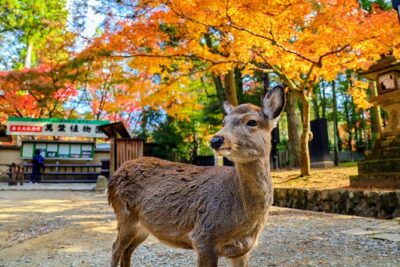 ★ 5.0World Heritage Kyoto & Nara Uji Authentic Matcha ExperienceFrom $1291,573 reviews
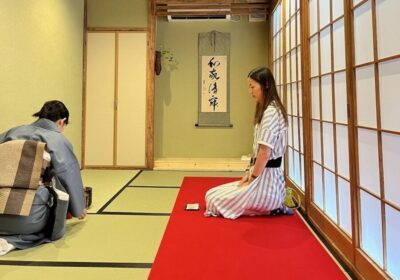 ★ 4.9Tea Ceremony ExperienceFrom $251,426 reviews
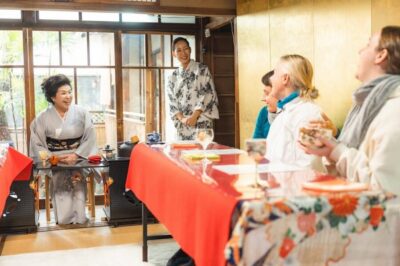 ★ 4.9Table-Style Tea Ceremony at a Kyo-MachiyaFrom $451,211 reviews
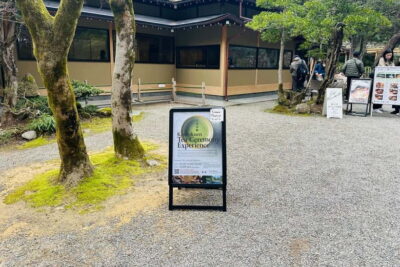 ★ 4.8Kenrokuen Tea Ceremony ExperienceFrom $351,139 reviews
 ★ 5.0Kimono Tea Ceremony at Kyoto Maikoya, NISHIKIFrom $65911 reviews
Filed on these lists too