
REVIEW · KYOTO TEA CEREMONIES AND MATCHA
Kyoto tea town for matcha lovers
Tea nerds, this one is for you. This half-day walk turns Uji into a living classroom, mixing shrines, tea shops, and tea fields with hands-on matcha moments and a traditional ceremony.
I especially love two things. First, you get real context for how Japanese tea culture works, from tea origins to how a ceremony feels in practice. Second, the food and matcha tasting are not an afterthought, you get to try matcha treats along the way, plus a lunch set built around tea flavors.
One thing to consider: you will be walking for about 5 to 5.5 hours, and Uji can get hot in summer. Go prepared with water, sun protection, and shoes you trust.
In This Review
- Key points to know before you go
- Uji’s Tea Country Feel, From Shrine Water to Matcha Fields
- Stop 1, Uji Shrine: The Quick Start That Sets the Tone
- Tsuen Main Branch and Matcha Rice Cake Skewers: The Flavor Stop You’ll Remember
- Tea Shops and Tea Fields, Plus Grinding Your Own Matcha
- Lunch at a Famous Tea House, Then a Traditional Tea Ceremony
- Price and Group Size: Is $157.65 Good Value?
- Who This Matcha Town Walk Fits Best
- Should You Book This Matcha Lovers Tour in Uji?
- FAQ
- Where is the tour meeting point?
- How long is the Matcha Town walking tour in Uji?
- How many people are in the group?
- What are some of the stops during the tour?
- Do you get to taste and eat matcha-related food?
- Is there an opportunity to make or grind matcha?
- What should I know about weather and cancellations?
- What is the cancellation policy?
Key points to know before you go
- Small group size (max 7), so you can ask questions and keep a comfortable pace
- Hands-on matcha time, including making/grinding matcha with a mill
- Tea ceremony after lunch at a traditional tea house, not just a quick stop
- Uji Shrine + old tea shops, mixing spiritual stops with food and tea history
- Uji Station start and return, easy to anchor your day in Kyoto’s tea region
- Moderate walking, plan for steady steps and good walking shoes
Sit down somewhere quieter. Other tea rooms we booked
- Kyoto: Tea Museum Tickets and Matcha Grinding Experience
★ 4.9 · 739 reviews - Uji: Green Tea Tour with Byodoin and Koshoji Temple Visits
★ 4.8 · 72 reviews - Uji: UNESCO Heritage & Tea Ceremony Walking Tour
★ 4.6 · 54 reviews - Slow Cycling Tour at Uji’s Matcha Green Tea Fields and Heritage
★ 5.0 · 25 reviews
Uji’s Tea Country Feel, From Shrine Water to Matcha Fields
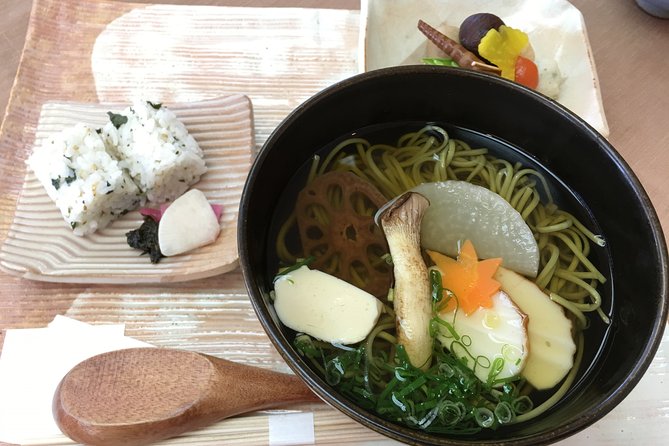
Uji is the kind of place where tea is not just a product, it is part of daily life and local pride. This tour is built around that idea. You walk through the historic district, slow down for tea-focused stops, and connect the dots between agriculture, shops, and ceremony.
What makes it work well is that it is not only about pretty views or a single photo spot. You get a rhythm: a landmark moment, a tea flavor moment, then a cultural moment, and it all stays centered on matcha. The group size is also a big deal, max 7 travelers, so you are not stuck being dragged along. That matters when you are listening and tasting.
If you care about how matcha goes from plant to powder to cup, you’ll like the structure. And if you just want to eat matcha sweets and learn a few memorable tea facts, this still lands. It is a matcha lover day with practical cultural context.
Stop 1, Uji Shrine: The Quick Start That Sets the Tone
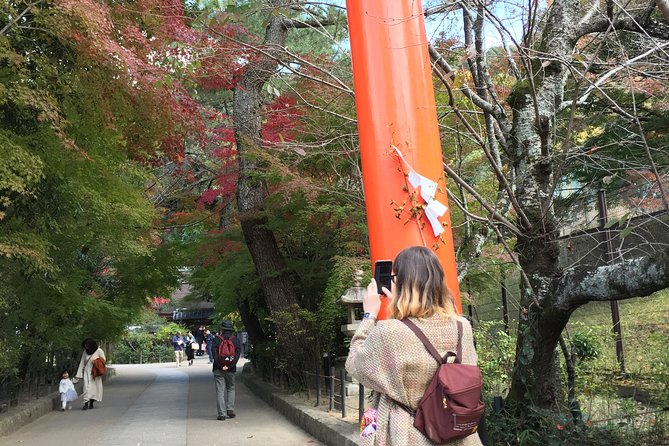
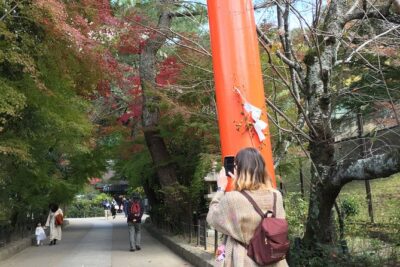
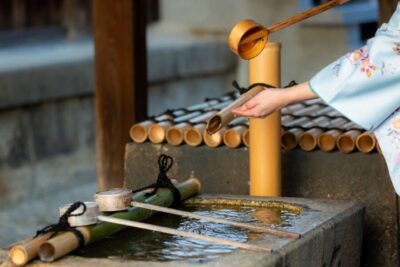
You begin near the center of town, meeting at Uji Station (Kyoto side of things, Address: 1716 Uji Uji-Omote, Uji City, Kyoto 611-0021). The first stop is Uji Shrine, about 20 minutes, and admission is free.
Why this start works: it gives you a calm, grounded baseline before you hit the food and tea stops. Shrines also help you understand why tea culture in Japan is not only about taste, it links to seasons, ritual, and everyday respect. Even if you do not read every sign, the guide can connect what you see to how tea became part of local life.
Quick drawback: since this is an early step, you will want to be awake and ready to walk. If you usually roll into Kyoto late, this 9:30 am start time may feel early.
Tsuen Main Branch and Matcha Rice Cake Skewers: The Flavor Stop You’ll Remember
Next up is Tsuen Main Branch, one of Uji’s long-timers, over 850 years old. This is a very specific kind of tea stop: you are not only buying matcha, you are tasting a signature item made with matcha powder.
You get a chance to try matcha rice cake skewers, with pure, rich matcha powder as the star. That detail is important, because it tells you the tour is aiming for the matcha you can actually taste, not just marketing language. Skewers also make the tasting easy while you keep moving.
At this point, you’ll probably notice how matcha flavor changes depending on how it is used. Some tours treat matcha as a garnish. Here it feels like the ingredient drives the experience.
Time is tight for this stop (around 10 minutes), so if you have a shopping urge, be ready. If you want to linger, ask the guide how to handle it without slowing the whole group too much.
- Uji and Wazuka Matcha Farm Half Day Private Guided Tour★ 5.0 · 21 reviews
- Uji Tea Ceremony and UNESCO Heritage Walking Tour★ 5.0 · 20 reviews
- Uji: Private immersion into Kyoto’s tea and reglious culture★ 5.0 · 17 reviews
- Kyoto tea town for matcha lovers★ 5.0 · 16 reviews
Tea Shops and Tea Fields, Plus Grinding Your Own Matcha
The tour spends time in Uji’s tea world beyond one shop. The plan includes tea houses and tea fields, and you will learn origins of tea, the art of tea ceremony, and what makes Uji special as a tea center.
One hands-on highlight from the experience is that you get to grind your own matcha using a matcha mill. That is the kind of moment that instantly makes the rest of the tour click. Matcha powder is not just something you buy and shake into water. Grinding is part of the texture, aroma, and the ritual feel.
From the reviews, the guide experience matters too. Many people highlight Terumi as patient and very willing to answer questions. You also get a paced walk, not a sprint, and she tends to include the group with photos and small adjustments so you do not feel lost or rushed.
If you are coming in June or other warm months, plan for heat. One review mentioned it being hot when they visited, which makes sense for a walking route plus outdoor tea-field time. Bring water. You’ll be glad you did.
Lunch at a Famous Tea House, Then a Traditional Tea Ceremony
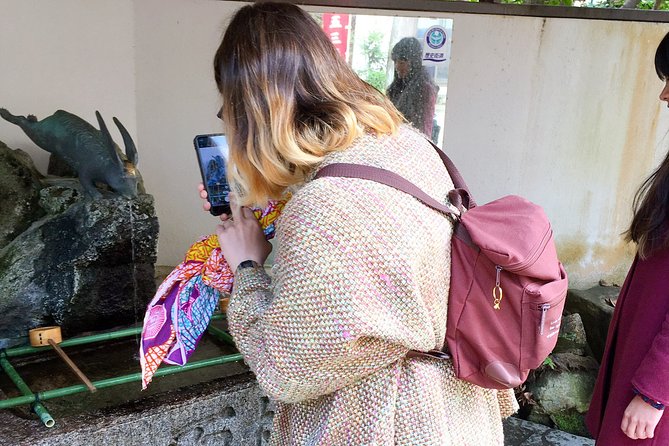
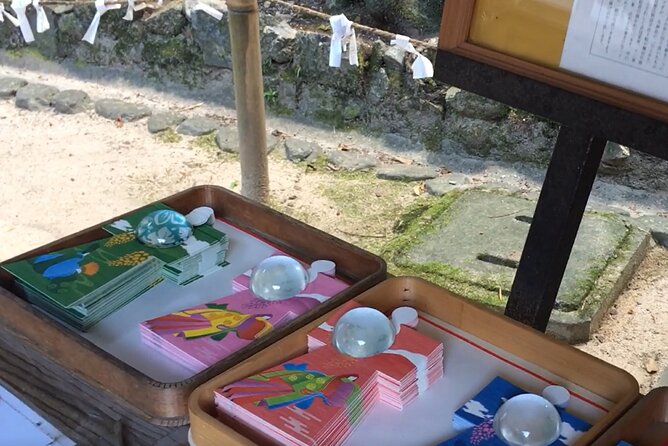
After the morning tea and sightseeing, you stop for lunch at a famous tea house, with tea dishes. The value here is that the meal stays aligned with the theme. You are not “passing by food” while the tour does tea later. Lunch is part of the storyline.
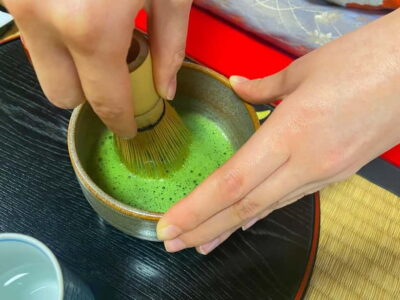
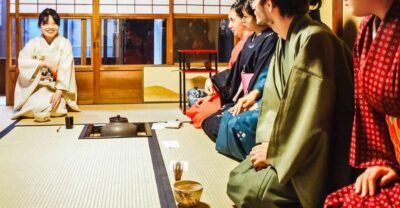
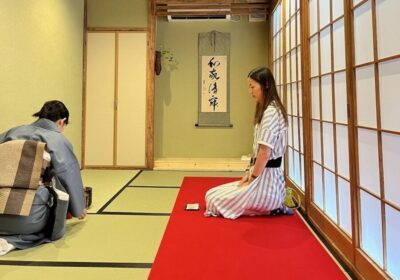
Then comes the main cultural payoff: an authentic Japanese tea ceremony at a traditional tea house. This is where you slow down. Even if you have watched tea ceremony clips before, a live ceremony is different because you experience pacing, attention, and the way the room changes as you move through the steps.
A useful way to think about this portion: it turns the matcha tasting into a practice. You taste, you learn the basics, then you watch and participate in the ritual side. That makes the earlier stops more meaningful, not just “cool places to see.”
Practical note: tea ceremony time can be calm and seated, so it helps to have your walking shoes on but also to wear layers. Tea houses can vary in temperature, and you’ll be transitioning between outdoors and interior spaces.
Price and Group Size: Is $157.65 Good Value?

At $157.65 per person for about 5 to 5.5 hours, this is not a budget-only activity. The question is whether it packs enough real experiences to justify that price. In my view, it does, because you get four things many cheaper tours do not fully combine:
- Multiple tea stops in Uji, including a major historic shop
- Food that is matcha-linked, not random snacks
- A hands-on matcha moment with grinding
- A true tea ceremony at a traditional tea house
Also, the max 7 travelers detail matters. Small groups usually mean better Q and A, more time per stop, and less waiting around while everyone else catches up.
One fair caution: if you are the type who wants only temples, or only shopping, and zero ceremony time, you might feel the cost is weighted toward matcha culture rather than pure sightseeing. But if matcha is your thing, the structure feels like value, not fluff.
Who This Matcha Town Walk Fits Best
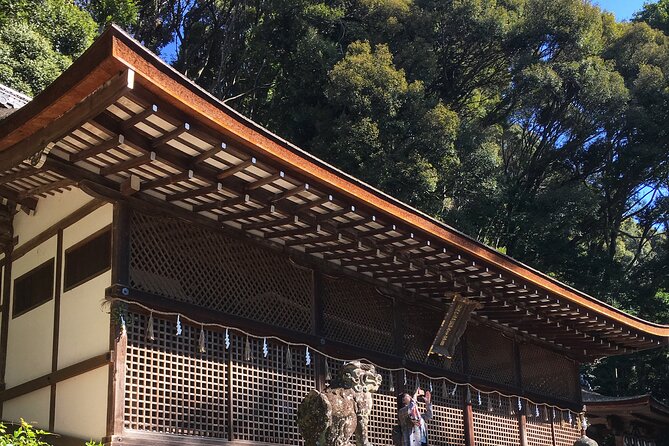
This tour fits matcha lovers who want more than tasting. You’ll likely enjoy it if you care about how matcha is made, want to experience tea culture directly, and do not mind a steady walking day.
It also seems like a good option for people traveling as a family, since the reviews describe it as a highlight for all ages. Just keep in mind you still need moderate physical fitness, because the tour is a walking route with multiple stops.
If you are on a first Kyoto trip and Uji is on your list, this can be a strong half-day detour. It gives you a different side of the region than the big Kyoto temple circuit, and it gives you one very specific theme you can focus on.
Should You Book This Matcha Lovers Tour in Uji?
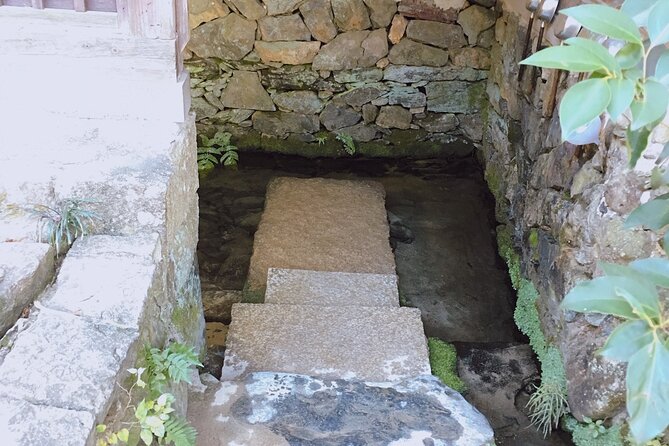
Yes, I would book it if you want a matcha-centered day with real cultural practice. The best reason is the combination: tasting + hands-on matcha making/grinding + a tea ceremony that gives meaning to what you ate and learned.
I would think twice only if you dislike walking, visit when it is extremely hot and you are not set up for it, or you only want ultra-flexible free time. This is structured, and it stays centered on tea culture.
If you’re deciding between matcha experiences, this one feels more complete than the typical quick tasting stop. You leave with flavor memories, some new tea habits, and the feeling that you actually understood the ritual, not just watched it from a distance.
FAQ
Where is the tour meeting point?
The tour starts at Uji Station in Uji, Kyoto (Address: 1716 Uji Uji-Omote, Uji City, Kyoto 611-0021). It ends back at the same meeting point.
How long is the Matcha Town walking tour in Uji?
The duration is about 5 hours to 5 hours 30 minutes.
How many people are in the group?
The group size is limited to a maximum of 7 travelers.
What are some of the stops during the tour?
You visit Uji Shrine and Tsuen Main Branch (over 850 years old). You also stop at tea houses and tea fields, and you end with an authentic tea ceremony at a traditional tea house.
Do you get to taste and eat matcha-related food?
Yes. You have matcha tasting as part of the tour and you try items such as matcha rice cake skewers at Tsuen Main Branch. Lunch also includes tea dishes at a tea house.
Is there an opportunity to make or grind matcha?
Yes. The experience includes an hands-on matcha-making moment, including grinding matcha with a mill, followed by the tea ceremony experience.
What should I know about weather and cancellations?
The experience requires good weather. If it is canceled due to poor weather, you are offered a different date or a full refund.
What is the cancellation policy?
You can cancel for free up to 24 hours in advance for a full refund. If you cancel less than 24 hours before the start time, the amount you paid is not refunded.
Kyoto by the Bowl


Newest Uji write-ups from the Loving Japan desk
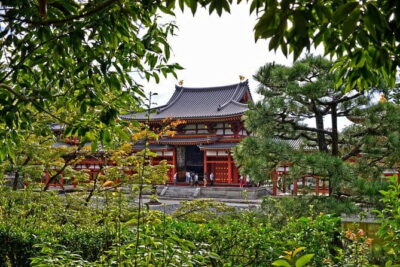
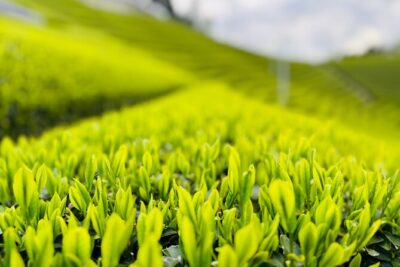

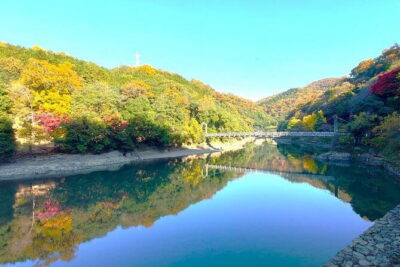
Kyoto Tea Ceremonies and Matcha, side by side.
 ★ 4.9Tea Ceremony in a Traditional Tea House in KiyomizuFrom $493,519 reviews
 ★ 4.9Tea Ceremony Ju-An at Jotokuji TempleFrom $293,207 reviews
 ★ 4.345-Minute Tea Ceremony Lesson ExperienceFrom $222,378 reviews
 ★ 5.0World Heritage Kyoto & Nara Uji Authentic Matcha ExperienceFrom $1291,573 reviews
 ★ 4.9Tea Ceremony ExperienceFrom $251,426 reviews
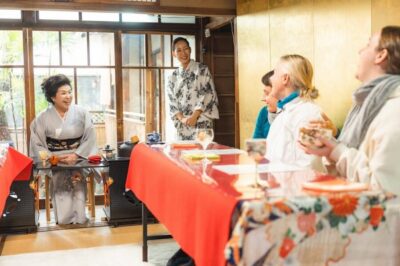 ★ 4.9Table-Style Tea Ceremony at a Kyo-MachiyaFrom $451,211 reviews
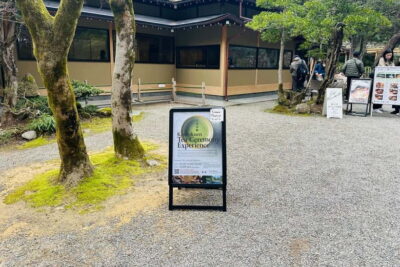 ★ 4.8Kenrokuen Tea Ceremony ExperienceFrom $351,139 reviews
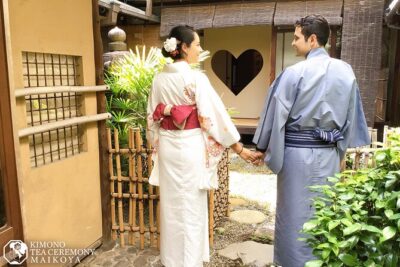 ★ 5.0Kimono Tea Ceremony at Kyoto Maikoya, NISHIKIFrom $65911 reviews
Filed on these lists too