
REVIEW · KYOTO TEA CEREMONIES AND MATCHA
Uji: UNESCO Heritage & Tea Ceremony Walking Tour
Matcha has a hometown, and it is Uji. This 3-hour walk strings together Byodo-in Temple (UNESCO) and a Taihoan tea ceremony, plus bridges and shrines that make the whole day feel like one continuous story.
I like that the tour runs in a small group (limited to 9), so you can ask questions and actually hear the answers. I also like how guides such as Yuko and Miyake-san help you understand what you are seeing, especially when it comes to temple and tea etiquette.
One thing to consider: the route includes walking and suspension-bridge crossings, and it is not a good match if you have mobility limits or breathing or heart issues.
In This Review
- Key Things You Will Notice On This Uji Walking Tour
- Start at JR Uji Station and Get Oriented Fast
- Byodo-in Temple: UNESCO Architecture You Can Actually Read
- Taihoan Tea Ceremony: Etiquette, Translation, and Calm Focus
- Crossing Tachibara and Asagiri Suspension Bridges for Real View Time
- Uji Shrine and Ujigami Shrine: Small Details That Make Shinto Make Sense
- Snack Time Near Uji Bridge: Matcha Without the Guessing Game
- Value and Price: Why $66 Works Here
- Who This Tour Suits Best, and Who Should Think Twice
- Getting the Most Out of It: What to Bring and How to Prepare
- Should You Book This Uji UNESCO Heritage and Tea Ceremony Walking Tour?
- FAQ
- Where is the meeting point for the Uji tour?
- How long is the tour, and how big is the group?
- What is included in the price?
- What is not included?
- Can I take photos or videos during the tea ceremony?
- Is the tea ceremony conducted in English?
- What should I bring, and is the tour for everyone?
Key Things You Will Notice On This Uji Walking Tour
- Byodo-in Temple guided visit with UNESCO context and enough time to actually look
- Taihoan tea ceremony with Japanese-only instruction translated for you
- Tachibara and Asagiri suspension bridges for wide views and great photo angles (outside the ceremony)
- Uji Shrine and Ujigami Shrine so you experience both Shinto and Buddhist worlds in one loop
- Local snacks near Uji Bridge focused on Uji’s matcha reputation, without the guessing game
- Time and pace built around short guided stops, then walking breaks so your brain stays fresh
Sit down somewhere quieter. Other tea rooms we booked
- Kyoto: Tea Museum Tickets and Matcha Grinding Experience
★ 4.9 · 739 reviews - Uji: Green Tea Tour with Byodoin and Koshoji Temple Visits
★ 4.8 · 72 reviews
Start at JR Uji Station and Get Oriented Fast
This tour begins at JR Uji Station (South Exit). Your guide is easy to spot, wearing a TripGuru shirt or holding a TripGuru sign, which is a small detail that makes a real difference when you are arriving in a new city. I also appreciate that they ask you to show up at least 10 minutes early. Uji is easy to reach, but morning traffic can be unpredictable, so you do not want to feel rushed.
Once you meet, the pace is built for a half-day stroll rather than a sprint. You walk between key places, but every segment has a purpose: one stop teaches, the next one shows, and the bridge sections reset your eyes so you can notice details you might miss if you were just sightseeing on your own.
Byodo-in Temple: UNESCO Architecture You Can Actually Read
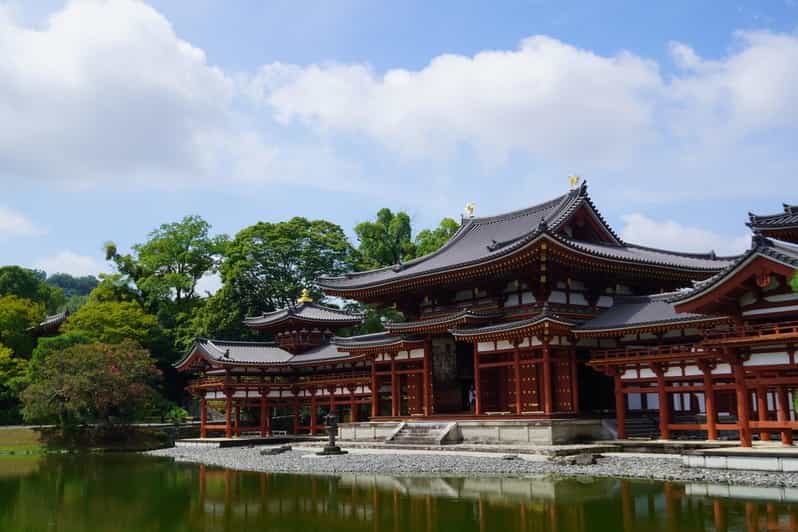
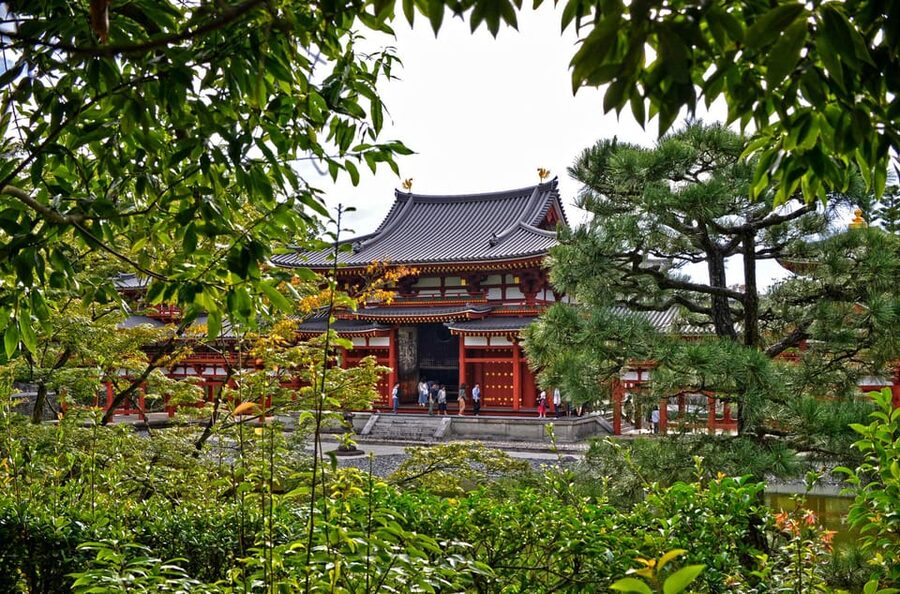
The main anchor is Byodo-in Temple, the UNESCO World Heritage Site most people come to Uji for. Your guided visit runs long enough for more than quick photos, around 50 minutes, which is the sweet spot if you want to look at the buildings and understand why they matter.
Here is what makes this stop click for your visit. Byodo-in is not just a pretty temple you pass by. It is a place with specific design choices, and your guide helps you notice what to look for. You learn the practical “what am I seeing” basics, then you get context so the architecture stops being abstract.
Also, entrance fees to Byodo-in are included. That is one less thing to manage and one more reason the tour feels like value rather than just a guided walk with extra add-ons.
Taihoan Tea Ceremony: Etiquette, Translation, and Calm Focus
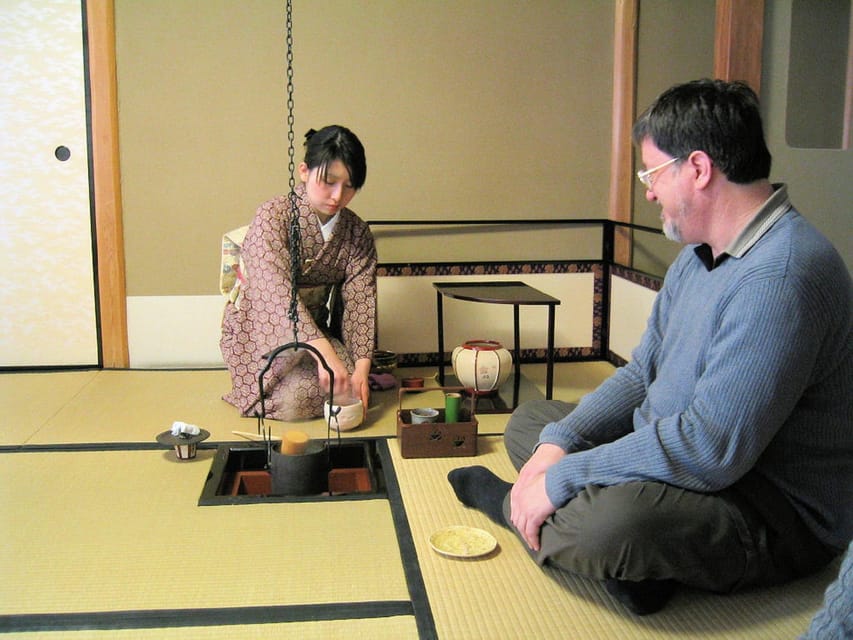
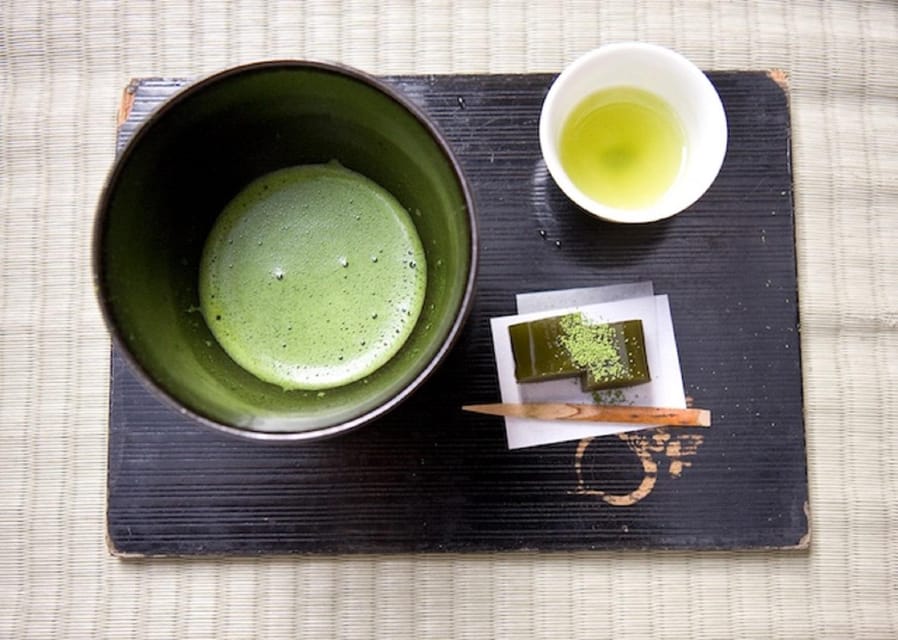
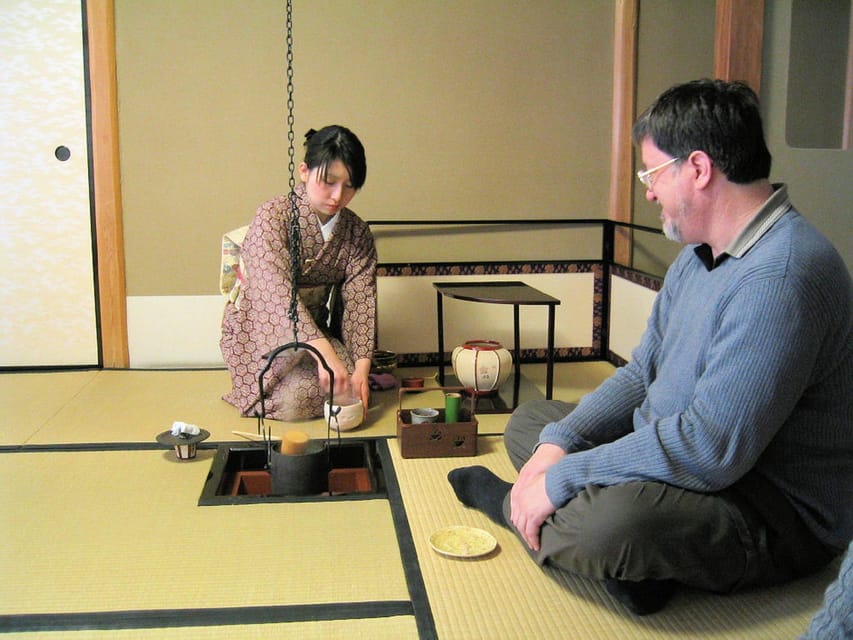
The tea ceremony is at Taihoan. Expect about 30 minutes of ceremony time (the plan schedules it as 40 minutes total for the segment), and it is one of the most meaningful parts of the day because it turns Uji’s green tea reputation into something you can experience with your own senses.
Important practical notes:
- Photo and video recording are prohibited during the tea ceremony. So leave your camera ready for later, but keep it put away during the actual ceremony.
- The ceremony is conducted in Japanese only, and your guide translates for you. This matters because you can still follow what is happening without feeling left out.
- The host and the flow of the room focus on correct gestures and behavior. In the accounts shared for this tour, a key theme is that hosts are friendly and forgiving if you make a mistake. That makes a big difference if you are nervous about getting it wrong.
For me, the value here is not memorizing tea terms. It is learning why the process is paced the way it is, and how small actions connect to the overall idea of respect. If you are the type who likes doing something with your hands and senses, this will feel like a highlight rather than a box-checking activity.
Crossing Tachibara and Asagiri Suspension Bridges for Real View Time
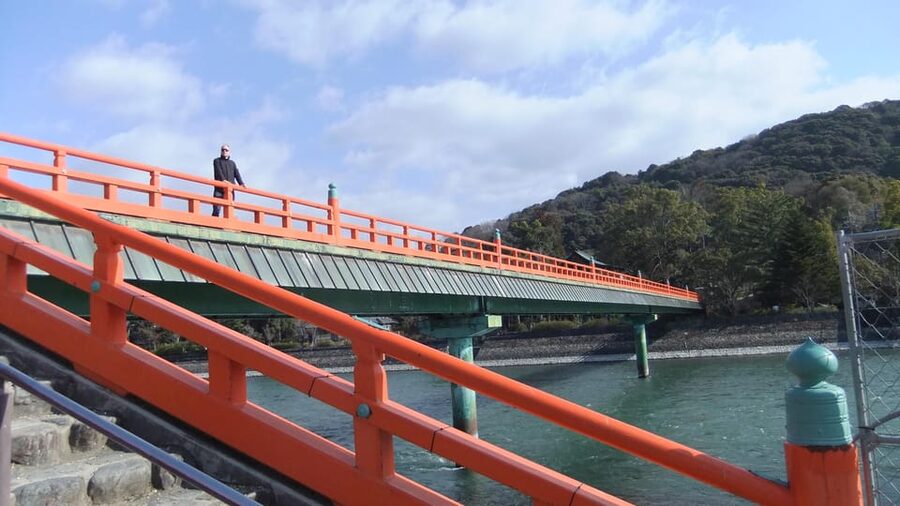
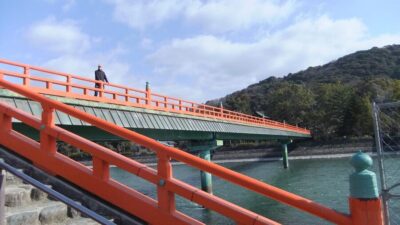
After the shrines and temples, you get a short walking segment across two suspension bridges, Tachibara and Asagiri. The scheduled walk time is brief, about 10 minutes, but it serves a real purpose: it breaks the culture stops with a change of pace and gives you a wider view so your eyes can reset.
Why this matters:
- Bridges are high-impact photo stops without turning into a long detour.
- They give you a better sense of how Uji’s spaces connect, because you look out, then you return to walking with a new mental map.
If you are sensitive to heights or unsteady surfaces, pay attention here. You are not climbing mountains, but suspension bridges do involve open spans and movement, so comfort matters.
Uji Shrine and Ujigami Shrine: Small Details That Make Shinto Make Sense
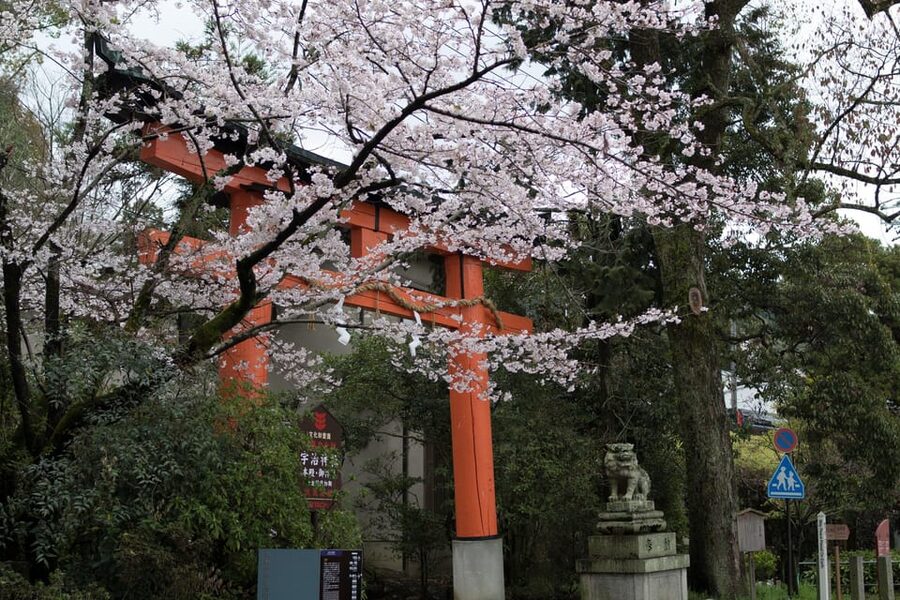
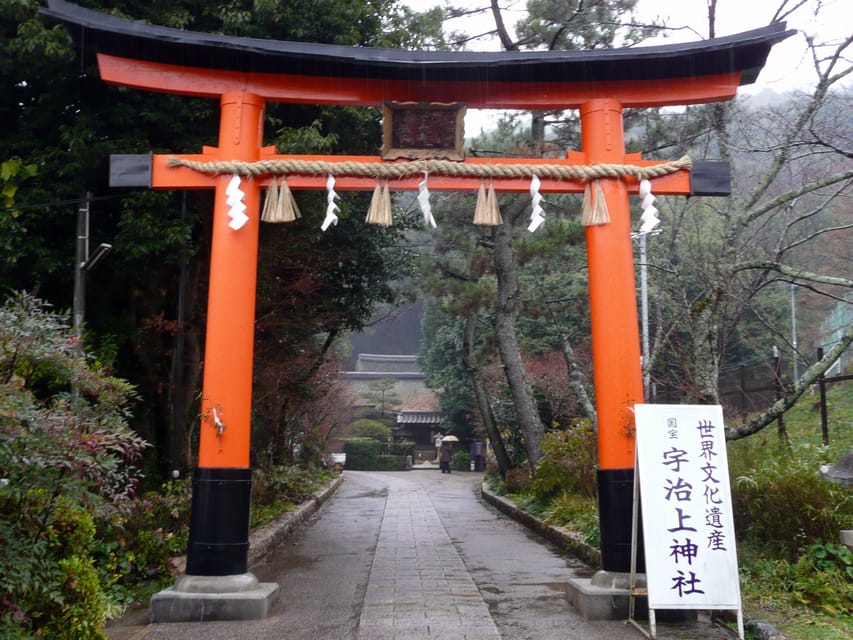
The tour visits Uji Shrine and Ujigami Shrine, each with guided time of about 20 minutes. Together, these stops are a big reason this tour feels more complete than just a temple plus tea combo.
Shinto can feel like symbolic “mystery signage” if you show up without any explanation. Your guide helps you connect what you are seeing to the meaning behind it, so the shrines start to feel less like a checklist and more like an actual place of practice.
The practical payoff is that you will leave with clearer takeaways. You understand why certain spaces look the way they do, what a shrine setting signals, and how this world differs from what you saw at Byodo-in. It is also a nice rhythm: you go from the UNESCO temple experience into the shrine settings, which makes it easier to keep the themes straight as you move.
Snack Time Near Uji Bridge: Matcha Without the Guessing Game

The tour ends at Uji Bridge, and there is a local snacks stop along the way with about 40 minutes allocated for trying food and drinks. This is your opportunity to taste Uji’s famous green tea culture in a casual way.
You get guided help, too. In the stories shared about this tour, guides like Yuko have been praised for recommendations for places to try after the ceremony, including matcha shops and mochi spots. Even if you do not buy everything, that kind of direction can save you time and help you avoid the common trap of ordering the most expensive thing on a menu without knowing what is special locally.
Bring cash, as requested. That is not just a formality. It is a practical way to make snack time smooth, especially in small counters and tea-related shops where card machines may not be obvious.
Value and Price: Why $66 Works Here
At $66 per person for a 3-hour guided walking tour, the value comes from what is included and how the time is structured.
You are getting:
- An English speaking guide
- Entrance fees to Byodo-in
- A tea ceremony portion at Taihoan
- A route that connects multiple cultural sites, not just one main attraction
If you were to do this independently, you would still be spending time figuring out transit, entry costs, and the logistics of finding a tea ceremony that fits your schedule. Here, the tour bundles the key pieces into one plan and keeps the pace manageable. The small group size (up to 9) also helps the guide spend actual time with your questions rather than racing through a crowd.
This is especially worth it if you care about context. If you just want to wander, Uji is walkable on your own. But if you want meaning, etiquette, and the “what should I notice” guidance, this is the format that tends to make the money feel fair.
Who This Tour Suits Best, and Who Should Think Twice
This tour is a solid choice if you want a focused, half-day experience combining:
- UNESCO temple sights
- A real tea ceremony experience at Taihoan
- Shrine time that you can understand, not just photograph
- A view break on Tachibara and Asagiri suspension bridges
- A snack stop centered on Uji’s matcha culture
It is not suitable for pregnant women, people with mobility impairments, people with heart problems, or people with respiratory issues. That is not meant to scare you off, it is just realistic. Temple steps, walking time, and suspension-bridge crossings can all add up faster than you expect.
Best match:
- First-time visitors to Uji who want a structured route
- Anyone who values tea culture and Japanese etiquette
- People who prefer small groups and direct explanations in English
Getting the Most Out of It: What to Bring and How to Prepare
Bring comfortable shoes. You are walking between several stops, and you will want good footing for bridges and temple areas.
Bring a camera, but remember the key rule: during the tea ceremony, photo and video recording are prohibited. You can take pictures before and after, just not during the ceremony itself.
Bring cash for the snack portion, since local counters may be set up for simple payment.
Also, arrive early at the meeting point. It is not about being perfect. It is about starting the tour calmly so you can absorb information from the first stop.
Should You Book This Uji UNESCO Heritage and Tea Ceremony Walking Tour?
I would book it if your ideal Uji day includes three things: seeing Byodo-in with real guidance, experiencing a tea ceremony at Taihoan in a way you can follow (with translation), and getting a plan that covers both temples and shrines without you having to map every detail.
Skip it if you need a fully flat, low-walking route, or if your health conditions make walking, bridge crossings, or air quality concerns harder to manage. In that case, you will likely have a better experience with something more accessible and less movement-heavy.
If you do book, you will probably leave with two practical advantages: clearer understanding of what you saw at Byodo-in and the shrines, and a stronger appreciation for Uji’s tea culture because you experienced it through the ceremony, not just on a menu.
FAQ
Where is the meeting point for the Uji tour?
The meeting point is JR Uji Station (South Exit). Your guide will be waiting there wearing a TripGuru shirt or holding a TripGuru sign.
How long is the tour, and how big is the group?
The tour lasts 3 hours and is a small group, limited to 9 participants.
What is included in the price?
The price includes an English speaking guide, tea ceremony time (30 minutes), and entrance fees to Byodo-in.
What is not included?
Not included are personal expenses and hotel pick up and drop off.
Can I take photos or videos during the tea ceremony?
No. Photo and video recording are prohibited during the tea ceremony.
Is the tea ceremony conducted in English?
The tea ceremony is conducted in Japanese only, and your guide will translate for you.
What should I bring, and is the tour for everyone?
Bring comfortable shoes, a camera, and cash. The tour is not suitable for pregnant women, people with mobility impairments, heart problems, or respiratory issues.
Kyoto by the Bowl
Newest Uji write-ups from the Loving Japan desk
Kyoto Tea Ceremonies and Matcha, side by side.
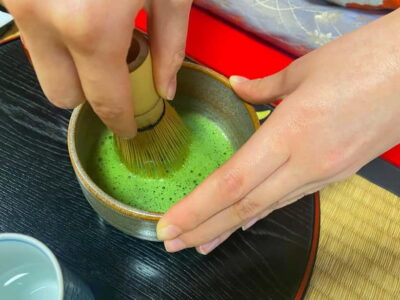 ★ 4.9Tea Ceremony in a Traditional Tea House in KiyomizuFrom $493,519 reviews
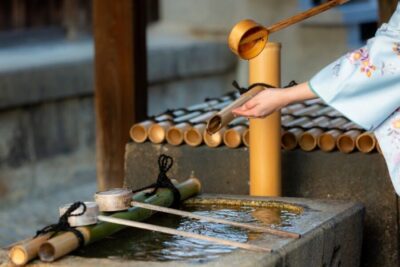 ★ 4.9Tea Ceremony Ju-An at Jotokuji TempleFrom $293,207 reviews
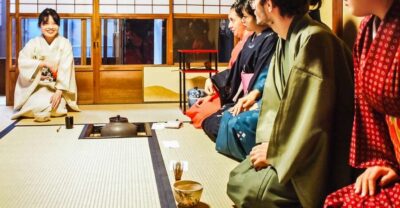 ★ 4.345-Minute Tea Ceremony Lesson ExperienceFrom $222,378 reviews
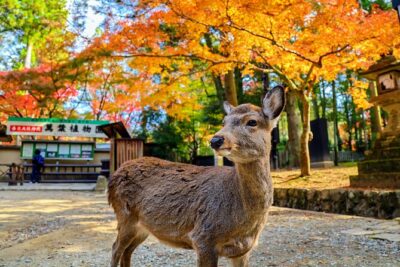 ★ 5.0World Heritage Kyoto & Nara Uji Authentic Matcha ExperienceFrom $1291,573 reviews
 ★ 4.9Tea Ceremony ExperienceFrom $251,426 reviews
 ★ 4.9Table-Style Tea Ceremony at a Kyo-MachiyaFrom $451,211 reviews
 ★ 4.8Kenrokuen Tea Ceremony ExperienceFrom $351,139 reviews
 ★ 5.0Kimono Tea Ceremony at Kyoto Maikoya, NISHIKIFrom $65911 reviews
Filed on these lists too