
REVIEW · KYOTO TEA CEREMONIES AND MATCHA
Uji Tea Ceremony and UNESCO Heritage Walking Tour
Uji is a small town with big cultural pull. You get a focused UNESCO heritage walk plus a traditional tea ceremony at Taihoan, the place tied to Japan’s green tea roots. Byodoin Temple is the anchor stop, and I love how the guide connects what you see at the Phoenix Hall with what it meant over time. I also like that you end the tour with real time to taste Uji green tea and local treats, not just photo stops. One possible drawback: the tea ceremony time is short, so it works best if you want an introduction, not an all-day deep study.
This is a 3 hour guided outing that moves at a steady, easy pace and keeps the group size to a maximum of 9. It’s a great plan if you want to see more than Kyoto’s main sights, without feeling like you’re sprinting across Uji. The day you go matters too, since the tour requires good weather.
In This Review
- Key highlights at a glance
- Uji is the perfect half day escape from Kyoto crowds
- Byodoin Temple and the Phoenix Hall, the UNESCO star attraction
- Taihoan tea ceremony, where the green tea story begins
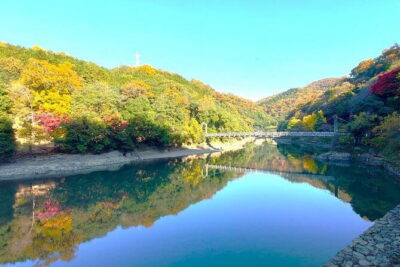
- Asagiri and Tachibara suspension bridges, easy views with good photo payoff
- Uji Shrine and Ujigami Shrine, the calmer spiritual stops
- Uji Bridge finish, green tea tasting and local treats
- Price and what you actually get for $70
- Meeting point, timing, and how to plan your day
- What the guide experience tends to feel like
- Who should book this Uji tea and UNESCO walking tour
- Practical tips to make the day smoother
- Should you book this Uji tour
- FAQ
- How long is the Uji Tea Ceremony and UNESCO Heritage Walking Tour?
- Where does the tour start and where does it end?
- What time does the tour begin?
- How many people are in the group?
- What is included in the price?
- What is not included?
- Is admission to Byodoin included?
- Does the tour run in any weather?
- What is the cancellation policy?
Key highlights at a glance
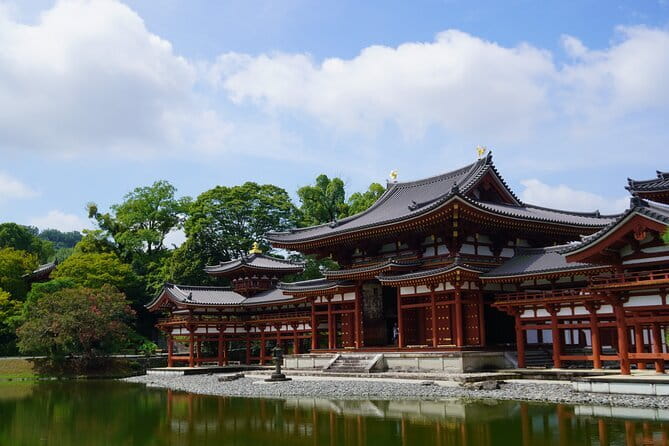
- UNESCO Byodoin Temple with a close look at the Phoenix Hall
- Taihoan tea ceremony in the birthplace setting for Japan’s green tea tradition
- Suspension bridge views at Asagiri and Tachibara areas for easy photos
- Two shrine stops for a calmer, slower pace between sights
- Uji Bridge finish with green tea and local snack tasting
- Small group size with an English speaking guide and a mobile ticket
Sit down somewhere quieter. Other tea rooms we booked
- Kyoto: Tea Museum Tickets and Matcha Grinding Experience
★ 4.9 · 739 reviews - Uji: Green Tea Tour with Byodoin and Koshoji Temple Visits
★ 4.8 · 72 reviews - Uji: UNESCO Heritage & Tea Ceremony Walking Tour
★ 4.6 · 54 reviews - Slow Cycling Tour at Uji’s Matcha Green Tea Fields and Heritage
★ 5.0 · 25 reviews
Uji is the perfect half day escape from Kyoto crowds
Uji is close to Kyoto, but it feels calmer. That matters on a walking tour. You can actually enjoy the details instead of constantly checking your bearings. With a small group capped at 9, you are not stuck in a big slow line. You move, pause, take photos, and still have time to ask questions.
At $70 per person for about 3 hours, the value comes from what is bundled in. You are not just paying for walking. You also get an English speaking guide, admission for Byodoin Temple, and a tea ceremony session at Taihoan. That combination is why this works well on a busy trip. It saves you the mental juggling of separate tickets and translation gaps.
One more practical point: the tour meets at Uji Station and ends at Uji Bridge, both easy to connect to local transit. That means you can fit it into a longer Kyoto or Osaka itinerary without a huge logistics headache.
Byodoin Temple and the Phoenix Hall, the UNESCO star attraction

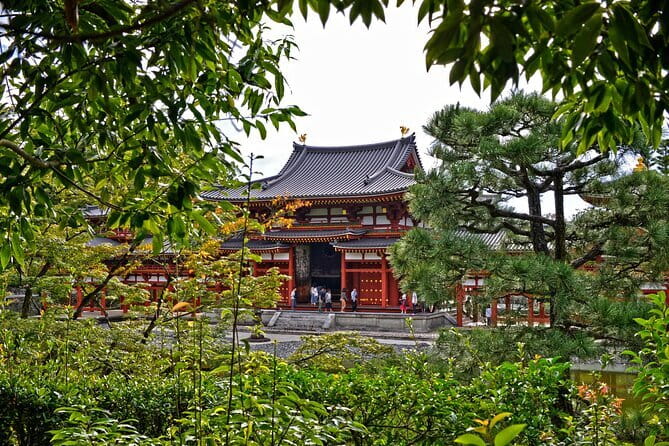
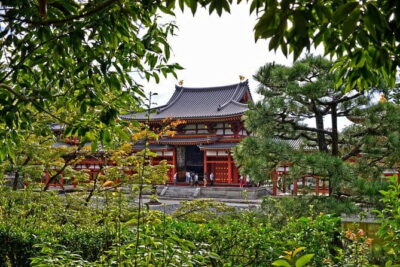
The tour’s first major stop is Byodoin Temple, a UNESCO World Heritage Site. If you like architecture and symbolic design, this is the part that typically grabs people right away. You get about 1 hour here, which is a workable amount of time for seeing the key highlights without feeling rushed.
What makes Byodoin so compelling is the Phoenix Hall. It’s not just a pretty building. It represents a powerful idea from the time period when it was created, and the scale and layout are meant to feel ceremonial. The guide helps you read the site, so you are not just looking at stone and paint.
One thing I really appreciate about starting here is timing. Early in the walk, your brain is still in sightseeing mode, and Byodoin gives you a clear “why Uji matters” story right away. By the time you reach the smaller shrines and bridge views later, the town feels connected instead of random.
Practical consideration: temple sites can have rules about where you can stand and how you photograph. The guide will help you stay in the right spots so you are not guessing.
Taihoan tea ceremony, where the green tea story begins
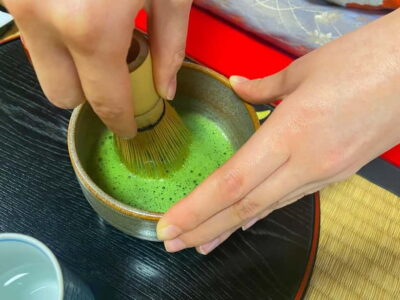
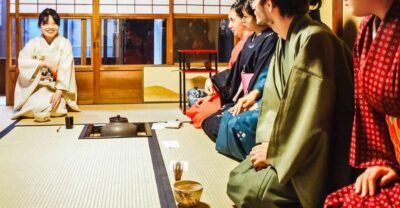
Next comes Taihoan, where you participate in a traditional Japanese tea ceremony. This is the cultural heart of the whole outing. You get about 30 minutes to 40 minutes, and the exact feel can vary by the flow of your group and the ceremony setting.
Here is why this stop is worth it even if you are new to tea culture. The guide explains not only what you are doing, but what the ceremony represents. The goal is understanding the ritual basics: how the preparation works, what each step signals, and how the tea practice ties back to Uji’s identity.
From the guide quality described in past groups, names like Naoki, Maru, Katsuhiko, and Nobumasa Myake have been mentioned as the kind of people who make the explanation clear and friendly. That kind of teaching matters in a tea ceremony, because it helps you slow down just enough to notice what you would otherwise miss.
Possible drawback to keep in mind: the tea ceremony segment is not long. If you want a long, slow, highly detailed class, you might feel you want more time. But if your goal is a real taste of the tradition within a walking tour day, this is a strong match.
- Uji and Wazuka Matcha Farm Half Day Private Guided Tour★ 5.0 · 21 reviews
- Uji Tea Ceremony and UNESCO Heritage Walking Tour★ 5.0 · 20 reviews
- Uji: Private immersion into Kyoto’s tea and reglious culture★ 5.0 · 17 reviews
- Kyoto tea town for matcha lovers★ 5.0 · 16 reviews
Asagiri and Tachibara suspension bridges, easy views with good photo payoff
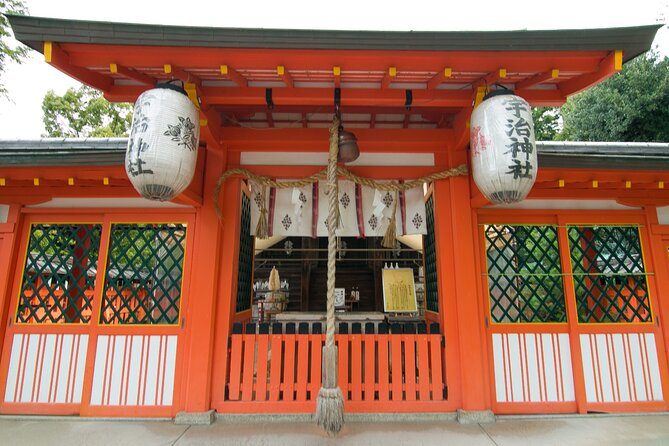
After the temple and tea, you shift gears to scenery. You spend a short segment at the Asagiri Bridge area, and the route includes the Tachibara and Asagiri Suspension Bridges viewpoints. This is only about 15 minutes, but it is a useful reset.
Why I like this part: bridges give you a different angle on the area, and you get movement without extra ticketing or crowds inside buildings. Even if you are not a big photographer, the bridge views help you understand the town’s shape and how Uji connects waterways and walkable lanes.
This is also where the guide’s timing helps. You do not get stuck here for ages, but you also do not feel yanked away too fast. If the light is good, you can grab a couple of photos and then keep going.
Uji Shrine and Ujigami Shrine, the calmer spiritual stops
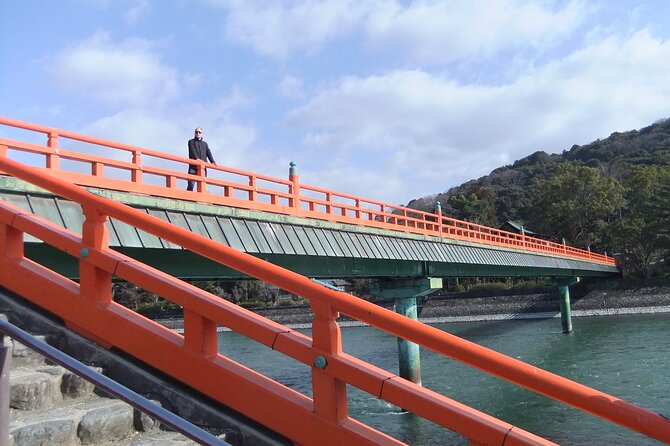
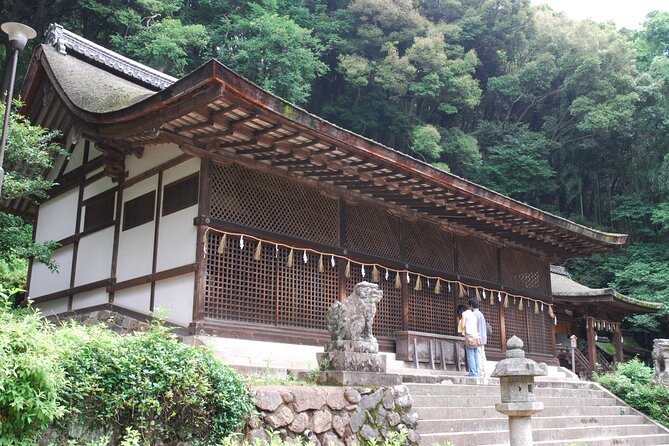
Next you visit Ujigami Shrine and also the Uji Shrine area as part of the walk. The time here is about 20 minutes, which is a nice window. You can look around, feel the slower pace, and understand the meaning of the shrines in local life.
Shrines are often where a walking tour becomes more than sightseeing. It becomes a sense of place. If you go in expecting quiet and simplicity, you will appreciate how the guide frames these stops. The explanations tend to focus on cultural significance and atmosphere, not just dates and labels.
You are also getting a good pacing rhythm. After the more structured stops (temple, tea ceremony), you get open air and slower walking. That makes the whole tour feel more balanced, and it helps if you have kids or anyone who gets tired in long museum-style chunks.
Uji Bridge finish, green tea tasting and local treats
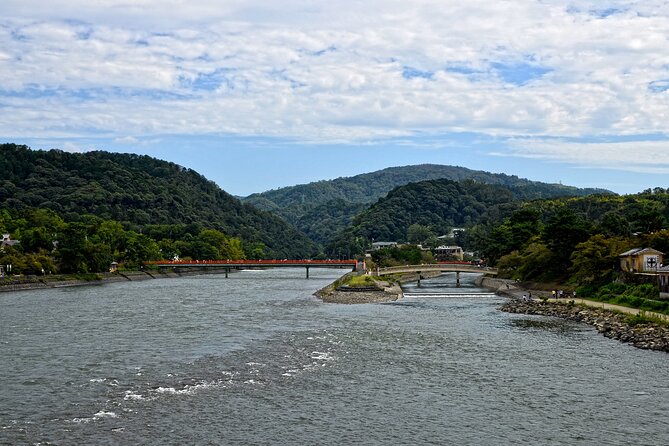
The tour ends at Uji Bridge. Before you finish, you also spend about 45 minutes at the Uji Bridge area for local flavor time. This is where you get to taste Uji’s famed green tea and sample local culinary treats.
This ending is practical. After you have learned the story behind Uji’s tea culture, the tasting feels earned. You are not just consuming. You are comparing what you learned with what you taste.
Keep your expectations realistic: tasting is part of the experience, but you should not assume it is a full meal. The tour highlights tasting and local treats, and any extra personal spending is on you.
Another nice detail: ending near a landmark like Uji Bridge means you can continue exploring nearby streets and tea shops on your own after the tour without needing a car or complicated transit.
Price and what you actually get for $70
At $70 per person, this is not the cheapest way to see Uji. But it is also not priced like a luxury private tour. The best way to think about the cost is what is included versus what you would normally have to piece together.
You are paying for:
- An English speaking guide to connect the sights into one story
- Byodoin Temple admission included
- A tea ceremony session at Taihoan included
- A guided route that hits the main cultural and scenic highlights within about 3 hours
- A small group size that keeps you from feeling lost
That is good value if you want cultural context and you dislike figuring everything out alone. If you already know a lot about Japanese tea history and you are comfortable navigating temple areas without a guide, you might decide to do Uji independently. But if you want the “I get it now” effect from explanations, the price makes sense.
Also, the tour offers group discounts and uses a mobile ticket, both helpful if you are traveling with friends or family.
Meeting point, timing, and how to plan your day
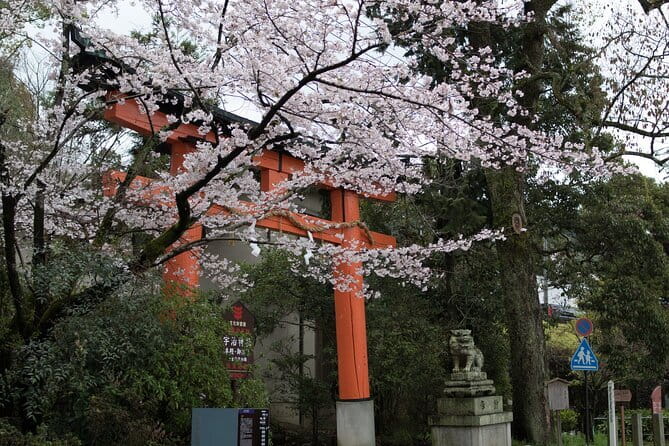
The tour starts at 9:45 am at Uji Station. It ends at Uji Bridge in Otsukata Uji, Kyoto 611-0021. The meeting point is clearly tied to a station address, which reduces the usual stress of “Where do I go?”
Allow yourself some buffer to arrive a little early. Uji is small, but stations can still feel busy, and you want time to confirm you are at the right location.
The tour is near public transportation, and hotel pickup and drop off is not included. So plan on getting yourself to Uji Station first. If you are staying around Kyoto, this is still convenient, but you should expect to handle your own transit to the meeting point.
The tour also requires good weather. If conditions are poor, you can expect the tour to be canceled and either moved to another date or refunded. That is important in a walking tour, because you cannot truly enjoy bridges and shrine grounds if the weather is bad.
What the guide experience tends to feel like
This is a guided walk, so the guide makes or breaks the day. The strongest praise tied to this experience is how friendly and helpful the guides are, and how they explain the significance of each stop in plain language.
Past guide names that have shown up in feedback include:
- Naoki
- Nobumasa Myake
- Maru
- Katsuhiko
Even if you do not get one of these specific guides, the pattern is what matters. These are guides who help you see meaning, not just sights. They also tend to make recommendations for what to do next. One recurring type of advice includes where to find good matcha after the tour.
With a maximum of 9 travelers, you are more likely to get an explanation that feels personal. It also helps families and people traveling with kids, since the pace can stay workable.
Who should book this Uji tea and UNESCO walking tour
I think this tour is a smart choice if:
- You want a compact overview of Uji in about 3 hours
- You care about the culture behind matcha, not just the taste
- You like architecture and sacred sites, especially Byodoin Temple
- You enjoy a mix of walking scenery (bridges) and quieter stops (shrines)
- You prefer a small group with an English speaking guide
It might not be ideal if:
- You want a long, detailed tea course. The tea ceremony is structured and time limited.
- You are hoping for a full day of free time. The schedule has set stops.
- You do not want to plan around weather. The tour depends on good conditions.
Practical tips to make the day smoother
A few things help you get the most from a walking tour like this.
First, wear comfortable shoes. You are outside most of the time, and you will be moving between temple grounds, shrines, and bridges.
Second, bring a light layer. Morning weather can shift, especially near water views.
Third, use the guide time wisely. If you have a question about tea, architecture, or local meaning, this is when to ask. With a small group, your questions are more likely to get a real answer.
Finally, think of the tea tasting at the end as part of your learning. When you taste, notice what you like and what you find surprising. It turns the whole visit into something you can remember.
Should you book this Uji tour
Book it if you want a clean, high value way to connect Uji’s UNESCO site, its tea roots at Taihoan, and the town’s scenic bridge areas in one guided morning. At $70, with Byodoin admission and the tea ceremony included, it’s a cost-effective way to avoid piecing together tickets and translations.
Skip it only if your top priority is spending lots of time in the tea ceremony itself, or if you prefer total freedom and already feel confident planning Uji on your own.
If your goal is a thoughtful introduction to Uji, this is the kind of tour that makes the town feel understandable fast, without rushing the key moments.
FAQ
How long is the Uji Tea Ceremony and UNESCO Heritage Walking Tour?
It runs for about 3 hours.
Where does the tour start and where does it end?
It starts at Uji Station and ends at Uji Bridge (Otsukata Uji, Kyoto 611-0021, Japan).
What time does the tour begin?
The start time is 9:45 am.
How many people are in the group?
The tour has a maximum of 9 travelers.
What is included in the price?
An English speaking guide, the tea ceremony (30 minutes listed as included), and entrance fees to Byodoin are included.
What is not included?
Personal expenses are not included, and hotel pickup and drop off are not included.
Is admission to Byodoin included?
Yes, entrance fees to Byodoin are included.
Does the tour run in any weather?
It requires good weather. If canceled due to poor weather, you will be offered another date or a full refund.
What is the cancellation policy?
You can cancel for a full refund up to 24 hours in advance. If you cancel less than 24 hours before the start time, the amount paid is not refunded.
Kyoto by the Bowl



Newest Uji write-ups from the Loving Japan desk


Kyoto Tea Ceremonies and Matcha, side by side.
 ★ 4.9Tea Ceremony in a Traditional Tea House in KiyomizuFrom $493,519 reviews
 ★ 4.9Tea Ceremony Ju-An at Jotokuji TempleFrom $293,207 reviews
 ★ 4.345-Minute Tea Ceremony Lesson ExperienceFrom $222,378 reviews
 ★ 5.0World Heritage Kyoto & Nara Uji Authentic Matcha ExperienceFrom $1291,573 reviews
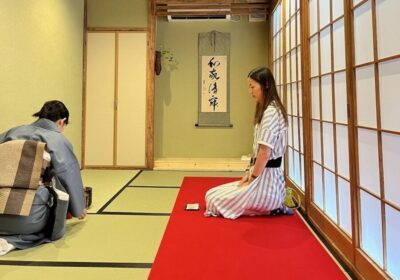 ★ 4.9Tea Ceremony ExperienceFrom $251,426 reviews
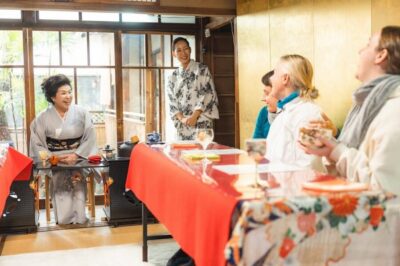 ★ 4.9Table-Style Tea Ceremony at a Kyo-MachiyaFrom $451,211 reviews
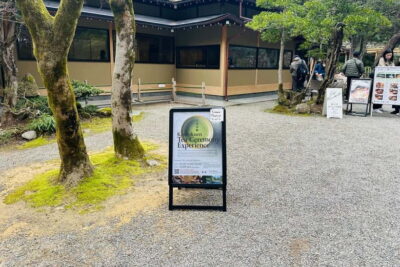 ★ 4.8Kenrokuen Tea Ceremony ExperienceFrom $351,139 reviews
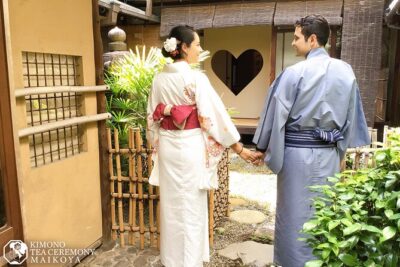 ★ 5.0Kimono Tea Ceremony at Kyoto Maikoya, NISHIKIFrom $65911 reviews
Filed on these lists too