
REVIEW · KYOTO TEA CEREMONIES AND MATCHA
Uji and Wazuka Matcha Farm Half Day Private Guided Tour
Matcha in Uji hits different when you learn it up close. This private half-day tour links Uji’s tea landmarks with a visit to Wazuka, where high-quality matcha has been produced for over 800 years. I especially like the hands-on feel from the tea farm walk and the way the tasting covers multiple styles, not just one standard cup. One thing to consider is that farm paths can be bumpy and muddy, so comfy, grippy shoes matter.
With a local guide named Masae, the experience stays practical and personal, not overly scripted. You’ll also get lunch and transport included, which helps when you want good tea without turning your day into a logistics puzzle. The price is not cheap at $360 per person, so it makes most sense if you value a private guide and want to spend real time learning rather than hopping between shop displays.
In This Review
- 4 things that make this Uji and Wazuka matcha tour work
- Uji first, Wazuka next: how the tour tells the full tea story
- Meeting up at JR Uji Station and getting around without stress
- Stop 1: Uji River and town stroll for tea culture on the ground
- Stop 2: Uji Shrine, a quick reset with old roots
- Stop 3: Ujibashi Bridge, one of Japan’s oldest bridge stories
- Stop 4: Wazuka-cho for the real matcha work, tea tasting, and farm walking
- Tea farm walk, the part you’ll talk about later
- Coffee or tea tasting: at least 3 kinds, and you can compare
- Lunch bento: a practical reset during tea country time
- Masae the guide: why the teaching feels personal
- Price and value: is $360 per person fair for what you get?
- What to pack and how to get the most out of your half day
- Who this tour suits best, and who might feel it’s not for them
- Should you book the Uji and Wazuka Matcha Farm private tour?
- FAQ
- How long is the Uji and Wazuka matcha farm private guided tour?
- What does the tour include?
- Is there a vegetarian lunch option?
- Do I need to pay admission for the stops?
- Is this tour private or shared?
- What is the meeting point?
- What should I wear for the farm part?
- What if I want to cancel?
4 things that make this Uji and Wazuka matcha tour work
- A private flow in a short 4 hours, so you do Uji City landmarks and still reach the tea valley in time.
- At least 3 tea types in the tasting, so you can compare flavors and styles instead of guessing.
- A farm walk plus a local lunch (bento), which turns matcha from a souvenir into an actual food experience.
- Masae’s tea education, built around farming and production, plus friendly explanations in plain language.
- Wazuka-cho’s Imperial-era tea legacy, from a valley that has shaped Japan’s matcha culture for centuries.
Sit down somewhere quieter. Other tea rooms we booked
- Kyoto: Tea Museum Tickets and Matcha Grinding Experience
★ 4.9 · 739 reviews - Uji: Green Tea Tour with Byodoin and Koshoji Temple Visits
★ 4.8 · 72 reviews - Uji: UNESCO Heritage & Tea Ceremony Walking Tour
★ 4.6 · 54 reviews - Slow Cycling Tour at Uji’s Matcha Green Tea Fields and Heritage
★ 5.0 · 25 reviews
Uji first, Wazuka next: how the tour tells the full tea story
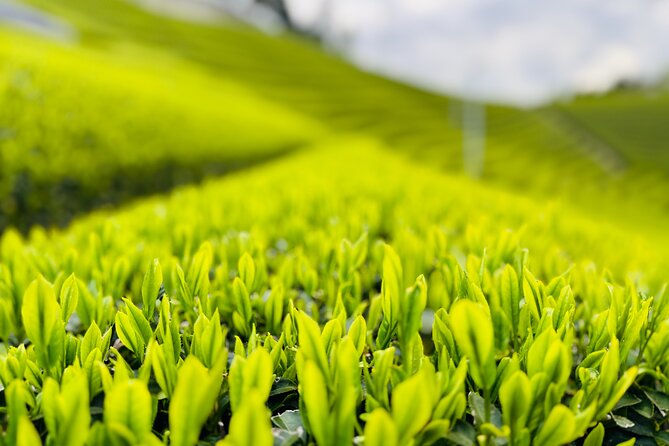
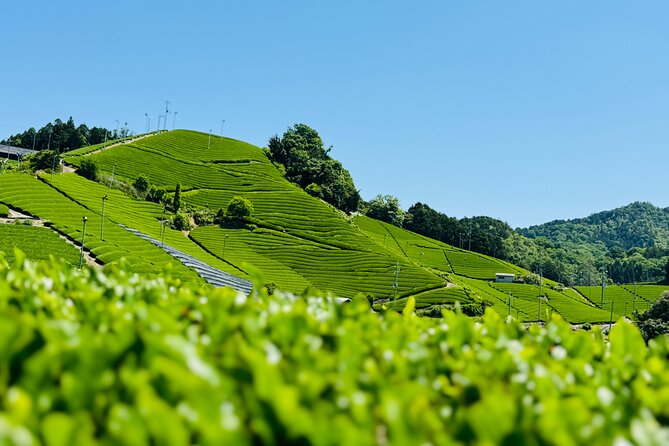
This tour is built around a smart idea: learn the setting first, then go to the production side. In Uji, you start with the town vibe and the tea-stained history people associate with Kyoto-area matcha. Then you move to Wazuka, a tea-producing valley in rolling green hills where matcha has been made for more than 800 years, once reserved for the Imperial Family.
That order matters because you get context. In Uji, you’re in the place where tea culture grew into everyday life. Then in Wazuka, you see the environment and process that made that culture possible. It’s a simple structure, but it makes your tasting make more sense afterward.
Meeting up at JR Uji Station and getting around without stress
The tour starts at Itoh Kyuemon, JR Uji Station area, at SaboUmonji-16-1 Uji, Kyoto 611-0021. You end in a different location from where you start, so plan to be flexible with your next stop.
You also travel by air-conditioned vehicle, which helps a lot in Japan when the weather turns hot or rainy. Even if you are comfortable using trains and buses on your own, the private transport is one of those “quiet value” perks. It reduces time spent figuring out connections and lets you focus on tea and walking.
This is a private tour, meaning only your group participates. That tends to make the pacing easier, especially with a farm walk involved.
Stop 1: Uji River and town stroll for tea culture on the ground
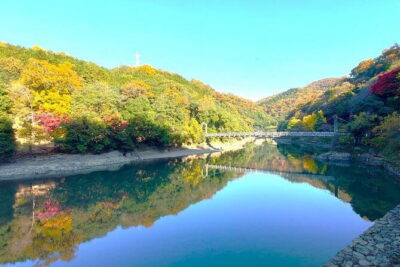
Your first time block is about 30 minutes around Uji, including a walk along the Uji River and the nearby little town area known for tea shops and matcha cafés.
This portion is short on purpose. Think of it as orientation. You see the river, you get a feel for the rhythm of the town, and you can spot the kind of matcha culture that shows up here daily. If you like taking photos, this is also where you’ll want to slow down. The river setting is scenic and gives you a calm start before you hit more structured stops.
Practical tip: if it’s muddy season or it rained recently, you’ll want to keep your shoes in mind. This is not the farm yet, but you’ll be moving around outdoors.
- Kyoto Matcha Green Tea Tour★ 4.5 · 23 reviews
- Uji Tea Ceremony and UNESCO Heritage Walking Tour★ 5.0 · 20 reviews
- Uji: Private immersion into Kyoto’s tea and reglious culture★ 5.0 · 17 reviews
- Kyoto tea town for matcha lovers★ 5.0 · 16 reviews
Stop 2: Uji Shrine, a quick reset with old roots
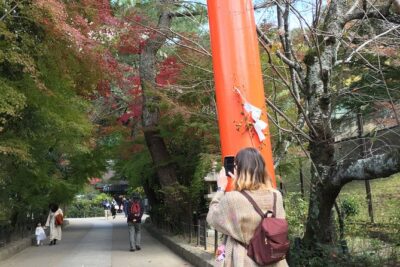
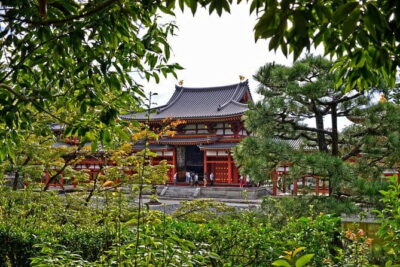
Next up is Uji Shrine for about 10 minutes, with admission listed as free. Even in a short stop, a shrine visit can anchor the day in the local spiritual texture that runs alongside food traditions in Japan.
This is not a long “temple and art gallery” detour. It’s more like a breather between tea points, and it helps you understand that Uji’s tea identity is part of a wider cultural landscape, not just commerce.
If you enjoy quick stops that still feel meaningful, this timing can work well. If you prefer only food-focused stops with no shrine element, you’ll probably treat this as a brief pause, not the main event.
Stop 3: Ujibashi Bridge, one of Japan’s oldest bridge stories
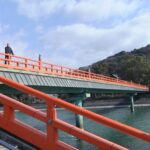
Then you visit Ujibashi Bridge for about 10 minutes, also free. The bridge is famous as one of Japan’s oldest, and it’s a classic Uji scene. This stop gives you a clear visual “memory anchor” for the day.
What I like about including this is that it makes the tea story easier to remember. When you later taste matcha in a valley setting, you can picture the river and bridge that define the Uji atmosphere.
If you hate crowds at viewpoints, this is the kind of place to visit with a guide who knows when to move you along. You’re on a private schedule, so you can usually keep things from turning into a standstill.
Stop 4: Wazuka-cho for the real matcha work, tea tasting, and farm walking
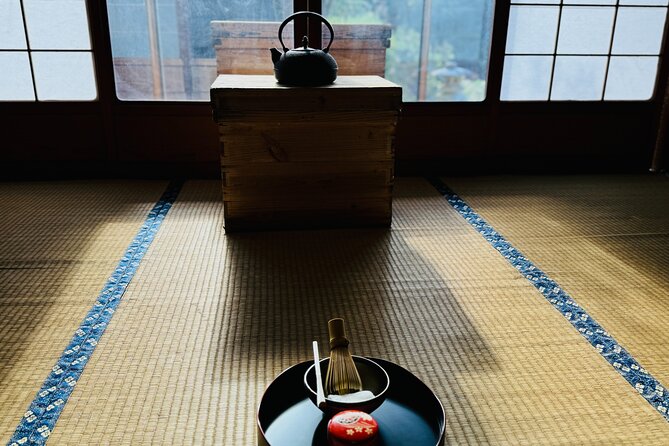
Now you get the heart of the experience: Wazuka-cho for around 3 hours, free admission. This is where you shift from “tea town” to “tea production valley.”
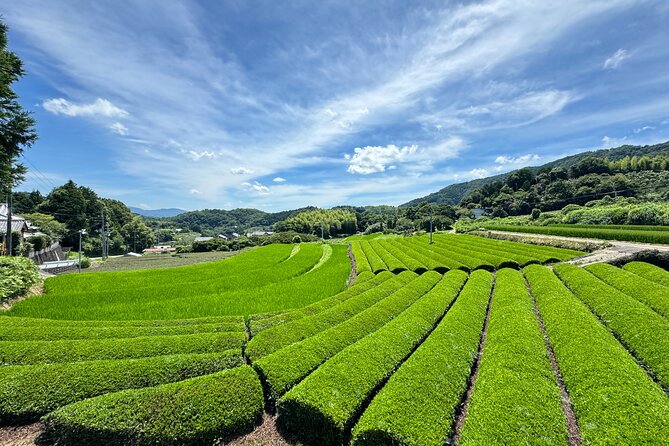
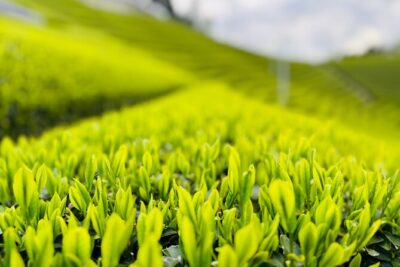
The big idea here is that Wazuka has been producing Japan’s top-quality matcha for over 800 years. The valley setting is surrounded by mountains and shaped by a river, which helps create the kind of growing conditions tea farmers care about. The Imperial Family connection gives you extra historical weight too.
Tea farm walk, the part you’ll talk about later
The tour includes a tea farm walk and a visit to a magnificent viewpoint. In real terms, that means you get outdoor time among the tea plants, not just indoor tasting counters.
This walk is also where the tour’s note about conditions matters. Access can be bumpy and muddy, so bring shoes you trust on uneven ground. If you’re wearing delicate sneakers, this might be the moment they meet their fate.
In the farm area, a guide like Masae can connect what you see to what you’ll taste. That connection is what makes a matcha tasting feel like learning, instead of just sampling.
Coffee or tea tasting: at least 3 kinds, and you can compare
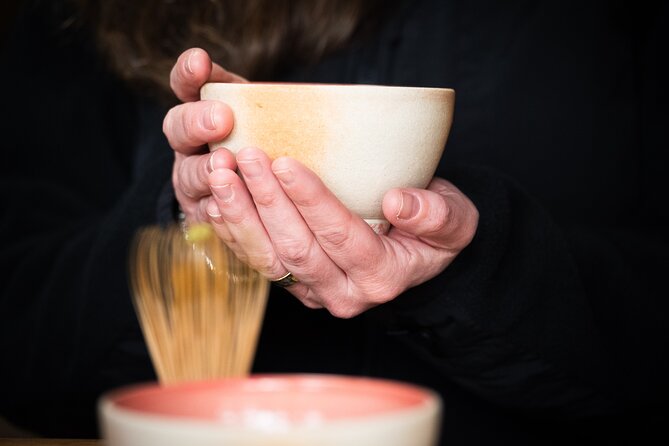
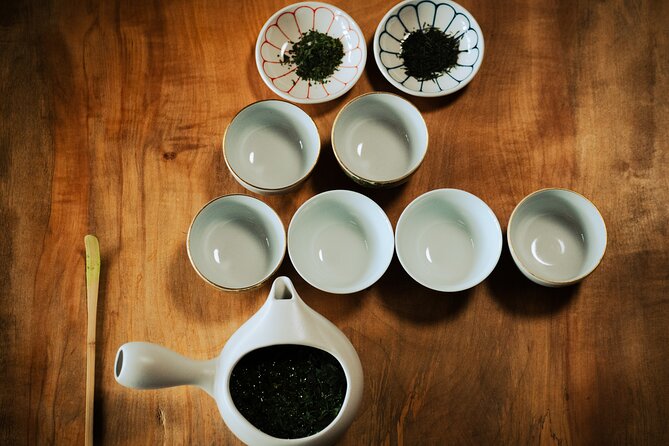
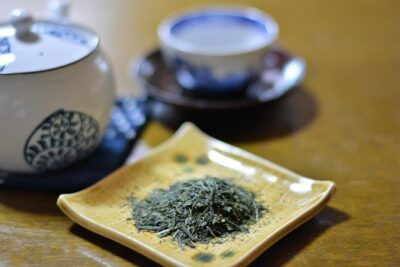
The tour includes coffee and/or tea, plus a local tea tasting of a minimum of 3 different kinds. This is one of the best value points in the whole package.
Why? Because matcha and tea are not all the same. Even when you stay within green tea culture, you can notice differences that help you understand what you like. A guided tasting is also a shortcut to “what am I actually tasting?” without needing to research for hours.
In addition, some reviews mention the chance to make and eat mochi during the experience. If that activity is offered on your day, it pairs nicely with the flavors you’re learning, since mochi is the kind of simple food that makes matcha taste feel more complete.
Lunch bento: a practical reset during tea country time
You get lunch included: a Japanese bento lunch set, with a vegetarian option available if you request in advance.
This matters for two reasons. First, after a couple hours of walking and tasting, you’ll want real food rather than grabbing snacks on the street. Second, a bento lunch keeps your timing intact, so you don’t lose momentum in the tea valley.
If you’re traveling with a group that has food preferences, the vegetarian request option is a big plus. Just make sure you plan ahead, since the data says it needs advance request.
Masae the guide: why the teaching feels personal

Masae is mentioned across multiple top reviews, and the consistent theme is that she’s friendly and deeply informed about tea farming, manufacturing, history, culture, and matcha. The style seems to stay warm rather than academic.
The best part of a guide in Wazuka is that you’re not just looking at plants. You’re learning how tea is grown and made, and how matcha fits into Japan’s broader tea culture. When you have someone to explain production steps and what they mean for taste, you end the tour with clearer “why” behind the flavor.
If you care about food culture and want context without jargon, this is the kind of tour that delivers.
Price and value: is $360 per person fair for what you get?
At $360 per person for an approximately 4-hour private tour, it’s not budget travel. But it is also not just a “sit and drink tea” outing.
Here’s what’s bundled in:
- Private transportation (air-conditioned vehicle)
- A tour guide
- A tea farm walk plus a viewpoint stop
- A coffee and/or tea component and a tasting of at least 3 different kinds
- Lunch (Japanese bento), with a vegetarian option by request
- Mobile ticket, plus admission listed as free for key stops
To decide if it’s worth it for you, ask one question: do you want matcha as an experience, or matcha as a purchase?
If you just want to buy some good powder and drinks, you could probably do it cheaper on your own. But if you want the full package, including farm access time, multi-type tasting, and a guide who can translate what you’re seeing into real understanding, the price starts looking more reasonable.
This is especially good value for:
- Matcha lovers who want variety in tasting, not one cup
- Small families who prefer a guided pace
- Solo travelers who don’t want to fight language and local logistics for farm visits
What to pack and how to get the most out of your half day
Because the farm access can be bumpy and muddy, pack like you’re going on a short rural walk. Wear shoes with grip. Bring a light layer if weather swings, and keep your phone charged for photos at river and bridge viewpoints.
You can buy extra snacks and drinks on the street, but those are not included, so having a bit of spending flexibility can help if you get hungry between tastings and lunch.
Also, since you’re walking in multiple outdoor areas, don’t plan on fragile footwear or thin soles.
Who this tour suits best, and who might feel it’s not for them
This tour fits best when you want Japan beyond the obvious photo stops. If you’re the kind of person who wants to know how food is made, not just what it tastes like, you’ll likely love it.
It’s also a strong match for:
- Families and culture enthusiasts who want a structured, low-stress plan
- People who appreciate a local farm perspective, especially around a centuries-old matcha region
- Anyone who likes private guiding so you can ask questions and set a comfortable pace
If you dislike farm environments, hate muddy paths, or prefer very long time in one place, you might find the short stops in Uji feel a bit quick. But the long 3-hour block in Wazuka is where the tour spends its attention.
Should you book the Uji and Wazuka Matcha Farm private tour?
I’d book it if you want a guided matcha experience that mixes history, scenery, and actual production context. The combination of tea farm walking, a guided tasting of at least 3 types, and lunch included makes this feel like a complete half-day, not a rushed “tea stop” tour.
I’d think twice if you’re mainly after cheap matcha shopping or you dislike uneven outdoor paths. The muddy, bumpy farm access note is real, so you’ll want footwear that can handle it.
If you’re a matcha fan who wants your next bowl to come with a story you understand, this is the kind of tour that can genuinely upgrade what you taste for the rest of your trip.
FAQ
How long is the Uji and Wazuka matcha farm private guided tour?
It runs for about 4 hours.
What does the tour include?
You get a tour guide, private transportation (air-conditioned vehicle), tea farm walk, a viewpoint visit, coffee and/or tea tasting with at least 3 different kinds of tea, and a Japanese bento lunch set.
Is there a vegetarian lunch option?
Yes. A vegetarian option is available with an advanced request.
Do I need to pay admission for the stops?
Admission tickets are listed as free for the stops included in the tour.
Is this tour private or shared?
It is a private tour, so only your group participates.
What is the meeting point?
The tour starts at Itoh Kyuemon, near JR Uji Station, at SaboUmonji-16-1 Uji, Kyoto 611-0021, Japan.
What should I wear for the farm part?
Farm access can be bumpy and muddy, so wear shoes that handle uneven, possibly muddy ground.
What if I want to cancel?
Free cancellation is available. You can cancel up to 24 hours in advance for a full refund.
Kyoto by the Bowl

Newest Uji write-ups from the Loving Japan desk

Kyoto Tea Ceremonies and Matcha, side by side.
 ★ 4.9Tea Ceremony in a Traditional Tea House in KiyomizuFrom $493,519 reviews
 ★ 4.9Tea Ceremony Ju-An at Jotokuji TempleFrom $293,207 reviews
 ★ 4.345-Minute Tea Ceremony Lesson ExperienceFrom $222,378 reviews
 ★ 5.0World Heritage Kyoto & Nara Uji Authentic Matcha ExperienceFrom $1291,573 reviews
 ★ 4.9Tea Ceremony ExperienceFrom $251,426 reviews
 ★ 4.9Table-Style Tea Ceremony at a Kyo-MachiyaFrom $451,211 reviews
 ★ 4.8Kenrokuen Tea Ceremony ExperienceFrom $351,139 reviews
 ★ 5.0Kimono Tea Ceremony at Kyoto Maikoya, NISHIKIFrom $65911 reviews
Filed on these lists too