
REVIEW · KYOTO TEA CEREMONIES AND MATCHA
Uji: Green Tea Tour with Byodoin and Koshoji Temple Visits
Uji green tea has a story you can taste. This 4-hour tour connects the tea world to samurai-era culture and Heian Period temple life, with a guide who ties it all together while you walk the Uji River area. I especially like the quality of the green tea stops, including a Gyokuro tasting and a hands-on way to understand flavor.
You’ll also appreciate the temple pair, Byodo-in and Koshoji, both included with admission. The main drawback to plan around is physical: there are stairs, and the tour is not recommended if you have limited mobility, back problems, or other physical constraints, since it runs rain or shine.
In This Review
- Key points to know before you go
- Why Uji’s Green Tea Tour Works Better Than a Quick Kyoto Tea Stop
- Getting There: Keihan Uji Station Is Your Anchor Point
- The 1160 Tea House Start: Where Tea Meets Family Legacy
- Gyokuro Green Tea Experience: How Flavor Changes With Brew
- Strolling the Uji River and Learning the Samurai-Religion Link
- Ujigami Shrine: Old Shinto Roots and Spring-Water Purification
- Byodo-in and the Phoenix Hall: UNESCO With a Modern Museum
- Koshoji Temple: A Mountain-Side Calm Finish
- Price and Value: Is $111 Worth It for 4 Hours?
- Who This Tour Fits Best (and Who Should Skip)
- Should You Book This Uji Green Tea Tour?
- FAQ
- How long is the Uji green tea tour?
- What does the tour cost?
- Where do I meet the guide?
- What is included in the price?
- Is Byodo-in admission included?
- What about food and drinks?
- What languages are available for the guide?
- Does the tour run in bad weather?
- Is this tour suitable for limited mobility?
- Can I cancel?
Key points to know before you go
- Gyokuro tasting taught in a way that helps you notice how brew and flavor actually change
- Uji River scenery plus a lighter crowd feel compared with central Kyoto
- Ujigami Shrine visit with spring-water purification in a stone grotto
- Byodo-in UNESCO time that includes the Phoenix Hall and a museum visit
- Koshoji Temple as a quieter mountain-side finish with Zen time
- Guides named Damien, Ferdinand, Brian, and David are repeatedly praised for clear temple and tea explanations
Sit down somewhere quieter. Other tea rooms we booked
- Kyoto: Tea Museum Tickets and Matcha Grinding Experience
★ 4.9 · 739 reviews - Uji: Green Tea Tour with Byodoin and Koshoji Temple Visits
★ 4.8 · 72 reviews
Why Uji’s Green Tea Tour Works Better Than a Quick Kyoto Tea Stop
Uji is where green tea becomes more than a souvenir. It’s a real production culture, shaped by faith, politics, and daily routines that go back centuries. On this tour, you’re not just sipping tea in a shop. You’re stepping through the places where that tea culture grew, with context you can actually remember later.
Two things I like a lot. First, the tea part is built around tasting and flavor understanding, including a Gyokuro experience and a broader tea tasting. Second, the temple pair makes the whole day feel connected, not like a checklist. Byodo-in and Koshoji are visually impressive, but what makes them land is how your guide connects them to the same cultural thread as the tea.
The trade-off is that you should be ready to move. You’ll walk, and you’ll climb stairs. If you prefer flat, minimal-footprint activities, keep that in mind early.
Getting There: Keihan Uji Station Is Your Anchor Point
This tour starts at Keihan Uji Station, using the only exit. There’s an escalator that brings you up to ground level, which is useful if you arrive a bit early and want to get oriented without fuss.
If you’re coming from Kyoto, Uji is about a 30-minute ride by local train from common central points like Gion or Kyoto Station. That timing matters because it makes Uji feel like a side trip you can actually fit into a normal day, not a whole travel project.
The tour ends back at the same meeting point. That sounds small, but it’s practical. You won’t have to plan a separate return route while your legs are tired.
The 1160 Tea House Start: Where Tea Meets Family Legacy
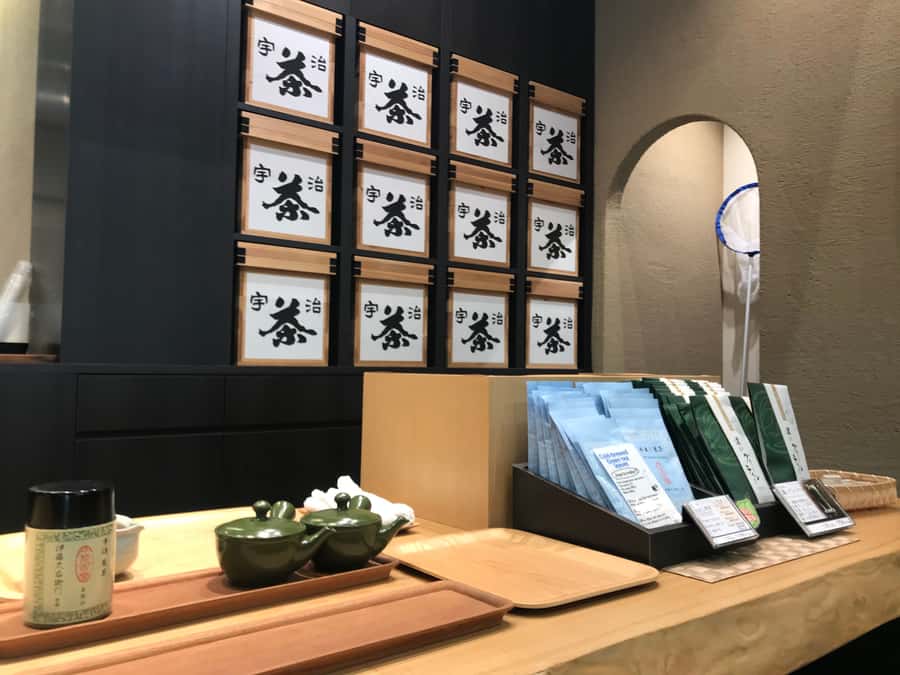
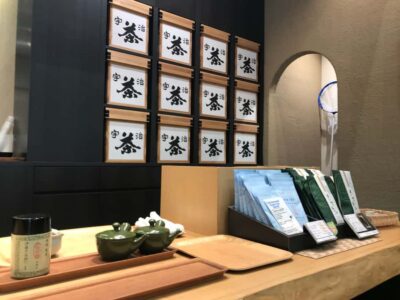
You begin at a tea house still operating since 1160 AD. This is where the tour earns its keep. Tea in Japan is not just a drink. It’s a craft, passed down and protected, and Uji is one of the places where that mindset still feels alive.
Your guide shares how a vassal connected to a famous samurai became the head of a family that has run the shop for 24 generations. That kind of detail matters because it reframes tea. You start to see tea as something tied to power, reputation, and discipline, not just comfort.
Then the day turns toward a special tea drinking experience with high-grade green tea. The takeaway is that you’re training your senses early, so the later tasting and tea-brewing talk makes sense instead of sounding like a lecture.
Gyokuro Green Tea Experience: How Flavor Changes With Brew
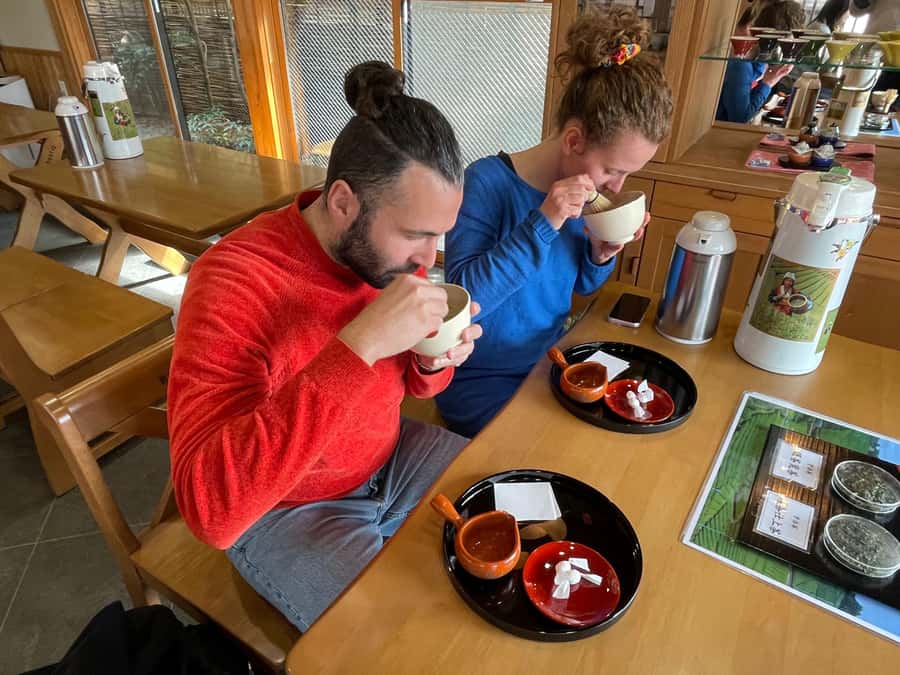
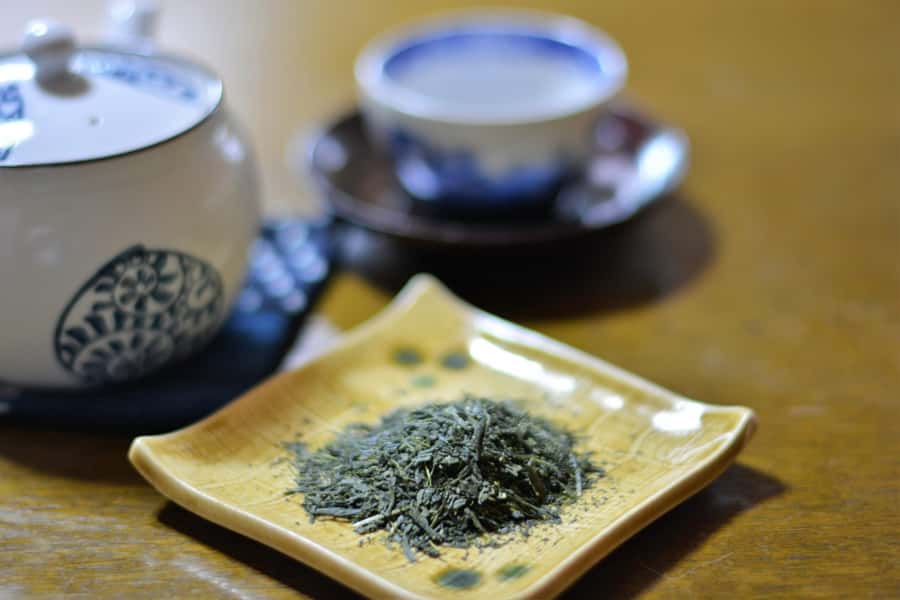
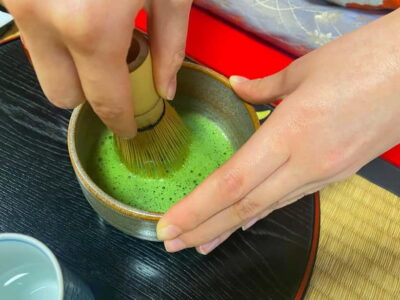
The star of this tour is the Japanese Gyokuro green tea experience, followed by a tea tasting. The guide explains how green tea is grown and what makes it special, then shows how brewing changes the flavor profile.
Here’s what I think you’ll appreciate if you care even slightly about tea. Most tea explanations stop at taste notes. This one tries to connect taste to technique. You learn what changes and why, so your next cup at home is not just an expensive habit. It becomes a small experiment.
A fun extra detail: after you savor a few cups, you mix the remaining tea leaves with ponzu sauce and eat them. That sounds unusual until you remember that tea culture in Japan often treats leaves as usable, not disposable. You’ll finish the tea segment with a better sense of how Uji approaches tea in everyday life, not just ceremony.
One more practical note: some guides have been flexible if the tea tasting supply runs short, with adjustments during the tour. So if you’re booking for a specific tea highlight, you’ll still have a path forward if something unexpected happens.
Strolling the Uji River and Learning the Samurai-Religion Link

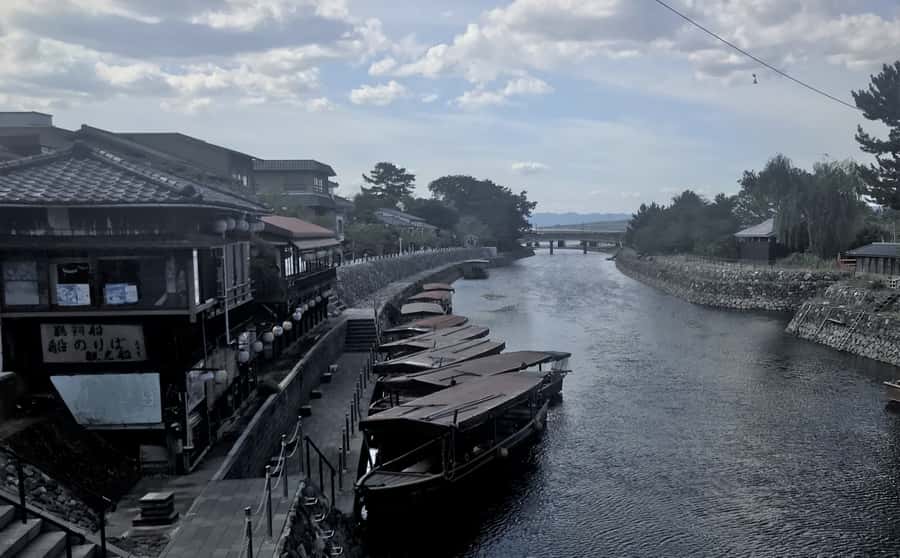
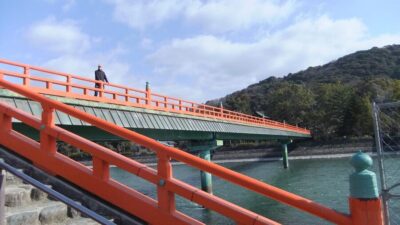
Between tea stops and temples, you spend time walking and looking around the Uji River and the surrounding mountain views. The point is not postcard scenery. It’s to understand why Uji became a tea center at all.
Your guide ties samurai culture and religion together, explaining how that combination helped shape tea traditions in Uji. This is where the tour feels unusually well-balanced. You’re not choosing between history and taste. You’re getting both, and they point at each other.
There’s also a Heian Period (794-1185) thread in the storytelling, including references to architecture and stories of war. Even if you don’t know Heian dates, the tour makes the period feel real through the way people built and used sacred spaces, and how discipline showed up in both faith and craft.
Ujigami Shrine: Old Shinto Roots and Spring-Water Purification

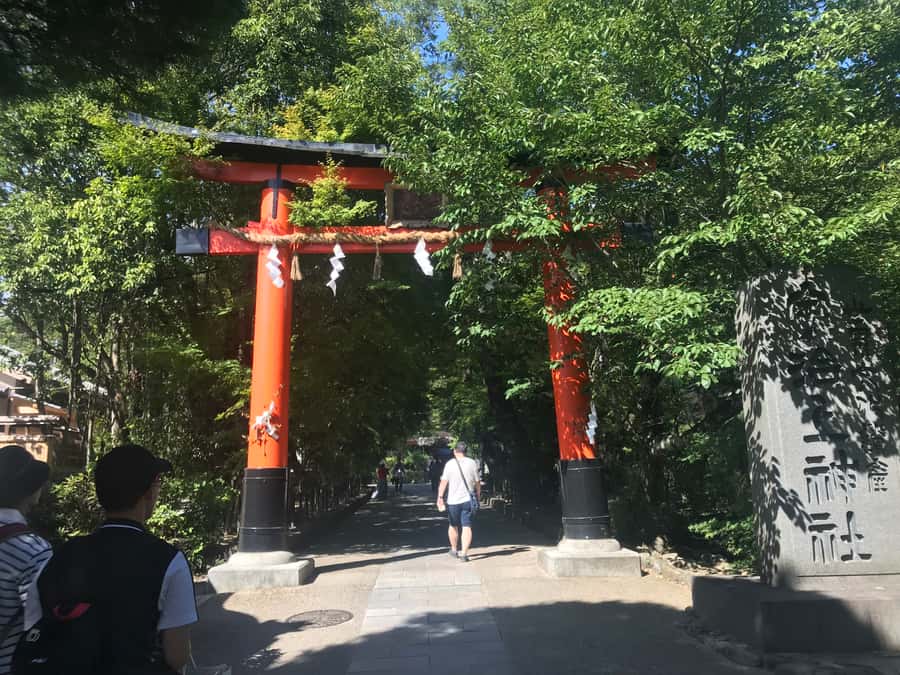
After tea, you head into the mountain green with Koshoji Temple later, but first comes the Shinto side: Ujigami Shrine. This stop is described as the oldest original Shinto shrine in Japan, and it’s also a UNESCO World Heritage Site.
What makes Ujigami special for a tea-focused traveler is the spring water connection. The shrine is said to house the last remaining natural spring water that many tea houses collect to brew their tea with. That detail links your earlier tastings to a physical source of water, which is exactly the kind of connection that helps you remember what you learned.
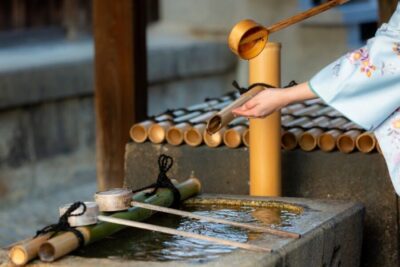
Your guide also covers the guardian deities of Uji, then you step inside a stone grotto and purify yourself with the water. Even if you’re not sure what you’re doing at first, your guide helps you handle the moment respectfully.
This part is less about learning facts and more about learning how reverence looks in daily practice. You’ll come away with a better sense of why tea culture in Uji is not separate from religion.
Byodo-in and the Phoenix Hall: UNESCO With a Modern Museum
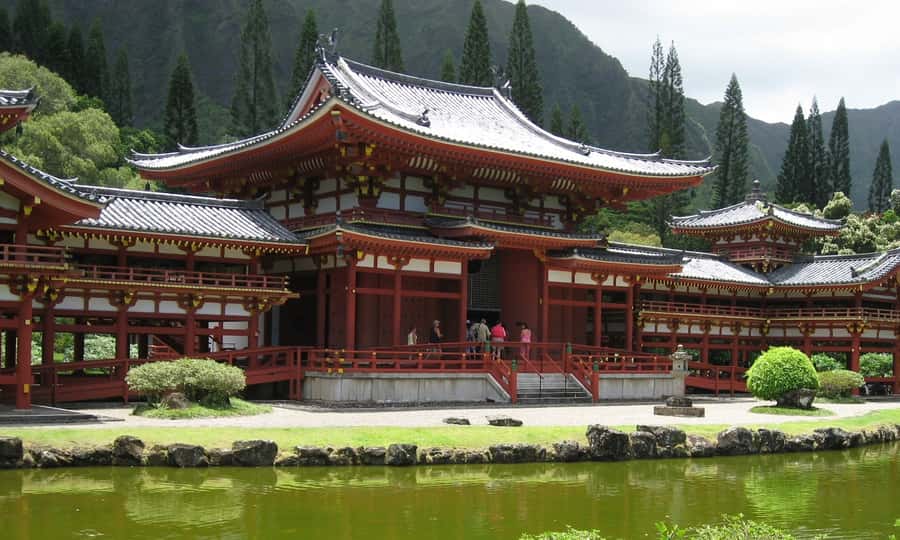
Next is Byodo-in, another UNESCO World Heritage Site. Admission is included, and you also get access to the museum. This is a smart combo because Byodo-in can feel overwhelming if you only see the main structure and move on.
The tour gives you time at the temple grounds, with a focus on the Phoenix Hall. That hall is the headline, and your guide helps connect it to the stories and beliefs tied to the site. You’ll also notice how the tour connects tea culture, samurai influence, and religion into one coherent picture instead of treating each stop as a separate world.
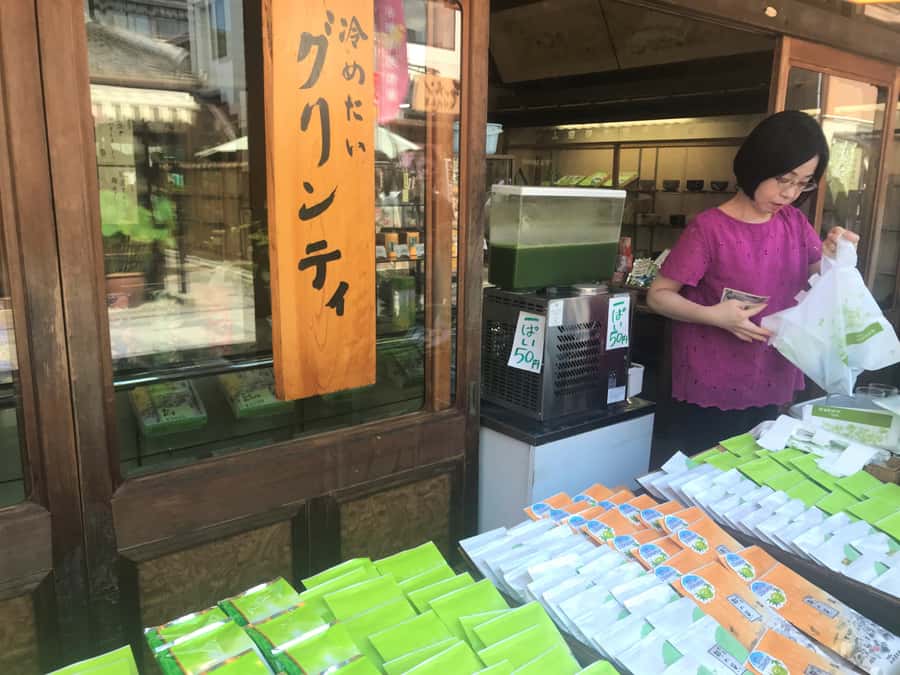
Before you reach Byodo-in, you cross the river and follow a pilgrimage path lined with tea shops going back to the medieval period. That stretch matters because it shows how long Uji has served both commerce and devotion. It’s not just “a place to buy matcha.” It’s a path shaped by centuries of visitors.
Koshoji Temple: A Mountain-Side Calm Finish

After Byodo-in, you shift toward quiet with Koshoji Temple, which is also included. The temple is described as dramatically hugging the mountains, and that setting is a big part of why this tour works as a half-day option.
Koshoji is where you slow down. Your guide encourages Zen time, so you’re not rushing through another major attraction. If you’ve had your fill of bright lights and temple crowds, this ending can feel like relief.
The best advice here is simple: save your phone battery and take a few minutes to just sit. The contrast between tea craft, shrine rituals, and mountain quiet is what makes Uji feel different from central Kyoto.
Price and Value: Is $111 Worth It for 4 Hours?
At $111 per person for a 4-hour guided experience, you’re paying for more than transportation. You’re getting a guide, Japanese Gyokuro tasting and tea tasting, plus admission to both Byodo-in and Koshoji.
If you’ve done enough Japan sightseeing, you know that temple tickets add up fast, and a guided explanation often turns “I saw it” into “I understood it.” That’s the real value here. The tea lesson is included, the UNESCO stops are included, and the time between them is guided so you’re not left guessing what to notice.
Where the value works best is if you want context, especially around tea culture, Shinto and Buddhist practices, and how they connect in Uji. If you only want photos and a quick walk-through, you might find a lighter self-guided option more efficient.
Who This Tour Fits Best (and Who Should Skip)
This tour is a strong match if you:
- Love green tea and want to learn how Gyokuro brewing affects taste
- Want two UNESCO temple experiences in one morning or afternoon block
- Enjoy shrine and temple etiquette, and want a guide to explain it clearly
- Prefer Uji’s quieter feel compared with central Kyoto crowds
It’s not a great fit if you:
- Have limited mobility or need step-free routes
- Have back problems, since the tour includes stairs
- Have other constraints like heart problems, since the tour runs rain or shine and involves walking and steps
- Want a low-walking, no-stairs day
The tour can also be worth doing even if you’re new to Japanese culture. Guides including Damien, Ferdinand, Brian, David, and Kevin are repeatedly praised for clear explanations of shrine and temple practices, plus for answering normal traveler questions without making you feel silly.
Should You Book This Uji Green Tea Tour?
Book it if you want the real Uji version of a Kyoto tea day. The tea experience is specific, hands-on, and tied to water, brewing, and technique. The temples are not random stops. They’re connected through religion, samurai culture, and Uji’s long-standing tea tradition.
Skip it if stairs and walking are a problem for you, because the tour is not designed as a gentle glide. Also skip it if you’re only chasing quick landmarks and don’t care about learning how tea flavor changes.
If you’re a tea lover with decent mobility, this is one of the more satisfying half-day choices in the Kyoto region because it leaves you with both skills and scenes to carry home.
FAQ
How long is the Uji green tea tour?
The tour runs for 4 hours.
What does the tour cost?
It is listed at $111 per person.
Where do I meet the guide?
Meet at the only exit at Keihan Uji Station, where there is an escalator to ground level.
What is included in the price?
Included are the tour guide, Byodo-in and Koshoji Temple entrance fees, a Japanese Gyokuro green tea experience, and a tea tasting.
Is Byodo-in admission included?
Yes, Byodo-in admission is included.
What about food and drinks?
Food and drink outside of the tea experience are not included.
What languages are available for the guide?
The live tour guide is available in English and Spanish.
Does the tour run in bad weather?
Yes, it takes place rain or shine.
Is this tour suitable for limited mobility?
It is not recommended for people with limited mobility, and there are stairs involved. It is also noted as not suitable for mobility impairments and for back problems and heart problems.
Can I cancel?
Free cancellation is available up to 24 hours in advance for a full refund.
Kyoto by the Bowl

Newest Uji write-ups from the Loving Japan desk
Kyoto Tea Ceremonies and Matcha, side by side.
 ★ 4.9Tea Ceremony in a Traditional Tea House in KiyomizuFrom $493,519 reviews
 ★ 4.9Tea Ceremony Ju-An at Jotokuji TempleFrom $293,207 reviews
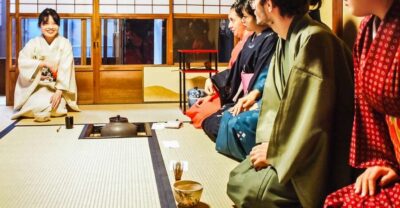 ★ 4.345-Minute Tea Ceremony Lesson ExperienceFrom $222,378 reviews
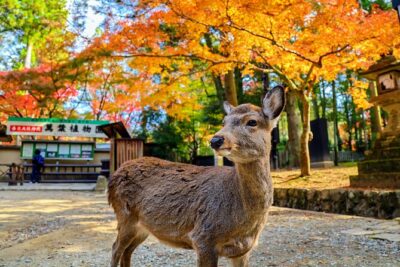 ★ 5.0World Heritage Kyoto & Nara Uji Authentic Matcha ExperienceFrom $1291,573 reviews
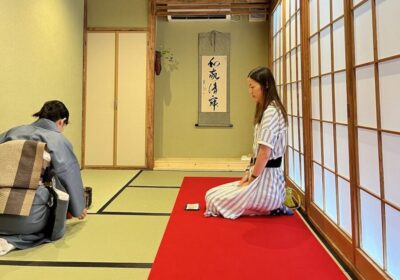 ★ 4.9Tea Ceremony ExperienceFrom $251,426 reviews
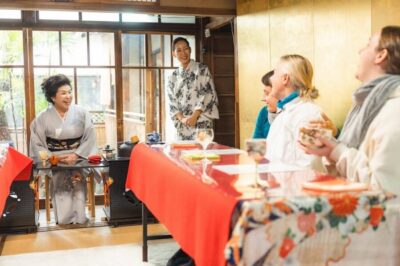 ★ 4.9Table-Style Tea Ceremony at a Kyo-MachiyaFrom $451,211 reviews
 ★ 4.8Kenrokuen Tea Ceremony ExperienceFrom $351,139 reviews
 ★ 5.0Kimono Tea Ceremony at Kyoto Maikoya, NISHIKIFrom $65911 reviews
Filed on these lists too