
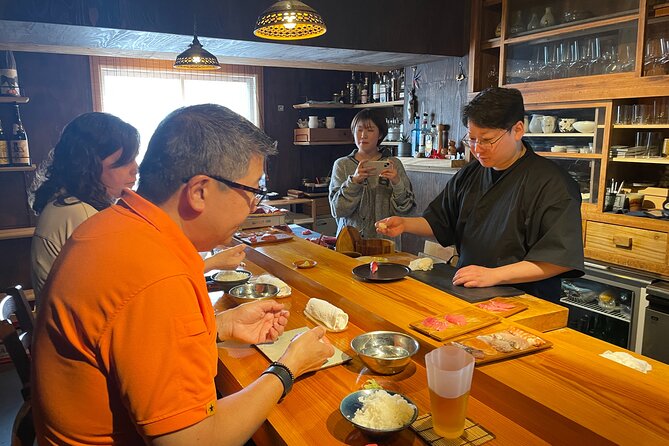
REVIEW · TSUKIJI AND TOYOSU FISH MARKETS
Master the art of Sushi : Toyosu Market Tour & Tuna Cutting
Sushi starts with tuna, and this tour shows you the work behind it. You begin at Toyosu Market for a guided look at Japan’s seafood supply chain, then you watch a live tuna-cutting session that explains freshness and sushi-grade standards in plain language. I love how the tour connects market reality to what you eat next, and I also like the hands-on sushi prep that makes it feel usable back home, not just entertaining.
One thing to plan for: the day uses public transit between stops, and you may spend over an hour moving around. If you hate walking in early morning Tokyo heat, wear smart layers and expect some waiting.
In This Review
- Key points you will care about
- Toyosu Market at 7:00 am: the seafood world behind sushi
- Tsukiji Jogai Market walk: comparing the old lanes to Toyosu
- Azabujuban tuna cutting and nigiri: why the knife matters
- Lunch included: the best reason to save room in your stomach
- Price and value: what $297.23 buys you in Tokyo
- Practical tips: how to make the day smoother
- Should you book the Toyosu Market and tuna-cutting tour?
- FAQ
- Where does the tour start?
- What time does the tour begin?
- How long is the tour?
- How many people are in the group?
- What is included in the price?
- Is transportation within the tour included?
- Is there admission cost for the market stops?
- What will I do during the Azabujuban stop?
- What happens if the weather is bad?
Key points you will care about
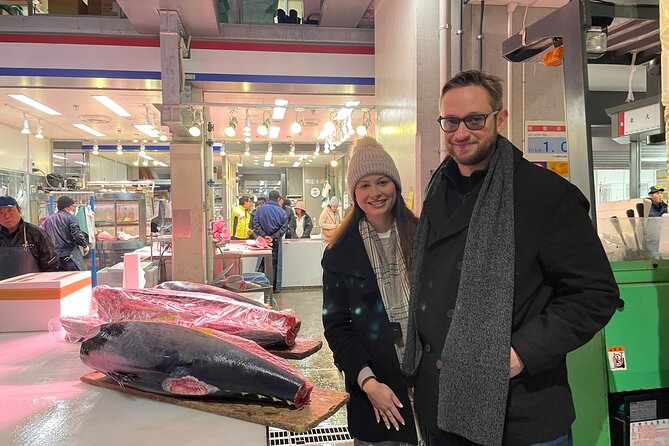
- Toyosu, then Tsukiji: you compare modern wholesale logistics with the classic shopping lanes
- Live tuna cutting: you see how different parts of tuna affect texture and eating
- Sushi chef instruction: you pick up practical nigiri-making technique
- Small group size: the tour caps at 6 people, so questions do not vanish
- Lunch is part of the lesson: you eat tuna and sushi you help make
- Focused tuna experience: it is centered on fish quality, not just photos
Hungry earlier than that? Other market breakfasts we tried
- Tokyo Tsukiji Fish Market Food and Culture Walking Tour
★ 5.0 · 3,184 reviews - Tokyo: Tsukiji Fish Market Food and Walking tour
★ 5.0 · 1,724 reviews - Tokyo: Tsukiji Fish Market Guided Walking Tour
★ 4.9 · 1,397 reviews - Tokyo Sushi Making Class in Tsukiji with Professional Chef
★ 5.0 · 1,177 reviews
Toyosu Market at 7:00 am: the seafood world behind sushi
Tokyo’s fish markets can feel like a blur if you go on your own. This tour gives you a guide and a clear order for what to look at first, so you spend your energy on the right details. The start time is 7:00 am, and the meeting point is at Shijō-mae Sta., 6 Chome-3 in Toyosu. That early start matters, because you are walking through the market while the day is just getting going.
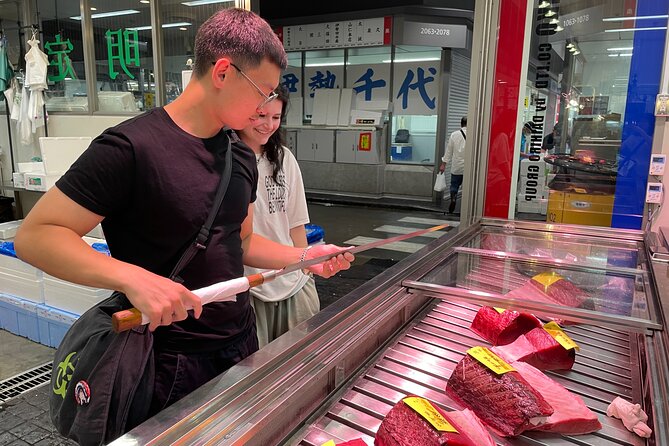
At Toyosu, you go as a small group and visit the wholesaler area with a guide. You can purchase fish at the wholesaler, which is a big difference from the typical street-food walk. It turns the experience from watching only, into seeing how buyers and sellers think about quality. The stop is short, about 45 minutes, so do not expect a slow shopping spree. Think of this as reconnaissance, you come away knowing what to ask for later and what “fresh” really means in practice.
The biggest value here is context. You learn that tuna quality is not just about being expensive, it is about how the fish is handled, what parts are used for what style of eating, and how sushi-grade standards connect to knife work. You also get a chance to observe market sushi items and sample them, which is a nice bridge between the raw fish reality and the finished bite.
Two practical notes help you enjoy Toyosu more. First, keep your phone ready for quick shots, but do not let filming slow you down at the stalls. Second, if you want to buy fish, decide early whether you are doing it for cooking at home or for tasting that day. The tour does not describe transport for purchased fish, so plan carefully.
Tsukiji Jogai Market walk: comparing the old lanes to Toyosu
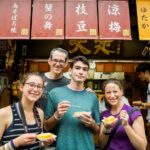
After Toyosu, the tour moves to Tsukiji Jogai Market for about 1 hour. This is where Tokyo gives you the street-level version of seafood culture: shops, tasting, and the feel of a neighborhood food center. The tour includes admission here, and it explicitly builds in travel time, so the schedule feels more realistic than a “just hop across town” plan.
This stop is also a place where your guide helps you see patterns, not just stalls. In one example, the guide named Amy pointed out places to try in Tsukiji, then helped match what you taste to what you saw at Toyosu. That type of guidance is gold because otherwise Tsukiji can turn into a food shopping list with no meaning.
What you can expect in Tsukiji is a comparison experience. You are essentially asking the question: how do the wholesale world and the retail world talk to each other? At Toyosu you focus on the supply side. In Tsukiji you feel the demand side, the everyday way people buy and eat. You also notice how the shopping vibe changes, even though the seafood focus is still front and center.
A small drawback to keep in mind is the logistics. The tour uses subway and bus between stops, and you may feel the schedule more than you expect, especially in the heat. If you are sensitive to that, pack a small water bottle, and consider bringing a light fan or cloth for sun.
Also, keep your appetite managed for the final stop. Tsukiji can tempt you into extra sampling, which is fun, but the best lunch value on this tour comes later.
Azabujuban tuna cutting and nigiri: why the knife matters
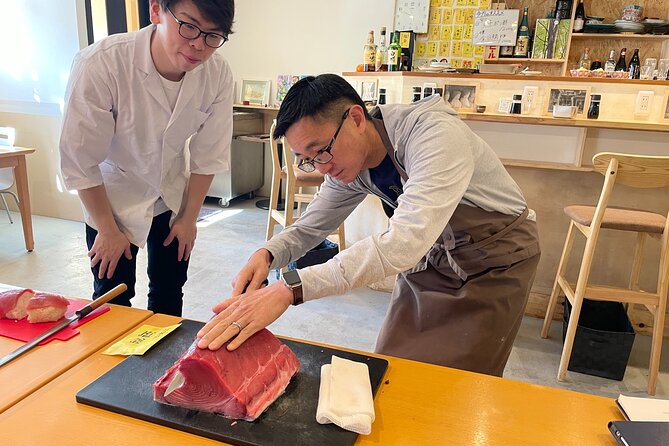
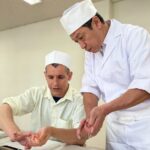
The heart of the experience is the final restaurant session in Azabujuban, lasting about 1 hour 30 minutes. This is where the tour stops being a market visit and becomes a skill lesson. You cut tuna with a sushi chef, then you make nigiri, and you compare different parts of tuna.
The tour is very specific about the learning goal: you are not only eating tuna, you are learning to recognize how different sections behave. That is exactly what most people never get. They buy a tuna item, taste it, and move on. Here you connect the taste to the fish part and to how it was cut.
You also try different ways of eating tuna. That matters because tuna is not one flavor. It changes with fat level, texture, and even how it is handled. Watching and doing the cutting gives you a mental map for what you liked and why. When you later order nigiri at a counter, you can reason through the choices instead of guessing.
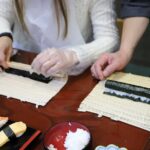
This is also where you learn practical sushi prep tips you can try at home. The tour says you will learn sushi prep tips, and you get a guided process for cutting tuna and preparing nigiri. Even if you never cut tuna professionally, you can still use the lessons for at-home handling, portioning, and how you build nigiri.
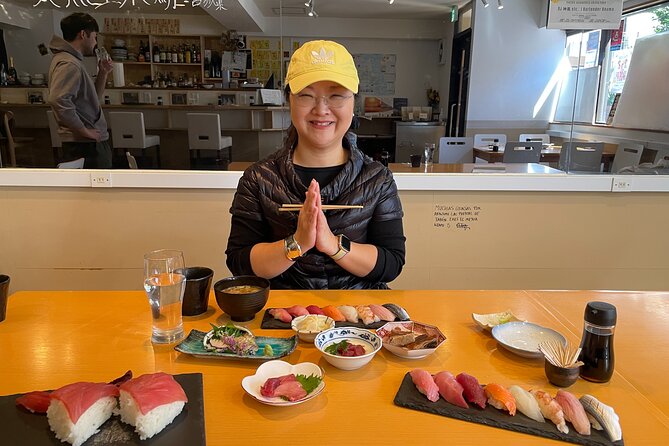
One more nice detail from the experience description is that you end up with tuna and sushi made by yourself as part of lunch. That is a huge satisfaction factor. Many classes teach you technique and then give you something generic to eat. Here, the meal is tied directly to the lesson, so the whole experience feels like one continuous workflow.
If you are a true tuna person, this final stop is the “why I came” moment. You leave understanding tuna parts in a way that most Tokyo food tours never reach.
Counters and courses we sat at around Tokyo
- Sushi Making Tokyo Roll and Authentic Japanese Sushi Class★ 5.0 · 3,971 reviews
- Make Sushi and Create Unforgettable Memories in Tokyo★ 5.0 · 1,413 reviews
- Tokyo: Sushi Making Class in a Happi Coat near a Famous Spot★ 4.9 · 1,377 reviews
- Tokyo Sushi Making Class in Tsukiji with Professional Chef★ 5.0 · 1,177 reviews
- Tokyo Night Foodie Tour in Shinjuku – Seasonal Sushi, Wagyu Beef★ 5.0 · 1,161 reviews
Lunch included: the best reason to save room in your stomach
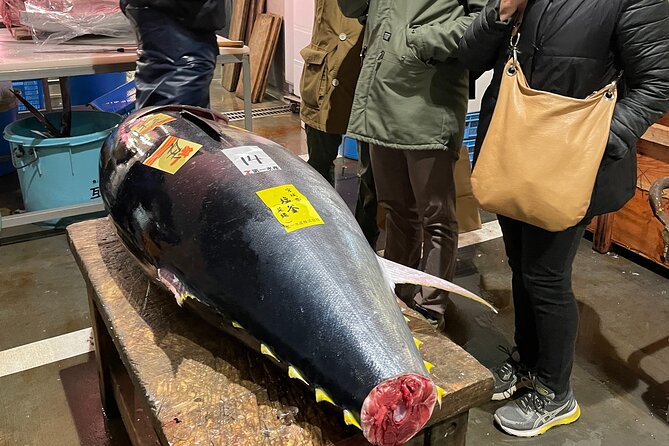
Lunch is included, and it is not just a plate dropped in front of you. You get tuna and sushi made by yourselves. That is the kind of detail that changes your perception of value.
When lunch is included, you stop thinking about the daily cost of feeding yourself in Tokyo, which adds up quickly around major tourist areas. It also reduces decision fatigue. You do not need to hunt for a place that fits your budget right after a market day.
The flavor payoff is also more direct. You are not just hearing about sushi-grade tuna, you are eating it after you handle it in the cutting session. That makes the lunch feel like part of the education.
To get the most out of lunch, keep the earlier food stops from turning into a meal. Tsukiji is fun, but if you snack heavily, you can end up full for the sushi you worked on. I would treat Tsukiji as tasting territory, not lunch territory.
Price and value: what $297.23 buys you in Tokyo
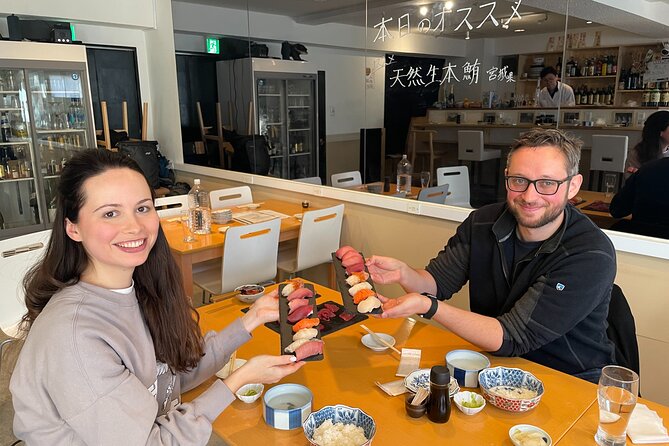
At $297.23 per person for about 4 hours, this tour is not cheap. The question is whether you feel the price in your experience, not on paper.
Here is what you are paying for, based on what the day includes:
- Guided access time at Toyosu Market
- A Tsukiji Jogai Market stop with included admission
- A structured tuna cutting and nigiri sushi session with a sushi chef
- Lunch that includes the tuna and sushi you make
- An English guide
- A small group cap of 6 travelers
That mix helps justify the cost. Market access plus a chef-led class is usually the expensive part of Tokyo food experiences. By including lunch and keeping the class hands-on, you are buying technique, not just a ticket.
The small group size is also a hidden value lever. With fewer people, you can ask more questions, and you are less likely to feel like you are watching from the back row. That matters for tuna cutting, where timing and knife mechanics influence results.
So who gets the best value? If you like sushi and you want real insight into tuna selection and how sushi grade standards show up in practice, this is a good match. If you only want a casual market stroll and do not care about learning the cutting or nigiri process, the price may feel heavy.
Practical tips: how to make the day smoother
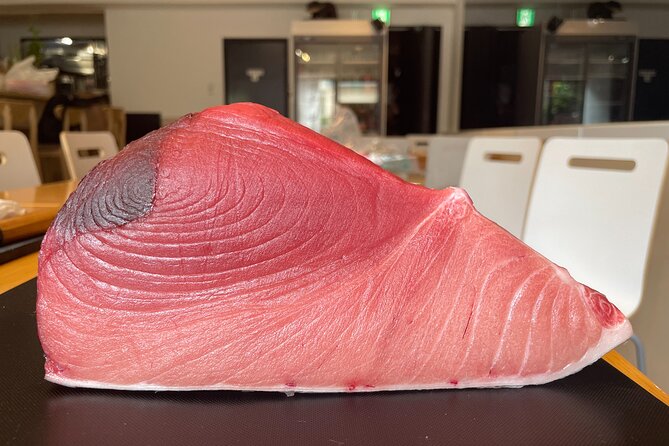
Transportation is not included, and the tour uses subway or bus between stops. That means you should budget transit separately and plan around walking time. The tour ends in Azabujuban, so your return plan should start from there, not from the first meeting point.
Wear for early mornings and movement. Toyosu is outdoors in parts and the day starts at 7:00 am, so you want layers that handle changing temperatures. You also will walk between locations, and at least one participant noted the heat and moving time, so bring water and something light for sun.
For shopping, the tour says you can purchase fish at the Toyosu wholesaler. Decide in advance what you want to buy. If you are not set up to store or cook it, you might consider letting shopping be optional and focus on tasting and learning instead.
For the class, go in ready to participate. The best outcomes happen when you treat the cutting and nigiri steps as part of the lesson, not a show. If you are nervous, that is normal. The format is built around you doing the work with guidance.
Should you book the Toyosu Market and tuna-cutting tour?
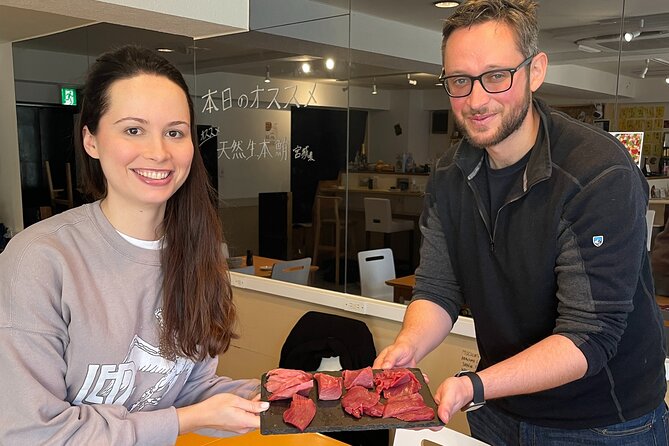
Book it if you want a tuna-focused day that connects market handling to sushi-making technique. The strongest reasons are the live tuna cutting, the chef-led instruction in Azabujuban, and the fact that lunch includes tuna and sushi you make, not a separate meal.
Skip it or look closely if you hate using public transit in the morning or you prefer a slower, less scheduled market day. Also consider your comfort with paying extra for a class portion, since that is a major part of the value.
If sushi is your interest and you want more than tastings, this tour gives you the behind-the-scenes logic. You leave with a better way to choose tuna, a better understanding of why different parts matter, and a few practical sushi steps you can try at home.
FAQ
Where does the tour start?
It starts at Shijō-mae Sta. 6 Chome-3, Toyosu, Koto City, Tokyo 135-0061, Japan.
What time does the tour begin?
The start time is 7:00 am.
How long is the tour?
The duration is about 4 hours.
How many people are in the group?
The tour has a maximum of 6 travelers.
What is included in the price?
An English guide is included, and lunch is included. Lunch includes tuna and sushi made by yourselves.
Is transportation within the tour included?
No. Transportation within the tour is by subway or bus, and those costs are not included.
Is there admission cost for the market stops?
Toyosu Market has free admission ticket for the stop. Tsukiji Jogai Market includes admission. The Azabujuban restaurant stop lists admission ticket free.
What will I do during the Azabujuban stop?
You will cut tuna and make nigiri sushi with a sushi chef. You will compare different parts of the tuna and try different ways of eating tuna.
What happens if the weather is bad?
This experience requires good weather. If it is canceled due to poor weather, you will be offered a different date or a full refund.
Counters and Courses

Market Mornings We Have Reviewed

Newest Tokyo write-ups from the Loving Japan desk


Tsukiji and Toyosu Fish Markets, side by side.
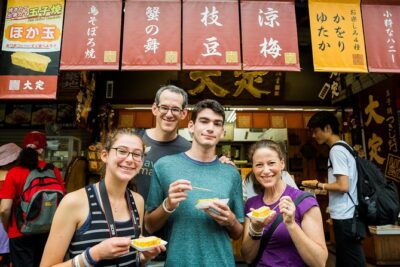 ★ 5.0Tokyo Tsukiji Fish Market Food and Culture Walking TourFrom $993,184 reviews
 ★ 5.0Tsukiji Fish Market Food and Walking tourFrom $301,724 reviews
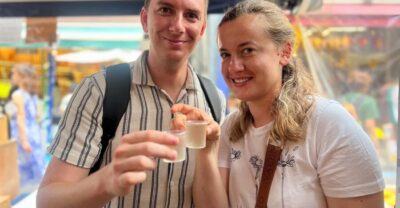 ★ 4.9Tsukiji Fish Market Guided Walking TourFrom $221,397 reviews
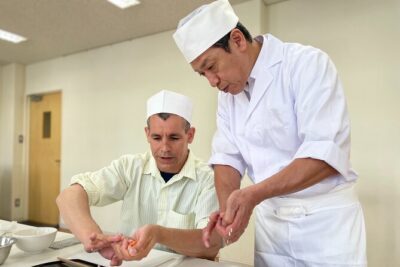 ★ 5.0Tokyo Sushi Making Class in Tsukiji with Professional ChefFrom $491,177 reviews
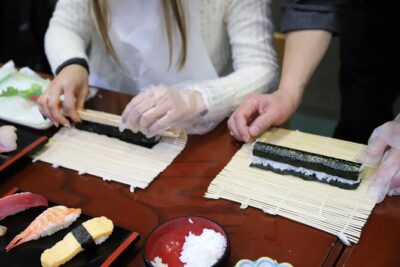 ★ 5.0Tsukiji Fish Market Guided Tour and Sushi Making with Pro ChefFrom $104775 reviews
★ 4.7Tsukiji Fish Market Food and Culture Walking TourFrom $96757 reviews
★ 5.0Tsukiji Fish Market Guided Tour and Sushi Making with Pro ChefFrom $104775 reviews
★ 4.7Tsukiji Fish Market Food and Culture Walking TourFrom $96757 reviews
 ★ 5.0Tsukiji Fish Market: Street Food & Culture Walking TourFrom $33669 reviews
 ★ 5.0Tsukiji Fish Market Small-Group Food Walking TourFrom $87621 reviews
Filed on these lists too