
REVIEW · JAPANESE COOKING CLASSES
Mochi and Nerikiri Wagashi Combination Cooking Class
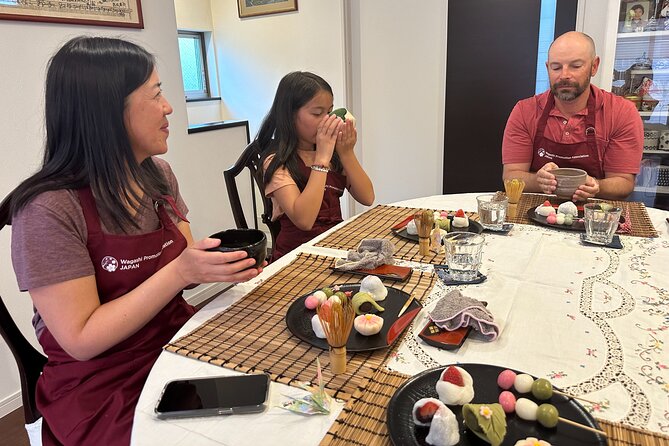
Mochi in a local kitchen beats a food tour. This in-home Tokyo class is a calm, hands-on way to learn traditional sweets, away from the station crowds, and it runs about 2.5 hours.
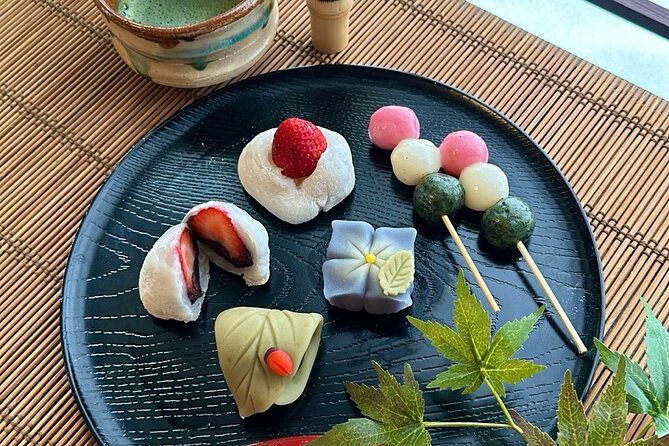
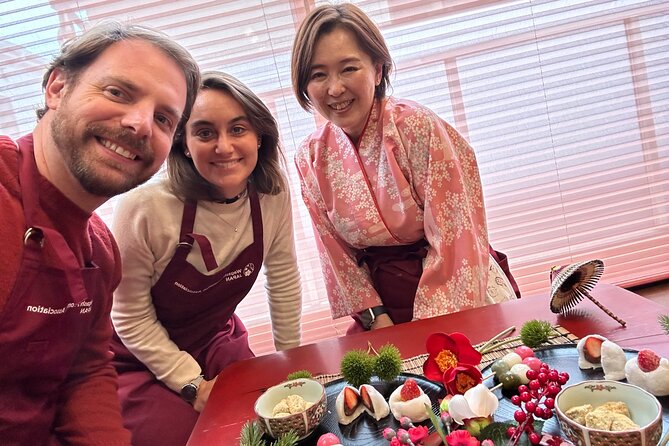
I especially liked two things. First, the teaching style of Satoko-san is patient and very practical, so you are never guessing what to do next. Second, you make a full set of sweets, including strawberry daifuku, dango, and nerikiri wagashi, then enjoy them with matcha.
One thing to consider: there are two short hair cats in the home, and they stay in the bedroom during lessons. If you have a strong allergy, this may not be a fit.
In This Review
- Key highlights worth your attention
- A calm Tokyo neighborhood lesson, not a factory class
- What you actually make: daifuku, dango, and seasonal nerikiri
- 1) Mochi from glutinous rice flour
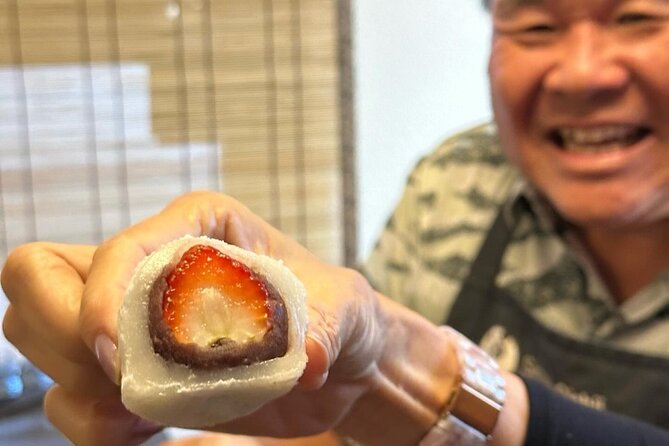
- 2) Strawberry daifuku (or seasonal fruit swap)
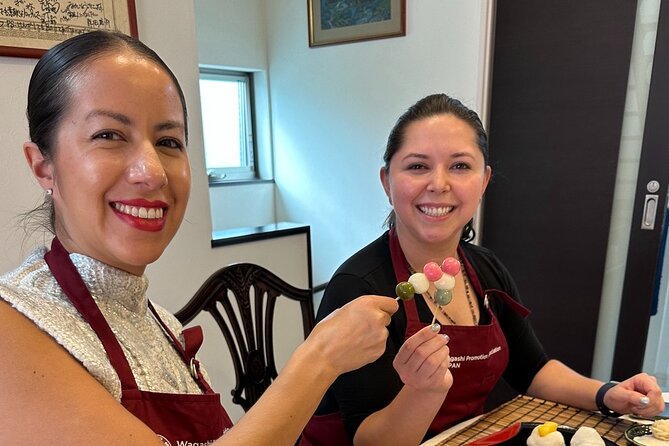
- 3) Dango on skewers
- 4) Two kinds of nerikiri wagashi, shaped by season
- How the nerikiri shaping really works (and why colored prep helps)
- Matcha time: you make it, then you eat immediately
- The mochi background, plus the ways to eat what you made
- What’s included: tools, apron, water, and the takeaway box
- Price and value: is $85.66 a fair deal?
- Logistics that actually affect your day
- Meeting point in Ota City
- Duration and pace
- Private group experience
- Cat consideration: if allergies are a factor
- Who this class is best for
- Should you book this Mochi and Nerikiri class?
- FAQ
- What is the duration of the Mochi and Nerikiri wagashi cooking class?
- How much does the class cost?
- What desserts will I learn to make?
- Is the class beginner-friendly?
- Do I get to drink matcha?
- Can I take the sweets home?
- Are the ingredients vegetarian-friendly?
- Is transportation to the meeting point included?
- Is there anything I should know about pets in the home?
Key highlights worth your attention
- In-home setting: learn in a local neighborhood, not a crowded studio
- Three different sweets: daifuku, dango, and two kinds of seasonal nerikiri wagashi
- Beginner-friendly steps: simple recipes that you can repeat at home
- Seasonal motif shaping: colored dough is prepped, you still learn the shaping
- Matcha included: you make the tea, then eat your creations right away
- Takeaway box: you can enjoy now, or bring extras home
Cook it yourself instead. Other kitchens in Tokyo
- Tokyo: Roll and Authentic Sushi Making Class in Asakusa
★ 4.9 · 1,957 reviews - Tokyo: Sushi Making Class in a Happi Coat near a Famous Spot
★ 4.9 · 1,377 reviews - Tokyo Sushi Making Class in Tsukiji with Professional Chef
★ 5.0 · 1,177 reviews - Ramen & Gyoza Cooking Class in Tokyo with Local Supermarket Visit
★ 5.0 · 823 reviews
A calm Tokyo neighborhood lesson, not a factory class
This experience is built around the idea that Japanese sweets make more sense when you see the process in a real home kitchen. You meet at a specific address in Ota City, and the class is described as about 15 minutes from the city. That matters, because it turns what could be a rushed stop-and-snack into a slower, more focused session.
The class is also private, meaning only your group participates. That shifts the whole feel. You ask questions in the moment, the host can watch your technique, and you do not spend the time waiting for a group demo.
If you like food experiences that feel like you got a tip from a friend rather than a packaged show, this is the kind of class to book. You also get a mobile ticket, which makes it easier to show up without a paper trail.
What you actually make: daifuku, dango, and seasonal nerikiri
The lesson centers on mochi plus wagashi, with you making mochi-based sweets and then shaping them into different forms.
1) Mochi from glutinous rice flour
You start with mochi using glutinous rice flour. That’s the base idea behind the class. Even if you have never worked with sweet dough before, this is a good entry point because mochi is the common ingredient tying everything together.
The host also gives you support with the process, and you are taught how to use what you make in multiple desserts instead of just one.
Make something to take home. Other workshops
- Tokyo Shinjuku Chopsticks Making Class★ 5.0 · 1,763 reviews
- Chopstick Making Workshop in Ginza★ 4.8 · 1,366 reviews
- Tokyo Sumo Experience: Chanko & Mochi with a Former Pro★ 4.8 · 567 reviews
- Kintsugi Experience: Art of Golden Joinery in Tokyo★ 5.0 · 467 reviews
- Tokyo Chopstick Making Workshop with Artisan★ 5.0 · 466 reviews
2) Strawberry daifuku (or seasonal fruit swap)
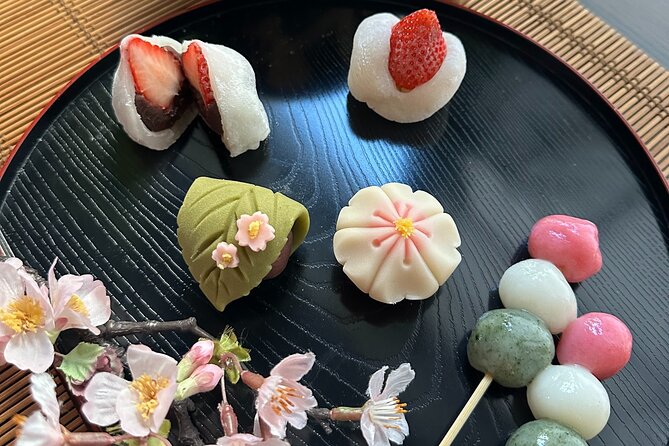
Next up is strawberry daifuku. There is an important practical note: when strawberries are out of season, they use pineapple or kiwi instead. That means the sweet stays doable year-round, not dependent on one ingredient finding its way into your exact week in Tokyo.
This is a great part of the class because daifuku teaches you about portioning and assembly, not just mixing ingredients. You can take that skill home.
3) Dango on skewers
Then you make dango, the mochi balls served on skewers. Dango is simple in concept, but it teaches you texture and shaping. You get a different eating experience than daifuku, too. Instead of a filled sweet, it’s the feel of the dough balls and how they hold together.
4) Two kinds of nerikiri wagashi, shaped by season
The star of wagashi lovers is the nerikiri portion. You make two kinds of seasonal nerikiri wagashi, and the motif changes by season.
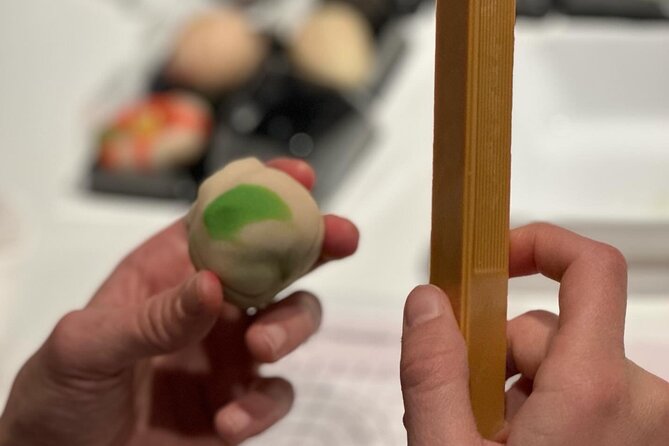
Here’s a key detail: the dough is made and colored in advance, but you still learn the shaping using a tutorial video. That is actually smart for beginners. You focus on the parts that matter for form and technique, not on cooking colored dough from scratch at the last minute.
Also, the motifs are seasonal, which is a big reason to take this class now instead of trying to copy a generic recipe online. You get the logic of seasonal design, not just the final look.
How the nerikiri shaping really works (and why colored prep helps)
Nerikiri can look intimidating in photos, mostly because the final shapes seem too perfect. The class design makes it less mysterious. Since the dough and coloring are already done for you, your learning time goes into what actually matters at the table.
You get the tutorial video, plus hands-on guidance from the host while you form the shapes. That means you can pause mentally and compare your progress to what is shown, which is huge for technique-based foods.
What I like here is that you still practice the hand skills, so you are not just following along blindly. You learn how to shape the dough into a seasonal motif, and you learn what to aim for in texture and form. Even if your first attempt at home is not magazine perfect, you can improve quickly because you know what step you are trying to fix.
Matcha time: you make it, then you eat immediately
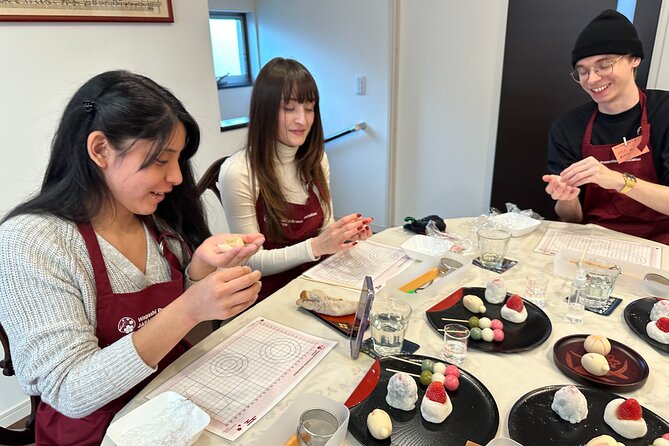
You do not just get a plate of sweets. You get a built-in rhythm: make the wagashi, then relax with a bowl of matcha green tea that you make along with guidance.
That part is more than a drink pairing. It helps you connect flavor and texture. Matcha’s bitterness and earthy notes give you a reference point, so the sweetness of daifuku and nerikiri feels balanced instead of one-note.
You also have a choice after you make everything:
- Eat with matcha during the class
- Or take your creations in a special takeaway box
That takeaway option is genuinely practical. If you are traveling right after the lesson, you can plan to enjoy later, not immediately. It also means you are not stuck with one sweet that might melt in your bag.
The mochi background, plus the ways to eat what you made
The class includes history and background on mochi, plus different ways of eating it. You do not need a degree in Japanese sweets to enjoy this, because the information is tied to what you are doing with your hands.
In my experience, learning the background makes the recipe stick. You stop seeing it as a random set of instructions and start thinking about why certain textures show up, why mochi works in different shapes, and why nerikiri and daifuku are linked.
The practical win is this: once you understand the idea behind mochi and how it’s used across sweets, it becomes easier to adjust at home. If you have a craving and the perfect seasonal fruit is not available, you at least understand the substitution logic the class teaches.
What’s included: tools, apron, water, and the takeaway box
A big part of why this class feels good value is that it is not just teaching. You get the gear.
Included items are listed as:
- Apron
- Hand towel
- Special tools for wagashi making
- Special box for takeaway
- Drinking water
Those details matter because wagashi tools can be fiddly to buy on your first day in Tokyo. Here, you learn with the right setup and leave with a takeaway box that keeps your work intact.
There is also mention of a Japanese gift as a souvenir. The specifics are not spelled out, but the idea is clear: you leave with something extra besides food.
Price and value: is $85.66 a fair deal?
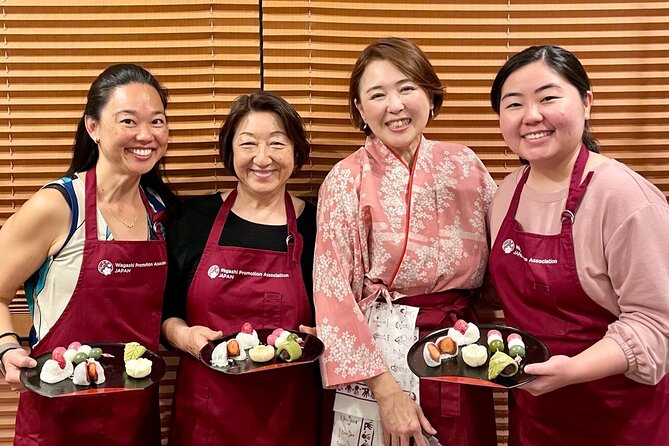
At $85.66 per person, this is priced for a private, in-home style experience. The price adds up quickly when you factor in that:
- You get hands-on instruction suited to beginners
- You make multiple desserts (not just one)
- The class includes matcha, plus a takeaway box
- You get tools and basic comforts like water
In other words, you are paying for a small, focused lesson and a complete output: sweets you can taste on the spot and bring home.
It is also an experience you can repeat. The class notes that recipes are simple and easy to recreate, and that ingredients are plant-based and available in your country. Whether you fully reproduce the look at home or just aim for flavor, you still get a skill, not only a snack.
One more planning note: the average booking is about 51 days in advance. If you have a tight itinerary, do not wait for the last week.
Logistics that actually affect your day
Meeting point in Ota City
You meet at 20-15 Kitaminemachi, Ota City, Tokyo 145-0073, Japan, and the activity ends back at the meeting point.
Public transportation is listed as nearby, but private transportation is not included. So you need to plan your own way there and back.
Duration and pace
The class is about 2 hours 30 minutes. That is enough time to explain background, guide hands-on steps, make matcha, eat, and pack up if you choose.
Private group experience
Because it is private, only your group participates. That is a plus if you prefer quieter activities or you want more direct coaching.
Cat consideration: if allergies are a factor
The class includes a clear note: there are two short hair cats, and they stay in the bedroom during the lesson. Still, if you have strong allergies, you should take this seriously and consider another activity.
This is one of those details that can make or break the experience comfort level.
Who this class is best for
This experience fits best if you want an authentic, hands-on Tokyo food moment that feels local.
It is especially good for:
- Beginners who want clear guidance
- People who like sweets and want to understand mochi beyond one dessert
- Travelers who prefer quiet neighborhoods over busy food halls
- Veggie-friendly diners, since the class says recipes use plant-based products and are appropriate for vegetarians
It may be less ideal if you:
- Have a strong allergy to cats
- Want a fast, look-and-leave sightseeing stop (this is a slow, skill-building lesson)
Should you book this Mochi and Nerikiri class?
Yes, if you want real technique and real output. You leave with multiple sweets, matcha tea you helped make, and a takeaway box that lets you manage your day.
I would book it when you can give yourself time to enjoy. The home setting works best if you are not rushing to catch the next train right after, and it is easier to learn if you arrive calm.
If you are picky about dietary needs, this class is a plus because it notes plant-based ingredients and vegetarian suitability. And if you like seasonal culture, the nerikiri motifs changing by season is a strong reason to take the class during your trip instead of treating it like a generic cooking workshop.
FAQ
What is the duration of the Mochi and Nerikiri wagashi cooking class?
The class lasts about 2 hours 30 minutes.
How much does the class cost?
The price is $85.66 per person.
What desserts will I learn to make?
You learn mochi and then make three types of mochi and wagashi sweets: strawberry daifuku (with a fruit substitution in strawberry off-season), dango on skewers, and two kinds of nerikiri wagashi.
Is the class beginner-friendly?
Yes. It is described as beginner-friendly due to the hands-on instruction.
Do I get to drink matcha?
Yes. You enjoy your creations with matcha green tea, which you make with guidance.
Can I take the sweets home?
Yes. You can eat during the class or take them in a special takeaway box.
Are the ingredients vegetarian-friendly?
The class states the recipes use plant-based products, and it is appropriate for vegetarians.
Is transportation to the meeting point included?
No. Private transportation is not included.
Is there anything I should know about pets in the home?
Yes. There are two short hair cats in the home, and they stay in the bedroom during the lesson. If you have strong cat allergies, you are advised against booking.
Made by Hand, and Yours to Keep



Kitchens You Can Book Into


Newest Tokyo write-ups from the Loving Japan desk




Japanese Cooking Classes, side by side.
 ★ 5.0Sushi Making Tokyo Roll and Authentic Japanese Sushi ClassFrom $593,971 reviews
 ★ 4.9Roll and Authentic Sushi Making Class in AsakusaFrom $581,957 reviews
 ★ 5.0Ramen Cooking Class at Ramen Factory in KyotoFrom $1311,937 reviews
 ★ 4.9Sushi Making Class in a Happi Coat near a Famous SpotFrom $421,377 reviews
 ★ 5.0Sushi Making Osaka Roll and Authentic Japanese Sushi ClassFrom $311,220 reviews
 ★ 5.0Tokyo Sushi Making Class in Tsukiji with Professional ChefFrom $491,177 reviews
 ★ 5.0Ramen & Gyoza Cooking Class in Tokyo with Local Supermarket VisitFrom $122823 reviews
 ★ 5.0Tsukiji Fish Market Guided Tour and Sushi Making with Pro ChefFrom $104775 reviews