
REVIEW · NARA DEER PARK AND TODAI-JI
Nara:Authentic Tea Ceremony(Max 5 ppl) -Master Matcha Making
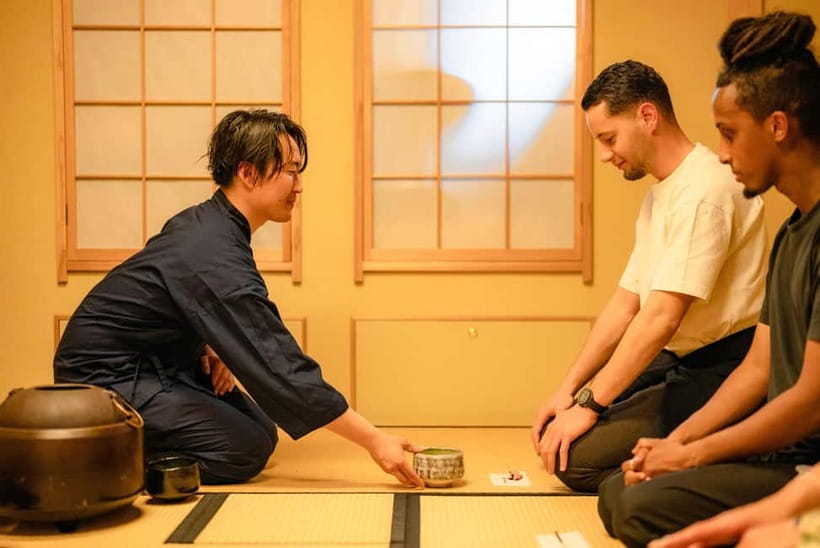
Matcha feels personal in Nara. You step into a 120-year-old farmhouse for a calm, master-led tea ceremony with a small group focus on etiquette and hands-on matcha whisking.
I really like the tasting step, you sample single-origin matcha from Nara and compare flavors so you can spot your favorite style.
One possible drawback is the tight schedule, this is just 1 hour, so it is not the long, drawn-out, all-day style of tea outing.
In This Review
- Key highlights worth knowing before you go
- A 120-Year-Old Nara Farmhouse Makes the Tea Feel Real
- Tea Etiquette, History, and Tools, Explained in Plain Human Terms
- Your Hands-On Matcha Practice, Bowl by Bowl
- Compare Single-Origin Matcha from Nara and Find Your Favorite
- Seasonal Wagashi Pairings That Teach You the Balance
- What Makes the $46 Price Feel Fair in One Hour
- Timing, Finding the House, and What to Expect on Arrival
- Who Should Book This Nara Matcha Masterclass
- Extra local help you might get from your tea master
- Should You Book This Nara Authentic Tea Ceremony?
- FAQ
- How long is the tea ceremony and matcha making session?
- What is the price per person?
- How many people are in the group?
- What languages do the instructors speak?
- Is matcha making included, or is it only tasting?
- Are wagashi included?
- What is the cancellation policy?
- Is there flexibility in payment?
Key highlights worth knowing before you go
- A serene old house setting in Nara that makes the ritual feel grounded, not staged
- Hands-on matcha whisking with coaching as you practice the motions
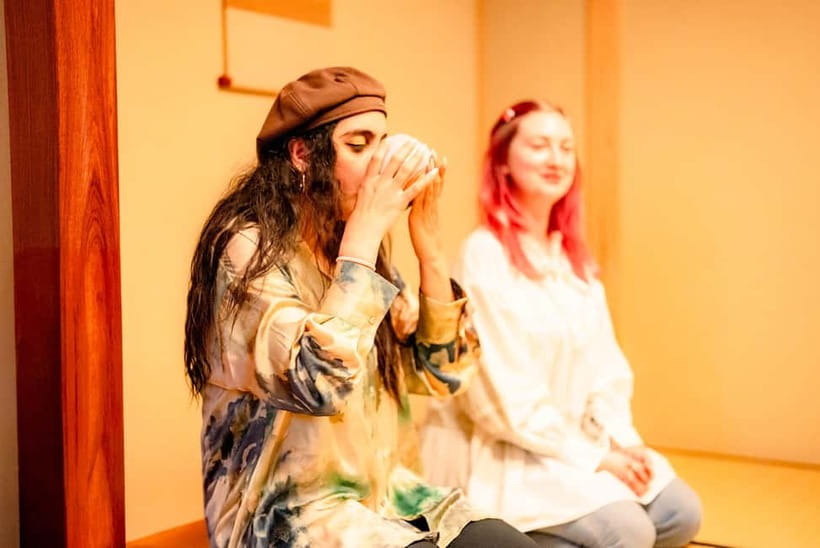
- Tasting and comparing single-origin matcha from Nara to find what fits your taste
- Seasonal wagashi included, served with your tea for a true pairing
- Tea ceremony etiquette and tools explained, so you understand what you are doing
- English and Japanese guidance, plus helpful local food and matcha shopping tips in many sessions
Sit down somewhere quieter. Other tea rooms we booked
- World Heritage Kyoto & Nara Uji Authentic Matcha Experience
★ 5.0 · 1,573 reviews - Nara:Authentic Tea Ceremony(Max 5 ppl) -Master Matcha Making
★ 5.0 · 119 reviews - Nara:5 Type of Tea Tasting & Mindful Tea Ceremony
★ 5.0 · 28 reviews
A 120-Year-Old Nara Farmhouse Makes the Tea Feel Real
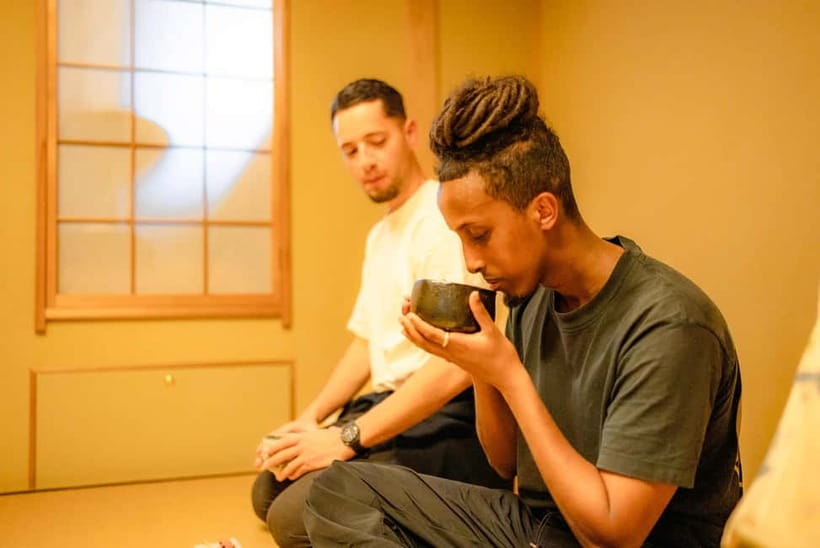
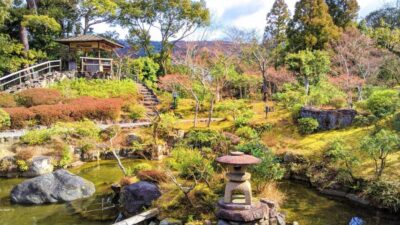
This experience starts with the setting, and it matters. You are not in a bright classroom or a retail shop. You are in a traditional Japanese house that is described as about 120 years old, where the quiet pace of a tea ceremony actually makes sense.
The atmosphere is part of the value. Tea ceremony is slow by design, with small steps that only feel meaningful when the space supports it. In this farmhouse-style environment, you tend to hear less, rush less, and notice more, like how the tools sit ready on the table and how the host guides the pace without speed-walking you through it.
For many visitors, the other big plus is that it does not feel crowded. The group is limited, max 5 in the description and limited to 6 participants. Translation: you are more likely to get clear attention while learning and practicing.
Tea Etiquette, History, and Tools, Explained in Plain Human Terms
The tea master does more than hand you a bowl and say good luck. You get an overview of how tea ceremonies developed, along with basic etiquette and the traditional utensils you will use.
What I like about this approach is that it gives you a mental map. When you know what the tools are for and why each step exists, you can enjoy the ritual instead of just memorizing actions. And because the session is short, you get the essentials without getting lost in lecture mode.
You are guided in English and Japanese, so you can follow the key meaning even if your Japanese is basic. From the booking feedback, the hosts tend to answer questions as you go, which is ideal for first-timers who want to understand what they are seeing.
Hosts you might meet in prior bookings include Kurabi, Hasumi, Mike (sometimes written Mike-San), Mark, and Tate. That range can be comforting because it signals this is not a one-size-fits-all script. You are more likely to get a human conversation layered on top of the formal steps.
Your Hands-On Matcha Practice, Bowl by Bowl
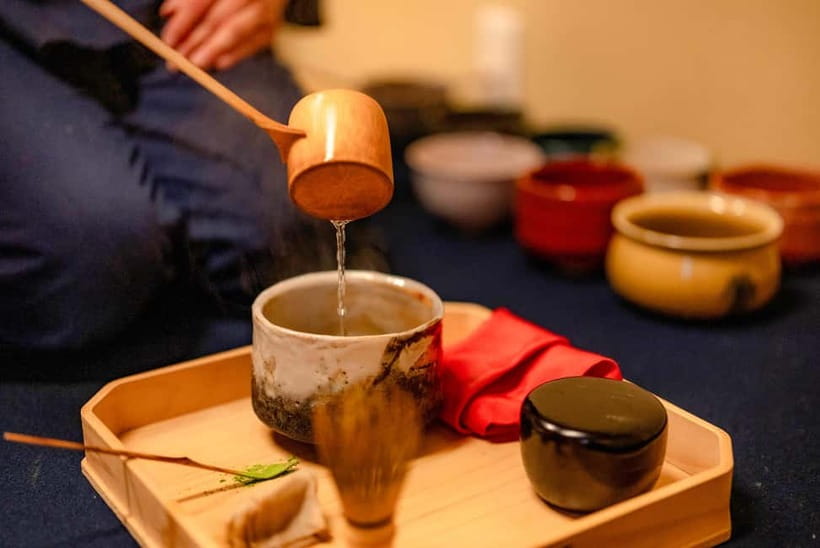
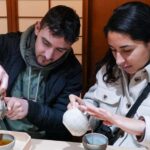
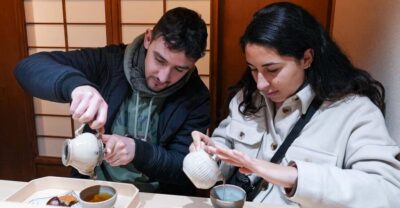
This is a matcha making session, not just a tasting. After the host introduces the tools and the flow of the ceremony, you move into practice, whisking your own matcha under instruction.
The standout part here is the coaching. Multiple bookings mention personalized tips to improve whisking technique, like how to get a smoother, more creamy result in the bowl. That matters because matcha quality is only half the story. The other half is technique, especially how you whisk and how quickly you integrate the powder with the right movement.
In practical terms, you should go in expecting a few tries. You will get the basic motions, then you practice. It is not about doing it perfectly on your first attempt. It is about learning the why and then applying it right away, while your instructor can correct your form.
If you are a visual learner, this format helps because you can watch the host demonstrate the sequence, then copy it. If you are an anxious learner, it helps even more, because small-group size means your questions do not get swallowed by the room noise.
A half day in Nara goes several ways
- Nara Half Day Trip Walking Tour (Private Option Available)★ 5.0 · 937 reviews
- Nara Early Morning Tour (Kyoto or Osaka Departure Available)★ 5.0 · 676 reviews
- Kyoto/Osaka: Kinkakuji, Bamboo Forest, and Nara Deer Park★ 4.4 · 265 reviews
- Nara 6hr Private Tour with Government-Licensed Guide★ 5.0 · 219 reviews
- E-Bike Nara Highlights – Todaiji, Knives, Deer, Shrine★ 4.8 · 186 reviews
Compare Single-Origin Matcha from Nara and Find Your Favorite
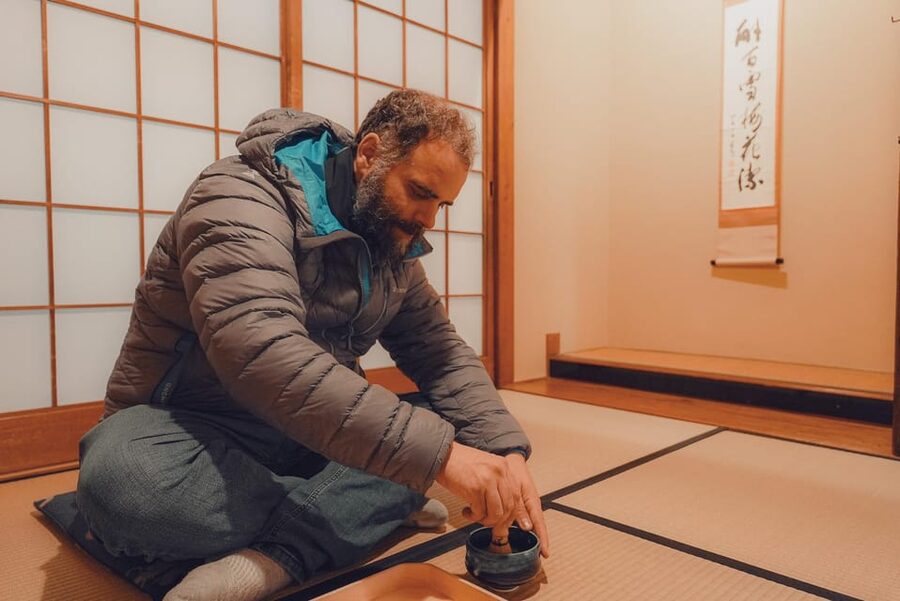
You get more than one cup conceptually, because the experience is described around tasting and comparing. The highlight specifically calls out sampling single-origin matcha from Nara so you can identify what you like.
This is a smart idea for you if you have ever wondered why matcha tastes different from one place to another. Single-origin matcha gives you a clearer baseline. You are not guessing whether your favorite cup comes down to storage, brand blends, or different sourcing. You are tasting within the same regional direction and learning what changes in flavor you notice.
From the feedback, hosts also sometimes go beyond the basics. One booking notes the host suggested extra matcha from Uji. That is useful context because Uji is widely associated with high-quality tea cultivation. If your host brings in an extra comparison, treat it like a bonus tasting lesson. The main goal remains the Nara-centered comparison included in the experience.
When you finish, you should leave with a better sense of your matcha preferences, like whether you prefer something more mellow versus more assertive, or whether you like a stronger tea profile when paired with sweets.
Seasonal Wagashi Pairings That Teach You the Balance
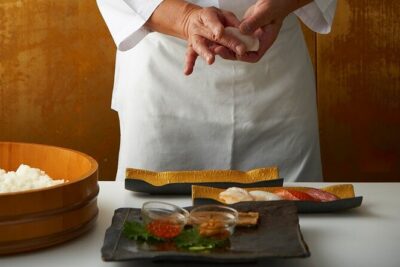
Wagashi are included, and they are not an afterthought. You eat seasonal traditional Japanese sweets alongside your tea, which turns the ceremony into a real flavor lesson.
Why this matters: matcha can be intense on its own. Wagashi help soften or redirect the experience, so the tea tastes different than it does alone. You start to learn how Japanese sweets are designed to complement the tea, not compete with it.
The experience description says wagashi are served with your matcha, and bookings back up that the sweets are part of the enjoyment. If you are someone who normally skips sweets, this pairing can still be worthwhile because it is not random candy. It is chosen to sit next to the tea in the ritual.
Practical note: since the wagashi are traditional and seasonal, the exact sweets can vary. If you have dietary restrictions, you will want to check ahead with the provider, because the session data you have here does not list specific ingredients.
What Makes the $46 Price Feel Fair in One Hour
At $46 per person for 1 hour, this is not a budget activity. But for the value you get, it often makes sense.
Here is what you are paying for, and why it is worth weighing:
- A tea master’s time for instruction and coaching, not just a self-guided tasting
- Hands-on matcha making, including the tools and teaching needed to practice
- Matcha tasting and comparison, including the focus on Nara single-origin
- Wagashi included, so you are not paying extra for the sweet pairing
- Etiquette and tool explanation, which is the part that turns sipping into understanding
For first-timers, that instruction can be the difference between drinking matcha and learning how to appreciate it. If you later buy matcha, you will likely notice flavors more clearly and whisk better at home, since you practiced during the session.
If you are traveling as a couple or a small group, the limited group size also pushes the experience closer to private attention than you would get in larger classes. Some bookings even describe it as one-on-one in practice, which is where the value can feel especially strong.
If you want a long day of activities or a cheaper eat-and-drink stop, you might find the hour short. But for a focused cultural skill, you are paying for time with a master, not just tea.
Timing, Finding the House, and What to Expect on Arrival
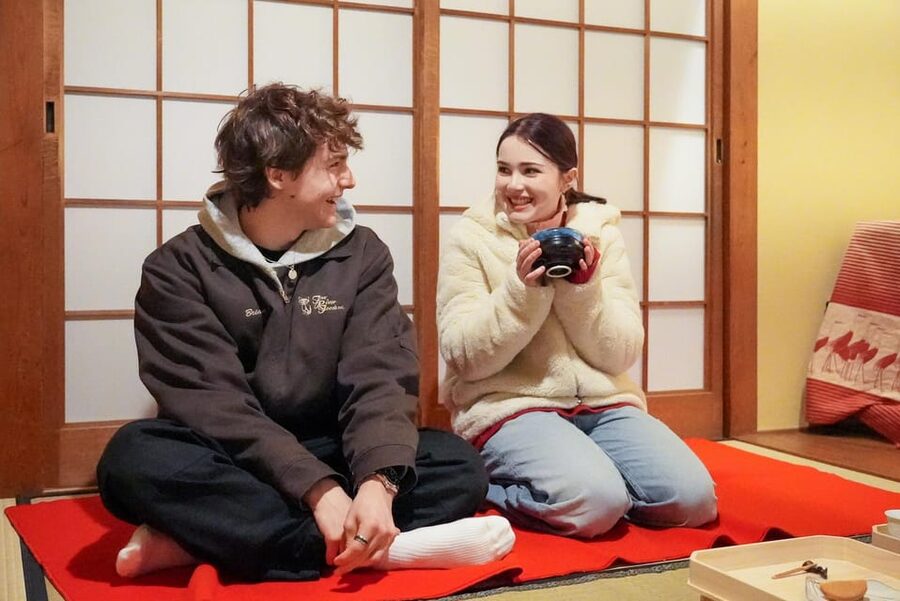
The session lasts 1 hour, with available start times based on availability. Plan to arrive a little early so you do not feel rushed while meeting the host.
One recurring detail in bookings: there can be a short walk from the station area to the farmhouse-style guesthouse. A few minutes on foot is common in central neighborhoods, and in one booking the host even called via WhatsApp when the meeting spot was hard to find due to clothing colors.
So, my practical advice:
- Have your phone ready and your messaging on
- Double-check the meeting point details in advance
- Wear comfortable shoes if you are walking from the station, since you are likely dealing with uneven neighborhood surfaces
Once you are inside, expect a calm pace. This is not a fast group tour with constant camera stops. The whole point is to slow down enough to learn the motions and taste carefully.
Who Should Book This Nara Matcha Masterclass
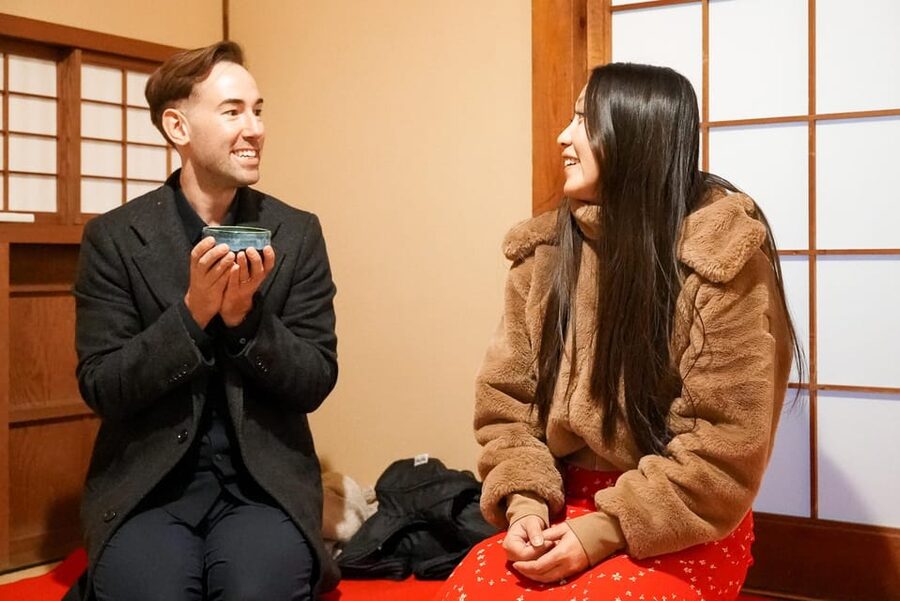
This fits best if you:
- Want a real tea ceremony experience rather than a quick drink stop
- Are curious about matcha beyond flavor, including etiquette and tools
- Like hands-on learning where you practice during the session
- Appreciate local culture and want something quieter to balance out big temple days
It is also a good choice if you enjoy food pairing experiences, since the wagashi component turns it into a small guided tasting lesson.
If your goal is purely spectacle, like lots of photos and fast entertainment, you might find the style too calm. But if you enjoy calm travel moments and you like learning one craft step-by-step, you will likely enjoy the focus.
Extra local help you might get from your tea master
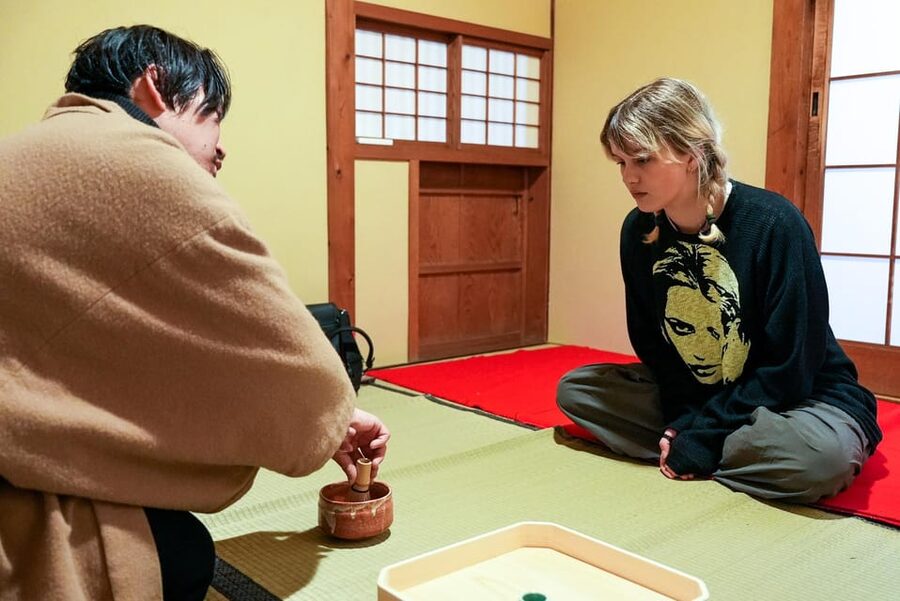
One of the nicest “travel bonus” parts shows up in many bookings: after the ceremony, the host often offers recommendations for what to eat and where to go next.
Examples from past sessions include guidance for:
- Restaurants in Nara
- Matcha cafés and places to buy matcha
- Sake stores
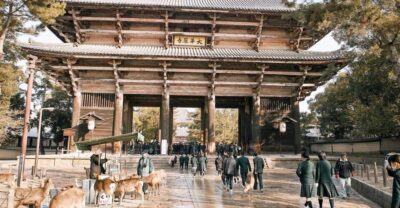
- Even practical help like transit assistance toward the next stop, in one case helping get on the bus to Nara deer park
Some hosts also helped with restaurant planning like making a reservation. That is not guaranteed every time, but it is a consistent theme. If you ask smart questions at the end, you can turn a 1-hour tea lesson into a smoother rest-of-day plan.
Should You Book This Nara Authentic Tea Ceremony?
Yes, I think you should book it if you match the vibe. This is a short, focused session that trades speed for attention. For $46, the value is strongest when you care about learning matcha technique, understanding tea ceremony etiquette, and tasting Nara single-origin matcha with wagashi.
Book it if you want:
- A calm break from the busier parts of Japan
- A hands-on skill you can try at home
- A cultural experience that feels small and personal
Skip it if:
- You want a long multi-hour program
- You dislike structured instruction and prefer purely casual dining
Final tip before you commit: since you are learning whisking technique, go in with a beginner mindset. Ask questions while you practice. You will get more out of the hour, and you will be more likely to bring home matcha habits you actually use.
FAQ
How long is the tea ceremony and matcha making session?
The experience runs for 1 hour.
What is the price per person?
The price is listed as $46 per person.
How many people are in the group?
The experience is limited to small groups. It is described as max 5 people, and also stated as limited to 6 participants.
What languages do the instructors speak?
The instructor can guide in English and Japanese.
Is matcha making included, or is it only tasting?
Matcha preparation and serving are included, and you get hands-on practice with personalized feedback.
Are wagashi included?
Yes, seasonal traditional Japanese wagashi are included with the tea.
What is the cancellation policy?
Free cancellation is available up to 24 hours in advance for a full refund.
Is there flexibility in payment?
Yes, you can reserve now and pay later, keeping travel plans flexible.
Half a Day in Nara


Kyoto by the Bowl
Newest Nara write-ups from the Loving Japan desk

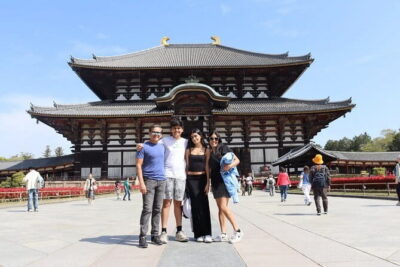
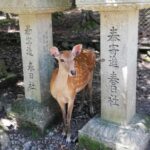
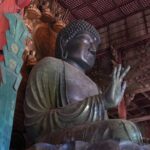
Nara Deer Park and Todai-ji, side by side.
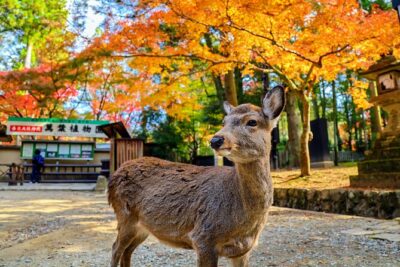 ★ 5.0World Heritage Kyoto & Nara Uji Authentic Matcha ExperienceFrom $1291,573 reviews
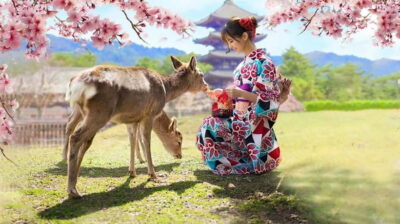 ★ 4.7Kyoto/Osaka: Nara, Fushimi Inari Taisha, Arashiyama Bus TourFrom $521,275 reviews
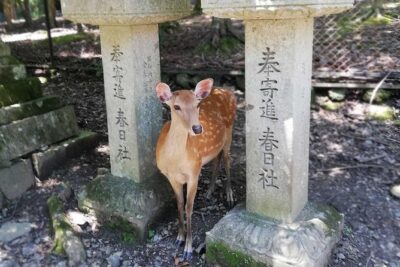 ★ 5.0Nara Half Day Trip Walking Tour (Private Option Available)From $105937 reviews
 ★ 4.4Osaka/Kyoto: Arashiyama, Nara & Fushimi Inari Shrine w/LunchFrom $61754 reviews
 ★ 5.0Nara Early Morning Tour (Kyoto or Osaka Departure Available)From $61676 reviews
 ★ 4.5Kyoto and Nara Day Trip from KyotoFrom $194445 reviews
 ★ 5.0Full Day Guided Tour to Kyoto and Nara from Osaka by VanFrom $106420 reviews
 ★ 4.5Nara Afternoon Tour from Kyoto or OsakaFrom $102390 reviews
Filed on these lists too