
REVIEW · NARA DEER PARK AND TODAI-JI
Nara:5 Type of Tea Tasting & Mindful Tea Ceremony
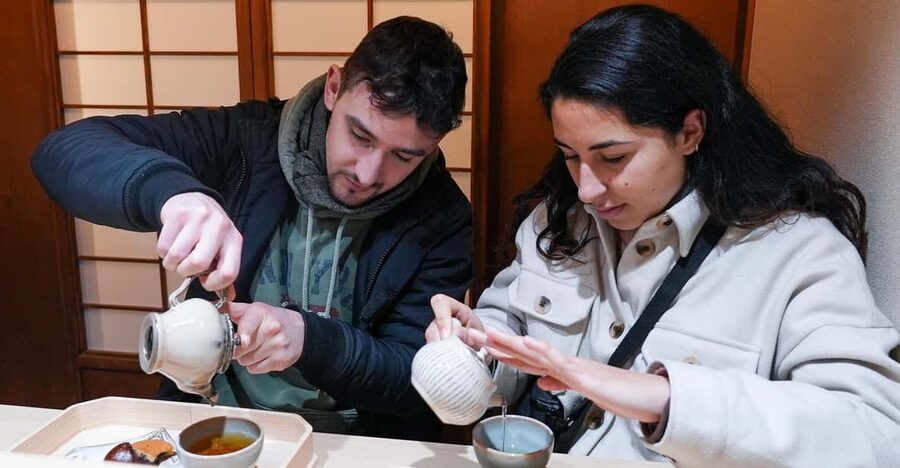
Tea time can be this quiet. In Nara, you get a renovated traditional Japanese house setting and private one-on-one guidance, so the whole experience feels calm and personal instead of scripted. I especially like the way the tea master slows everything down, then explains what you are tasting in plain language.
I also like the five-tea tasting flight paired with hands-on matcha practice, because you learn by doing, not just listening. One drawback to consider: you should be ready to sit on the floor and move at a slow pace, since this is a traditional ceremony format, not a quick walking tour.
In This Review
- Key Things To Know Before You Go
- Entering a Traditional Nara Tea Room Without the Rush
- The Five-Tea Flight: How to Taste Like You Mean It
- Your Matcha Session: Whisking With Feedback
- The Tea Ceremony Lesson: Etiquette and Meaning, Not Theater
- Wagashi Pairings: The Sweet Counterpoint
- What the 90 Minutes Actually Feels Like
- Is It Worth $61? A Value Check That Actually Helps
- Who This Tea Tasting and Mindful Ceremony Suits Best
- A Few Practical Tips That Make It Go Smoother
- Should You Book This Nara Tea Ceremony?
- FAQ
- What is included in the Nara tea tasting and mindful tea ceremony?
- How long does the experience last?
- Is the instruction private or group-based?
- What language is the instruction in?
- Is this experience wheelchair accessible?
- Is it suitable for children or pregnant women?
- What cancellation and payment options are available?
Key Things To Know Before You Go
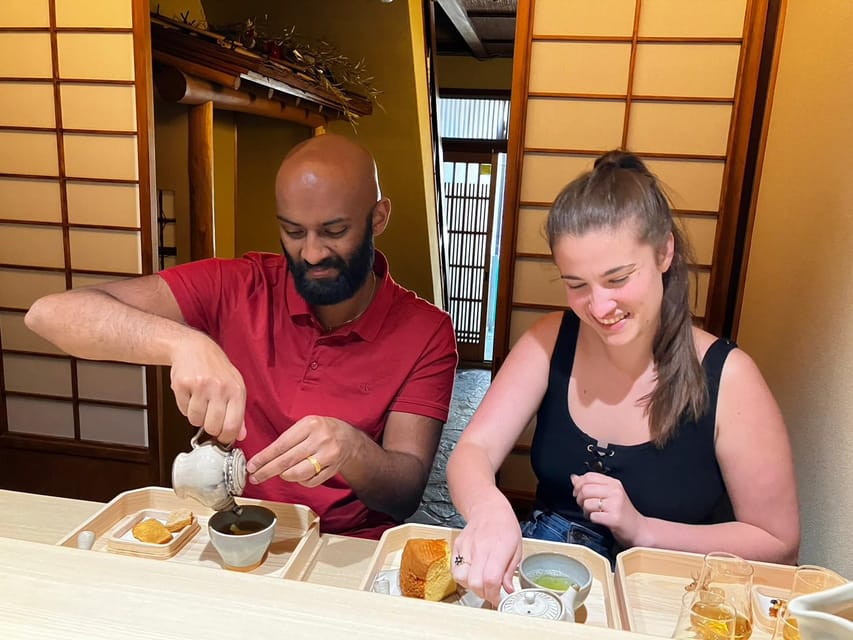
- A tea room inside a very old Japanese house, with a peaceful garden feel that makes it easier to focus
- Five locally sourced teas from Nara, so you taste variety first, then ceremony comes next
- Hands-on matcha whisking, with personalized feedback on technique and pacing
- A formal ceremony lesson covering tools, etiquette, and the meaning behind the steps
- Seasonal wagashi sweets served to match your tea, not as an afterthought
- English instruction in a private setting, so you can ask travel questions alongside tea tips
Sit down somewhere quieter. Other tea rooms we booked
- World Heritage Kyoto & Nara Uji Authentic Matcha Experience
★ 5.0 · 1,573 reviews - Nara:Authentic Tea Ceremony(Max 5 ppl) -Master Matcha Making
★ 5.0 · 119 reviews - Nara:5 Type of Tea Tasting & Mindful Tea Ceremony
★ 5.0 · 28 reviews
Entering a Traditional Nara Tea Room Without the Rush
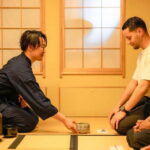
Nara is a great base for culture, but this is the rare experience that slows you down instead of squeezing in one more sight. You spend 90 minutes in a serene tea room inside a renovated traditional Japanese house, where the vibe is quiet and dignified, and your tea master keeps the pace steady.
I like that the atmosphere does real work for the experience. When you are in a calm room, it becomes easier to notice the difference between the teas you are tasting. And when the instruction is one-on-one, you do not feel lost when your questions pop up.
The setting matters. In the past, hosts like Mike have welcomed small groups into older wooden homes with garden views, which helps the ceremony feel like something belonging to the place, not just something staged for tourists. If you tend to get restless, plan ahead for sitting still.
The Five-Tea Flight: How to Taste Like You Mean It
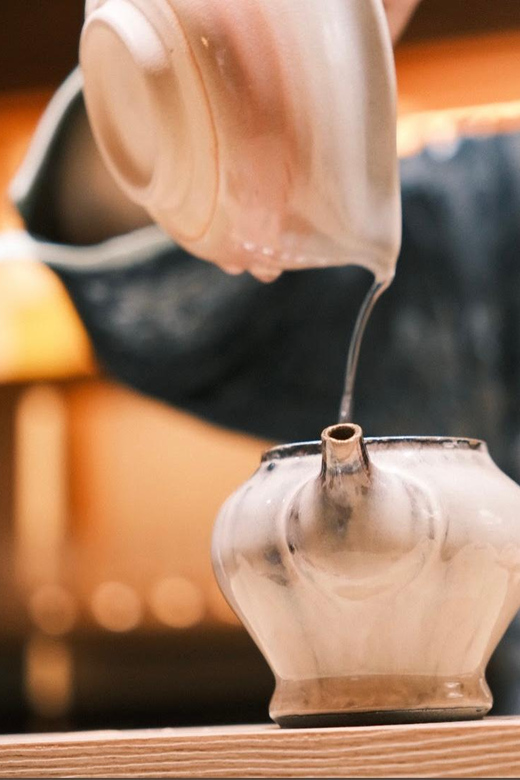
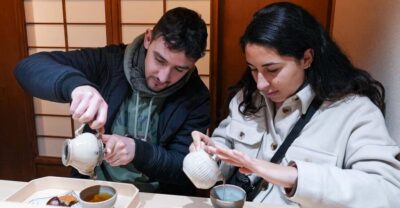
This experience is built around a structured tasting: you sample five teas chosen by your tea master, then you pick a favorite for a special pot-brewed serving. That simple flow is smart, because it teaches your palate in layers.
You start with a range of Japanese teas, including matcha with its fresh aroma and roasted, mellower options that show up when tea is treated differently. You will learn what changes when a tea is processed a certain way, and you will hear which qualities to look for, like aroma, bitterness, body, and the way the finish lingers.
What I like here is that you are not just collecting drinks. You are practicing attention. Between pours, you get time to compare. Then, when you choose your favorite, the host brings it out again in a different way, using pot-brewing to show how preparation changes the cup.
If you are a coffee person, do not worry. The goal is not to force you to become a tea snob. It is to help you find what you genuinely enjoy. Several people leave the session with at least one go-to tea they want to buy later.
Your Matcha Session: Whisking With Feedback
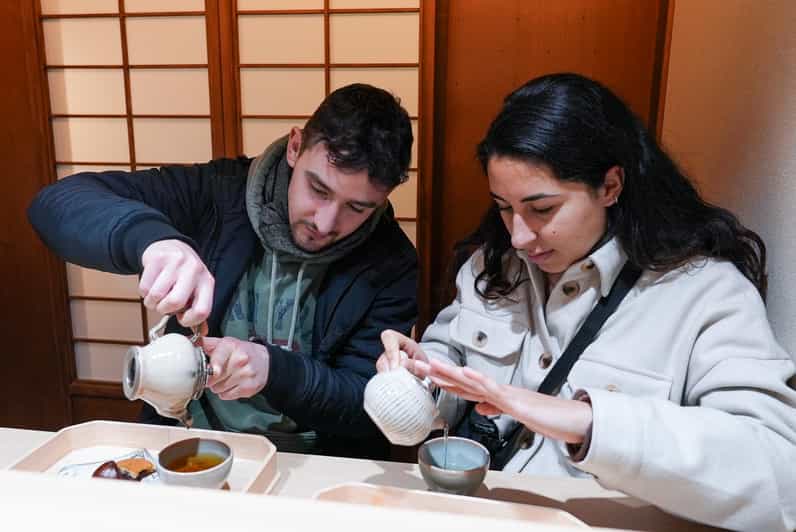
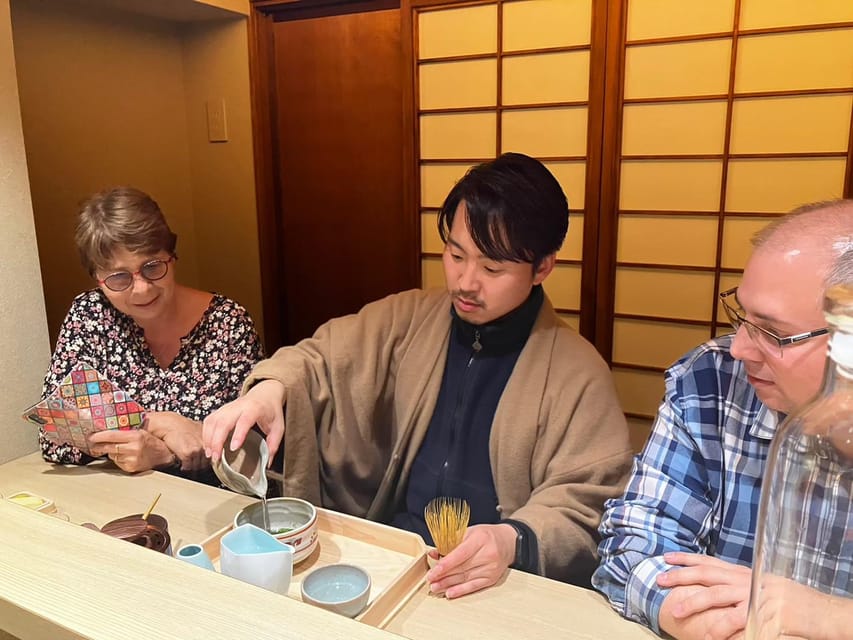
After the tasting, you move into matcha practice, guided by the tea master. You will whisk your own matcha during the ceremony portion, and you get personalized feedback on how you are doing it.
This is where the whole experience turns from interesting into memorable. Matcha is not just about flavor, it is also texture and aroma. Whisking properly affects how smooth the drink is and how the surface looks, which then changes the overall taste experience.
You also learn about the tools. One highlight that many people remember is hearing about bamboo tea whisk craft, since the whisk is central to the process. When your teacher talks through how the bamboo whisk is made and why it matters, it is easier to understand why the ceremony takes the steps it does.
Practical tip: keep your movements controlled and unhurried. If you rush, the matcha does not behave the way you want. Even if you feel awkward at first, the whole point is that someone is watching, correcting, and coaching in real time.
A half day in Nara goes several ways
- Nara Half Day Trip Walking Tour (Private Option Available)★ 5.0 · 937 reviews
- Nara Early Morning Tour (Kyoto or Osaka Departure Available)★ 5.0 · 676 reviews
- Kyoto/Osaka: Kinkakuji, Bamboo Forest, and Nara Deer Park★ 4.4 · 265 reviews
- Nara 6hr Private Tour with Government-Licensed Guide★ 5.0 · 219 reviews
- E-Bike Nara Highlights – Todaiji, Knives, Deer, Shrine★ 4.8 · 186 reviews
The Tea Ceremony Lesson: Etiquette and Meaning, Not Theater
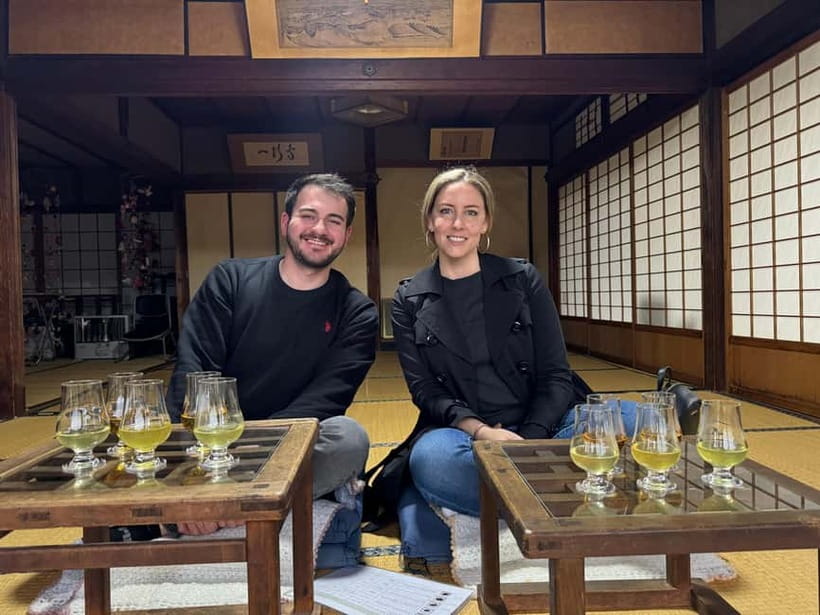
Once you start the ceremony, you are guided through tradition: the tools, the etiquette, and the history behind the practice. The tone stays friendly, and the instructions stay clear, which is key for people who want culture but do not want a performance that feels untouchable.
You will notice that the ceremony is structured. It is not random hand motions. Each step has a purpose, and your host explains what to pay attention to as you go.
Here is what makes this part useful for you on the trip. When you understand why the gestures are done, you start seeing Japanese tea culture in the real world, not just in an indoor room. Later, if you visit a tea shop or attend a small tea-related moment in Nara or elsewhere, you will recognize what is going on.
Also, this is the moment when travel-friendly conversation often happens. Your host can share local insight for your Japan days beyond tea, including pointers on places to visit while you are in the country. It is a nice bonus because it turns a 90-minute class into real trip help.
Wagashi Pairings: The Sweet Counterpoint
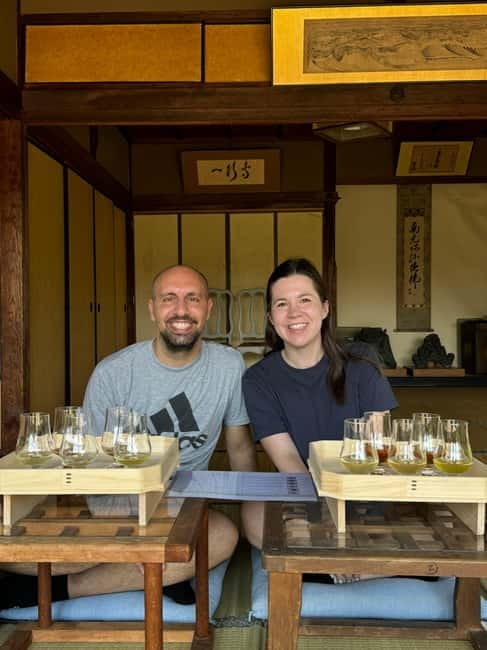
Between the tea and matcha moments, you finish with seasonal wagashi, traditional Japanese sweets designed to complement the tea. Included in the experience are two kinds of sweets.
Wagashi matters because it changes how you experience flavor. Tea and sweets have a push-pull relationship, and good pairings can balance bitterness, highlight aroma, or soften the finish. Even if you are not a sweets person, this part helps you understand why tea ceremonies include food.
Seasonal wagashi also gives you a sense of timing. You are tasting something tied to the current cycle rather than a generic snack that could show up any day of the year. That is one reason the room feels special in the moment.
What the 90 Minutes Actually Feels Like
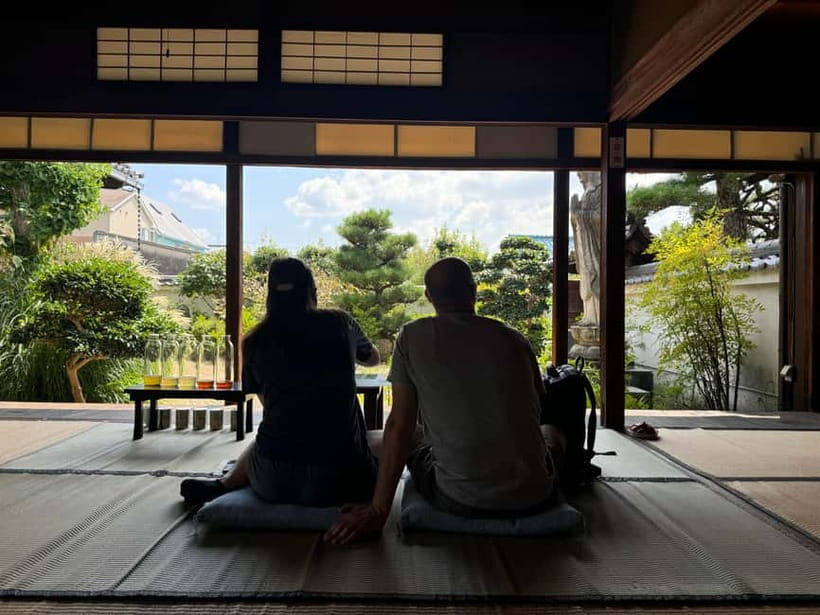
The total duration is listed as 90 minutes. In practice, the ceremony style means you should expect a calm pace with time to settle in and pay attention. One person noted the session feeling closer to about two hours, which makes sense when you include hands-on matcha and a full etiquette walkthrough.
So plan your schedule like it is a small ritual, not like a quick appointment. If you booked back-to-back sightseeing, you might feel rushed. If you build in breathing room, the experience lands the way it is supposed to.
Also note the location setup. This is a traditional house experience, so you will need to be comfortable moving to the tea room and sitting on the floor for a sustained period. That does not mean it is difficult, but it does mean you should not plan on standing and filming the entire time.
Is It Worth $61? A Value Check That Actually Helps
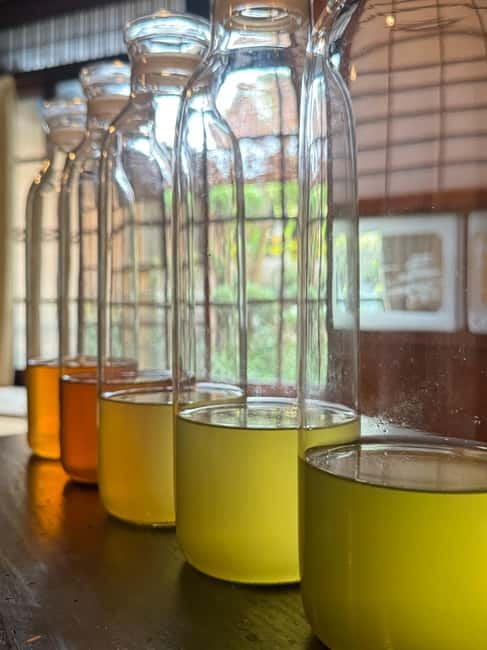
At $61 per person for a 90-minute private session, the price can look steep if you compare it to standard museum entry fees. But tea tasting with a tea master is more like a mini class. You are paying for instruction, a private setting, and multiple tailored tastings plus wagashi.
Here is why I think it is good value if you like hands-on cultural experiences:
- You get five teas chosen for learning, not just a random assortment.
- You whisk matcha yourself, with real feedback, which is hard to replicate on your own.
- You get a guided ceremony lesson covering etiquette and tools, so you leave with understanding, not just photos.
- Wagashi is included, so the pairing experience is complete rather than tacked on.
If you are the type who wants to sprint between landmarks, this may feel like it costs too much for how quiet it is. But if you care about quality and attention, the small-group feel and the direct guidance make the money feel reasonable.
One more angle: this kind of tea learning is something you can reuse. Once you can recognize the differences in matcha versus roasted teas, you can order more confidently later, whether in Nara, Kyoto, or Tokyo.
Who This Tea Tasting and Mindful Ceremony Suits Best
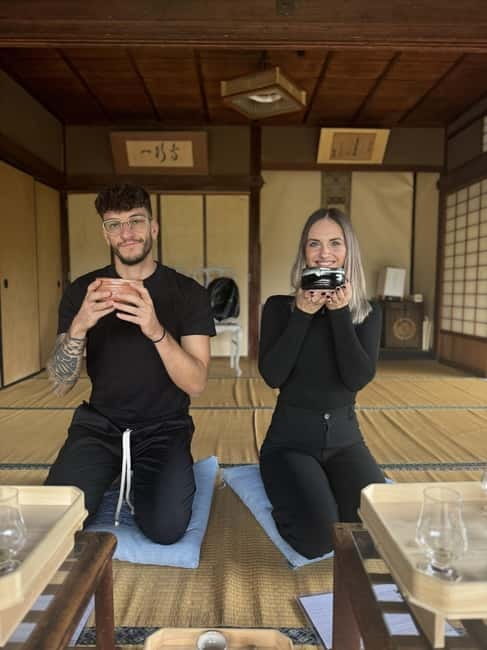
This experience fits best if you want a cultural activity that is calm, focused, and interactive. It is offered with English instruction and runs as a private group experience with one-on-one teaching time.
It is not suitable for children under 12, and it is not suitable for pregnant women, based on the activity guidelines. If either of these applies, you should skip this one and look for another Nara cultural option.
It also suits people who are curious but not overly serious. You can be new to tea and still leave feeling confident about what you liked and why. Even coffee drinkers often find the aroma and gentle range of Japanese tea surprisingly approachable once the host guides the tasting.
And if you are traveling with anyone who likes small, respectful experiences over big crowds, this is a strong pick. The format naturally creates conversation without turning it into noise.
A Few Practical Tips That Make It Go Smoother
You will do better if you arrive ready to slow down. Bring curiosity, not a checklist mood.
Try to think of it as three phases:
- Tasting and choosing a favorite tea
- Matcha whisking with coaching
- Ceremony etiquette with guided attention, followed by wagashi
Also, if you know you have mobility limits, consider comfort with floor-sitting. The activity notes wheelchair accessibility, which is helpful, but it still helps to check what floor comfort and movement look like for your body before you commit.
Finally, come with at least a couple of questions. Tea masters tend to enjoy explaining the small details, like why a whisk matters or what makes a brewed cup taste different from the same tea prepared another way. Those are the moments that make the time feel worth it.
Should You Book This Nara Tea Ceremony?
Book this if you want an authentic Nara experience that feels respectful and quiet, and you like learning through your senses. The combination of five tea tastings, hands-on matcha practice, a guided ceremony lesson, and included seasonal wagashi is a strong package for the price.
Skip it if you hate sitting still, you want a high-energy walking tour, or you need an activity designed for fast movement. Also skip if you fall into the activity’s stated limitations, like children under 12 or pregnancy.
If your trip to Nara has room for one gentle cultural moment, this is a great choice. It is the kind of experience that gives you more than a memory. It gives you a new way to order and taste tea long after you leave Japan.
FAQ
What is included in the Nara tea tasting and mindful tea ceremony?
You get 5 kinds of Japanese tea and 2 kinds of Japanese sweets (seasonal wagashi).
How long does the experience last?
The experience duration is 90 minutes.
Is the instruction private or group-based?
It is a private group experience with private one-on-one instruction from a tea master.
What language is the instruction in?
The instructor provides instruction in English.
Is this experience wheelchair accessible?
Yes, it is listed as wheelchair accessible.
Is it suitable for children or pregnant women?
It is not suitable for children under 12, and it is not suitable for pregnant women.
What cancellation and payment options are available?
You can cancel up to 24 hours in advance for a full refund, and you can reserve now and pay later (pay nothing today).
Half a Day in Nara



Kyoto by the Bowl
Newest Nara write-ups from the Loving Japan desk

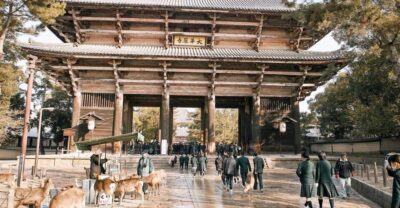
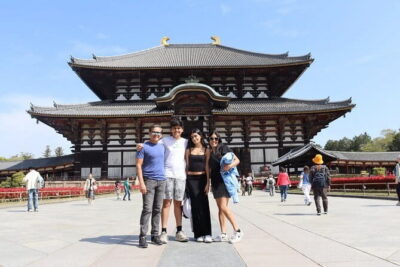
Nara Deer Park and Todai-ji, side by side.
 ★ 5.0World Heritage Kyoto & Nara Uji Authentic Matcha ExperienceFrom $1291,573 reviews
 ★ 4.7Kyoto/Osaka: Nara, Fushimi Inari Taisha, Arashiyama Bus TourFrom $521,275 reviews
 ★ 5.0Nara Half Day Trip Walking Tour (Private Option Available)From $105937 reviews
 ★ 4.4Osaka/Kyoto: Arashiyama, Nara & Fushimi Inari Shrine w/LunchFrom $61754 reviews
 ★ 5.0Nara Early Morning Tour (Kyoto or Osaka Departure Available)From $61676 reviews
 ★ 4.5Kyoto and Nara Day Trip from KyotoFrom $194445 reviews
 ★ 5.0Full Day Guided Tour to Kyoto and Nara from Osaka by VanFrom $106420 reviews
 ★ 4.5Nara Afternoon Tour from Kyoto or OsakaFrom $102390 reviews
Filed on these lists too