
REVIEW · JAPANESE COOKING CLASSES
Osaka: Sushi Making in Spacious Studio (SAME-DAY OK!)
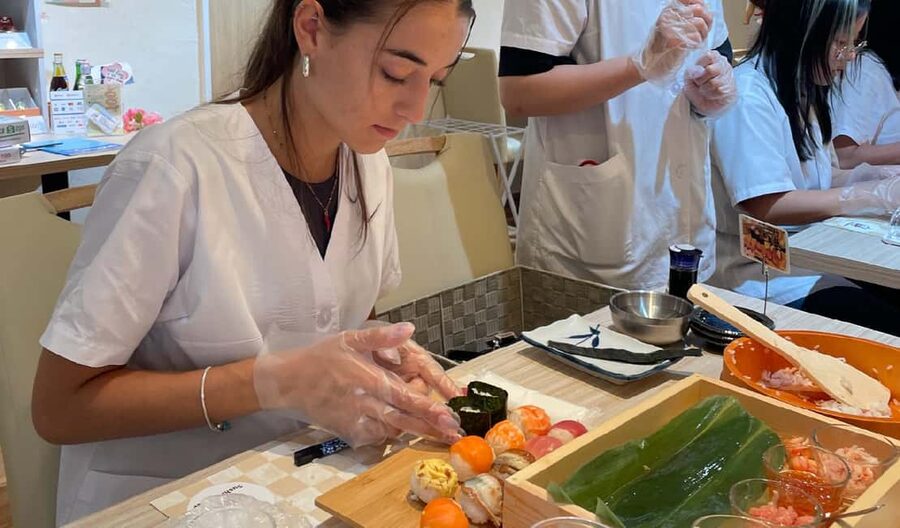
Sushi making in Osaka gets hands-on fast. This 90-minute class in Namba turns you from sushi watcher into sushi maker, with an English-speaking instructor guiding your hands, your rice, and your plate. I love that you make sushi you can eat right away, and you finish with a Sushi Master certificate plus a small souvenir.
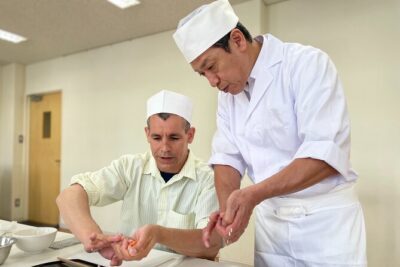
The best part for me is the way the lesson is built around doing, not just watching. Seina, Naho, Tsuki, and Aki (you might get one of these instructors) show the steps clearly in English, and the atmosphere feels welcoming and organized in a spacious studio. It also helps that the class is close to Namba Station, so you can fit it into a busy day without stress.
One thing to plan for: drinks are not included, and you cannot bring outside food or drinks. If you have allergies, tell the team in advance so they can guide you.
In This Review
- Key highlights you will actually care about
- Sushi Master Namba, Osaka: The big idea in 90 minutes
- Finding the studio near Namba Station (Orange building, 2nd floor)
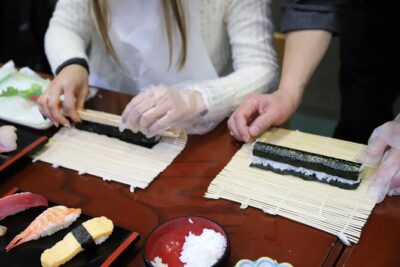
- Inside the class: Your workflow, from rice to assembled sushi
- What sushi pieces you’ll make (and why nigiri and gunkan matter)
- Premium 10 pcs vs Standard 8 pcs: Picking your appetite level
- What you eat and how to think about drinks and sake
- Vegetarian options and allergy safety, without stress
- The instructor factor: Why the teaching style seems to matter
- Classroom comfort, group vibe, and the value of “spacious”
- Price and value: Is $25 a fair deal in Osaka?
- Who should book this sushi class in Namba
- Possible drawbacks to keep in mind before you go
- Should you book Sushi Master Namba? My practical take
- FAQ
- How long is the sushi making class?
- Is the class taught in English?
- How many sushi pieces will I make?
- Are vegetarian options available?
- Are drinks included in the price?
- Where do I meet on arrival?
- Can I cancel for a full refund?
Key highlights you will actually care about
- English instruction with patient, friendly guidance, so you are not guessing at technique
- Hands-on sushi making (from rice to assembling pieces), then eating what you make on the spot
- Two course sizes (standard 8 pcs, premium 10 pcs), so you can choose your level of appetite
- Close to Namba Station, about a 3-minute walk, with a clear meetup spot on the 2nd floor
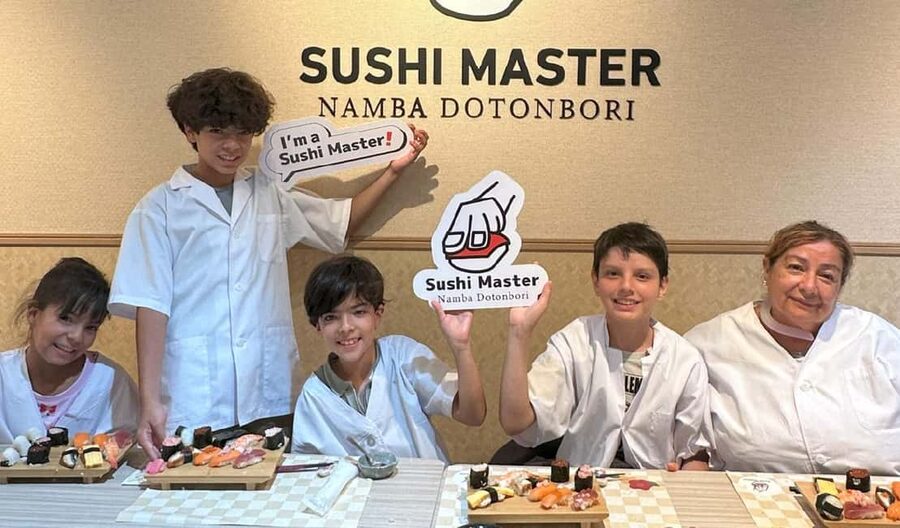
- Certificate and small souvenir at the end, plus options for vegetarians if you message ahead
Cook it yourself instead. Other kitchens in Osaka
- Sushi Making Osaka Roll and Authentic Japanese Sushi Class
★ 5.0 · 1,220 reviews - Osaka Sushi Making Experience
★ 5.0 · 400 reviews - Osaka: Ramen and Gyoza Cooking Class in Dotonbori
★ 5.0 · 378 reviews - Osaka: Sumo Stage Show with Bento or Snack + Fight & Photo
★ 4.3 · 364 reviews
Sushi Master Namba, Osaka: The big idea in 90 minutes
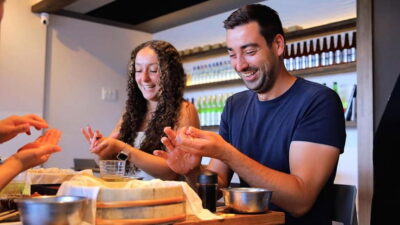
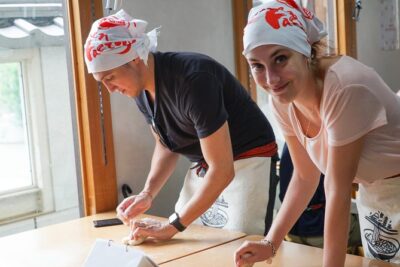
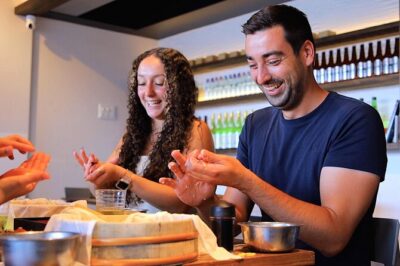
This is a sushi class designed for real people with real schedules. You come in, learn the essentials of sushi rice and assembly, and you leave having made multiple pieces you can eat immediately. No awkward stand-in-the-corner vibe. You are working at your station the whole time.
The class starts with a warm welcome and a quick intro to Japanese food culture in English. That matters because sushi is not just ingredients, it is technique and timing. When you understand why the rice is handled the way it is, your sushi tastes better and looks better, even if you are new.
Finding the studio near Namba Station (Orange building, 2nd floor)
The meetup is simple, once you know what to look for. Search Sushi Master Namba in Google Maps and go on your own. The map listing can be slightly off, so use the building itself as your anchor.
You are looking for the 2nd floor of an orange narrow building. It is about a 3-minute walk from Namba Station, which is a win if you are juggling shopping, food, and transit times.
If you get stuck, the team provided a phone number: 0664848070. Use it early if the route is confusing. Osaka is easy once you have your bearings, and this saves you from circling at street level.
Inside the class: Your workflow, from rice to assembled sushi
The lesson is built like a recipe you can repeat later. Even if you do not speak Japanese, you get a clear flow in English.
What typically happens first:
- a short intro to Japanese food culture and sushi basics
- an overview of the steps, usually with some kind of starting video
- rice work, which is the backbone of good sushi
- then assembling pieces under guidance
Many sessions start with some prep already done, like having the fish toppings and egg or seaweed prepared. That is not a cop-out. It keeps the class on time and helps you focus on the steps that actually change the outcome, like cooling and seasoning the rice and how you shape and place toppings.
Counters and courses we sat at around Osaka
- Osaka: Roll and Authentic Sushi Making Class in Dotonbori★ 4.9 · 239 reviews
- Osaka: Sushi Class in Dotonbori★ 4.9 · 160 reviews
- Osaka Dotonbori: Sushi Making Experience★ 4.9 · 122 reviews
- Osaka: Sushi Making in Spacious Studio (SAME-DAY OK!)★ 5.0 · 75 reviews
- Sushi and Japnese foods cooking class in Osaka★ 5.0 · 51 reviews
What sushi pieces you’ll make (and why nigiri and gunkan matter)
You can expect instruction that includes sushi types like nigiri and gunkan. These are great learning choices because they force you to practice two core skills:
- getting rice texture and stickiness right
- placing toppings with the right coverage and balance
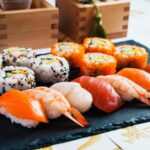
One nice detail is that you do not just assemble one tiny piece. You make a set of pieces, and the portion you leave with is meant to be filling. In other words, you are not doing a “taste-test only” workshop.
Some lessons may also include other sushi styles like temari sushi, which can be fun if you want a different shape and a slightly more playful technique. Even if your session focuses mainly on nigiri and gunkan, the lesson still gives you practical confidence for what to look for when you eat sushi afterward.
Premium 10 pcs vs Standard 8 pcs: Picking your appetite level
You have two options:
- Standard course: 8 pcs
- Premium course: 10 pcs
On paper, it is a small difference. In real life, it changes how much food you get at the end and how satisfied you feel if you are squeezing this into a day with Osaka street food and shopping. If you want this to be your main meal, the premium course often feels more comfortable.
If you are short on time or just want the basics without overbuying, the standard course still gives you a full, hands-on experience.
What you eat and how to think about drinks and sake
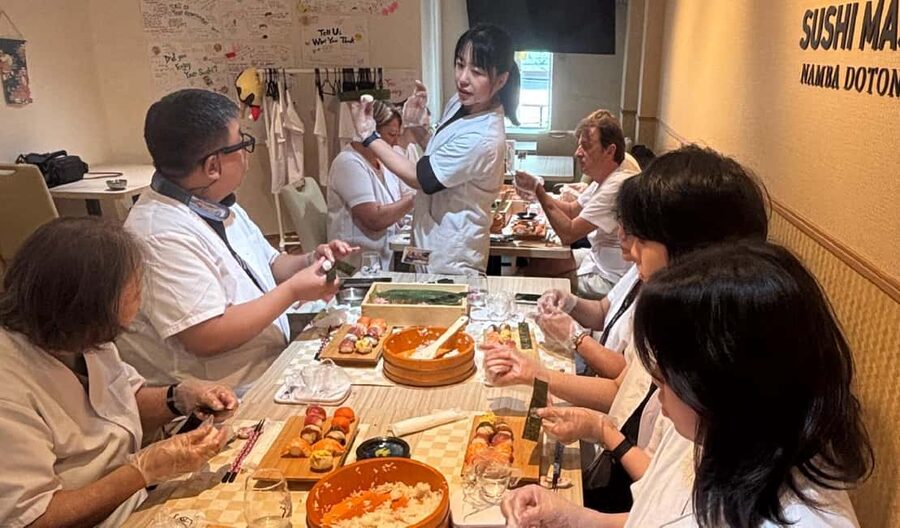
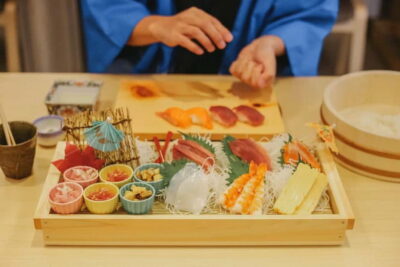
Your meal is the sushi you make. You get sushi ingredients in the class, and you eat your creations at the end (or during the class flow, depending on timing). This is one of those experiences where you leave fed, not just educated.
Drinks are not included, but you can order soft drinks and alcohol during the class. You are also told that carefully selected sake is part of the experience, which is a great way to taste Japanese pairing culture without needing to research it yourself ahead of time.
Practical tip: if you plan to explore Namba afterward, go easy with alcohol. Osaka nights can turn into long nights fast, and you might want your energy for wandering.
Vegetarian options and allergy safety, without stress
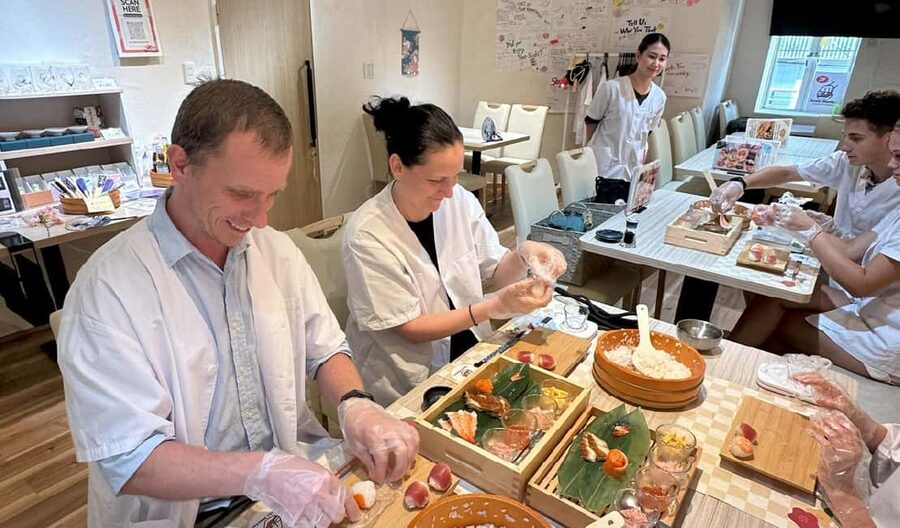
If your group includes vegetarians, the team says they can replace fish toppings with vegetable-based ingredients if you message them in advance. This is exactly how it should work for group meals: you plan ahead, and the class adapts.
Allergies are also something you should flag in advance. The instructions specifically ask you to let them know ahead of time if you have allergies. Since you are handling real ingredients (and seafood may be present in some setups), this is not a “maybe” situation. Give them the details before you arrive.
If you are picky about dietary needs, this class is manageable as long as you communicate early. The studio is set up for instruction, not improvised substitutions.
The instructor factor: Why the teaching style seems to matter
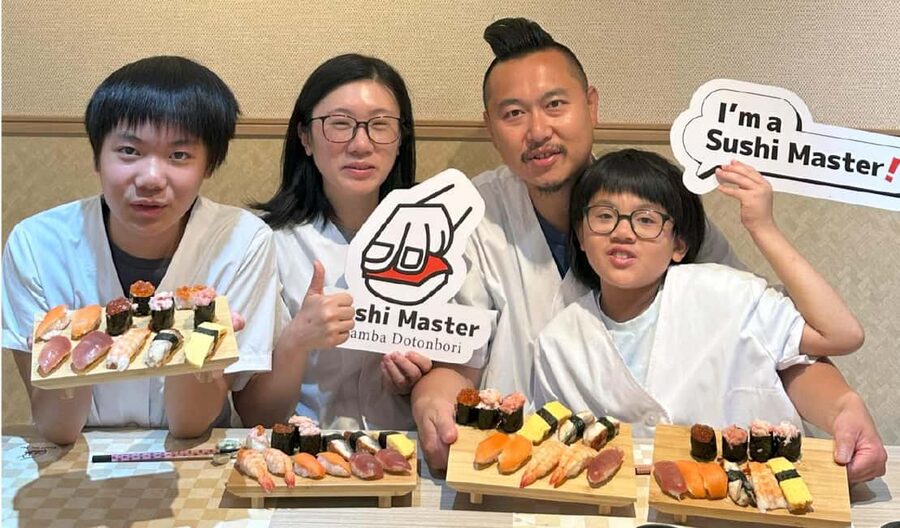
The standout theme is teaching. The class is led by a friendly, English-fluent instructor. Names that show up in the experience include Naho, Matsuri, Tsuki, Seina, and Aki.
What you should take from that, as a decision-maker:
- You are not stuck with language barriers
- The pace is set for comprehension, not speed
- You can ask questions freely, especially if you get confused about rice texture or shaping
Many people also point out that the instructors are patient. That is important because sushi rice is the part most beginners worry about. When the rice is handled with the right cooling and seasoning approach, everything else is easier.
There is also a nice personal touch: photos are welcomed, and you end with a certificate plus a small souvenir. It feels like the class is designed to be memorable, not just functional.
Classroom comfort, group vibe, and the value of “spacious”
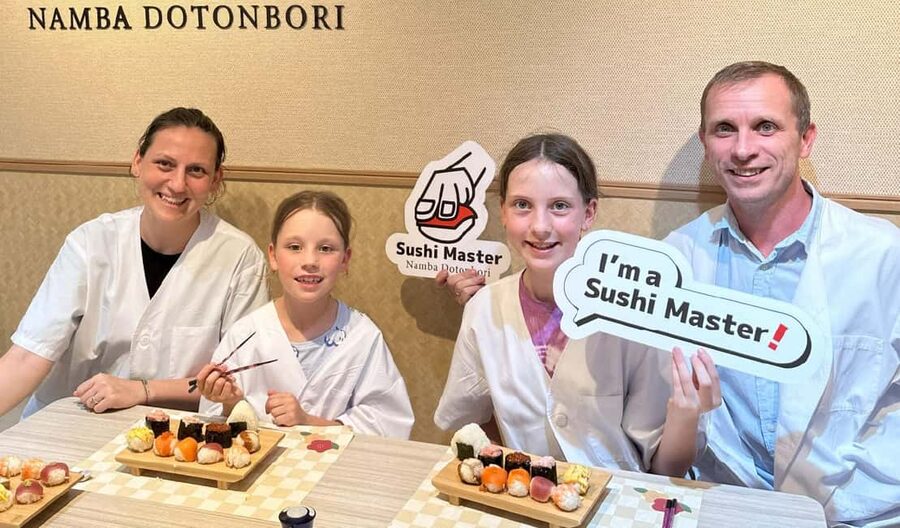
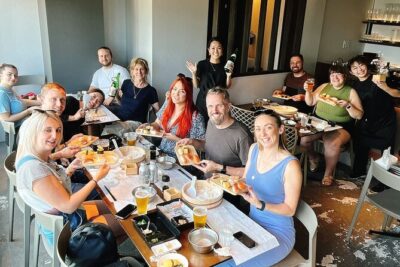
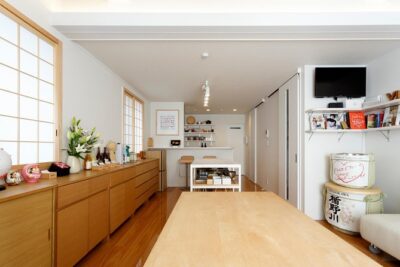
This takes place in a warm welcome setting and a spacious classroom. That may sound like a small detail, but it changes the experience. Sushi making gets hands busy, and a comfortable layout means you can see your instructor’s steps and move your hands without knocking into elbows.
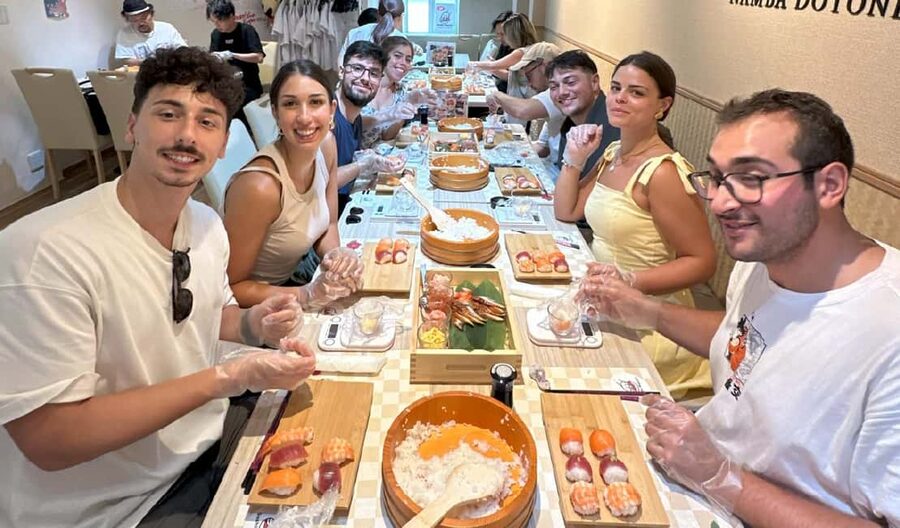
This class also seems flexible for different groups. It works for solo visitors, couples, and families. The 90-minute length is a big part of that. It is short enough to fit into an Osaka itinerary, but long enough to learn real technique instead of rushing through steps.
Price and value: Is $25 a fair deal in Osaka?
At $25 per person for 90 minutes, the value comes from three things you actually get:
- Skill you can use at your next sushi meal, because you learn rice and assembly fundamentals
- Food you eat that is directly connected to what you made
- A certificate and souvenir that make the experience feel complete
You also get the practical benefit of location. Being about 3 minutes from Namba Station reduces the hidden cost of time. That matters because in Osaka, getting from place to place can become a day-long task if you are not careful.
If you compare it to the price of eating multiple sushi sets plus a few drinks out, this class can feel like a bargain because it packages learning and a meal together. The only “cost” you might add is drinks if you choose alcohol.
Who should book this sushi class in Namba
This is a strong match if you:
- want an authentic Osaka activity that is still easy for English speakers
- like learning by doing, not by watching from a distance
- want a fun, structured food experience without long museum-style time
- are traveling alone and want a guided social setting
- want something family-friendly, with clear steps and an end-of-class reward
It is also a good call if you are the type who eats sushi and then wonders how people manage rice texture and toppings so neatly. This gives you the answer you can feel with your own hands.
Possible drawbacks to keep in mind before you go
Nothing is perfect, so here are the main considerations based on the experience details:
- Drinks are not included, so budget for soft drinks or sake if you want them
- Outside food and drinks are not allowed
- Smoking is not allowed, which is normal but worth noting if you are sensitive to venue rules
- If you have allergies, you must communicate them in advance
Also, double-check how you plan your timing. Since it is a set class length of 90 minutes, you should schedule your other Namba plans with enough buffer for walking and entering the building.
Should you book Sushi Master Namba? My practical take
Yes, you should book this class if you want a high-return activity. You are getting hands-on sushi technique, a real meal, and the kind of guided English instruction that makes beginners feel capable.
Book it especially if:
- you are in Namba and do not want a complicated detour
- you care about sushi rice fundamentals, not just rolling
- you want a souvenir and a certificate to mark the experience
- you are traveling with people who want something more interactive than a standard food tour
Skip or reconsider if you only want a short taste, or if you are strictly avoiding any possibility of fish ingredients. If you are vegetarian or have allergies, message the team ahead so they can adapt ingredients safely.
FAQ
How long is the sushi making class?
The experience runs for 90 minutes. You can check availability for the starting times.
Is the class taught in English?
Yes. The instructor uses English, with Japanese also listed as part of the languages.
How many sushi pieces will I make?
There are two options. The Standard course makes 8 pieces, and the Premium course makes 10 pieces.
Are vegetarian options available?
Yes. If your group includes vegetarians, you should message the provider in advance so they can replace the fish toppings with vegetable-based ingredients.
Are drinks included in the price?
No. Drinks are not included, but you can order soft drinks and alcohol during the class.
Where do I meet on arrival?
Search Sushi Master Namba on Google Maps. You are on the 2nd floor of an orange narrow building. The map may be slightly misaligned, so use the building as your guide.
Can I cancel for a full refund?
Yes. You can cancel up to 24 hours in advance for a full refund.
Counters and Courses


Kitchens You Can Book Into
Newest Osaka write-ups from the Loving Japan desk
Japanese Cooking Classes, side by side.
 ★ 5.0Sushi Making Tokyo Roll and Authentic Japanese Sushi ClassFrom $593,971 reviews
 ★ 4.9Roll and Authentic Sushi Making Class in AsakusaFrom $581,957 reviews
 ★ 5.0Ramen Cooking Class at Ramen Factory in KyotoFrom $1311,937 reviews
 ★ 4.9Sushi Making Class in a Happi Coat near a Famous SpotFrom $421,377 reviews
 ★ 5.0Sushi Making Osaka Roll and Authentic Japanese Sushi ClassFrom $311,220 reviews
 ★ 5.0Tokyo Sushi Making Class in Tsukiji with Professional ChefFrom $491,177 reviews
 ★ 5.0Ramen & Gyoza Cooking Class in Tokyo with Local Supermarket VisitFrom $122823 reviews
 ★ 5.0Tsukiji Fish Market Guided Tour and Sushi Making with Pro ChefFrom $104775 reviews
Filed on these lists too