
REVIEW · SUSHI AND SASHIMI EXPERIENCES
Osaka Sushi Miso soup Adventure: A Journey of Exotic Flavors
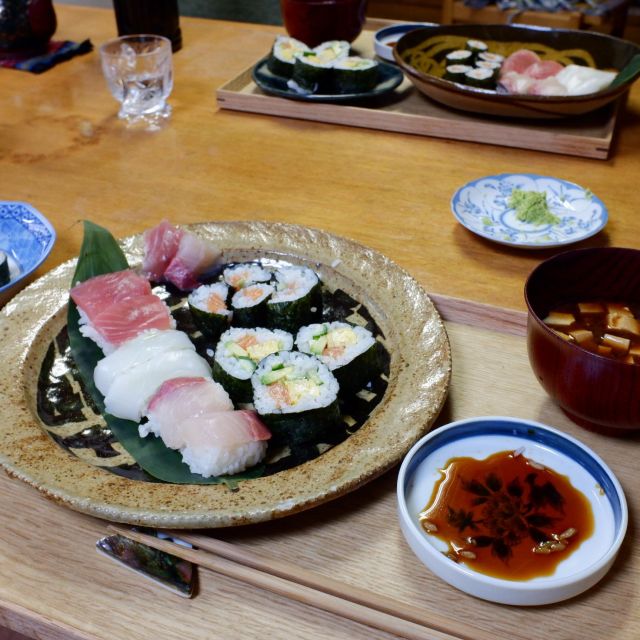
Sushi lessons in Osaka beat guessing. Chef Yuki runs a hands-on sushi and miso soup class where you roll nigiri, hosomaki, and tamagoyaki, while also learning tuna zuke and kombu-jime salmon techniques that can help keep fish fresher at home for 3 to 4 days. I like that it is small group, personal, and practical. One drawback: it is a tight 3-hour block, so it is not the best fit if you want a slower, open-ended experience.
This class is taught in English and capped at 6 participants, which keeps the pace friendly and questions easy. You’ll meet at 4-19 Nukata-cho near Nukata Station, about a 5-minute walk, after a roughly 30-minute ride from Osaka Namba (Kintetsu Nara Line, ¥430). If you prefer everything to happen in the city center, you’ll want to plan the train time.
In This Review
- Key Things You Should Know Before You Go
- Chef Yuki’s Osaka Sushi and Miso Class in a 3-Hour Window
- How to Get to 4-19 Nukata-cho From Osaka Namba Without Stress
- The First Taste of Japanese Cooking: What Happens When You Arrive
- Making Sushi Rice and Getting Your Sushi Assembly Right
- Tuna Zuke and Kombu-Jime Salmon: The Techniques That Travel Home With You
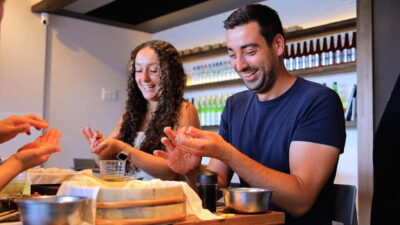
- Rolling Hosomaki and Building Confidence With Nigiri
- Miso Soup From Scratch: The Comfort Bowl That Makes the Meal Whole
- Eating Together and Why the Tasting Matters
- The Take-Home Part: Recipes, Practical Skills, and a Sushi Party Plan
- Price and Value: Is $96 Worth It for 3 Hours?
- Who This Osaka Class Fits Best
- Should You Book It? My Honest Recommendation
- FAQ
- How long is the Osaka sushi and miso soup class?
- Where is the meeting point in Osaka?
- What language is the instruction?
- How many people are in the group?
- What will I make during the class?
- Is fresh ingredients included?
- Can I cancel for a refund, and can I pay later?
Key Things You Should Know Before You Go
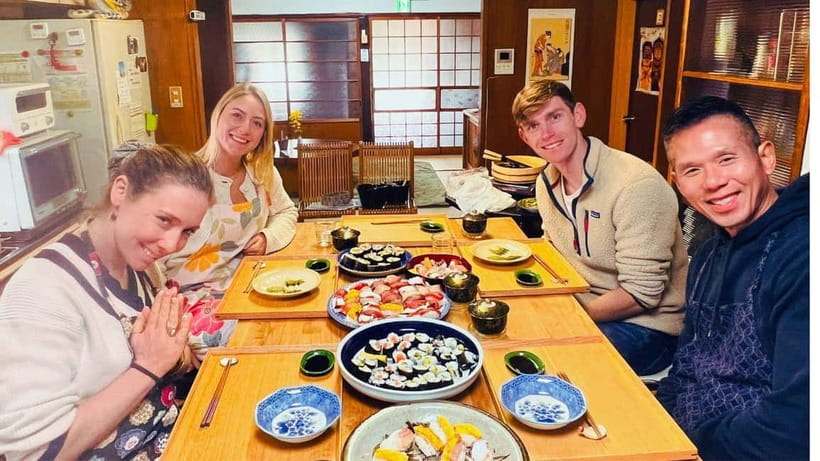
- Chef Yuki teaches in English, with step-by-step help so you are not left guessing at sushi rice or rolling pressure.
- You make nigiri, hosomaki, and tamagoyaki, not just one style for pictures.
- Tuna zuke and kombu-jime salmon are the real practical flex, with methods that can help preserve freshness for 3 to 4 days.
- Miso soup is made from scratch, finishing your meal with the kind of comfort flavor Japanese cooks treat as daily basics.
- Small group size (up to 6) helps the class feel cozy and personal.
Counters and courses we sat at around Osaka
- Sushi Making Osaka Roll and Authentic Japanese Sushi Class
★ 5.0 · 1,220 reviews - Osaka Sushi Making Experience
★ 5.0 · 400 reviews - Osaka: Roll and Authentic Sushi Making Class in Dotonbori
★ 4.9 · 239 reviews - Osaka: Sushi Class in Dotonbori
★ 4.9 · 160 reviews
Chef Yuki’s Osaka Sushi and Miso Class in a 3-Hour Window
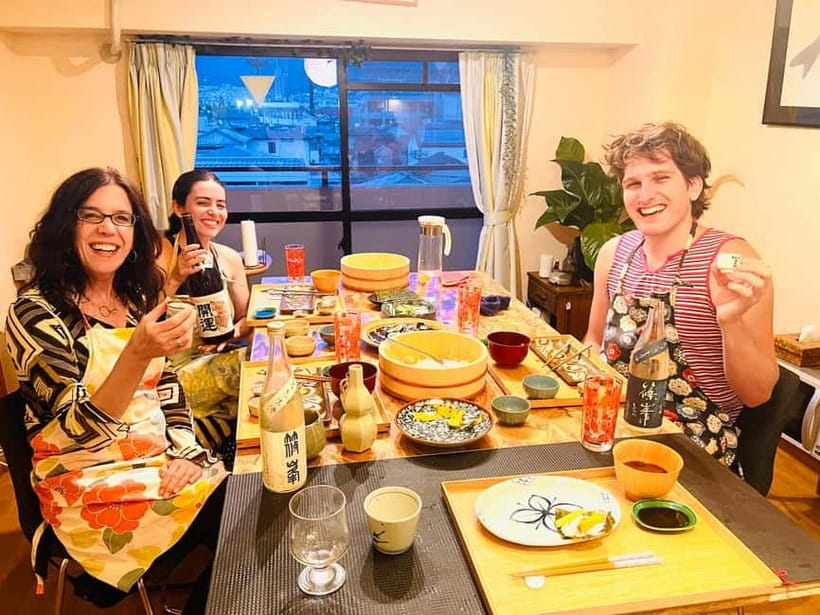
If you want Japanese food skills you can actually use later, this is the kind of class that makes sense. Instead of a sightseeing stop where you leave with photos and vague memories, you leave with hands-on technique: sushi assembly, curing or marinating fish, and a pot of miso soup you made from scratch.
I also like the way the class is set up for real life. Tuna zuke and kombu-jime salmon sound fancy, but the point is practical: the methods are designed so you can handle seafood more confidently back home, even when your market selection is not the same as in Japan. And because it is a small group, you get enough attention to avoid common beginner mistakes like rice that is too wet or rolls that fall apart.
The only thing to keep in mind is time. Three hours is perfect for focus, but it is not a multi-session deep study. If you want hours and hours of practice, you may wish you had more time. If you want a strong start with take-home skills, the format works well.
How to Get to 4-19 Nukata-cho From Osaka Namba Without Stress
You meet at the class location: 4-19 Nukata-cho, Osaka, at a white building near Nukata Station. The walk is short, about 5 minutes from the station, and it is easy enough to spot if you arrive with the address saved.
From Osaka Namba, the simplest route is:
- Take the Kintetsu Nara Line from Osaka Namba Station
- Get off at Nukata Station (about 30 minutes, ¥430)
- Walk about 5 minutes to 4-19 Nukata-cho (Route 308 is the direction reference)
One smart move: arrive about 10 minutes early so you are not rushing. In reviews, people note the experience can start with a quick meetup near the station area before heading to the cooking space. That means being early helps you get settled, meet Chef Yuki, and start on time.
The First Taste of Japanese Cooking: What Happens When You Arrive
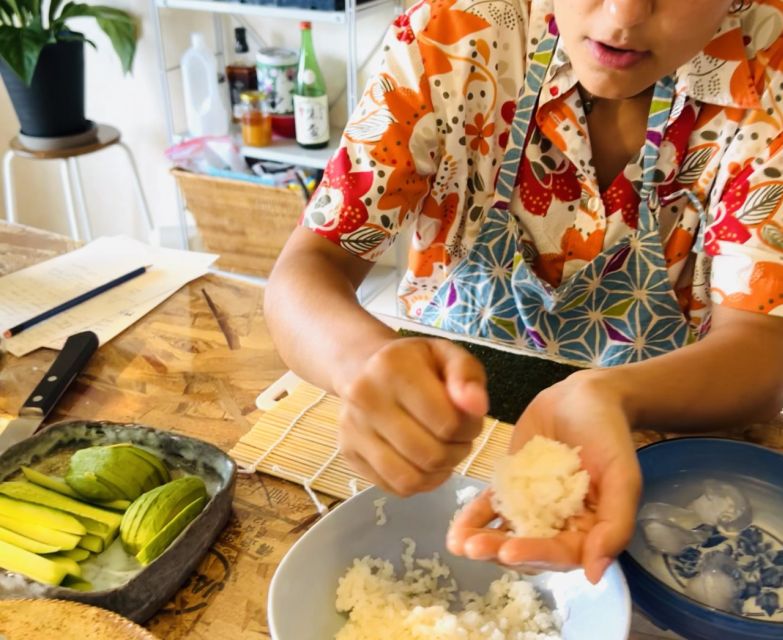
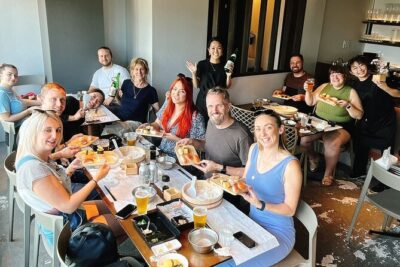
When you show up, the vibe is intentionally relaxed. This is not an assembly-line cooking class. With a small group of up to 6, you get room to ask questions about what you are doing and why.
Chef Yuki’s teaching style is very focused on results. You are guided through the motions, but you are also taught the checkpoints that matter, like rice handling and how toppings should sit on the rice (so your sushi looks right and tastes balanced).
A detail I appreciate: the class is designed for both beginners and people with a little experience. The way it is paced, you can keep up without feeling like you are back in a school kitchen trying to copy everything perfectly.
- Hungry Osaka Street Food Tour:15 Tastings & 3 Drinks with a Local★ 5.0 · 1,727 reviews
- Osaka: Tea Ceremony Experience★ 4.9 · 1,426 reviews
- Osaka Kickstart: Hotspots & Hidden Gems Tour★ 5.0 · 1,306 reviews
- Osaka: Hotspots & Hidden Gems Walking Tour Private or Group★ 4.9 · 1,300 reviews
- Deep Backstreet Osaka Tours (Option to add Dinner)★ 5.0 · 1,290 reviews
Making Sushi Rice and Getting Your Sushi Assembly Right
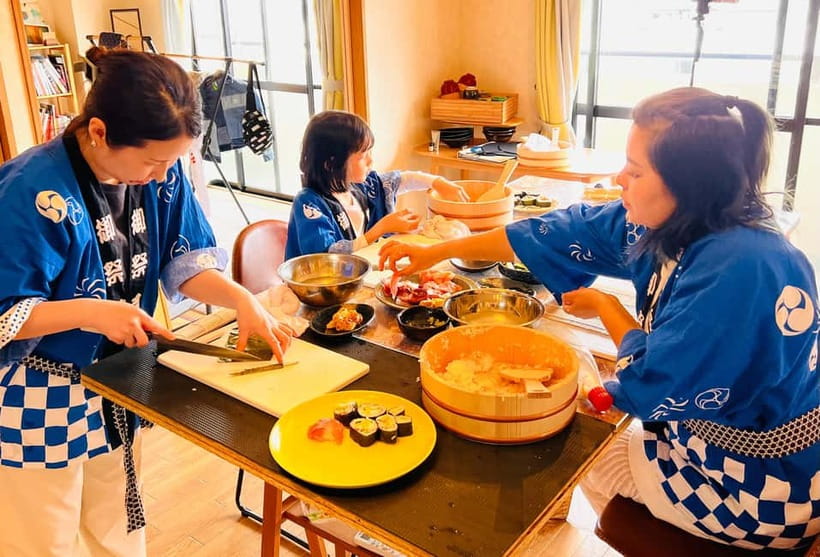
Sushi is not just fish and seaweed. The rice is the whole foundation. Even if you are rolling your first hosomaki, the class helps you understand how rice needs to feel and behave. That matters because most home attempts fail for simple reasons: rice temperature is off, moisture is wrong, or you pack the roll too tightly.
You’ll get practical guidance on:
- how to handle sushi rice so it sticks but does not turn gummy
- how to control your rolling so hosomaki holds together
- how toppings interact with rice, especially for nigiri
If you care about doing this again later, this is the part you will thank yourself for. Sushi rice is where your results will either scale up in quality or stay stuck at average.
Tuna Zuke and Kombu-Jime Salmon: The Techniques That Travel Home With You
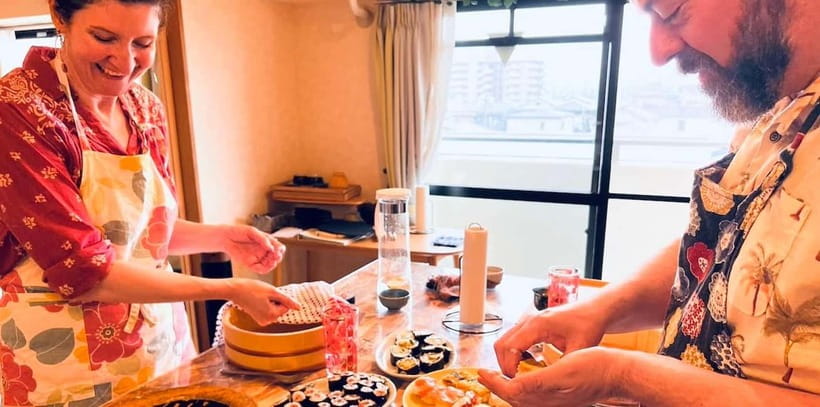
This class gives you two fish techniques that feel like magic, but are actually process-based. Tuna zuke is marinated tuna. Kombu-jime salmon is salmon cured with kelp. The point is flavor, texture, and practicality.
Why these two get so much attention:
- They are delicious in their own right.
- They also teach you methods you can repeat at home.
- The class notes these techniques can help preserve fish freshness for about 3 to 4 days, which is a big deal when you are cooking far from Japanese seafood markets.
For you, that means this class is not only about eating sushi that day. It is about learning a workflow. Instead of needing top-grade fish the same day, you can plan ahead and build meals with more confidence.
Rolling Hosomaki and Building Confidence With Nigiri
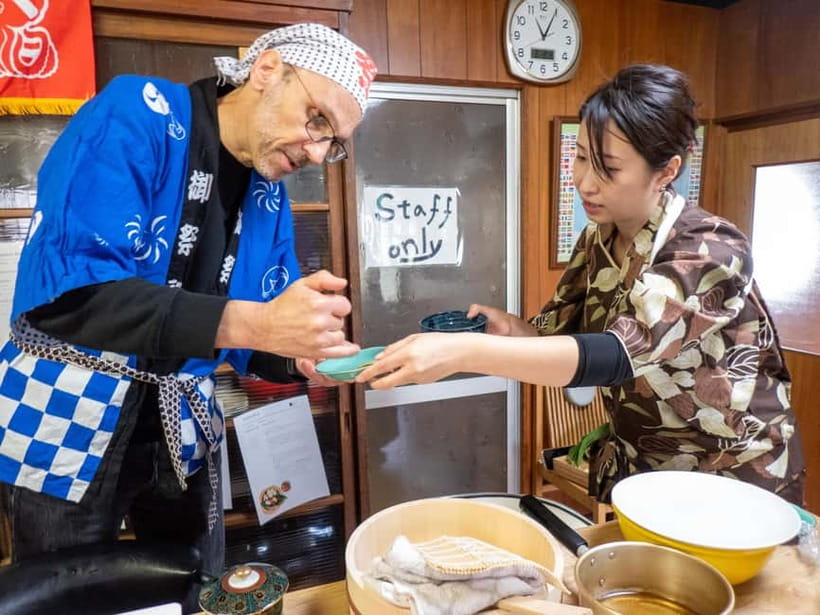
You get hands-on practice with multiple styles, so you are not stuck doing one move all class. You will work with:
- Hosomaki (thin rolls)
- Nigiri (hand-formed sushi)
- Tamagoyaki (Japanese rolled omelet)
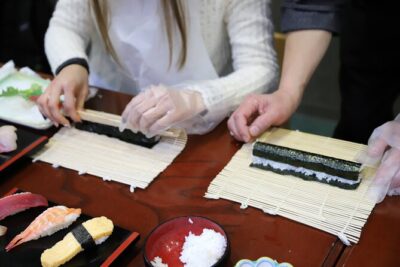
Hosomaki is the great “first sushi win” because it forces you to focus on roll structure. The challenge is even pressure and clean alignment, so the roll slices neatly and does not burst apart.
Nigiri is different. It is less about rolling and more about touch and balance. Your goal is to place topping and rice in a way that feels natural, with the right amount of firmness from the rice underneath.
And then there is tamagoyaki. This omelet brings in a different skill set, and it also helps break the rhythm of sushi rolling. One slice of a good tamagoyaki can make the whole plate feel more complete.
Chef Yuki’s guidance is built around getting you from step A to step B without guesswork. In reviews, people repeatedly mention how personal the instruction feels, especially in smaller groups.
Miso Soup From Scratch: The Comfort Bowl That Makes the Meal Whole
The class includes miso soup, made from scratch. This is not a side dish you ignore. Done well, miso soup gives you the kind of salty, savory warmth that makes sushi taste even cleaner.
A practical bonus: miso soup is one of the easiest Japanese flavors to reproduce at home compared with more complex restaurant dishes. You are not just learning a recipe. You are learning the rhythm of Japanese cooking, how stock and seasoning are treated with respect.
You might also pick up related basics during class, like how Japanese dashi-style broth is handled, and classic staples like wasabi paste methods. The exact focus can vary by class day, but the overall goal stays consistent: you learn the core flavors, not just how to copy shapes.
Eating Together and Why the Tasting Matters
After you put in the work, you eat what you made. This is where sushi-making classes either fall short or earn their keep. If you only cook and never taste your results, you never learn how to adjust.
Here, tasting is part of the structure. You get to see what your tuna zuke or kombu-jime salmon tastes like once it hits the rice, and how your miso soup rounds out the meal. It is the fastest way to connect technique with flavor.
And because the group is small, the meal feels social without being chaotic. You are not competing for attention or rushing through your food.
The Take-Home Part: Recipes, Practical Skills, and a Sushi Party Plan
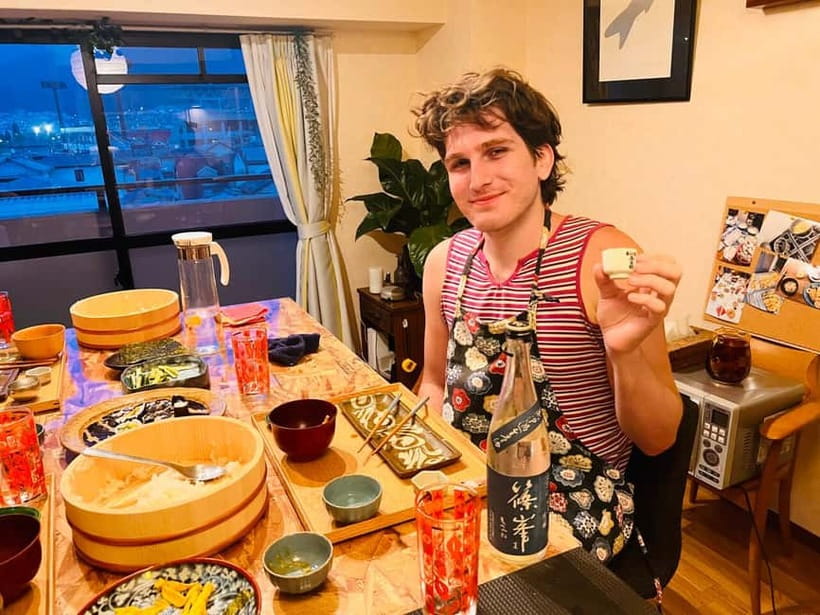
The best classes end when you leave, not when they stop cooking. This one has a strong take-home element. Chef Yuki provides recipes so you can remake what you learned back in your kitchen.
That is huge for value. Sushi-making has a steep “first try” curve. Recipes shorten the curve because you can recheck ratios, timing, and steps. In reviews, people mention receiving the recipes after class, and it makes repeat cooking much easier.
Also, you may have the option to purchase a cook book. That is not required for the experience, but it is a nice extra if you want more than one worksheet.
If you want to host dinner later, this class sets you up for a real sushi spread with a centerpiece you understand. You will not just say “we had sushi.” You will explain what tuna zuke is, how kombu-jime works, and why rice handling matters.
Price and Value: Is $96 Worth It for 3 Hours?
At $96 per person for 3 hours, the price is not cheap in the usual sense. But it is in line with classes that:
- include fresh ingredients and traditional seasonings
- provide chef instruction in English
- keep the group small (max 6)
- teach multiple sushi styles plus miso soup
- give you repeatable techniques for home cooking
The value comes from skills you keep. Two topping techniques plus rice-handling plus rolling plus tamagoyaki and soup means you leave with enough know-how to cook again without starting from scratch.
Also, the class is designed to reduce friction at home. Tuna zuke and kombu-jime are not only delicious. They help you plan around ingredient availability. If you care about eating well when fresh seafood is not easy to get, you’ll feel that value quickly.
Who This Osaka Class Fits Best
This is a great fit if you:
- want a hands-on Osaka experience that teaches real kitchen skills
- love sushi but want to understand what makes it taste right
- want practical methods for working with fish at home
- prefer small-group instruction where you can ask questions
It can also work for families. One review notes you can even bring a baby, and the host supported to make it work. That suggests the class can feel more like a careful home-style lesson than a strict commercial workshop.
If you are the type who wants a lot of sightseeing, this is not that kind of tour. You are here to cook, learn, and eat. The payoff is what you can recreate later.
Should You Book It? My Honest Recommendation
Book it if your goal is skills, not just a meal. If you want to return home with the ability to make sushi you actually respect, plus miso soup and two fish techniques that help with freshness, this class is a smart use of time in Osaka.
Skip it only if you dislike structured cooking or you want an unplanned, slow wandering experience instead. Three hours is focused. You should go in ready to roll up your sleeves and pay attention.
If you do book, do this: arrive a little early, take the recipe seriously when you get it, and plan one “practice night” at home within a week. That is when the details stick, and that’s when your sushi starts to improve fast.
FAQ
How long is the Osaka sushi and miso soup class?
The class runs for 3 hours.
Where is the meeting point in Osaka?
The meeting point is at 4-19 Nukata-cho, Osaka. It is near Nukata Station, and you are looking for a white building. It is about a 5-minute walk from the station.
What language is the instruction?
The instruction is in English.
How many people are in the group?
It is a small group limited to 6 participants.
What will I make during the class?
You will make nigiri sushi, tuna zuke (marinated tuna), kombu-jime salmon (kelp-cured salmon), hosomaki (thin rolls), tamagoyaki (Japanese rolled omelet), and homemade miso soup.
Is fresh ingredients included?
Yes. Fresh ingredients and traditional seasonings are included.
Can I cancel for a refund, and can I pay later?
You can cancel up to 24 hours in advance for a full refund. You can also reserve now and pay later, meaning you can book without paying immediately.
Counters and Courses


Newest Osaka write-ups from the Loving Japan desk



Sushi and Sashimi Experiences, side by side.
 ★ 5.0Sushi Making Tokyo Roll and Authentic Japanese Sushi ClassFrom $593,971 reviews
 ★ 4.9Roll and Authentic Sushi Making Class in AsakusaFrom $581,957 reviews
 ★ 5.0Make Sushi and Create Unforgettable Memories in TokyoFrom $791,413 reviews
 ★ 4.9Sushi Making Class in a Happi Coat near a Famous SpotFrom $421,377 reviews
 ★ 5.0Sushi Making Osaka Roll and Authentic Japanese Sushi ClassFrom $311,220 reviews
 ★ 5.0Tokyo Sushi Making Class in Tsukiji with Professional ChefFrom $491,177 reviews
 ★ 5.0Tokyo Night Foodie Tour in Shinjuku – Seasonal Sushi, Wagyu BeefFrom $1111,161 reviews
 ★ 5.0Tsukiji Fish Market Guided Tour and Sushi Making with Pro ChefFrom $104775 reviews
Filed on these lists too