
REVIEW · JAPANESE COOKING CLASSES
Sushi and Japnese foods cooking class in Osaka
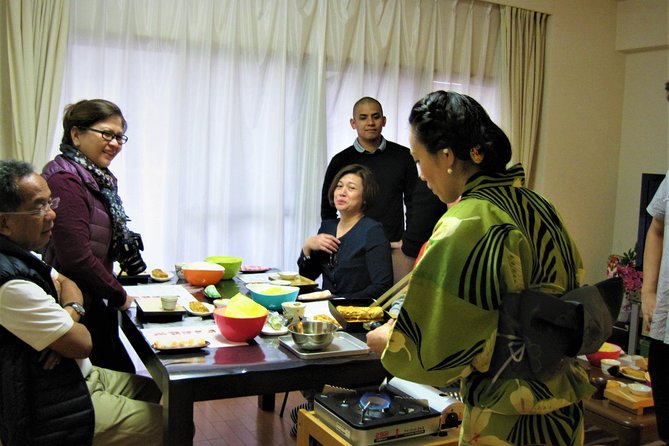
Sushi starts with your hands, not a menu. This small Osaka class pairs hands-on sushi rolling with a real dinner you cook, taught in English by licensed chef Yayo in a home-style setting.
I especially like the patient, give-it-a-try teaching, and the focus on doing it the traditional way, not just assembling a roll. One thing to consider: the timing is strict, and the host notes the contract becomes invalid if you are more than 10 minutes late.
You begin at central Osaka, meet at the station area, then walk to the nearby home kitchen. You’ll learn sushi rice prep and rolling technique with nori, fill with sashimi-thin fish and other ingredients, then sit down to eat what you made. There’s also a sake and beer upgrade if you want the full evening experience, finished with taiyaki dessert.
In This Review
- Key takeaways before you book
- Osaka sushi rolling in a real home kitchen
- Finding the meeting point near Noda Station
- What you learn: sushi rice, nori, and rolling technique
- The dinner you cook: miso soup, Japanese omelet, and taiyaki
- Optional sake and beer upgrade: how to choose
- Price and value: is $165.13 fair for Osaka?
- Timing, strictness, and small-kitchen realities
- Who this Osaka sushi class is best for
- Should you book this Osaka sushi-making class?
Key takeaways before you book
- Small group format means you get real attention while you’re rolling your sushi
- Licensed chef Yayo teaches in English, so you can focus on technique, not decoding
- You eat your own work with miso soup and a Japanese omelet, then taiyaki for dessert
- Optional sake or beer upgrade lets you match flavors with local drinks
- A home kitchen vibe makes it feel personal, not like a factory class
Cook it yourself instead. Other kitchens in Osaka
- Sushi Making Osaka Roll and Authentic Japanese Sushi Class
★ 5.0 · 1,220 reviews - Osaka Sushi Making Experience
★ 5.0 · 400 reviews - Osaka: Ramen and Gyoza Cooking Class in Dotonbori
★ 5.0 · 378 reviews - Osaka: Sumo Stage Show with Bento or Snack + Fight & Photo
★ 4.3 · 364 reviews
Osaka sushi rolling in a real home kitchen
Osaka does food right, and this class is built around that idea. Instead of watching sushi scroll by like a performance, you learn the steps that turn plain ingredients into something you can taste immediately. It’s hands-on, but also relaxed. You’ll make mistakes, fix them, and by the end you’ll understand why certain techniques matter.
The teaching style stands out. Yayo is the host and instructor, and she’s known for making the experience warm and welcoming. In a small room, it’s easier to ask practical questions, get feedback on your hands, and learn what to adjust the next time you roll.
You should also know this is designed for a short evening. At about 2 hours 30 minutes, you get enough time to learn the core moves and eat dinner, without turning it into a half-day project.
Finding the meeting point near Noda Station
You start outside Noda Station in Osaka, at 1 Chome-1 Ohiraki, Fukushima Ward, Osaka 553-0007. It’s a straightforward location with public transportation nearby, which matters in a city where neighborhoods can feel far apart once you factor in walking and station changes.
The class then includes a short walk to a nearby home where the lesson actually happens. That gives you two benefits. First, you avoid spending your time in transit. Second, the cooking happens in the kind of space where Japanese home meals come together, with a more personal flow than a big studio.
Plan to arrive early, even if you think you are on schedule. The host notes that the contract becomes invalid if you are late by 10 minutes, and it will not be refunded. This is one of those “be careful” details that can save your evening from turning into stress.
What you learn: sushi rice, nori, and rolling technique
The heart of the evening is learning how to roll sushi properly. You’ll start by watching preparations for sushi rice. This matters because the rice is the foundation. The instructor shows how it’s handled and why it behaves the way it does when you add fillings and roll tight.
Then you move to the rolling station. You work with nori, the dried seaweed sheets used for the roll. Your job is to place ingredients inside and roll so you get a clean, even shape. You’ll practice, which is the real value here. Sushi rolling is one of those skills where watching only helps a little. Doing it helps a lot.
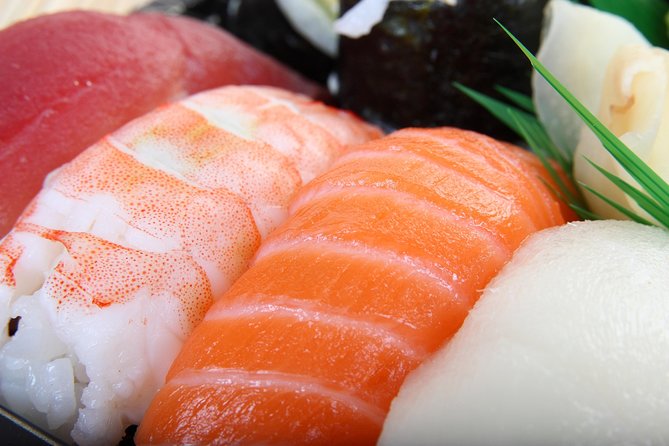
You’ll also work with sashimi-thin fish and other ingredients. The point is not just taste. You learn how to layer fillings so they don’t spill, and how to handle the roll so the outside stays intact. The class is limited to a small group, which helps because your instructor can correct your technique as you go.
If you like detail, you’ll probably enjoy the cultural context that shows up during instruction. In past sessions, the teaching style has included small stories and explanations tied to why certain methods are used. That’s what turns “I made a roll” into “I can make a better roll next time.”
Counters and courses we sat at around Osaka
- Osaka: Roll and Authentic Sushi Making Class in Dotonbori★ 4.9 · 239 reviews
- Osaka: Sushi Class in Dotonbori★ 4.9 · 160 reviews
- Osaka Dotonbori: Sushi Making Experience★ 4.9 · 122 reviews
- Osaka: Sushi Making in Spacious Studio (SAME-DAY OK!)★ 5.0 · 75 reviews
- Sushi and Japnese foods cooking class in Osaka★ 5.0 · 51 reviews
The dinner you cook: miso soup, Japanese omelet, and taiyaki
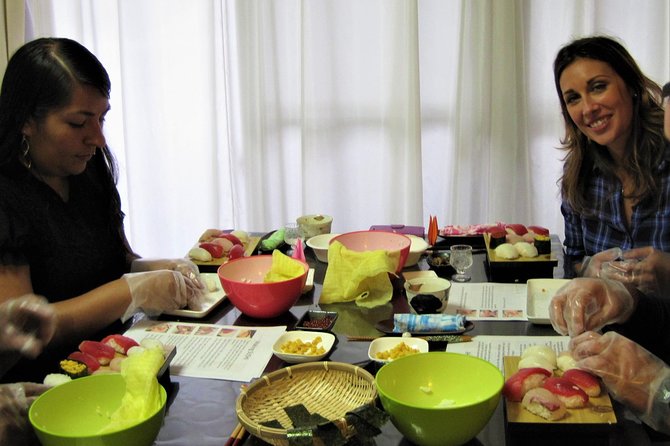
After rolling comes the payoff: you sit down to eat what you made. Dinner includes your sushi rolls plus miso soup and a Japanese omelet. The omelet is typically the sweet-savory style you’ll see as tamagoyaki in Japan, and the class framing is exactly that: a Japanese omelet served as part of your meal.
This is a practical way to learn. You’re not only cooking for the sake of class. You’re cooking, tasting, and making quick mental notes about what tastes balanced. When you’re rolling, you often can’t see the final result. At the table, you can.
Then dessert arrives: taiyaki. It’s a small, classic Japanese sweet in a fish-shaped mold, and it’s a good final note because it brings the meal to a complete arc. You’ll leave full, not just entertained.
A nice bonus is that the class is set up for comfortable small-group flow. One of the details that shows up in accounts of the experience is how station setup feels thoughtful and home-like, so you don’t feel rushed even though the lesson is fast moving.
Optional sake and beer upgrade: how to choose
If you want to turn dinner into a proper Osaka evening, there’s an upgrade for sake and Japanese beer. The format includes a tasting option that you select when booking.
The tasting is described as either:
- six local sake pours, or
- four local sakes plus one bottle of beer
This upgrade is worth considering if you like food pairing. Sushi rolls, miso soup, and tamagoyaki all sit in a flavor range where alcohol can either sharpen the taste or smooth it out. Having a structured tasting means you’re not guessing what to drink with what you made.
Also, the base inclusions already mention 2 local sake cups tasting if the option is selected. So you are not paying extra and then getting nothing in return. You’re buying a more deliberate “sit, taste, compare” moment.
If you don’t drink, you can still enjoy the full lesson and dinner. The core experience is sushi rolling and the meal you produce.
Price and value: is $165.13 fair for Osaka?
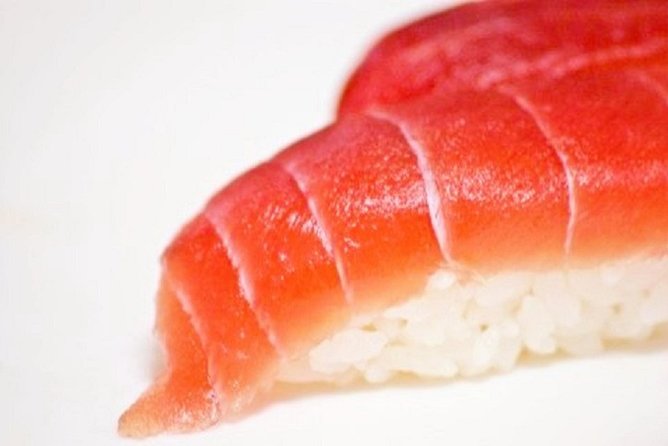
At $165.13 per person, this isn’t the cheapest way to eat in Osaka. But it’s also not just a meal in a nice setting. You’re paying for a licensed chef, English instruction, all ingredients, and a guided, hands-on cooking lesson with dinner included.
Here’s how I think about the value:
- You get structured teaching on technique, not just a tasting
- You get dinner that you personally make, not a pre-made plate
- The class is capped at a very small size, which increases the chance of getting real feedback
- The optional sake upgrade can add a complete extra element to the night without you hunting for a place to drink afterward
If you are the type of traveler who loves one great experience more than three average stops, this can be a strong match. It also pairs well with Osaka sightseeing days, because it ends back at the meeting point after dessert, so you can still plan your evening.
One more value note: the experience includes group discounts and uses a mobile ticket. Group discounts can matter if you are traveling with a partner or friend and want to split a planned activity rather than booking separate meals.
Timing, strictness, and small-kitchen realities
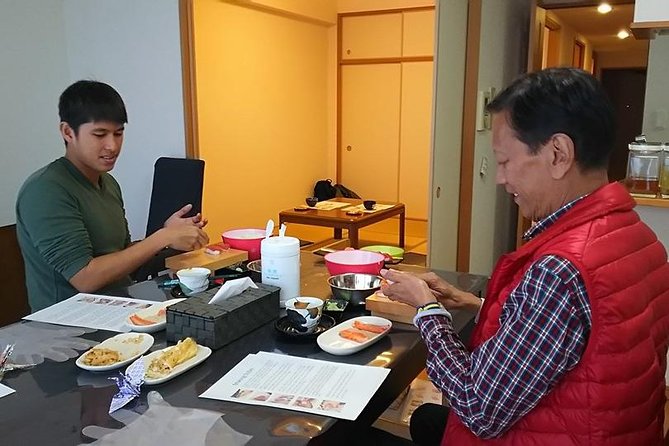
A small cooking studio is part of the deal here. The information notes that it’s a small space, and unbooked people won’t join. That matters because it protects the class format. You’re not competing for elbow room or tools.
It also affects your planning. Since it’s small, the start time matters. You should build in extra minutes for finding the meeting point outside Noda Station and getting to the home kitchen. The instructor notes that being more than 10 minutes late makes the contract invalid and won’t be refunded.
Weather is another small reality check. The experience notes it requires good weather, and if canceled due to poor weather you’ll be offered a different date or a full refund.
If you’re visiting Osaka in a season with rain or typhoons, I’d aim for a day with some flexibility in your schedule.
Who this Osaka sushi class is best for
This works best if you want a calm, skills-based food experience.
Book it if you:
- love sushi and want to learn the actual rolling technique
- enjoy cooking classes where you eat what you make
- like small, personal tours rather than big groups
- want an English-speaking instructor so you can focus on the process
You might skip it if you are looking for a broad sampler day with lots of unrelated dishes. The core focus is sushi rolling, with miso soup and a Japanese omelet as part of the meal. There may be occasional extra items depending on what’s happening in a specific session, but don’t book expecting a full menu of multiple local snacks.
It also suits couples and solo travelers well, because the class notes maximum 2 travelers and also describes an overall limit on participants. Either way, you should expect personal attention.
Should you book this Osaka sushi-making class?
My take: yes, if sushi is on your list and you want to leave with a skill you can actually use at home. The combination of small group instruction, sushi rolling technique, and a dinner you cook gives this better “I learned something real” value than many food experiences.
I’d especially recommend it if you like warm hosts and patient teaching. Yayo’s reputation for being welcoming and helpful, plus English support, makes this feel approachable even if you’ve never made sushi before. And if you like pairing food and drink, the optional sake and beer tasting upgrade can turn it into a memorable evening, not just a class.
If you are short on time, have a tight schedule, or you hate strict timing, then this might feel stressful. But if you can show up on time and want an authentic Osaka food evening, it’s a strong bet.
Counters and Courses


Kitchens You Can Book Into
Newest Osaka write-ups from the Loving Japan desk

Japanese Cooking Classes, side by side.
 ★ 5.0Sushi Making Tokyo Roll and Authentic Japanese Sushi ClassFrom $593,971 reviews
 ★ 4.9Roll and Authentic Sushi Making Class in AsakusaFrom $581,957 reviews
 ★ 5.0Ramen Cooking Class at Ramen Factory in KyotoFrom $1311,937 reviews
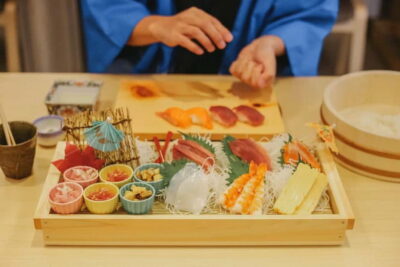 ★ 4.9Sushi Making Class in a Happi Coat near a Famous SpotFrom $421,377 reviews
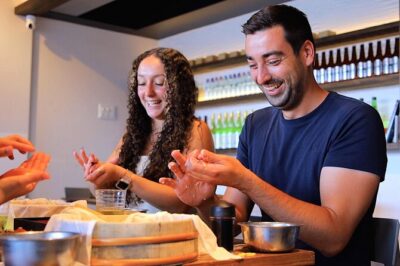 ★ 5.0Sushi Making Osaka Roll and Authentic Japanese Sushi ClassFrom $311,220 reviews
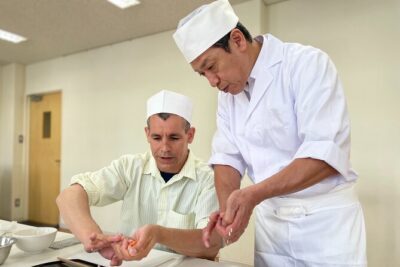 ★ 5.0Tokyo Sushi Making Class in Tsukiji with Professional ChefFrom $491,177 reviews
 ★ 5.0Ramen & Gyoza Cooking Class in Tokyo with Local Supermarket VisitFrom $122823 reviews
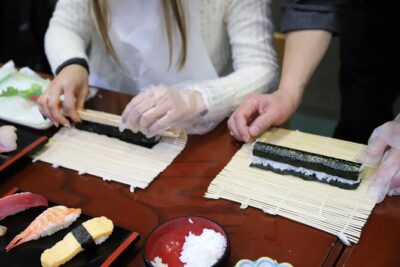 ★ 5.0Tsukiji Fish Market Guided Tour and Sushi Making with Pro ChefFrom $104775 reviews
Filed on these lists too