
REVIEW · NARA DEER PARK AND TODAI-JI
Sushi Making Experience Luxury Course in Nara
Nara sushi lessons feel personal fast. You get step-by-step training from sushi rice to nigiri shaping, and you’ll also dress in traditional Japanese clothing while learning the why behind the food. One thing to consider: it’s about 1.5 hours in a space with stairs and no elevator, so you’ll want comfy shoes and a bit of stair confidence.
For me, the best part is the structure. You’re not just handed a set of sushi and told to copy it, you learn the process well enough to repeat it at home. If you’re a beginner, that calm pacing matters. If you already cook, you’ll still appreciate the hands-on corrections and clean technique for each step.
In This Review
- Key things that make this sushi course in Nara worth your time
- Why learn sushi in Nara with Umemori Sushi School?
- The 1.5-hour plan: what you actually do from start to finish
- 1) Making shari, sushi rice that holds up
- 2) Grating wasabi, the aroma part you can feel
- 3) Fish preparation, cutting with a purpose
- 4) Shaping sushi, building nigiri that stays put
- 5) Completion and graduation ceremony
- What’s included: premium bites plus the extras that make it feel special
- Food and drink reality check
- Rice, wasabi, fish, nigiri: the four skills you’ll actually use again
- Shari technique you can repeat
- Wasabi made fresh, not just spread
- Fish prep and knife confidence
- Nigiri shaping that holds
- Price and value at about $115.96 per person
- Where and when: finding 221 Hokkejichō and showing up on time
- What I’d do the day you book
- Who should book this sushi making experience in Nara?
- The souvenir part: certificate and photos make it memorable
- Should you book the Sushi Making Luxury Course in Nara?
- FAQ
- How long is the sushi making experience in Nara?
- Where does the experience meet in Nara?
- What does the class include?
- Is there a drink included?
- What steps do you learn during the class?
- Are there options for dietary needs or allergies?
- Is there an elevator at the location?
- What is the cancellation policy?
Key things that make this sushi course in Nara worth your time
- Full process from shari to nigiri so you understand what each step affects
- Fresh wasabi prep instead of packaged shortcuts
- Proper sushi-grade fish cutting guidance for better shape and bite
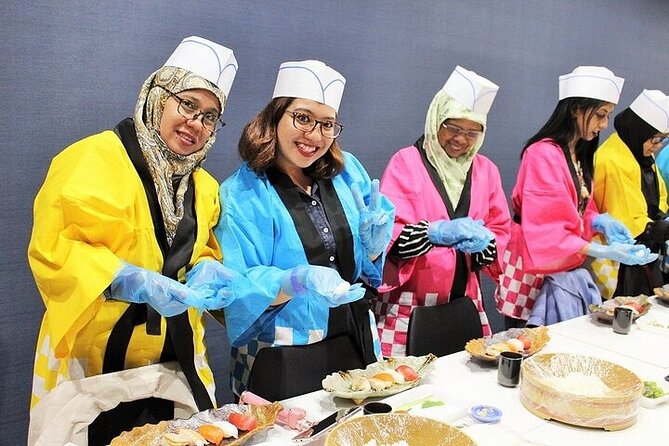
- Rental clothing option so the experience feels like Japanese tradition, not a class
- Graduation moment with a certificate plus souvenir photography to remember it
- Diet and allergy options available including vegetarian, vegan, Muslim, gluten-free, and non-raw options
A half day in Nara goes several ways
- World Heritage Kyoto & Nara Uji Authentic Matcha Experience
★ 5.0 · 1,573 reviews - Nara Half Day Trip Walking Tour (Private Option Available)
★ 5.0 · 937 reviews - Nara Early Morning Tour (Kyoto or Osaka Departure Available)
★ 5.0 · 676 reviews - Osaka: Nara and Uji Day Trip with Deer Park and Hot Spring
★ 4.4 · 302 reviews
Why learn sushi in Nara with Umemori Sushi School?
If you want a cooking class that feels like part of Japan, this one clicks. In Nara you’re already surrounded by temples and old streets, and this class adds a very hands-on side of culture: how sushi rice gets seasoned, how wasabi is treated, and how fish is handled.
Umemori Sushi School keeps the focus on technique. You start with shari, the vinegared rice foundation. Then you move through the steps that most home cooks skip or rush. The result is a meal that makes sense on your plate, not just something you assembled.
Also, the vibe is friendly for all skill levels. The course is set up so first-timers can keep up, and there’s enough structure to help more experienced cooks refine their form. The class is guided in English well enough to ask questions and follow directions comfortably, and the tone is playful and encouraging. People often single out the fun factor, including a staff member named Okashi, which tells you the instructors are working to keep it light, not stiff.
The 1.5-hour plan: what you actually do from start to finish
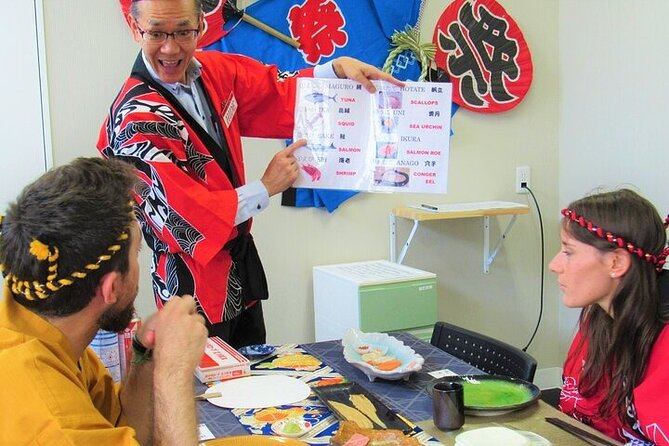
The class runs about 1 hour 30 minutes and ends back at the meeting point. It uses a lecture plus active cooking, so you’ll spend most of the time working, not listening.
Here is the flow, and why each segment matters:
1) Making shari, sushi rice that holds up
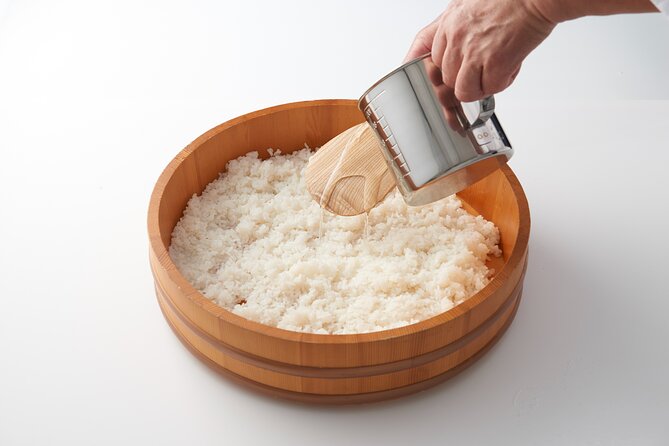
You’ll learn how to prepare perfectly seasoned sushi rice. This is the part that makes or breaks most sushi at home. Seasoned rice is not just “mix vinegar and sugar.” You’re taught how to get the rice at the right stage so it sticks just enough for forming, but still tastes clean and balanced.
This matters because nigiri quality depends on the rice texture and temperature. Too wet and it falls apart. Too dry and it tastes flat. Getting shari right also makes your later nigiri shaping easier, since the rice behaves the way it’s supposed to.
- Kyoto/Osaka: Kinkakuji, Bamboo Forest, and Nara Deer Park★ 4.4 · 265 reviews
- Nara 6hr Private Tour with Government-Licensed Guide★ 5.0 · 219 reviews
- E-Bike Nara Highlights – Todaiji, Knives, Deer, Shrine★ 4.8 · 186 reviews
- Nara Early Bird Tour (Kyoto Departure Option Available)★ 4.9 · 142 reviews
- Nara:Authentic Tea Ceremony(Max 5 ppl) -Master Matcha Making★ 5.0 · 119 reviews
2) Grating wasabi, the aroma part you can feel
Next you grate wasabi. Freshly grated wasabi smells sharper and cleaner than most people expect. It’s also a skill you’ll remember because your hands are doing the work, and you can smell the difference immediately.
From a practical standpoint, this step trains you to treat wasabi like a component, not an afterthought. You learn how it’s used and handled in a more traditional way.
3) Fish preparation, cutting with a purpose
Then comes fish preparation. You’ll learn how to cut sushi-grade seafood for nigiri. Even if you are not a knife person, you can usually follow along because the class focuses on the motions and the end goal: slice size, neat edges, and a shape that sits nicely on rice.
This is also where the course’s value shows. Good sushi at home is partly cooking, partly handling. Knowing how the pieces should look helps you build confidence, even if you never become a sushi chef.
4) Shaping sushi, building nigiri that stays put
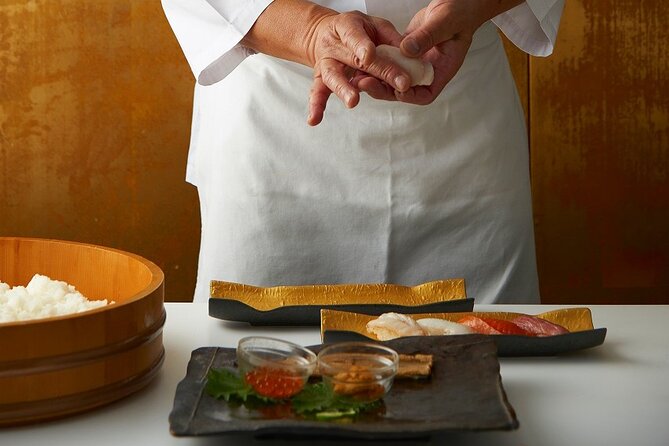
After fish prep, you form and assemble sushi like a pro. You’ll shape nigiri and learn how to balance rice and topping so it holds together without being mushy.
This is the “oh, that’s how it works” moment. When people say anyone can do it, it’s usually because the class explains what you’re aiming for, then corrects the small details that make your sushi look right.
5) Completion and graduation ceremony
At the end, you receive a certificate of completion and celebrate. You also get souvenir photography, so the fun part doesn’t end when the food ends.
You’ll also come away with techniques and recipes to make sushi at home. The goal is not just one meal. It’s repeatable skills.
What’s included: premium bites plus the extras that make it feel special
The package is more than a cooking demo. Here’s what you get:
- Lecture about how to make sushi
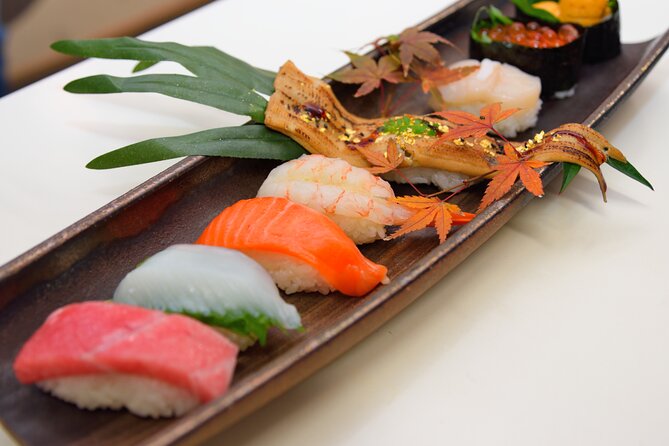
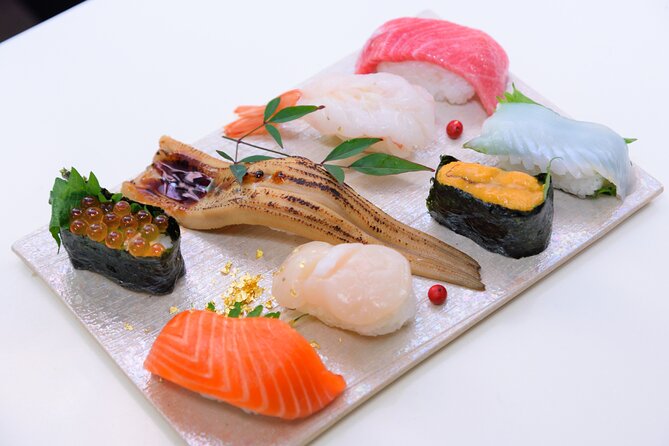
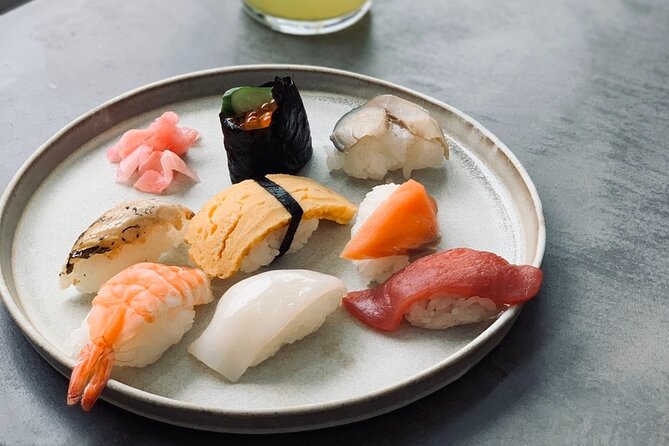
- Premium sushi (8 pieces) to eat during or after class
- Rental cloth: you can choose from different traditional outfit styles
- Toppings such as green onion and ginger, and you can choose favorites
- Certificate of completion
- Souvenir photography
A quick note on ingredients: toppings may vary by season. That’s normal in Japan, and it’s also a good thing. It keeps the class from feeling like a factory product and teaches you to expect seasonal changes in cooking.
Food and drink reality check
Drink is not included. Plan to grab water before you start or buy something nearby after the class. Also, the class is focused on sushi. Other Japanese foods like tempura, tofu (soy), or shabu-shabu are not part of the menu.
Rice, wasabi, fish, nigiri: the four skills you’ll actually use again
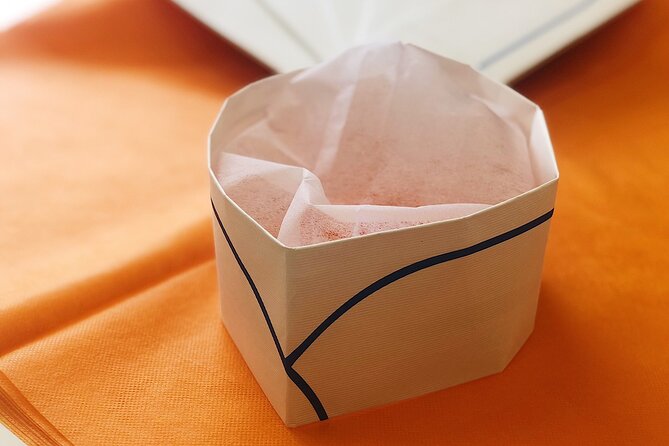
Most sushi classes teach you “how to assemble.” This one teaches the step-by-step flow that supports good results.
Shari technique you can repeat
When shari is done well, it flavors everything else. If you remember the method for seasoning and the rice’s texture, you can make sushi at home without guessing.
Look for how the rice holds and how it forms. That’s your feedback loop. The class is essentially training your senses, not just your recipe.
Wasabi made fresh, not just spread
Grating wasabi is quick, but it teaches you to respect freshness and aroma. Even if you don’t grate it every time at home, it changes how you think about wasabi quality.
Fish prep and knife confidence
Fish cutting can feel intimidating. But when you learn what “sushi-grade” means in practice and see how pieces are portioned, the fear drops fast.
Even if you later take shortcuts, the course gives you a better eye for what you should be buying and how it should look.
Nigiri shaping that holds
Nigiri falls apart when rice is too sticky or when the topping is shaped poorly. Shaping is where the class’s structure really helps. You learn the technique for getting a tidy shape and a steady bite.
And yes, the fun comes from doing it yourself, not watching someone else do it. That matters for anyone who wants a vacation activity that feels active.
Price and value at about $115.96 per person
Let’s talk value, because this class is not the cheapest thing you can do in Japan. At $115.96 per person, you’re paying for multiple layers of service:
- hands-on instruction from a school focused on sushi technique
- premium sushi that you eat as part of the experience (8 pieces)
- rental clothing
- seasonal toppings
- certificate and souvenir photography
- accommodations for dietary needs when you inform them
If you compare this to the cost of buying sushi ingredients, renting gear, and taking time to learn from scratch, the price starts to look fair. You’re paying for guidance plus the “do it, get corrected” format, which is hard to replicate on your own.
If your goal is one special food moment that teaches real skills, it’s good value. If your goal is only taste and you don’t care about technique, a meal might be cheaper. But for learning sushi in a structured way, this is the kind of class that justifies the spend.
Where and when: finding 221 Hokkejichō and showing up on time
The meeting point is 221 Hokkejichō, Nara, 630-8001, Japan. The class ends back there.
It’s near public transportation, so you should be able to get there without a car. The practical catch is that there is no elevator, and you’ll use stairs, though help is available going up.
Timing matters. The experience notes that if you’re delayed up to 15 minutes, you should contact the organizer’s emergency number. Arriving more than 30 minutes late is treated as cancellation, and partial refunds aren’t available for missed parts. That means you should build in buffer time, especially if you’re pairing the class with Nara sightseeing.
What I’d do the day you book
I’d schedule it when you’re not racing across the city. If you want to see temples or parks before class, give yourself a calm runway so you can handle stairs and changing directions without stress.
Who should book this sushi making experience in Nara?
This is a strong fit if:
- you want hands-on learning rather than a sit-and-watch meal
- you’re traveling solo, as a couple, or as a small group and want an activity that feels personal
- you like food experiences with a cultural layer, not just cooking tips
- you want skills you can actually repeat later, like sushi rice seasoning and nigiri shaping
- you need diet flexibility, since vegetarian, vegan, Muslim, gluten-free, allergies, and non-raw options are available when you inform the organizer
It may be less ideal if you’re looking for a multi-course Japanese meal experience beyond sushi, since other items like tempura and shabu-shabu are not included.
Also, if you have mobility concerns with stairs, this is a class you’ll want to think through. The staff can help going up the stairs, but the venue itself has no elevator.
The souvenir part: certificate and photos make it memorable
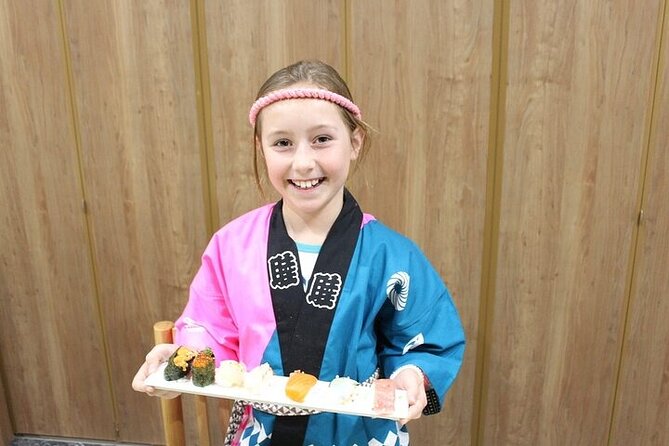
Ending with a certificate and souvenir photography is a small detail that adds a lot. It turns the class from a quick activity into a story you can show later, especially when you also wear rental clothing.
The certificate also matches what the class focuses on: competence. You leave knowing what you did, not just that you made sushi.
And because you eat the sushi you create, there’s closure. You can taste the results of your work right away.
Should you book the Sushi Making Luxury Course in Nara?
I think it’s worth booking if you want a structured, step-by-step sushi lesson in a setting that feels genuinely Japanese. The combination of from-scratch training (shari, wasabi, fish prep, nigiri shaping) plus the extras (kimono-style rental clothing, 8 pieces of premium sushi, certificate, souvenir photos) makes it a standout food experience.
Book it if you care about learning technique, not just eating. And if you’re a beginner, the class tone and English guidance make it manageable. If you’re short on time or you dislike stairs, that’s the main thing to weigh.
If you’re in Nara and you want one activity that blends culture, hands-on fun, and real skills you can use later, this is a very solid choice.
FAQ
How long is the sushi making experience in Nara?
It lasts about 1 hour 30 minutes.
Where does the experience meet in Nara?
The meeting point is 221 Hokkejichō, Nara, 630-8001, Japan, and the activity ends back at the meeting point.
What does the class include?
You get a lecture, premium sushi (8 pieces), rental cloth, selectable toppings (like green onion and ginger), a certificate of completion, and souvenir photography.
Is there a drink included?
No, drinks are not included.
What steps do you learn during the class?
You learn to make seasoned sushi rice (shari), grate wasabi, prepare sushi-grade fish, shape sushi, and complete the experience with a graduation ceremony and certificate.
Are there options for dietary needs or allergies?
Yes. There are options for vegetarians, vegans, and Muslims if you inform the organizer before your class. Allergies, non-raw options, and gluten-free options are also available.
Is there an elevator at the location?
There is no elevator, but staff can help you go up the stairs.
What is the cancellation policy?
You can cancel for free up to 24 hours before the experience start time for a full refund.
Half a Day in Nara





Newest Nara write-ups from the Loving Japan desk




Nara Deer Park and Todai-ji, side by side.
 ★ 5.0World Heritage Kyoto & Nara Uji Authentic Matcha ExperienceFrom $1291,573 reviews
 ★ 4.7Kyoto/Osaka: Nara, Fushimi Inari Taisha, Arashiyama Bus TourFrom $521,275 reviews
 ★ 5.0Nara Half Day Trip Walking Tour (Private Option Available)From $105937 reviews
 ★ 4.4Osaka/Kyoto: Arashiyama, Nara & Fushimi Inari Shrine w/LunchFrom $61754 reviews
 ★ 5.0Nara Early Morning Tour (Kyoto or Osaka Departure Available)From $61676 reviews
 ★ 4.5Kyoto and Nara Day Trip from KyotoFrom $194445 reviews
 ★ 5.0Full Day Guided Tour to Kyoto and Nara from Osaka by VanFrom $106420 reviews
 ★ 4.5Nara Afternoon Tour from Kyoto or OsakaFrom $102390 reviews
Filed on these lists too