
REVIEW · JAPANESE CRAFT AND CALLIGRAPHY WORKSHOPS
Tokyo: Calligraphy Experience with yukata or Samue
A brush can feel like a whole different language. This Tokyo calligraphy class pairs a calm, hands-on lesson with the look and feel of Japanese everyday tradition, with guidance from professional calligraphers and instructors like Hana, Tomo, or Koushi. You start by learning how to hold the brush and trace clean lines, then you put it to use to create your own finished piece. You’ll also learn what the characters mean, not just how to copy them.
I love that the session stays practical and step-by-step, even if your Japanese is limited. You get direct coaching on brush control, plus chances to practice before you write your final work on a take-home format. Another big plus is the cozy break built into the class, where you get Japanese tea and time to slow down after you’ve focused hard on your strokes.
One drawback to consider is that calligraphy needs concentration and clean habits, and the activity notes say clothes can get dirty. Also, it is not suitable for children under 4 or people over 70, so it is important to match your group’s needs with the class requirements.
In This Review
- Key Highlights You’ll Feel Right Away
- Where the Class Happens, and Why That Setting Matters
- What You Do Before You Touch the Brush
- Learning Calligraphy Basics That Actually Transfer to Your Own Writing
- The Instructor Experience, and Why English or French Helps
- The Tea Break, the Calm Pace, and the Meaning Behind Strokes
- Your Finished Artwork: What You Take Home
- Price and Value in Tokyo for 90 Minutes of Calligraphy
- Logistics That Can Make or Break Your Experience
- Tips to Get Better Results Even If It’s Your First Time
- Who Should Book This Calligraphy Class, and Who Should Think Twice
- Should You Book This Tokyo Calligraphy Experience?
- FAQ
- What is the duration of the Tokyo calligraphy class?
- What is included in the $64 per person price?
- What languages are available for the guide and instruction?
- Where is the meeting point?
- What should I wear or bring?
- Is it suitable for children and older adults?
Key Highlights You’ll Feel Right Away
- Small group (up to 10) so you get real attention when your brush technique needs adjusting
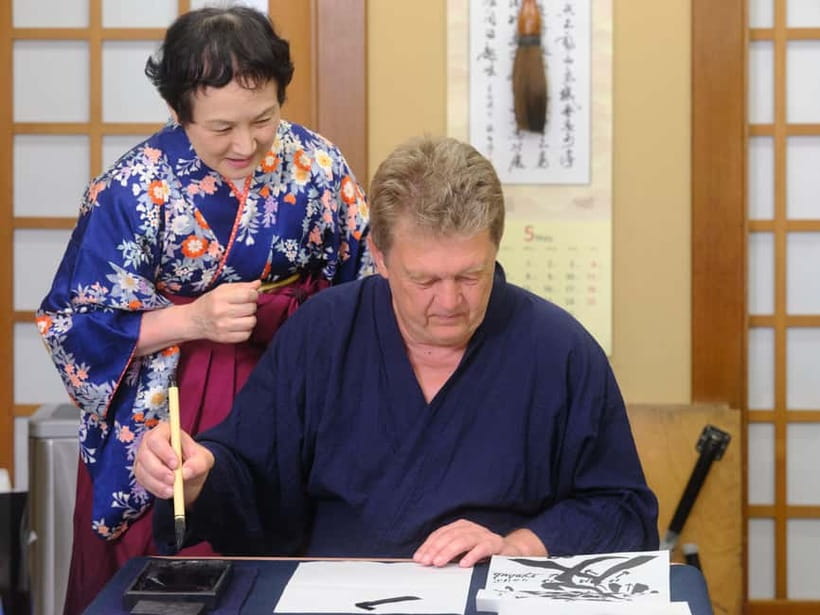
- Yukata or Samue time at the start, so the class feels like culture, not a demo
- Professional instruction from an expert calligrapher, with English or French support
- Hands-on brush practice from basic strokes to writing a kanji or your chosen character
- Take-home finished artwork you can keep as a real souvenir, not just a photo
- Tea break included to reset your focus and make the session feel grounded
Rental shops we have actually walked into
- Let’s make kimono !(Kimono is a gift for you
★ 5.0 · 252 reviews - Tokyo: Matcha and Kimono Experience
★ 4.7 · 219 reviews - Tokyo: Asakusa Kimono Dressing and Matcha Experience
★ 4.9 · 173 reviews - Asakusa: Kimono Tea Ceremony with Matcha and Sweet
★ 4.9 · 153 reviews
Where the Class Happens, and Why That Setting Matters
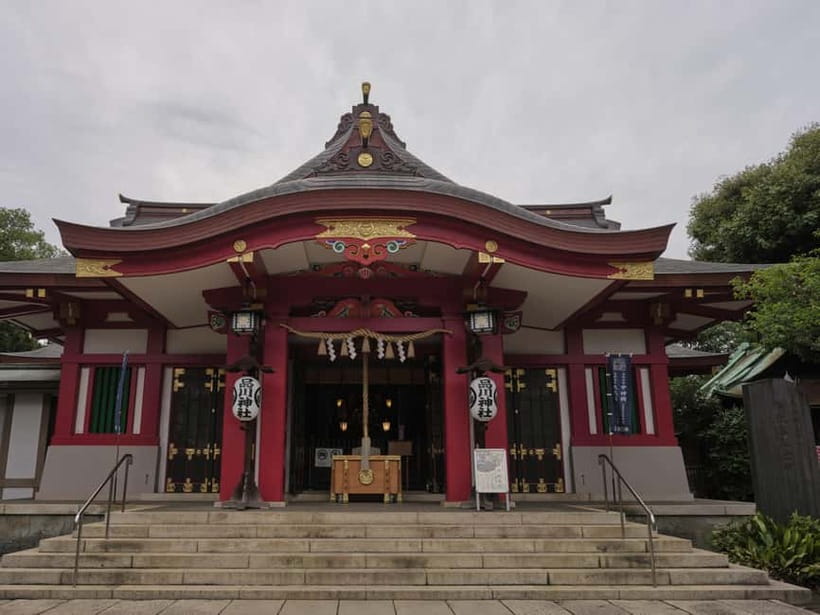
This class meets in a quiet Tokyo area near a nursery school, next to 海德寺. That kind of neighborhood location is a big part of the appeal. You’re not tucked into a loud attraction zone, so the whole experience feels more like a local cultural pause than a quick stop on a busy itinerary.
The meeting point also hints at what you’re signing up for: a straightforward, respectful setting where you can sit, learn, and practice. You’ll be working close to your instructor and neighbors in the small group, so comfortable pacing matters. The session runs 90 minutes, which is long enough to learn the basics and still finish with a piece you’ll want to keep.
If you’re trying to fit this between other Tokyo plans, I suggest building in a little buffer for getting there. You do not need to bring anything fancy for the activity itself, but it helps if you arrive calm and ready to focus on fine motor skills, paper placement, and brush direction.
What You Do Before You Touch the Brush
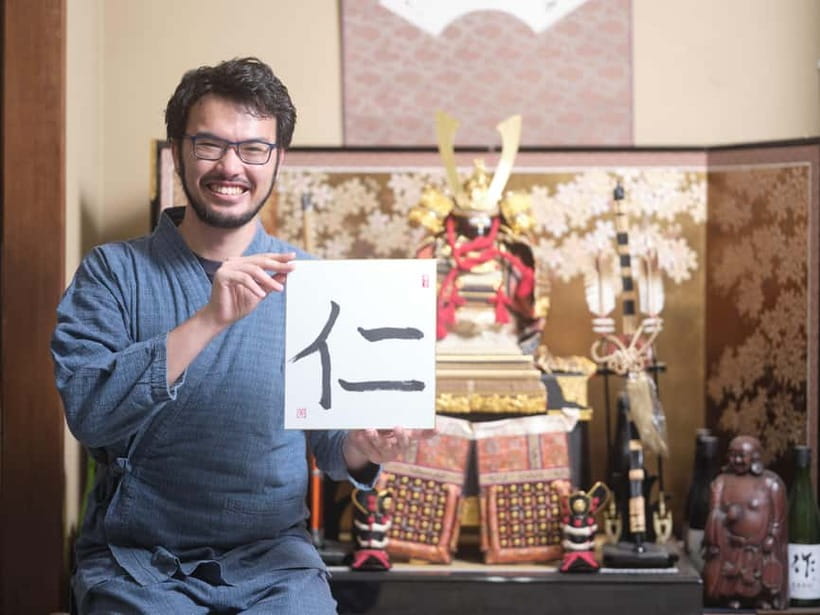
The class starts with dressing time. The experience is designed around wearing a yukata or samue, and more than one student described the joy of actually dressing up, not just posing for a picture. That small step changes the mood. Your posture and movement feel different, and the whole session becomes more playful without losing its seriousness.
Then you shift into the real work: learning the basics of brush calligraphy. Even if you have never written kanji before, the goal is clear. You learn how to trace lines, how to use the brush correctly, and how to control the pressure so the stroke looks intentional.
The lesson approach matters. Instead of handing you a final worksheet and hoping for the best, the class builds skill in stages. You learn the building blocks first, then practice with coaching, then you write your final artwork.
Learning Calligraphy Basics That Actually Transfer to Your Own Writing
This is where the class earns its reputation. You’re not only doing one pretty stroke. You’re learning the logic behind the writing.
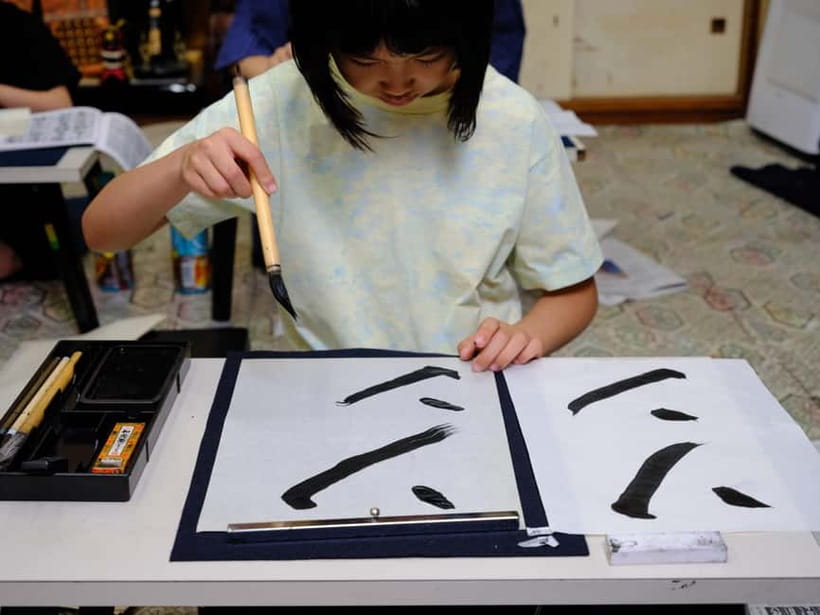
You’ll start with basics like:
- Line and stroke planning, so your character doesn’t look lopsided
- Brush handling, including how to position the brush and move it smoothly
- How to write a kanji or your selected character, step by step
One of the most helpful parts is the practice before the final piece. That time to test your strokes is what separates a class souvenir from something you’re proud of. You can adjust your grip, slow down, and correct direction before you commit to the finished artwork.
There’s also a cultural layer built into the instruction. The class includes insider knowledge of the spirituality and history behind characters, which gives your strokes meaning. You’re not just copying shapes. You’re learning why the strokes matter and what the writing tradition tries to express.
Make something to take home. Other workshops
- Chopstick Making Workshop in Ginza★ 4.8 · 1,366 reviews
- Tokyo Sumo Experience: Chanko & Mochi with a Former Pro★ 4.8 · 567 reviews
- Kintsugi Experience: Art of Golden Joinery in Tokyo★ 5.0 · 467 reviews
- Tokyo Chopstick Making Workshop with Artisan★ 5.0 · 466 reviews
- Tokyo: Matcha Making Experience with Mochi Sweets in Asakusa★ 4.9 · 388 reviews
The Instructor Experience, and Why English or French Helps
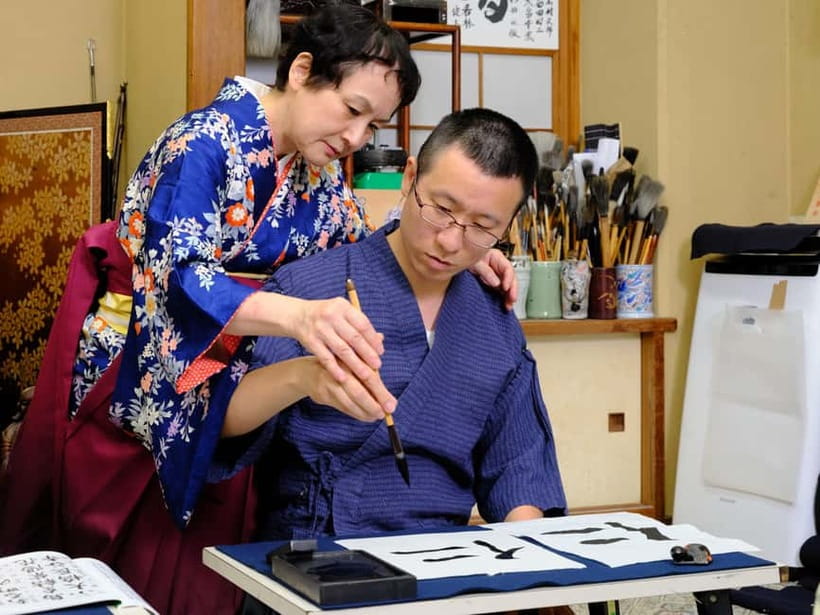
The instruction is led by professional calligraphers, with an English speaking guide and also French support. That bilingual availability is more than a convenience. When you’re learning fine technique, tiny corrections matter, and you want to understand what the instructor is asking for.
In the feedback from recent students, you see a pattern: the instructors are patient and organized. People highlighted teachers like Hana for being very pedagogical, and others mentioned Tomo or Koushi as experienced guides who explain details clearly. Some students also described extra help after the class, like assisting with taxi booking or helping find a calligraphy set to bring home, which tells you the team cares about the full experience, not just the 90 minutes.
A small group also helps with communication. With a limit of up to 10 participants, it is easier for the instructor to spot what’s going wrong and guide you without rushing everyone else.
The Tea Break, the Calm Pace, and the Meaning Behind Strokes
In a Tokyo day full of trains, schedules, and crowds, it’s rare to have a structured moment that forces you to slow down. This class gives you that pause. You get Japanese tea included, and the whole tone shifts after the practice.
The cultural meaning is part of that calm. You learn the deeper side of character writing, including spirituality and historical context. Even if you don’t remember every detail later, the effect sticks. When you understand that the stroke style and brush pressure reflect more than aesthetics, your work becomes more careful.
You’ll notice this in your final piece. Students often describe the final result as beautiful, and some even mentioned that the instructor wrote their name for them. That kind of personal touch is a big reason this class lands emotionally, not just visually.
Your Finished Artwork: What You Take Home
The best souvenir is the one you can use, display, or gift. This class includes your finished calligraphy work to take home.
The process is built so you end up with something complete. You practice first, then you create your artwork on the final format provided. Multiple students said they were able to write a kanji, and several mentioned the instructor also helped with names, which is a powerful way to make the piece feel personal.
Practical tip: treat it like artwork. Keep it flat in your bag or luggage so the ink and paper stay in good shape. If you’re also shopping in Tokyo that day, give this item a little priority in your packing.
Price and Value in Tokyo for 90 Minutes of Calligraphy
At $64 per person for 90 minutes, this class prices like a serious workshop, not a tourist craft stand. What you are paying for is:
- Instruction by professional calligraphers
- All necessary calligraphy tools
- Your finished artwork to keep
- Japanese tea
- An English speaking guide (and French support)
Tokyo has plenty of inexpensive activities, but they often charge more later for supplies or end without a meaningful takeaway. Here, the tools and final artwork are included, which is what helps the value feel fair. If you’ve spent money on classes before, you know the real cost is always time plus expert guidance. This fits into that sweet spot: enough instruction to learn something, enough time to finish, and enough cultural explanation to feel grounded.
Also, small group size matters for value. Up to 10 participants means you are not just watching. You’re learning in real time.
Logistics That Can Make or Break Your Experience
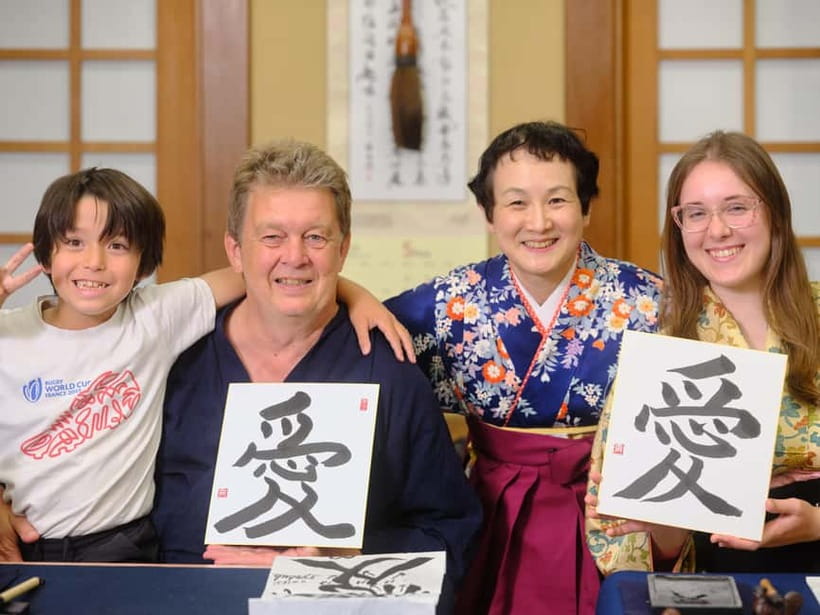
There are a few practical things that can help your day go smoothly.
First, what to wear. The notes say clothes can get dirty, which makes sense because you are working with ink and brush technique. Even if you dress in yukata or samue, you’ll still want to wear something you don’t mind getting stained.
Second, the class location is a specific meeting point near 海德寺 and by a nursery school. If you rely on taxis often, leave extra time to reach the meeting spot cleanly. The class itself is 90 minutes, so arriving late can shrink your practice time.
Third, there is no individual transportation included. That is normal for Tokyo day activities, but you should plan your route.
Tips to Get Better Results Even If It’s Your First Time
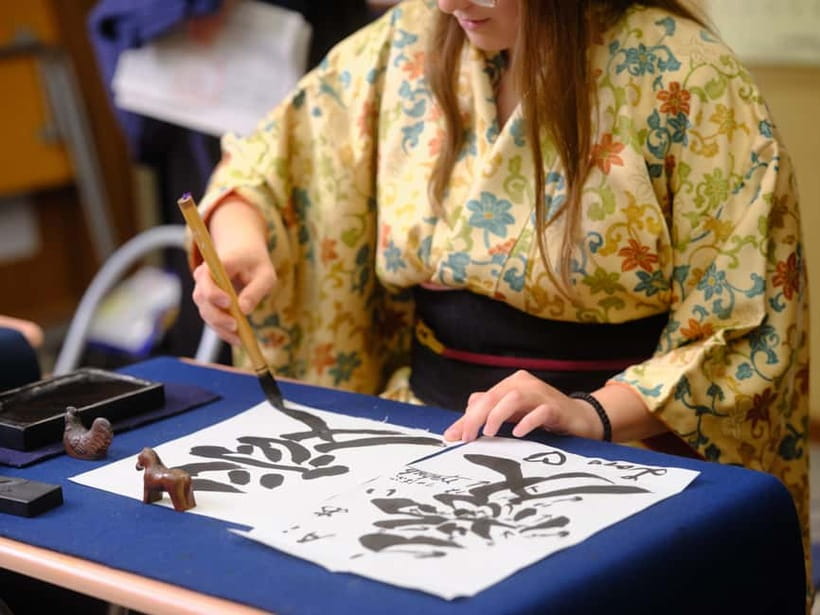
You don’t need prior calligraphy experience. The whole structure is built for beginners, with step-by-step instruction and plenty of practice time. Still, you can improve your outcome with a few smart habits.
Wear and bring for comfort:
- Choose clothing that can tolerate ink risk
- Keep your movements relaxed and steady, because brush strokes reward calm control
During the lesson:
- Listen for corrections on brush pressure and direction, not just the final result
- Practice the key strokes the instructor shows, then carry that control into the final character
Lastly, don’t rush your final piece. Your best final artwork usually comes from finishing practice strokes slowly. The class format is designed to give you time for that kind of focus.
Who Should Book This Calligraphy Class, and Who Should Think Twice
This class is a strong fit if you want a real skill, not a quick souvenir. It’s also great if you like structured cultural activities where you learn the meaning behind what you’re doing.
It tends to work well for:
- People who want to write a kanji as a guided project
- Travelers who enjoy hands-on workshops with expert coaching
- Families, as long as the child meets the minimum age requirement
- Visitors who want both English or French support
It may not be a good fit if:
- You need a super casual activity with no concentration
- You are not comfortable with ink-related mess risk, since clothes can get dirty
- Your group includes anyone outside the stated suitability range (under 4, over 70)
Should You Book This Tokyo Calligraphy Experience?
Yes, you should book it if you want a Tokyo activity that gives you a real takeaway and a calmer pace. The combination of professional instruction, small-group attention, and a finishable artwork makes it more valuable than many short craft sessions.
I would not treat it as a quick photo stop. This is a focused class built around brush technique and understanding the characters. If you show up ready to practice and take your time, you’ll leave with a souvenir that looks like it came from a real workshop, not a one-off activity.
If your schedule is tight, choose your timing carefully so you can arrive on time and still enjoy the tea break after you’ve written your final piece. That tea pause is part of why the class feels satisfying.
FAQ
What is the duration of the Tokyo calligraphy class?
The class lasts 90 minutes.
What is included in the $64 per person price?
Instruction by professional calligraphers, all necessary calligraphy tools, your finished calligraphy work to take home, Japanese tea, an English speaking guide, and the calligraphy instructor fee.
What languages are available for the guide and instruction?
The instructor and guide are available in English and French.
Where is the meeting point?
You meet near 海德寺 (a temple), with the location described as next to a nursery school and next to 海德寺.
What should I wear or bring?
Wear clothes that can get dirty.
Is it suitable for children and older adults?
It is not suitable for children under 4 years old, and it is not suitable for people over 70 years old.
Made by Hand, and Yours to Keep

Rental Counters, Compared

Newest Tokyo write-ups from the Loving Japan desk






Japanese Craft and Calligraphy Workshops, side by side.
 ★ 5.0Tokyo Shinjuku Chopsticks Making ClassFrom $201,763 reviews
 ★ 4.8Chopstick Making Workshop in GinzaFrom $251,366 reviews
 ★ 5.0Chopsticks Making Workshop in Gion with Engraving OptionFrom $15958 reviews
 ★ 4.8Tokyo Sumo Experience: Chanko & Mochi with a Former ProFrom $103567 reviews
 ★ 5.0Kintsugi Experience: Art of Golden Joinery in TokyoFrom $59467 reviews
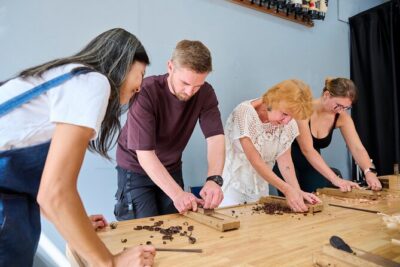 ★ 5.0Tokyo Chopstick Making Workshop with ArtisanFrom $26466 reviews
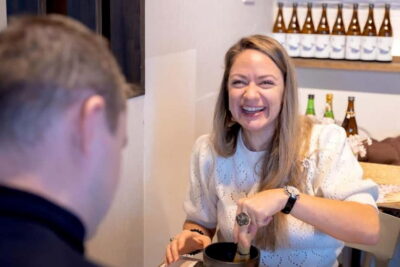 ★ 4.9Matcha Making Experience with Mochi Sweets in AsakusaFrom $22388 reviews
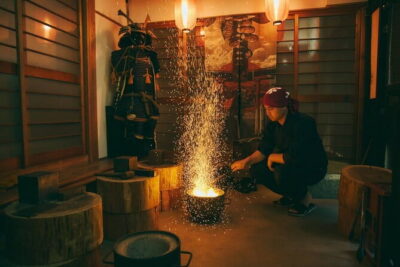 ★ 4.8Authentic knife making experience at a blacksmith in KyotoFrom $154350 reviews
Filed on these lists too