
REVIEW · KYOTO TEA CEREMONIES AND MATCHA
EDOCCO Tea House–A Quick Dive into Japanese Traditional Culture
Tea, dance, and paper art in one hour. What I like most is the restored Edo-style setting and the fact that it stays personal in a small group. The one consideration is that the Geisha dance is brief, so you are getting a taste rather than a long performance.
This is not just watching Japanese culture from a distance. You make matcha, dress in a kimono, try shodo brush strokes, and fold origami, all while getting English explanations that make it easier to connect the dots.
At $72.48 per person for about an hour, it can feel like a lot of culture packed into a short slot. In my view, the value depends on whether you want hands-on practice and memorable keepsakes more than a long, single-activity deep session.
In This Review
- Quick hits: what makes EDOCCO different
- First Stop at EDOCCO Studio in Sotokanda (Tokyo)
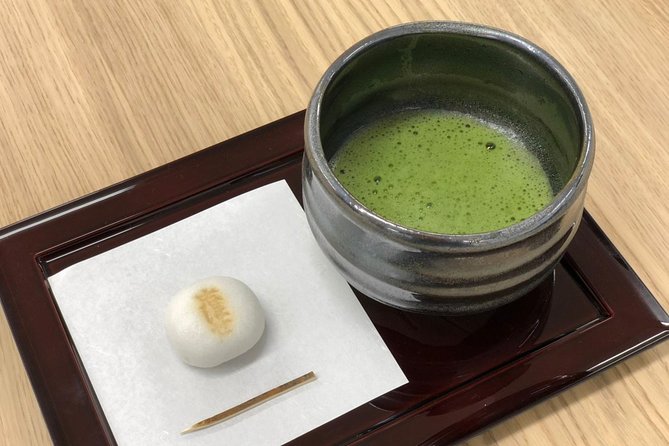
- Matcha tea ceremony and Japanese sweets: what you actually do
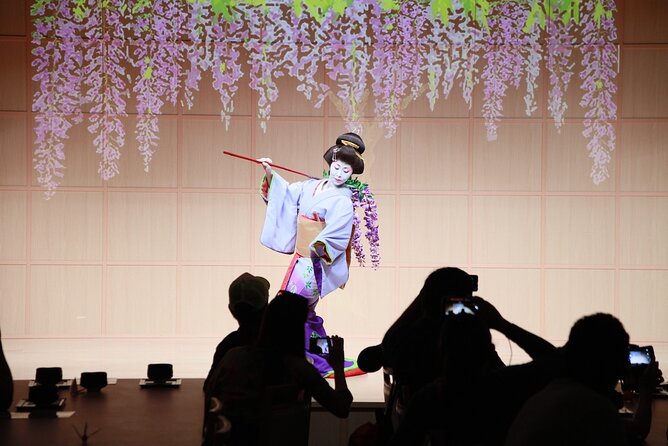
- Geisha dance show: short, focused, and explained in English
- Kimono cosplay: fun photos, but treat it with respect
- Shodo calligraphy workshop: brush strokes you can feel
- Origami mini workshop: from paper to a small masterpiece
- How the hour stays on track (and what you might want to plan)
- Value check: $72.48 for a highly varied cultural hour
- Who this experience suits best
- A few practical tips before you go
- Should you book EDOCCO Tea House?
Quick hits: what makes EDOCCO different
- Restored Edo-style venue that makes the whole hour feel like you stepped into the past
- Small group, personalized instruction across multiple activities
- Matcha ceremony with Japanese sweets, plus cultural context in English
- Kimono cosplay so you can actually participate and take photos
- Shodo calligraphy + origami mini workshop with take-home artwork
- Geisha dance show that adds performance and movement to the mix
Sit down somewhere quieter. Other tea rooms we booked
- Matcha Making Class in Tokyo with Authentic Japanese Sweets Set
★ 5.0 · 744 reviews - Tokyo: Traditional Tea Ceremony with a Tea Master
★ 5.0 · 528 reviews - Tokyo: Matcha Making Experience with Mochi Sweets in Asakusa
★ 4.9 · 388 reviews - Tokyo: Matcha and Kimono Experience
★ 4.7 · 219 reviews
First Stop at EDOCCO Studio in Sotokanda (Tokyo)
The experience starts at EDOCCO Studio, located at EDOCCO 2-chōme-16-2 Sotokanda, Chiyoda City, Tokyo 101-0021. It is also described as near public transportation, which matters in Tokyo, because you do not want your day ruined by a complicated scramble.
If you are using the Marunouchi Line, I would aim for Ochanomizu station (M20), then follow the short walk steps that locals tend to use, including taking stairs to cross the road and turning left and right at the next intersections. The point is simple: plan for a quick, walkable hop, not a long trek.
What I appreciate here is that the venue is a dedicated culture space, not a generic room with tables shoved in. That helps you settle into the mood before you even start making matcha.
Matcha tea ceremony and Japanese sweets: what you actually do
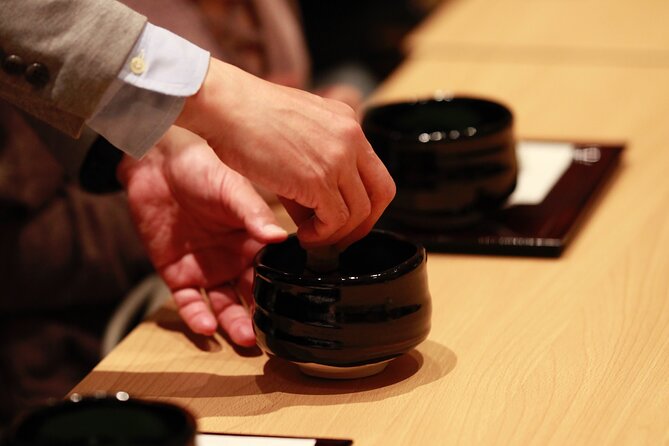
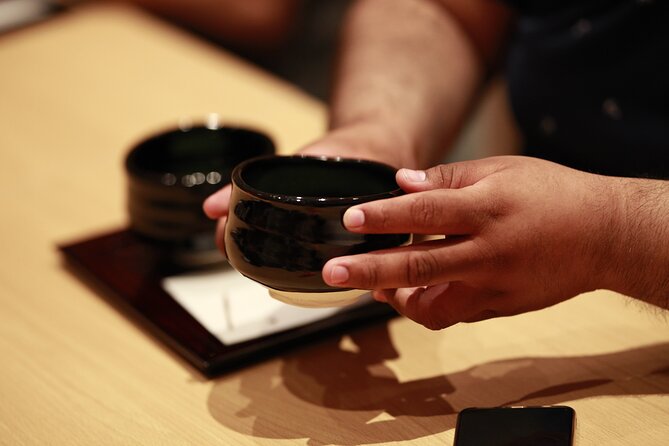
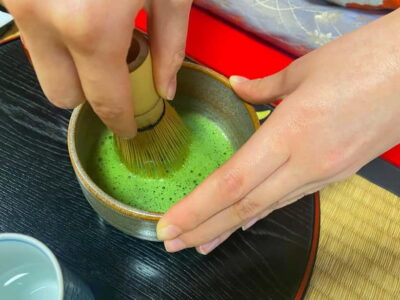
Your first hands-on moment is the tea ceremony part, with matcha and Japanese sweets. This is not just a sip and a goodbye. You get guided through the delicate process of preparing and serving matcha, then you pair it with a sweet treat.
This matters because matcha can feel intimidating when you see it on videos. In this format, you are learning the basic rhythm: how the whisk and powder fit into the process, and how the serving feels like a small ritual rather than a random drink.
A practical note: the matcha set with a tea bowl, matcha powder, a bamboo whisk, and other tools is not included, but it is available for purchase. If you fall in love with the taste and want to recreate the experience later, that shop option can be useful. If you are just curious, you will still leave with the snack set you came for.
Geisha dance show: short, focused, and explained in English
After tea, you shift from craft to performance with a Japanese dance show. The experience includes explanations in English, so you are not just watching hand movements and fan work without context.
Now for the reality check: the Geisha dance segment can be under 10 minutes. That does not make it bad, but it changes your expectations. Think of it as a highlight that adds energy and cultural texture, not as a full-length stage performance.
What helps is that it is paired with the rest of what you are learning. Tea has patience. Calligraphy has control. Origami has precision. The dance is movement, posture, and timing. Put together in one hour, it gives you a fuller sense of what traditional arts try to train, discipline and poise.
- Mt Fuji and Hakone 1-Day Bus Tour Return by Bullet Train★ 5.0 · 26,383 reviews
- 1-Day Tokyo Bus Tour★ 5.0 · 14,250 reviews
- Tokyo: teamLab Planets TOKYO Digital Art Museum Entry Ticket★ 4.6 · 9,779 reviews
- Mt Fuji & Hakone Cruise, Drum Show Bullet Train 1 Day from Tokyo★ 4.0 · 7,413 reviews
- Tokyo: Shinjuku Food Tour (13 Dishes at 4 Local Eateries)★ 5.0 · 6,603 reviews
Kimono cosplay: fun photos, but treat it with respect
Then comes kimono cosplay. You dress in a kimono for the Edo-style atmosphere, and you can use that moment for photos and for stepping into the character of the setting.
This is one of the most popular parts because it is visual, memorable, and instantly different from your everyday travel look. But it also teaches something subtle: you are not just putting on clothing, you are participating in a tradition that comes with styling rules and etiquette.
If you are someone who cares about how things are done, you will likely enjoy this more than the quick costume versions you might see elsewhere. The instruction and pacing are part of the experience, and the setting makes the kimono feel connected to what you are learning, not separate from it.
Shodo calligraphy workshop: brush strokes you can feel
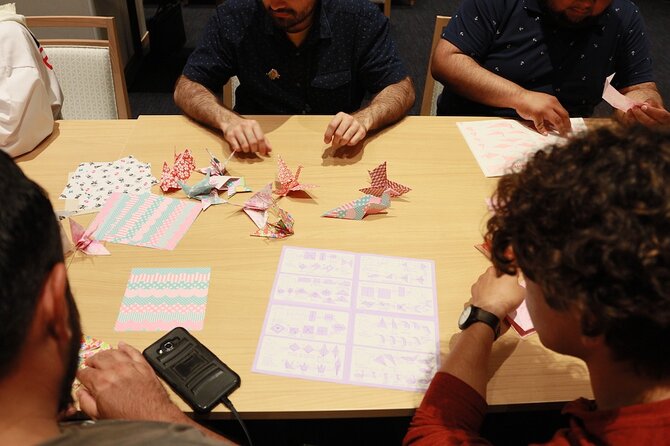
One of the best takeaways is the shodo calligraphy mini workshop. You learn the basics of brush strokes and create your own character under guidance.
Calligraphy is one of those activities where you quickly realize it is not about being an artist first. You are learning how to control pressure, direction, and speed. In an hour-long class, that is exactly what you want, because you can try and adjust without it turning into a long commitment.
Keep your expectations grounded: this is an introductory session designed for first-timers. But the goal is real skill in a short time, plus a finished result you can keep. That is why calligraphy works well in a multi-activity experience, it gives you something tangible that matches the cultural theme of precision.
Origami mini workshop: from paper to a small masterpiece
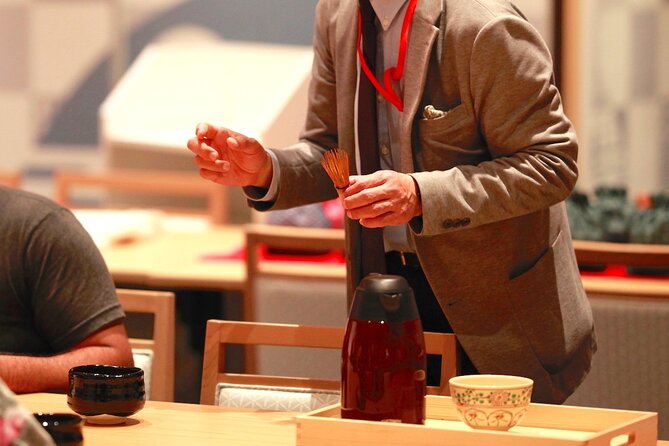
Right after calligraphy, you get origami. The focus is traditional paper folding, with examples ranging from simple designs like cranes to more intricate folds depending on the group and what you choose.
Origami is a great partner to calligraphy. Both rely on patience and attention. And since the materials are just paper, it becomes an activity you can carry into your future travels. You can practice at home, and the memory sticks because you made something with your hands.
If you like having a visual result to show friends back home, this is a strong part of the hour. If you prefer quieter crafts, this also gives you that calm, focused moment after the performance and costume section.
How the hour stays on track (and what you might want to plan)
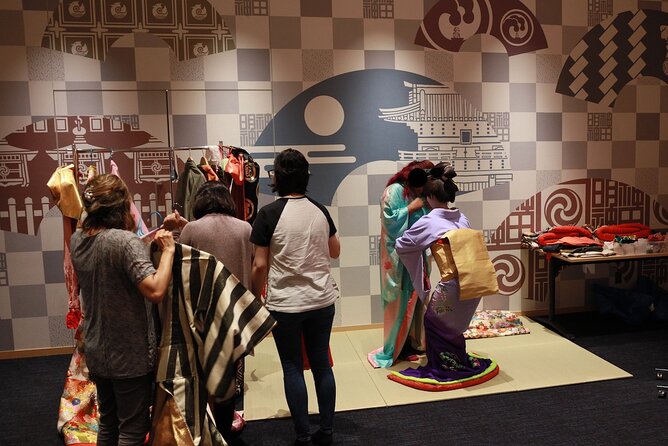
Everything here is designed to fit into about one hour. That means the pace is structured. You do multiple activities, and each one has a clear beginning and end.
That structure is a big reason people love this kind of format. It is not random. You get a balanced spread of tea culture, dance, dressing up, and two hands-on arts. If you only have one evening in Tokyo for something cultural, this gives you a lot of emotional payoff fast.
But the flip side is time. If you want an extended dance performance, or you want more than an intro-level calligraphy practice, you may leave wishing the class ran longer. The tradeoff is that you see, do, and experience several traditions in one go, which is a win for many first-time visitors to Japan.
Group size also shapes the experience. The maximum is 20 travelers, and the small-group feel is repeatedly mentioned in the tone of the experience. In practical terms, that usually means you are not standing around waiting while the instructor handles a big crowd.
Value check: $72.48 for a highly varied cultural hour
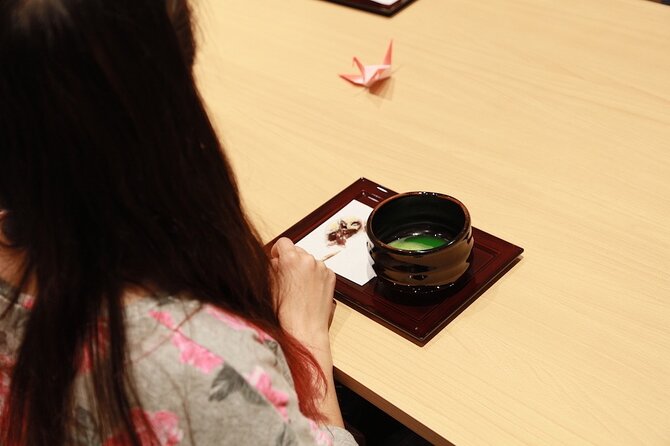
Let’s talk value, because $72.48 is not just pocket change for an hour.
Here is what you are buying:
- A snacks set of matcha and Japanese sweets
- A Japanese dance show appreciation with English explanations
- Calligraphy instruction and your own character practice
- Origami instruction with a paper art outcome
- A Japanese dress cosplay experience (kimono)
Also, you are paying for setup and guidance in multiple disciplines, not just one. That is the main reason this can feel worth it. You are not touring a venue, you are actively participating in several cultural forms.
Where the value might feel lower is if you mainly want one specialty, like a long tea ceremony or a full-length dance show. In that case, you might prefer an experience that focuses on one tradition for a longer block of time.
For most people, though, the price makes sense because you leave with multiple take-home memories, plus photos in kimono, plus paper and ink creations. That combination is hard to get from many short Tokyo activities.
Who this experience suits best
This experience fits best if you want:
- A first taste of Japanese arts and etiquette without feeling lost
- Hands-on activities that you can actually repeat at home (origami and calligraphy are the obvious ones)
- A culture session that includes both performance and making things
- English explanations to help you understand what you are seeing and doing
I also think it is a good option for families, since the workshop-style structure is easy to follow. It is short, guided, and designed to be approachable for beginners. Just remember it is about one hour, so it is not a slow, restful half-day activity.
A few practical tips before you go
- Dress comfortably. You will be doing hands-on work, and kimono fitting can involve standing and adjusting.
- If you care about photos, treat the kimono portion as your moment. The kimono helps you blend into the Edo-style atmosphere, and the setting likely makes for better images than generic street backdrops.
- If you really love Geisha dance performances, go in knowing the show portion can be brief. Then enjoy it for what it is, a highlight that adds context to the rest of the hour.
Should you book EDOCCO Tea House?
Yes, I would book it if you want a compact, structured way to experience several Japanese traditions in Tokyo, especially if you care about hands-on art like shodo and origami. The restored Edo-style setting and the small-group attention are the kind of details that make this feel more personal than a typical quick workshop.
I would think twice if your top priority is a long, uninterrupted Geisha dance show or a fully detailed tea ceremony training. In that case, you may prefer a longer, single-theme class. For everyone else, this is a well-paced cultural stop that helps you leave with memories you can see and even recreate.
Kyoto by the Bowl


Newest Tokyo write-ups from the Loving Japan desk


Kyoto Tea Ceremonies and Matcha, side by side.
 ★ 4.9Tea Ceremony in a Traditional Tea House in KiyomizuFrom $493,519 reviews
 ★ 4.9Tea Ceremony Ju-An at Jotokuji TempleFrom $293,207 reviews
 ★ 4.345-Minute Tea Ceremony Lesson ExperienceFrom $222,378 reviews
 ★ 5.0World Heritage Kyoto & Nara Uji Authentic Matcha ExperienceFrom $1291,573 reviews
 ★ 4.9Tea Ceremony ExperienceFrom $251,426 reviews
 ★ 4.9Table-Style Tea Ceremony at a Kyo-MachiyaFrom $451,211 reviews
 ★ 4.8Kenrokuen Tea Ceremony ExperienceFrom $351,139 reviews
 ★ 5.0Kimono Tea Ceremony at Kyoto Maikoya, NISHIKIFrom $65911 reviews
Filed on these lists too