
REVIEW · KYOTO TEA CEREMONIES AND MATCHA
Tea Ceremony Workshop in Tokyo by the Experienced Instrucor
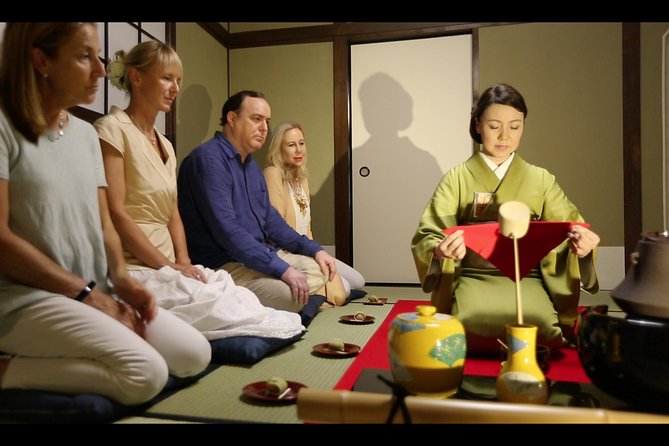
Chado is one of the few Tokyo activities that feels slow on purpose. This tea ceremony workshop is led by a school licensed by the Urasenke Chado School in Kyoto, and you get hands-on time making matcha. I also love the calm, step-by-step rhythm, including a formal koicha tasting and an usucha lesson that does not feel rushed. The main drawback to plan for is the tea room on the second floor of an older house, with a steep staircase and socks required.
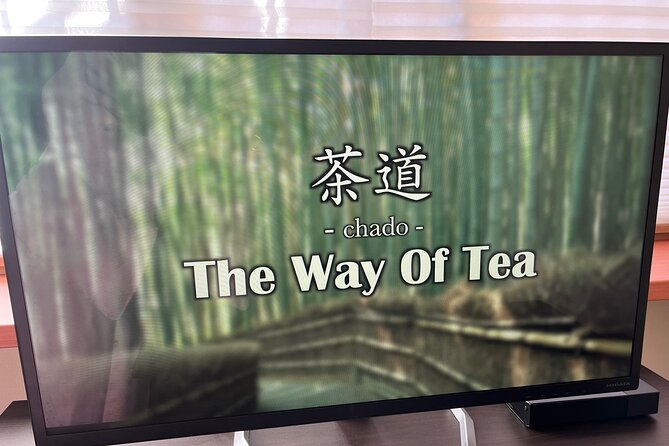
You’ll start with a Sakura tea welcome drink, then get a short, 10-minute intro video that explains the core ideas of Chado. After that, the host guides you through the tearoom experience, sweets, and the main ceremony flow, including how to serve as host and guest. For the most comfortable visit, dress with tea etiquette in mind: miniskirts and tight pants are not recommended, and no bare feet are allowed.
If you’re traveling with limited mobility or hate steep stairs, this one needs careful thought. Also note that the house is older and has a weight limit, so they may ask your group to adjust timing for safety.
In This Review
- Key Highlights to Know Before You Go
- Tokyo Chado Workshop, Not Just a Matcha Tasting
- Getting There Near Asakusa and Finding the Correct Address
- What the 90-Minute Flow Actually Feels Like
- Sakura Tea Welcome, Then a Simple Chado Primer
- The Tearoom Moment, Tatami Rules, and How to Handle Them
- Koicha: Learn the Formal Flow, Then Taste the Strong Matcha
- Tea Bowls and Regional Shapes That Change the Experience
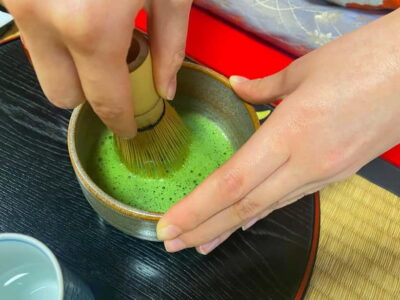
- Usucha Hands-On Lesson: Make Thin Matcha with Thick Foam
- Serving as Host and Guest, and the Social Side of Calm
- Price and Value: Why $38.47 Is Not Just About Matcha
- Who Should Book This Workshop in Tokyo
- Book It or Skip It?
- FAQ
- Is this tea ceremony workshop in Tokyo about matcha tasting, or making tea too?
- How long does the workshop last?
- Where is the meeting point?
- Do I need special footwear?
- What should I wear for the tea room?
- Do I have to sit seiza-style on the tatami?
- What happens during the koicha and usucha parts?
- What age is this workshop for?
- Can I cancel if my plans change?
Key Highlights to Know Before You Go
- Licensed by Urasenke Chado School standards, taught in a formal tea setting in Tokyo
- Koicha to usucha progression, including both tasting and making matcha
- Tatami tea-room rules, socks required, seiza optional, chair available if needed
- Small group experience with a maximum of 6 people for more personal guidance
- Sweets and tea variety, including Sakura tea, dry sweets, and multiple matcha styles
Sit down somewhere quieter. Other tea rooms we booked
- Matcha Making Class in Tokyo with Authentic Japanese Sweets Set
★ 5.0 · 744 reviews - Tokyo: Traditional Tea Ceremony with a Tea Master
★ 5.0 · 528 reviews - Tokyo: Matcha Making Experience with Mochi Sweets in Asakusa
★ 4.9 · 388 reviews - Tokyo: Matcha and Kimono Experience
★ 4.7 · 219 reviews
Tokyo Chado Workshop, Not Just a Matcha Tasting
Tokyo has plenty of food experiences, but Chado works differently. The goal is not only to taste tea, it’s to learn how attention, pace, and courtesy shape the whole moment. In practice, that means you follow a sequence, observe the formal parts, and then do the key movements yourself.
I like that this workshop is built for real participation. You watch a formal performance style, you taste, and you also get a hands-on lesson for your own bowl of thin matcha (usucha). For many visitors, that hands-on part is the difference between a nice show and an experience that sticks with you.
It also helps that the instruction comes from a school linked to the Urasenke Chado School in Kyoto. The pacing and terminology you hear, like koicha and usucha, make the session feel anchored in an established tradition instead of a generic tea demo.
Getting There Near Asakusa and Finding the Correct Address
This workshop runs in Tokyo near Asakusa, and the meeting point is listed as 2-chōme-3-12 Kotobuki, Taito City, Tokyo 111-0042. You’ll want to be alert to the exact address because the note says the correct location is 2-3-12, and some maps may show 2-3-3.
Plan to arrive a little early. The session starts inside an older Japanese-style house built around the 1940s, and the last meters on foot can feel slower than you expect in a residential area. Since there is a mobile ticket involved, having your ticket ready on your phone helps you avoid any last-minute fumbling.
One more practical detail: the tea room is on the second floor. There’s a steep staircase, and there’s no mechanical assistance provided, so you should think in advance about how you’ll get up comfortably.
What the 90-Minute Flow Actually Feels Like
The whole workshop is about 1 hour 30 minutes, and that time structure matters. It’s long enough to do a real ceremony segment, but short enough that it does not hijack your whole day. In Tokyo terms, that’s a win if you’re also stacking temple stops, food walks, or museum time.
A typical flow starts with a welcome drink, Sakura tea served by the host. Then you get a 10-minute introduction video covering the history and core concepts of Chado. After that, you move into the tearoom portion, where the session becomes more meditative and less lecture.
Next comes the formal ceremony segment with koicha. You’ll learn the tea-room rhythm and then taste strong matcha. After that, you shift to the usucha portion, including a hands-on lesson where you make a bowl of thin matcha with thick foam.
Finally, you spend time with matcha knowledge and tea bowls. You also get confectionery at a couple of points, including traditional Japanese sweets and dry sweets before drinking usucha.
Make something to take home. Other workshops
- Tokyo Shinjuku Chopsticks Making Class★ 5.0 · 1,763 reviews
- Chopstick Making Workshop in Ginza★ 4.8 · 1,366 reviews
- Tokyo Sumo Experience: Chanko & Mochi with a Former Pro★ 4.8 · 567 reviews
- Kintsugi Experience: Art of Golden Joinery in Tokyo★ 5.0 · 467 reviews
- Tokyo Chopstick Making Workshop with Artisan★ 5.0 · 466 reviews
Sakura Tea Welcome, Then a Simple Chado Primer
The Sakura tea welcome drink sets the tone fast. It’s cherry blossom themed, served as the host’s opening gesture, and it helps you settle into the idea of seasonal beauty and ceremony etiquette. It’s also a good warm start if you’re a little jet-lagged, because you’re guided right away instead of waiting.
Then comes the 10-minute introduction video. Even if you’ve read about tea ceremonies before, this kind of short explainer helps you connect the words you’ll hear later to what you’re actually doing. You’ll learn the core concepts of Chado, and that makes the later steps feel less like memorizing movements.
One practical upside of the intro video is that it gives you mental context before you sit down on tatami. When you understand the why, the how becomes easier.
The Tearoom Moment, Tatami Rules, and How to Handle Them
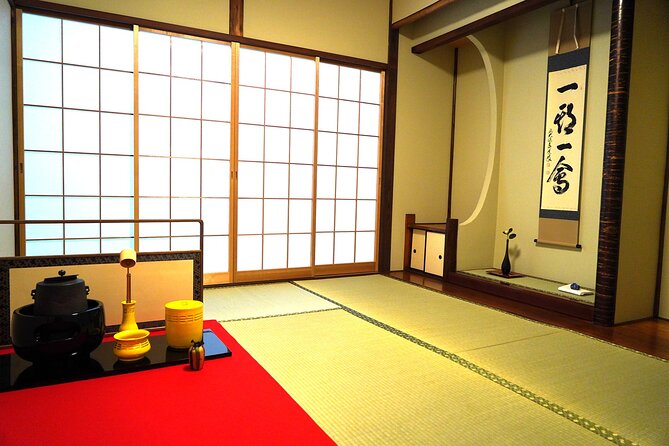
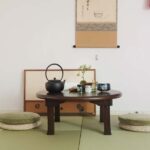
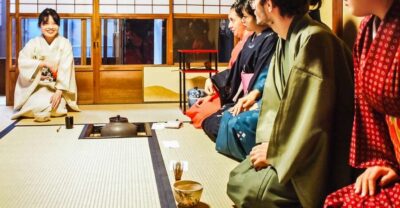
The tearoom is a key part of the experience. You’re in a Japanese tearoom setup with tatami mats, and there’s a clear attempt to create quiet focus. There’s even a meditation moment built in, which is rare in standard food tours.
Tatami seating rules are important here. You do not have to sit in seiza style by bending your knees in the traditional way. If you cannot sit on the tatami in any way, the workshop can provide a chair.
You must bring socks. No bare feet are allowed in the tea room, and socks are required. Also, the dress code advises you not to wear miniskirts or tight pants, because tea-room etiquette needs comfortable movement and respectful coverage.
If you’re unsure what to wear, choose soft layers and something easy to move in. Long pants or comfortable slacks work well, and socks you can keep on for a while are essential.
Koicha: Learn the Formal Flow, Then Taste the Strong Matcha
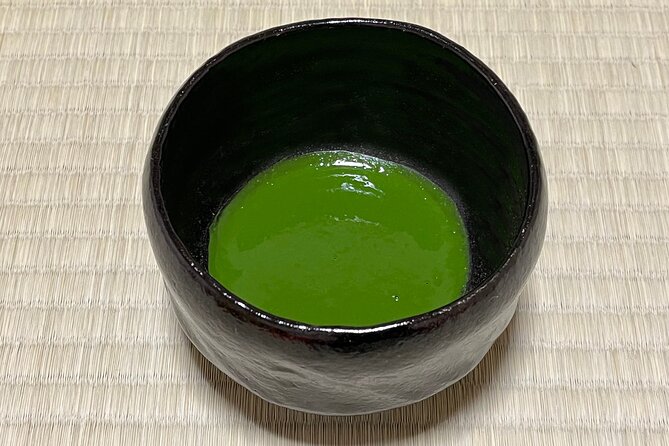
Koicha is the formal performance segment that many people remember most. This is the main matcha tea used in the ceremony, and you get the experience of learning how it’s made and then tasting it.
The workshop also ties the tea to story. Koicha is described as the strong matcha tea originally drunk by samurai. Even if you’ve heard tea-samurai connections before, tasting koicha helps the idea feel real, because the stronger preparation reads differently on your palate than the thin style most visitors expect.
This is one of the most praised parts of the session because it’s both formal and instructional. You’re not just drinking matcha, you’re watching a carefully structured process and then tasting the result, step by step.
For many visitors, it creates a simple before-and-after effect. You realize that matcha is not one flavor, it’s a range, shaped by how it’s prepared and served.
Tea Bowls and Regional Shapes That Change the Experience
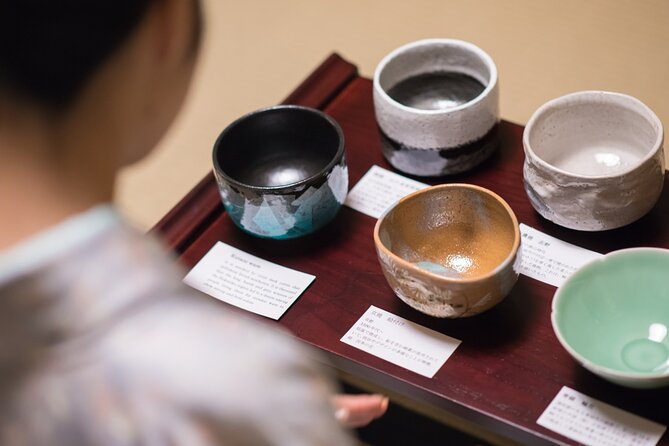
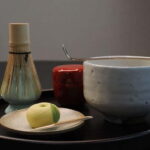
After you taste koicha, you shift to the tea bowl part. You’ll learn the variety of tea bowls from different regions and how bowl shape influences the experience.
This segment matters more than it sounds. In Chado, the bowl is part of the sensory design. A different shape can alter how the tea is held, sipped, and experienced, even if the matcha ingredients stay similar.
For you, the practical takeaway is that the workshop is training your senses, not just giving facts. Once you notice how bowls and preparation affect the moment, you’ll spot similar ideas when you later visit tea shops or matcha cafés.
Usucha Hands-On Lesson: Make Thin Matcha with Thick Foam
This is the part where you stop being an observer. The host guides you in a hands-on lesson to make a bowl of usucha, thin matcha tea with thick foam.
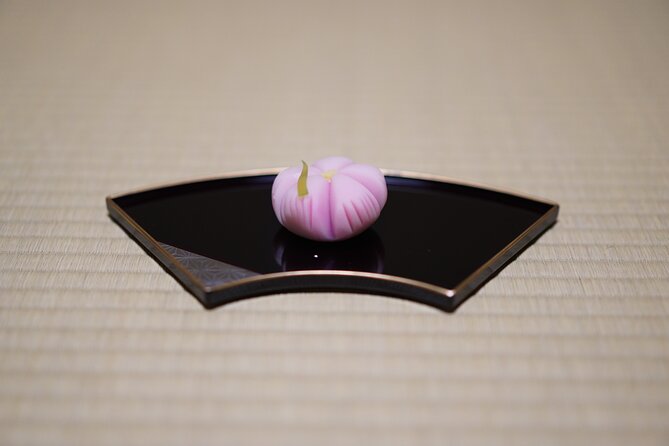
You’ll also taste what comes before the usucha. Dry sweets are served before you drink the thin matcha, and that small pacing change helps your palate reset for the tea. It also slows you down in a good way, so you don’t gulp your way through the experience.
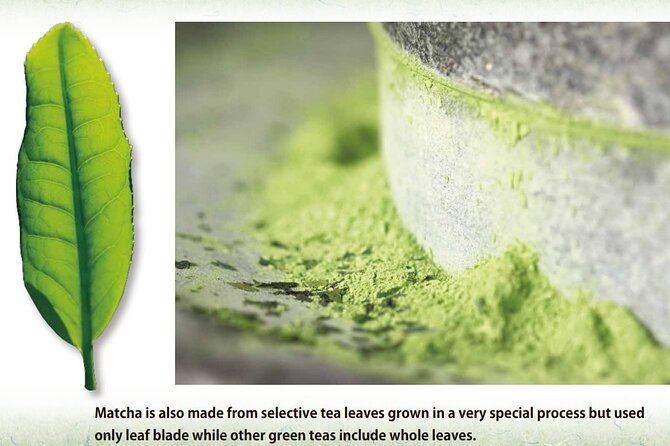
Matcha powder is part of the lesson too. You learn about matcha powder itself, which helps you understand why the tea tastes the way it does, and why preparation steps matter. If you buy matcha later, this context makes shopping less random.
One of the big value points here is that the workshop teaches you what to do, not only what to watch. You come away with muscle memory for the key sequence, even if you won’t practice it perfectly at home right away.
Serving as Host and Guest, and the Social Side of Calm
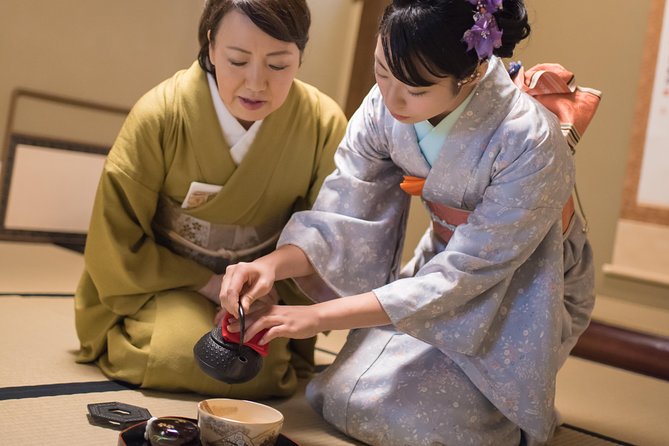
Chado is quiet, but it is not anti-social. This workshop includes practice serving tea as both a host and guest. That might sound simple, but it teaches etiquette through action: posture, timing, how you present and receive the bowl, and how you treat the moment with care.
In a small group setting, those moments land better than in a larger class. You get more chances to see the correct form, and you can ask questions if something feels unclear.
The host’s guidance is also a major factor in why people rate this experience so highly. One key detail from the teaching style is clear English instruction, and the instructor’s background includes living in the United States for a number of years, which helps the concepts land easily.
Price and Value: Why $38.47 Is Not Just About Matcha
At $38.47 per person, you’re paying for more than matcha powder and sweets. You’re paying for a structured Chado lesson in a licensed-tea context, guided by an instructor who can explain both performance and meaning. You’re also paying for time in a proper tearoom setting with formal elements like koicha and a hands-on usucha make.
For comparison, generic matcha experiences in Tokyo can be cheaper, but they often stop at a tasting and a quick demo. Here, you get both tasting and making, plus etiquette and tea-room rules you can actually use elsewhere.
The small group cap helps the value too. A maximum of 6 travelers means your attention does not get diluted, and the host can keep an eye on your form. In a subject like this, that attention makes your experience feel more personal and less like a factory tour.
Who Should Book This Workshop in Tokyo
This is a strong fit if you want something cultural that still feels doable on a travel schedule. The session is about 1.5 hours, and you can choose from multiple workshop times to fit your day.
You should book if you like:
- Food experiences with rules and ritual
- Hands-on instruction, not just watching
- A quiet pause in the middle of a busy Tokyo trip
It’s also suitable for families, with the workshop designed for ages 10 and above. For couples, the calm setting and paired etiquette practice can feel especially memorable.
The biggest mismatch is travelers who cannot manage steep stairs. Since the tea room is upstairs and the staircase is described as steep, plan accordingly. If you can handle stairs but worry about seating, remember chairs can be provided if tatami seating is not possible.
Book It or Skip It?
Book this workshop if you want a real Chado introduction where you taste koicha, learn about tea bowls, then make your own usucha. The combination of formal ceremony elements, a hands-on portion, and a small group size is exactly what turns matcha from a beverage into a meaningful experience.
Skip it only if steep stairs are a deal breaker or if you want a purely informal tea experience with no etiquette. Also consider the dress code, especially if you prefer very short or tight outfits, since miniskirts and tight pants are not recommended.
If you’re choosing between a matcha café and this tea ceremony, the workshop is the better choice for learning. You’ll leave with understanding, not just a photo and a cup.
FAQ
Is this tea ceremony workshop in Tokyo about matcha tasting, or making tea too?
You’ll do both. The experience includes tasting koicha, and you’ll also get a hands-on lesson to make usucha (thin matcha tea with thick foam).
How long does the workshop last?
It’s about 1 hour 30 minutes.
Where is the meeting point?
The start point is listed as 2-chōme-3-12 Kotobuki, Taito City, Tokyo 111-0042, Japan, and the note says the new address is 2-3-12.
Do I need special footwear?
Yes. No bare feet are allowed in the tea room, socks are required, and socks should be brought.
What should I wear for the tea room?
Miniskirts and tight pants are not recommended. Dress in a way that lets you move comfortably and follow tea-room etiquette.
Do I have to sit seiza-style on the tatami?
No. You do not have to sit with seiza style on tatami mats. If you cannot sit on tatami in any way, a chair can be provided.
What happens during the koicha and usucha parts?
Koicha is the formal ceremony performance segment, followed by tasting strong matcha tea. Then you learn and make usucha in the hands-on portion.
What age is this workshop for?
It’s designed for participants age 10 and above.
Can I cancel if my plans change?
Cancellation is free up to 24 hours in advance for a full refund. If you cancel less than 24 hours before the start time, the amount paid is not refunded.
Made by Hand, and Yours to Keep

Kyoto by the Bowl



Newest Tokyo write-ups from the Loving Japan desk



Kyoto Tea Ceremonies and Matcha, side by side.
 ★ 4.9Tea Ceremony in a Traditional Tea House in KiyomizuFrom $493,519 reviews
 ★ 4.9Tea Ceremony Ju-An at Jotokuji TempleFrom $293,207 reviews
 ★ 4.345-Minute Tea Ceremony Lesson ExperienceFrom $222,378 reviews
 ★ 5.0World Heritage Kyoto & Nara Uji Authentic Matcha ExperienceFrom $1291,573 reviews
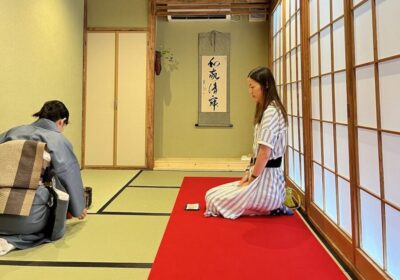 ★ 4.9Tea Ceremony ExperienceFrom $251,426 reviews
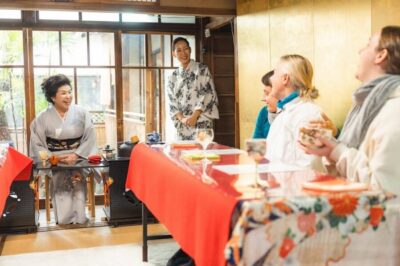 ★ 4.9Table-Style Tea Ceremony at a Kyo-MachiyaFrom $451,211 reviews
 ★ 4.8Kenrokuen Tea Ceremony ExperienceFrom $351,139 reviews
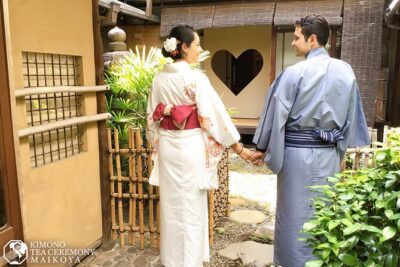 ★ 5.0Kimono Tea Ceremony at Kyoto Maikoya, NISHIKIFrom $65911 reviews
Filed on these lists too