
REVIEW · RAMEN AND NOODLE TOURS
Home style Ramen and Homemade Gyoza in Kyoto
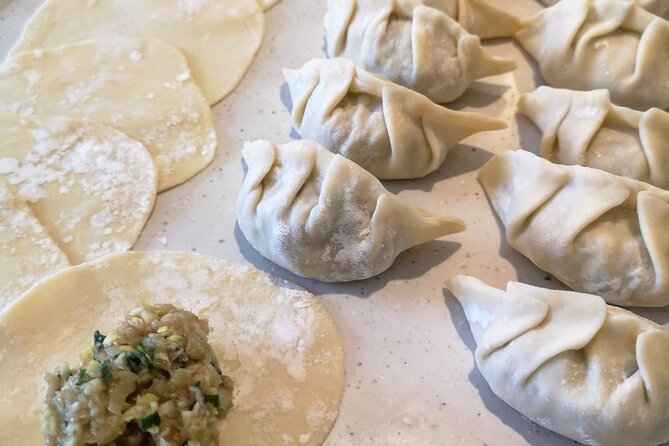
A Kyoto kitchen and real hands-on cooking. In Nariko’s Kitchen class, you make home-style ramen soup and homemade gyoza wrappers in a cozy home setting, then you sit down and eat what you cooked. It is the kind of activity that makes Japan feel practical, not just picturesque.
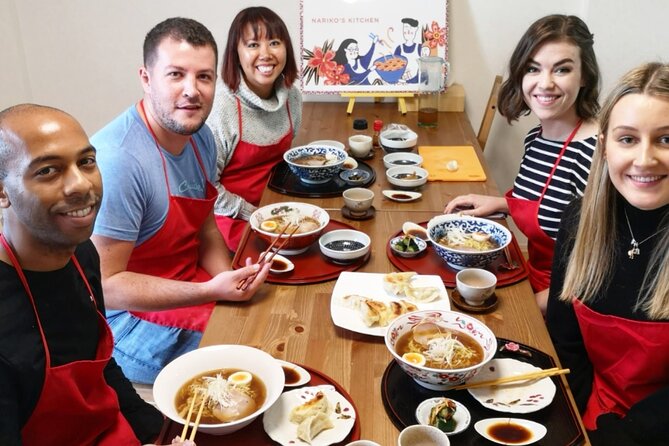
I love the small-group setup, max 8 people, because you get calm, step-by-step attention. I also love that you build key parts of the meal yourself, including the broth, the gyoza dough, and the wrappers, not just assembling ingredients.
One important consideration: this is not vegetarian. Nariko uses dried fish in the ramen soup, and the class is also knife-based, so participants must be at least age 10 and able to use a knife.
In This Review
- Key things that make this class worth your time
- A Kyoto Home Kitchen, Not a Show
- What You Make (and the One Thing You Do Not)
- The 3.5-Hour Flow, From Prep to Dinner
- Ramen Soup Lessons: Flavor Built on Dried Fish Broth
- Homemade Gyoza Wrappers: The Skill That Changes Everything
- Cucumber Pickles: The Bright Side That Makes the Meal Work
- Small Group Energy, Clear Teaching, and a Friendly Pace
- Knife Skills and Age Minimum: Plan Accordingly
- Price and Value at About $119
- Where You Meet, and How to Fit It Into Your Day
- Who This Class Suits Best
- Should You Book Nariko’s Kitchen Ramen and Gyoza Class?
- FAQ
- What dishes will I make in this Kyoto class?
- Is this class vegetarian-friendly?
- Do you make ramen noodles during the class?
- How old do participants need to be?
- How many people are in the class?
- What time does the class start?
- How long is the class?
- What is the meeting point?
- How do I get the ticket?
- What is the cancellation policy?
Key things that make this class worth your time
- Small class size (up to 8) in a real home
- Ramen soup from Nariko’s mother’s recipe, including dried fish broth
- Gyoza wrappers made from scratch, not store-bought dough
- Hands-on flow, then you eat your own ramen and pan-fried gyoza
- Cucumber pickles to finish the meal with something bright
- Recipes shared after class so you can cook it again at home
A bowl somewhere else in Kyoto
- Ramen Cooking Class at Ramen Factory in Kyoto
★ 5.0 · 1,937 reviews - Kyoto: Ramen Cooking Class at a Ramen Factory with Souvenir
★ 4.9 · 532 reviews - Kyoto: Ramen, Gyoza, and Onigiri Cooking Class
★ 5.0 · 445 reviews - Kyoto Ramen and Gyoza Cooking Class with Professional Chefs
★ 5.0 · 282 reviews
A Kyoto Home Kitchen, Not a Show
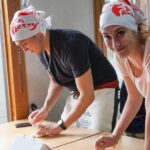
This class is exactly what you hope a cooking class is: a real kitchen rhythm, with real food work. Nariko teaches inside her home, which changes the feel right away. You are not in a fluorescent classroom, you are learning in a lived-in space where the priority is getting dinner on the table.
That matters for two reasons. First, it keeps the pace human. You can ask questions without feeling like you are competing with a crowd. Second, you see how Japanese home cooks manage steps, tools, and timing, which is what you need if you want to reproduce the food later.
You should also like the practical vibe here. The class is designed so the techniques transfer. That means you are not only tasting Japan, you are learning a way of cooking.
What You Make (and the One Thing You Do Not)
You will make a full home-style meal built around two stars: ramen soup and gyoza. The ramen part is soup only. The class does not make ramen noodles, so do not expect to roll noodles or boil them as part of this session.
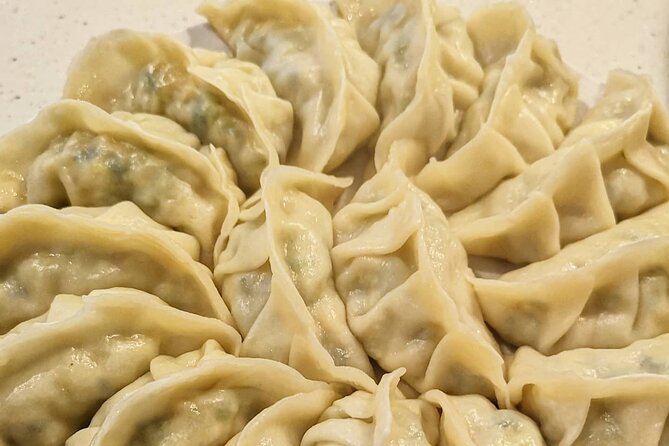
For gyoza, the focus is on the wrapper and dumpling process. You will make gyoza skins from scratch, meaning you work the dough and prepare the wrappers yourself. Then the goal is to eat the results, so you get to see how your dough behaves and how the dumplings turn out.
You will also make cucumber pickles. That is not just a side dish. Pickles are a classic palate reset, and they help round out a heavier, savory meal.
Here is the one dietary reality you need to plan around. Nariko uses dried fish for the ramen soup, and the class cannot be made vegetarian. If you have other dietary restrictions, you should message before booking and be ready for a yes or a no depending on what can be accommodated.
The 3.5-Hour Flow, From Prep to Dinner
The class runs about 3 hours 30 minutes, starting at 10:00 am and ending back at the meeting point area. You are in the kitchen for the full block, so you are not darting around Kyoto between stops. That is a big plus if you want a cooking day that feels steady and not rushed.
In practice, the work centers on two parallel efforts: ramen soup base and gyoza-making. You will spend time preparing components, learning knife technique for cutting and slicing, and then shaping and cooking the dumplings. Because you will be using a knife, Nariko sets a clear minimum age: participants must be older than 10 and able to use a knife.
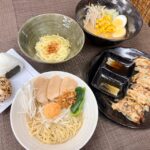
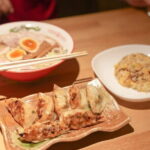
The ending is the part most people remember. You taste what you made. Eating in the same environment where you worked is motivating, and it closes the loop between technique and flavor. You get immediate feedback, like noticing what the wrapper texture is supposed to feel like or how the soup seasoning lands.
- PERFECT KYOTO 1-Day Bus Tour★ 5.0 · 13,518 reviews
- Kyoto: Fushimi Inari, Kinkakuji, Bamboo Grove 1 Day Bus Tour★ 4.8 · 4,316 reviews
- Kyoto: Tea Ceremony in a Traditional Tea House in Kiyomizu★ 4.9 · 3,519 reviews
- Kyoto Geisha Walking Tour: Gion District & Hidden Gems★ 4.7 · 3,273 reviews
- Kyoto: Tea Ceremony Ju-An at Jotokuji Temple★ 4.9 · 3,207 reviews
Ramen Soup Lessons: Flavor Built on Dried Fish Broth
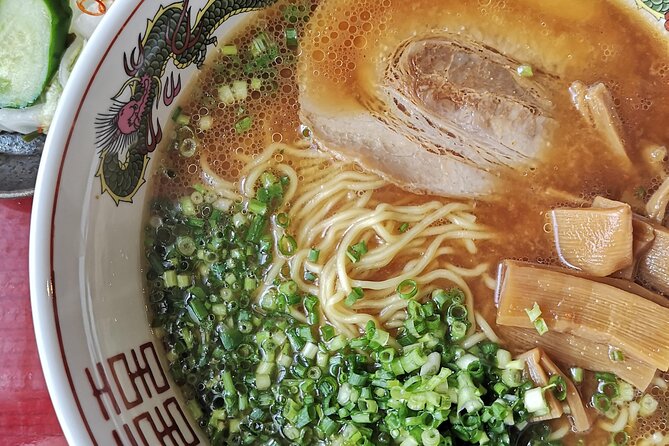
Ramen can feel complicated until someone shows you the home version. The ramen soup here uses Nariko’s mother’s recipe, and it relies on dried fish, which is very common in ramen. This is not a shortcut broth. It is the backbone of the bowl.
So what do you actually learn from a soup-focused class like this? You learn the importance of building flavor and not just adding salt at the end. You also get a feel for how ramen broth tastes different depending on what is in it. Since the class is not vegetarian, the training is specific, but it is still useful. Once you understand the role of dried fish in the overall umami, you can make smarter swaps later if you need them.
If you have a strong fish-avoidance diet, this is where you should stop and rethink. The class cannot remove dried fish from the ramen soup. If that is your situation, you will not get what you came for.
Homemade Gyoza Wrappers: The Skill That Changes Everything
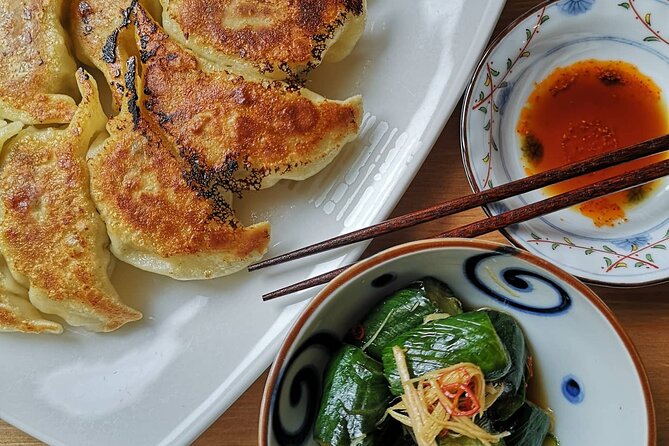
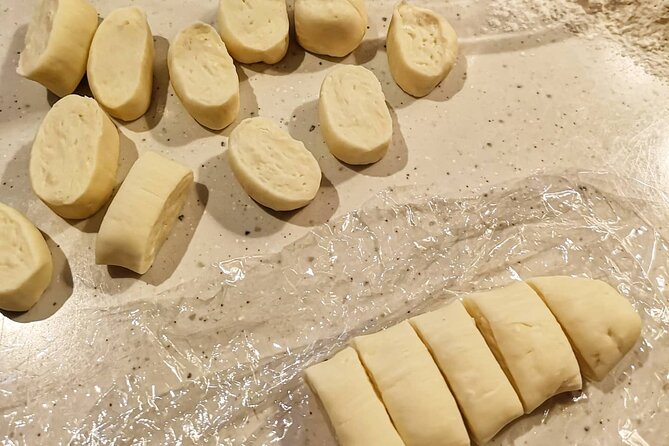
Most gyoza you buy is easy, but it also hides the work. Here, you make the skins from scratch. That means you work dough, manage thickness, and handle wrappers that behave differently than packaged dough.
You will also learn dumpling-making in a way that makes the result feel achievable. The wrapper is the whole game. If the dough is too thick, the texture is heavy. Too thin, and it can be fragile. Making the wrappers yourself gives you that fine-tuned sense, even if you are new.
Another practical point: many people think gyoza is only about folding. This class puts emphasis on preparation and method. You are taught in small steps, and you are not expected to magically perform like a restaurant line cook. The payoff is that you end up eating dumplings you made, which is the best way to understand what good gyoza should taste like.
Cucumber Pickles: The Bright Side That Makes the Meal Work
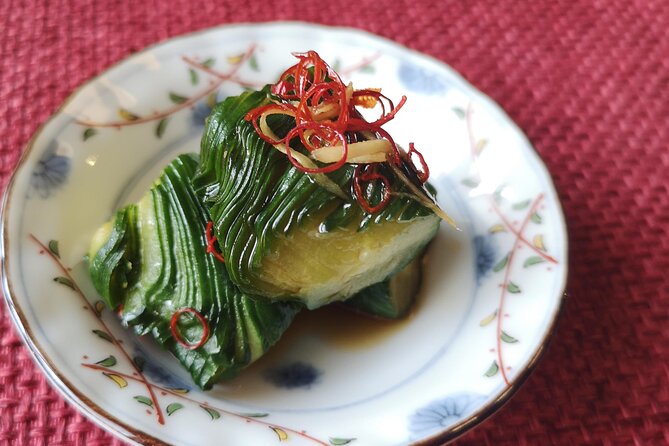
Cucumber pickles might sound like a simple add-on, but it is a smart design choice. Pickles bring acidity and crunch, which balances savory broth and pan-fried dumplings.
It also adds variety to your hands-on time. You get more than one type of technique here. Even if you are most excited about ramen or gyoza, the pickle lesson gives you another tool you can use later when you cook at home and want to make a plate feel complete.
Small Group Energy, Clear Teaching, and a Friendly Pace
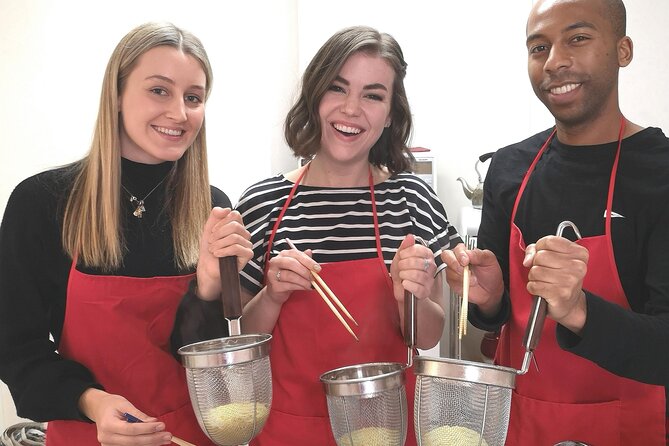
The class is capped at 8 travelers, and that has a real effect on how it feels. You can ask questions while you cook, not after. It also makes the kitchen less hectic, which matters when you are learning knife skills and dough handling.
Nariko is the instructor, and her style comes across as calm and personable. Multiple highlights in the feedback point to her teaching approach: she explains clearly, checks that you are keeping up, and keeps everyone moving at a comfortable pace. That kind of facilitation helps beginners relax. It also helps families where at least one child is capable with a knife.
Your group might include people from different places, but the cooking tasks are the same. That is why a small class is valuable. You are all learning the same fundamentals together.
Knife Skills and Age Minimum: Plan Accordingly
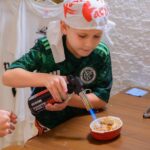
This is not a class for tiny kids who want to watch. There is an age rule for a reason: participants must be older than 10 because the class requires the use of a knife, and kids should be able to use one.
If you are traveling with children, this is one of the better options because it is hands-on and structured. But you do need to be honest about your kid’s comfort level with cutting and kitchen tools. If they can handle it, this class can be a highlight. If they cannot, you might end up feeling stressed.
Also, only people participating may attend. No spectators, due to limited space. That keeps the kitchen focused, but it means adults who just want to watch will not be able to sit in.
Price and Value at About $119
The price is $118.92 per person, and it is for a half-day, hands-on class plus the meal you cook. Here is how I look at value for something like this:
- You are paying for instruction, not just ingredients. The class is built around technique: soup base, wrapper dough, and dumpling work.
- You are paying for a small class size and a home environment. Max 8 means less crowding and more attention.
- You get a meal outcome. You are not making food and then rushing out before you can enjoy it.
- You likely leave with the ability to repeat it. The class shares recipes after, so the value continues beyond your Kyoto day.
If you have ever tried to copy Japanese home cooking at home and failed because you lacked technique, this format is usually worth the cost. If you are only looking for a quick bite, you might prefer a simpler food stop. But if your goal is learning, you are paying for something you cannot get from takeout.
Where You Meet, and How to Fit It Into Your Day
You meet at 5-6 Matsugasaki Rokunotsubochō, Sakyo Ward, Kyoto, 606-0915, Japan. The class starts at 10:00 am and ends back at the meeting point. It is near public transportation, so you should be able to reach it without too much fuss.
A morning cooking class also makes planning easier. You can treat it as the anchor of your day, then eat something lighter afterward since you will have a full meal from the class.
Also note the ticket style: it is a mobile ticket. That is handy if you prefer everything in your phone.
Who This Class Suits Best
This is a great fit if you want Japanese food skills you can actually recreate. You will get hands-on ramen soup and gyoza wrapper technique, plus a pickle side that rounds out the plate.
It also works well for couples who want something more interactive than a restaurant. A home kitchen experience tends to feel special without being overly formal.
Families can be a good match if the child meets the age and knife ability requirement. The class is also small enough that it can feel manageable for a family group.
If you are vegetarian, or if dried fish is a deal breaker, you should skip this one. If you have dietary restrictions beyond vegetarian needs, ask before booking so Nariko can confirm what is possible.
Should You Book Nariko’s Kitchen Ramen and Gyoza Class?
If you like the idea of cooking ramen soup and making gyoza wrappers from scratch in a real Kyoto home, I think you will feel happy with this choice. The strongest selling points are the small class size and the fact you learn core techniques, not just assemble food. Add the cucumber pickles and you get a complete meal experience, not a snack lesson.
I would not book if you need a vegetarian class or if your group includes non-participating spectators who want to watch. I also would not book if your kids cannot handle a knife, since the class is built around that hands-on requirement.
If you want a Kyoto day that gives you both delicious food and a skill you can repeat, this is an easy yes.
FAQ
What dishes will I make in this Kyoto class?
You will make home-style ramen soup (no ramen noodles), homemade gyoza with gyoza skins made from scratch, and cucumber pickles. You will also taste what you cook.
Is this class vegetarian-friendly?
No. Nariko uses dried fish for the ramen soup, and the class cannot be made vegetarian.
Do you make ramen noodles during the class?
No. This class focuses on ramen soup, and you will not be making ramen noodles.
How old do participants need to be?
Participants must be older than 10 because the class requires knife use. Children should be able to use a knife.
How many people are in the class?
The class has a maximum of 8 travelers, and only participants can attend due to limited space.
What time does the class start?
The class starts at 10:00 am.
How long is the class?
The duration is about 3 hours 30 minutes.
What is the meeting point?
The meeting point is 5-6 Matsugasaki Rokunotsubochō, Sakyo Ward, Kyoto, 606-0915, Japan. The activity ends back at the meeting point.
How do I get the ticket?
You receive a mobile ticket. Confirmation is received within 48 hours of booking, subject to availability.
What is the cancellation policy?
The experience is non-refundable and cannot be changed for any reason. If it is canceled because a minimum number of travelers is not met, you will be offered a different date or a full refund.
One More Bowl
Newest Kyoto write-ups from the Loving Japan desk




Ramen and Noodle Tours, side by side.
 ★ 5.0Ramen Cooking Class at Ramen Factory in KyotoFrom $1311,937 reviews
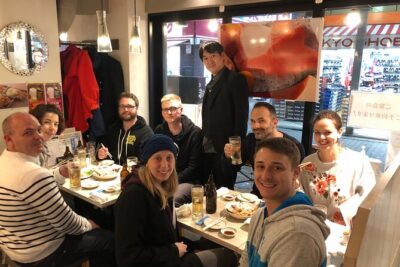 ★ 5.0Eat and Drink Like a Local: Tokyo Ueno Food Tour-Taverns&RamenFrom $95957 reviews
 ★ 5.0Ramen & Gyoza Cooking Class in Tokyo with Local Supermarket VisitFrom $122823 reviews
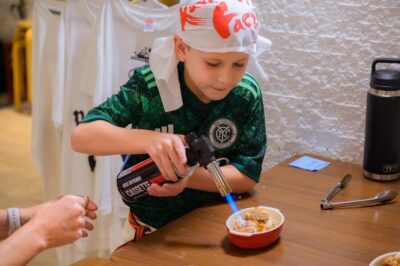 ★ 4.9Ramen Cooking Class at a Ramen Factory with SouvenirFrom $127532 reviews
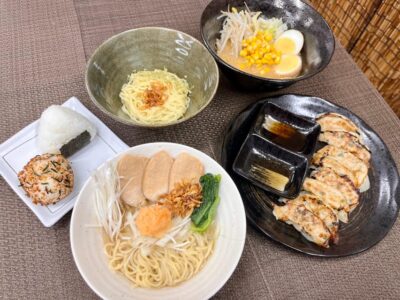 ★ 5.0Ramen, Gyoza, and Onigiri Cooking ClassFrom $90445 reviews
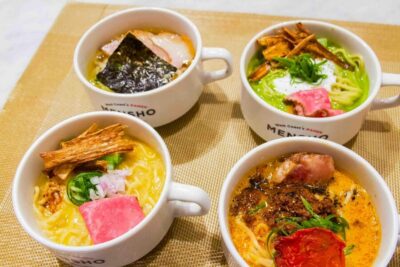 ★ 4.9Ramen Tasting Tour with 6 Mini Bowls of RamenFrom $122432 reviews
 ★ 4.7Five Must-See Highlights Walking Tour & Ramen LunchFrom $56411 reviews
 ★ 5.0Ramen and Gyoza Cooking Class in DotonboriFrom $70378 reviews
Filed on these lists too