
REVIEW · RAMEN AND NOODLE TOURS
Kyoto Michelin Ramen Workshop or Painting Ramen Essentials
Making noodles in Kyoto beats watching.
This Musoshin ramen workshop is built around hands-on noodle making and an authentic process you can actually see, including noodles made every morning and soup simmered for 12 hours. I love that you do real steps, then eat the result at Musoshin. I also love the creative option where you paint and can get your bowl kiln-baked for free to pick up the next day. One thing to consider is that the workshop space can feel tight if the group is larger, so plan to be close to others.
What makes this class especially interesting is how clearly it connects the craft in the kitchen to the bowl in front of you. The team is family-friendly, and the instruction is set up for different ages, from kids using their hands to adults who want to understand the why behind the flavor. If you come for a quick photo op, you might find it slower than a performance, but if you come to learn ramen, you’ll get your money’s worth.
In This Review
- Key highlights you should care about
- Kyoto Michelin ramen in Musoshin’s own workshop kitchen
- What you do step by step, from noodle machine to bowl painting
- The ramen workshop: hands-on noodle making
- The painting option: decorate before you eat
- How Musoshin builds flavor, noodles overnight and broth for 12 hours
- Kiln-baked custom bowl, and what to plan for
- Instructors who actually teach, with names you might meet
- Family-friendly ramen fun, including kids and special diets
- Eating at Musoshin right after you learn, what makes it click
- Price and value at about $54 per person
- How to decide if this workshop fits your Kyoto day
- Should you book Kyoto Michelin Ramen Workshop or Painting Ramen Essentials?
- FAQ
- How much does the Kyoto ramen workshop cost?
- Where is this activity located?
- What is included in the experience?
- Can I paint a bowl or spoon during the class?
- Are vegetarian or vegan ramen options available?
- What languages are offered?
- Can I book without paying immediately, and how flexible is cancellation?
Key highlights you should care about
- Michelin-nominated Musoshin Ramen: the workshop is tied directly to a restaurant recognized for its ramen.
- In-house ingredients and timing: noodles made each morning, rested overnight, and soup cooked for 12 hours.
- Family-friendly and hands-on: kids can participate, not just watch.
- Optional painting plus kiln baking: design a bowl, then get it baked in a kiln for free (pick up next day).
- Vegetarian and vegan ramen options: you can choose plant-based ramen.
A bowl somewhere else in Kyoto
- Ramen Cooking Class at Ramen Factory in Kyoto
★ 5.0 · 1,937 reviews - Kyoto: Ramen Cooking Class at a Ramen Factory with Souvenir
★ 4.9 · 532 reviews - Kyoto: Ramen, Gyoza, and Onigiri Cooking Class
★ 5.0 · 445 reviews - Kyoto Ramen and Gyoza Cooking Class with Professional Chefs
★ 5.0 · 282 reviews
Kyoto Michelin ramen in Musoshin’s own workshop kitchen
Musoshin Ramen started in Kyoto in 2022, and today it has six restaurants across Kyoto and Toronto. The Toronto location has been nominated for Michelin for three consecutive years, and that matters because the class is not a random cooking demo. You’re learning inside the same ramen mindset: careful prep, consistent ingredients, and a focus on flavor you can taste right away.
The workshop is run by Musoshin Ramen, with a structure that keeps it approachable. You get the basic ramen recipe, then you get hands-on time to follow the steps. In the painting option, you also get a creative task, usually spoon or bowl-related, before you shift into ramen assembly. Either way, you finish with ramen served at the Musoshin restaurant, so you’re not stuck wondering what all the steps are for.
What you do step by step, from noodle machine to bowl painting
There are two ways to experience this: the Kyoto Michelin Ramen Workshop and the Painting Ramen Essentials style option. In both, you spend time learning and then eat what you make or assemble.
The ramen workshop: hands-on noodle making
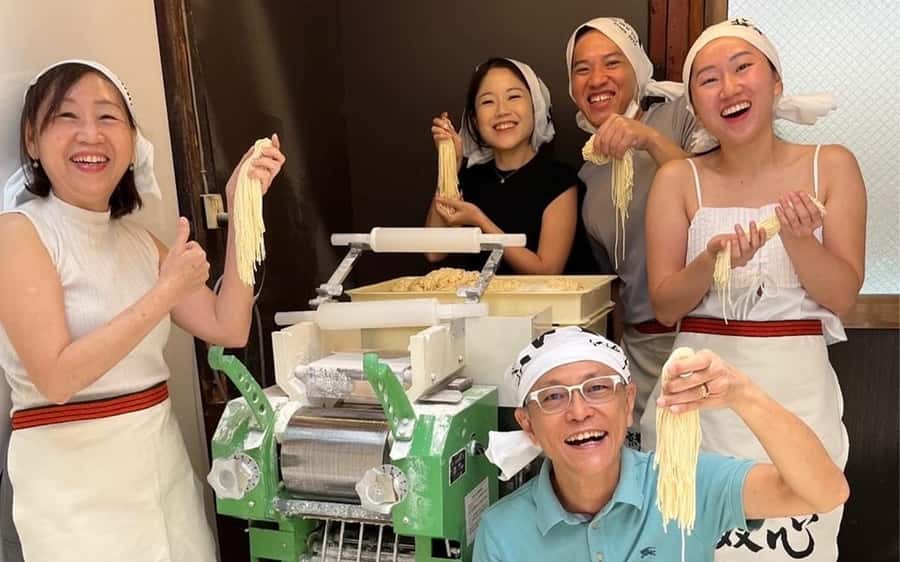
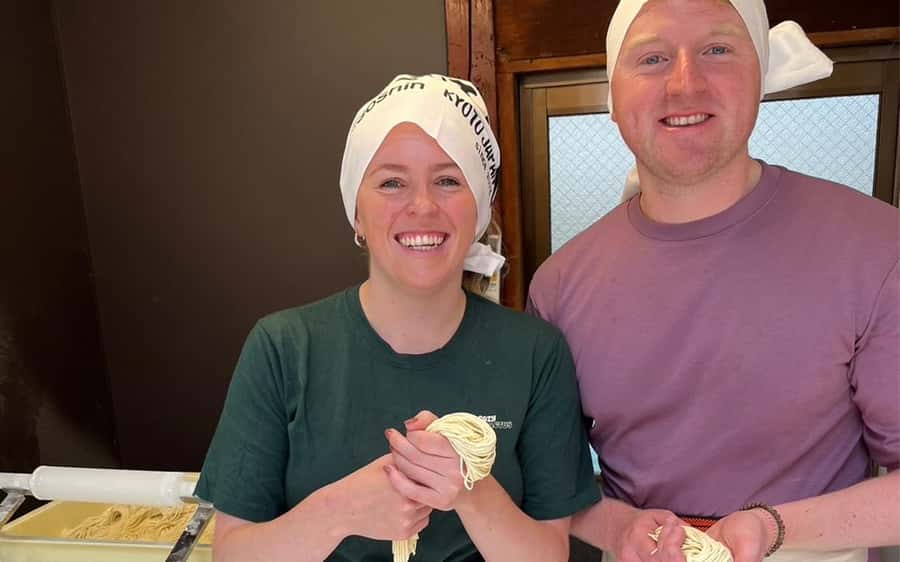
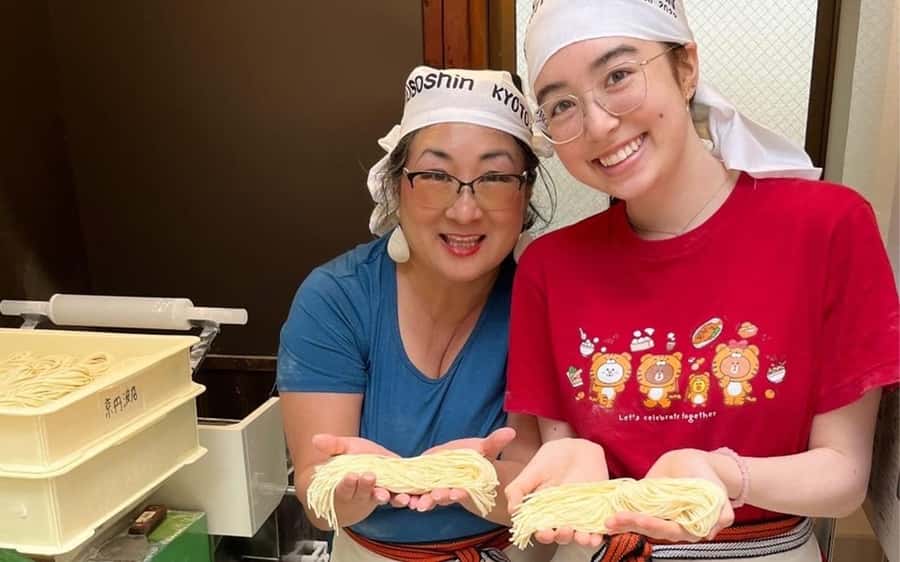
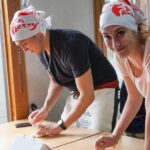
The core of the experience is learning the basic ramen recipe and participating in noodle production. You’ll work through multiple stages, including mixing and rolling out the dough with noodle equipment. Multiple participants specifically call out that the instructors guide you step by step and make sure everyone gets involved, not just the first person in line.
A practical thing I like about this setup is that it’s teachable. You can ask questions while you’re doing the physical work, and you’ll understand why a step matters once you see how the dough behaves. One person wrote that they went through the process fully from beginning to end, mixing and rolling through each stage, and that the guides prompted them to be hands-on the whole time.
Make something to take home. Other workshops
- Authentic knife making experience at a blacksmith in Kyoto★ 4.8 · 350 reviews
- Kyoto: Calligraphy class at Buddhist temple in city center★ 5.0 · 167 reviews
- Roketsu dyeing experience: M course Roketsu Dyeing Experience★ 5.0 · 163 reviews
- Kyoto: Beginner Knife Sharpening & Handle Fitting Workshop★ 4.9 · 141 reviews
- Kyoto: Small-Group Authentic Sushi Making Workshop★ 5.0 · 137 reviews
The painting option: decorate before you eat
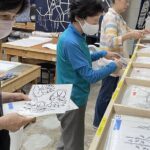
If you book the Painting Ramen Essentials style experience, expect a creative block plus ramen assembly time. In the feedback I saw, the pacing often splits time about evenly between painting and assembling ramen. This is where the kiln feature becomes a big deal.
You may paint items like a spoon or a bowl as part of the class. One helpful tip from a participant: if you use the pink design option, apply it thicker so the color shows up properly. That’s exactly the kind of detail that matters when you want your art to survive the kiln process and still look good the next day.
How Musoshin builds flavor, noodles overnight and broth for 12 hours

This is the part that turns ramen from a menu item into a craft. Musoshin insists on making ingredients in-house, and the workshop gives you enough context to taste the difference.
Here’s what you’re learning in plain language:
- Noodles are made in-house every morning, then left to sit overnight for the next day.
- The ramen soup cooks for 12 hours.
- Ramen soy sauce and roast pork are handmade.
Why this matters for you: ramen is timing and texture. Overnight resting helps the noodles with consistency and chew, and a long simmer builds depth in the broth. When you make (or assemble) the ramen yourself, you stop treating flavor as magic. You start noticing what changes when noodles rest, how broth richness shows up in the spoon, and why small ingredient choices can shift the whole bowl.
This is also why the class tends to feel worth it as a food experience, not just entertainment. You leave with a clearer mental model of what makes ramen taste the way it does, even if you never make it at home immediately.
Kiln-baked custom bowl, and what to plan for
One of the most fun and practical add-ons is the custom-designed bowl. If you choose the option, Musoshin will bake your design in a kiln for free, and you pick it up the next day.
That creates two benefits:
- You get a souvenir that is more personal than a standard shop purchase.
- You get to enjoy your ramen during the class, without worrying about your art while you eat.
A small but important consideration: since you’re using paint or design materials that need baking, apply your design with care. The thickness tip for pink is one example of how small prep choices can affect results after firing. If you’re traveling with kids, it’s also worth setting expectations early that the bowl is made for a finished look when you return to pick it up.
Instructors who actually teach, with names you might meet
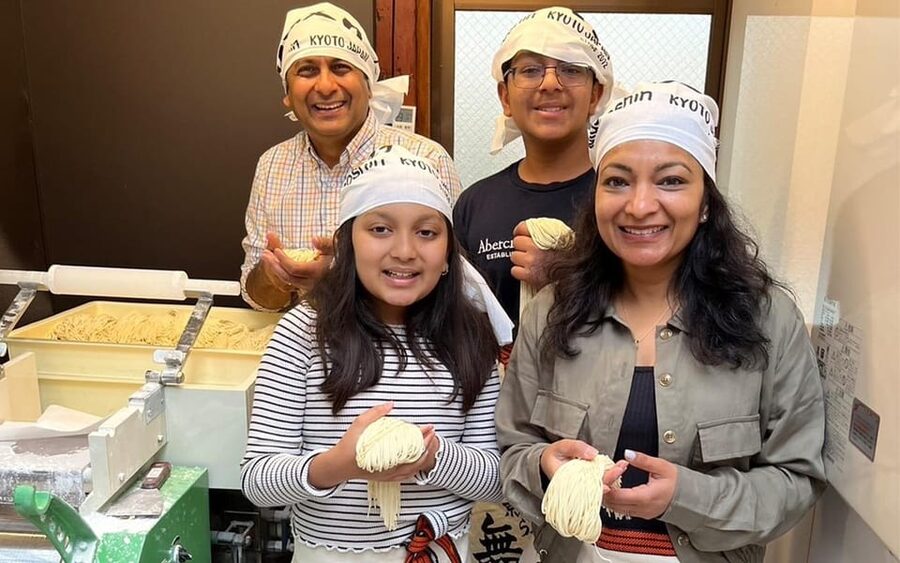
The workshop is led by Musoshin’s team, and names show up again and again in participant notes. You might meet instructors such as Koki and Makoto, who were described as kind and great at explaining the process. You might also meet Shin, including Shin the owner, who several participants highlight for English ability and a teaching style that mixes humor with clear instruction.
Other names that appear: Yaya, Pati, Rose, Momo, and Shima. Across these instructors, the common theme is patient guidance and hands-on involvement. That matters because ramen making can be intimidating if you expect a lecture. Instead, it becomes a practical class where you do the work and learn along the way.
Family-friendly ramen fun, including kids and special diets
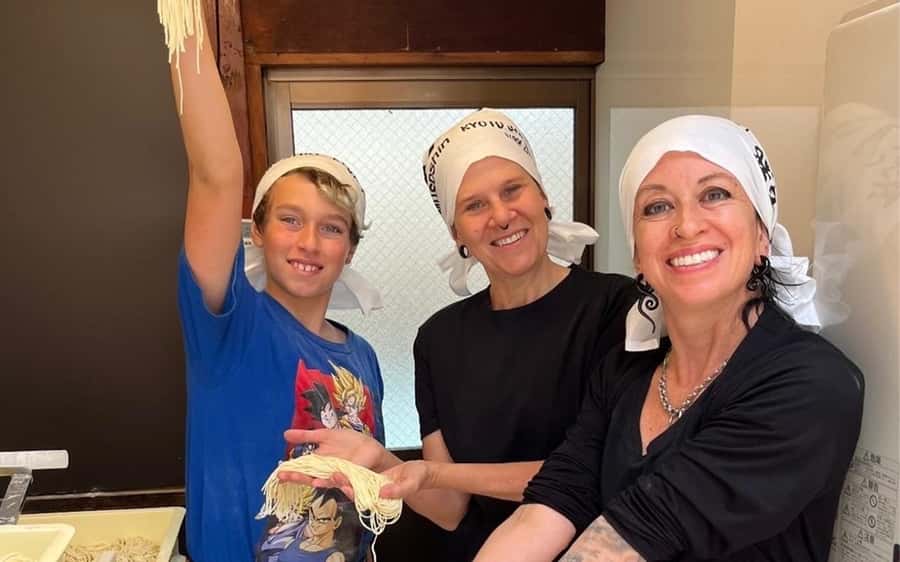
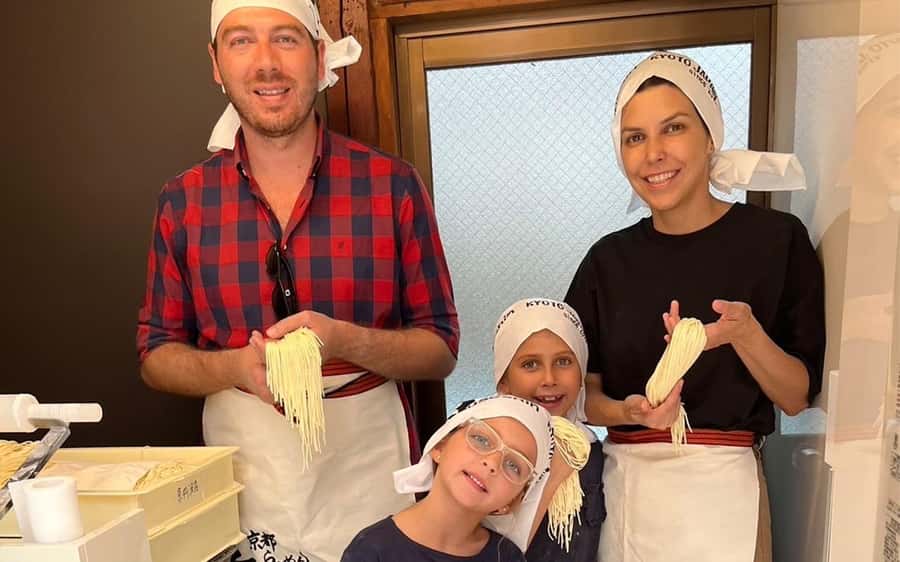
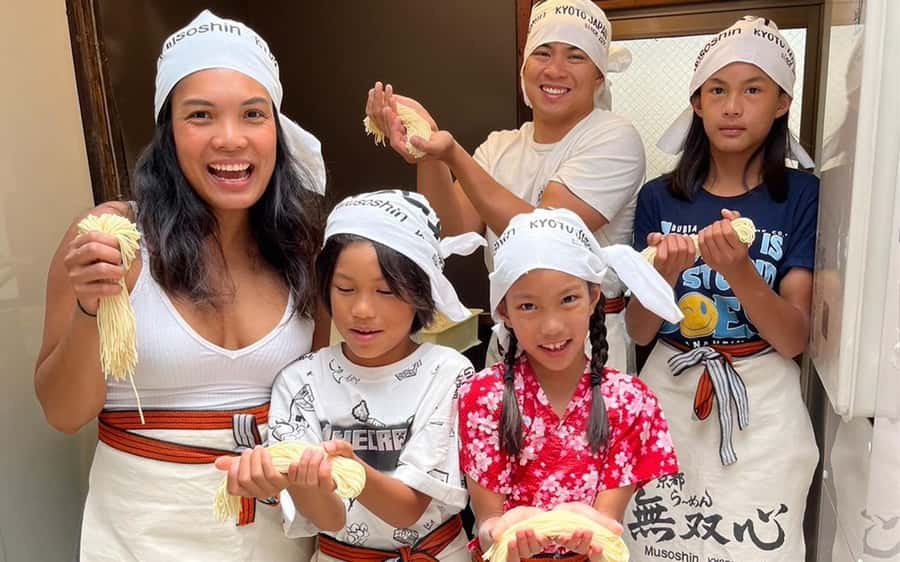
This workshop is genuinely positioned for families. Multiple notes mention kids participating with their hands and using the noodle machine, not just standing nearby. If you’re traveling with children, that’s a big win: it gives them a task, keeps attention focused, and ends with food they helped create.
There’s also strong evidence of dietary care. One participant shared that their son has celiac disease, and the team accommodated it with gluten-free noodles and a gluten-free soup. That’s not something you should assume will happen automatically for every request, but it does signal that the team can respond to restrictions when you communicate them.
If you want vegetarian or vegan ramen, options are available. That means the class can work even if your group splits across food preferences.
One consideration to keep in mind: the space is small. At least one family mentioned that the room felt cramped when a smaller group joined theirs. If you prefer more elbow room, look at class sizes when you book, and go in with the expectation that you’ll be close to others during the hands-on steps.
Eating at Musoshin right after you learn, what makes it click
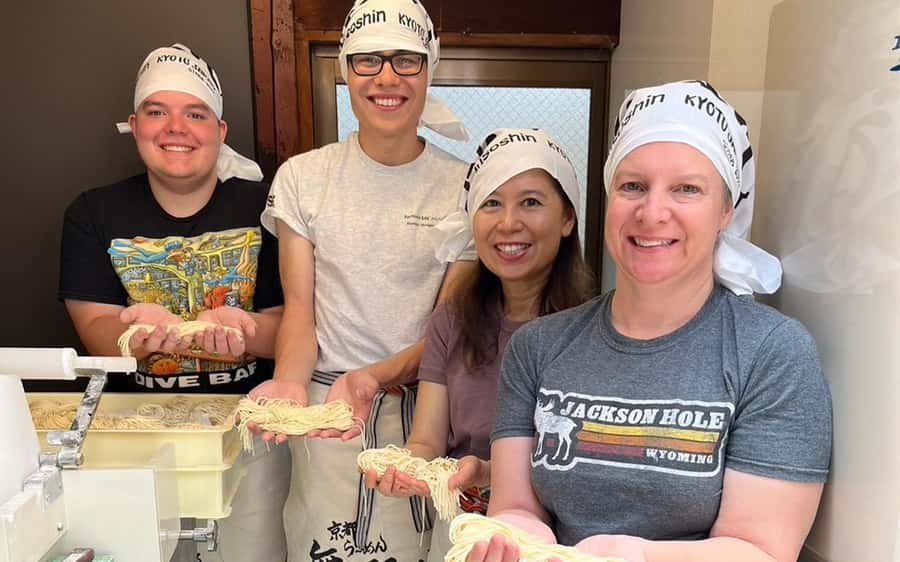
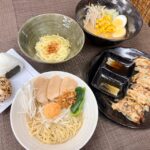
A key part of the experience is that your ramen is served at the Musoshin restaurant right after the workshop portion. Participants describe it as convenient and delicious, and they also describe it as some of the best ramen they had in Japan.
Why this flow works: you’re not asked to remember everything later. You taste the result immediately while the lesson is still fresh in your mind. If you learn how to handle dough texture or understand how broth is built, you’ll recognize it when you lift the spoon. It’s one of the reasons the workshop tends to feel like more than a class, it feels like a full ramen experience.
The experience also includes a drink at the Musoshin restaurant. So you’re not walking out hungry, and you can reset after the physical work of noodle making.
Price and value at about $54 per person
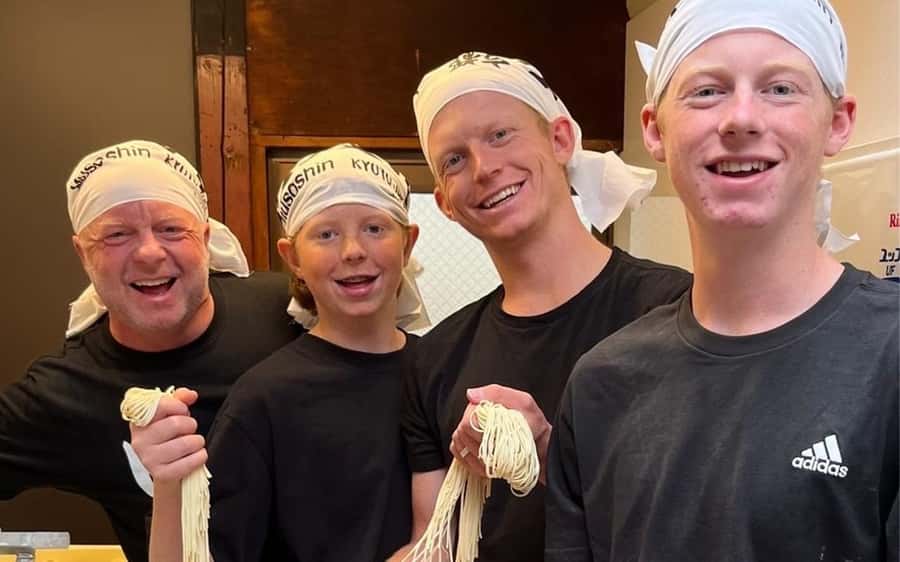
The price is $54 per person. That’s not the cheapest activity in Kyoto, but it also isn’t just a quick tasting.
You’re paying for:
- a Michelin-nominated Musoshin connection,
- in-house ramen ingredients and a process that takes real time (overnight noodle resting and 12-hour soup),
- hands-on instruction with equipment,
- optional kiln-baked custom bowl pickup the next day,
- and ramen plus a drink at the restaurant.
For a typical food lover, the value is in the combination. A lot of cooking classes show you a recipe. This one ties the recipe to the actual ramen system the restaurant runs, and you leave with a bowl to eat while it’s still connected to what you learned.
For families, the value is in participation. Kids can do something with their hands, and adults get an experience that doesn’t feel like babysitting with snacks.
How to decide if this workshop fits your Kyoto day
This is a great fit if you want:
- a hands-on food activity you can bring kids into,
- a ramen-focused experience tied to a real restaurant,
- and a chance to understand ramen construction, noodles plus broth.
It might be less ideal if you’re expecting a big, spacious demo kitchen or if you hate close quarters. The small space factor matters, especially for groups who want plenty of personal room.
It’s also a good pick if you like the idea of taking home something made from your own design, since the kiln-baked bowl or related items can be picked up the next day.
Should you book Kyoto Michelin Ramen Workshop or Painting Ramen Essentials?
If your trip includes ramen planning, I’d book this. The strongest reason is the structure: you make (or assemble) the ramen experience yourself, then eat at Musoshin right after, with a process that uses overnight noodles and a 12-hour broth. That combination turns the class into something memorable, not just another ticket.
Do book if:
- you want a family-friendly activity in the heart of Kyoto,
- you’d enjoy painting something that becomes a real usable souvenir,
- and you care about learning how the ingredients and timing shape flavor.
I’d think twice only if you’re very sensitive to cramped spaces or you want a purely passive activity. Otherwise, $54 buys you real participation, a strong ramen meal, and a simple souvenir upgrade through the kiln-baked bowl option.
FAQ
How much does the Kyoto ramen workshop cost?
The price is $54 per person.
Where is this activity located?
It takes place in Honshu, Japan, in Kyoto as part of Musoshin Ramen’s setup.
What is included in the experience?
Included elements listed are Michelin-nominated Musoshin Ramen, Musoshin’s bandana used in the workshop, and a drink at the Musoshin Ramen restaurant. Options may add the kiln-baked designed bowl, plus items like a ramen spoon, ramen bowl, and apron.
Can I paint a bowl or spoon during the class?
Yes, there is an option for Painting Ramen Essentials. You can also have your custom-designed bowl baked in a kiln for free and pick it up the next day.
Are vegetarian or vegan ramen options available?
Yes. Vegetarian and vegan ramen options are available.
What languages are offered?
Languages listed are English and Japanese.
Can I book without paying immediately, and how flexible is cancellation?
You can reserve and pay later, and you can cancel up to 24 hours in advance for a full refund.
Made by Hand, and Yours to Keep
One More Bowl

Newest Kyoto write-ups from the Loving Japan desk




Ramen and Noodle Tours, side by side.
 ★ 5.0Ramen Cooking Class at Ramen Factory in KyotoFrom $1311,937 reviews
 ★ 5.0Eat and Drink Like a Local: Tokyo Ueno Food Tour-Taverns&RamenFrom $95957 reviews
 ★ 5.0Ramen & Gyoza Cooking Class in Tokyo with Local Supermarket VisitFrom $122823 reviews
 ★ 4.9Ramen Cooking Class at a Ramen Factory with SouvenirFrom $127532 reviews
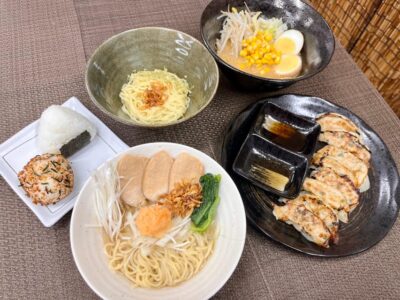 ★ 5.0Ramen, Gyoza, and Onigiri Cooking ClassFrom $90445 reviews
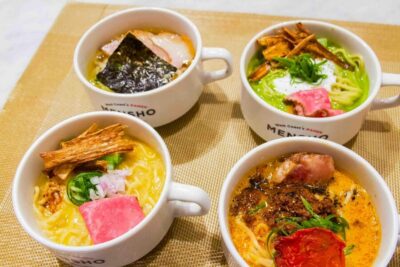 ★ 4.9Ramen Tasting Tour with 6 Mini Bowls of RamenFrom $122432 reviews
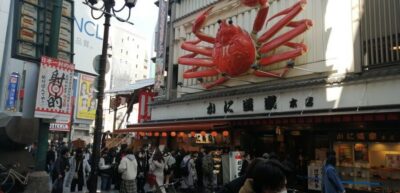 ★ 4.7Five Must-See Highlights Walking Tour & Ramen LunchFrom $56411 reviews
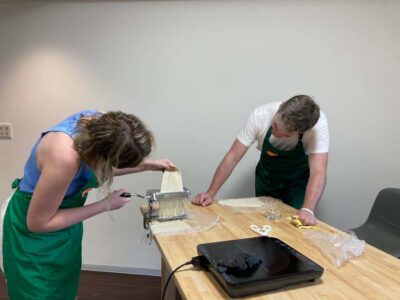 ★ 5.0Ramen and Gyoza Cooking Class in DotonboriFrom $70378 reviews
Filed on these lists too