
REVIEW · KYOTO TEA CEREMONIES AND MATCHA
Japanese Traditional Sweets making and Tea Ceremony
Sweet art and tea, in 95 minutes. The draw here is hands-on Nerikiri making with Kyoto-style bean paste, then a real Uji matcha tea ceremony with what you made. I especially like the focus on seasonal wagashi and the fact you shape the paste yourself, not just watch. One possible drawback is pace and sound, so if the room is full you may need to position yourself to see the instructor’s hands.
This is a 95-minute cultural class based in Honshu, with the meeting point listed at AN TOKYO Japanese Culture Experience. You make two sweets that match the season, take a short break, then learn about tea before grinding matcha and tasting your wagashi. If you’re picky about slow, back-and-forth conversation, this may feel a bit structured.
In This Review
- Key things to know before you go
- Sweet science first: wagashi and the feel of Nerikiri
- Kyoto bean paste and color work: making two seasonal Nerikiri sweets
- What to do if you’re worried about language
- The schedule rhythm: start, make, break, then slow down
- Tea ceremony time: Uji matcha grinding and the etiquette basics
- Pairing your wagashi with matcha: taste is the final lesson
- Price and value: is $18 worth 95 minutes of wagashi plus matcha?
- Where it fits in your Japan plan, and who should go
- Meeting point and what to expect on arrival
- The “should I book it” checklist
- FAQ
- How long is the Japanese Traditional Sweets making and Tea Ceremony class?
- What is included in the price?
- What sweets and tea will I make and taste?
- Is there an option to take sweets home?
- Will there be English support during the class?
- Can I cancel and get a full refund?
Key things to know before you go
- Kyoto bean paste, used right in the color-and-shape steps for your wagashi
- Two seasonal sweets you make yourself, including Kinton Nerikiri
- Uji matcha with a single-origin focus, plus a matcha-grinding demonstration
- A short tea break before the ceremony portion begins, so you have time to reset
- Clear technique focus, with visuals and demonstrations even when English support is limited
Sit down somewhere quieter. Other tea rooms we booked
- Matcha Making Class in Tokyo with Authentic Japanese Sweets Set
★ 5.0 · 744 reviews - Tokyo: Traditional Tea Ceremony with a Tea Master
★ 5.0 · 528 reviews - Tokyo: Matcha Making Experience with Mochi Sweets in Asakusa
★ 4.9 · 388 reviews - Tokyo: Matcha and Kimono Experience
★ 4.7 · 219 reviews
Sweet science first: wagashi and the feel of Nerikiri
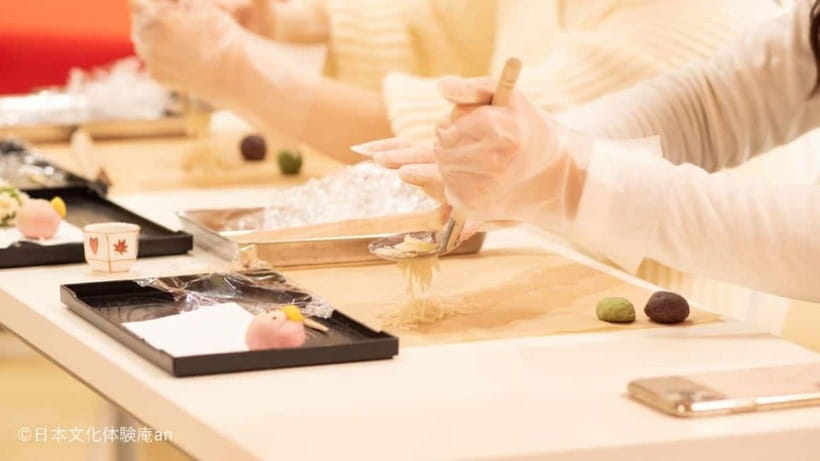
The class starts with a quick orientation to Japanese traditional sweets, wagashi, and what makes Nerikiri special. Nerikiri is not just sweet and pretty. It is a technique where color, texture, and shape work together, so you spend time thinking with your hands.
Then you jump straight into the core process: working with the paste and coloring it. This matters because Nerikiri is all about precision. If you’ve ever wondered why wagashi looks so controlled and sculpted, this is where you feel that craft in real time.
One more thing I like about the setup is that it is practical, not lecture-heavy. You get explanations, but the real learning comes when you apply the steps, shape the paste, and see how it holds its form.
Kyoto bean paste and color work: making two seasonal Nerikiri sweets
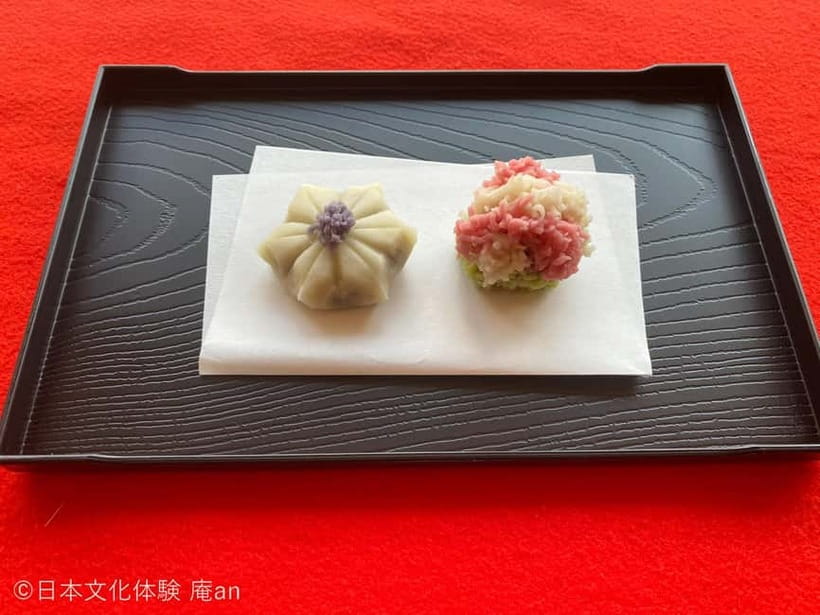
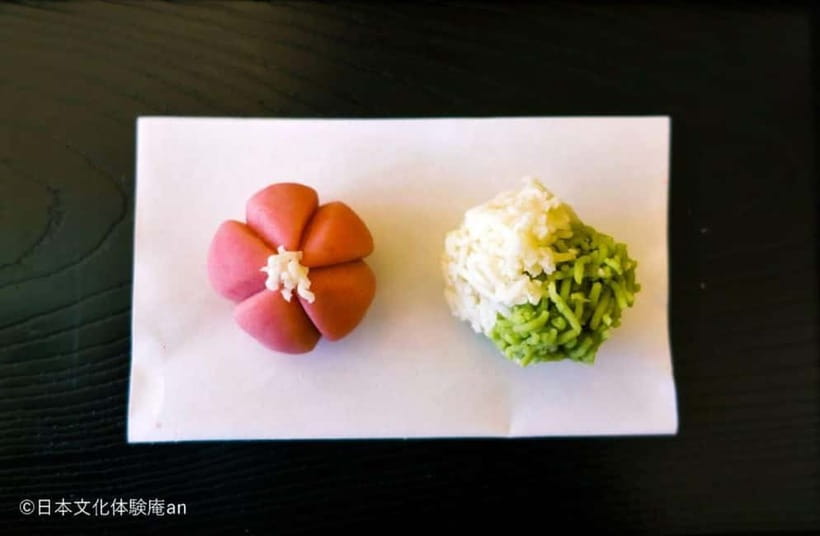
You’ll make two Japanese traditional sweets matched to the season. The first is flower shaped Nerikiri, and the second is Kinton Nerikiri, a different style within the Nerikiri world. Both start from the same base idea: colored white bean paste you shape into an edible “art object.”
The paste itself is part of the value. The class uses white and red bean paste produced by long-established shops in Kyoto. In a short workshop, that choice is huge, because the taste and texture are what make the finished sweets feel like real wagashi, not just dyed dough.
Coloring the paste is where the skill really shows. You’re not just making something sweet, you’re learning how wagashi gets its seasonal look. You’ll work the paste to distribute color and prepare it for shaping, which is why this class is better when you pay attention to the instructor’s hand positions and timing.
If you get stuck, don’t panic. Nerikiri is forgiving in the sense that you can adjust and refine as you go. Still, there is a pace to the class, and the instructor won’t stop the process forever while everyone catches up.
One review noted that an instructor named Marie gave explanations in a way that was both fun and clear. Another point from the reviews that matches what you should expect: even when English is limited, demonstrations do a lot of the teaching. So, bring curiosity, watch closely, and use your eyes as much as your ears.
What to do if you’re worried about language
English translation is provided as much as possible, but the working language is Japanese. The good news is you don’t need advanced vocabulary to shape paste and follow step-by-step motions. If you can, learn a few basics before you arrive, like simple words for color and shape, but the class should still make sense through visuals.
- Mt Fuji and Hakone 1-Day Bus Tour Return by Bullet Train★ 5.0 · 26,383 reviews
- 1-Day Tokyo Bus Tour★ 5.0 · 14,250 reviews
- Tokyo: teamLab Planets TOKYO Digital Art Museum Entry Ticket★ 4.6 · 9,779 reviews
- Mt Fuji & Hakone Cruise, Drum Show Bullet Train 1 Day from Tokyo★ 4.0 · 7,413 reviews
- Tokyo: Shinjuku Food Tour (13 Dishes at 4 Local Eateries)★ 5.0 · 6,603 reviews
The schedule rhythm: start, make, break, then slow down
The flow is built around getting you from guided making to guided tea, without dragging out. The total time is 95 minutes, so you’ll feel the structure.
Here’s how it typically reads in motion:
- You start with an introduction to sweets, then move into Nerikiri making.
- You spend roughly the first half of the time hands-on shaping and coloring.
- After that, there’s a break, then the tea portion begins.
- You get a matcha grinding demonstration and then a tea ceremony experience.
- Finally, you take photos and eat and drink.
The short break is a real plus. Paste making takes concentration, and your hands get tired. That pause helps you come back for the tea part with calmer attention, which makes the ceremony feel more meaningful and less like a rushed add-on.
The one caution is hearing and pacing. One comment described a crowded room where it was hard to hear the instructor while she kept going. That’s not something you can fully control, but you can manage it by choosing a seat with a clear view of her hands and face.
Tea ceremony time: Uji matcha grinding and the etiquette basics
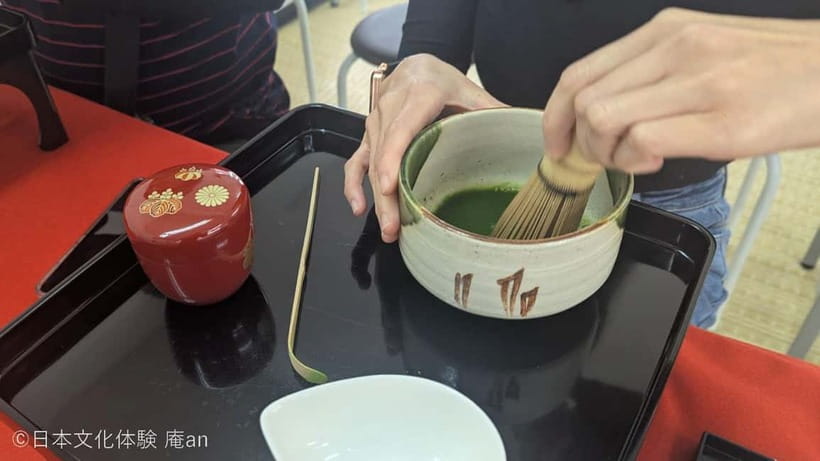
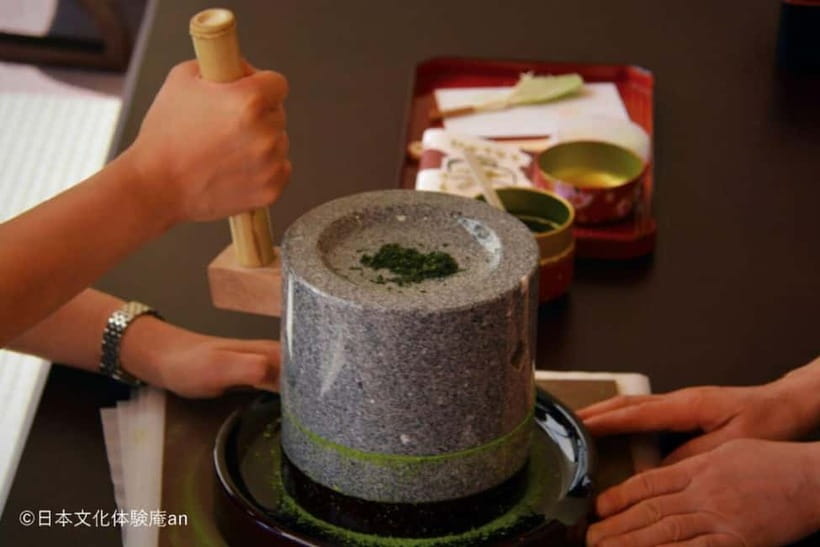
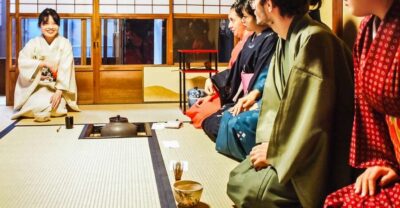
After the break, the class shifts from craft to ritual. You’ll get an explanation of tea, then a matcha grinding demonstration, and then the tea ceremony experience itself.
The matcha is a key detail. The class uses single-origin special matcha from Uji. Uji matcha has a reputation that makes sense in this context: it’s the star ingredient for the ceremony, so you’re not just learning a “process,” you’re tasting a specific style of matcha.
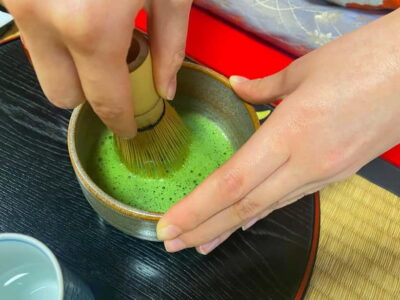
The grinding demonstration is also practical. Matcha isn’t powdered by magic in real life. You see how it is handled and prepared, and that gives you context for why good matcha matters. Even if you don’t remember every step later, you’ll remember the visual and the aroma.
In a tea ceremony, etiquette can sound intimidating, but here it’s taught as part of the experience. You’re not expected to perform perfectly. You’re expected to follow along and understand what the ritual adds to the flavor and the moment.
Pairing your wagashi with matcha: taste is the final lesson
At the end, you eat and drink what you made. This is the payoff: your Nerikiri and your matcha together.
The class emphasizes that the sweetness from the high-quality white and red bean paste balances matcha. That’s not a small point. Matcha can be intense, with a slightly bitter edge. Well-made wagashi gives you sweetness and structure to counter that, so the flavors feel balanced instead of clashing.
The other reason the tasting matters is learning through contrast. When you shape the paste earlier, you think about color and form. When you taste it later, you learn how that craft shows up in texture and flavor.
And yes, you may want to take a photo before you eat. There’s picture time built in, and that’s when your Nerikiri looks its best.
Price and value: is $18 worth 95 minutes of wagashi plus matcha?
At around $18 per person for 95 minutes, this is the kind of class that can be worth it if you want hands-on culture without a full day commitment.
What you’re paying for is not just “tea ceremony watching.” You are:
- Making two seasonal wagashi (including Kinton Nerikiri)
- Using Kyoto-produced bean paste for your sweets
- Using single-origin Uji matcha for the tea portion
- Getting a guided matcha grinding demonstration and ceremony experience
If you compare that to buying wagashi alone, you might spend a similar amount on sweets without learning how they are made. And if you compare it to a longer multi-hour class, you’re getting a compact version with a complete arc, make, tea, taste.
Two optional extras can affect your real cost. A sweets take-out box costs 100 JPY if you want to pack any for later. There’s also an experience completion certificate for 300 JPY if you request it, and it supports nominative certificates if you provide names in advance.
So my take is simple: this is good value when you want a skill-based cultural stop, not just a photo op.
Where it fits in your Japan plan, and who should go
This class works best when you:
- Want a focused food-and-culture experience that ends with eating what you made
- Enjoy craft activities where you can see immediate results
- Like tea culture and want practical context, not just a basic explanation
- Prefer shorter experiences that fit between sightseeing blocks
If you’re traveling with kids, there’s a note that children sitting on their parents’ laps are free of charge for under 2 years old. If you want confirmation for older kids, you’d need to ask, but the class is clearly structured for group participation.
If you’re the type who hates structured pacing, keep expectations realistic. The session doesn’t linger. One review-style concern pointed to the instructor continuing without waiting when the room was crowded. If you want lots of downtime for questions, this may feel a bit tight.
Meeting point and what to expect on arrival
You meet at AN TOKYO Japanese Culture Experience, with coordinates listed as 35.6916541, 139.7715022. Plan to arrive early so you can get settled before the session starts, because delays are not accommodated.
There is also a practical rule worth knowing: those who do not participate cannot enter. So make sure your plan matches the class time, and don’t treat it like a flexible drop-in.
Operation hours are 10:00 to 17:00, and reservations received after 17:00 are processed next day. The duration shown is 95 minutes, so your schedule should protect that block rather than squeezing it between other long activities.
The “should I book it” checklist
Book it if you want a real wagashi-making skill and a matcha tea ceremony in under two hours. I’d especially recommend it if you love detail work like coloring and shaping, because that’s where Nerikiri becomes more than dessert.
Skip or reconsider if you dislike crowded rooms or need frequent pauses to process instructions. Since the class runs at a steady pace, you’ll enjoy it more if you come ready to watch and follow, and if you can sit where you see the instructor clearly.
FAQ
How long is the Japanese Traditional Sweets making and Tea Ceremony class?
The experience runs for 95 minutes.
What is included in the price?
It includes Japanese Traditional Sweets making and a Tea Ceremony experience.
What sweets and tea will I make and taste?
You’ll make two Japanese traditional sweets matching the season, starting with Nerikiri. You’ll also enjoy your sweets with matcha tea, using single-origin special Matcha from Uji.
Is there an option to take sweets home?
Yes. A sweets take-out box is available for 100 JPY, but it is not included in the base price.
Will there be English support during the class?
English translation will be provided as much as possible. The event language is Japanese, and the instructor is Japanese.
Can I cancel and get a full refund?
Yes. Free cancellation is available up to 24 hours in advance for a full refund.
Kyoto by the Bowl

Newest Tokyo write-ups from the Loving Japan desk



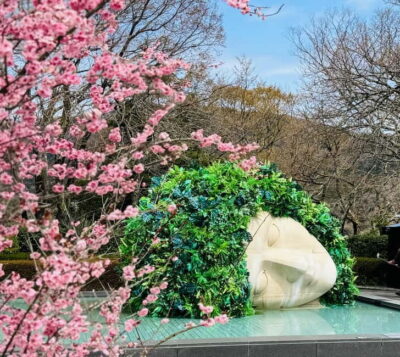
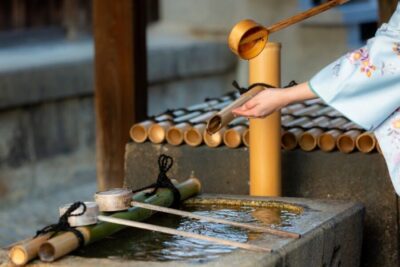
Kyoto Tea Ceremonies and Matcha, side by side.
 ★ 4.9Tea Ceremony in a Traditional Tea House in KiyomizuFrom $493,519 reviews
 ★ 4.9Tea Ceremony Ju-An at Jotokuji TempleFrom $293,207 reviews
 ★ 4.345-Minute Tea Ceremony Lesson ExperienceFrom $222,378 reviews
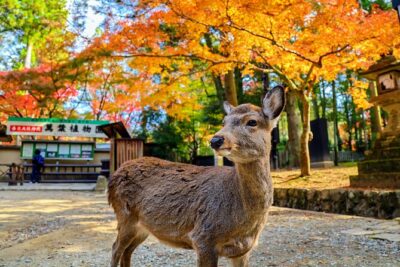 ★ 5.0World Heritage Kyoto & Nara Uji Authentic Matcha ExperienceFrom $1291,573 reviews
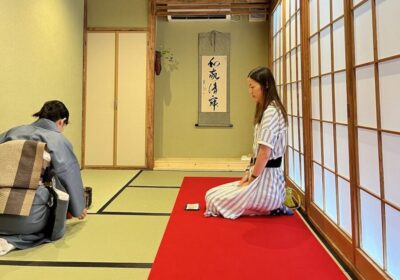 ★ 4.9Tea Ceremony ExperienceFrom $251,426 reviews
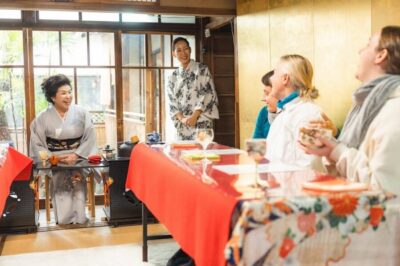 ★ 4.9Table-Style Tea Ceremony at a Kyo-MachiyaFrom $451,211 reviews
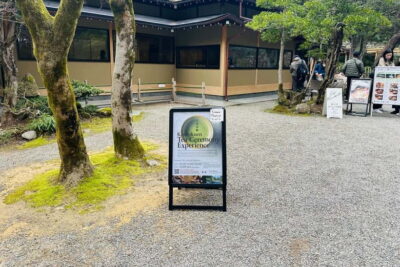 ★ 4.8Kenrokuen Tea Ceremony ExperienceFrom $351,139 reviews
 ★ 5.0Kimono Tea Ceremony at Kyoto Maikoya, NISHIKIFrom $65911 reviews
Filed on these lists too