
REVIEW · RAMEN AND NOODLE TOURS
Kyoto Ramen Noodle Making Class
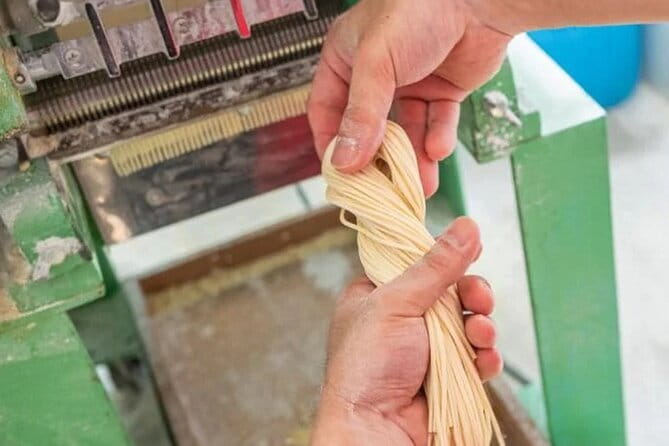
Ramen in a shop is fun. Ramen you make with your own hands is different. This one-hour class in Kyoto’s Gion district turns noodle making into a guided, practical workshop at Musoshin’s central Gion location, ending with the chef’s bowl in front of you. I especially like the hands-on process with a pro noodle-making machine, and the way the broth and meal feel finished, not rushed. One thing to consider: it is mostly a noodle-making session, not a full cooking class for broth or toppings.
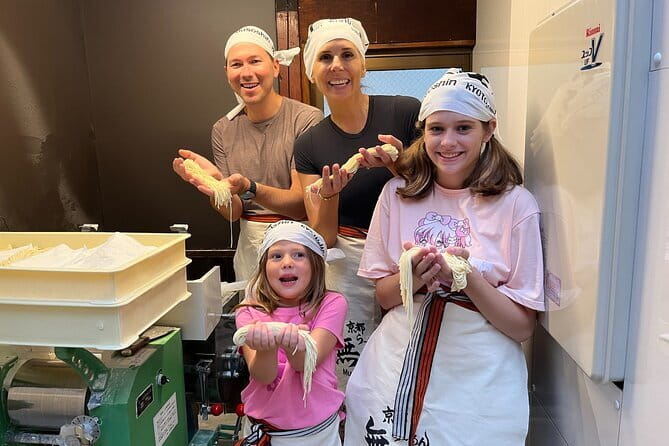
You get an English-speaking instructor, a rental apron, and all the ingredients and tools you need, so you are not stuck hunting for utensils or translating techniques. The group is capped at 6, which helps the teaching stay personal.
In This Review
- Key Highlights You Should Know
- Why This Gion Noodle Class Feels Like the Real Deal
- Price and Timing: What $48.27 Buys You
- Finding Musoshin Gion and What to Expect on Arrival
- Inside the Workshop: Noodles from Wheat Flour to Chewy Strands
- The Chef’s Bowl: Broth, Rice, and the Final Meal
- Dietary Needs: Vegan and Vegetarian Without the Guesswork
- Small Group Size Means Better Instruction
- Who This Kyoto Class Is Perfect For
- A Few Considerations Before You Book
- FAQ
- How long is the Kyoto ramen noodle making class?
- Where does the class take place?
- What’s included in the price?
- Are vegetarian or vegan options available?
- What diets can the class accommodate?
- What is the class group size?
- Is there a cancellation policy?
- Should You Book This Noodle Class?
Key Highlights You Should Know
- Musoshin Gion setting in central Kyoto, not the separate ramen academy
- Chef-made broth served with the noodles at the end of class
- Pro noodle-making machine plus dough made with two types of flour
- Diet options available including vegetarian, vegan, and no meat or fish for the tasting
- Small group size (max 6) for better instruction and hands-on time
A bowl somewhere else in Kyoto
- Ramen Cooking Class at Ramen Factory in Kyoto
★ 5.0 · 1,937 reviews - Kyoto: Ramen Cooking Class at a Ramen Factory with Souvenir
★ 4.9 · 532 reviews - Kyoto: Ramen, Gyoza, and Onigiri Cooking Class
★ 5.0 · 445 reviews - Kyoto Ramen and Gyoza Cooking Class with Professional Chefs
★ 5.0 · 282 reviews
Why This Gion Noodle Class Feels Like the Real Deal
Kyoto can be great for food, but it can also be easy to stay on the surface. This experience focuses on a core skill, making ramen noodles from scratch, and it does it in a real ramen restaurant setting. That matters because you learn how the texture comes from the process, not from a magic sauce.
I like that it is built around a clear sequence: you pour water, knead dough, then roll and cut it into noodles. When the class ends and you eat the bowl you helped create, it feels like the lesson actually lands.
The overall vibe from the English instruction to the friendly teaching style is also a big part of the appeal. In past classes, instructors like Kaz, Azu, and Amiru have been called out for being personable and clear, which helps if you are nervous about doing anything with food with your hands.
Price and Timing: What $48.27 Buys You
At $48.27 per person for about 1 hour, this is not a bargain class. But you are paying for real instruction plus ingredients, tools, and a chef-prepared ramen bowl at the end.
Here is the value equation that makes sense for me: you get the work (hands-on noodle making), the payoff (the bowl), and the convenience (apron and everything provided). If you tried to recreate this on your own, you would spend time and money just figuring out how to make the dough and handle the noodle process with any confidence.
Also, the class is compact. With a one-hour schedule, you do not have to block half a day to get a meaningful food experience. It is ideal if your Kyoto days are already packed with temples, shrines, and wandering.
Finding Musoshin Gion and What to Expect on Arrival
The meeting point is at 558-2 Komatsuchō, Higashiyama Ward, Kyoto, 605-0811, Japan, and the activity ends back at that spot. The venue is Musoshin in Gion, central Kyoto, and it is not Musoshin Ramen Academy, so double-check you are heading to the correct shop before you go.
It is near public transportation, which is a lifesaver in Kyoto. You do not want to burn time on long transfers when you have a short class window.
One more practical detail: the booking uses a mobile ticket. That makes it smoother when you are juggling train schedules, maps, and your next dinner stop.
- PERFECT KYOTO 1-Day Bus Tour★ 5.0 · 13,518 reviews
- Kyoto: Fushimi Inari, Kinkakuji, Bamboo Grove 1 Day Bus Tour★ 4.8 · 4,316 reviews
- Kyoto: Tea Ceremony in a Traditional Tea House in Kiyomizu★ 4.9 · 3,519 reviews
- Kyoto Geisha Walking Tour: Gion District & Hidden Gems★ 4.7 · 3,273 reviews
- Kyoto: Tea Ceremony Ju-An at Jotokuji Temple★ 4.9 · 3,207 reviews
Inside the Workshop: Noodles from Wheat Flour to Chewy Strands
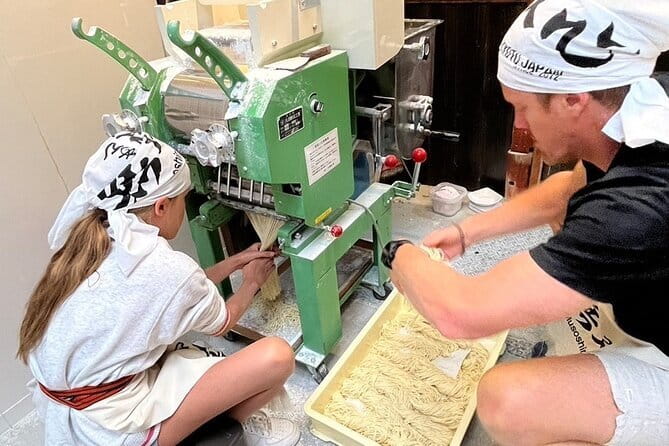
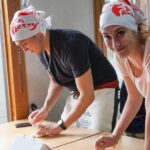
This is the heart of the experience. You make ramen noodles from scratch using wheat flour and a dough made with two types of flour. Then you use a professional ramen noodle-making machine to roll and cut the dough into strands.
The step-by-step structure is what makes this class useful. You are not just watching someone else do the work. You are doing it, and the instructor guides you through key moments like getting the dough to the right feel before rolling and cutting.
What I like about the machine component is that it bridges tradition and technique. You still get the hands-on parts, like kneading, but you are also working with equipment that helps you achieve consistent noodle shapes.
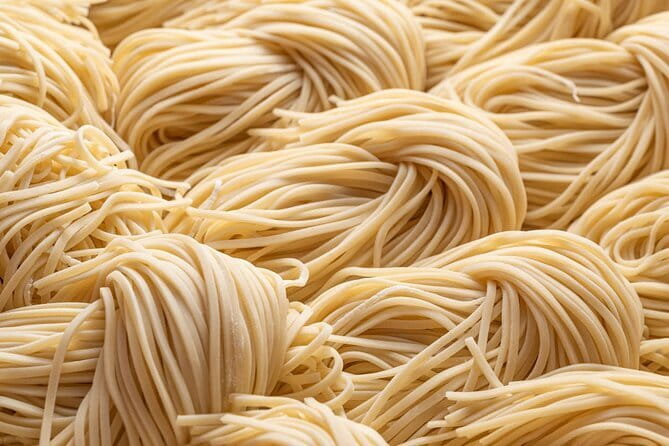
And yes, you will end up with noodles that have that right chew because the class focuses on the process, not just the final look. That is the difference between tasting ramen and understanding why it tastes the way it does.
The Chef’s Bowl: Broth, Rice, and the Final Meal
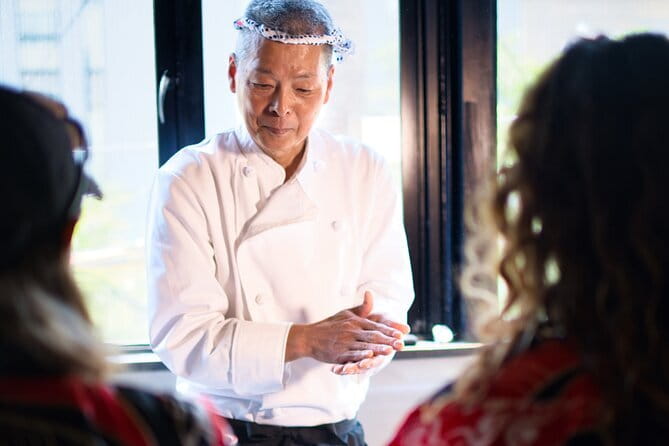
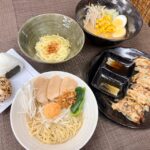
After noodle making, the reward is a bowl of ramen prepared by the restaurant’s chef. The broth is made from a blend of vegetables, which gives it a savory depth without making it feel heavy.
The class also mentions high-quality Kyotamba rice and condiments from local makers as part of the regional flavor theme. While your main focus is the noodles, these details help the meal feel like it belongs to Kyoto, not just to a cooking workshop.
Included with the ramen is one soft drink. That is a small thing, but in a one-hour class it helps you settle in and enjoy the food rather than immediately thinking about where to grab a drink next.
A quick note on meal style: there are vegetarian, vegan, and no meat or fish options available for the tasting session. You should tell the operator in advance about your dietary needs so they can prepare accordingly.
Dietary Needs: Vegan and Vegetarian Without the Guesswork
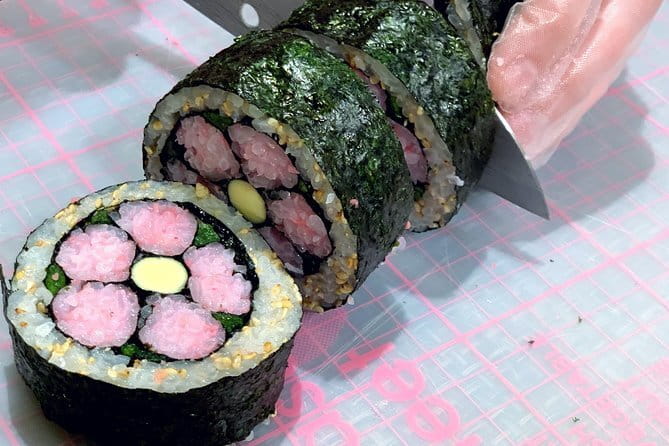
This class is set up to handle multiple diets, including vegetarian, vegan, and pescetarian options. The key point for you is that the tasting session can be adjusted, including no meat or fish options.
If you are vegan or vegetarian, this is a big relief in Japan, where assumptions can be common. Here, you have a stated pathway to request what you need. Just make sure you communicate your dietary restrictions in advance so they do not have to make last-minute changes.
Also, keep expectations realistic: the noodles are made from wheat flour. So if you have allergies beyond dietary categories, you will want to check details with the provider before you go. The class is described for vegan and vegetarian diets, not specific allergen handling.
Small Group Size Means Better Instruction
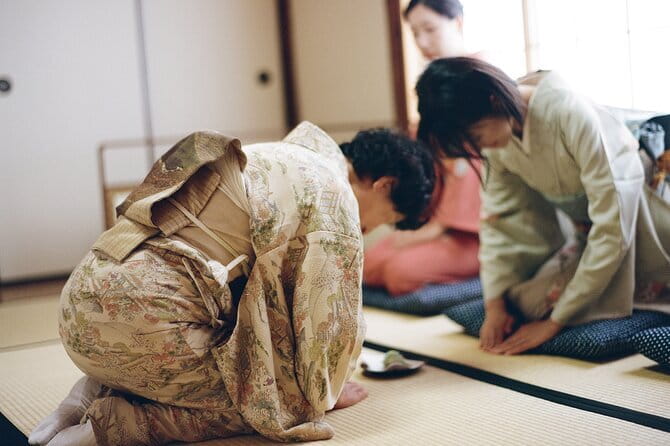
With a maximum of 6 travelers, this is a “close attention” kind of class. You are not one of 20 people standing at the back trying to copy motions you cannot see.
That small group size helps in two ways. First, you can get hands-on corrections without waiting. Second, you are more likely to understand the “why” behind each step, like how kneading and rolling affect texture.
In the feedback shared from past participants, the instructors come across as friendly and comfortable teaching. Names like Kaz, Azu, and Amiru show up with praise for being helpful and making the class feel easy to participate in, even if it is your first time making noodles.
Who This Kyoto Class Is Perfect For
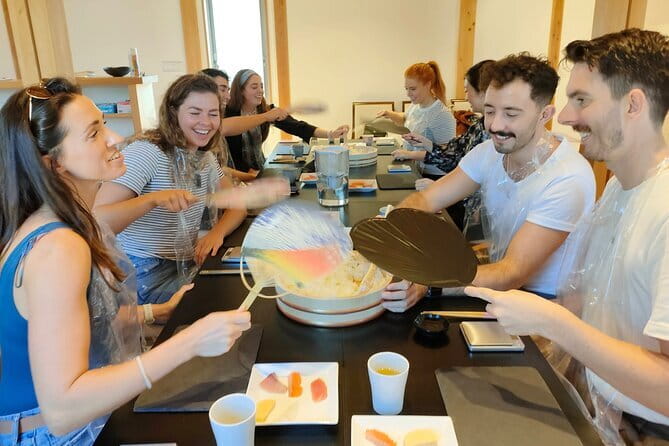
You will probably love this if you want more than a typical food stop. It is a great fit for people who like skills-based experiences, where you take home a technique you can reuse.
It is also a strong choice if you are traveling with family. The class format is interactive, and the short duration helps keep energy levels up. If you have kids who like hands-on work, this tends to land well.
Foodies will appreciate the blend of classroom guidance and restaurant professionalism. You get the restaurant context, including the chef’s broth, without needing to book a full meal course separately.
A Few Considerations Before You Book
Keep your expectations aligned with the focus. This is distinct from a ramen cooking class. In other words, you are learning noodles and then eating the finished bowl, but you are not running the kitchen on broth and full ramen assembly.
If you are the kind of traveler who wants a long, slow experience or lots of time sightseeing in between stations, this will feel tight because it is about one hour.
Finally, confirm your exact venue destination. The class is at Musoshin Gion in central Kyoto, not Musoshin Ramen Academy, and that detail matters on a map.
FAQ
How long is the Kyoto ramen noodle making class?
It runs for about 1 hour.
Where does the class take place?
The class takes place at Musoshin in the Gion area of Kyoto. The meeting point address is 558-2 Komatsuchō, Higashiyama Ward, Kyoto, 605-0811, Japan.
What’s included in the price?
You get an English-speaking noodle making instructor, ingredients and tools for noodle making, a bowl of ramen plus one soft drink, a rental apron, and the bandana used during the workshop as a souvenir.
Are vegetarian or vegan options available?
Yes. Vegetarian, vegan, and no meat or fish options are available for the tasting session. You should inform the provider in advance of your dietary restrictions.
What diets can the class accommodate?
It can accommodate vegetarian, vegan, and pescetarian diets. You need to let the provider know your dietary requirements in advance.
What is the class group size?
The activity has a maximum of 6 travelers.
Is there a cancellation policy?
Free cancellation is available. You can cancel up to 24 hours in advance for a full refund, based on local time.
Should You Book This Noodle Class?
If you want a Kyoto food experience with real hands-on payoff, I think this is a smart booking. You learn the noodle-making process from start to cut using a professional machine, then you eat a chef-made bowl right after, with dietary options available.
Book it if your schedule can handle a tight one-hour slot and you like skill-based activities. Skip it if you were hoping for a full ramen cooking class focused on broth and toppings, because this experience is mainly about the noodles and the meal that follows.
One More Bowl

Newest Kyoto write-ups from the Loving Japan desk
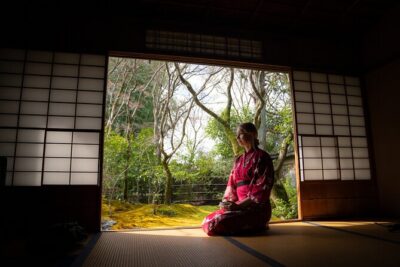
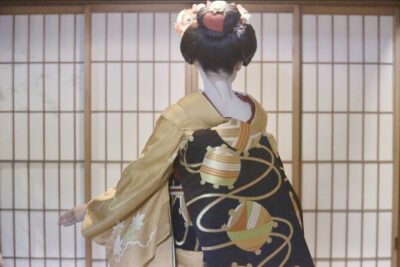




Ramen and Noodle Tours, side by side.
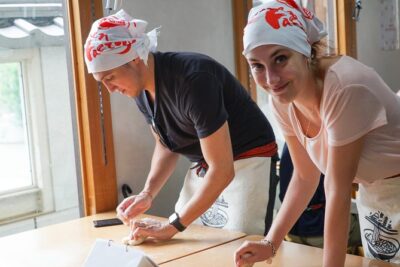 ★ 5.0Ramen Cooking Class at Ramen Factory in KyotoFrom $1311,937 reviews
 ★ 5.0Eat and Drink Like a Local: Tokyo Ueno Food Tour-Taverns&RamenFrom $95957 reviews
 ★ 5.0Ramen & Gyoza Cooking Class in Tokyo with Local Supermarket VisitFrom $122823 reviews
 ★ 4.9Ramen Cooking Class at a Ramen Factory with SouvenirFrom $127532 reviews
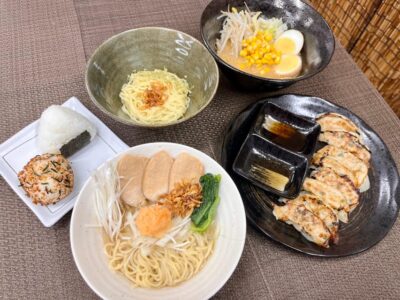 ★ 5.0Ramen, Gyoza, and Onigiri Cooking ClassFrom $90445 reviews
 ★ 4.9Ramen Tasting Tour with 6 Mini Bowls of RamenFrom $122432 reviews
 ★ 4.7Five Must-See Highlights Walking Tour & Ramen LunchFrom $56411 reviews
 ★ 5.0Ramen and Gyoza Cooking Class in DotonboriFrom $70378 reviews
Filed on these lists too