
REVIEW · JAPANESE COOKING CLASSES
Kyoto: Sushi Making Class with Sushi Chef
Sushi in Kyoto is a real skill, not a gimmick. This hands-on class starts with fresh fish sourced from the Kyoto Central Wholesale Market, then you learn step-by-step from the chef, with tech support like a practice toy and photo taking so you can focus. I love that you get small group attention and a “make it, then learn to eat it” rhythm, and I love how the instruction is paced for real beginners, including kids. One consideration: the class is not suitable for people with food allergies, so plan ahead if that applies to you.
The flow is simple and satisfying: morning-fresh ingredients, careful guidance, then you eat the sushi you made as a lunch with tea or water and Japanese dashi soup. The instructor may be someone like Hide, Yukihide-san, Nami, or Yutaka, and the vibe is relaxed but precise, with people often commenting on patience and clear explanations.
You will also get photo and video support during the class, with the data shared after. That means less fiddling, fewer missed steps, and more time actually learning how to handle rice, shape nigiri, and build rolls with the tools you are given.
Key things I’d circle before booking
- Market-fresh fish you see brought into class, not mystery ingredients.
- Small group size (limited to 8), so you are not shouting over a crowd.
- Practice with a sushi sample toy before touching the real stuff.
- Learn nigiri, then maki using a special rolling tool.
- Photo and video service so you can concentrate on the technique.
- You eat what you make, paired with dashi soup and tea or water.
In This Review
- Kyoto Central Wholesale Market to your sushi plate: the big idea
- The class rhythm: 90 minutes to 3 hours, and why that range matters
- Practice first: the sushi sample toy that saves your first real bite
- Making nigiri the guided way, from shaping to confidence
- Maki rolls with a special tool: less mess, better results
- Decorating your plate, then eating your own lunch
- What the chef actually teaches beyond sushi
- Photos and videos: a small service that changes the whole experience
- Where you meet in Kyoto: Shijo Karasuma, two nearby venues
- Price and value: why $74 can be worth it in Kyoto
- Who should book this class (and who should think twice)
- Should you book this Kyoto sushi-making class?
- FAQ
- How long is the sushi making class?
- Where do I meet for the class?
- What languages are the instructors?
- What is included in the class price?
- How large is the group?
- Can I get a full refund if I cancel?
- Are strong fragrances allowed?
- Is this class suitable for people with food allergies?
Kyoto Central Wholesale Market to your sushi plate: the big idea
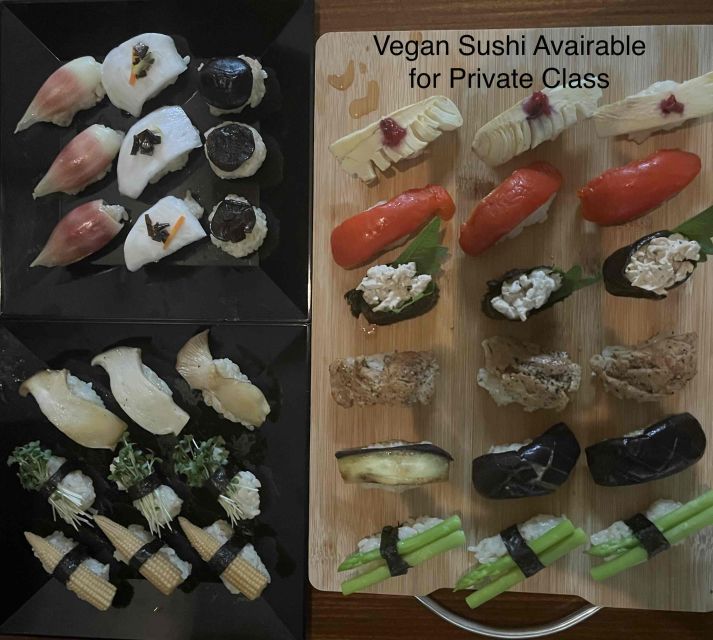
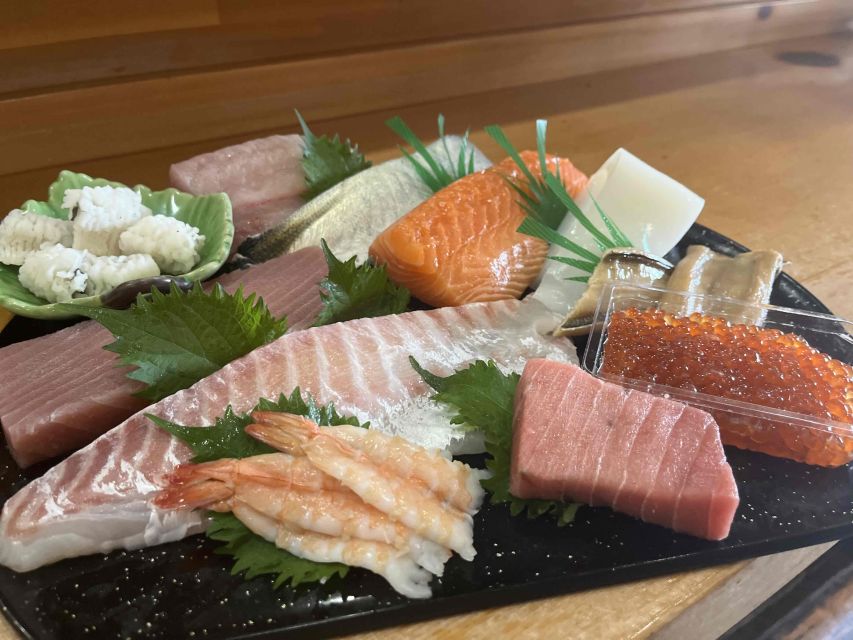
This is one of those Kyoto experiences where the story actually supports the food. The class buys fresh fish early in the morning at the Kyoto Central Wholesale Market, then they prepare everything just before your session. That timing matters. Fish quality is the difference between sushi that feels like a cooking demo and sushi that feels like a meal you would gladly order again.
I also like that this class treats sushi as a craft, not a magic trick. You learn step-by-step from the chef, including how to shape sushi properly and how to eat it. Multiple instructors have been mentioned in past sessions, including Hide, Yukihide-san, Yune, Nami, Yutaka, and Yone. When chefs run classes like this, they tend to teach the small habits that make the biggest difference, like getting the feel of the rice and moving carefully instead of rushing.
One more practical bonus: the class setup includes photo taking, and they share the data after. That means you can enjoy the learning part without grabbing your phone every two minutes. For a class that moves through several sushi types, that one detail keeps the whole experience from turning into a distraction-fest.
Cook it yourself instead. Other kitchens in Kyoto
- Sushi Making in Kyoto! Same-day bookings welcome!
★ 5.0 · 713 reviews - Kyoto: Ramen Cooking Class at a Ramen Factory with Souvenir
★ 4.9 · 532 reviews - Kyoto: Ramen, Gyoza, and Onigiri Cooking Class
★ 5.0 · 445 reviews - The Original Small-Group Sushi Making Class in Kyoto
★ 5.0 · 436 reviews
The class rhythm: 90 minutes to 3 hours, and why that range matters
Your session length is listed as 90 minutes to 3 hours, depending on what is happening and the time you book. That wide window is actually useful. If you are visiting Kyoto with other tight plans, you can look for a slot that fits your day. If you prefer a slower pace and more hands-on time, you can aim for the longer end of the range.
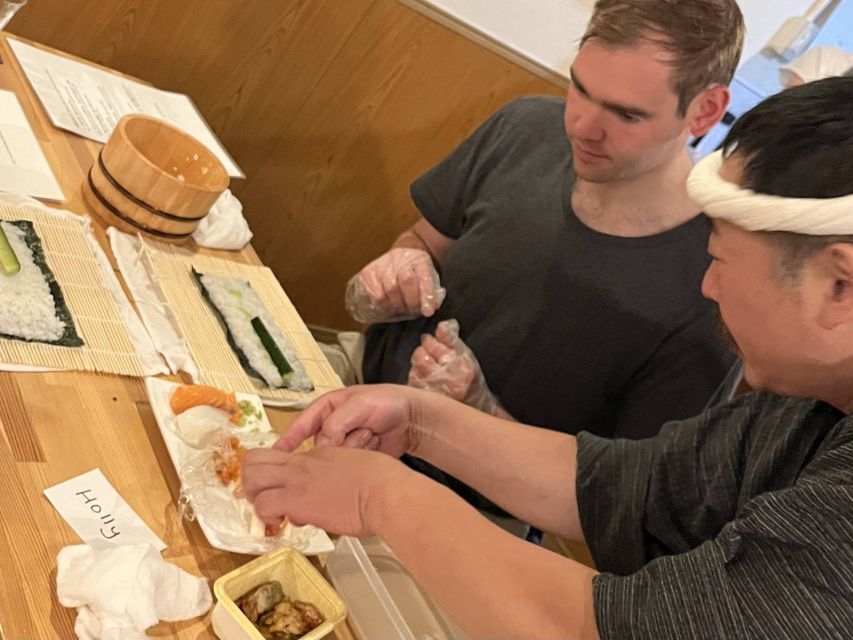
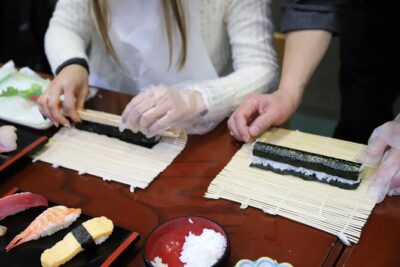
Expect a clear, structured progression. First you start with a sushi sample toy, then you move to real Nigiri. After that, you make sushi rolls (maki) using a special tool. Finally, you decorate your sushi on the sushi plate and eat it as a lunch. It is basically a build-your-skills ladder, with each step preparing you for the next.
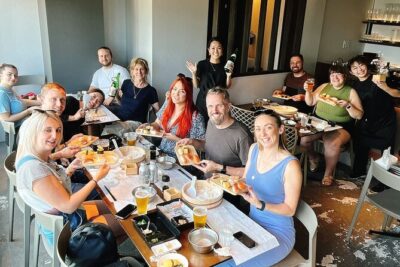
Because the class is capped at 8 participants, the chef can correct your technique without turning it into a lecture. Small-group format also means you are more likely to actually get your questions answered instead of swallowing them and nodding politely.
Practice first: the sushi sample toy that saves your first real bite
This class uses a smart teaching trick: you practice with a sushi sample toy before making anything real. That is one of the most praised parts of the experience, because it reduces stress. You get to learn how shapes work, what the motions feel like, and how to handle the sushi components without fear of messing up the fish.
In practice, this kind of warm-up helps you focus on technique. The move from practice to real nigiri is usually where beginners stumble in other classes, because suddenly the stakes feel higher. Here, you already did the motions once, so your hands have a baseline memory.
If you learn best by doing, you will like this. If you are more of a watcher, you can still pick up the steps quickly because the process is explained and then immediately repeated. That loop is exactly how you turn a cool vacation meal into a skill you can actually use later.
Making nigiri the guided way, from shaping to confidence
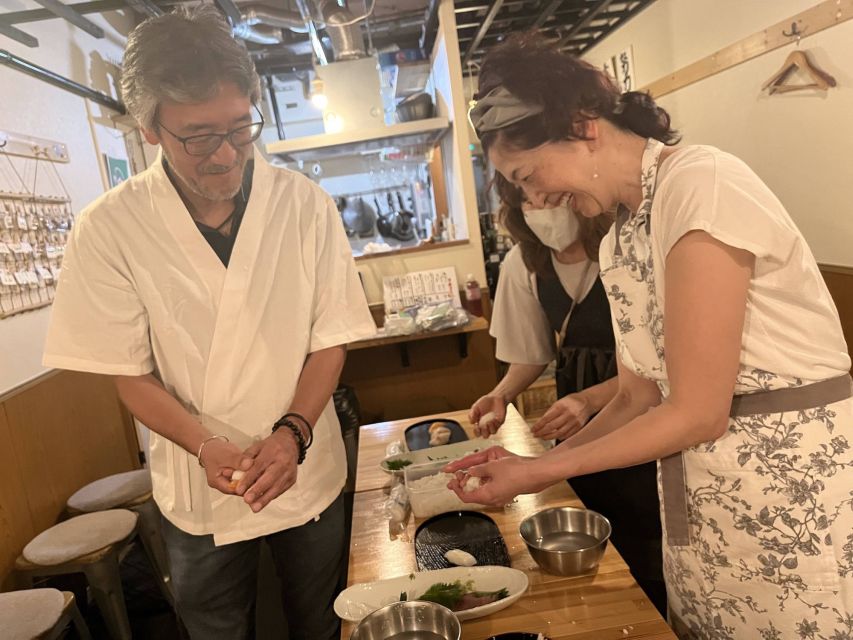
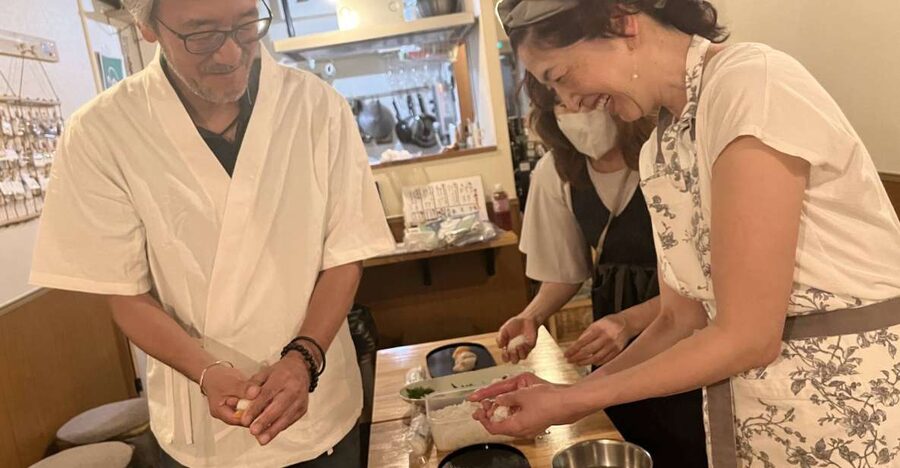
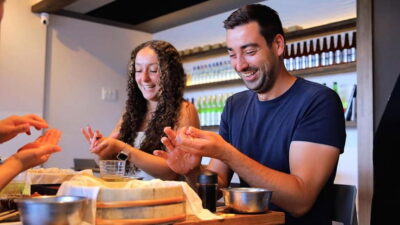
After your toy practice, you start making real Nigiri sushi. The chef teaches step by step, so you are not guessing your way through the rice and the topping. This is the part where sushi-making goes from cute to serious, because nigiri is all about shape and proportion.
I love that the chef approach is hands-on but patient. In different sessions, chefs like Hide and Yukihide-san were described as relaxed, easy to follow, and good at explaining the reasons behind what they were doing. You are not just copying movements, you are learning what to pay attention to.
You can also pick up restaurant-style thinking. Several people mentioned etiquette tips and how to behave when eating at a sushi restaurant. That is a small thing that pays off big later, because sushi etiquette is one of those topics that never gets explained in normal tours. Here, it fits naturally into the lesson since you are eating what you made.
Counters and courses we sat at around Kyoto
- The Original Small-Group Sushi Making Class in Kyoto★ 5.0 · 436 reviews
- Sushi – Authentic Japanese Cooking Class – the best souvenir from Kyoto!★ 5.0 · 93 reviews
- Private Kyoto Sushi Cooking Class & Tea Ceremony with Emika★ 5.0 · 66 reviews
- Kyoto: Sushi Making Class with Sushi Chef★ 4.8 · 64 reviews
Maki rolls with a special tool: less mess, better results
Next comes sushi rolls (maki). You use a special tool for rolling, which helps keep the roll consistent. This is a classic place where beginner frustration happens, because rolling can turn messy fast if you do it with the wrong setup or wrong timing.
The roll portion is also where you start seeing how sushi techniques connect. Nigiri teaches your hands to respect shape. Rolling teaches your hands to respect pressure and alignment. With the tool in place, you are much more likely to produce something you are actually proud to place on your plate.
A nice detail from instruction notes is that kids can enjoy the class too, because the steps are structured and explained. That usually means the chef keeps things clear and does not assume prior knowledge.
Decorating your plate, then eating your own lunch
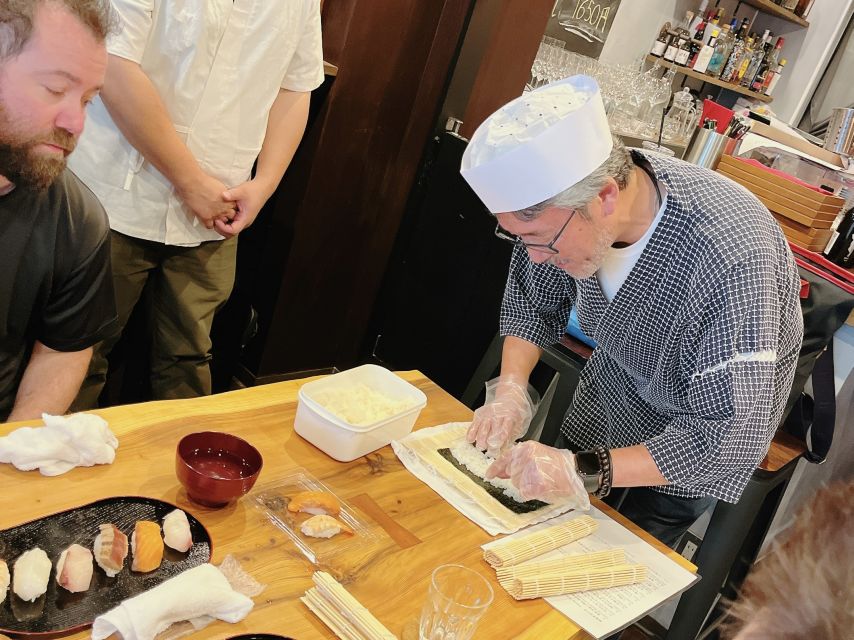
When you finish making the sushi, you decorate everything on the sushi plate, then you eat it as lunch. This is one of the most satisfying formats for a cooking class in Japan, because the meal is both the reward and the final proof of your technique.
You also get Japanese dashi soup, plus tea or water. It is a good pairing because it gives you something warm and simple alongside the sushi. And it keeps the experience balanced, since sushi can be filling even when the pieces are small.
What I appreciate most is the continuity. You do not just watch, you build, you plate, and then you eat. Multiple people specifically called out that learning extended beyond making, including learning how to eat the sushi properly.
What the chef actually teaches beyond sushi
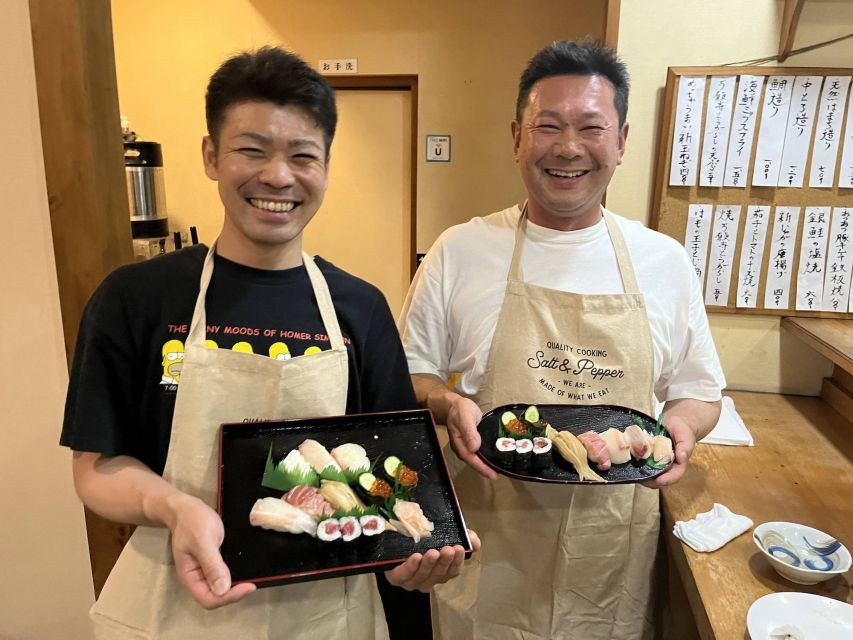
This is where the class earns its high rating. The core is obviously sushi-making, but instruction often goes further in practical directions.
From past sessions, people mentioned learning:
- Knife know-how, including what knives are used for and why they matter
- Dining etiquette, like how to behave and how to eat sushi at a restaurant
- Insights about the fish purchased, including descriptions tied to what they are eating
You should expect a mix of technique and culture, but in a grounded way. This is not a museum talk. It is the kind of guidance that makes you better at what you are doing immediately, and then more comfortable in real sushi bars afterward.
There is also an emphasis on hygiene. That comes up often in feedback, and for a hands-on food class, it is worth noting. You want confidence in cleanliness, especially when you are handling ingredients up close.
Photos and videos: a small service that changes the whole experience
During the class, they take photos and videos, then share the data after. That sounds minor until you are in it.
Sushi-making is fast. Techniques come in a sequence: toy practice, nigiri, roll, decorate, eat. If you are constantly stepping out to take photos, you miss steps and you stress yourself out. With the photo service, you stay in the flow.
Also, since the class is limited to a small group, the photos tend to feel like part of the experience rather than random snapshots from someone else’s camera. You will walk away with visuals you can actually use to remember the sequence, not just a pile of blurry shots where you are holding something and hoping it is sushi.
Where you meet in Kyoto: Shijo Karasuma, two nearby venues
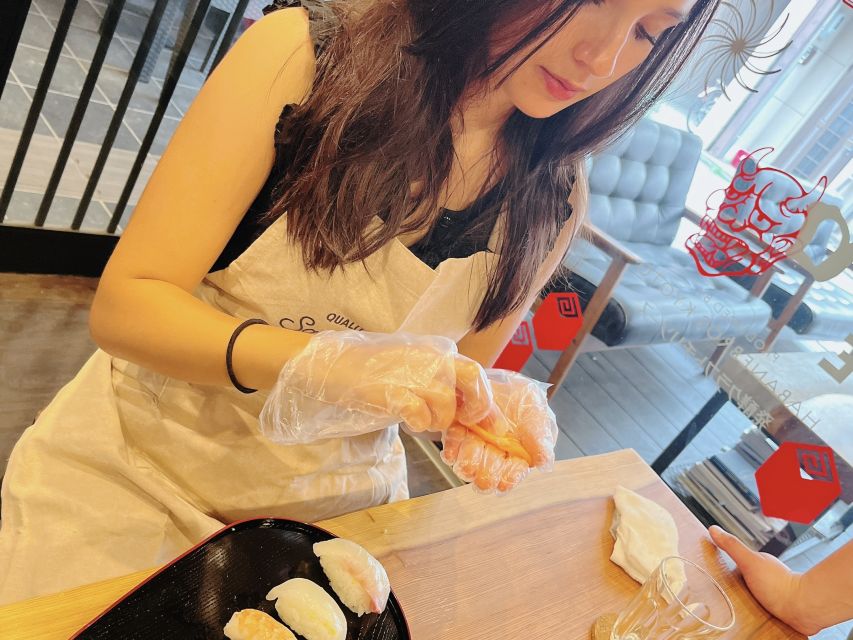
The meeting point is around Shijo Karasuma, and the organizer uses two venues in that area. They choose the specific location based on the number of people taking the class, and they email you a Google Maps link in advance.
On the ground, one past participant said the location was very easy to find and close to Kyoto-Kawaramachi Station. Another mentioned a cozy venue with river views. Since the actual venue can vary by group size, the best move is to follow the specific map link you receive.
If you like arriving early to settle in and not rush, plan a little buffer. Kyoto can move fast, and finding your exact room matters when your class start time is fixed.
Price and value: why $74 can be worth it in Kyoto
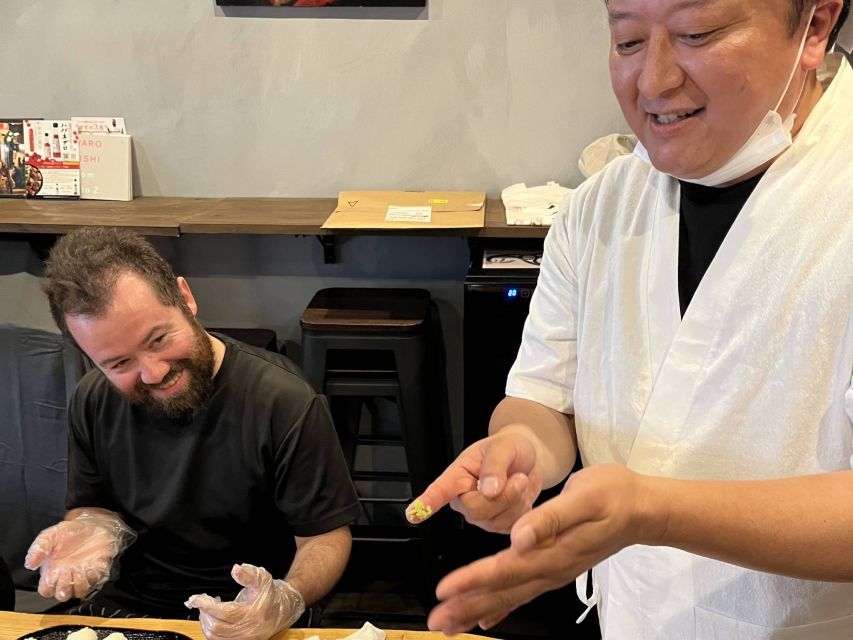
At $74 per person, this sits in the midrange for hands-on food experiences in Japan. The value comes from what you actually get, not just the act of cooking.
Here is what makes it feel like a good deal:
- Chef-led instruction in a small group (up to 8)
- You handle market-fresh fish, purchased early and prepared for class
- You make multiple items: nigiri, then maki, then you plate everything and eat
- You receive dashi soup, plus tea or water
- You get photo and video coverage so your attention stays on learning
If you have ever taken a class where you watch more than you do, you know the difference. This one is built around doing, with the sample toy practice helping you get to the real techniques faster.
One pricing note from a single piece of feedback: someone wished they could prepare rice and cut fish themselves, and would have paid extra for that. That tells you the course is focused on teaching you sushi shaping and rolling, not turning you into the entire sushi kitchen from scratch. If your dream is maximum kitchen labor, you might find yourself wanting more hands-on prep. If your goal is learning sushi properly from a chef in a fun, efficient package, this is a strong match.
Who should book this class (and who should think twice)
This class is a great fit if you:
- Want an authentic Kyoto food experience with real instruction, not just a tasting
- Learn best by doing step-by-step
- Like structured activities with a clear payoff, you make sushi and then eat it
- Appreciate cultural add-ons like sushi etiquette and learning how to eat what you make
It is also especially family-friendly in practice. Past feedback praised it as a favorite activity for a 5-year-old, largely because the chef is patient and the steps are guided.
Think twice if you:
- Have food allergies. The activity data says it is not suitable for people with food allergies.
- Use strong fragrances. That is explicitly not allowed.
One more subtle point: a single participant mentioned gluten free support. Since the official note says it is not suitable for food allergies, do not assume it will work for your specific needs. If you have dietary restrictions, contact the operator directly before booking.
Should you book this Kyoto sushi-making class?
If you want a Kyoto experience that feels both fun and useful, I would book it. You get market-fresh fish, real sushi-making skills taught in a small group, and the kind of satisfaction that comes from eating your own work right after.
Book it if you care about technique, you want to learn sushi etiquette, or you simply want a memorable hands-on meal that is not just sitting in a restaurant watching other people cook.
Skip it or ask lots of questions first if allergies are part of your situation, because the class is not listed as suitable for food allergies. And if you want total control over every prep task, like rice prep and fish cutting, you might feel the class is more focused on shaping and rolling than on being the full prep team.
If that all sounds like your kind of day, go for it. This is the kind of class where you leave Kyoto thinking, I can actually make this at home, and it tasted even better than it looked.
FAQ
How long is the sushi making class?
The duration is listed as 90 minutes to 3 hours. You can check availability to see the starting times for your preferred slot.
Where do I meet for the class?
The meeting point is around Shijo Karasuma. There are two nearby venues, and the organizer will email you the correct Google Maps link based on group size. You should look for staff with a welcome board.
What languages are the instructors?
The instructor can teach in English and Japanese.
What is included in the class price?
The experience includes the sushi making class with a sushi chef, eating the sushi you make, tea or water, Japanese dashi soup, and sharing photo data after the class.
How large is the group?
It is a small group limited to 8 participants.
Can I get a full refund if I cancel?
Yes, you can cancel up to 2 days in advance for a full refund.
Are strong fragrances allowed?
No. Strong fragrances are not allowed during the class.
Is this class suitable for people with food allergies?
The activity information says it is not suitable for people with food allergies.
Counters and Courses
Kitchens You Can Book Into
Newest Kyoto write-ups from the Loving Japan desk

Japanese Cooking Classes, side by side.
 ★ 5.0Sushi Making Tokyo Roll and Authentic Japanese Sushi ClassFrom $593,971 reviews
 ★ 4.9Roll and Authentic Sushi Making Class in AsakusaFrom $581,957 reviews
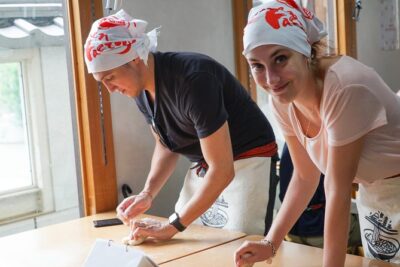 ★ 5.0Ramen Cooking Class at Ramen Factory in KyotoFrom $1311,937 reviews
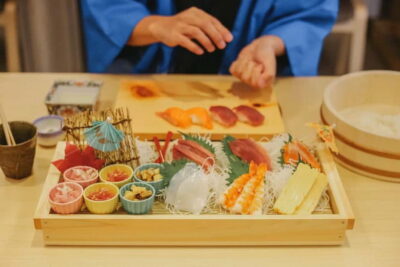 ★ 4.9Sushi Making Class in a Happi Coat near a Famous SpotFrom $421,377 reviews
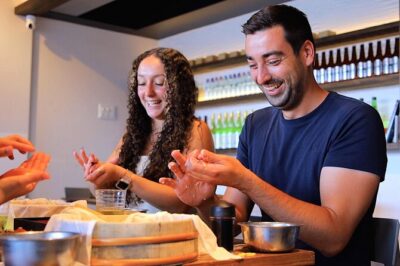 ★ 5.0Sushi Making Osaka Roll and Authentic Japanese Sushi ClassFrom $311,220 reviews
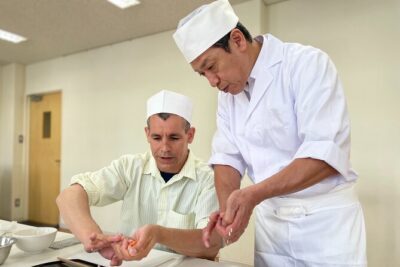 ★ 5.0Tokyo Sushi Making Class in Tsukiji with Professional ChefFrom $491,177 reviews
 ★ 5.0Ramen & Gyoza Cooking Class in Tokyo with Local Supermarket VisitFrom $122823 reviews
 ★ 5.0Tsukiji Fish Market Guided Tour and Sushi Making with Pro ChefFrom $104775 reviews
Filed on these lists too