
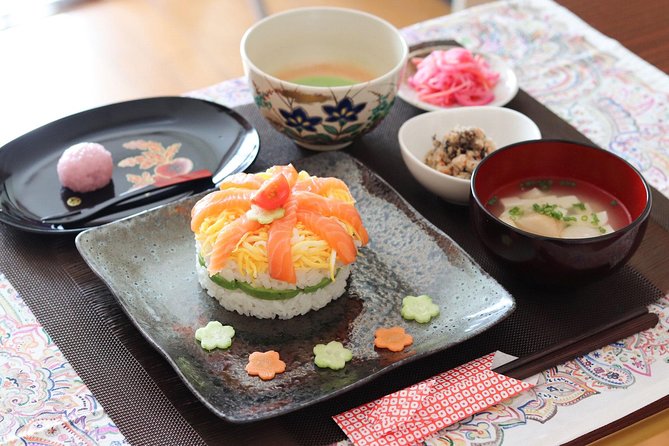
REVIEW · SUSHI AND SASHIMI EXPERIENCES
Sushi or Traditional Japanese Cuisine in a Kyoto Home with Emika
Kyoto dining can feel like a show, or like family. This private meal with Emika is the real thing, served in her home and built around traditional matcha and seasonal Obanzai. I especially like the care behind the food, much of it tied to local ingredients, and the way the conversation makes the meal feel personal instead of scripted. One possible drawback is that you are responsible for getting to the meeting address yourself, since there is no pickup.
Two things that make this stand out for me are the hands-on feel and the hospitality. Emika shares the traditional approach behind items like sushi and miso soup, and you also get a genuine Kyoto home-tea moment, often supported by her father’s tea experience. If you are expecting a fast, cafeteria-style meal, this is slower and more chat-friendly, with courses that build naturally.
In This Review
- Key Points to Know Before You Go
- A Kyoto Home Meal, Not a Restaurant Detour
- Matcha Welcome at the Table With Emika
- Obanzai Cooking and Why Seasonal Food Is the Point
- Sushi and Miso Soup, Explained Instead of Just Served
- The Meal Flow: Conversation, Courses, and Tea Time
- Price and Value: What You Actually Get for $79
- Getting There and Making It Work With Your Day
- Who Should Book This Kyoto Home Dinner
- Should You Book This With Emika?
- FAQ
- How long is the Kyoto home meal with Emika?
- Where does the experience take place?
- Is this a private experience?
- What is included in the meal?
- Do I get a choice between lunch and dinner?
- What about dietary restrictions?
- Does the menu change during the year?
- Is pickup included from my hotel?
- Can I cancel and get a refund?
Key Points to Know Before You Go
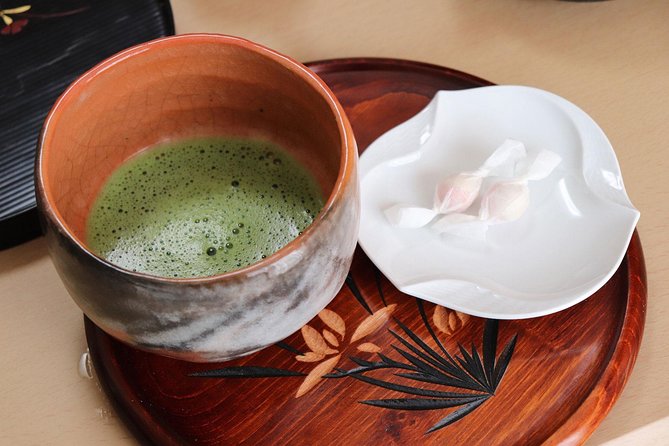
- Traditional matcha welcome prepared in a Kyoto style, served as part of the experience flow
- Obanzai home cooking focused on seasonal vegetables and seafood, often with locally sourced ingredients
- Sushi and miso soup explained in a way that connects technique to culture
- Private, personalized seating around a dining table, with time to ask questions
- Local alcohol included to pair with the meal, depending on what is served
- Menu varies by season, so the exact dishes are not always identical
Counters and courses we sat at around Kyoto
- Sushi Making in Kyoto! Same-day bookings welcome!
★ 5.0 · 713 reviews - The Original Small-Group Sushi Making Class in Kyoto
★ 5.0 · 436 reviews - Kyoto: Small-Group Authentic Sushi Making Workshop
★ 5.0 · 137 reviews - Sushi – Authentic Japanese Cooking Class – the best souvenir from Kyoto!
★ 5.0 · 93 reviews
A Kyoto Home Meal, Not a Restaurant Detour
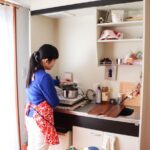
This is the kind of experience that changes how you picture Kyoto. Instead of fitting Japanese food into a restaurant schedule, you sit down in a resident’s home and eat at a normal pace, with real talk about daily life. That alone is valuable. You get to see how Kyoto food culture feels in a lived-in setting, not just on a menu.
You also get a private setup. It is just your group, around a dining table, which makes it easier to ask questions and actually learn instead of shouting over other diners. For people who like travel that feels grounded, not staged, this hits the mark.
The session runs about 1 hour 30 minutes, so it is long enough to feel like a full meal, but short enough to plug into a day without major reshuffling. You can choose lunch or dinner timing, which is handy if you are already balancing temple hours and crowds.
Matcha Welcome at the Table With Emika
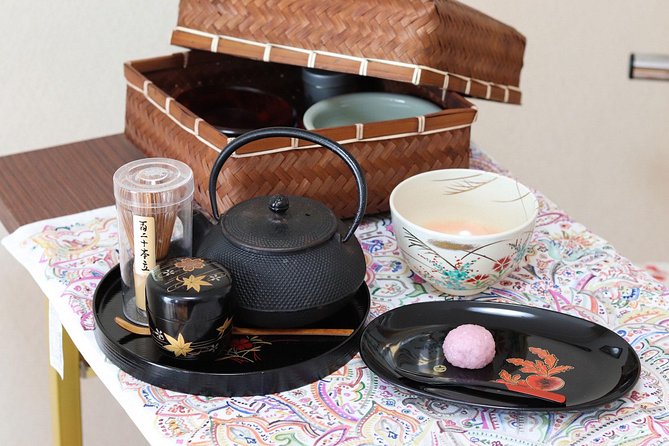
The experience typically starts or ends with a cup of matcha prepared in a traditional style. The details matter here. You are not just handed a drink, you get the moment explained and served as part of the overall rhythm. Matcha in Japan is often treated like a ceremony of attention, not only a beverage.
Emika prepares it, or her father may be involved in the matcha or tea ceremony element, depending on the flow of the day. Several guests highlight that the tea part is a standout. You might see a small tea ceremony included, which can turn an ordinary meal into something more memorable.
If you are matcha-curious, this is the smart way to try it. You get the taste, but also the context of why it is served and how it fits into the Japanese way of slowing down.
Obanzai Cooking and Why Seasonal Food Is the Point
Obanzai is Kyoto comfort food, and the best version of it is seasonal. The meal is built around Obanzai dishes made from ingredients that reflect what is available now, especially vegetables and seafood. That matters because it explains something simple: food here is not only about flavor, it is about timing.
In a home setting, Obanzai feels especially convincing. You are eating dishes that fit how a household cooks, not dishes engineered for Instagram lighting. The experience description also notes many locally sourced ingredients, and guests specifically mention produce grown in the host’s own garden. That garden-to-table idea is more than a cute story. It often translates into better texture and a clearer taste of each ingredient.
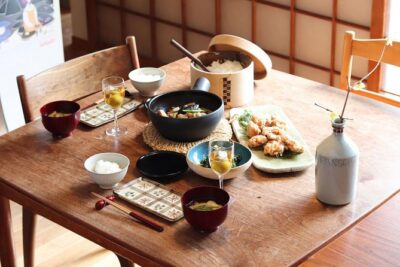
You can expect a table that includes staples like rice and miso soup, along with smaller Kyoto-style plates that change with the season. The exact lineup can vary, but the theme stays consistent: seasonal, balanced, and designed to go well with tea.
- PERFECT KYOTO 1-Day Bus Tour★ 5.0 · 13,518 reviews
- Kyoto: Fushimi Inari, Kinkakuji, Bamboo Grove 1 Day Bus Tour★ 4.8 · 4,316 reviews
- Kyoto: Tea Ceremony in a Traditional Tea House in Kiyomizu★ 4.9 · 3,519 reviews
- Kyoto Geisha Walking Tour: Gion District & Hidden Gems★ 4.7 · 3,273 reviews
- Kyoto: Tea Ceremony Ju-An at Jotokuji Temple★ 4.9 · 3,207 reviews
Sushi and Miso Soup, Explained Instead of Just Served
This is a Kyoto home dinner, but it also includes food that people often think they understand. Sushi and miso soup are a great example. In this experience, you are not only eating them, you are learning the traditional way behind them.
Guests mention Emika sharing the traditional approach to making sushi and miso soup. You may see how key ingredients and steps connect, even if you are not expected to become a chef by the end of the meal. The takeaway is practical: Japanese cuisine is highly specific, and the details are where the flavor comes from.
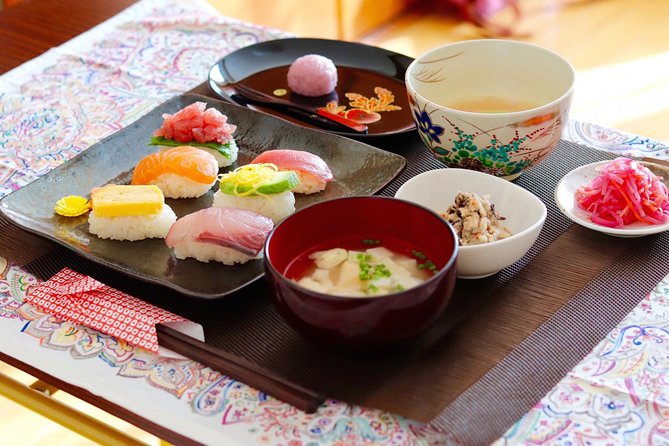
What you likely will notice on your plate:
- Miso soup that feels gentle, not heavy, often built to taste clean
- Sushi that tastes more precise and less commercial, with attention to balance
- Side dishes that support the main flavors instead of competing
Also, the experience description says your meal may include sweets that pair well with matcha. That is a smart pairing. Matcha works best when sweetness is handled lightly, and the host typically chooses something that feels appropriate to end the meal rather than clashing with the tea.
The Meal Flow: Conversation, Courses, and Tea Time
A big part of the value here is how the meal unfolds. You meet Emika at her home, you share conversation, and you sit down together at the dining table. This is not a quick drop-in. It is designed for you to slow down and enjoy the whole process.
Typical flow you can expect:
- Traditional matcha served in a Kyoto style
- Seated meal with Obanzai dishes, plus rice and miso soup
- More time for conversation as courses arrive
- A sweet that goes with matcha, often at the end
- In some cases, a small tea ceremony moment may be included
That last point matters. A short tea ceremony can turn the tea from a beverage into a mini cultural lesson. Multiple guests call out that the tea moment is especially memorable, supported by the host’s father’s tea experience. Even if it is brief, it gives you something tangible to remember when you leave.
Price and Value: What You Actually Get for $79
At $79 per person, this is not budget food, but it does not price itself like a fancy restaurant tasting menu either. For many travelers, the value comes down to four things you get here that are hard to replicate on your own.
First, you get the home setting. Eating in someone’s Kyoto house is a different category of experience than buying food and wandering. It also naturally creates time for conversation, which makes the learning stick.
Second, you get traditional matcha and a meal that includes miso soup, sushi, Obanzai dishes, and sweets. The experience also lists local alcohol as included. That combination is a lot for one sitting, especially when the menu is built for pairing with tea.
Third, you get the private format. With a private group meal, you are paying for access and attention, not just ingredients.
One practical consideration: there is no hotel pickup or drop-off. That is not a deal breaker, but it does mean you should plan your transit like a local appointment. Build in buffer time, because you will want to arrive calmly. If you are staying far out, factor in the travel time before you commit.
Getting There and Making It Work With Your Day
The meeting point is in Nishikyo Ward, at 31-30 Katsurainariyamachō, Nishikyo Ward, Kyoto, 615-8025, Japan. The experience is noted as near public transportation, so you should be able to reach it without a car, but you still need to do the trip yourself.
The good news is the duration. About 1 hour 30 minutes makes it easy to fit. Choose lunch if you want a mid-day anchor, or dinner if you want something calmer after sightseeing. Either way, the home-style pacing helps you avoid the fatigue of a long food crawl.
Also, this is a private experience, so there is no mixing with strangers in a shared dining room. That makes it easier to keep your schedule tidy and your questions focused.
Who Should Book This Kyoto Home Dinner
This experience is best for you if you want food as culture, not just food as fuel. If you like learning about ingredients, cooking styles, and why dishes are served the way they are, you will get more out of it than someone who only cares about eating quickly.
It is also a strong fit for:
- Couples or small groups who want a quieter, personal meal
- People who like traditional Japanese food and want context, especially around Obanzai and tea
- Travelers who enjoy conversation and are comfortable asking questions
- Anyone who prefers private experiences over crowded group tours
If you are the type who hates being late, plan your route and travel time carefully. You are showing up at a home address, so arriving with stress is the enemy of a good meal.
Should You Book This With Emika?
Yes, if your idea of a great Kyoto day includes a table, tea, and conversation in a real home. The standout elements are the traditional matcha, the seasonal Obanzai focus, and the way sushi and miso soup are explained instead of simply served. The tea portion, sometimes with a small ceremony supported by Emika’s father, is also a commonly praised highlight.
Book it if you:
- Want an authentic-feeling meal that reflects Kyoto daily life
- Appreciate seasonal cooking and local ingredients
- Prefer private access over big-group food stops
Skip or reconsider if you strongly rely on hotel pickup, hate navigating to local meeting points, or only want a quick meal with minimal interaction. For most people, though, this is the kind of Kyoto experience that feels hard to replace once you have lived it.
FAQ
How long is the Kyoto home meal with Emika?
The experience lasts about 1 hour 30 minutes.
Where does the experience take place?
It starts at 31-30 Katsurainariyamachō, Nishikyo Ward, Kyoto, 615-8025, Japan and ends back at the meeting point.
Is this a private experience?
Yes. It is private and only your group participates.
What is included in the meal?
You get an authentic, home-cooked Japanese meal, and local alcohol is included. The menu can include items like sushi, miso soup, rice, Obanzai dishes, matcha green tea, and sweets.
Do I get a choice between lunch and dinner?
Yes. You can choose lunch or dinner time to fit your schedule.
What about dietary restrictions?
You should advise Emika of any specific dietary requirements at the time of booking.
Does the menu change during the year?
Yes. The menu may vary depending on the season.
Is pickup included from my hotel?
No. Hotel pickup and drop-off are not included.
Can I cancel and get a refund?
Yes. You can cancel for free up to 24 hours before the experience starts for a full refund. If you cancel less than 24 hours before, the amount paid is not refunded.
Counters and Courses
Newest Kyoto write-ups from the Loving Japan desk
Sushi and Sashimi Experiences, side by side.
 ★ 5.0Sushi Making Tokyo Roll and Authentic Japanese Sushi ClassFrom $593,971 reviews
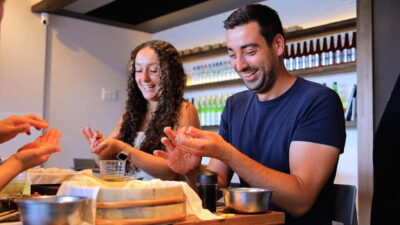 ★ 4.9Roll and Authentic Sushi Making Class in AsakusaFrom $581,957 reviews
 ★ 5.0Make Sushi and Create Unforgettable Memories in TokyoFrom $791,413 reviews
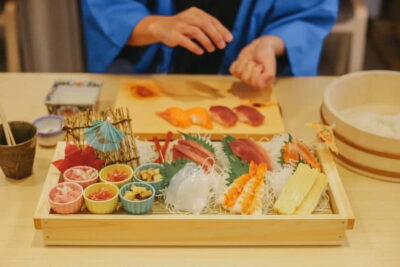 ★ 4.9Sushi Making Class in a Happi Coat near a Famous SpotFrom $421,377 reviews
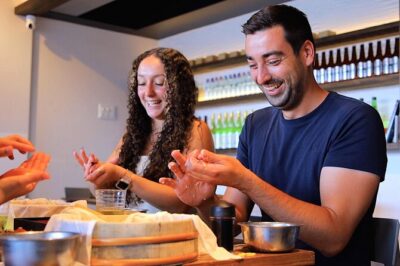 ★ 5.0Sushi Making Osaka Roll and Authentic Japanese Sushi ClassFrom $311,220 reviews
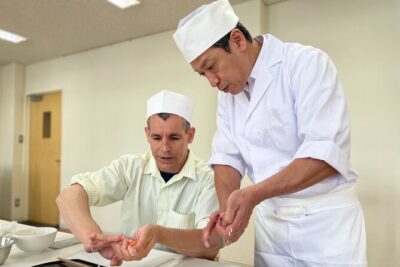 ★ 5.0Tokyo Sushi Making Class in Tsukiji with Professional ChefFrom $491,177 reviews
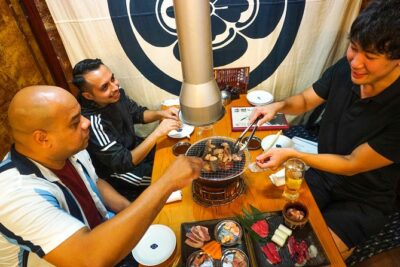 ★ 5.0Tokyo Night Foodie Tour in Shinjuku – Seasonal Sushi, Wagyu BeefFrom $1111,161 reviews
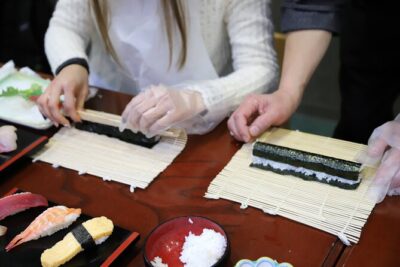 ★ 5.0Tsukiji Fish Market Guided Tour and Sushi Making with Pro ChefFrom $104775 reviews
Filed on these lists too