
REVIEW · JAPANESE COOKING CLASSES
Kyoto Sushi Making Experience with a Professional Sushi Chef
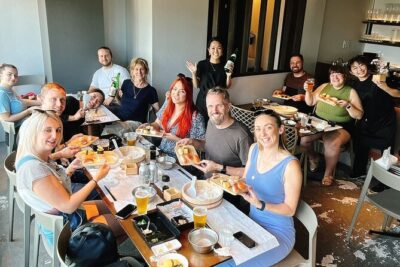
Sushi making in Kyoto feels like a workshop. You learn the craft directly from a Taisho chef, then taste what you make with sake pairings and Kyoto-style sweets. The whole feel is intimate, hands-on, and very focused on doing it right, not just watching.
I love two things most: you shape your own nigiri and rolls, and you get a real sake tasting with pairing tips you can use at dinner in Kyoto. One thing to consider, though: it is a 3.5-hour, hands-on session, so if you prefer lots of quiet strolling and zero involvement, this may feel like too much activity.
In This Review
- Kyoto Sushi Making, the Bits That Matter
- Key Highlights You Should Not Skip
- The 3:30 pm Flow and Why It Works
- Starting at the Local Sweets Shop
- Meet the Chef, Learn the Rice and Shape Logic
- Making 9 Nigiri and Rolling Sushi Without Getting Lost
- Tempura Set, Then Sake Pairing That Actually Teaches
- Matcha Whisking in a Kyoto-Style Garden
- Price, Value, and Booking Timing in Kyoto
- Who This Experience Fits Best
- Should You Book This Kyoto Sushi Making Experience?
- FAQ
- Where does the experience start?
- What time does the class start?
- How long is the experience?
- How many people are in each group?
- What sushi and other food will I make and eat?
- Is sake and matcha included?
- Do I need to speak Japanese?
- Is it suitable for families or kids?
- What is the cancellation policy?
Kyoto Sushi Making, the Bits That Matter
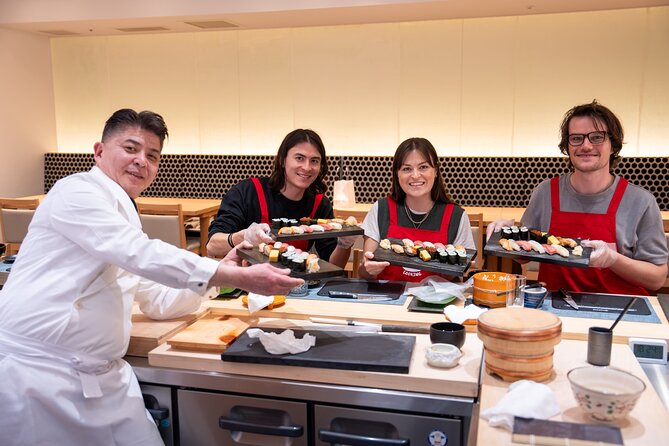
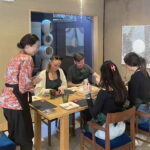
Small-group sushi lessons sound nice, but what you actually care about is control and clarity. This experience keeps the group to a maximum of 8, and the chef handles the high-risk parts like slicing, so you can focus on the rhythm of making sushi. An English-speaking guide keeps it moving and makes sure you know what is happening at each step, including the why behind the technique.
The menu is built around variety, not just sushi shapes. You learn to make 9 nigiri and roll sushi, you enjoy tempura made by the chef, and you round it out with sake tastings, matcha whisking, and Japanese sweets. That mix matters because sushi tastes are easier to understand when you get the contrast: raw fish, warm fried bites, rice texture, and tea sweetness all in one evening.
One more plus, based on real feedback: guides can make or break a food class, and a guide named Ayuri was specifically praised for keeping families relaxed while still guiding everyone through technique and tasting.
Cook it yourself instead. Other kitchens in Kyoto
- Ramen Cooking Class at Ramen Factory in Kyoto
★ 5.0 · 1,937 reviews - Sushi Making in Kyoto! Same-day bookings welcome!
★ 5.0 · 713 reviews - Kyoto: Ramen Cooking Class at a Ramen Factory with Souvenir
★ 4.9 · 532 reviews - Kyoto: Ramen, Gyoza, and Onigiri Cooking Class
★ 5.0 · 445 reviews
Key Highlights You Should Not Skip
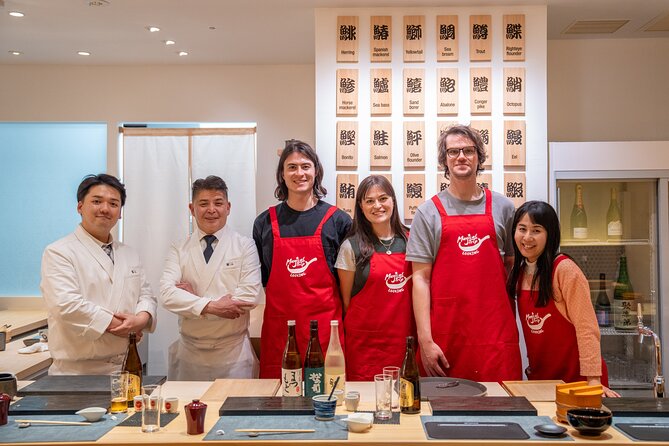
- Taisho-led instruction with the chef controlling the slicing, so you can participate without fear
- Make 9 nigiri plus roll sushi, so you are not just copying a demo
- Tempura set and sake tastings with pairing tips that help you taste more than you chew
- Matcha whisking in a Kyoto-style garden plus the sweets you picked earlier
- English-speaking guidance and a max group size of 8 for real interaction
The 3:30 pm Flow and Why It Works
This class starts at 3:30 pm and runs about 3 hours 30 minutes, ending back at the meeting point. A late afternoon start is smart in Kyoto. It lines up well with when you are done with the main sights for the day, and it gives you enough time to eat without rushing into a late-night schedule.
You also get a clean, logical progression. The experience moves from sweets, to sushi technique, to tastings, to matcha. That flow matters because sushi making is a skill, and skills stick better when your brain stays on a single theme for a few hours.
If you have a packed itinerary, plan a little buffer around it. This is not a quick snack class. You will be working with food and learning steps that take time, especially shaping nigiri and forming rolls with consistency.
Starting at the Local Sweets Shop
Before sushi, you visit a local shop for traditional Japanese sweets. This is not just a pre-meal snack stop. It sets up the ending of the experience, because you will whisk matcha later and eat it with the sweets you chose.
Why I like this approach: it keeps the experience from feeling like a single-note cooking demo. Japanese sweets also give you a reference point for taste and texture. When you later taste matcha, you are pairing it with something that has a known sweetness and mouthfeel, so the tea does not just taste like tea.
This portion is also a low-pressure entry. You can ask questions through the guide, get your bearings, and watch how the shop experience fits into everyday food culture. Even if you are new to Japanese flavors, you will leave this part with a concrete “what to look for” mindset.
Counters and courses we sat at around Kyoto
- The Original Small-Group Sushi Making Class in Kyoto★ 5.0 · 436 reviews
- Kyoto: Small-Group Authentic Sushi Making Workshop★ 5.0 · 137 reviews
- Sushi – Authentic Japanese Cooking Class – the best souvenir from Kyoto!★ 5.0 · 93 reviews
- Private Kyoto Sushi Cooking Class & Tea Ceremony with Emika★ 5.0 · 66 reviews
- Sushi or Traditional Japanese Cuisine in a Kyoto Home with Emika★ 5.0 · 20 reviews
Meet the Chef, Learn the Rice and Shape Logic
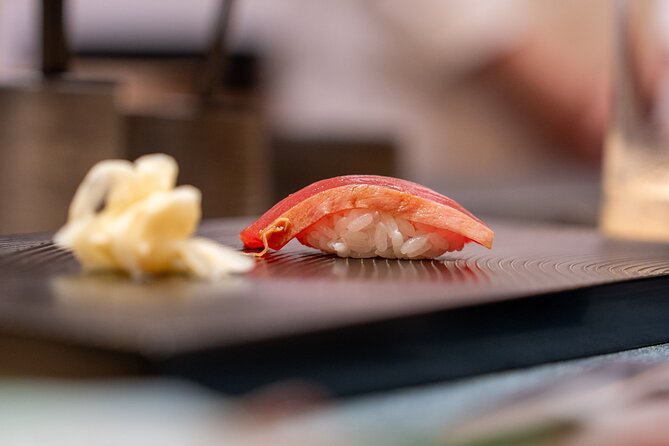
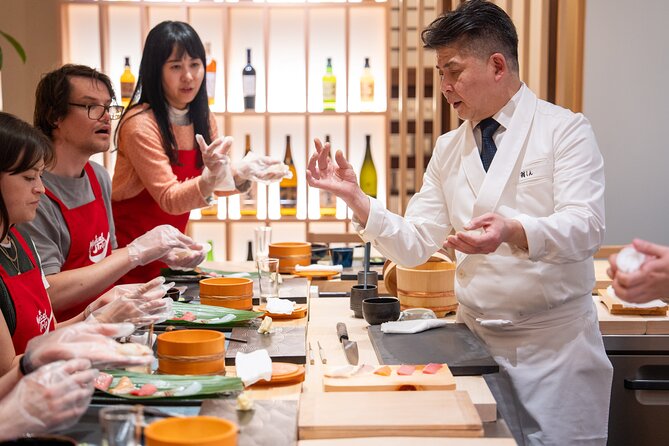
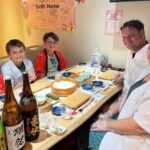
The heart of the experience is meeting the professional sushi chef, described here as a Taisho chef, in an authentic sushi restaurant setting. The chef demonstrates precise knife work and the elegant craft of making nigiri. Then you get to do the work yourself under close guidance.
You should expect a focus on control. Sushi is not just about ingredients. It is about how the rice holds together, how the fish sits, and how pressure changes the final shape. That is why this class is so valuable for you even if you never plan to make sushi again. You learn what chefs are actually paying attention to.
A practical reassurance is built into the format: you do not need to handle sharp knives. The Taisho handles the slicing, so you can learn the parts that matter for your hands, like shaping and assembly, without turning your experience into a safety lesson.
If your guide happens to be Ayuri, keep an eye out for how she explains the pacing for families. That specific praise came through for helping people feel comfortable while still learning technique.
Making 9 Nigiri and Rolling Sushi Without Getting Lost
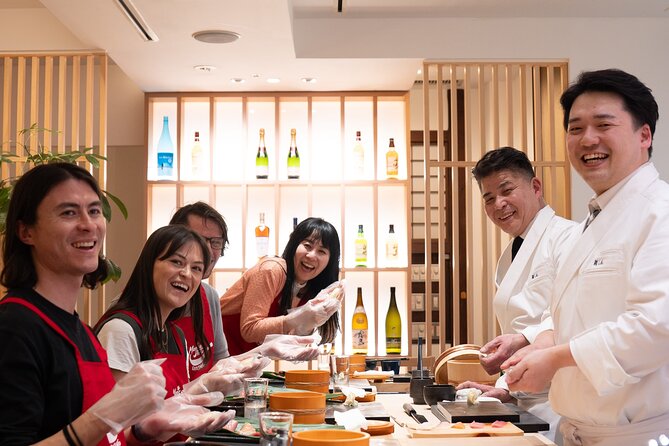
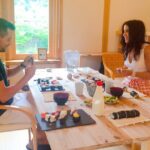
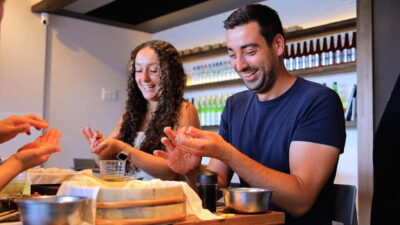
The course includes 9 nigiri sushi plus roll sushi, and that is where your hands-on time actually earns its keep. Nigiri is deceptively simple-looking, but it is all about proportion and the fit between rice and topping. You learn how to shape the rice and place the ingredient so it looks right and tastes right.
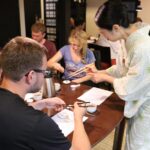
Rolling sushi adds a different skill set. With rolls, you deal with wrapping technique and evenness across the cut. You are not only learning a recipe. You are learning how to produce something consistent enough that you can cut and serve without it falling apart.
Here is the truth I want you to know before you go: sushi skill takes practice, even if your group is small and the chef is teaching you directly. You will likely not end with a sushi level you can brag about on day one. But you will end with a working understanding of how sushi is built, and you will know what to try again at home.
Tempura Set, Then Sake Pairing That Actually Teaches
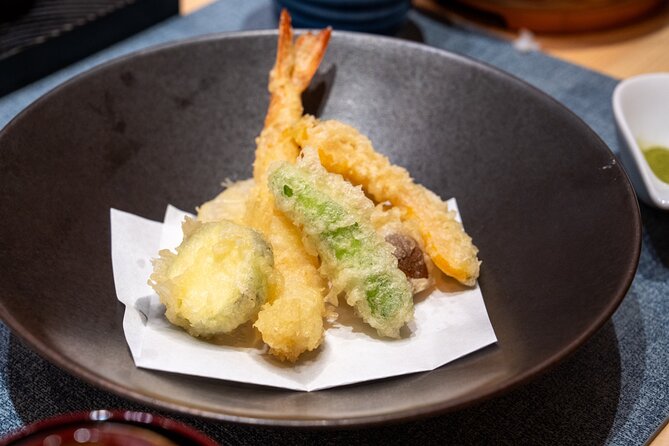
You then enjoy a tempura set that is freshly made by the chef. Tempura acts like a palate reset. It is warm, crisp, and comforting, which makes it easier to notice how flavors and textures change when you shift from raw or subtly seasoned bites.
Next comes sake tastings with pairing tips. This part is where a lot of food tours stay vague, but this one is designed to help you connect sushi choices to sake styles. You learn how different types of sake can complement sushi flavors instead of overpowering them.
What makes this valuable for you is transfer. You get to taste a sequence, learn what the pairing is supposed to do, and then you can apply it on your own later in Kyoto. Even if you do not buy sake that day, you will start reading menus with more confidence.
Also, the inclusion of two drinks alongside the sake tastings matters for pacing. It keeps the experience from feeling like you are only doing one flavor track. Your taste shifts, you get time to ask questions, and the meal stays interesting instead of repetitive.
Matcha Whisking in a Kyoto-Style Garden
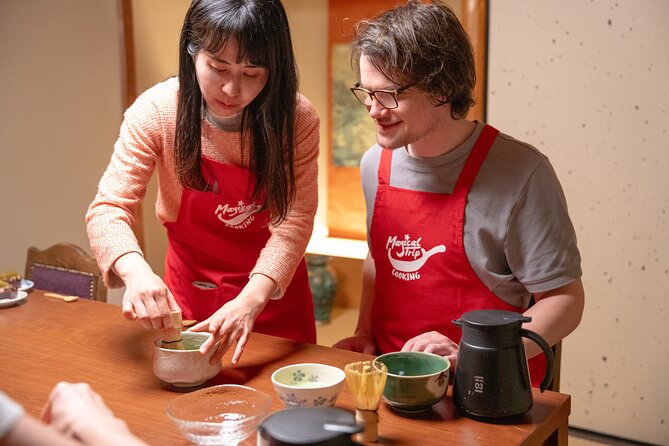
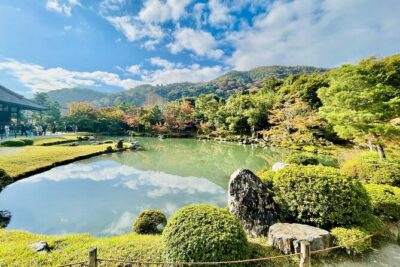
To end, you unwind in a peaceful Kyoto-style garden. In this calmer setting, your guide teaches you how to whisk matcha, and you enjoy it with the Japanese sweets you selected earlier.
This ending works because it ties the whole experience together. Earlier, the sweets gave you a baseline. Now matcha becomes a final act of pairing, not a random drink at the end. The garden setting also slows your brain down after hands-on work, which makes the meal feel complete rather than rushed.
If you care about tea culture, this is a smart add-on. Matcha is not just a caffeine drink. It has a specific texture and flavor that changes depending on how it is whisked and what you pair it with. Even if you cannot whisk it perfectly on your first try, you will leave understanding the goal: smooth, not clumpy, and evenly mixed.
Price, Value, and Booking Timing in Kyoto
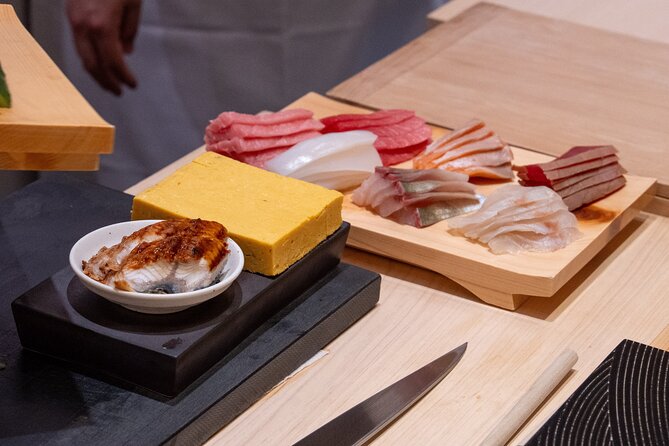
At $163.30 per person, this is not a budget class. But it also is not just a “watch a chef” activity. You are paying for a small group size, hands-on instruction, and a full food arc that includes 9 nigiri, roll sushi, tempura, sake tastings, matcha, and Japanese sweets.
That bundle is where the value comes from. Cooking classes often skimp on the tasting side or cut the menu to something simple. Here, the tasting piece is part of the learning. The sake pairing tips and the matcha pairing with sweets turn your class meal into a real food experience, not only a skill session.
One more practical detail: the average booking time is about 24 days in advance. That suggests a steady demand. If you are traveling during peak periods or on a tight schedule, I would book earlier rather than later so you do not end up choosing a less convenient time.
Who This Experience Fits Best
This class suits you if you want more than a meal. It is ideal for food lovers who enjoy learning technique, and it works for families because the chef handles the sharp cutting and the guide keeps things organized.
It is also a good fit if you are a solo traveler who wants a small group experience. With a max of 8, you should have chances to ask questions and get personal guidance instead of feeling like you are swallowed by a larger crowd.
You might not love it if you dislike hands-on cooking. This is not a passive activity. You will be shaping sushi and tasting throughout the session, and that takes focus. If you are hoping for a light, casual stroll with a short snack, you may want a different kind of Kyoto food tour.
Should You Book This Kyoto Sushi Making Experience?
If you want sushi technique taught by a real professional, plus a meal that includes tempura, sake pairings, and matcha, I think you should book. The biggest reason is simple: it is structured learning with real tastings, and the chef handles the parts that could make you nervous.
Book it especially if you care about doing the craft yourself, not just watching. You will leave knowing how nigiri and rolls are built, how chefs think about texture, and how sake and matcha fit into the flavor story.
If you are unsure, look at your own style. If you love active food experiences and you can commit to a 3.5-hour session, this is a strong choice. If you want mostly scenery and minimal effort, you will likely feel more satisfied with a different activity.
FAQ
Where does the experience start?
The meeting point is Diesel604 Banochō, Nakagyo Ward, Kyoto, 604-8172, Japan.
What time does the class start?
The start time listed is 3:30 pm.
How long is the experience?
It lasts about 3 hours 30 minutes.
How many people are in each group?
The maximum group size is 8 travelers.
What sushi and other food will I make and eat?
You will learn to make 9 nigiri sushi and roll sushi, and you also enjoy a tempura set. You will also have Japanese sweets.
Is sake and matcha included?
Yes. The experience includes sake tastings and a matcha experience where you whisk matcha and enjoy it with sweets.
Do I need to speak Japanese?
No. An English-speaking guide is included.
Is it suitable for families or kids?
Yes. Families are welcome, and kids 4+ can join.
What is the cancellation policy?
You can cancel for a full refund up to 24 hours before the experience starts. If you cancel less than 24 hours before, the amount paid will not be refunded.
Counters and Courses
Kitchens You Can Book Into
Newest Kyoto write-ups from the Loving Japan desk
Japanese Cooking Classes, side by side.
 ★ 5.0Sushi Making Tokyo Roll and Authentic Japanese Sushi ClassFrom $593,971 reviews
 ★ 4.9Roll and Authentic Sushi Making Class in AsakusaFrom $581,957 reviews
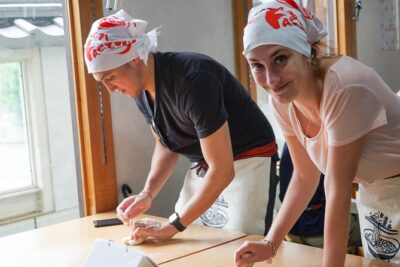 ★ 5.0Ramen Cooking Class at Ramen Factory in KyotoFrom $1311,937 reviews
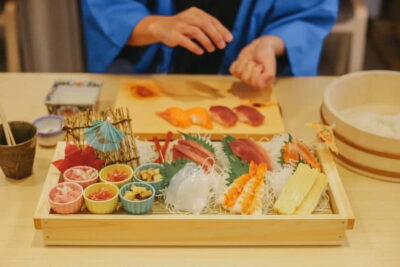 ★ 4.9Sushi Making Class in a Happi Coat near a Famous SpotFrom $421,377 reviews
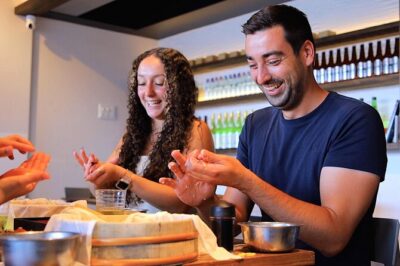 ★ 5.0Sushi Making Osaka Roll and Authentic Japanese Sushi ClassFrom $311,220 reviews
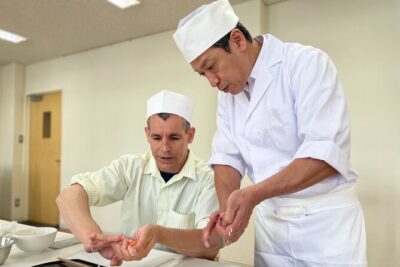 ★ 5.0Tokyo Sushi Making Class in Tsukiji with Professional ChefFrom $491,177 reviews
 ★ 5.0Ramen & Gyoza Cooking Class in Tokyo with Local Supermarket VisitFrom $122823 reviews
 ★ 5.0Tsukiji Fish Market Guided Tour and Sushi Making with Pro ChefFrom $104775 reviews
Filed on these lists too