
REVIEW · KYOTO TEA CEREMONIES AND MATCHA
Making Japanese desserts Nerikiri & drinking matcha in Tokyo
Tokyo sweets, kneaded by hand.
This is a hands-on small-group Nerikiri class where you get plenty of personal attention, and you also start with everything you need, not just a vague recipe sheet. The experience focuses on seasonal kneaded dough, so what you make in one month can be different from what you’d make later, which makes it feel more like Japanese food culture than a demo.
My favorite part is the direct, do-it-yourself instruction, plus the fact that the class includes the ingredients and tools so you are not hunting for supplies. The other win is the matcha moment, where you learn how the sweets and tea fit together in everyday Japanese taste. One consideration: the meeting spot can shift, the class is basically at a kitchen in Shimokitazawa, but if that rental space is unavailable you may meet near Toritsudaigaku Station, so check your email carefully.
In This Review
- Key Takeaways Before You Go
- What Nerikiri Teaches You That Regular Desserts Don’t
- Making Three Seasonal Doughs in One Hands-On Session
- The Matcha Part, Where the Class Finishes Strong
- Learning the Process With Your Hands, Not Just Watching
- Location in Setagaya: Shimokitazawa Kitchen or Toritsudaigaku Station
- Turning Class Time Into a Real Neighborhood Stroll
- Price and Value: $65.69 for Skills, Tea, and Take-Home Sweets
- Best Fit: Beginners, Food Lovers, and Small-Group Enthusiasts
- Quick Practical Tips So You Enjoy It More
- Should You Book This Nerikiri and Matcha Class?
- FAQ
- How long is the Nerikiri and matcha class?
- What will I make during the class?
- Is matcha included?
- Can I take the desserts home?
- Where does the class take place in Tokyo?
- How big is the group?
- Does the class include ingredients and tools?
- What if I want specific characters like an owl and a needle mouse?
- Is there free cancellation?
Key Takeaways Before You Go
- Max 8 travelers means you are not lost in a crowd, and you can get quick help while you knead and shape.
- All ingredients and tools are included, so you only need yourself, not a shopping list.
- Three types of seasonal kneaded dough in about 90 minutes gives you real skills fast.
- Matcha is prepared by the instructor, and you can eat your nerikiri on the spot or take it home.
- Special shapes may be possible (owl and needle mouse), but you must request them by email and it depends on timing.
- Setagaya-ku after class works well, because you are in a neighborhood area, not stuck in tourist-only zones.
Sit down somewhere quieter. Other tea rooms we booked
- Matcha Making Class in Tokyo with Authentic Japanese Sweets Set
★ 5.0 · 744 reviews - Tokyo: Traditional Tea Ceremony with a Tea Master
★ 5.0 · 528 reviews - Tokyo: Matcha Making Experience with Mochi Sweets in Asakusa
★ 4.9 · 388 reviews - Tokyo: Matcha and Kimono Experience
★ 4.7 · 219 reviews
What Nerikiri Teaches You That Regular Desserts Don’t
Nerikiri is not cake and it is not candy. It is a Japanese confection made with kneaded dough, shaped with intention, and designed around season. In this class, you do not just end up with sweets you can eat. You learn how the texture changes as you knead, how the shaping works, and why seasonal variety matters in Japanese sweets.
What I like about this setup is that you get the sensory basics right away. You feel the dough in your hands, you see how the pieces come together, and you taste what you made. That matters because nerikiri is about control, not speed. It is the kind of food skill that clicks when you do it, not when you only watch.
Also, you get some context beyond technique. The class is built around the history of nerikiri confectionery, and you sample a range of treats while learning. That gives you a framework for why the same basic idea shows up in different seasonal forms.
Making Three Seasonal Doughs in One Hands-On Session
The class runs about 1 hour 30 minutes, which is a sweet spot. Long enough to learn a process, short enough that it does not steal your whole day.
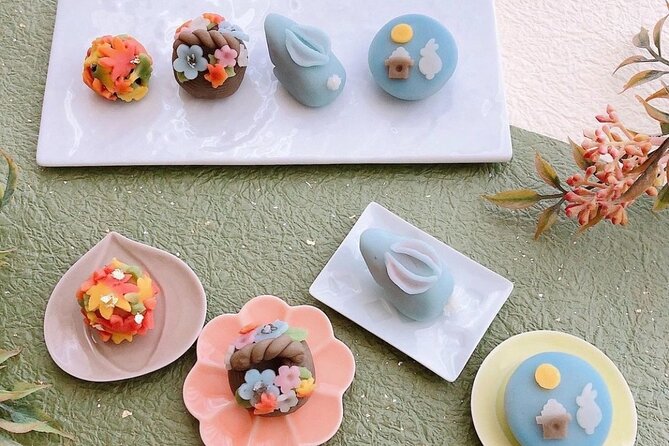
During the session, you will make three types of seasonal kneaded dough. The exact shapes follow the season of your visit. If you send a request ahead of time, you can also ask to make specific fun designs, like an owl and a needle mouse. If you do not request anything, the default is the seasonal kneaded rice balls.
Here is what that means for your experience:
- You get practice with the core nerikiri process, not just one quick shape.
- Since the dough is seasonal, you are making something that matches your Tokyo timing, not a fixed menu.
- The class is structured for beginners, so you are not expected to already know Japanese pastry technique.
A practical point: if you want the owl and needle mouse, do not wait until the last minute. The class may or may not be able to meet your request depending on application timing. When you book, put the request email on your calendar immediately. If it is essential to you, treat it like a must-do, not a maybe.
The Matcha Part, Where the Class Finishes Strong
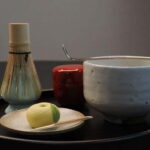
After you shape your nerikiri, the instructor prepares popular matcha (powdered green tea). This is not an afterthought. It is the classic pairing, and it helps you understand why nerikiri is served this way.
You can do two things after the matcha is ready:
- Eat the nerikiri you made on the spot.
- Take them home. Packets for taking home are provided.
This is honestly one of the better “win-win” setups for a food class. You get that satisfaction of tasting immediately, and you also get a real edible souvenir. If you are traveling with friends or family, take-home sweets also make it easier to share the experience without turning the rest of your evening into a sugar marathon.
If you are sensitive to strong flavors, matcha strength can still surprise you. Your best move is to taste it as you go, sip by sip, and pace yourself with the sweets. This class structure lets you do that naturally.
The red lanterns stay lit later. More Tokyo crawls
- Tokyo: Shinjuku Local Bar and Izakaya Guided Walking Tour★ 4.9 · 1,794 reviews
- Shibuya Meltdown Nightlife Tour: All-You-Can-Drink Bar Hopping★ 5.0 · 1,058 reviews
- Tokyo: Pub Crawl and Bar Tour★ 4.5 · 951 reviews
- Tokyo: Shinjuku Local Bar & Izakaya Crawl Tour★ 5.0 · 890 reviews
- Tokyo: Shinjuku Bar Hopping with All-You-Can-Drink & Dinner★ 4.9 · 440 reviews
Learning the Process With Your Hands, Not Just Watching
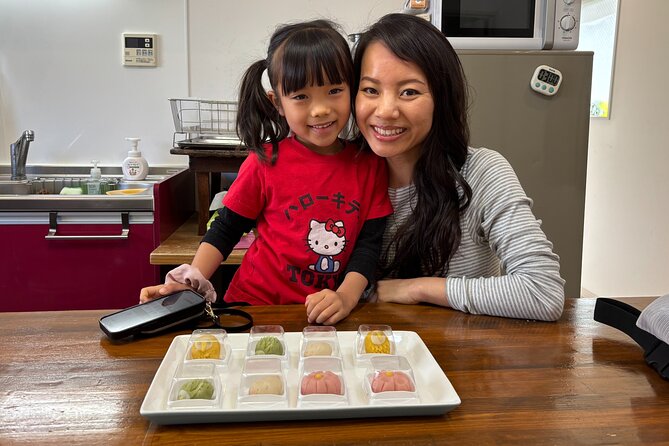
A lot of cooking classes feel like you stand on the side and hope the food turns out. Here, you actually make the nerikiri with your hands. That is where the personal attention matters.
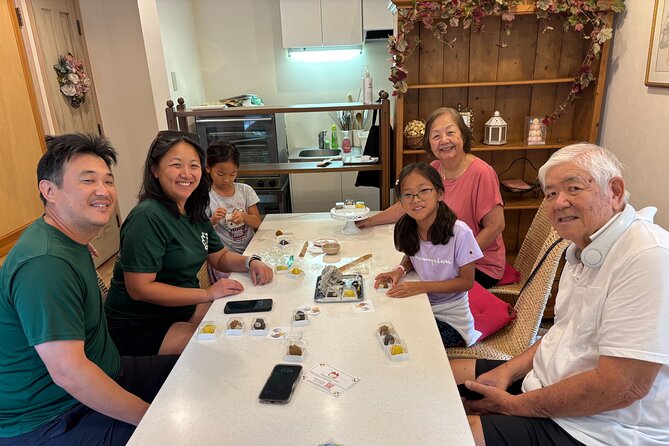
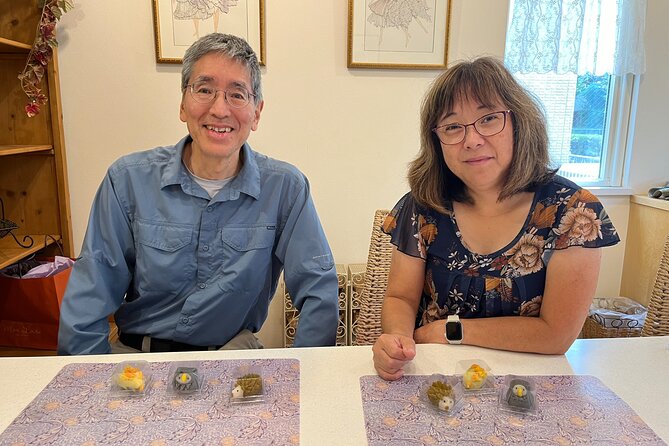
Because the group size is capped at 8 travelers, the instructor can correct technique while you are working. That is especially helpful for kneaded dough, where small differences in pressure and consistency show up fast. You learn by doing, and you get quick feedback rather than waiting until the end.
The class also includes all ingredients and tools. That seems basic, but it is a real value driver. If you have ever tried to do a niche food at home, you know the hardest part is often not cooking, it is getting the right materials. Here, you skip that whole headache and focus on learning the method.
Location in Setagaya: Shimokitazawa Kitchen or Toritsudaigaku Station
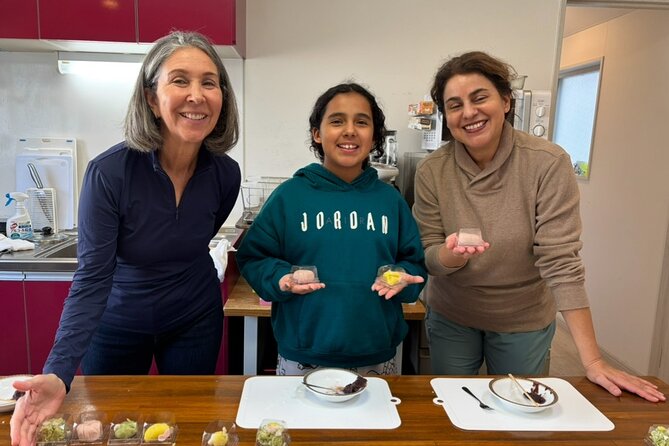
This activity starts at 3-chōme-20-4 Kitazawa, Setagaya City, Tokyo 155-0031, Japan, but the day-of reality can be slightly different. The class is basically held at a kitchen in Shimokitazawa, but if the rental space is not available, it may be held near Toritsudaigaku Station. The instructor will contact you by email.
So treat this like a “confirm the exact meetup point” situation.
- After you book, watch for the email with location details.
- Plan to arrive a little early so you can orient yourself fast.
- If you are staying in a different part of Tokyo, map the backup station option ahead of time, so you are not scrambling.
The good news: it is near public transportation, so it is not one of those activities that turns into a half-day logistics puzzle.
Turning Class Time Into a Real Neighborhood Stroll
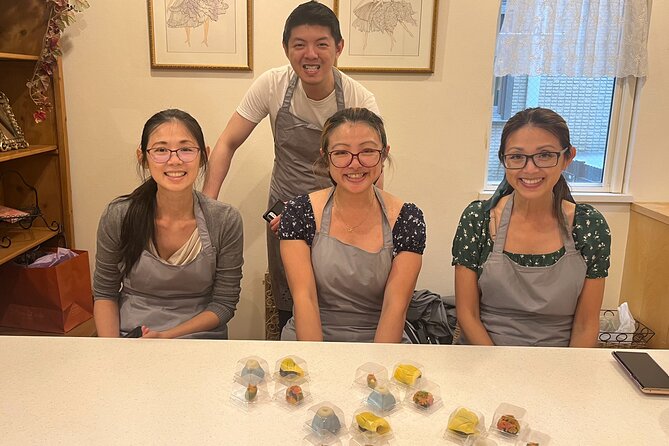
One underrated benefit here is timing and neighborhood placement. After the class, you can easily explore the nearby Setagaya-ku district.
Why this matters: Setagaya is not just a transit zone. It is the kind of place where you can step out of a cooking class and keep the Tokyo feel going, without having to fight major tourist crowds for every meal. You can use the extra time to grab a simple snack, browse small streets, and get a sense of daily life.
If you like practical itineraries, this one is easy to plug in. Schedule it earlier in your day if you can, so you have time to wander after. Or schedule it when your energy is moderate, because it is hands-on but not a marathon.
Price and Value: $65.69 for Skills, Tea, and Take-Home Sweets
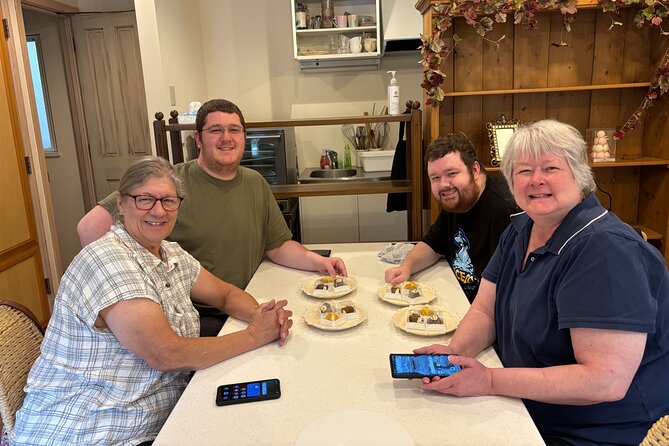
The price is $65.69 per person, and classes like this are often booked around a month in advance (about 34 days, on average).
Here is how I think about value for a nerikiri class:
- You are paying for instruction plus equipment plus ingredients. The class covers all ingredients and tools, which removes a big chunk of DIY cost and effort.
- You get three types of seasonal kneaded dough, not one tiny experiment.
- You get matcha, and you can eat on the spot or take sweets home in packets.
In other words, the price is not only for the food you consume during the class. It is for the technique you learn and the chance to bring back a real edible result. For many people, that is where these classes actually pay off, because you leave with an experience you can repeat or at least understand when you see nerikiri in Japan.
If you are trying to compare it to a standard restaurant meal, it is a different category. Think of it as a skill session with snacks attached, rather than a cheap way to eat dessert.
Best Fit: Beginners, Food Lovers, and Small-Group Enthusiasts
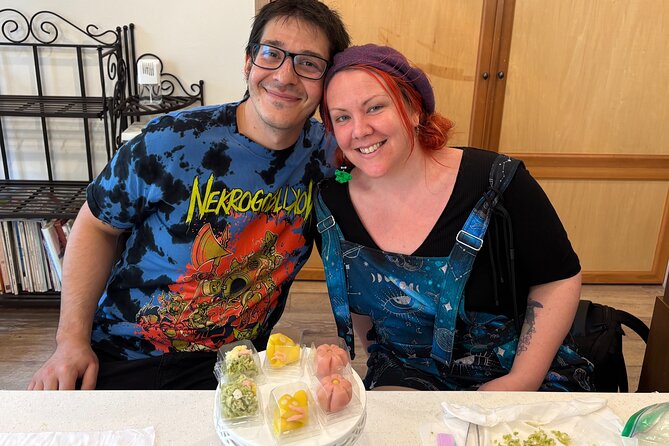
This class works well if you:
- Want a cultural, hands-on activity in Tokyo.
- Like food with a story, not just food with sugar.
- Prefer small groups where the instructor can watch your technique.
- Are beginner friendly and want step-by-step guidance from start to finish.
It also fits well for couples, friends, and family because the experience naturally gives you something to do together and something to bring home. And since the class is only about 90 minutes, it does not lock you into a whole day commitment.
Who might want to skip it?
- If you only care about eating dessert and do not want to knead dough or shape confections.
- If you need a very specific custom design guaranteed, remember the owl and needle mouse request depends on timing and may not be possible.
Quick Practical Tips So You Enjoy It More
Based on how this kind of class runs, here are smart moves that keep the experience smooth:
- Plan your meetup around the email, not just the address. The Shimokitazawa kitchen can switch to Toritsudaigaku Station.
- If you want special shapes, send your request by email early enough that they can accommodate it.
- Wear comfortable clothes for kneading work. You will be using your hands and handling dough.
- If you want take-home sweets to last, consider how you will carry them and what your schedule looks like after the class.
None of these are dramatic. They just help you focus on learning the process instead of managing surprises.
Should You Book This Nerikiri and Matcha Class?
Yes, you should book it if you want a small-group, hands-on Tokyo food experience that teaches technique, not just consumption. The biggest reasons to choose this class are personal attention (max 8), the fact that you work with seasonal dough, and the bonus matcha plus take-home sweets.
If you are the type who likes leaving a class with a tangible outcome, this one delivers. You make nerikiri you can eat immediately, and you can bring packets home. If you care about cultural context, the history and sampling element gives your dessert more meaning than a standard tasting.
If your main goal is a simple tourist snack, you might not get enough out of it. But if you want a real skill with a tasty reward, this is one of the more satisfying ways to spend a Tokyo afternoon.
FAQ
How long is the Nerikiri and matcha class?
The class takes about 1 hour 30 minutes.
What will I make during the class?
You will make three types of seasonal kneaded dough (seasonal kneaded rice balls). If you request it by email, you may be able to make other designs like an owl and a needle mouse, depending on timing.
Is matcha included?
Yes. After you make the nerikiri, the instructor prepares matcha (powdered green tea).
Can I take the desserts home?
Yes. You can eat what you make on the spot or take it home, and packets for taking home are provided.
Where does the class take place in Tokyo?
Basically, it is held at a kitchen in Shimokitazawa. If that kitchen is not available, the class may be held near Toritsudaigaku Station. You will be contacted by email with the exact location.
How big is the group?
The class has a maximum of 8 travelers.
Does the class include ingredients and tools?
Yes. Your class includes all the ingredients and tools you’ll need.
What if I want specific characters like an owl and a needle mouse?
You should let the provider know when you send your email. They may not be able to meet the request depending on the time of application.
Is there free cancellation?
Yes. You can cancel up to 24 hours in advance for a full refund. If you cancel less than 24 hours before the experience starts, the amount paid is not refunded.
Lantern Light and Late Counters





Kyoto by the Bowl


Newest Tokyo write-ups from the Loving Japan desk






Kyoto Tea Ceremonies and Matcha, side by side.
 ★ 4.9Tea Ceremony in a Traditional Tea House in KiyomizuFrom $493,519 reviews
 ★ 4.9Tea Ceremony Ju-An at Jotokuji TempleFrom $293,207 reviews
 ★ 4.345-Minute Tea Ceremony Lesson ExperienceFrom $222,378 reviews
 ★ 5.0World Heritage Kyoto & Nara Uji Authentic Matcha ExperienceFrom $1291,573 reviews
 ★ 4.9Tea Ceremony ExperienceFrom $251,426 reviews
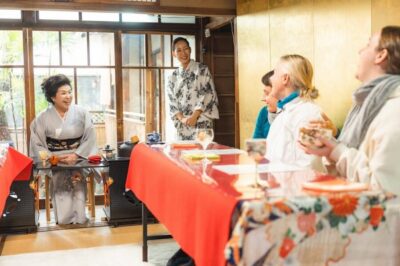 ★ 4.9Table-Style Tea Ceremony at a Kyo-MachiyaFrom $451,211 reviews
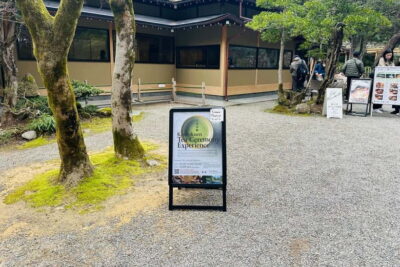 ★ 4.8Kenrokuen Tea Ceremony ExperienceFrom $351,139 reviews
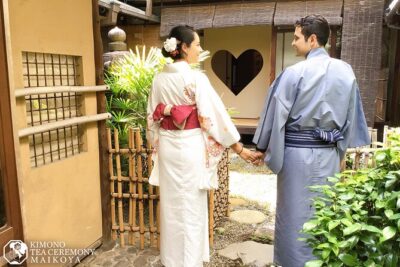 ★ 5.0Kimono Tea Ceremony at Kyoto Maikoya, NISHIKIFrom $65911 reviews
Filed on these lists too