
REVIEW · NARA DEER PARK AND TODAI-JI
Nara: City Highlights Shared Group or Private Bike Tour
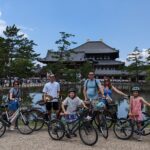
Nara is famous for temples, but seeing it by bike makes it feel like a day with your own local route. This guided cycling tour strings together Nara Park, Todai-ji, and Kasuga Taisha so you cover real highlights without bouncing around all day. I especially like the calm, readable pace in the park and the way your guide explains Buddhism, Shinto, and Japanese knife culture as you go. One drawback to plan for is logistics, the meeting spot is a bit outside the most central tourist flow.
You also get smart value baked in: bike and helmet, entrance fees, and even a bottle of water. Guides speak English, French, and Japanese, so you are not stuck guessing. Still, you should bring comfortable shoes and expect some effort, because there are small climbs and this is not a stroll the whole time.
In This Review
- Key points to know before you pedal
- Why a bike tour is the smart way to see Nara Park and more
- Getting set up near Toichi Shougakko, and why location matters
- Pedal through Nara Park, deer included, at an easy pace
- Todai-ji’s giant Buddha: what you’ll see and why it hits
- Kasuga Taisha and its thousand lanterns, explained in the shrine context
- The Kikuichi stop: Japanese knife culture on a working route
- Time, effort, and comfort on this 3-hour ride
- Price and value: what $70 includes, and the one big thing it does not
- Who this Nara bike tour suits best
- Should you book this Nara bike tour?
- FAQ
- How long is the Nara bike tour?
- Where do I meet the guide?
- What is included in the price?
- Are food and drinks included?
- What languages are available for the guide?
- What happens if it rains?
- Is this tour suitable for wheelchair users or limited mobility?
Key points to know before you pedal
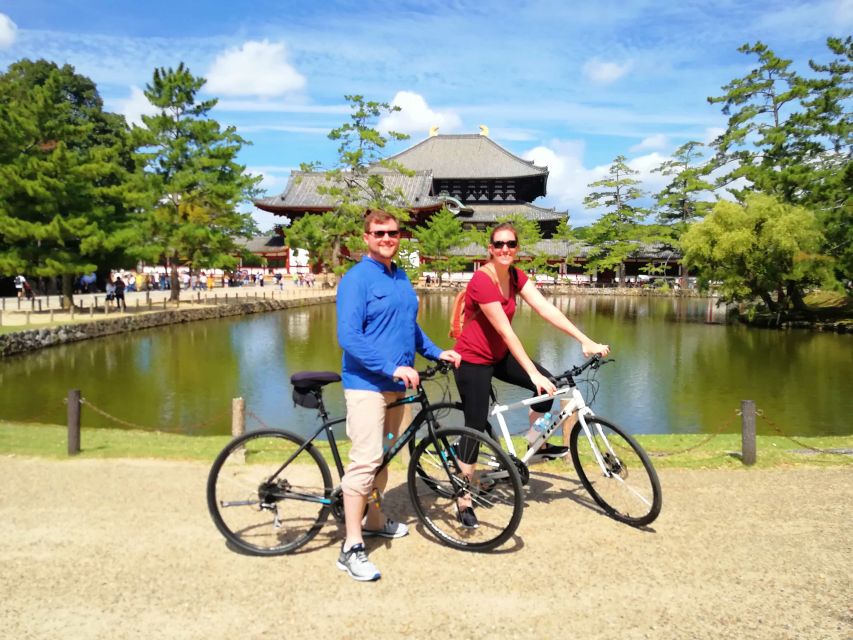
- Efficient highlights loop: Nara Park, Todai-ji, and Kasuga Taisha in about 3 hours, not a half-day of wasted transfers.
- You get the big sights plus the context: Your guide ties together Buddhism, Shinto, and what you are looking at, instead of just pointing.
- Nara Park deer are part of the plan: You ride through, pause for wildlife viewing, and you get the classic Nara experience on a bike.
- Todai-ji’s giant Buddha is the star: You stop at the Nandaimon gate area and then walk the grounds for the 15-meter Buddha.
- Kasuga Taisha lanterns come with meaning: You see the thousand lanterns, then get the story behind them.
- A knife shop stop is actually fun: You visit Kikuichimonjushirokanenaga honten, a high-end Japanese cooking knife retailer.
A half day in Nara goes several ways
- World Heritage Kyoto & Nara Uji Authentic Matcha Experience
★ 5.0 · 1,573 reviews - Nara Half Day Trip Walking Tour (Private Option Available)
★ 5.0 · 937 reviews - Nara Early Morning Tour (Kyoto or Osaka Departure Available)
★ 5.0 · 676 reviews - Osaka: Nara and Uji Day Trip with Deer Park and Hot Spring
★ 4.4 · 302 reviews
Why a bike tour is the smart way to see Nara Park and more
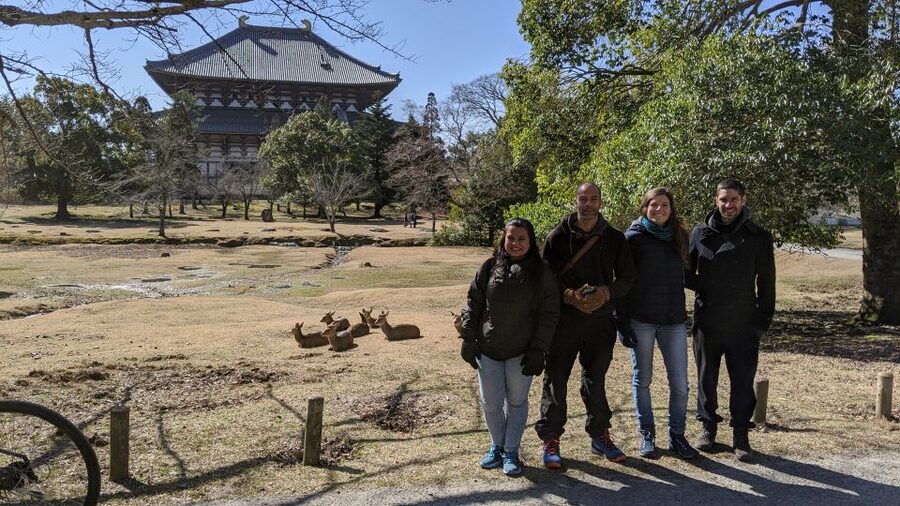
Nara can be one long line of buses and group photos. A bike route helps you slip through at human speed, so the day feels more like moving through neighborhoods than hopping between ticket booths.
I like how the tour is built around the two sides of Nara: the spiritual landmarks and the lived-in surroundings. Nara Park is not just a backdrop, it is part of the experience, with deer wandering freely and paths that invite slow stops. Then you move into the temple world with Todai-ji, and the shrine atmosphere at Kasuga Taisha, where lanterns create that instant night-in-the-morning feeling.
What makes the tour feel worth your time is the guide’s focus on interpretation. You are not only seeing buildings and statues, you are getting a quick, practical explanation of how Buddhism and Shinto show up in daily life and temple design. Even the knife stop, at a Japanese cooking knife retailer, is part of that bigger idea of craft and culture, not just a random shop detour.
The big expectation to set is effort. This is relaxed in key moments, but you still ride a bike for several segments, with some walking at stops. If you hate any kind of cycling, you will feel it by the end.
Getting set up near Toichi Shougakko, and why location matters
Meet your guide at the bike base near the Toichi Shougakko bus stop (東市小学校). The easiest way to find it is to search for Japan Tour Adventure in Nara in Google Maps. There is also a YouTube link with instructions for getting there by bus from both JR Nara Station and Kintetsu Nara Station.
This is one place where you should do a little prep before tour day. A review note that the start and end point can feel a bit out of the way, meaning you might need a bus or taxi to connect smoothly from where you are staying. That is not a deal-breaker, but it is smart to map out how you will reach the meeting point, especially if you plan to do something else afterward.
Once you arrive, the process is straightforward. You meet your guide, get a short intro and safety briefing, and then you go right into biking gear. Bikes and helmets are included, so you do not need to hunt down rentals or bring your own helmet. You also get water, which is useful because Nara can be warm even when the shade looks inviting.
If you are worried about finding the base, use the map plus the directions video, then give yourself a little buffer. Getting there on time is the biggest factor in enjoying the first 30 to 45 minutes without stress.
Pedal through Nara Park, deer included, at an easy pace
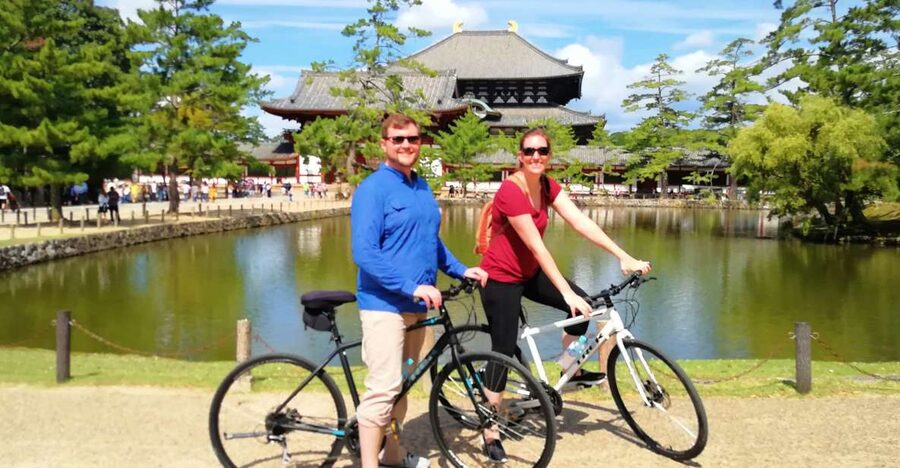
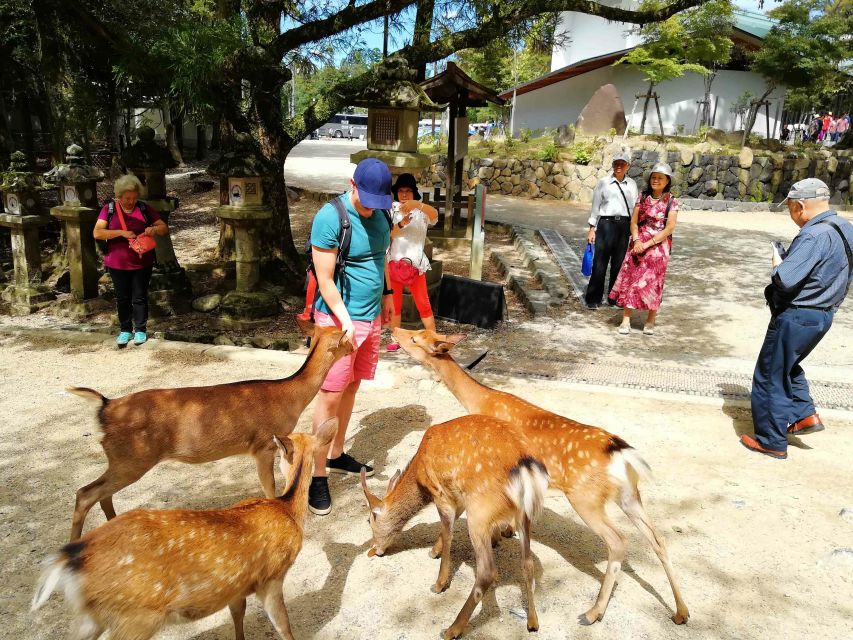
Nara Park is the obvious headline, but the bike format is what makes it feel personal. You ride along at a relaxed pace, which means you can actually notice the surroundings, not just survive the ride. There is a set segment for enjoying the park and seeing wildlife, and you will get time to slow down and look for deer.
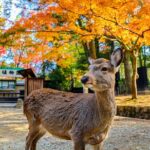
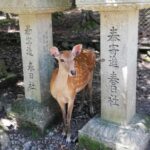
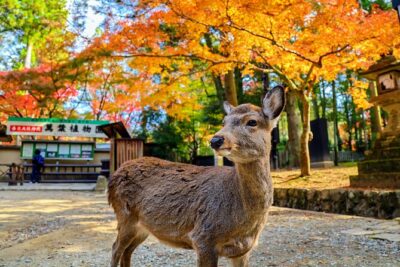
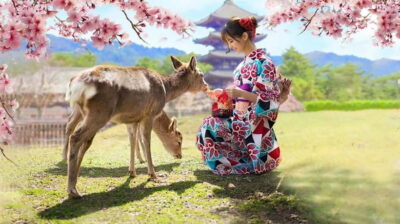
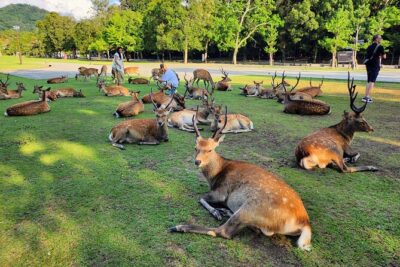
The deer are friendly in the way that street cats can be friendly. They roam freely, and your camera will earn its keep. Just keep your expectations realistic: the park is not a petting zoo experience, you are sharing space with animals that live there year-round. If you keep your distance and watch where you are riding and walking, the deer make the whole day feel more lively.
One advantage of doing Nara Park by bike is timing. You are not forced into a stop-and-start schedule like you often see on big bus tours. You can take photos, enjoy the greenery, and still keep moving toward Todai-ji without feeling like the day fell apart.
There are also small walking moments built in. You pass by and then spend time in the park area, so you can step off the bike and take in the view properly. Bring comfortable clothes for that mix of cycling and short strolls.
If you are the type of traveler who likes your highlights with a little less crowd pressure, this structure tends to work well. You get Nara Park’s magic without spending the whole time jammed at the same handful of viewpoints.
Cover Nara on two wheels instead
- E-Bike Nara Highlights – Todaiji, Knives, Deer, Shrine★ 4.8 · 186 reviews
- Nara: Bike Tour in Ancient Capital UNESCO World Heritage★ 5.0 · 43 reviews
- E-Bike Nara Highlights – Todaiji, Knives, Deer, Shrine, and Gems★ 4.5 · 34 reviews
- Nara: City Highlights Shared Group or Private Bike Tour★ 4.9 · 34 reviews
Todai-ji’s giant Buddha: what you’ll see and why it hits
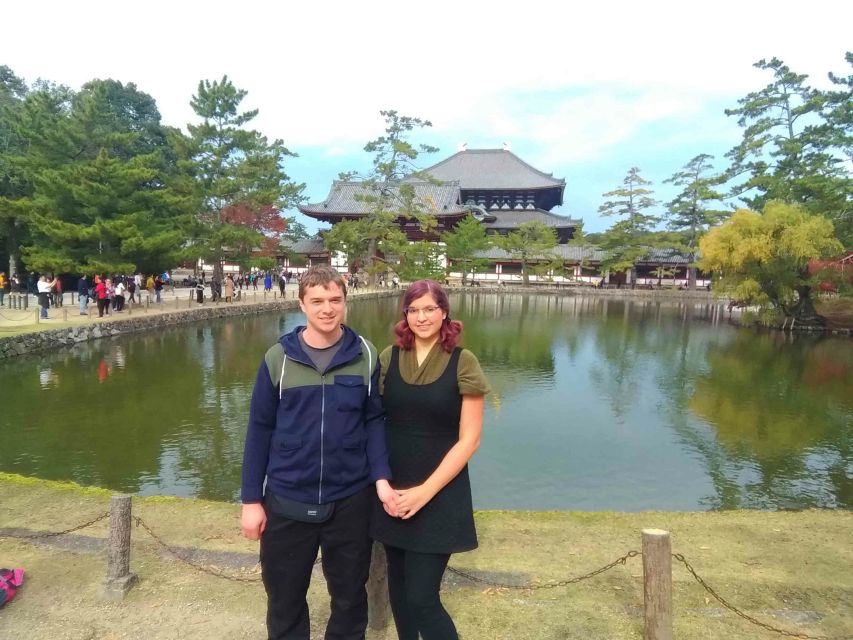
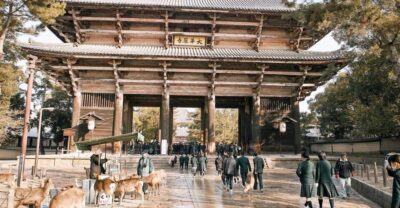
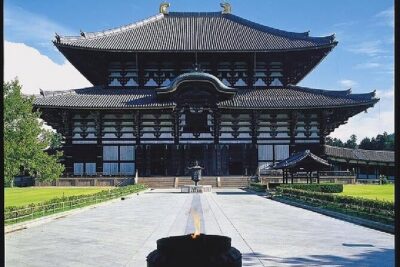
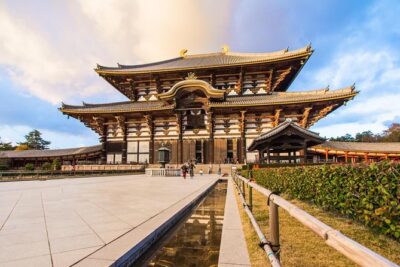
Todai-ji is the kind of sight that stops you mid-sentence. You will go past the Nandaimon Gate area for photos, then walk through to experience the main temple grounds.
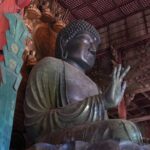
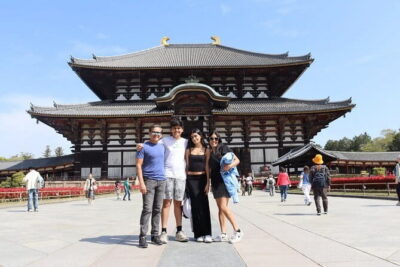
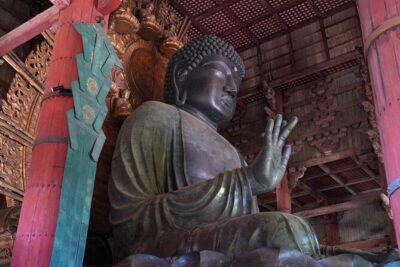
The standout is the giant Buddha statue, described here as 15 meters tall. Seeing that scale in person is a different experience than seeing it in a brochure. It dominates the space, and you quickly understand why this is a temple-level destination, not just a city highlight.
What I think makes this stop more satisfying is the guidance. Your guide explains Buddhism and Shinto culture as you move through the grounds. That matters, because the visuals make sense faster when you know what you are looking at. You will not just memorize names, you will connect the symbolism to what people historically believed and practiced.
You should also budget your energy for the walk. The Todai-ji stop includes a photo moment and a longer walk through the grounds. Even though the time window is managed, you will feel it if your legs are not used to temple steps and uneven surfaces.
If you are hoping for something beyond the classic statue shot, this is one of the stops where your guide’s narration can turn a photo moment into a real memory. You will leave with a clearer sense of why Todai-ji is so central to Nara’s spiritual identity.
Kasuga Taisha and its thousand lanterns, explained in the shrine context
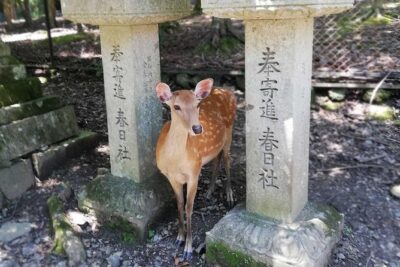
After Todai-ji, the vibe changes. Kasuga Taisha Shrine is where the day gets visually dramatic again, especially because you are there for the famous thousand lanterns.
You will arrive for a photo stop and then spend time exploring the area with your guide. There is also scenic riding time that leads into the shrine, so the lanterns do not feel like an abrupt jump. The approach helps you slow down mentally right before you reach the main spectacle.
The practical win is that you are not only looking at objects, you are hearing how shrine traditions tie into Shinto thinking and local belief. The guide’s explanations cover Shinto alongside Buddhism earlier in the day, so the two traditions feel connected instead of like separate textbooks.
You will also get a bit of free time at the shrine. That is important, because it gives you space to linger if you want a different angle on the lanterns, or just sit for a minute and absorb the atmosphere.
One thing to keep in mind is that lantern areas can attract lots of attention. Bring patience for crowds around the most photographed zones, and focus on getting your own rhythm. The guided schedule keeps you moving, but you still control how long you stay on the details that catch your eye.
When the day is done, Kasuga Taisha is usually the stop people remember most visually, and it is also a great contrast point against Todai-ji, so you can compare two iconic spiritual styles within one afternoon.
The Kikuichi stop: Japanese knife culture on a working route
Not every Nara tour includes a stop that has nothing to do with statues. But this one does, and it is actually relevant if you like craft culture.
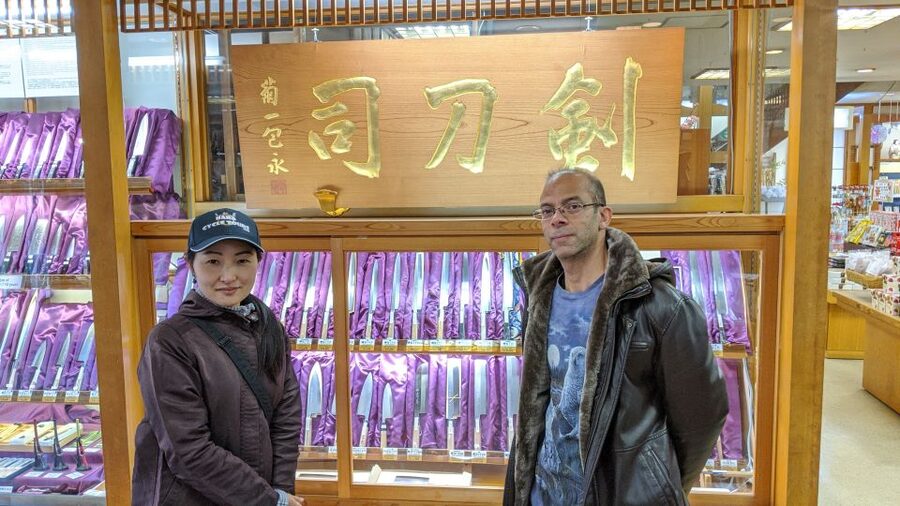
You visit Kikuichimonjushirokanenaga honten, a high-end Japanese cooking knife retailer. This is where your guide’s theme of cutlery and cultural context shows up. Instead of just walking through another shopping street, you get a structured visit that fits the day’s idea of understanding Japanese traditions.
The timing is built so you can visit and then shop if you want. Even if you do not plan to buy a blade, you will likely find it interesting to see how knife culture is presented in Japan, especially for travelers who are used to seeing cutlery only as everyday items.
This stop also gives your legs a break from walking on temple grounds. You go from outdoor highlights to an indoor, calmer environment, which can feel like a reset during a 3-hour day.
A quick reality check: this is a store, so if you want only sightseeing and zero shopping pressure, you might treat it as a “look, learn, move on” moment. The time is set aside for visit and shopping, but you are not required to purchase anything as long as you are respectful.
Time, effort, and comfort on this 3-hour ride
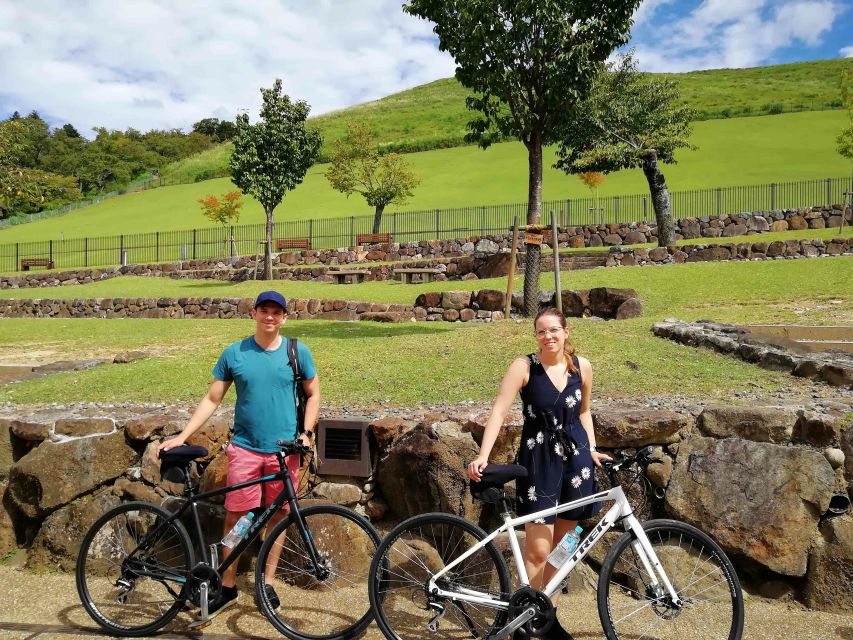
The tour runs about 3 hours, listed as 210 minutes. That is a good length for Nara, because it lets you see multiple major attractions without turning your afternoon into a tired blur.
You should expect a mix of riding and short walks. The itinerary has several biking segments, plus photo stops and walking time at key landmarks. Nara Park includes wildlife viewing, and Todai-ji and Kasuga Taisha include walking through grounds and time for photos.
Comfort matters. Wear comfortable shoes, bring a camera, and dress for the weather. The tour includes a bottle of water, but you should still plan to drink and bring food if you think you will get hungry. The tour information specifically lists food as something to bring.
Cycling skill level: you do not need to be an athlete, but you do need to be comfortable balancing, starting, and braking on city paths. Reviews and guidance around this kind of tour often point out there can be a few climbs, so bring confidence in your legs, not just your willingness to try.
Accessibility is limited. This experience is not suitable for people with mobility impairments or wheelchair users. If that applies to you, you will likely be happier with a walking-based plan and a different transport option.
Price and value: what $70 includes, and the one big thing it does not
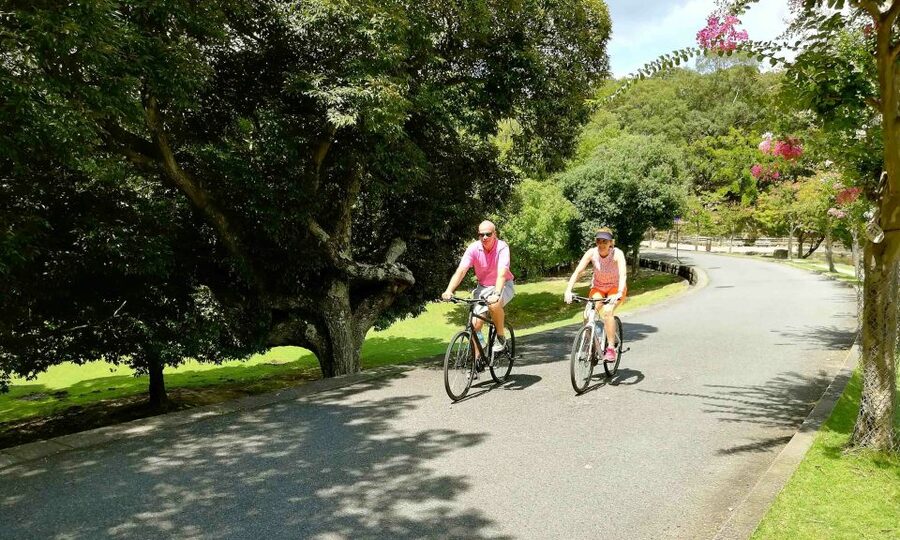
At $70 per person for a 3-hour guided bike tour, the value comes from what is bundled in. You get the bike and helmet, your guide, entrance fees, and a bottle of water. That means you are not paying extra for each main stop.
You also get the benefit of time management. Nara’s highlights are concentrated enough that a guided route helps you hit them efficiently. Without this structure, you might spend a lot of your day coordinating transport and entry fees across separate locations.
Where you will spend extra is food and drinks. Food is not included, so bring snacks or plan to eat before or after. Since the tour advises bringing food, the expectation is that you will want something on hand during the ride and walking.
Language is another value lever. With English, French, and Japanese available, you can follow the cultural explanations without needing guesswork. That tends to matter most at Todai-ji and Kasuga Taisha, where context can make the sights land harder.
One more value point: reviews praise excellent guides and good bikes. The guide quality affects everything, from which side streets you take to how clearly they explain what you are seeing. One guide named Robert has been mentioned in feedback as a standout, and that kind of guide energy is exactly what turns a good route into a memorable one.
Who this Nara bike tour suits best
This is a great fit if you want a “see a lot, understand a bit more” day. You will like it if you enjoy cycling, photography, and learning while moving.
It also suits people who prefer slightly quieter moments rather than only big, crowded chokepoints. The route design includes park time and landmark time, plus riding segments that help you keep momentum.
Go for this tour if you:
- Are comfortable riding a bike for part of a half-day
- Want both Todai-ji and Kasuga Taisha in one plan
- Like cultural context, not only sightseeing snapshots
- Appreciate a working-feeling stop, like the knife store visit
You may want to skip it if you:
- Need wheelchair access or have significant mobility limits
- Are not comfortable with city cycling and short walks
- Only want temples, no shops, no store visits
If you can handle a few climbs and some mixed walking, you should feel rewarded by how much Nara you pack into 3 hours.
Should you book this Nara bike tour?
I’d book it if you want Nara highlights done efficiently, with a guide who explains what matters. The strongest reasons are the combo of Nara Park deer, Todai-ji’s giant Buddha, and Kasuga Taisha lanterns, all tied together with cultural explanations. Add in the practical inclusions, bike, helmet, entrance fees, and water, and the $70 price feels reasonable for a structured afternoon.
But I would plan carefully if meeting logistics are your stress trigger. The start point near Toichi Shougakko can be a little out of the most convenient zone, so check how you will get there from JR Nara Station or Kintetsu Nara Station. Also, consider your energy level. A few climbs and walking stops are part of the deal.
Finally, pay attention to the weather window. If the chance of rain is over 60%, the tour can be canceled, and you will be told the evening before, so keep an eye on your email.
If you like moving at a human pace and getting meaning behind the landmarks, this is one of the better ways to experience Nara without wasting half your day in transit.
FAQ
How long is the Nara bike tour?
The tour lasts about 3 hours, listed as 210 minutes.
Where do I meet the guide?
Meet near the bike base by the Toichi Shougakko bus stop (東市小学校). You can find the base by searching Japan Tour Adventure in Nara on Google Maps.
What is included in the price?
The price includes the bike and helmet, the guide, all entrance fees, and a bottle of water.
Are food and drinks included?
No, food and drinks are not included. The tour suggests bringing food and water.
What languages are available for the guide?
The tour offers live guided interpretation in English, French, and Japanese.
What happens if it rains?
The tour may be canceled if the day’s weather forecast shows the chance of rain is more than 60 percent. You will be informed in the evening the day before.
Is this tour suitable for wheelchair users or limited mobility?
No. It is not suitable for people with mobility impairments or wheelchair users.
Bicycles and E-Bikes We Have Ridden

Half a Day in Nara
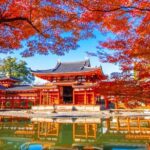
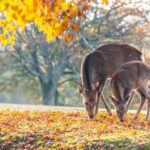
Newest Nara write-ups from the Loving Japan desk
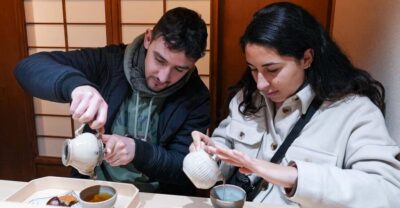
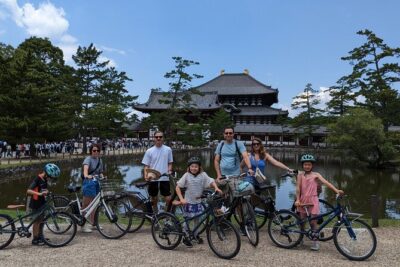
Nara Deer Park and Todai-ji, side by side.
 ★ 5.0World Heritage Kyoto & Nara Uji Authentic Matcha ExperienceFrom $1291,573 reviews
 ★ 4.7Kyoto/Osaka: Nara, Fushimi Inari Taisha, Arashiyama Bus TourFrom $521,275 reviews
 ★ 5.0Nara Half Day Trip Walking Tour (Private Option Available)From $105937 reviews
 ★ 4.4Osaka/Kyoto: Arashiyama, Nara & Fushimi Inari Shrine w/LunchFrom $61754 reviews
 ★ 5.0Nara Early Morning Tour (Kyoto or Osaka Departure Available)From $61676 reviews
 ★ 4.5Kyoto and Nara Day Trip from KyotoFrom $194445 reviews
 ★ 5.0Full Day Guided Tour to Kyoto and Nara from Osaka by VanFrom $106420 reviews
 ★ 4.5Nara Afternoon Tour from Kyoto or OsakaFrom $102390 reviews
Filed on these lists too