
REVIEW · NARA DEER PARK AND TODAI-JI
E-Bike Nara Highlights – Todaiji, Knives, Deer, Shrine, and Gems
One ride can beat half a day of wandering. This e-bike loop ties together deer, Todaiji, and a surprising detour into Japanese cutlery, all in about 3.5 hours.
I especially like how the route is designed to let you see the big names without spending your whole day in stop-and-go pedestrian traffic.
Second, I like the balance of guided storytelling and real momentum. You get time with a local guide, plus enough freedom to enjoy the moments that make Nara feel like Nara. The only real consideration is that you should be comfortable riding and moving outdoors for the full stretch, since there is still some walking at each stop.
In This Review
- What makes this e-bike Nara highlights tour click
- Getting around Nara Park by e-bike (and why it matters)
- Stop 1: Nara Park and the deer rhythm
- Stop 2 and 3: Todaiji Namdaimon and the Great Buddha complex
- Stop 4: Kikuichi knife-maker shop, Japanese cutlery explained
- Stop 5: Kasuga Grand Shrine and the lantern path
- Stop 6: Ukimido, the peaceful wooden bridge photo stop
- Timing, group size, and language expectations
- Price and value: what you get for about $92
- Practical tips to make the day smoother
- Should you book this Nara highlights e-bike tour?
- FAQ
- How long is the e-bike tour?
- What is included in the price?
- Do entrance fees cost extra?
- What time should I plan for in Nara?
- Where does the tour start and end?
- What if I need a French-speaking guide?
What makes this e-bike Nara highlights tour click
- E-bike efficiency: you cover more ground around Nara Park than you would on foot in the same time.
- Safety and comfort first: the experience is repeatedly praised for how the guide manages the ride.
- Todaiji without rushing: you get a focused visit at the Great South Gate and inside the temple grounds.
- A knife shop stop that feels practical: Kikuichi is treated like a real craft stop, not a random detour.
- Shinto atmosphere at Kasuga Taisha: the lantern path sets a calmer, more spiritual tone late in the route.
- Ukimido’s quiet photo break: the wooden bridge stop is peaceful and different from the crowds.
A half day in Nara goes several ways
- World Heritage Kyoto & Nara Uji Authentic Matcha Experience
★ 5.0 · 1,573 reviews - Nara Half Day Trip Walking Tour (Private Option Available)
★ 5.0 · 937 reviews - Nara Early Morning Tour (Kyoto or Osaka Departure Available)
★ 5.0 · 676 reviews - Osaka: Nara and Uji Day Trip with Deer Park and Hot Spring
★ 4.4 · 302 reviews
Getting around Nara Park by e-bike (and why it matters)
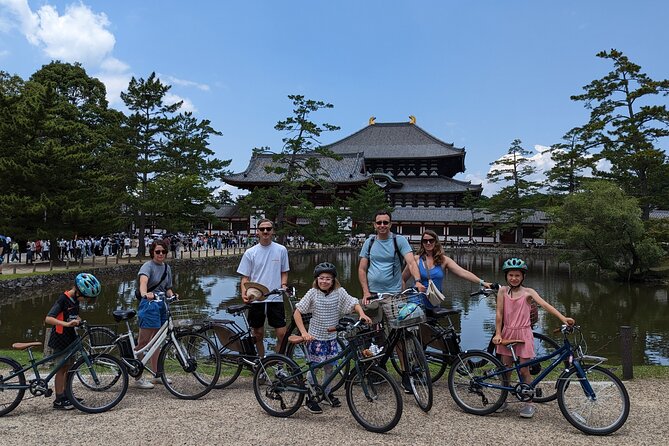
Nara Park is famous for deer, temples, and that wide open feeling you get when the city gives way to park space. The tradeoff is that it is also a place where you can lose time. Long walking stretches, small hills, and crowds can drain your energy fast.
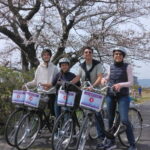
That is where an e-bike earns its keep. You are not trying to do sport biking. You are using electric assist to keep the pace steady, so you can enjoy the sights instead of treating the day like a workout. Even if your plan is mostly sightseeing, you still want your feet for the temple steps, the shrine approach, and the short bridges and walkways.
This tour also focuses on riding with your guide and avoiding a lot of traffic, which makes the overall experience feel smoother. And with a maximum group size of 12, it stays manageable, not chaotic.
Stop 1: Nara Park and the deer rhythm
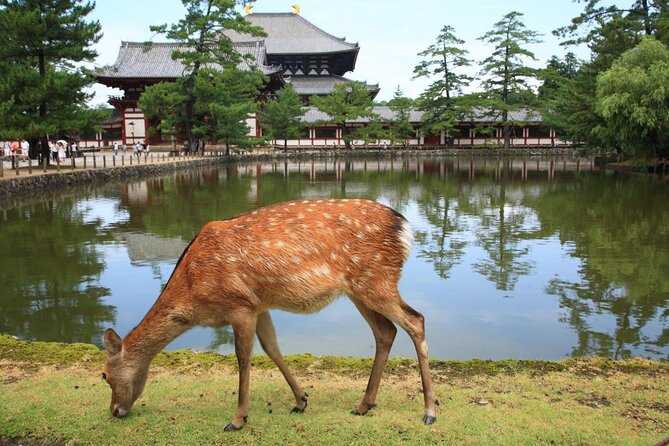
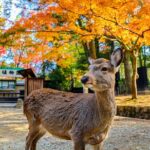
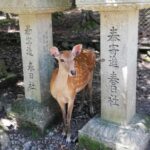
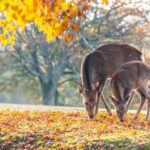
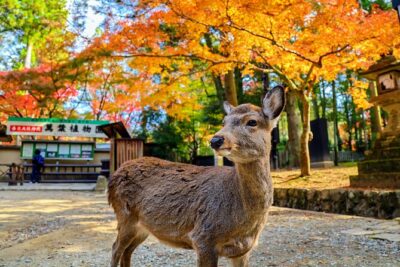
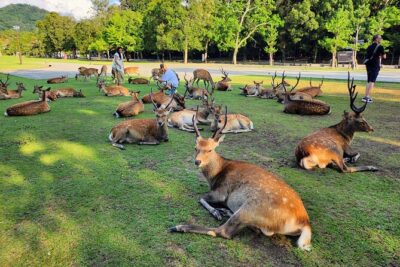
You start in the park area, where the city and deer seem to share the same space. The timing is about 30 minutes, which is enough to get oriented and catch that first wave of Nara energy without it turning into a long wait in deer chaos.
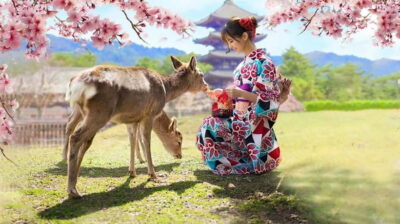
You will get deer cookies as part of the tour. This is one of those details that changes the whole vibe. With cookies, you are not just standing and hoping a deer wanders by. You can encourage the deer to come closer, which makes photos easier and makes the park feel interactive.
Practical note: deer can be quick. Keep the cookies controlled, and do not treat the animals like props. A calm approach makes the experience better for you and for them.
Stop 2 and 3: Todaiji Namdaimon and the Great Buddha complex
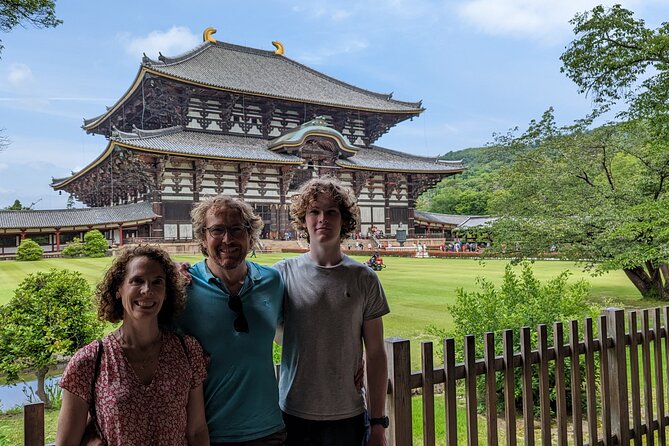
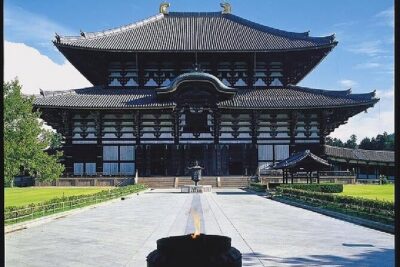
Next comes Todaiji’s Great South Gate, the Namdaimon. This stop is about 35 minutes. You are looking at architecture and scale, especially the gate itself and the guardian figures that make it feel imposing before you even reach the temple halls.
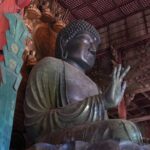
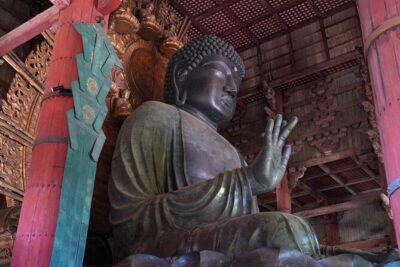
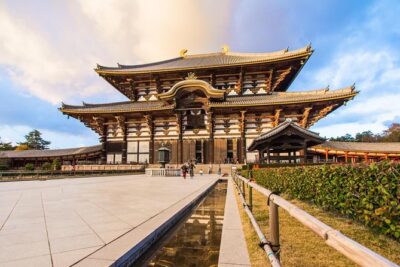
Then you move into the Todaiji Temple area for roughly 45 minutes. This is the heart of the day. You spend time at the Daibitsuden, the hall that houses the biggest bronze Buddha statue in Japan. That is the kind of claim that can sound like marketing until you are actually there and you feel how much attention the building demands.
And yes, you get a quirky, memorable moment built into the visit. There is a chance to go through the Buddha’s nostril. It sounds playful, but it also gives you a clear activity anchor in the middle of the larger historic experience.
What I like about packing Namdaimon and the main temple visit into one guided segment is that it reduces decision fatigue. You do not have to figure out what to see first, what to skip, and how long you should spend. The tour handles the flow.
Cover Nara on two wheels instead
- E-Bike Nara Highlights – Todaiji, Knives, Deer, Shrine★ 4.8 · 186 reviews
- Nara: Bike Tour in Ancient Capital UNESCO World Heritage★ 5.0 · 43 reviews
- E-Bike Nara Highlights – Todaiji, Knives, Deer, Shrine, and Gems★ 4.5 · 34 reviews
- Nara: City Highlights Shared Group or Private Bike Tour★ 4.9 · 34 reviews
Stop 4: Kikuichi knife-maker shop, Japanese cutlery explained
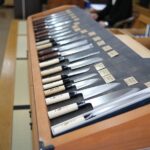
Here is the part that surprised me in a good way: the route includes a visit to the original shop of Kikuichi, a prestigious Japanese knife maker. The stop is about 35 minutes.
This is not just a sales stop. You get an introduction to Japanese cutlery and advice if you want help choosing. The shop is described as connected to a former katana maker, which adds context to why knife craftsmanship in Japan is taken seriously. The tool is different from the sword, but the culture of careful forging and sharpness still shows.
Even if you do not buy anything, this stop gives you something tangible. At temples and shrines, you are mostly looking up and walking through history. At a craft shop, you are seeing how that culture turns into objects people use every day.
A number of guides who lead this tour have been praised for being patient and turning the explanation into something you can follow. One review highlighted the knife shop as a real highlight, and another mentioned that the guide could help someone come home with a beautiful knife from a craftsman.
If you do plan to purchase, keep in mind the tour includes entry and the ride, but it does not include shopping budgets or souvenirs beyond the online photos.
Stop 5: Kasuga Grand Shrine and the lantern path
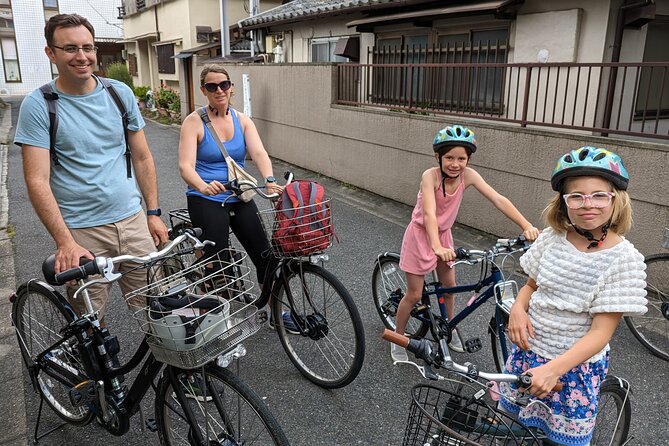
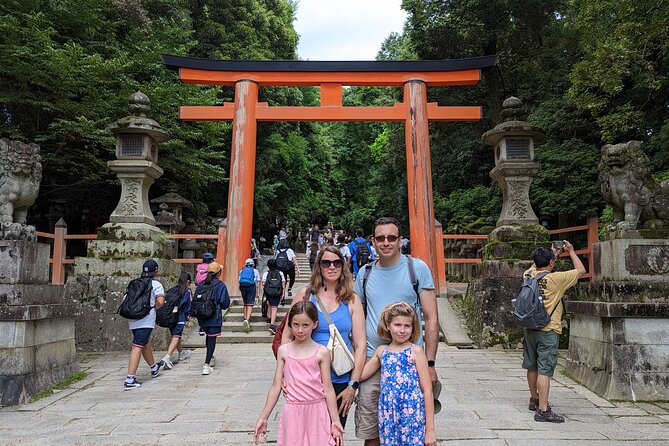
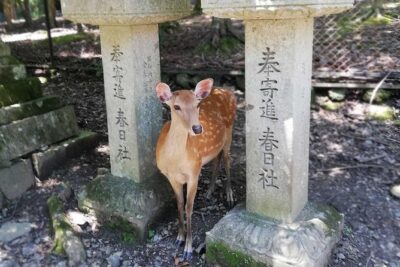
Kasuga Taisha is a major shift in tone. From the temples and the deer park energy, this section leans into Shinto atmosphere and stillness.
The visit is about 40 minutes. You learn about the spirit of Kasuga, which is often described as linked to nature, and you also get a general introduction to Shinto. That kind of framing matters because it helps you interpret what you are seeing. Otherwise, lanterns can look like beautiful décor. With context, they become part of a tradition.
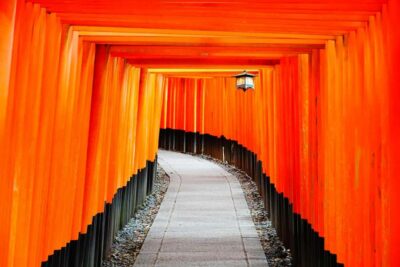
The lantern approach is highlighted for its look and feel. It is a simple thing, walking a path lined with lanterns, but it changes your eyes. It slows you down. The tour pacing helps here, because you are not trying to race through while hoping you catch the best angle.
Stop 6: Ukimido, the peaceful wooden bridge photo stop
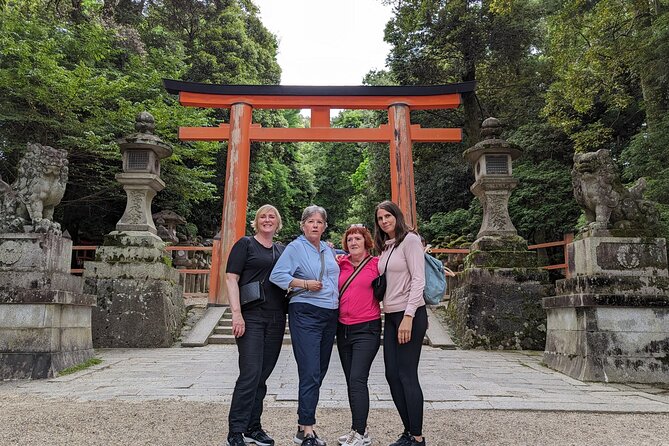
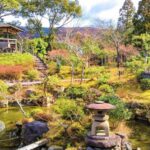
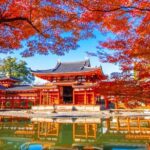
The last big sightseeing beat is Ukimido, about 25 minutes, located to the south of Nara Park. It is noted as a famous photo spot for weddings, but the tour frames it in a different way: a calm pause.
You walk on a wooden bridge and get time to relax in a quiet atmosphere. This is a nice counterbalance to the temple grandeur and the deer attention earlier in the day. You shift from big monuments to a smaller, softer moment.
I like that this is short. It keeps you from turning the end of your tour into another long checklist. You get a photo opportunity, a breather, and then you head back the same way you started.
Timing, group size, and language expectations
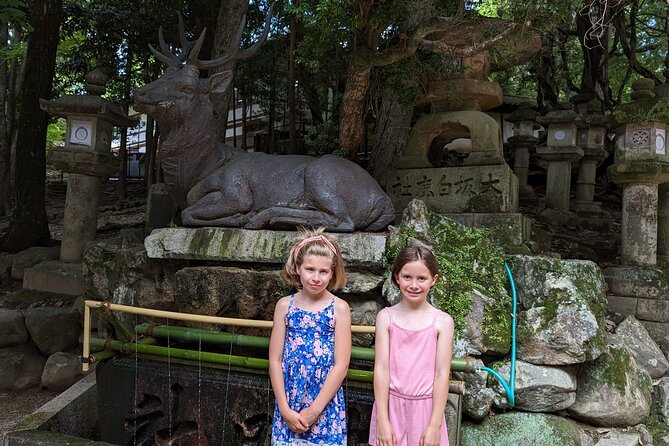
The total experience runs about 3 hours 30 minutes. That length is ideal for people who want the main Nara highlights without turning the day into a full-day marathon. It also matches how many visitors plan around peak temple hours, while still leaving space for extra wandering on your own afterward.
Group size is capped at 12. That matters because you get a guide who can manage the ride and the stops without losing people.
About language: a bilingual local guide is included, and there is a note that for French requests, francophone guidance cannot be guaranteed because the tour may mix nationalities, with English taking priority. If French matters a lot to you, you should contact in advance.
In practice, most of the reviews praise the guide’s communication and the way they handle safety and comfort on the bikes. Guides named Christophe, Jean-Yves, Robert, and Remi come up often, all described as friendly, patient, and helpful with questions.
Price and value: what you get for about $92
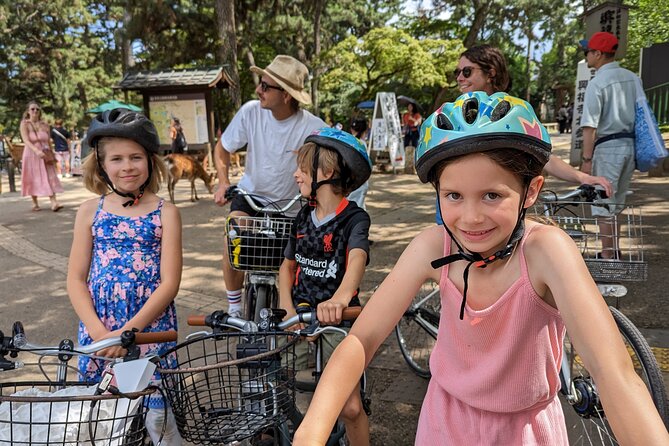
At $92.24 per person, this tour is not the cheapest way to see Nara Park. But it also includes several things that add up quickly if you do them separately.
Here is what your price covers:
- E-bike use
- Bilingual local guide
- Entrance tickets, including Todaiji Temple (and other stops are listed as free admission)
- Deer cookies for guests
- Souvenir photos taken during the tour, available online
Not included: food and drinks, and shopping or souvenirs.
So the value isn’t just the ride. It is the combo of transport plus guidance plus access plus a couple of extras that make the experience feel complete, like the deer cookies and the online photo set.
If you were going to pay for bike rental and figure out what tickets you need while also trying to coordinate a workable route, you would likely spend comparable money in a less efficient way. This tour gives you a plan that is designed to get you from one highlight to the next without turning it into a logistics puzzle.
Practical tips to make the day smoother
A few things will help you get more enjoyment out of your time on the bikes and in the stops.
- Start with comfortable shoes. You will do some walking at each location, even with e-bike help.
- Bring a clear plan for photos. In Nara Park and at Ukimido, good photos are easier when you are not rushing.
- Watch the deer with respect. Deer cookies help, but keep control and stay calm.
- Expect a good weather requirement. If conditions are poor, the experience may be rescheduled or you may be offered a full refund. If your trip dates are tight, keep an eye on the forecast.
Should you book this Nara highlights e-bike tour?
You should book it if:
- You want to see major sights in a short window without spending hours walking between them.
- You like a mix of guided context and time to look around on your own.
- You are interested in the surprising cultural stop at the knife shop, not only the temples and shrine.
You might skip it if:
- You strongly prefer slow, fully unguided wandering.
- You are uncomfortable riding an e-bike outdoors for much of the route.
- You are traveling with a must-have French guide and cannot adjust dates, since French francophone guidance is not guaranteed.
If you are on the fence, here is my simple way to decide: if your ideal Nara day includes deer, Todaiji, a shrine with lanterns, and one quiet end-of-tour photo moment, this format is a very efficient fit.
FAQ
How long is the e-bike tour?
It lasts about 3 hours 30 minutes.
What is included in the price?
The tour price includes use of the e-bike, a bilingual local guide, entrance tickets, deer cookies, and souvenir photos taken during the tour that are available online.
Do entrance fees cost extra?
Entrance tickets are included. Some stops are listed as free admission, and Todaiji Temple admission is included.
What time should I plan for in Nara?
The route covers six stops across Nara Park and nearby sights, and the total activity time is about 3 hours 30 minutes.
Where does the tour start and end?
It starts at 奈良レンタサイクル2115-1 Takamaichichō, Nara, 630-8238, Japan and ends back at the meeting point.
What if I need a French-speaking guide?
The tour includes a bilingual guide, but French francophone guidance cannot be guaranteed because the tour may mix nationalities, with English prioritized. If French is important, you are advised to contact in advance.
If you cancel up to 24 hours before the experience start time, you can receive a full refund.
Bicycles and E-Bikes We Have Ridden

Half a Day in Nara
Newest Nara write-ups from the Loving Japan desk

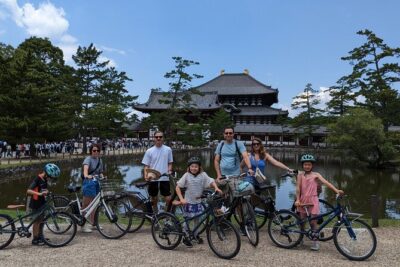
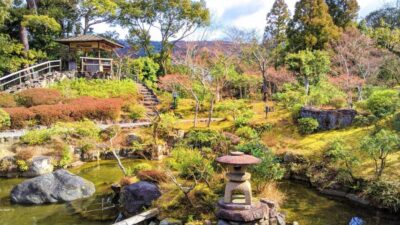

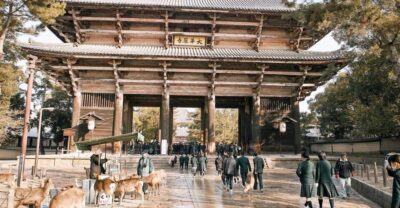
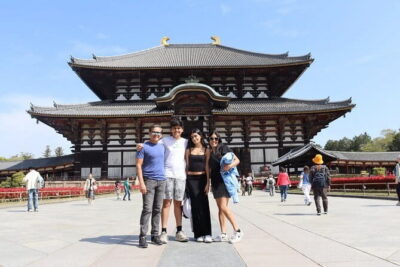
Nara Deer Park and Todai-ji, side by side.
 ★ 5.0World Heritage Kyoto & Nara Uji Authentic Matcha ExperienceFrom $1291,573 reviews
 ★ 4.7Kyoto/Osaka: Nara, Fushimi Inari Taisha, Arashiyama Bus TourFrom $521,275 reviews
 ★ 5.0Nara Half Day Trip Walking Tour (Private Option Available)From $105937 reviews
 ★ 4.4Osaka/Kyoto: Arashiyama, Nara & Fushimi Inari Shrine w/LunchFrom $61754 reviews
 ★ 5.0Nara Early Morning Tour (Kyoto or Osaka Departure Available)From $61676 reviews
 ★ 4.5Kyoto and Nara Day Trip from KyotoFrom $194445 reviews
 ★ 5.0Full Day Guided Tour to Kyoto and Nara from Osaka by VanFrom $106420 reviews
 ★ 4.5Nara Afternoon Tour from Kyoto or OsakaFrom $102390 reviews
Filed on these lists too