
REVIEW · NARA DEER PARK AND TODAI-JI
Nara: Bike Tour in Ancient Capital UNESCO World Heritage
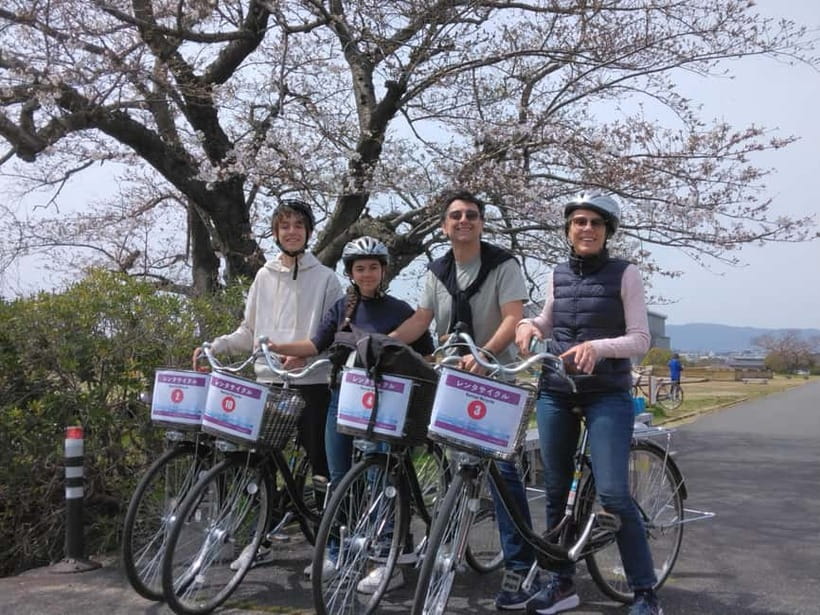
That first pedal push feels like time travel. This Nara bike tour takes you through the Heijo Palace UNESCO area at an easy pace, with a guide who connects the gates, gardens, tombs, and reconstructed ceremony buildings to daily life in the Nara period. I especially liked how Kay keeps things organized and calm, so even when you stop for photos, you do not feel rushed.
What I really loved is the mix: you get classic landmark views like Suzaku-Gate, then you shift to archaeology and gardens where the details tell the story. The second big win for me is the “real Japan” feel you get from riding the grounds instead of just doing a bus-and-walk loop, plus the option to wear Tenpyo (Nara-period) clothing for memorable shots.
One thing to consider: parts of what you see are preserved remains and reconstructions, not fully restored original buildings. If you want a perfectly intact palace you can picture as it looked in Nara, you may find the sites a bit more “archaeology-led” than “theme-park polished.”
In This Review
- Key highlights to look for on this Nara bike tour
- Why this UNESCO bike ride works better than walking
- Meeting at Miharashi-Kan in Suzaku-Mon Square, then rolling out
- Suzaku-Gate photo stop, the ancient capital entrance idea
- Toin Garden at the east palace grounds
- Excavation Site Exhibition Hall, preserved remains you can picture
- Mizukami Pond ride for breeze, birds, and quiet
- Hishiage Ancient Tomb and grave goods context
- Daiichiji Daigokuden and the South Gate (Nammon) viewpoint
- Heijo Palace Site Museum, the oldest museum on the grounds
- Tenpyo costume experience, photos that do not feel cheesy
- How long is enough, and what pacing feels like
- Family-friendly touches, and why Kay gets repeated praise
- Price and what you actually get for $22
- Who should book, and who should skip the bike
- Should you book the Nara bike tour in the ancient capital?
- FAQ
- How long is the Nara bike tour?
- What is included in the price?
- Is the guide offered in English?
- Where do I meet the tour?
- How do I get there from Nara stations?
- Is this tour suitable for everyone?
Key highlights to look for on this Nara bike tour
- Small group size (8 max) keeps the pace relaxed and photo stops actually work
- Licensed, live guide (English and Japanese) helps you read what you are seeing
- Heijo Palace UNESCO focus with gates, gardens, tomb area, and museum halls
- Costume experience for Tenpyo outfit photos in the palace-site setting
- Peaceful riding routes that often feel quieter than the main Nara Park area
- Family-friendly energy with guides who stay patient, even with kids
A half day in Nara goes several ways
- World Heritage Kyoto & Nara Uji Authentic Matcha Experience
★ 5.0 · 1,573 reviews - Nara Half Day Trip Walking Tour (Private Option Available)
★ 5.0 · 937 reviews - Nara Early Morning Tour (Kyoto or Osaka Departure Available)
★ 5.0 · 676 reviews - Osaka: Nara and Uji Day Trip with Deer Park and Hot Spring
★ 4.4 · 302 reviews
Why this UNESCO bike ride works better than walking
Nara is packed, especially around Nara Park. This tour feels like a smart escape hatch. You start at Suzaku-Mon Square and spend two hours riding and stopping across the Heijo Palace grounds, so you get the big picture of the ancient capital without doing constant uphill step-outs.
The bike does more than save legs. It helps you feel the scale of the palace site, and it gives you natural breathing room between stops. That matters because the content here is location-based history: when you stand near a gate line or a garden feature, the guide can explain why it was placed there.
And yes, it is fun. The reviews repeatedly note Kay’s patience, her ability to explain things clearly in English, and the way she keeps small moments moving along, like photo opportunities and kid-friendly breaks.
Meeting at Miharashi-Kan in Suzaku-Mon Square, then rolling out
You meet at the rental bike reception counter at Miharashi-Kan in Suzaku-Mon Square (34.68628944048124, 135.7926401146025). Aim to arrive about 10 minutes early so you can get matched with your bike and settle helmets before the tour begins.
Getting there is straightforward from major Nara stations. From Kintetsu Nara Station, you can take the Nara Kotsu bus to Suzakumon Hiroba Mae, then walk about 5 minutes. From JR Nara Station, the bus option is similar, and there are also walkable routes depending on where you start.
Once you are on the bike, you will quickly understand the best part of this tour: the ride is not just transport. It is part of the sightseeing rhythm. You can glance at the palace-site layout as you move, then stop when the guide tells you a spot is worth slowing down for.
Suzaku-Gate photo stop, the ancient capital entrance idea
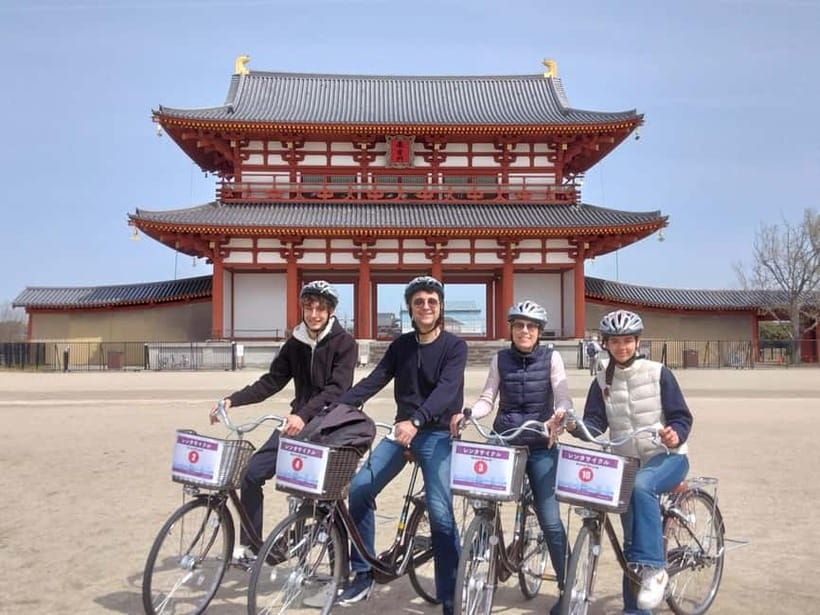
The tour kicks off with Suzakumon Gate, the main entrance gate of Heijo Palace. This is where your guide starts building the mental map of the capital, because gates are how people understood where power and order were located in the city.
You will get a short photo stop plus guided viewing. For a lot of visitors, Suzaku-Gate is also the first moment where you can appreciate the “big gate, big setting” scale. Even on a short stop, the area helps you understand why the palace was designed to impress.
Practical note: bring a camera with you in hand during this early stop. You will want those wide-angle shots before you start biking and the light shifts.
Cover Nara on two wheels instead
- E-Bike Nara Highlights – Todaiji, Knives, Deer, Shrine★ 4.8 · 186 reviews
- Nara: Bike Tour in Ancient Capital UNESCO World Heritage★ 5.0 · 43 reviews
- E-Bike Nara Highlights – Todaiji, Knives, Deer, Shrine, and Gems★ 4.5 · 34 reviews
- Nara: City Highlights Shared Group or Private Bike Tour★ 4.9 · 34 reviews
Toin Garden at the east palace grounds
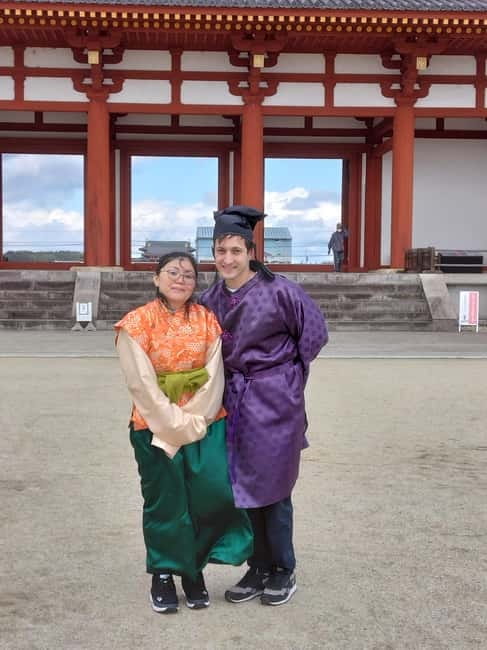
Next comes Toin Garden, also referred to as To-in Teien, part of the east palace garden area. The guide talks about how Japanese garden design took root here, and you get time to look at bridges, buildings, and rocks in a way that feels intentional, not random.
This stop is shorter than some others, so treat it like a “see the pattern” moment. The real value is the context your guide gives, because a garden can look pretty, but history helps you notice why certain elements are arranged the way they are.
Also, gardens are where the pace tends to feel nicest. If you have ever wished you could slow down in Nara, this is your small window to do it without getting stuck in crowds.
Excavation Site Exhibition Hall, preserved remains you can picture
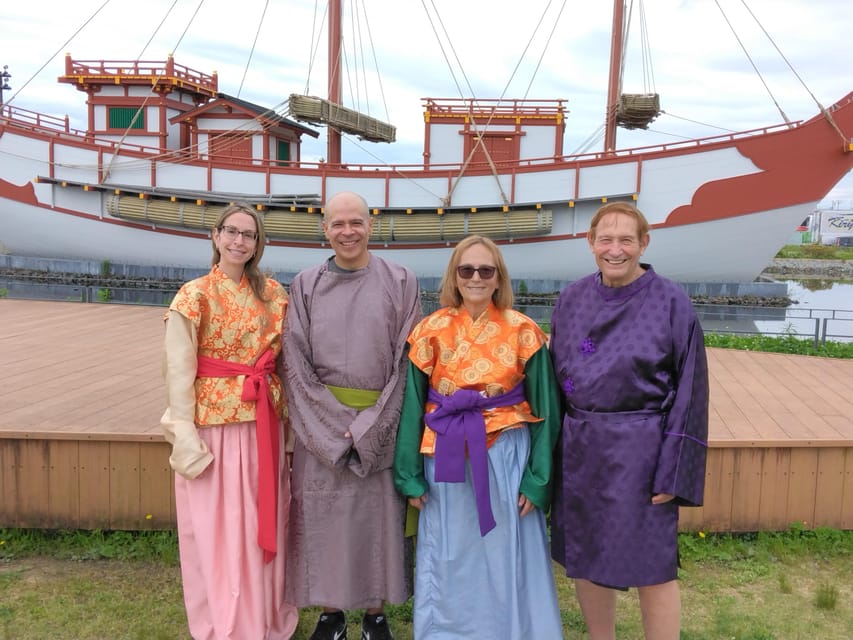
One of the most interesting stops is the Excavation Site Exhibition Hall. This museum is special because it displays remains in the same state as they were discovered, with the excavation story built into what you see.
If you like archaeology, this is where you will start connecting the dots between a gate you saw earlier and the materials you are now seeing. You are not just reading about the Nara period, you are standing near what was found and how it was kept.
A small caution: if you expect a polished indoor museum with lots of hands-on exhibits, you might find it more “presented remains” than “activity-filled.” Still, it is a meaningful detour from the usual temple photo circuit.
Mizukami Pond ride for breeze, birds, and quiet
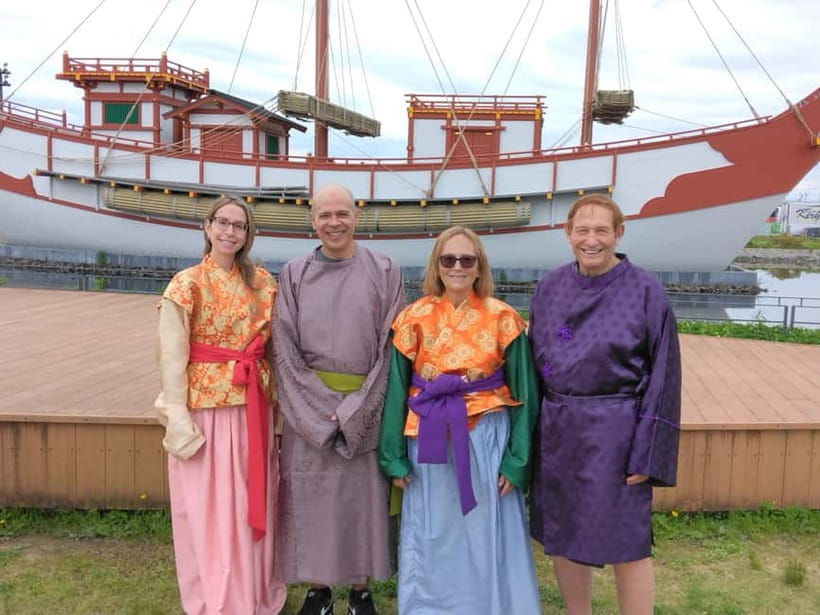
The tour also includes time to bike around the pond area described as Mizukami Pond (Minakami pond). This is where the ride feels gentler and more local, because you are not stuck in a single viewpoint for too long.
You can feel the breeze, hear birds, and you may spot ducks and turtles. It is a good reset after museums and historical structures, and it gives your brain time to absorb the information you just heard.
This stop also pairs well with photos, especially if you like shots that show daily nature rather than just stone and wood. It is not about grand monuments here. It is about the atmosphere of the ancient site when it functions like a park today.
Hishiage Ancient Tomb and grave goods context
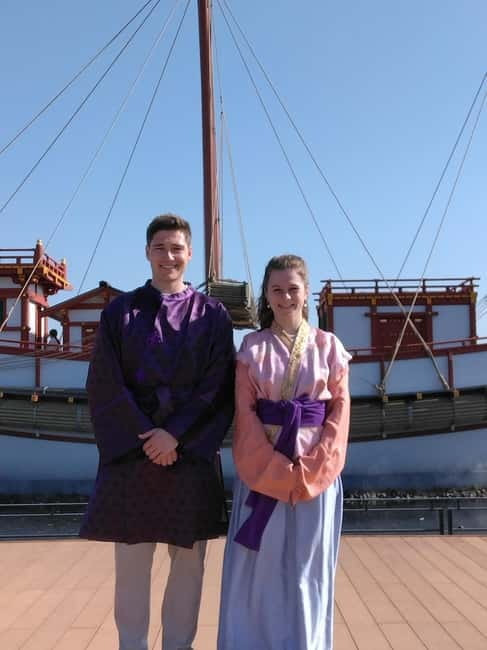
Then you shift to Hishiage Ancient Tomb, where you can admire the tomb itself and the idea of what it held through the concept of grave goods. This is one of those stops where the guide’s explanations matter, because the tomb is not just a shape in the ground, it is a clue to status, belief, and how burials were used to communicate meaning.
You will get a photo stop plus guided viewing. The time here is short, but it is enough to understand why tombs are included in UNESCO-style narratives of ancient capital planning.
If you are new to Japanese archaeology, tomb stops can feel abstract. The guide helps you keep the scale and the purpose in your head, which turns “cool looking” into “I get why it matters.”
Daiichiji Daigokuden and the South Gate (Nammon) viewpoint
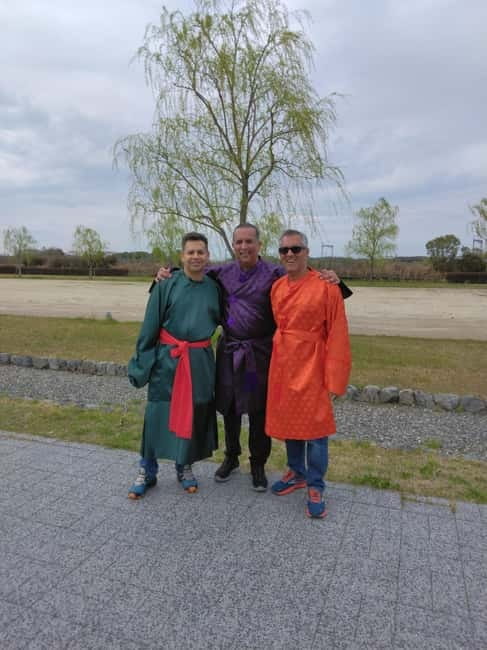
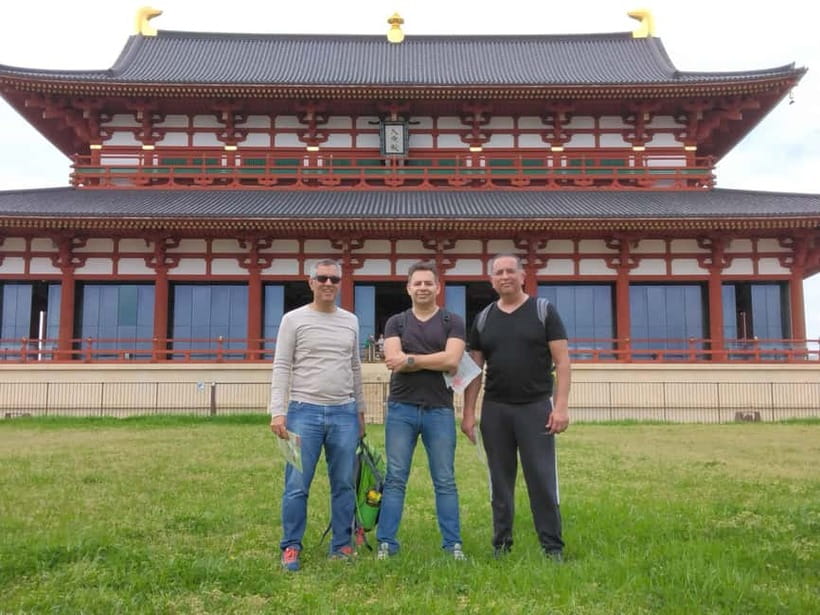
Next up are ceremonial spaces tied to the palace layout, especially Daiichiji Daigokuden and the Daiichiji Daigokudenin Daigokumon (Nammon, South Gate). This is reconstruction territory, but it is still useful.
In the tour framing, the Imperial audience hall is a reconstruction of a major Nara palace building used for special ceremonies. You will learn what that hall represents, and you will also get a chance to look at paintings, exhibitions of ornaments, and pictures tied to the space.
Then you get the Nammon South Gate stop, which works like a quick architectural punctuation mark. A gate is a strong visual marker, and it reinforces the idea that the palace site was structured for movement and ceremony, not just residence.
If it is hot, you will appreciate that these stops are timed for viewing, not wandering for ages. The tour keeps you moving, but not in a way that feels like sprinting.
Heijo Palace Site Museum, the oldest museum on the grounds
The final core museum stop is the Heijo Palace Site Museum. This is described as the oldest museum at the Heijyo Palace site, and the focus is on items like ancient tiles, wooden tablets, and models.
This is a great “wrap the story up” moment. Earlier you saw preserved remains and garden design. Now you are looking at objects and models that help you connect daily material culture with the palace layout.
If you are the type who likes to leave a place knowing what you actually learned, this museum tends to deliver. Models are especially helpful when you want to remember the overall layout after the ride is over.
Tenpyo costume experience, photos that do not feel cheesy
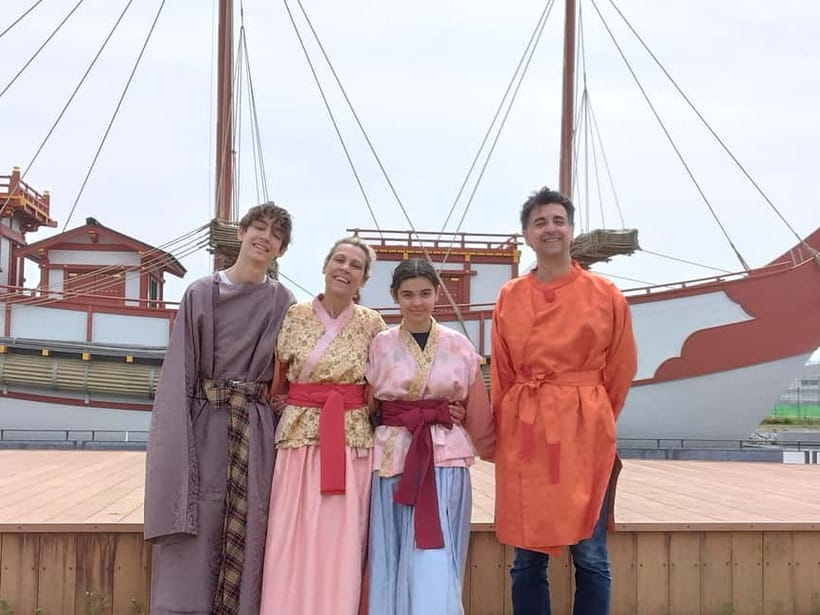
One of the most memorable extras is Costume Experience, where you can wear traditional Tenpyo (Nara period) clothing. This is not just dressing up. It is part of the way the tour makes the ancient capital feel present.
The payoff is in the photos. You can capture your look against the palace-site setting, and it becomes a souvenir with meaning, not just a snapshot in front of a sign.
A practical tip for the costume part: wear the most comfortable shoes you own. Even though the bike ride is planned, you will still be walking at museum stops and gates, and the costume time can tempt you to linger for pictures.
How long is enough, and what pacing feels like
The tour lasts two hours, and that length is a big part of the value. It is long enough to cover multiple key sites within the Heijo Palace area. It is also short enough that you do not feel like you are spending your whole day in one UNESCO zone.
The tour is limited to small groups of up to 8 participants, which helps with pacing. In the reviews, families highlight that Kay keeps things comfortable and patient, including when a child needs extra attention or when a group arrives with minor timing issues.
If you are visiting Nara for the first time, this can work as an efficient “intro” to the ancient capital concept. If you have already seen Nara Park, this tour gives you a different Nara, one focused on the palace site and what that meant.
Family-friendly touches, and why Kay gets repeated praise
A lot of the reviews focus on Kay. What stands out is not just that she explains history, it is how she manages energy in a small group.
One family noted Kay was extremely patient with a 6-year-old, and another family said their child enjoyed stamp-style moments during the tour. Another review mentions Kay even helped arrange a taxi afterward, which is a surprisingly useful kindness when you are ready to head to town for lunch or more sightseeing.
So if you travel with kids, you are not just getting a history walk. You are getting a guide who understands that younger travelers need engagement and calm pacing.
Price and what you actually get for $22
The price is listed at $22 per person for 2 hours. For that amount, you are getting a lot of built-in value: the bike rental, helmets, the guide, admissions, and the costume experience.
It can be tempting to think bikes mean “add-on cost later” trips. Here, admissions and the costume are included, so you avoid surprise ticket gaps at museum stops.
Bike tours are also a practical bargain in Japan, where renting and guiding can add up quickly. This one is designed around the Heijo Palace UNESCO site, so your time goes toward a cohesive route rather than scattered stops you would need to plan on your own.
Just remember what is not included. Food, drinks, and bike insurance are not part of the price. Also, there is no hotel pickup, so you will start at the bike reception counter at Miharashi-Kan.
Who should book, and who should skip the bike
This is a great fit if you:
- want UNESCO-level context without fighting crowds
- like photo stops but also enjoy guided explanations
- can ride a bicycle comfortably
- travel in a small group and want a guide-led pace
It may not be the best fit if you:
- are pregnant (not suitable per tour info)
- cannot ride a bike
- use a wheelchair
- are visually impaired
Also, consider your expectations. One review mentioned the site includes recreated buildings and holes where pillars used to be. If your idea of “ancient Japan” is totally intact structures, you might prefer a different kind of tour. If you enjoy ruins, reconstructions, and the story of what archaeologists found, you will likely enjoy the focus.
Should you book the Nara bike tour in the ancient capital?
I think you should book this tour if your goal is to understand Nara beyond Nara Park, and you want a smooth way to see the Heijo Palace UNESCO grounds in just two hours. The included admissions, helmet-and-bike setup, and Tenpyo costume time make the $22 feel fair, not bargain-hunting.
Book it especially if you value a calm small-group experience with a guide like Kay, praised for being patient and for making the history click without overcomplicating it. If you are traveling with kids, this is one of the more reassuring ways to include them in Nara’s ancient capital story.
Skip it if you cannot bike or if you want mostly fully restored buildings. This tour is built around gates, gardens, tomb context, excavation remains, and reconstructed ceremonial spaces, and that mix is the whole point.
FAQ
How long is the Nara bike tour?
It lasts about 2 hours.
What is included in the price?
Biking tour, a guide, rental bike, helmets, all admission, and a traditional costume experience are included.
Is the guide offered in English?
Yes. The live tour guide is available in English and Japanese.
Where do I meet the tour?
Meet at the rental bike reception counter at Miharashi-Kan in Suzaku-Mon Square.
How do I get there from Nara stations?
From Kintetsu Nara Station, take the Nara Kotsu bus to Suzakumon Hiroba Mae, then walk about 5 minutes north. From JR Nara Station (West Exit), it is about 10 minutes to the Suzakumon-hiroba-mae bus stop and then about 5 minutes on foot. Other station walks are listed as options as well.
Is this tour suitable for everyone?
The tour info says it is not suitable for pregnant women, people who cannot ride a bike, wheelchair users, or visually impaired people.
Bicycles and E-Bikes We Have Ridden

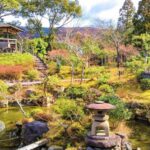
Half a Day in Nara
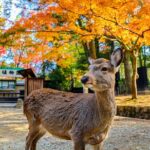
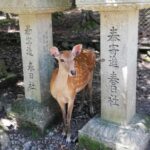
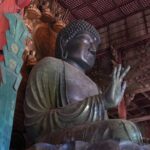
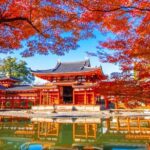

Newest Nara write-ups from the Loving Japan desk
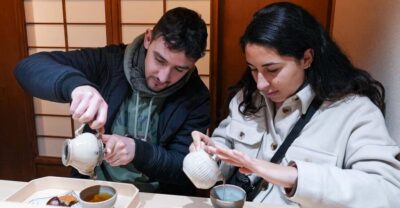
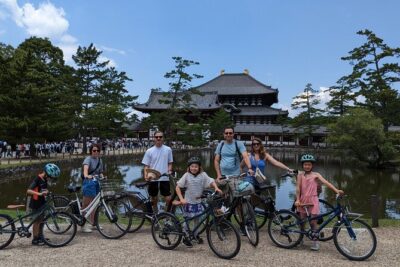
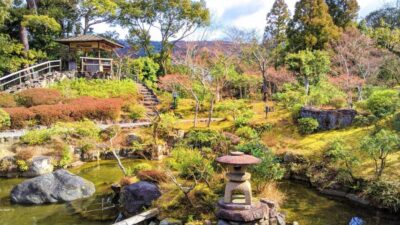
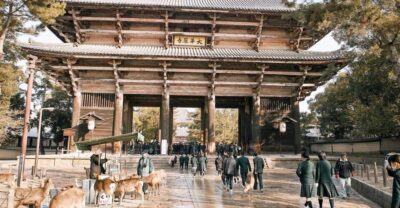
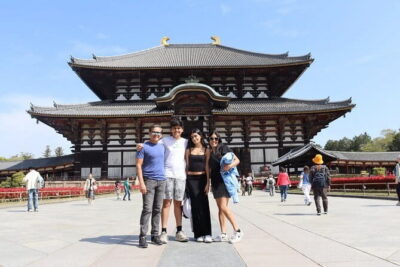
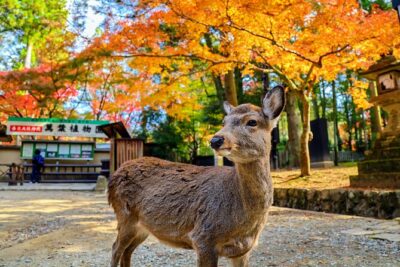
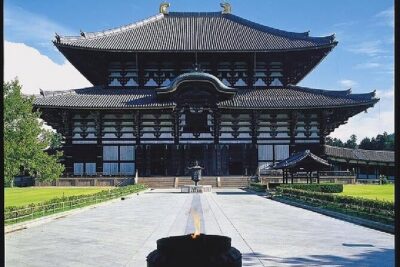
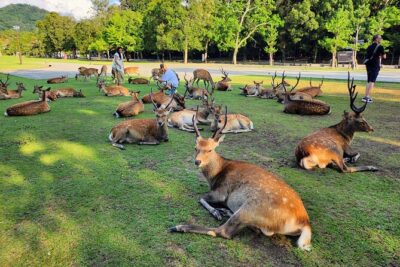
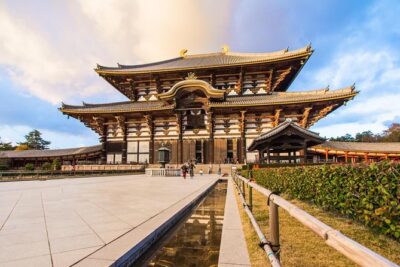
Nara Deer Park and Todai-ji, side by side.
 ★ 5.0World Heritage Kyoto & Nara Uji Authentic Matcha ExperienceFrom $1291,573 reviews
 ★ 4.7Kyoto/Osaka: Nara, Fushimi Inari Taisha, Arashiyama Bus TourFrom $521,275 reviews
 ★ 5.0Nara Half Day Trip Walking Tour (Private Option Available)From $105937 reviews
 ★ 4.4Osaka/Kyoto: Arashiyama, Nara & Fushimi Inari Shrine w/LunchFrom $61754 reviews
 ★ 5.0Nara Early Morning Tour (Kyoto or Osaka Departure Available)From $61676 reviews
 ★ 4.5Kyoto and Nara Day Trip from KyotoFrom $194445 reviews
 ★ 5.0Full Day Guided Tour to Kyoto and Nara from Osaka by VanFrom $106420 reviews
 ★ 4.5Nara Afternoon Tour from Kyoto or OsakaFrom $102390 reviews
Filed on these lists too