
REVIEW · KYOTO TEA CEREMONIES AND MATCHA
Private Mochi・Matcha sweets Making Class Near Shibuya Area
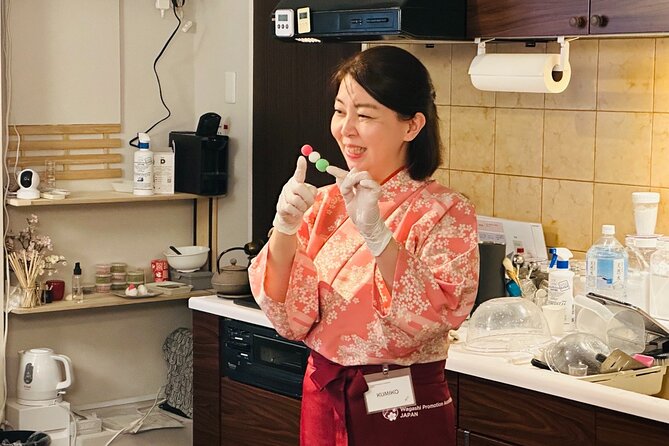
Mochi is hands-on, not museum-style. In this private wagashi sweets class near Shibuya, you learn how to make mochi and nerikiri in an actual Japanese house, plus you can add a simple matcha tea ceremony in the tea room. I love that the teaching is personal and step-by-step, and I love that the session doesn’t stop at food, you also get context for why these sweets matter in Japanese culture. One thing to consider: there is a toy poodle at the home, so if you have dog allergies, it may not be the right fit.
You get about 2 hours of focused practice, capped at a small group size (up to 8), and the location in Sangenjaya is set up to be easy to reach via public transportation. The class also builds in tasting and a little extra, your instructor shares recommendations for your time in Tokyo while you’re together.
In This Review
- Key things to know before you go
- Where Sangenjaya fits into your Shibuya plan
- Mochi and nerikiri, the real reason it feels special
- The tea ceremony option with matcha included
- What the timing and small group size mean for you
- Price and value: what you get for about $78.83
- The home setting, including the dog situation
- Accessibility and getting there without hassle
- Who this class is best for
- Sample day ideas, from class to the rest of Tokyo
- Should you book this mochi and matcha class?
- FAQ
- How long is the mochi and matcha sweets making class?
- What does the experience include besides making sweets?
- Where do I meet for the class?
- What is the maximum group size?
- Is it OK if I have a dog allergy?
- What is the cancellation policy?
Key things to know before you go
- Private-style, hands-on instruction with a wagashi-making instructor, not a lecture
- Mochi and nerikiri practice so you leave with real technique, not just photos
- Matcha tea room option if you want a simple tea ceremony with matcha included
- Small group size (up to 8) which keeps questions and help flowing
- Sangenjaya meeting point in a local neighborhood with easy access by transit
- Toy poodle in the house and the class is not recommended if you have a dog allergy
Other routes through the west side of Tokyo, compared
- Tokyo: Shinjuku Food Tour (13 Dishes at 4 Local Eateries)
★ 5.0 · 6,603 reviews - Tokyo Bar Hopping Tour in Shinjuku (All-You-Can-Drink + Dinner)
★ 5.0 · 3,587 reviews - Official Street Go-Kart in Shibuya
★ 5.0 · 3,435 reviews - Tokyo: Shinjuku Food Tour (15 Dishes and 4 Eateries)
★ 4.9 · 2,033 reviews
Where Sangenjaya fits into your Shibuya plan
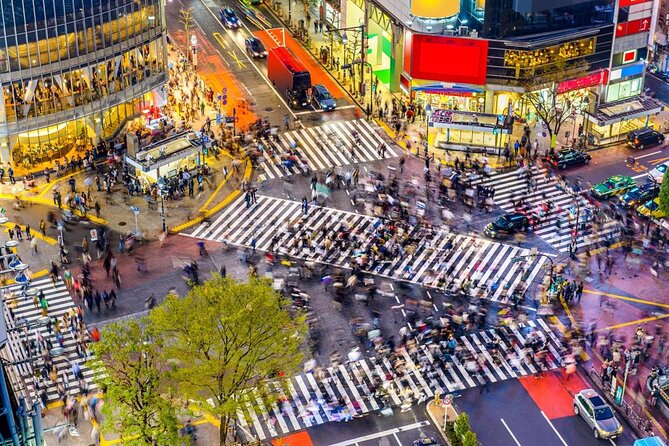
This class is based around Sangenjaya, which is a very livable, local part of Tokyo. The vibe matters here, because a mochi and wagashi lesson works best in a home kitchen setting where you can slow down, follow along, and actually try things with guidance.
You’ll start at the meeting address in Sangenjaya, then the experience ends back at the meeting point. Practically, that means you are not burning time on long transfers between neighborhoods. And since the activity is described as near public transportation, you should be able to slot it into a day that also includes Shibuya, Harajuku, or other nearby areas.
Mochi and nerikiri, the real reason it feels special
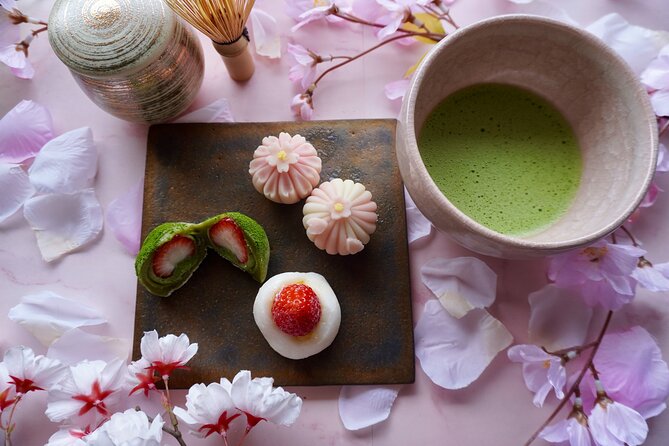
The core of this experience is simple: you learn to make traditional Japanese sweets, mochi and nerikiri, with personalized coaching. What makes it different from a typical sweets tour is that you are not just eating in a busy shop. You are working with the sweets yourself, then tasting what you made at the end.
Mochi is a big deal in Japan, and the instruction includes explanation about its cultural importance. That extra layer helps your brain connect the food to everyday Japanese life, not just to a tourist stop. When you understand why something is made and when it shows up, the taste and texture land differently.
For nerikiri, the value is in the hands-on learning. You will experiment with techniques and work through the process guided by a wagashi instructor. If you’ve ever wondered why wagashi looks so precise or why certain textures feel different, a class like this is where those answers stop being theoretical.
Also, you will uncover the ingredients used and sample flavors you might otherwise miss if you only visit dessert counters. That matters because Japanese sweets often come with subtle variations, and those subtleties are easier to notice once you’ve handled the ingredients and followed the steps yourself.
The tea ceremony option with matcha included
This class includes a tea component you can choose. If you want it, you can use the tea room for a simple tea ceremony experience, with matcha included.
Even if you’ve had matcha before, there’s a different feel when you pair it with what you just made. Your sweets taste changes slightly depending on temperature, sweetness balance, and how the bitterness of matcha meets the dessert. In practical terms, the tea room makes the class feel like a complete experience instead of a quick snack lesson.
You should also plan for a slower, more seated moment. The tea ceremony part is not just one more bite, it’s a chance to pause, taste, and absorb the sweets in the way they are traditionally enjoyed.
Sit down somewhere quieter. Other tea rooms we booked
- Matcha Making Class in Tokyo with Authentic Japanese Sweets Set★ 5.0 · 744 reviews
- Tokyo: Traditional Tea Ceremony with a Tea Master★ 5.0 · 528 reviews
- Tokyo: Matcha Making Experience with Mochi Sweets in Asakusa★ 4.9 · 388 reviews
- Tokyo: Matcha and Kimono Experience★ 4.7 · 219 reviews
- Tea Ceremony Workshop in Tokyo by the Experienced Instrucor★ 5.0 · 189 reviews
What the timing and small group size mean for you
The lesson runs about 2 hours. That length is long enough to learn, make, and finish, but short enough that it won’t wreck your day.
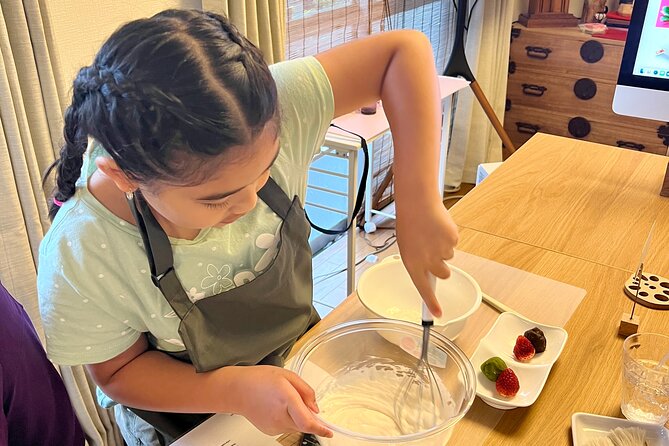
The maximum group size is 8, and the experience is described as private with personalized instruction. In real life, this usually translates to fewer people competing for the instructor’s attention and more chances to ask, redo a step if something feels off, and get feedback as you go. If you’re traveling with a family, or if you learn better with direct help, that smaller size is a real advantage.
One more practical note: confirmation is received within 48 hours of booking, subject to availability. Since these classes can fill, it helps to book early rather than assuming you can pick a last-minute time.
Price and value: what you get for about $78.83
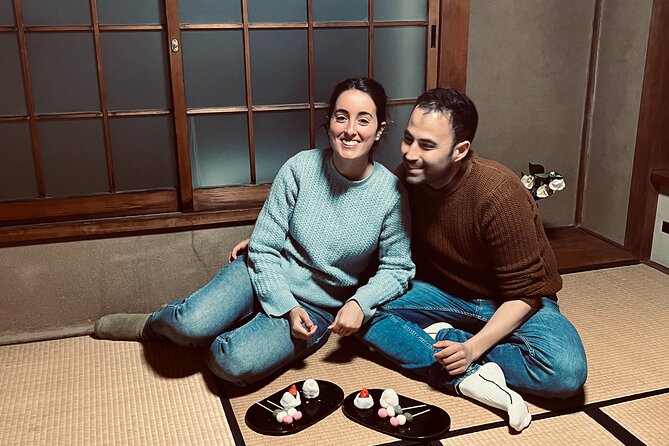
At $78.83 per person for roughly 2 hours, you are paying for three main things: direct instruction, hands-on making of mochi and nerikiri, and a matcha tea ceremony option (if you choose it). You are also getting the cultural context that tends to be missing from quick food tastings.
You can sometimes find cheaper cooking experiences in Tokyo, but a small-group home-class with a sweets instructor is often where your money turns into useful skill. You’re not just buying a dessert, you’re learning how to recreate a Japanese sweets experience at home later. That makes the price easier to justify, especially if you value learning over collecting.
If you are price-sensitive, I’d treat this as a “do one real class” experience. In other words, don’t stack it with multiple high-ticket tours the same day. Give it room to be the highlight.
The home setting, including the dog situation
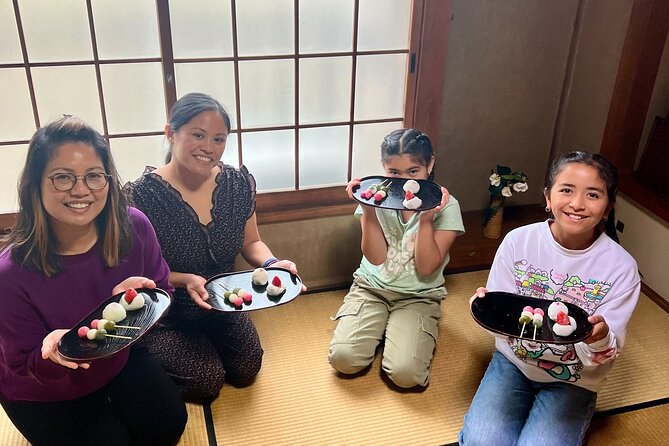
This is held at an authentic Japanese house, with a tea room available. That matters because you’re walking into a space that is designed for daily life, not for staging. The result is usually a calmer atmosphere, and it can make the class feel more intimate and respectful.
The one clear drawback is the toy poodle in the home. Service animals are allowed, but the class explicitly says it is not recommended for people with allergies to dogs. If you are even mildly reactive, plan carefully. It’s better to skip this one than to spend the whole session sneezing, watery-eyed, and stressed.
Accessibility and getting there without hassle
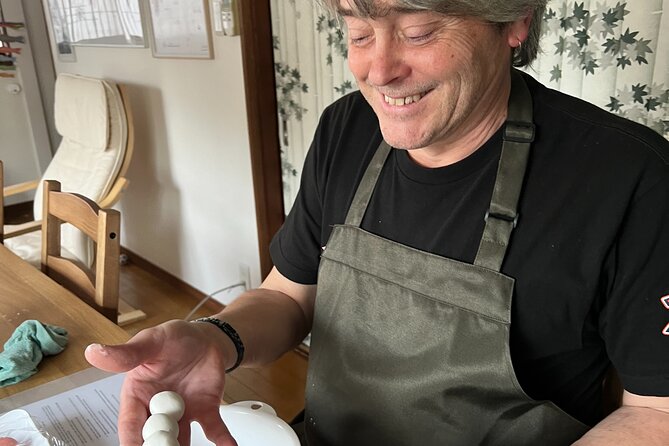
The class is near public transportation, so you shouldn’t need a complicated plan to arrive. You’ll meet at the Sangenjaya address listed for the activity, then return there at the end.
For first-time visitors, Sangenjaya can feel a bit off the main tourist grid, which is exactly why this works. You get to step outside the busiest areas and spend your time in a more local rhythm. Bring comfortable shoes, because walking from the station to a home meeting point is still walking.
Who this class is best for
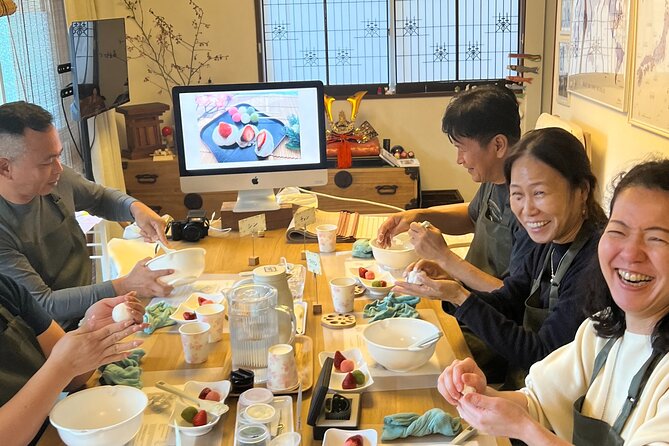
This experience is a strong match if you want something more meaningful than a dessert stop. You’ll enjoy it most if you like hands-on activities, if you care about Japanese food culture beyond just flavor, and if you appreciate learning from a sweets-focused instructor.
It also seems to work well for families. One parent-and-child experience included a child around early elementary age, and the host was described as attentive and patient. If your kid can sit for a short cooking and tea segment, this type of class can be a memorable Tokyo moment.
If you have allergies or strong sensitivity to dogs, reconsider. That single factor can override everything else.
Sample day ideas, from class to the rest of Tokyo
Since your class starts in Sangenjaya and ends back near the meeting point, you can plan your day in a loop: morning or afternoon class, then head toward Shibuya for dinner and evening atmosphere.
Here’s a simple, low-stress approach:
- Plan a full 2-hour block for the class, then keep the next hour flexible.
- Use your instructor’s recommendations for Tokyo as your guide for what fits your mood.
- If you still have energy, make Shibuya your late-day anchor. It’s an easy way to finish the day after something slower and more traditional.
Because the instructor also shares suggestions for your time in Tokyo along the way, you can get help choosing what to do next without guessing.
Should you book this mochi and matcha class?
Book it if you want a real skill, not just a sugar hit. The combination of mochi and nerikiri making, a matcha-included tea option, and an instructor-led home setting is exactly the kind of experience that turns Tokyo into something you remember for more than its photos.
Skip it if dog allergies are an issue, since there is a toy poodle at the home. Also, if you need a very rigid schedule with no culture talk at all, a wagashi lesson might feel too “slow” for your style. But if you’re happy to learn, taste, and ask questions, this is a great use of your time.
If you can handle booking a few weeks ahead and you like hands-on food experiences, this one is worth your spot.
FAQ
How long is the mochi and matcha sweets making class?
The class lasts about 2 hours.
What does the experience include besides making sweets?
You learn how to make mochi and nerikiri, and you can also take part in a simple tea ceremony experience with matcha included if you want to.
Where do I meet for the class?
The meeting point is 1-chōme-11-13 Sangenjaya, Setagaya City, Tokyo 154-0024, Japan. The experience ends back at the meeting point.
What is the maximum group size?
The class has a maximum of 8 travelers.
Is it OK if I have a dog allergy?
The house has a toy poodle. The experience does not recommend it for people who have allergies to dogs.
What is the cancellation policy?
Free cancellation is available. You can cancel up to 24 hours in advance for a full refund. Changes within 24 hours of the start time are not accepted, and late cancellations are not refunded.
Kyoto by the Bowl


West Tokyo on Foot: Seven More



Newest Tokyo write-ups from the Loving Japan desk






Kyoto Tea Ceremonies and Matcha, side by side.
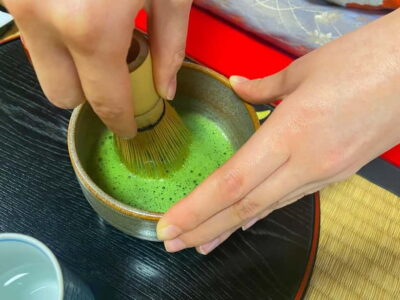 ★ 4.9Tea Ceremony in a Traditional Tea House in KiyomizuFrom $493,519 reviews
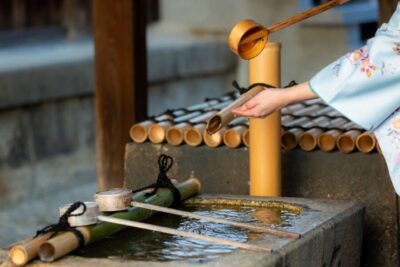 ★ 4.9Tea Ceremony Ju-An at Jotokuji TempleFrom $293,207 reviews
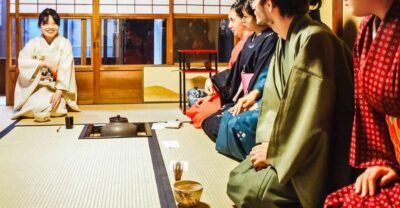 ★ 4.345-Minute Tea Ceremony Lesson ExperienceFrom $222,378 reviews
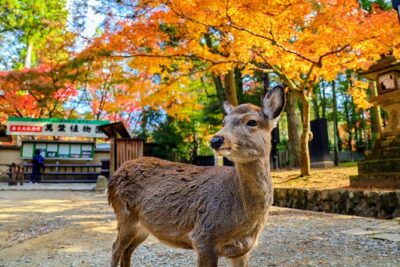 ★ 5.0World Heritage Kyoto & Nara Uji Authentic Matcha ExperienceFrom $1291,573 reviews
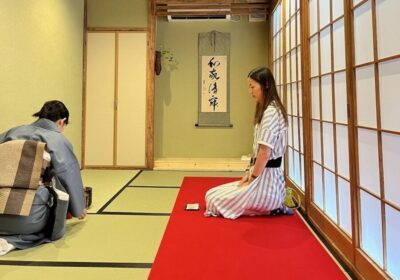 ★ 4.9Tea Ceremony ExperienceFrom $251,426 reviews
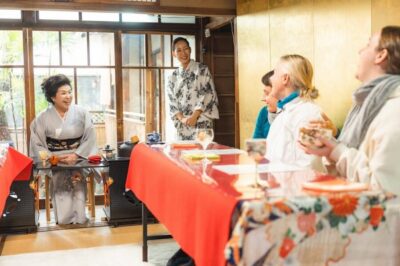 ★ 4.9Table-Style Tea Ceremony at a Kyo-MachiyaFrom $451,211 reviews
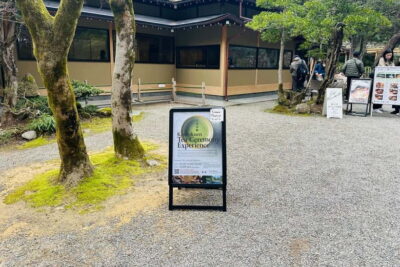 ★ 4.8Kenrokuen Tea Ceremony ExperienceFrom $351,139 reviews
 ★ 5.0Kimono Tea Ceremony at Kyoto Maikoya, NISHIKIFrom $65911 reviews