
REVIEW · KYOTO TEA CEREMONIES AND MATCHA
Shibuya Authentic Tea Ceremony with experienced instructor
Shibuya gets quiet for tea. This Shibuya tea ceremony swaps packed sightseeing energy for an intimate small-group session with a Japanese tea master, where you learn the story of Japanese tea and then make matcha step by step. You also get to enjoy the ritual in a calm setting, not on a crowded schedule.
I love two things most. The stone-mill matcha demo gives you a clear picture of how matcha begins, and the chance to choose your own chawan makes the whole process feel personal. One consideration: it is about 50 minutes, so it is great for a taste of the tradition, but not long enough for deep practice or a slower, multi-course tea day.
In This Review
- Key highlights you will care about
- Why this Shibuya tea ceremony is worth your 50 minutes
- Finding the tea house near Dōgenzaka (and what to expect)
- Tea origins and matcha production, explained at a human pace
- Watching the traditional tea ritual, then tasting nerikiri
- Making your own matcha with traditional tools and a chawan you choose
- Value check: why $25.76 feels fair for what you actually get
- Who this tea ceremony suits best (and who might want a different plan)
- What you can learn and repeat at home, without overthinking it
- Should you book this Shibuya authentic tea ceremony?
- FAQ
- How long is the Shibuya authentic tea ceremony?
- What is the group size?
- What happens first during the ceremony?
- Do I get to make my own matcha?
- Is food included?
- Where does it start and where does it end?
- Can I cancel for a full refund?
Key highlights you will care about
- Small-group vibe (up to 8 travelers), so questions and hands-on time actually happen
- Stone-mill demonstration that explains how matcha is made
- Traditional tea ritual (over 500 years), with freshly prepared matcha and Japanese sweets
- You make your own matcha, whisking with the traditional tools used in the ceremony
- Chawan (tea bowl) choice, so the experience matches your style and mood
- Peaceful tea-house atmosphere near Shibuya, a break from the street noise
Other routes through the west side of Tokyo, compared
- Tokyo: Shinjuku Food Tour (13 Dishes at 4 Local Eateries)
★ 5.0 · 6,603 reviews - Tokyo Bar Hopping Tour in Shinjuku (All-You-Can-Drink + Dinner)
★ 5.0 · 3,587 reviews - Official Street Go-Kart in Shibuya
★ 5.0 · 3,435 reviews - Tokyo: Shinjuku Food Tour (15 Dishes and 4 Eateries)
★ 4.9 · 2,033 reviews
Why this Shibuya tea ceremony is worth your 50 minutes
Tokyo can feel like it runs on urgency. This is the opposite. In about 50 minutes, you slow down, learn a real cultural ritual, and leave with a skill you can repeat at home.
The format is smart. You start with context, then you watch the ceremony, and then you do it yourself. That order matters. If you jump straight to hands-on matcha, it is harder to understand what you are supposed to be paying attention to. Here, the instructor sets the why first, then the how.
Also, the small group size makes a difference. With a maximum of 8 people, you are not just observing from the sidelines. The experience is designed so you can hear the explanation, follow the steps, and actually whisk your own cup.
Finding the tea house near Dōgenzaka (and what to expect)
The meeting point is in Shibuya, at Dōgenzaka, 1-chōme, near the address listed as 150-0043 Tokyo, Shibuya, Dōgenzaka, 1-chōme15 万字ビル. The activity ends back at the same meeting point, so you are not left navigating Tokyo mid-ceremony.
In practical terms, this neighborhood location is a big part of why the session feels special. You start near the motion of Shibuya, then you step into a calmer space. People describe the tea house as old, original, and tucked away on a side street, so the setting is part of the teaching. The point is not just matcha. It is also the shift from outside noise to inside focus.
You will receive confirmation at booking, and your ticket is delivered via a mobile ticket. So have your phone ready when you arrive, and keep it handy during check-in.
Tea origins and matcha production, explained at a human pace
The session begins with the history of tea in Japan, shared in a short, accessible way. You do not need to be a tea expert to follow along. The goal is to give you a framework: where matcha fits in Japanese tea culture, and why the ceremony has such a careful rhythm.
Then comes one of my favorite parts: seeing matcha prepared using a traditional stone mill. This is the moment that turns matcha from a product into a process. You learn what happens before it becomes the bright green powder you buy, so when you whisk later, it feels more intentional.
A stone mill demonstration also makes the teaching feel grounded. It is not just facts on a screen. You are watching real tools, and you can connect the mechanics to the cup you will drink.
Sit down somewhere quieter. Other tea rooms we booked
- Matcha Making Class in Tokyo with Authentic Japanese Sweets Set★ 5.0 · 744 reviews
- Tokyo: Traditional Tea Ceremony with a Tea Master★ 5.0 · 528 reviews
- Tokyo: Matcha Making Experience with Mochi Sweets in Asakusa★ 4.9 · 388 reviews
- Tokyo: Matcha and Kimono Experience★ 4.7 · 219 reviews
- Tea Ceremony Workshop in Tokyo by the Experienced Instrucor★ 5.0 · 189 reviews
Watching the traditional tea ritual, then tasting nerikiri
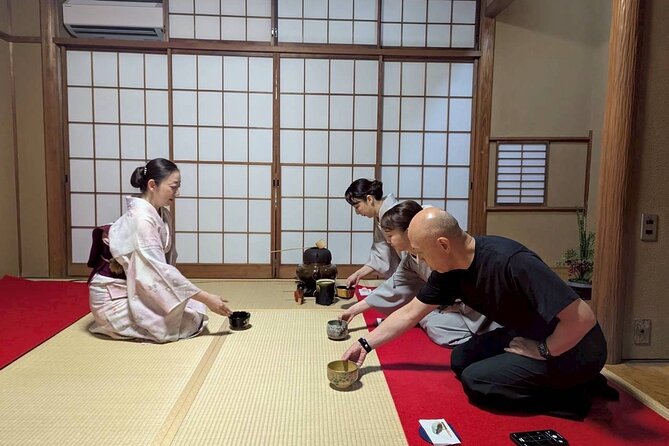
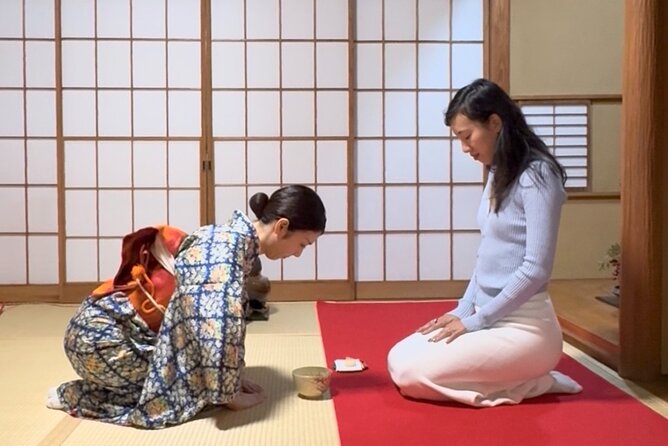
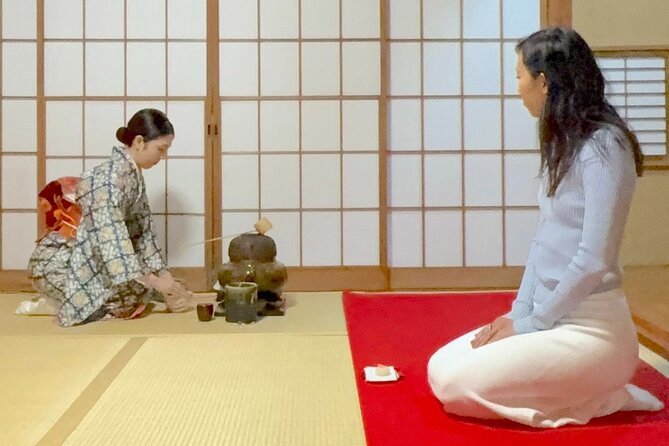
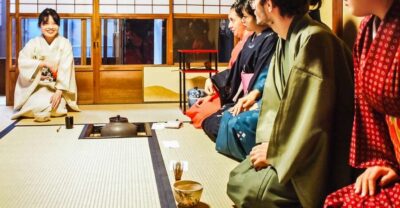
After the intro, you watch the tea ceremony itself. A tea master performs the traditional tea-making ritual with roots that go back over 500 years. The ceremony is structured, and you will likely notice how much of the experience is pacing and presentation, not just the final drink.
This is where the cultural side really lands. The instructor gives insights as the ritual unfolds, so you are not only watching movements. You understand the meaning behind them, even if you are new to tea ceremony etiquette.
Then it is time for the reward: you taste freshly prepared matcha along with Japanese sweets called nerikiri. This pairing is a big deal because it helps you experience matcha as something social and multi-sensory, not just a beverage you quickly sip. Nerikiri adds sweetness and texture, and it balances the flavor profile so you can appreciate the tea rather than rushing through it.
If you like food and ritual together, this is one of those experiences that feels complete.
Making your own matcha with traditional tools and a chawan you choose
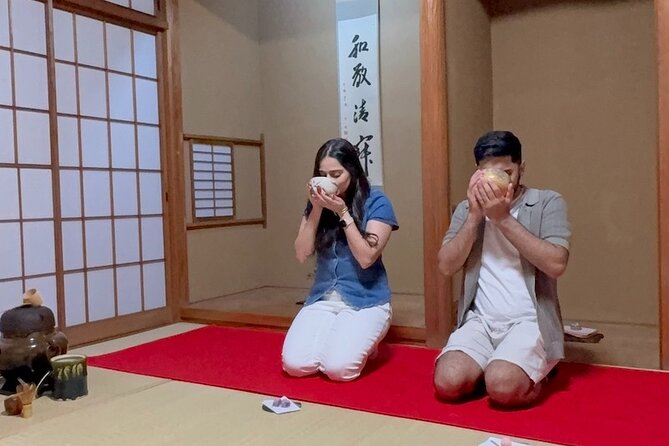
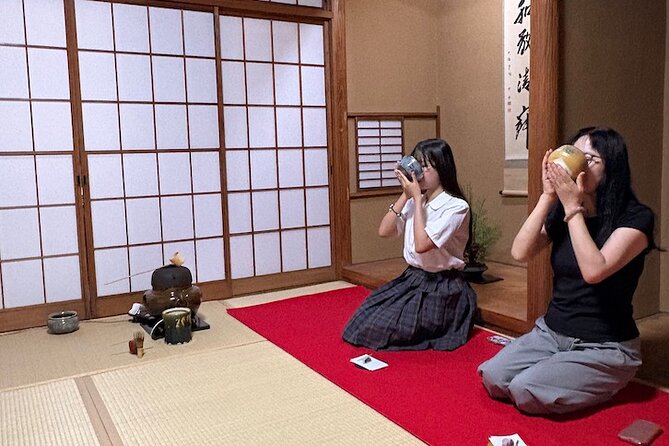
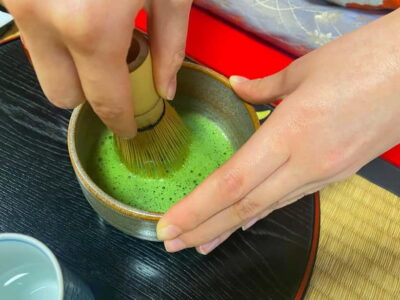
This is the hands-on payoff. After watching the ritual, you get to make your own bowl of matcha using traditional tools.
You will follow a step-by-step process, and you will be actively involved, including whisking your own cup. That matters for two reasons. First, you learn the sequence. Second, you build the muscle memory for how the tea should behave when you whisk it.
One of the most enjoyable details is the choice of chawan. You can pick from a variety of beautiful tea bowls. This is not a gimmick. In a tea ceremony, the bowl is part of the mood and the moment. Choosing your own chawan makes the experience feel like yours, and it is also a nice souvenir, in the mental sense, because you will remember the cup you chose when you repeat the method later.
You also get techniques you can recreate at home. The point is not that your apartment will suddenly feel like a centuries-old tearoom, but that you will understand how to approach matcha making with the same care and steps you learned here.
Value check: why $25.76 feels fair for what you actually get
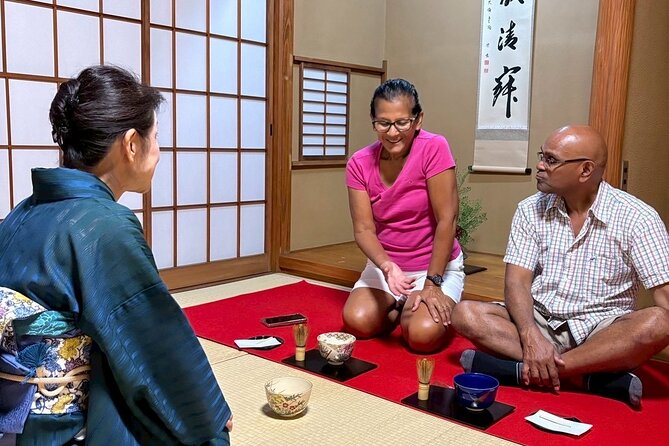
At $25.76 per person, you are not just paying for tea. You are paying for:
- a Japanese tea master guiding the session
- a small-group setting capped at 8 travelers
- a matcha story that includes a stone mill demonstration
- a full ritual experience, including tasting matcha and nerikiri
- hands-on matcha making with traditional tools
- the option to choose your own chawan
In Shibuya, $25.76 is not a huge amount, but it is also not a throwaway experience. The value comes from the structure. You get both explanation and action, and the group size helps ensure you do more than watch.
You can also think of it as buying time. If you tried to piece this together on your own, you would likely spend more time figuring out where to go and what to do, and you might still not get a guided explanation of the ritual and its tools. Here, the flow is handled for you.
The high satisfaction rate adds confidence too: it is rated 5, with 54 reviews and 100% recommended. That usually means the experience is consistently delivered, not a one-off.
Who this tea ceremony suits best (and who might want a different plan)
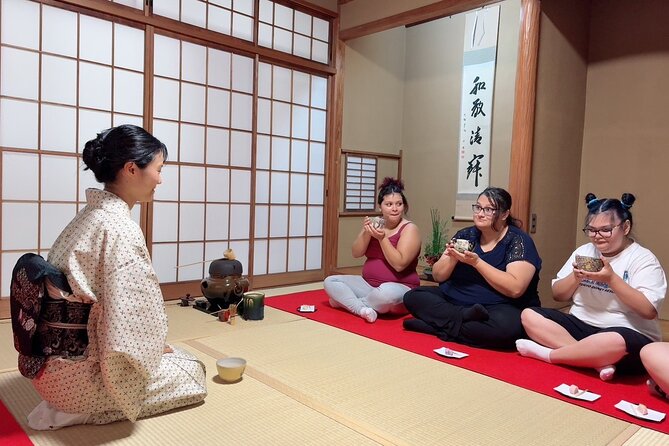
This experience fits especially well if you want:
- a break from crowded sightseeing in central Tokyo
- a cultural activity that feels calm and respectful, not rushed
- hands-on participation, not just watching
- a skill you can recreate later, at least in method if not perfect setting
It is also a good fit if you enjoy food pairings. Matcha plus nerikiri gives you something tangible to taste, and it helps you understand why tea ceremonies often feel like a small meal for the senses.
Who might consider something else? If you are looking for a long, slow multi-course tea journey, this is shorter and more focused. At 50 minutes, it is a strong introduction and practice session, but not a full day dedicated entirely to tea.
If you have a tight schedule, though, it is a rare activity that uses time well.
What you can learn and repeat at home, without overthinking it
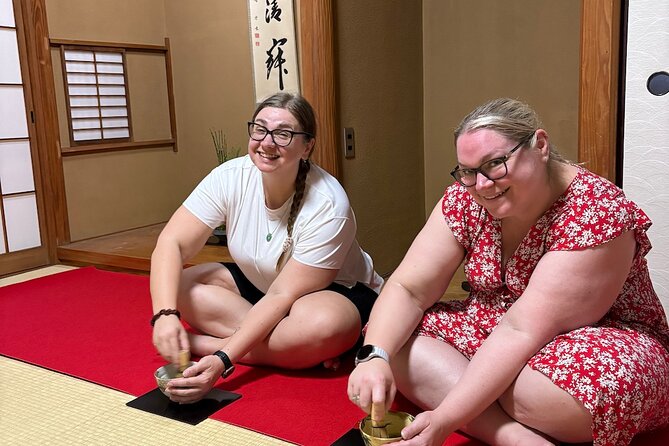
The best souvenirs are often habits. This ceremony gives you techniques you can recreate, not just photos.
Here is what tends to stick for people:
- you learn the logic of the steps, because you watch and then do
- you see matcha as a product with a production process, not just an ingredient
- you connect taste to ritual pacing, especially when you pair it with nerikiri
You also get a sense of what to pay attention to when you whisk. Even if your home setup is simpler, you will remember the sequence the instructor guides you through. That is the difference between drinking matcha and learning to make it thoughtfully.
And because the tea master leads you, you can ask questions when there is a natural pause. One thing I appreciate about good ceremony teaching is politeness and clarity, and the hosts here are described as friendly and warm, with instruction that keeps things calm.
Some sessions may be led by instructors including Mai, and the vibe stays welcoming and respectful.
Should you book this Shibuya authentic tea ceremony?
If you want a meaningful Tokyo cultural moment without spending the whole day on it, this is an easy yes.
Book it if you like small-group experiences, want hands-on matcha making, and would enjoy tasting nerikiri with your tea in a peaceful setting near Shibuya. The combination of a stone-mill introduction, a traditional ritual performance, and a chance to whisk your own bowl is exactly the kind of value you look for when you only have limited time.
Skip it only if you are already committed to a longer tea experience elsewhere, or if you prefer pure sightseeing over any structured cultural activity. Otherwise, this one gives you the kind of calm, practical learning that makes Tokyo feel human.
FAQ
How long is the Shibuya authentic tea ceremony?
It lasts about 50 minutes.
What is the group size?
The experience has a maximum of 8 travelers.
What happens first during the ceremony?
You learn about the history of tea in Japan and you also see how matcha is made using a traditional stone mill.
Do I get to make my own matcha?
Yes. At the end, you can make your own bowl of matcha using traditional tools, and you can choose a chawan from a variety of bowls.
Is food included?
Yes. You taste freshly prepared matcha along with Japanese sweets called nerikiri.
Where does it start and where does it end?
It starts at the meeting point in Shibuya, Dōgenzaka (listed as Tokyo, Shibuya, Dōgenzaka, 1-chōme15 万字ビル) and ends back at the same meeting point.
Can I cancel for a full refund?
Yes. You can cancel for a full refund up to 24 hours in advance of the experience start time. After that, the amount paid is not refunded.
Kyoto by the Bowl


West Tokyo on Foot: Seven More



Newest Tokyo write-ups from the Loving Japan desk


Kyoto Tea Ceremonies and Matcha, side by side.
 ★ 4.9Tea Ceremony in a Traditional Tea House in KiyomizuFrom $493,519 reviews
 ★ 4.9Tea Ceremony Ju-An at Jotokuji TempleFrom $293,207 reviews
 ★ 4.345-Minute Tea Ceremony Lesson ExperienceFrom $222,378 reviews
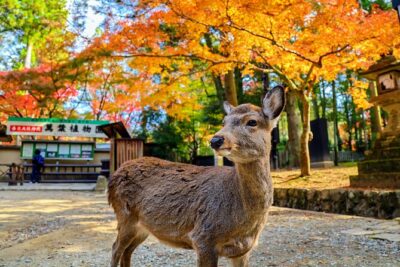 ★ 5.0World Heritage Kyoto & Nara Uji Authentic Matcha ExperienceFrom $1291,573 reviews
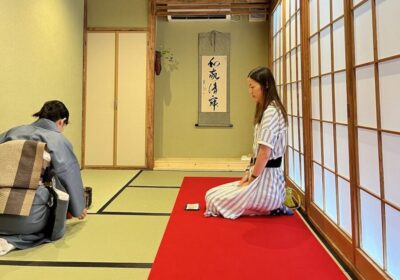 ★ 4.9Tea Ceremony ExperienceFrom $251,426 reviews
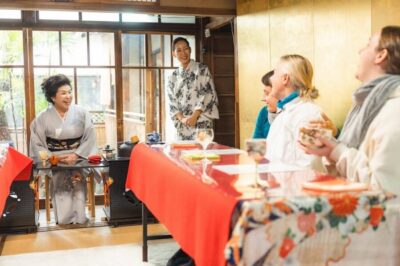 ★ 4.9Table-Style Tea Ceremony at a Kyo-MachiyaFrom $451,211 reviews
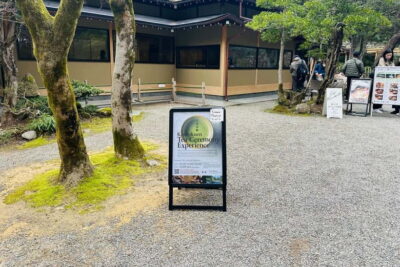 ★ 4.8Kenrokuen Tea Ceremony ExperienceFrom $351,139 reviews
 ★ 5.0Kimono Tea Ceremony at Kyoto Maikoya, NISHIKIFrom $65911 reviews
Filed on these lists too