
REVIEW · KYOTO TEA CEREMONIES AND MATCHA
Tea Ceremony Experience in a Private Tea Room in Shibuya
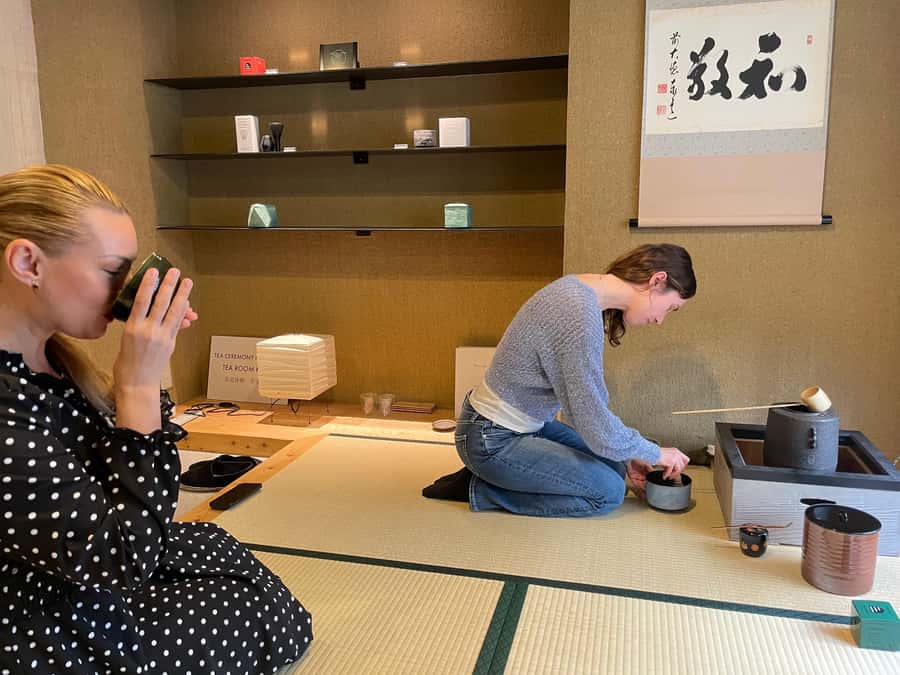
Matcha time in the middle of Shibuya. This private tea room experience pairs a traditional ceremony with rare high-grade organic matcha, taught by a host with deep tea-farm roots. One thing to plan for, there is no toilet in the tea room.
I like that it starts right in Tokyo’s action, yet you step into a calm, respectful space where the details matter, even the way you handle each tool. You’ll meet near Shibuya Station, with English and Japanese support, then learn history, watch a formal preparation, and make your own matcha to take home in taste if not in whisking skills.
In This Review
- Key highlights at Tea Room KAKOI
- Stepping out of Shibuya, into Tea Room KAKOI
- Getting there from Shibuya Station, and finding your host fast
- EAST GREEN MATCHA organic matcha, and why 2% matters
- The ceremony flow, from wagashi sweets to formal whisking
- Your own matcha-making session, and the skills you actually keep
- The private tea room vibe in an apartment setting
- Photos, questions, and how the host sets the tone
- Price and value: what $30 gets you in Shibuya
- Who this is for, and who should skip it
- Souvenir matcha and tea tools you can take home
- Should you book Tea Room KAKOI in Shibuya?
- FAQ
- Where do we meet for Tea Room KAKOI?
- How far is it from Shibuya Station?
- What languages are available during the experience?
- Is there a toilet in the tea room?
- Is the tea ceremony suitable for children or pregnant women?
- Does matcha contain caffeine?
Key highlights at Tea Room KAKOI
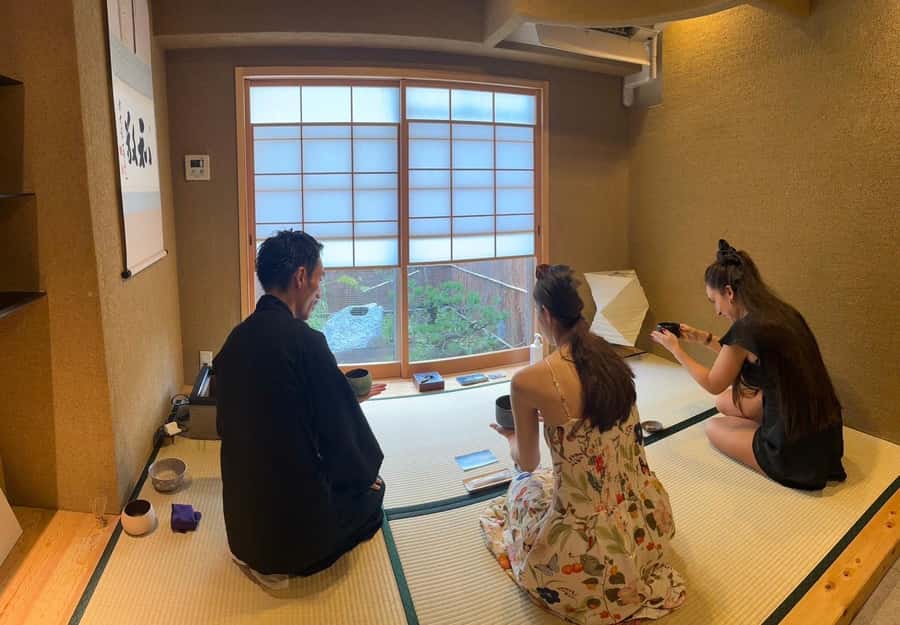
- 8-minute walk from Shibuya Station, easy to add to a Shibuya day
- EAST GREEN MATCHA organic matcha, described as coming from only 2% of Japan harvest
- 200-year-old wagashi-style sweets served alongside ceremonial matcha
- Step-by-step matcha making, including how to whisk and how to drink properly
- No toilet in the tea room, so plan your timing before you arrive
- Optional purchases of matcha and traditional tea tools after the ceremony
Other routes through the west side of Tokyo, compared
- Tokyo: Shinjuku Food Tour (13 Dishes at 4 Local Eateries)
★ 5.0 · 6,603 reviews - Tokyo Bar Hopping Tour in Shinjuku (All-You-Can-Drink + Dinner)
★ 5.0 · 3,587 reviews - Official Street Go-Kart in Shibuya
★ 5.0 · 3,435 reviews - Tokyo: Shinjuku Food Tour (15 Dishes and 4 Eateries)
★ 4.9 · 2,033 reviews
Stepping out of Shibuya, into Tea Room KAKOI
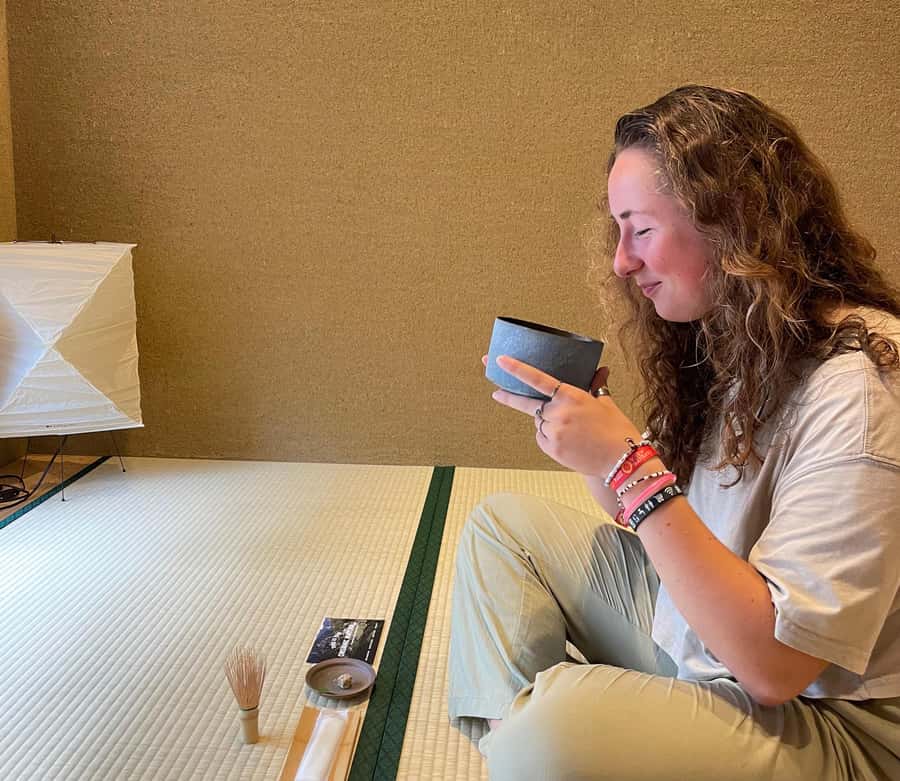
Shibuya is loud, bright, and full of motion. That is exactly why this tea ceremony feels so good. After you find the meeting spot near the OneFive Tokyo Shibuya hotel, you walk into a small, private setting called Tea Room KAKOI. The vibe is the opposite of street-level Tokyo. Think quiet attention, slow movements, and a focus on craft.
What I like most is that this is not just a performance. You are guided into the rituals, from how the utensils are treated to the pace of each step. People often treat tea like a caffeine stop. Here, you learn why the ceremony is built around respect and timing, not speed.
Getting there from Shibuya Station, and finding your host fast
Convenience matters, especially in Tokyo where you do not want to spend your good mood searching for a door. This experience is about an 8-minute walk from Shibuya Station, and the meeting point is the front of The OneFive Tokyo Shibuya hotel (1-8-11 Jinnan, Shibuya-ku, Tokyo 150-0041).
The host meets you at the entrance holding a sign that reads TEA ROOM KAKOI. That makes it simpler than vague meeting-point descriptions. You are not relying on luck, you’re looking for a clear marker.
Also note the practical bits that can affect your day:
- No toilet is available in the tea room, so use facilities before you go in.
- Matcha has caffeine, so you may feel more awake afterward than you expect.
EAST GREEN MATCHA organic matcha, and why 2% matters
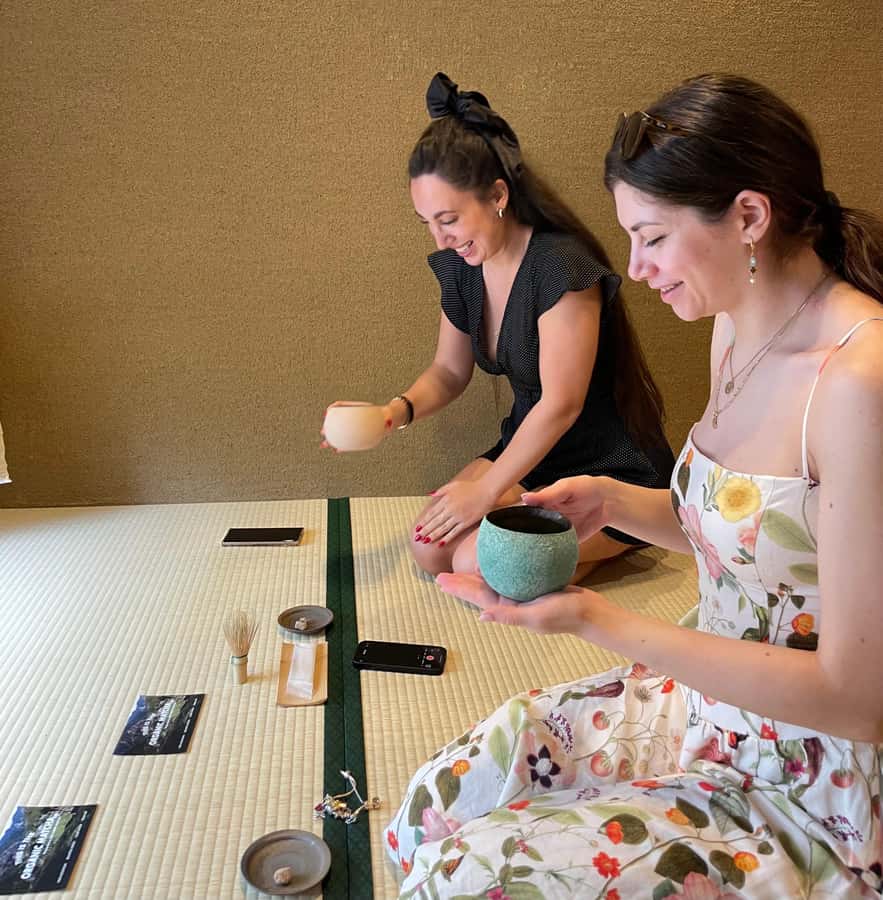
The star here is the matcha. You will be served premium organic matcha from EAST GREEN MATCHA, a brand described as coming from only 2% of the harvest in Japan. That wording is part of the value story. It points to a tighter supply of the highest-grade leaves, the kind used for ceremonial preparation.
Even if you are not a matcha nerd, you can still taste the difference in texture and flavor. High-grade matcha is meant to be whisked into a frothy surface, then sipped with a balanced feel. You are not just drinking green powder water. You are tasting a carefully processed leaf.
The host also explains:
- How matcha is produced
- How the Japanese tea ceremony developed over time
- How matcha became known beyond Japan
I like that the education is tied directly to what you are about to do, not just a random lecture while you wait for tea. You understand the why, then the steps make more sense.
Sit down somewhere quieter. Other tea rooms we booked
- Matcha Making Class in Tokyo with Authentic Japanese Sweets Set★ 5.0 · 744 reviews
- Tokyo: Traditional Tea Ceremony with a Tea Master★ 5.0 · 528 reviews
- Tokyo: Matcha Making Experience with Mochi Sweets in Asakusa★ 4.9 · 388 reviews
- Tokyo: Matcha and Kimono Experience★ 4.7 · 219 reviews
- Tea Ceremony Workshop in Tokyo by the Experienced Instrucor★ 5.0 · 189 reviews
The ceremony flow, from wagashi sweets to formal whisking
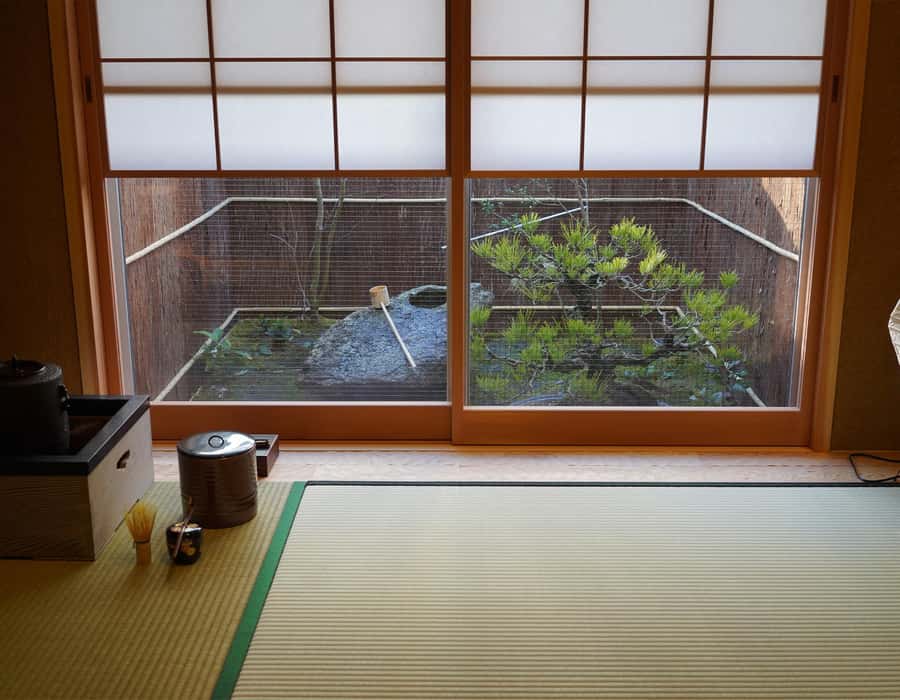
This tea ceremony is structured in a way that helps you stay calm and follow along. You start with an introduction to the tea ceremony and the history of matcha. Then you move into preparation.
Here is what you can expect, in order:
- Intro and background
The host talks about Japan’s tea ceremony traditions and how matcha fits in, including how the produce is made and why it became so celebrated.
- Formal matcha preparation
You watch the matcha being prepared in a traditional style, using the right tools and technique.
- Wagashi sweets with matcha
Traditional Japanese sweets are served, from a long-established wagashi shop with over 200 years of history. These sweets give you a gentle counterpoint to the matcha taste.
- You get to try the matcha properly
The host guides you on how to drink it, the ceremonial way, not just in a casual take-a-sip manner.
What makes this worth your time is the balance. You get culture and technique, but it is still a friendly, human experience. The room is quiet enough that you can actually hear the explanation and notice what changes when the matcha is whisked correctly.
Your own matcha-making session, and the skills you actually keep
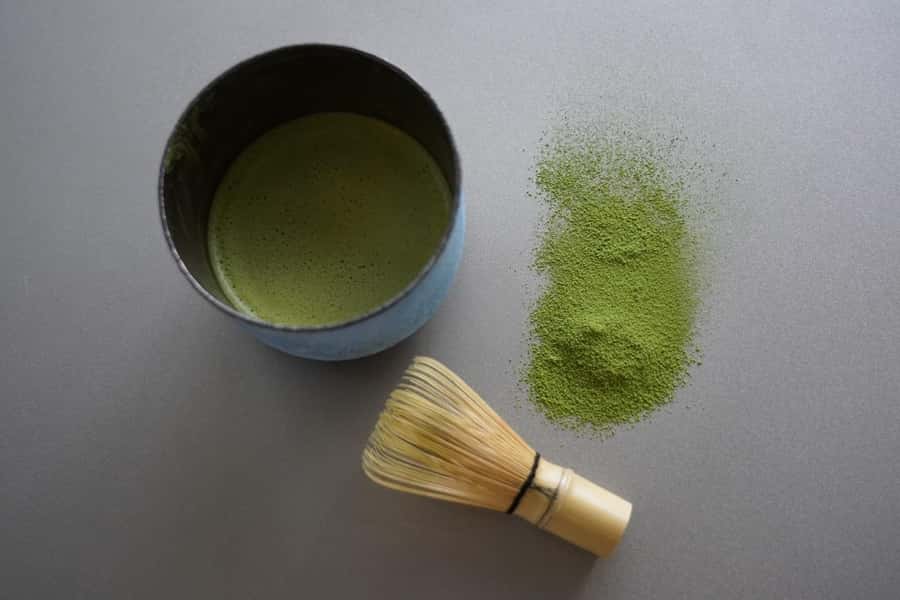
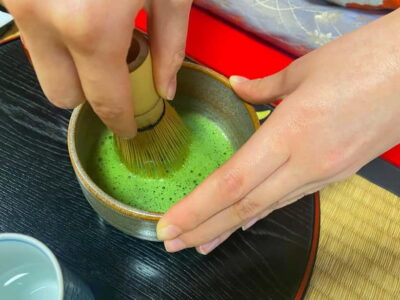
After watching a formal serve, you get to make your own matcha. The matcha-making session is guided, with the host explaining both the significance and the techniques.
Even with no prior tea training, you will likely focus on a few practical skills:
- Getting the whisking motion right so you see the proper foam
- Understanding why whisking technique affects mouthfeel and overall taste
- Learning the sequence, so it does not feel like random steps
From what I picked up, the host places value on respect for each object. That means you are not treating the tools like props. You learn what each item is for and how to handle it carefully.
If you are the type who likes to learn by doing, this part is the payoff. You leave with more than a drink. You leave with a small chunk of craft.
The private tea room vibe in an apartment setting
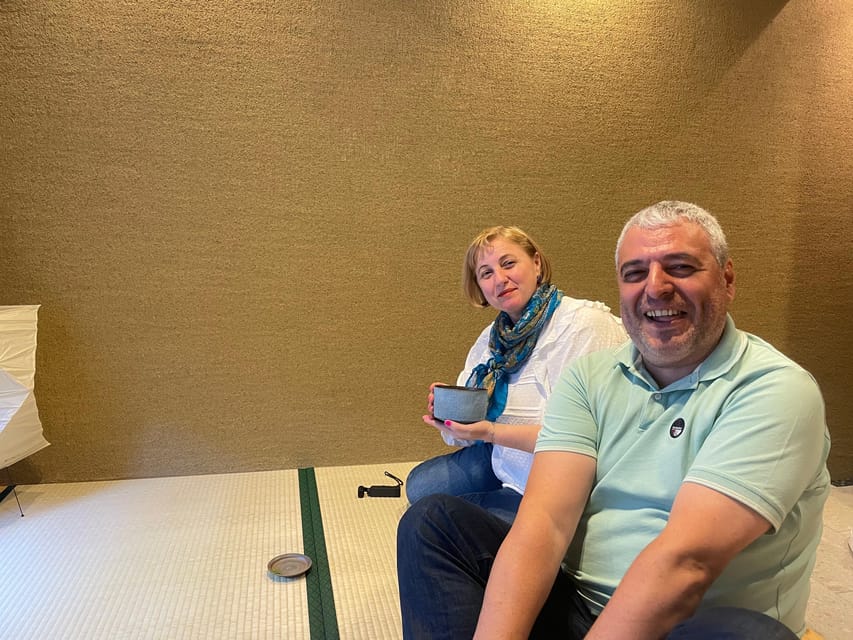
Tea Room KAKOI may sound like a standalone shop, but the experience is described as taking place in a calm private tea room that sits within an apartment complex context. That can be surprising at first glance. In Shibuya, many small experiences are tucked into normal buildings, and this one fits that pattern.
The good news is that once you enter, the setting is genuinely quiet. Reviews often mention the room as beautiful and peaceful, and the key theme is simple: the atmosphere helps you slow down.
If you care about getting away from the crowds without leaving central Tokyo, this format does that well. It is not a big group tour. It feels closer to a private class, and the host has time for questions.
Photos, questions, and how the host sets the tone
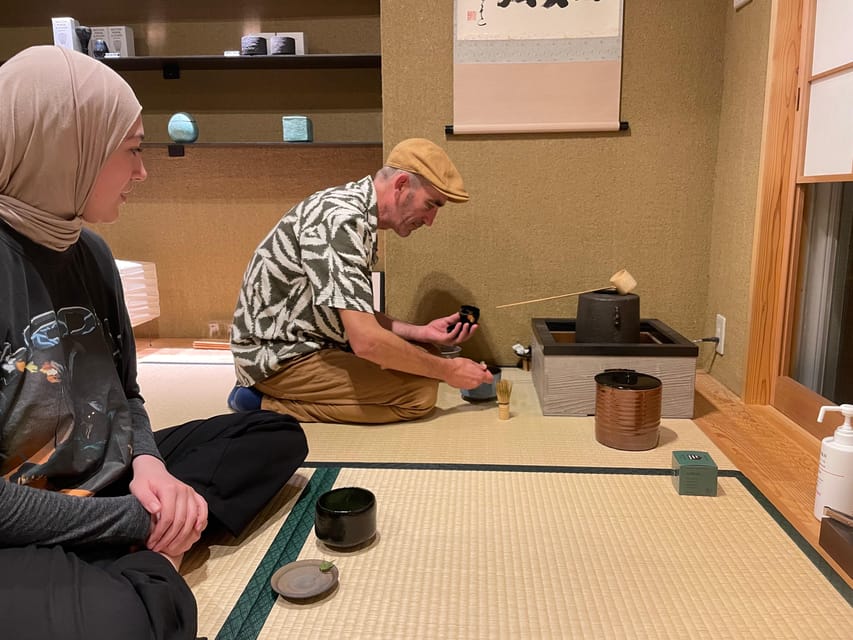
At the end of the activity, you get free time to ask questions about the tea ceremony and matcha. If you want to go further, you can also buy high-quality organic matcha and original tea tools as souvenirs.
I appreciate this structure because it lets you learn in two speeds:
- First, you follow the ceremony steps at a comfortable pace.
- Later, you ask the questions you actually care about, like what makes ceremonial matcha different, or what to look for if you buy matcha to use at home.
You may also be encouraged to take photos and videos, since people often want to capture the calm room and the tools. Just keep it respectful. This experience is about the ritual, not loud filming.
Price and value: what $30 gets you in Shibuya
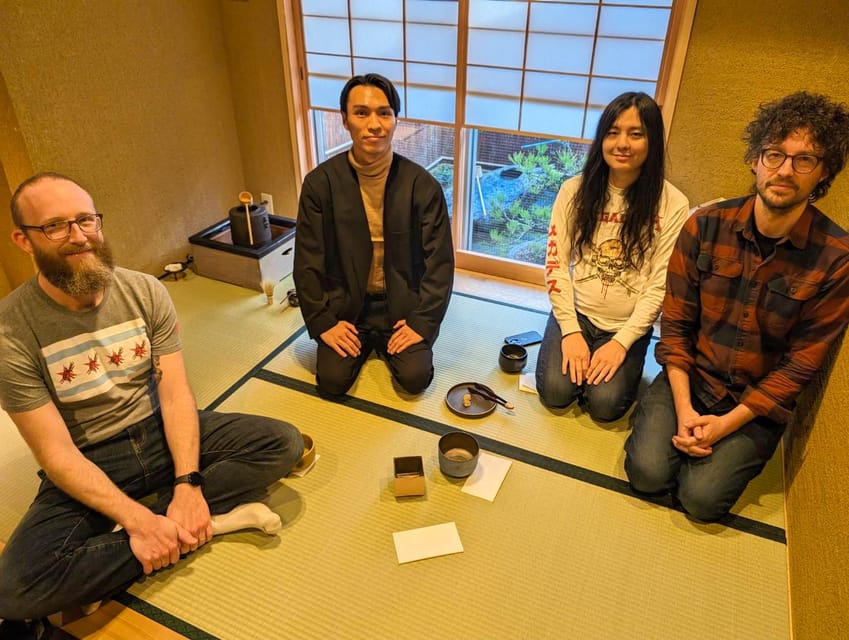
Let’s talk value. $30 per person is not a budget snack, but it is also not priced like a rare museum ticket. You are paying for several things at once:
- Premium ceremonial-grade matcha (from EAST GREEN MATCHA, described as sourced from only 2% of harvest)
- Traditional sweets (wagashi from a shop with over 200 years history)
- A hosted explanation of matcha production and ceremony history
- A formal tea preparation demonstration
- A hands-on matcha-making session guided by the host
- Everything you need for the experience is included
So the cost is really for an instructor-led, small-format cultural class with consumables. If your day in Shibuya is already packed, this can be a smart move because it adds depth without eating an entire afternoon.
The only cost that is easy to overlook is time and energy. Matcha has caffeine, so you may feel more alert after, but if you are sensitive, plan accordingly. And because there is no toilet in the tea room, you should do the quick bathroom check before you start, not while you are already inside.
Who this is for, and who should skip it
This tea ceremony experience is best for adults and older kids, especially if you enjoy small cultural activities with hands-on elements.
It is not suitable for:
- Children under 10 years
- Pregnant women
- Babies under 1 year
Pets are not allowed, but assistance dogs are allowed.
If you fall into these groups, it is better to choose a different activity. The setting is a private tea room with specific rules, and the focus is calm and respectful rather than flexible.
Who tends to love this most:
- You like learning by watching, then doing
- You want a break from busy Shibuya without leaving central Tokyo
- You enjoy matcha and want to understand what makes ceremonial grade different
- You want a guided intro to Japanese tea ceremony culture, without the pressure of getting everything perfect
Souvenir matcha and tea tools you can take home
One of the nicest touches is that you can purchase high-quality organic matcha and original tea tools after the experience, if you want. This matters because the main learning is practical. If you liked the taste and the method, buying the right matcha and whisk tools can help you recreate the result at home.
Just remember that matcha is not a one-size-fits-all product. Ceremonial matcha is made for whisking and sipping. If you buy matcha to cook, the experience will feel different. Your host’s guidance should help you choose what matches your goal.
Should you book Tea Room KAKOI in Shibuya?
Book it if you want a calm, guided Japanese tea ceremony in Shibuya with premium EAST GREEN MATCHA and a hands-on matcha-making session. The best reason is the combination: education plus technique plus tasting, all in a small private space close to Shibuya Station.
Skip it if you need a toilet on site, if you do not want caffeine, or if you fall under the listed age or pregnancy limits. Also skip if you hate quiet, structured activities where you pay attention to small details.
If you can handle a few practical constraints, this is a high-value cultural reset that fits neatly into a Shibuya day.
FAQ
Where do we meet for Tea Room KAKOI?
Meet at the front of The OneFive Tokyo Shibuya hotel, 1-8-11 Jinnan, Shibuya-ku, Tokyo 150-0041. The guide holds a sign board that says TEA ROOM KAKOI.
How far is it from Shibuya Station?
It is about an 8-minute walk from Shibuya Station.
What languages are available during the experience?
The experience is offered in English and Japanese.
Is there a toilet in the tea room?
No, there is no toilet in the tea room.
Is the tea ceremony suitable for children or pregnant women?
It is not suitable for children under 10 years, pregnant women, or babies under 1 year.
Does matcha contain caffeine?
Yes. Matcha contains caffeine.
Kyoto by the Bowl


West Tokyo on Foot: Seven More



Newest Tokyo write-ups from the Loving Japan desk


Kyoto Tea Ceremonies and Matcha, side by side.
 ★ 4.9Tea Ceremony in a Traditional Tea House in KiyomizuFrom $493,519 reviews
 ★ 4.9Tea Ceremony Ju-An at Jotokuji TempleFrom $293,207 reviews
 ★ 4.345-Minute Tea Ceremony Lesson ExperienceFrom $222,378 reviews
 ★ 5.0World Heritage Kyoto & Nara Uji Authentic Matcha ExperienceFrom $1291,573 reviews
 ★ 4.9Tea Ceremony ExperienceFrom $251,426 reviews
 ★ 4.9Table-Style Tea Ceremony at a Kyo-MachiyaFrom $451,211 reviews
 ★ 4.8Kenrokuen Tea Ceremony ExperienceFrom $351,139 reviews
 ★ 5.0Kimono Tea Ceremony at Kyoto Maikoya, NISHIKIFrom $65911 reviews
Filed on these lists too