
REVIEW · KYOTO TEA CEREMONIES AND MATCHA
Tea ceremony experience in Japanese-style room 60min
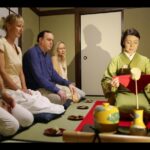
A quiet room, a bowl of matcha, and time slows down fast. At Wasako in Asakusa, you get a hands-on Japanese tea ceremony that is both photo-friendly and genuinely instructive. The setting is special too, since it’s in a building recognized as a registered tangible cultural property.
I especially love the choice part. You pick your tea sweets and your matcha bowl, and each bowl’s design is explained so you feel like you’re using something with meaning, not just a prop. I also like how much you actually do, not just watch, since you’ll learn the steps and brew your own matcha.
One possible consideration: the session is structured and focused, so if you’re expecting a super long lecture, you may feel the explanations are more practical than extensive. Still, it’s a small-group format, so you can ask questions when you want.
In This Review
- Key things you will notice right away
- Wasako inside Charyo-Ichimatsu, and why the room matters
- Getting there near Tawaramachi or Asakusa (and the first rules)
- The sweet and bowl choices that make it feel personal
- Watching the demonstration, with real context behind the tools
- Brewing your own matcha: where the experience becomes yours
- Etiquette, tatami comfort, and the photo plan that actually works
- Price and value: is $45 per person worth it?
- Who this is best for (and who should think twice)
- Should you book Wasako tea ceremony?
- FAQ
- What is the meeting point for the tea ceremony?
- What time slots are available?
- How many people are in the group?
- What does the experience include?
- What do I need to bring?
- Are shoes allowed indoors?
- What languages will the instructor use?
- Is it suitable for children or wheelchair users?
- What is the cancellation policy?
Key things you will notice right away
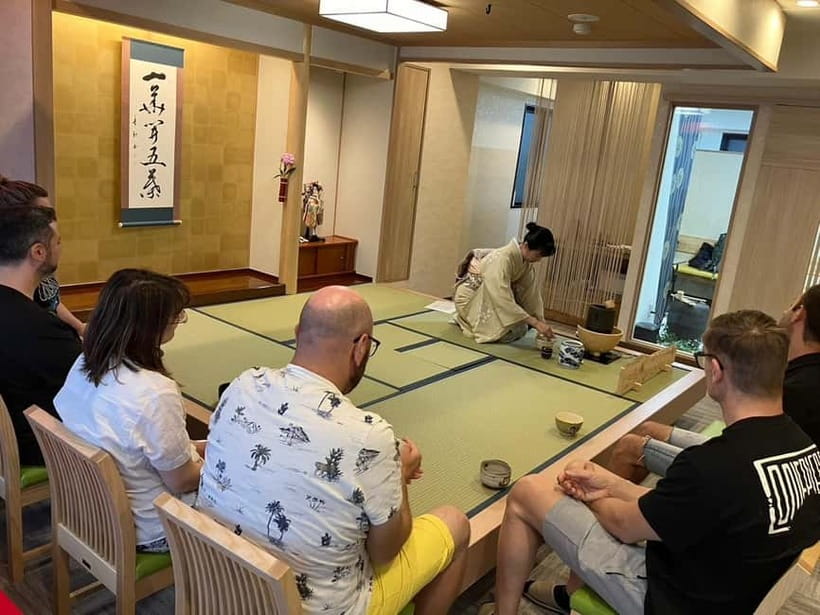
- A small group, up to 7 people, so the atmosphere stays calm and personal
- Pick your sweets and matcha bowl, then learn what makes each bowl special
- You watch the demonstration, then copy the motions and make your own matcha
- Explanations in English and Japanese, including meaning behind tools and decor
- Lots of photo moments, plus staff help with pictures during the ceremony
Sit down somewhere quieter. Other tea rooms we booked
- Matcha Making Class in Tokyo with Authentic Japanese Sweets Set
★ 5.0 · 744 reviews - Tokyo: Traditional Tea Ceremony with a Tea Master
★ 5.0 · 528 reviews - Tokyo: Matcha Making Experience with Mochi Sweets in Asakusa
★ 4.9 · 388 reviews - Tokyo: Matcha and Kimono Experience
★ 4.7 · 219 reviews
Wasako inside Charyo-Ichimatsu, and why the room matters
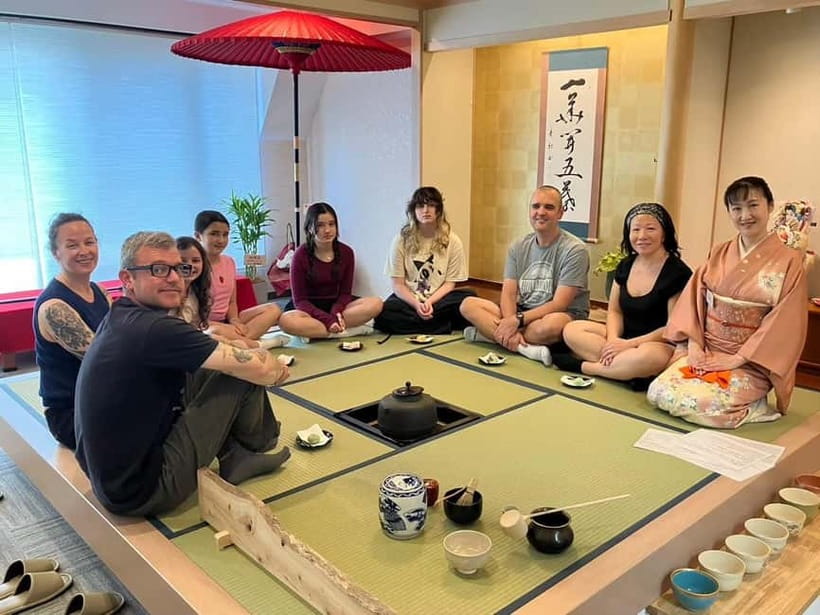
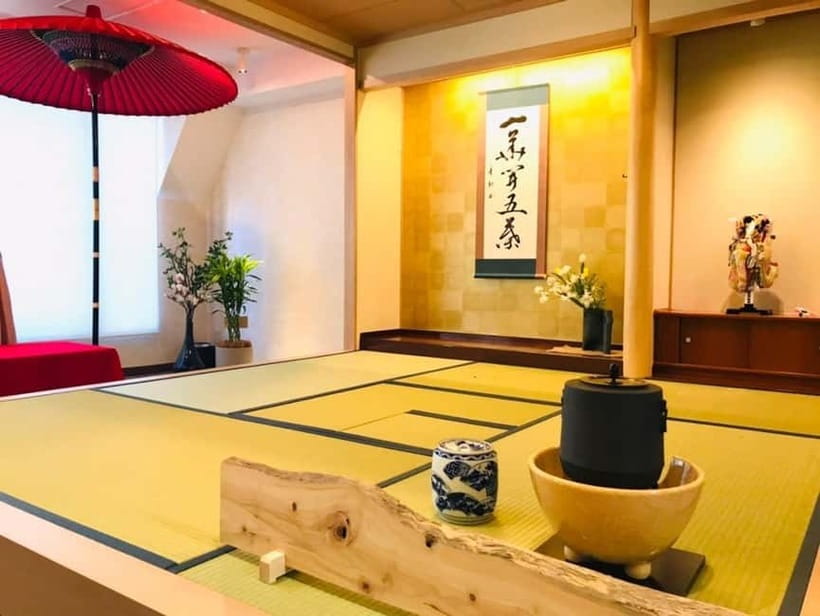
This tea ceremony happens in a Japanese-style room at Wasako, located inside the Charyo-Ichimatsu restaurant. That matters more than it sounds, because tea in Japan is designed to slow you down. When the ceremony is staged in an authentic tatami space, it changes the way you pay attention, even before the matcha hits the table.
The building is also designated as a registered tangible cultural property. Translation: you’ll find plenty of photo-worthy corners, and the overall look feels “real” rather than themed. Reviews consistently point to the attention to detail in the room and the staff support, and you can see why. The utensils, hanging elements, and set-up are treated like part of the experience, not background decoration.
For me, the setting is the first value-add. You’re not just buying tea, you’re stepping into a cultural moment where the environment and etiquette are part of the lesson.
Getting there near Tawaramachi or Asakusa (and the first rules)
You’ll meet about a 5-minute walk from Tawaramachi Station (Tokyo Metro Ginza Line, Exit 3) or about a 10-minute walk from Asakusa Station (Toei Asakusa Line, Exit A4). If you’re walking from Asakusa, you’ll want to give yourself a few extra minutes because the local signage and building entrances can be a little confusing in practice.
Here are the rules that will save you stress on arrival:
- Shoes are not allowed indoors.
- Bring socks for sitting on tatami.
- If you forget, socks are sold for 500 yen.
Once you’re inside, you’ll enter the Japanese-style room and get oriented before the ceremony begins. There are four start times you can choose from: 10:00, 11:30, 13:30, and 15:00. The overall experience is listed as 45 minutes to 4 hours, so check your exact time slot when you book. In other words, plan your day with a little cushion, especially if you’re pairing this with other Asakusa stops.
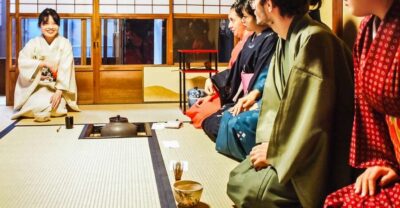
Also, this is a small group limited to 7 participants. That size is part of why the tea ceremony feels relaxed rather than rushed. You’ll have time to watch carefully and still get hands-on guidance.
The sweet and bowl choices that make it feel personal
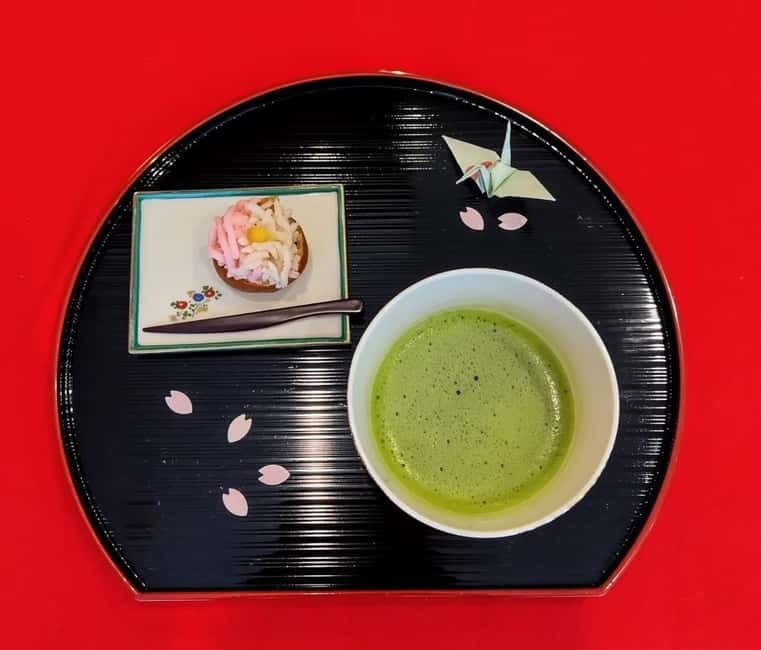
A tea ceremony sounds formal, but your experience starts with choices that make it feel personal. Before the matcha making begins, you select the tea sweets and the matcha bowl you will use.
This is one of the most enjoyable parts because it turns you from spectator into participant. Each matcha bowl has a unique design, and the staff explain the bowl individually. That means when you lift it, you’re not just doing a step from a script. You’re handling an object with a story, even if that story is brief and practical.
The sweets you choose also change the rhythm. You’ll enjoy the sweets during the demonstration, paired with the matcha. That combination helps you slow down and taste instead of just taking photos.
If you care about aesthetics, this is a win. The bowls and utensils are visually gorgeous, and the setting gives you enough light and angles to take pictures without feeling like you’re in a stadium. If you care about etiquette, it’s also a win, because the staff will guide you through what matters, like how you handle items and when you take bites or sips.
- Mt Fuji and Hakone 1-Day Bus Tour Return by Bullet Train★ 5.0 · 26,383 reviews
- 1-Day Tokyo Bus Tour★ 5.0 · 14,250 reviews
- Tokyo: teamLab Planets TOKYO Digital Art Museum Entry Ticket★ 4.6 · 9,779 reviews
- Mt Fuji & Hakone Cruise, Drum Show Bullet Train 1 Day from Tokyo★ 4.0 · 7,413 reviews
- Tokyo: Shinjuku Food Tour (13 Dishes at 4 Local Eateries)★ 5.0 · 6,603 reviews
Watching the demonstration, with real context behind the tools
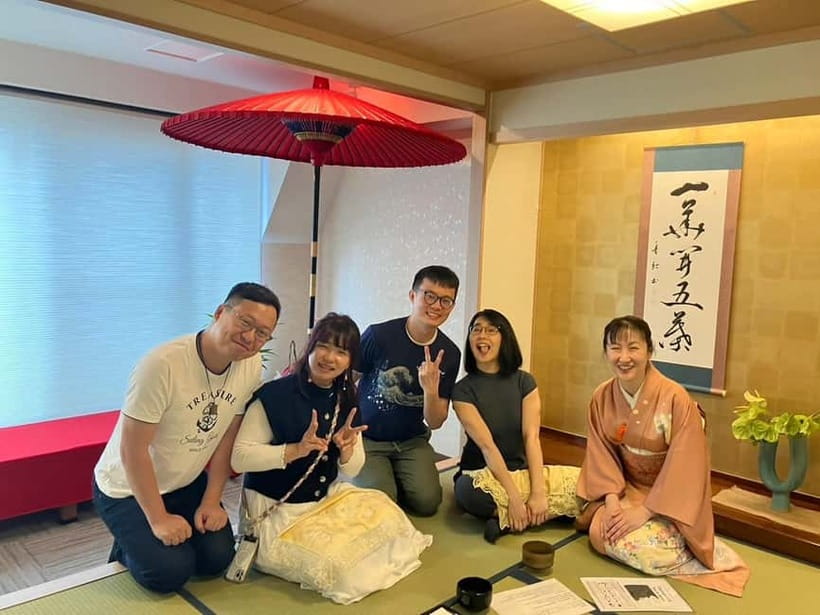
After you choose your sweets and bowl, you’ll watch a tea ceremony demonstration. While you watch, you can enjoy the sweets and drink the matcha served during this part.
You’ll also get explanations as needed about:
- hanging scrolls
- furnishings in the room
- the history of the tea ceremony
- the meaning behind the tools and the flow of the steps
This is not just performance. The staff help you understand what you’re looking at so your attention has somewhere to land. If you’ve ever felt like Japanese cultural experiences are all “pretty but confusing,” this part helps close that gap.
One extra practical detail: you are likely to be encouraged to ask questions, especially because the group is small. In my view, that’s the sweet spot. You don’t need a textbook, but you do want enough context to make the motions make sense.
Brewing your own matcha: where the experience becomes yours
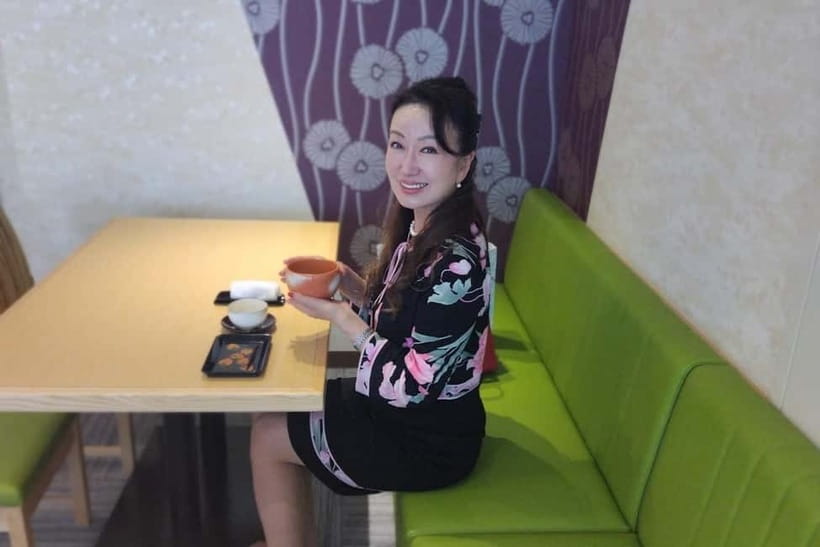
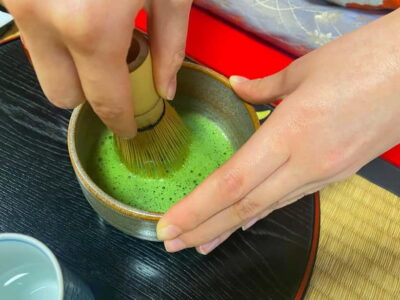
The moment you move from watching to doing is the reason this works for most people. You’ll learn how to prepare matcha and you’ll get the chance to brew it yourself.
Expect guided instruction. You won’t be left alone with a whisk and a hope-and-pray attitude. The staff explain the steps, and you follow along at your pace, with enough attention to correct your technique when needed.
Why this part is high value:
- You learn the sequence, not just the idea of matcha.
- You get muscle memory for how the whisking and serving work.
- You taste what your effort produces, which makes the whole thing stick.
And yes, the tea is part of the experience. The matcha you make is served to you in the context of the ceremony, paired with the chosen sweets. That’s different from buying a drink and moving on. Here, you’re learning the ritual through the senses.
If you’re a tea person, you’ll probably notice the texture and the way matcha changes when it’s prepared properly. If you’re not, you’ll still notice the calm, because the ceremony is designed around patience.
Etiquette, tatami comfort, and the photo plan that actually works
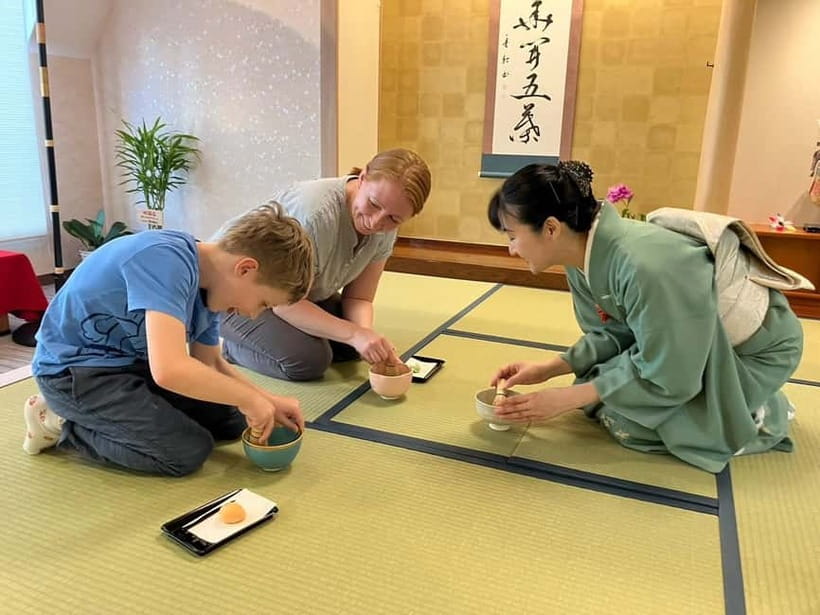
Let’s talk practical etiquette, because it impacts your comfort level. You’ll be sitting on tatami, and that’s why socks matter. If your feet get cold or you feel awkward adjusting, it’s harder to relax. Bring your socks and you’ll be able to focus on the ceremony instead of your discomfort.
Shoes are not allowed indoors. That one rule alone is easy, but it’s important to respect it right away so you don’t feel flustered when you’re guided to the room.
On the photo side, you’ll have a strong visual payoff. The experience includes take lots of pictures, and multiple participants mention that the staff actively help with photos during the ceremony. That’s useful because tea ceremonies often happen at specific moments, and you don’t want to miss the best angles while you’re fumbling for your camera.
Quick tip: if you want video or close-up shots, do it at the moments the staff indicate. The ceremony is paced, so stepping out of rhythm for a perfect shot can feel awkward in a quiet room.
Price and value: is $45 per person worth it?
The price is $45 per person. For Tokyo, that’s not “cheap,” but it also isn’t only a drink-and-a-photo. Your session includes tea sweets, matcha green tea, watching the demonstration, and making your own matcha. Add in the small-group size and the fact that you’re learning hands-on steps in a traditional room, and you’re not paying just for the vibe.
Where the value is strongest:
- You get both viewing and participation, not just one.
- You choose your bowl and sweets, so it feels tailored.
- The setting is tied to a culturally recognized building.
- You get explanations about tools and decor, and you can ask questions.
Where one person’s experience may vary: one account noted the session felt shorter or the level of information didn’t match the price for their family. That tells me the ceremony is best for people who value a structured, practical experience over a long, classroom-style talk.
So here’s my take: if you want to learn a skill you can actually repeat at home, this is solid value. If you only want a quick taste and don’t care about learning the steps, you might feel underwhelmed.
Who this is best for (and who should think twice)
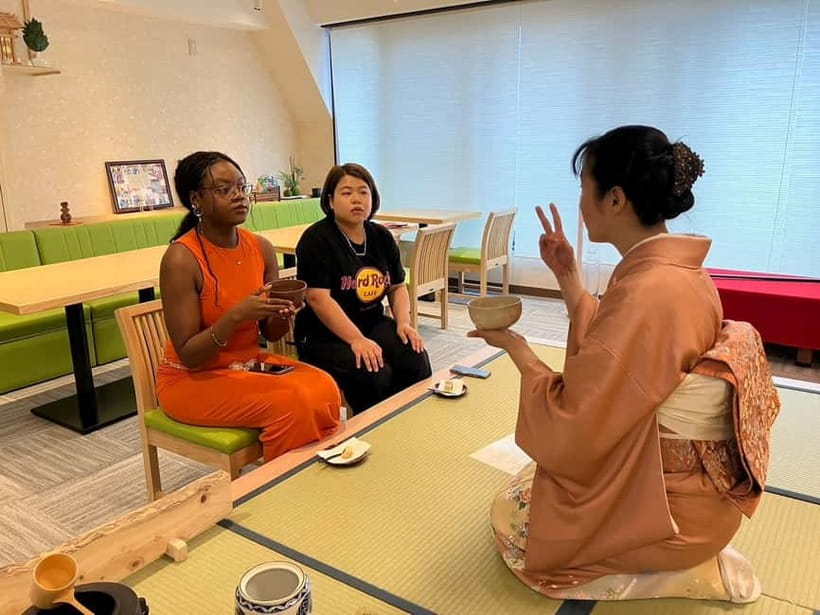
This tea ceremony experience suits you if you:
- want a calm cultural break in Asakusa
- like hands-on activities
- enjoy photography but also want it to make sense
- want a guided explanation of tea tools and etiquette
- prefer small group attention, not a crowd
It’s less ideal if you:
- need wheelchair access, since it is not suitable for wheelchair users
- are traveling with children under 6 years, since it is not suitable for that age group
- expect a long deep-dive lecture, since the format is structured and time-efficient
I also think it’s a great choice for mixed groups, like a couple where one person wants culture and the other just wants a pretty, peaceful activity. Matcha and sweets work for both.
Should you book Wasako tea ceremony?
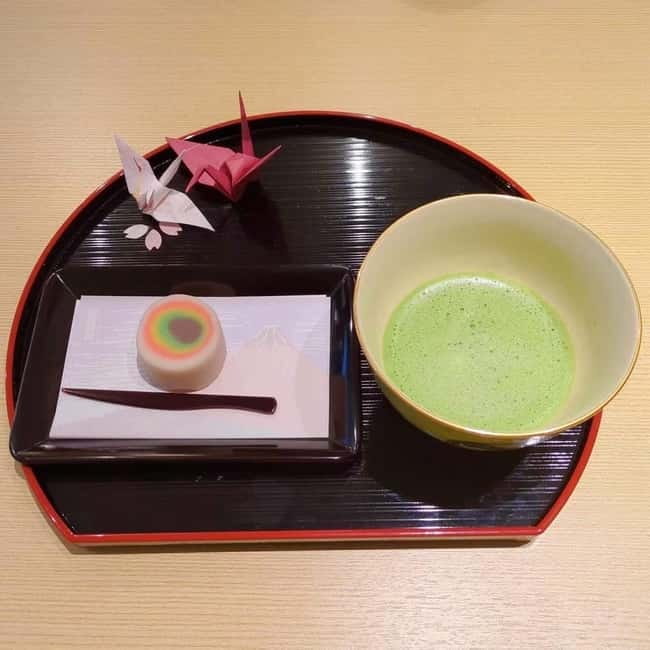
I’d book it if you want a real tea ceremony, not a generic cultural show. The combination of small-group setting, bowl and sweets choice, demonstration plus hands-on matcha making, and staff help with photos hits the right balance.
One decision point for you: make sure you’re comfortable following basic room rules (no shoes, bring socks). If you can do that and you’re excited to whisk matcha yourself, this is the kind of experience that becomes a memorable story, not just a stop on a busy Tokyo day.
If that sounds like your style, reserve your start time and go enjoy the quiet.
FAQ
What is the meeting point for the tea ceremony?
The meeting point is about a 5-minute walk from Tawaramachi Station (Exit 3, Tokyo Metro Ginza Line) or about a 10-minute walk from Asakusa Station (Exit A4, Toei Asakusa Line).
What time slots are available?
There are four start times: 10:00, 11:30, 13:30, and 15:00.
How many people are in the group?
This is a small group limited to 7 participants.
What does the experience include?
It includes tea sweets, matcha green tea, watching the demonstration, making your own matcha tea, and time for photos.
What do I need to bring?
Bring socks for sitting on tatami.
Are shoes allowed indoors?
No. Shoes are not allowed indoors.
What languages will the instructor use?
The instructor offers English and Japanese.
Is it suitable for children or wheelchair users?
It is not suitable for children under 6 years and not suitable for wheelchair users.
What is the cancellation policy?
Free cancellation is available up to 24 hours in advance for a full refund. A 50% cancellation fee applies for cancellations made the day before, and 100% applies on the day of the event.
Kyoto by the Bowl


Newest Tokyo write-ups from the Loving Japan desk


Kyoto Tea Ceremonies and Matcha, side by side.
 ★ 4.9Tea Ceremony in a Traditional Tea House in KiyomizuFrom $493,519 reviews
 ★ 4.9Tea Ceremony Ju-An at Jotokuji TempleFrom $293,207 reviews
 ★ 4.345-Minute Tea Ceremony Lesson ExperienceFrom $222,378 reviews
 ★ 5.0World Heritage Kyoto & Nara Uji Authentic Matcha ExperienceFrom $1291,573 reviews
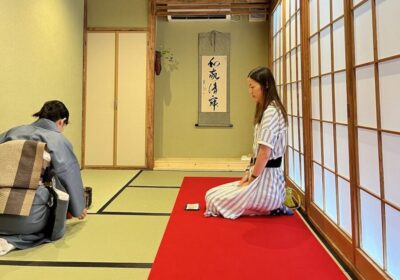 ★ 4.9Tea Ceremony ExperienceFrom $251,426 reviews
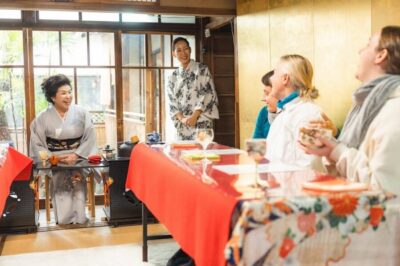 ★ 4.9Table-Style Tea Ceremony at a Kyo-MachiyaFrom $451,211 reviews
 ★ 4.8Kenrokuen Tea Ceremony ExperienceFrom $351,139 reviews
 ★ 5.0Kimono Tea Ceremony at Kyoto Maikoya, NISHIKIFrom $65911 reviews
Filed on these lists too