
REVIEW · KYOTO TEA CEREMONIES AND MATCHA
Tokyo: Casual Japanese Tea Ceremony Experience
Matcha in Asakusa, no stress. This relaxed Tokyo tea ceremony turns a famous ritual into an easy, guided experience, with hands-on matcha whisking and photo-friendly questions. I like how it helps you enjoy Japanese tea culture without worrying about a language barrier or accidentally breaking etiquette.
Best of all, the group stays small, so you get real attention while a host explains each move. The only catch: it is casual by design, so you will not get the full strict, formal feel of a traditional ceremony, and kimono rental is not included.
In This Review
- Key things to know before you go
- Why a casual tea ceremony in Asakusa is a smart first stop
- Getting to Tokyo Tourist Lounge Asakusa, 5F
- What the small-group setting changes
- The heart of it: whisking your own matcha
- Pairing matcha with Japanese sweets
- Understanding each step, not just copying the routine
- Etiquette without the intimidation factor
- Coffee and tea included, plus what you actually get for $25
- Who this tea ceremony is best for
- Tips to get the most out of your hour
- A practical reality check: what kind of tea experience this is
- Should you book this casual Japanese tea ceremony in Tokyo?
- FAQ
- How long is the tea ceremony experience?
- What is the price per person?
- What group size should I expect?
- Where does the experience start?
- Where does the experience end?
- What is included in the experience?
- Is kimono rental included?
- Can I take photos and ask questions?
- Do I need Japanese language skills?
- What is the cancellation policy?
Key things to know before you go
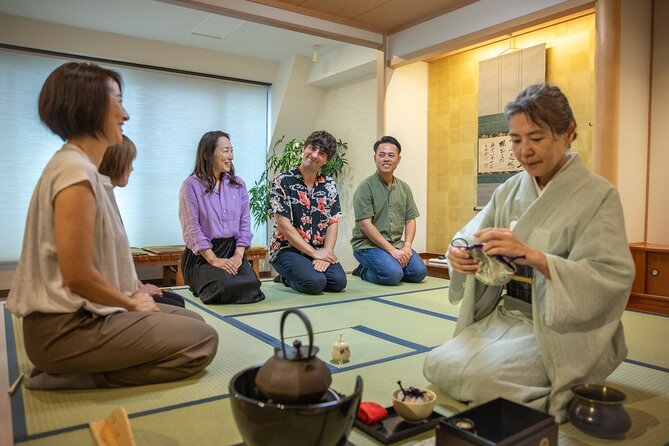
- Beginner-safe style: A relaxed lounge format that explains why each step matters
- Make your own matcha: You whisk a bowl, then taste it at your own pace
- Small group focus: Maximum of 8 people, so you can ask questions
- Sweets included: You pair matcha with authentic Japanese sweets
- Asakusa meeting point: Starts at Tokyo Tourist Lounge Asakusa, 5F, near public transport
Sit down somewhere quieter. Other tea rooms we booked
- Matcha Making Class in Tokyo with Authentic Japanese Sweets Set
★ 5.0 · 744 reviews - Tokyo: Traditional Tea Ceremony with a Tea Master
★ 5.0 · 528 reviews - Tokyo: Matcha Making Experience with Mochi Sweets in Asakusa
★ 4.9 · 388 reviews - Tokyo: Matcha and Kimono Experience
★ 4.7 · 219 reviews
Why a casual tea ceremony in Asakusa is a smart first stop
If you have ever felt intimidated by Japanese tea ceremonies, this is the fix. The classic version can feel very strict, with lots of rules and a pace that leaves visitors lost. This experience keeps the tradition, but softens the delivery so you can actually enjoy it.
I like that it is built for travelers. You are guided through the process in a way that lowers the odds of cultural faux pas, and you are actively encouraged to ask questions. In other words, you are not just watching, you are participating.
And you get a strong payoff for the time. It runs about 1 hour, so it fits easily into a day of sightseeing in Tokyo without turning into a half-day commitment. At $25 per person, the value comes from learning something hands-on, plus tasting sweets, rather than simply buying a ticket to observe.
Getting to Tokyo Tourist Lounge Asakusa, 5F
Your start point is Tokyo Tourist Lounge Asakusa, 5F, at 111-0034, 2丁目-18-15 雷門, 台東区, 東京都, Japan. It also ends back at the same meeting point, which makes the experience low-stress on the logistics side.
This matters more than it seems. Asakusa is popular, and it is easy to waste energy figuring out exactly where you are supposed to be. A clearly stated lounge meeting spot helps you arrive calm, which is a big deal when the theme is etiquette and attention.
You will also use a mobile ticket, so bring your phone and make sure you can access it. The activity is described as near public transportation, which is useful if your day already includes train hops and transfers.
What the small-group setting changes
This is capped at a maximum of 8 travelers, which is a big quality signal. In a group this size, you get enough time to ask questions, and the host can adjust explanations if you seem unsure. That is a better learning setup than a large crowd where you might only catch bits and pieces.
The atmosphere is intentionally relaxed. Instead of a highly formal space where you feel like you must stay perfectly silent, you are in a lounge-like environment where explanation is part of the experience. That relaxed mood helps beginners focus on the steps and the meaning, not on trying to remember rules.
Photos are also explicitly welcome. If you want to document the experience for later, you can usually do it without that awkward feeling of asking permission every five minutes. You should still be respectful and mindful, but the overall vibe is photo-friendly.
- Mt Fuji and Hakone 1-Day Bus Tour Return by Bullet Train★ 5.0 · 26,383 reviews
- 1-Day Tokyo Bus Tour★ 5.0 · 14,250 reviews
- Tokyo: teamLab Planets TOKYO Digital Art Museum Entry Ticket★ 4.6 · 9,779 reviews
- Mt Fuji & Hakone Cruise, Drum Show Bullet Train 1 Day from Tokyo★ 4.0 · 7,413 reviews
- Tokyo: Shinjuku Food Tour (13 Dishes at 4 Local Eateries)★ 5.0 · 6,603 reviews
The heart of it: whisking your own matcha
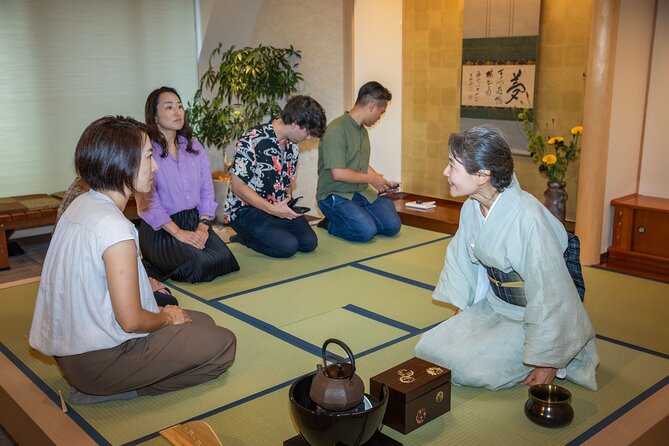
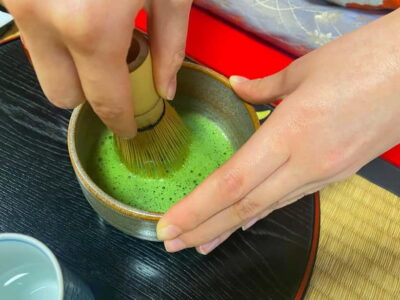
You will learn how to whisk powdered green tea into matcha, and then taste it. This is the most practical part of the session, because it turns matcha from a drink you recognize into a process you understand.
Your host walks you through the flow, starting from the water and moving into the presentation. You sit comfortably while the steps are explained, which is important because tea ceremony etiquette can get complicated fast. Here, the goal is clarity, so you can follow along without needing prior experience.
When you whisk, you are not just copying motions. You get a feel for texture and consistency. That sensory shift is what makes matcha stick in your memory. After you taste your own bowl, you will likely understand why people talk about matcha as more than a trendy cafe order.
Also, you can take your time. The experience emphasizes a calm pace where you can savor the tea rather than rushing through a tasting like it is a checklist.
Pairing matcha with Japanese sweets
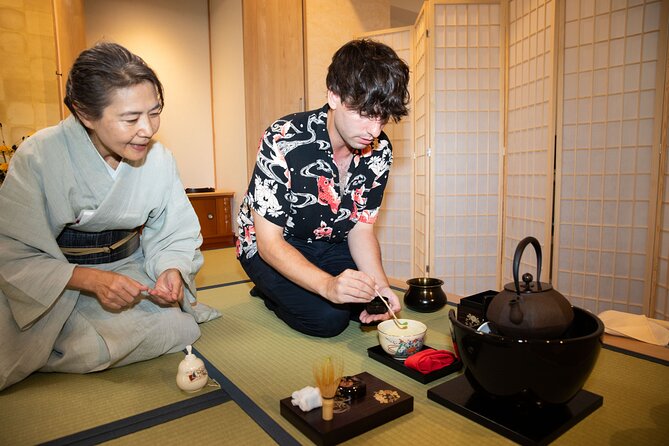
Japanese tea ceremonies often pair tea with a sweet, and this one does too. You get to enjoy traditional Japanese sweets alongside your matcha, which creates a balanced, more complete experience.
Even if you are not a big matcha person, the sweets can help you appreciate what matcha is doing. The flavors can contrast in a way that makes the tea taste clearer, less bitter, and more nuanced. And if you are into food experiences, this pairing is a tangible takeaway you can recreate later at a cafe.
This is also a nice break in rhythm during the hour. You whisk matcha, then you slow down again with the tasting. That pattern matches the theme of hospitality and calm attention.
Understanding each step, not just copying the routine
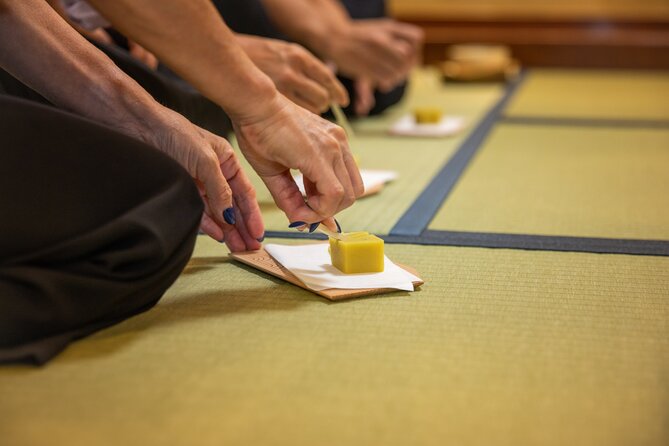
The experience focuses on the meaning behind the steps, from pouring water to presenting the tea. That approach is what separates this from a quick tasting class where you only learn the final result.
Tea culture has a philosophy tied to harmony and hospitality. You will hear about that idea as the host explains what each move represents. The value here is mental, not just culinary. Once you understand the why, the ritual feels less like choreography and more like communication.
For example, the way water is handled and the way the tea is presented are not random. The explanations help you see how these gestures connect to respect, care, and the experience shared with others. If you enjoy cultural context, this part will be your favorite.
Etiquette without the intimidation factor
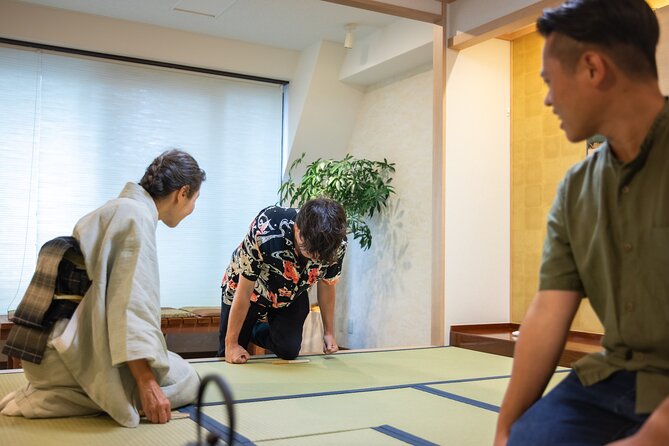
Let’s be honest: a traditional tea ceremony can feel like you are stepping into a test. The casual version is designed to remove that pressure, especially for first-timers.
You are encouraged to ask questions, and you can take photos. That combination matters because it gives you permission to be an active learner. Instead of worrying about doing everything correctly, you focus on understanding the process.
Still, do not treat it like a casual coffee meetup. Even in a relaxed setting, tea ceremony culture is about attention and respect. You will be in a guided space where manners and calm behavior are part of the experience. If you want a smooth time, keep your tone friendly, ask your questions when prompted, and follow the host’s pace.
Coffee and tea included, plus what you actually get for $25
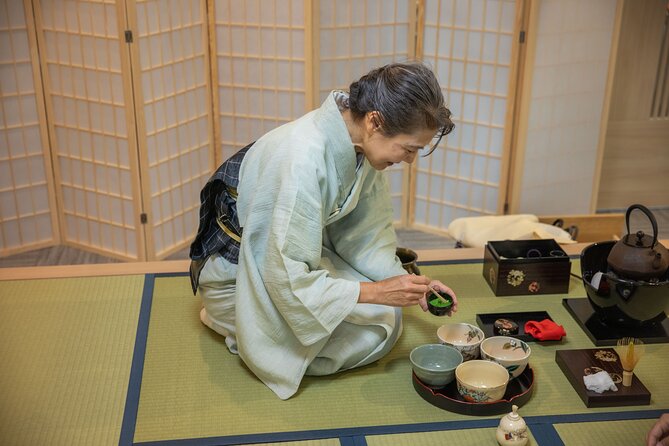
The inclusion list says coffee and/or tea, and that is a nice bonus. In a session that already centers matcha, it means you are not leaving hungry or thirsty. You get drinks as part of the experience flow, which supports the relaxed pace.
Now, about the price. $25 for about 1 hour in a small group that includes hands-on matcha whisking and Japanese sweets is solid value in Tokyo. You are not paying mainly for a seat. You are paying for guidance, the tools and tea setup, and explanations that help you understand what you are tasting.
Could you find cheaper tea experiences? Maybe. But the tradeoff is usually less instruction, a larger group, or fewer included extras. Here, the main value is the mix of participation and cultural explanation.
Who this tea ceremony is best for
This is a great choice if you are:
- New to Japanese culture and want an approachable introduction
- Short on time and want something that fits into a busy Tokyo day
- Curious about matcha but tired of buying it without understanding it
- Traveling with a group that includes at least one person who worries about etiquette
It is also a good fit if you want something calm. This is not a loud, high-energy attraction. It is about slowing down, sitting comfortably, and learning through doing.
If you are a tea ceremony aficionado looking for a strict, fully traditional format, you might find the casual approach less satisfying. The experience is clearly positioned for beginners who want the essence, not a hardcore reenactment.
Tips to get the most out of your hour
Here is how to make sure you leave feeling like you got your money’s worth:
- Arrive a bit early so you are not rushing into the calm mood.
- If you have matcha experience, still ask one question about technique or meaning. You will likely learn something new.
- Wear comfortable clothes. You are not doing kimono rental as part of the package, so plan for regular travel outfits.
- Bring your phone, since you have a mobile ticket and photos are encouraged.
- Go into it with curiosity, not perfection. This experience is built for questions.
Also, keep an eye on your schedule. One hour disappears quickly when you are learning something hands-on. Plan to have a clear block before and after so you can enjoy the process instead of watching the clock.
A practical reality check: what kind of tea experience this is
This experience is best described as beginner-friendly Japanese tea culture, with a relaxed, traveler-focused structure. That is not a criticism. It is the point.
If you want the full solemnity of a traditional ceremony, the relaxed format might feel too forgiving. But if you want to actually understand what is happening, you will probably appreciate the clarity.
You are also not just passive. You whisk matcha yourself, taste it, and pair it with sweets. That combination is what turns the session into a memory you can recall later, not just something you watched for a few minutes.
And the guidance matters. One review specifically praised Midori for kindness and sharing knowledge. That matches what you should look for in a host in a beginner setting: warmth, clear explanations, and patience when questions come up.
Should you book this casual Japanese tea ceremony in Tokyo?
Book it if you want an easy, guided matcha experience that does not punish you for being new. For many people, the hardest part of tea culture is the fear of doing it wrong. This format addresses that directly with a relaxed atmosphere, small group size, hands-on whisking, and clear explanations.
Skip it only if you are specifically after a strict, traditional performance style, or if you were hoping kimono rental would be included. If your goal is a calm cultural moment in Asakusa, plus practical matcha skills and Japanese sweets, this one-hour session is a smart use of time.
If you are in Tokyo and your day is packed, this is the kind of activity that gives you something more personal than another photo stop. It is short, focused, and thoughtfully designed for first-timers.
FAQ
How long is the tea ceremony experience?
It runs for about 1 hour.
What is the price per person?
The price is $25.00 per person.
What group size should I expect?
The experience has a maximum of 8 travelers.
Where does the experience start?
The meeting point is Tokyo Tourist Lounge Asakusa, 111-0034, 5F, 2丁目-18-15 雷門, 台東区, 東京都, Japan.
Where does the experience end?
It ends back at the meeting point.
What is included in the experience?
Coffee and/or tea are included.
Is kimono rental included?
No, wearing kimono and rental are not included.
Can I take photos and ask questions?
Yes, you are welcome to ask questions and take photos.
Do I need Japanese language skills?
This experience is designed to avoid the worry of overcoming a language barrier.
What is the cancellation policy?
You can cancel for a full refund if you cancel at least 24 hours in advance of the experience’s start time.
Kyoto by the Bowl


Newest Tokyo write-ups from the Loving Japan desk


Kyoto Tea Ceremonies and Matcha, side by side.
 ★ 4.9Tea Ceremony in a Traditional Tea House in KiyomizuFrom $493,519 reviews
 ★ 4.9Tea Ceremony Ju-An at Jotokuji TempleFrom $293,207 reviews
 ★ 4.345-Minute Tea Ceremony Lesson ExperienceFrom $222,378 reviews
 ★ 5.0World Heritage Kyoto & Nara Uji Authentic Matcha ExperienceFrom $1291,573 reviews
 ★ 4.9Tea Ceremony ExperienceFrom $251,426 reviews
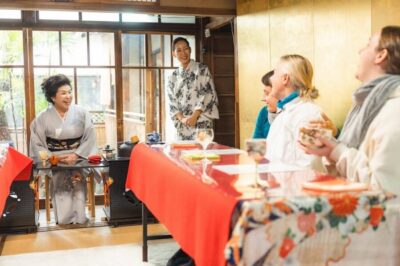 ★ 4.9Table-Style Tea Ceremony at a Kyo-MachiyaFrom $451,211 reviews
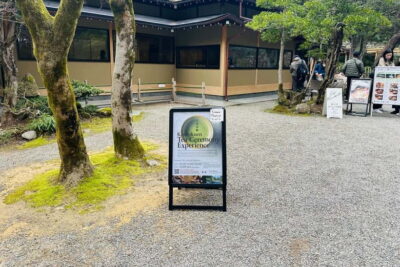 ★ 4.8Kenrokuen Tea Ceremony ExperienceFrom $351,139 reviews
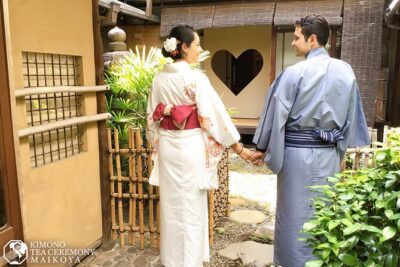 ★ 5.0Kimono Tea Ceremony at Kyoto Maikoya, NISHIKIFrom $65911 reviews
Filed on these lists too