
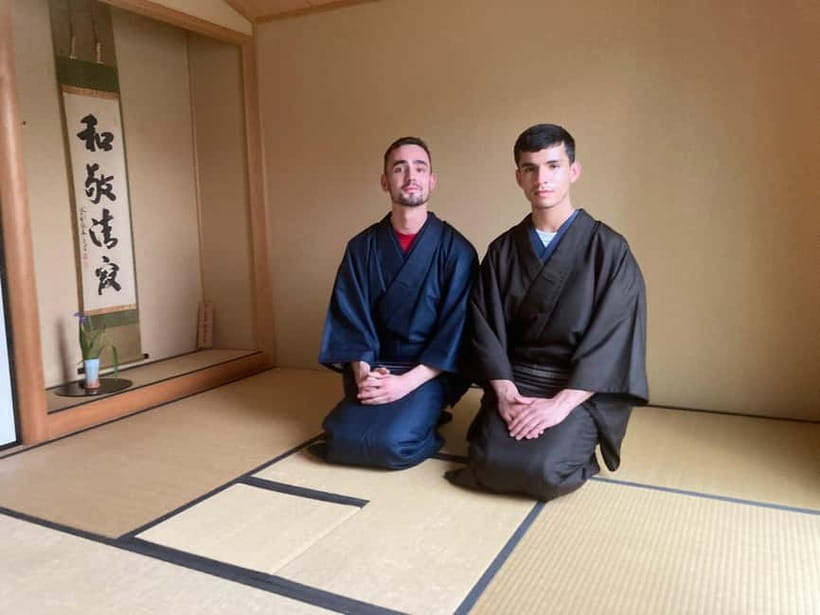
REVIEW · KYOTO TEA CEREMONIES AND MATCHA
Tokyo: Tea Ceremony Experience in a small tea room
Tea calm in the middle of Tokyo. I really like the way Mari teaches in a small tea room near the Kamogawa Delta, and I love the hands-on matcha part, so you are not just watching. The session also feels welcoming, even if you have never touched a whisk before.
One thing to keep in mind is logistics. The address area is residential, and getting to the exact room can be tricky for taxis, plus the room is up two flights of narrow stairs, with kimono dressing available only if you request it for an extra cost.
In This Review
- Key Highlights Worth Booking
- A Small Tea Room, Not a Big Performance
- The Matcha Part You Will Actually Do
- Why This Setting Near the Kamogawa Delta Feels Different
- Meet Mari: The Teacher Who Makes It Click
- What a Typical 60-Minute Flow Looks Like
- Price and Value: Is 51 USD Worth It in Tokyo?
- Location Details: Easy Walk, Tricky Room
- Optional Kimono: Fun, but Expect Extra Cost
- Who This Tea Ceremony Suits Best
- Practical Tips Before You Go
- Should You Book This Tea Ceremony Near Tokyo’s Kamogawa Delta?
- FAQ
- How long is the tea ceremony experience?
- Where is the meeting point?
- Is the instructor available in English?
- Is this a small group activity?
- What is included in the price?
- Is kimono included?
- Can I cancel if my plans change?
Key Highlights Worth Booking
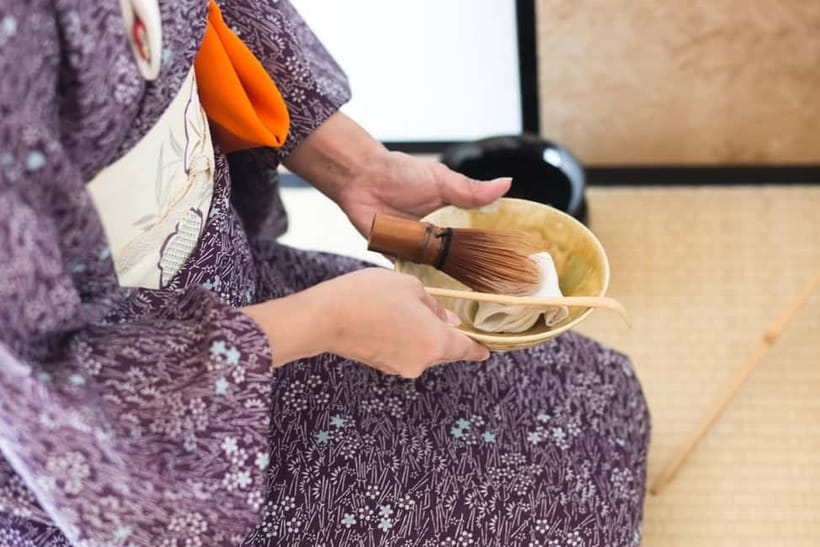
- Meet Mari, an English-speaking tea teacher with 20 years of experience, and learn why each step matters.
- Hands-on matcha preparation with guided whisking movements and a chance to make your own tea.
- Traditional dried sweets included, served as part of the lesson so you can taste alongside the ritual.
- Small group capped at 6, which makes it easier to ask questions and practice.
- Near Nishi-Nippori station (about a 7-minute walk) in a calm riverside area by the Kamogawa Delta.
- Close to Yanaka and Nezu Shrine, so you can pair this with an easy cultural stroll after.
Sit down somewhere quieter. Other tea rooms we booked
- Matcha Making Class in Tokyo with Authentic Japanese Sweets Set
★ 5.0 · 744 reviews - Tokyo: Traditional Tea Ceremony with a Tea Master
★ 5.0 · 528 reviews - Tokyo: Matcha Making Experience with Mochi Sweets in Asakusa
★ 4.9 · 388 reviews - Tokyo: Matcha and Kimono Experience
★ 4.7 · 219 reviews
A Small Tea Room, Not a Big Performance
Tokyo can be loud, fast, and crowded. What I like about this tea ceremony is that it does the opposite. You step into a small space away from the main streets, and the whole point becomes slowing down, paying attention, and learning the culture through tea.
This is guided by Mari, an instructor with 20 years of experience. She teaches in English, and she is focused on making the experience feel approachable. That matters, because the word ceremony can sound intimidating. Here, you get clear guidance and a friendly pace, whether you are brand new or you have seen a few tea routines before.
The ceremony runs for about one hour. That timing is smart. Long enough to learn and make matcha with your own hands, short enough that you can still enjoy the rest of Tokyo the same day.
The Matcha Part You Will Actually Do
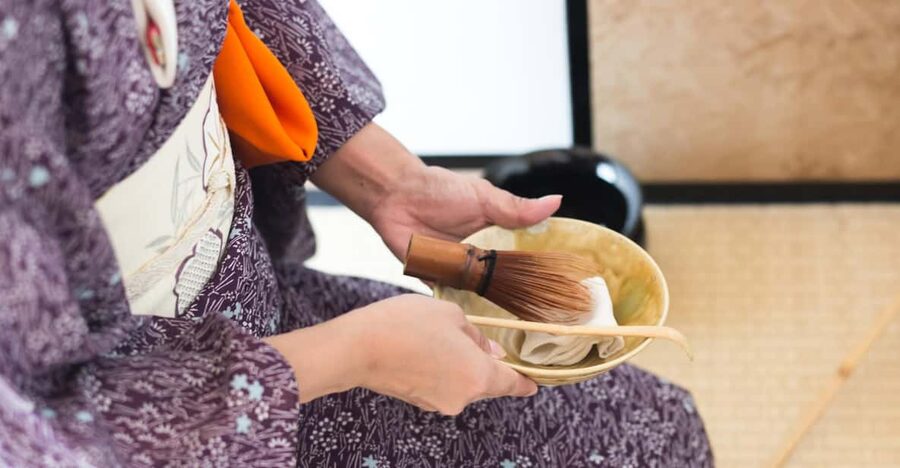
The headline feature is the matcha. You get traditional dried sweets (included), and then you move into the practical lesson. The structure is simple: Mari explains the process, demonstrates, and then you practice. If you want, you can make your own tea, which is where the experience becomes personal instead of just observational.
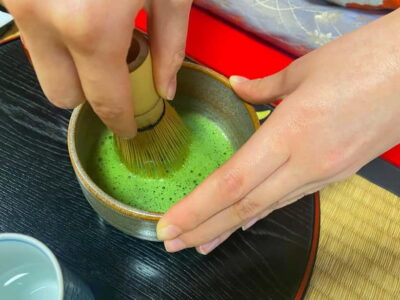
The guidance is hands-on. You learn the steps involved in preparing matcha, including the precise whisking movements. You are also learning the “why” behind the technique, not only the “how.” The lesson connects the movements to harmony and mindfulness, which is the cultural heart of the tea tradition.
A small detail that I think makes this experience better than most: Mari helps you practice beyond just whisking. One helpful coaching moment is folding the tea towel and going over it a few times so you can remember how to do it. If you are the kind of person who likes taking home a skill you can repeat later, this is a real win.
Why This Setting Near the Kamogawa Delta Feels Different
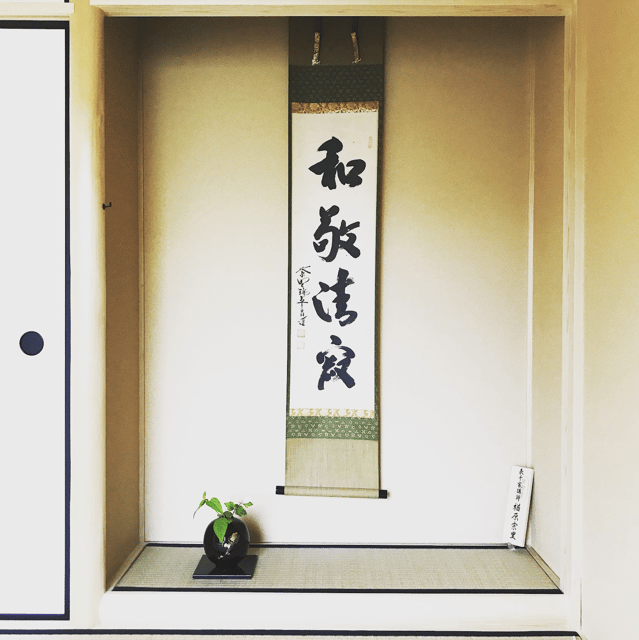
This ceremony is located near the Kamogawa Delta area, and it is also just a 7-minute walk from Nishi-Nippori station. That riverside context changes the mood. You are not stepping into a restaurant or a hotel ballroom. You are walking in and then settling into a quieter pocket of the city.
It also helps that the area is close to places many people want to see after tea. You are very near the Yanaka and Nezu Shrine neighborhood. So you can treat the ceremony like a reset button. Do tea first to slow your brain down, then walk off the calm with an evening stroll around the shrines and old-town streets nearby.
- Mt Fuji and Hakone 1-Day Bus Tour Return by Bullet Train★ 5.0 · 26,383 reviews
- 1-Day Tokyo Bus Tour★ 5.0 · 14,250 reviews
- Tokyo: teamLab Planets TOKYO Digital Art Museum Entry Ticket★ 4.6 · 9,779 reviews
- Mt Fuji & Hakone Cruise, Drum Show Bullet Train 1 Day from Tokyo★ 4.0 · 7,413 reviews
- Tokyo: Shinjuku Food Tour (13 Dishes at 4 Local Eateries)★ 5.0 · 6,603 reviews
Meet Mari: The Teacher Who Makes It Click
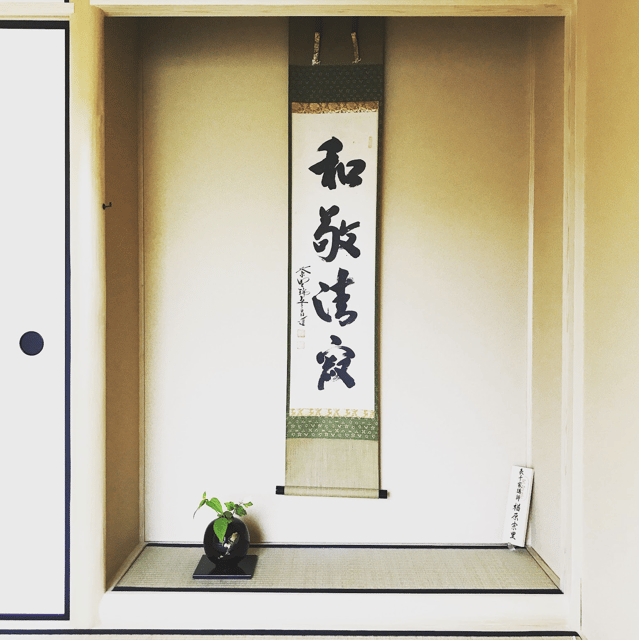
Mari is the reason this ceremony gets such strong feedback. The pattern in the positive moments is consistent: she is patient, she explains clearly, and she answers questions. Even if you do not know the vocabulary of tea culture, you will still understand what you are doing and why you are doing it.
There is also a practical generosity in the way she teaches. People note that she walks them through steps slowly enough to keep up, and she offers guidance during practice. That matters in a small group setting, because you are less likely to feel rushed.
One more cultural angle that comes up in the lesson is hospitality, often referred to as omotenashi, plus the idea of purity. You will not just learn how to whisk matcha. You will also learn how tea culture frames good manners, respect, and attention as part of the ritual.
What a Typical 60-Minute Flow Looks Like
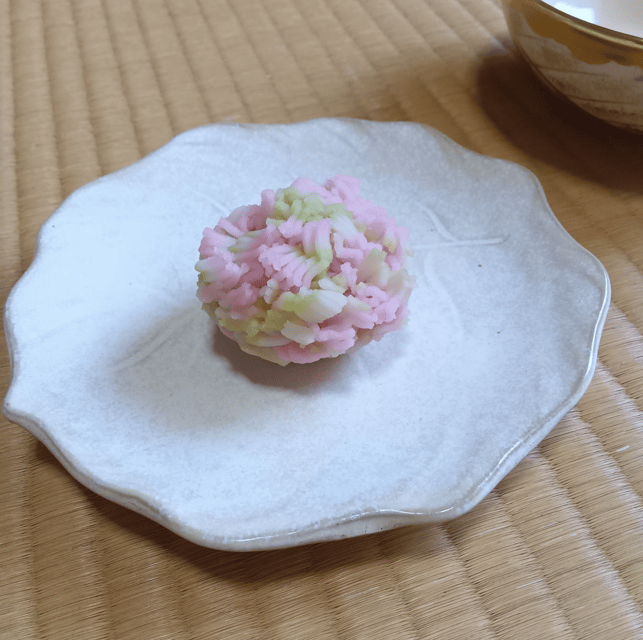
You meet at Senraku-an about 10 minutes before the experience. That early arrival is useful. You get time to settle, get oriented, and start calmly instead of feeling like you are late.
During the session, expect a teaching rhythm:
- A short introduction to the ceremony and the tools
- Tasting or enjoying the included traditional dried sweets
- Mari demonstrating how matcha is prepared, then guiding you through the movements
- A chance to make your own matcha if you want, with coaching as you practice
- Time for questions, including small tips you can remember later, like towel folding practice
Because the session is only one hour, it stays focused. You are not stuck for half a day learning theory. You are learning through doing.
Also, this is limited to 6 participants, so you are more likely to get individual attention. In a big class, you can blend into the background. Here, you tend to stay part of the action.
Price and Value: Is 51 USD Worth It in Tokyo?
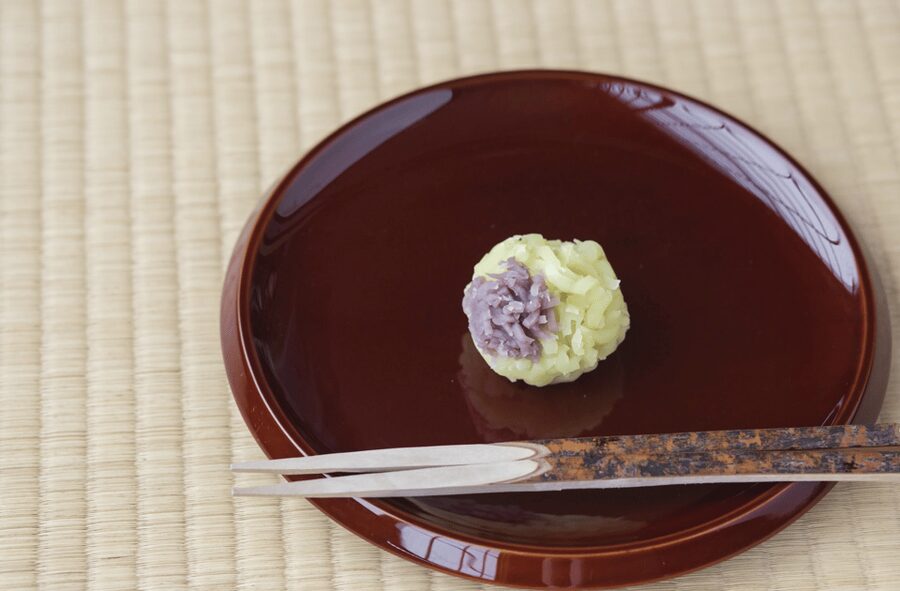
At $51 per person, this tea ceremony is not the cheapest option in Tokyo, but it is not the kind of tourist-only add-on that feels overpriced either. Here is how it earns its value.
First, you get a real teacher with 20 years of experience guiding you. That is hard to replicate on your own. Second, the session includes matcha and traditional dried sweets, so you are not paying for a lesson while bringing all your own food.
Third, the format is small and interactive. You are not just watching a performance, you are making matcha with guidance. When you combine expertise, included items, and hands-on practice, the cost starts to make sense for a one-hour cultural experience.
If you are comparing it to a generic “see a show, take a photo” activity, this is usually a better trade. You leave with an actual skill and a calmer mindset, not just a souvenir picture.
Location Details: Easy Walk, Tricky Room
You are near Nishi-Nippori station, about a 7-minute walk. That is a practical location advantage. It also means you can pair this with nearby sights without a long transit plan.
But there is one caution. The area is residential, and the exact room can be hard to locate for a taxi. On top of that, the room used for the tea ceremony is up two flights of narrow stairs. One person also suggested asking in advance for location details of the specific room, especially if you do not want to wrestle with stairs after a long day.
My practical advice is simple: confirm the meeting point at Senraku-an, and if you are taking a taxi, request the best directions you can. If stairs are a concern, plan accordingly and consider whether you can comfortably handle narrow steps.
Optional Kimono: Fun, but Expect Extra Cost
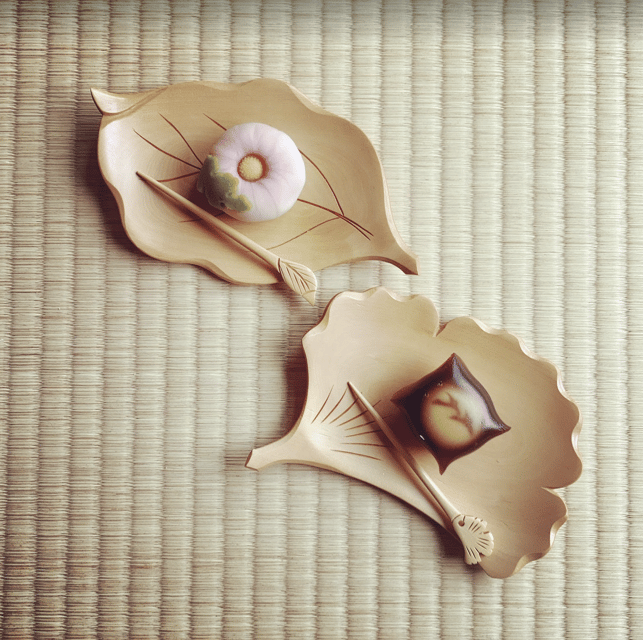
Kimono dressing is available as an option. You can request it if you want. It is not included by default.
A key point: there is an up charge for kimono, and some people find it a bit expensive. So treat it like a personal choice, not a core part of the ceremony. If your main goal is matcha and the lesson, you can still have a great time without wearing one.
If you do request kimono, do it based on comfort and preference. The ceremony itself remains the focus, and the matcha lesson is what you should prioritize.
Who This Tea Ceremony Suits Best
This experience fits best if you want calm, culture, and hands-on learning. Here is who I think will enjoy it most.
You will likely love it if:
- You want an authentic-feeling cultural activity with a real teacher
- You like making things with your hands, not only watching
- You prefer small groups where you can ask questions
- You are traveling with a family or a couple and want something gentle and structured
It is also a good choice if you are new to tea. The whole approach is designed to lower the barrier. You do not need prior knowledge to follow along.
Practical Tips Before You Go
A few small things can make the experience smoother.
Arrive a bit early. The meeting point is 10 minutes before, which gives you time to find Senraku-an and settle in. Wear something comfortable for walking from Nishi-Nippori station, and if you are sensitive to stairs, factor in that the room is reached via two flights of narrow stairs.
If you are planning to combine this with nearby sights, consider doing tea first. You will start calmer, and then you can enjoy the walk around Yanaka and Nezu Shrine with a more relaxed headspace.
Finally, bring your curiosity. Mari’s teaching style encourages questions, and the session is built for both beginners and people who want to understand the ritual beyond the surface.
Should You Book This Tea Ceremony Near Tokyo’s Kamogawa Delta?
If your Tokyo plan includes a “slow down” moment, I would book this. It offers good value for the price because you get a skilled English instructor, included tea and sweets, and genuine hands-on matcha practice in a small group.
It is also a smart activity if you want something more personal than a typical city tour. The calm setting, the small tea room, and Mari’s patient teaching make it feel like a cultural encounter rather than a box you check.
Just be honest with yourself about location and stairs. If you have mobility concerns or you hate last-minute navigation, message ahead for the most precise directions to the room, and plan for the narrow steps.
Overall, this is a compact, calming cultural experience that gives you both meaning and a skill you can repeat later.
FAQ
How long is the tea ceremony experience?
The experience lasts about 1 hour.
Where is the meeting point?
You meet at Senraku-an about 10 minutes before the experience.
Is the instructor available in English?
Yes. The instructor speaks English.
Is this a small group activity?
Yes. It is a small group with a maximum of 6 participants.
What is included in the price?
Matcha, traditional dried sweets, and the lesson led by the tea ceremony teacher are included.
Is kimono included?
Kimono is not included by default. You can request kimono, but it is an extra option.
Can I cancel if my plans change?
Yes. Free cancellation is available up to 24 hours in advance for a full refund.
Kyoto by the Bowl


Newest Tokyo write-ups from the Loving Japan desk


Kyoto Tea Ceremonies and Matcha, side by side.
 ★ 4.9Tea Ceremony in a Traditional Tea House in KiyomizuFrom $493,519 reviews
 ★ 4.9Tea Ceremony Ju-An at Jotokuji TempleFrom $293,207 reviews
 ★ 4.345-Minute Tea Ceremony Lesson ExperienceFrom $222,378 reviews
 ★ 5.0World Heritage Kyoto & Nara Uji Authentic Matcha ExperienceFrom $1291,573 reviews
 ★ 4.9Tea Ceremony ExperienceFrom $251,426 reviews
 ★ 4.9Table-Style Tea Ceremony at a Kyo-MachiyaFrom $451,211 reviews
 ★ 4.8Kenrokuen Tea Ceremony ExperienceFrom $351,139 reviews
 ★ 5.0Kimono Tea Ceremony at Kyoto Maikoya, NISHIKIFrom $65911 reviews
Filed on these lists too