
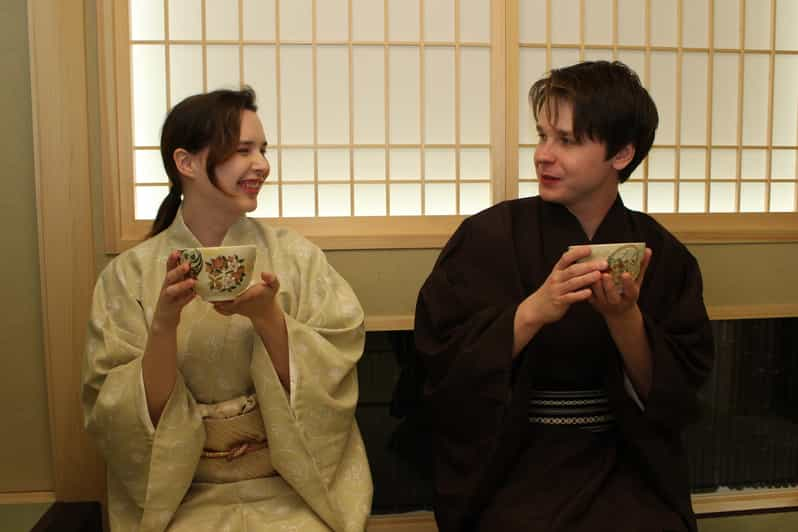
REVIEW · KYOTO TEA CEREMONIES AND MATCHA
Tokyo: Tea Ceremony in Shibuya Tokyo
A tea room can feel like another planet. In Shibuya, I love that this is a private Japanese tea ceremony experience, taught by English-speaking teachers, so you get clear guidance without guessing.
I also like the real-world structure: you get the history and etiquette, then the teacher demonstrates Otemae, and you make your own matcha. Before you pour your first cup, there’s time for traditional Japanese sweets, which sets the tone fast.
One thing to consider: you’ll want to dress for it. Your knees must be covered, and if you want a kimono, there’s a separate charge.
In This Review
- Key things I’d circle before you book
- A Shibuya tea ceremony that feels worlds apart
- What private instruction does for your learning
- The ceremony flow, step by step
- Otemae and making your own matcha
- Sweets tasting is not an add-on
- The teacher makes the tone, and it shows
- Kimono options, dress code, and comfort
- Price and value: is $81 fair for a private class?
- Timing and how long it can take
- Practical tips so you get the best experience
- Who this is best for
- Should you book the Shibuya tea ceremony?
- FAQ
- How many people can be in a booking?
- Is the tea ceremony private or shared with other groups?
- What language is the class taught in?
- What do we do during the tea ceremony?
- Is pickup available?
- Is a kimono included?
- What should I wear or bring?
- What is included in the price?
- Can I reserve now and pay later?
- What is the cancellation policy?
Key things I’d circle before you book
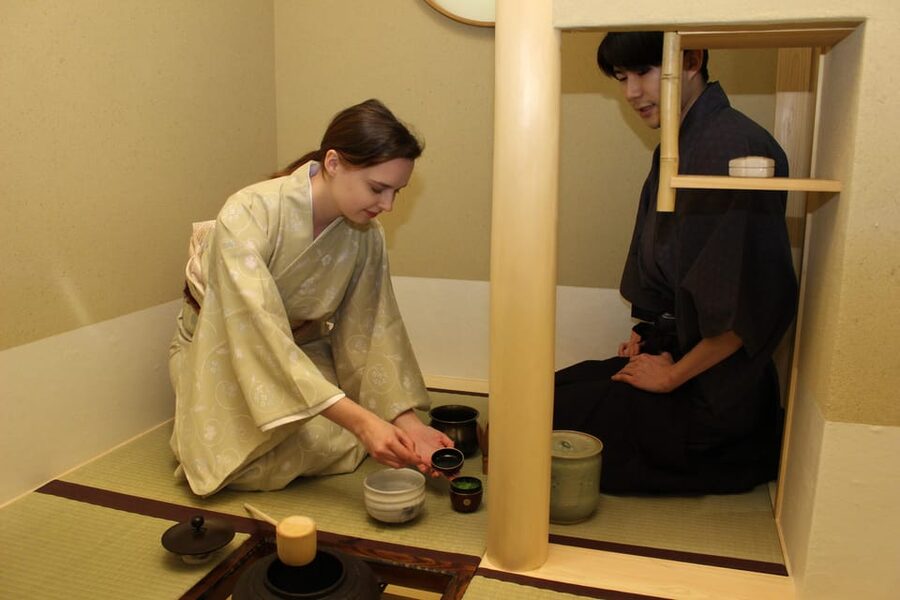
- Private for 1 to 4 people: no mixed sessions, so the pace is yours.
- English-speaking instruction: you learn the why, not just the steps.
- Otemae demonstration first: then you practice making matcha yourself.
- Sweets tasting before tea: a simple way to understand flavor balance.
- Optional kimono with added cost: nice for photos, but budget for it.
- Tea room atmosphere: calm, formal, and a break from Shibuya’s energy.
Other routes through the west side of Tokyo, compared
- Tokyo: Shinjuku Food Tour (13 Dishes at 4 Local Eateries)
★ 5.0 · 6,603 reviews - Tokyo Bar Hopping Tour in Shinjuku (All-You-Can-Drink + Dinner)
★ 5.0 · 3,587 reviews - Official Street Go-Kart in Shibuya
★ 5.0 · 3,435 reviews - Tokyo: Shinjuku Food Tour (15 Dishes and 4 Eateries)
★ 4.9 · 2,033 reviews
A Shibuya tea ceremony that feels worlds apart
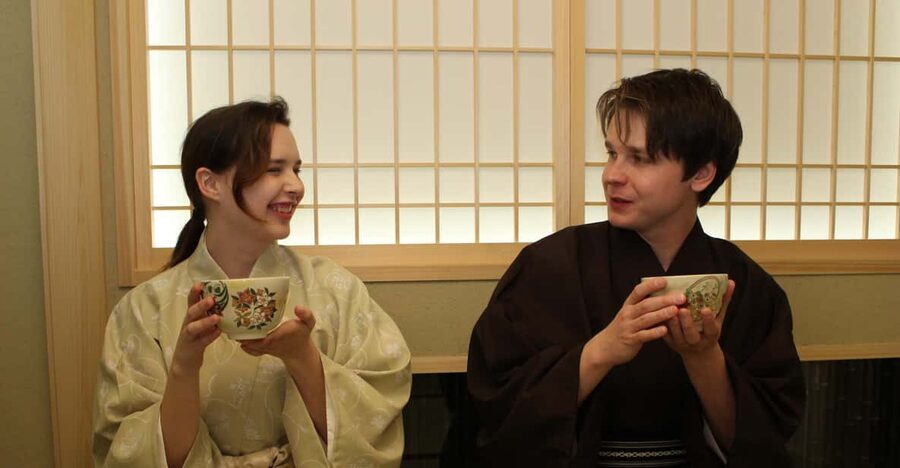
Shibuya is loud and fast. So walking into a traditional tea room changes your rhythm in a hurry. Instead of rushing from one photo stop to the next, you slow down and focus on a ritual that’s been refined for centuries.
What makes this experience especially appealing is the setting and the teaching style. You’re not watching a performance from the outside. You’re part of the process, with time to understand what you’re doing and why it matters.
If you want something cultural that does not feel like a homework assignment, this is a strong pick.
What private instruction does for your learning
This is booked as a completely private experience for your group, from 1 person up to 4 people per booking. That matters more than it sounds.
In a private setting, your teacher can adjust pacing. If you have questions, you can ask them immediately. If your group is more curious about etiquette or more focused on making matcha, the tone can follow you. And since sessions are not mixed, you avoid the awkward “share-audience” energy that can happen in larger classes.
This format is ideal if you’re traveling as a couple, a small family, or a tight group of friends who want time together without interruptions.
The ceremony flow, step by step
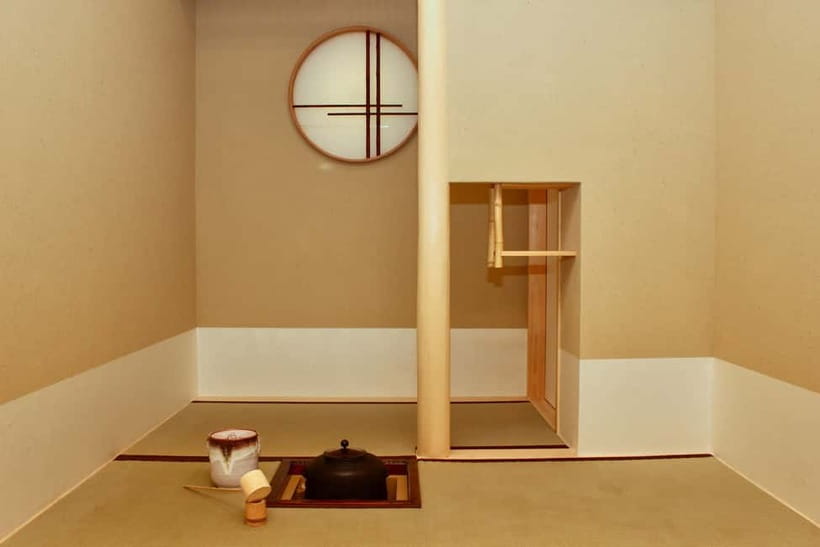
The experience is built around a clear sequence, and it helps you connect the story to the action.
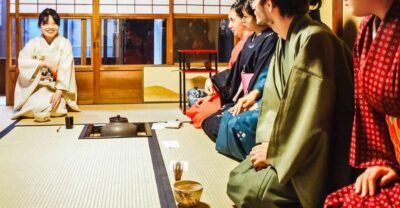
First, you’ll get an explanation of the tea ceremony, including its history and etiquette. Etiquette is not just rules for posing. It’s part of the mindset, how you handle utensils, and how you show respect to both the host and the guests.
Next comes the teacher’s demonstration of Otemae. Otemae is the structured way tea is prepared in a formal setting. Watching the full sequence once is useful, because then your hands-on practice makes sense. You’re not just copying steps, you’re learning the rhythm behind them.
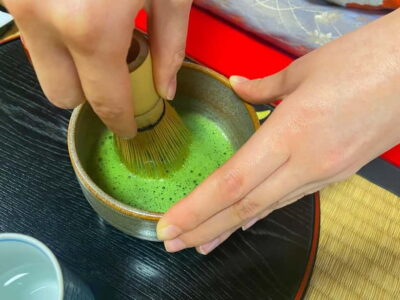
Then you shift from watching to doing. You make your own matcha during the class, and later you taste your tea. The ceremony is also supported by a tasting of traditional Japanese sweets before you prepare tea, so your palate is ready.
This order is smart: story and etiquette first, then demonstration, then practice, then tasting.
Sit down somewhere quieter. Other tea rooms we booked
- Matcha Making Class in Tokyo with Authentic Japanese Sweets Set★ 5.0 · 744 reviews
- Tokyo: Traditional Tea Ceremony with a Tea Master★ 5.0 · 528 reviews
- Tokyo: Matcha Making Experience with Mochi Sweets in Asakusa★ 4.9 · 388 reviews
- Tokyo: Matcha and Kimono Experience★ 4.7 · 219 reviews
- Tea Ceremony Workshop in Tokyo by the Experienced Instrucor★ 5.0 · 189 reviews
Otemae and making your own matcha
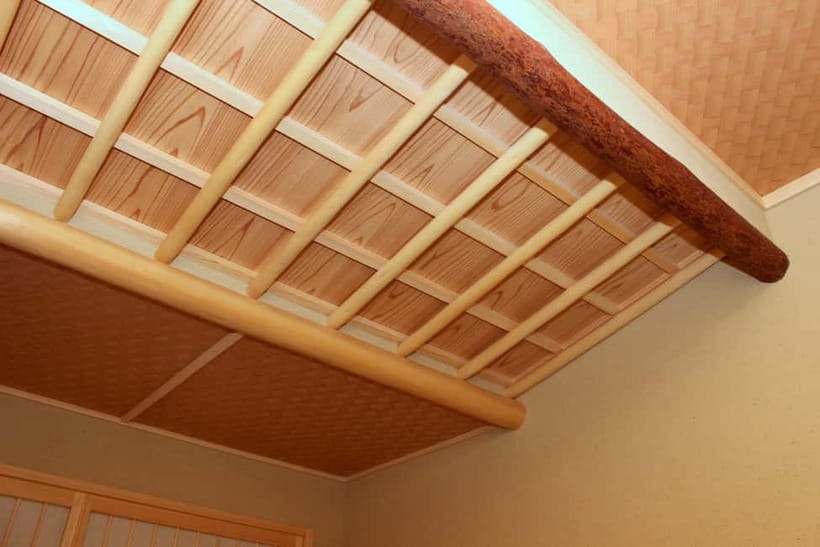
The hands-on part is where this experience becomes memorable. You’ll have a chance to make your own Matcha tea, guided by an experienced teacher in English.
Otemae can look complicated at a glance, but the benefit of being in a small private class is that you can actually follow along. You see how the preparation connects to the final taste and texture. And because the teacher demonstrates first, you’re practicing with a reference point.
After you prepare the tea, you’ll taste your Matcha tea. That tasting moment is important. Matcha isn’t only about flavor. It’s also about how thick it is, how it feels, and how sweetness and bitterness balance, especially alongside the sweets you tried earlier.
If you like food experiences where you leave with a real skill, not just memories, you’ll enjoy this.
Sweets tasting is not an add-on
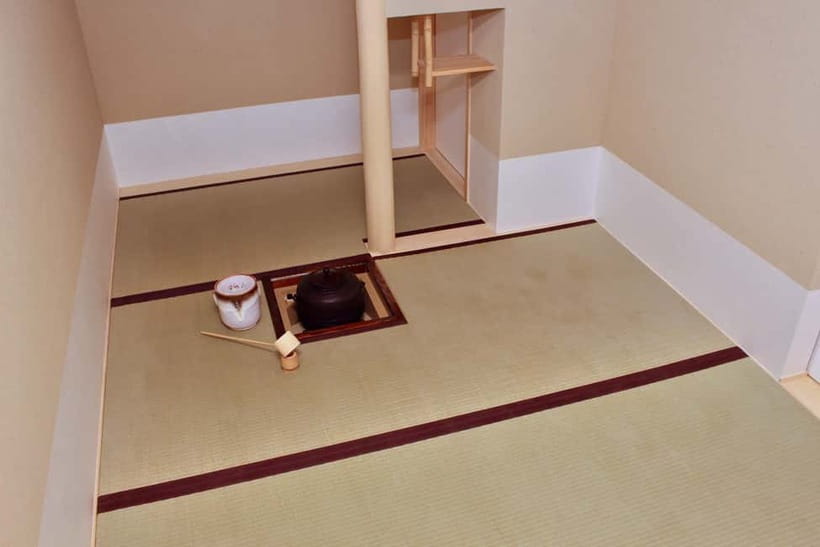
One detail I really appreciate is that the sweets tasting comes before you make tea. Traditional Japanese sweets can help you understand the mood of the ceremony.
The sweets are designed to complement the tea. So when you finally taste your matcha, it’s easier to notice how the flavors interact. You’re not separating dessert from the ritual. You’re experiencing them as a set.
In the experience, you get both the matcha tasting and the traditional Japanese sweets, so you can judge the full balance. It’s a small thing, but it’s the kind of small thing that makes a tea ceremony feel intentional.
The teacher makes the tone, and it shows
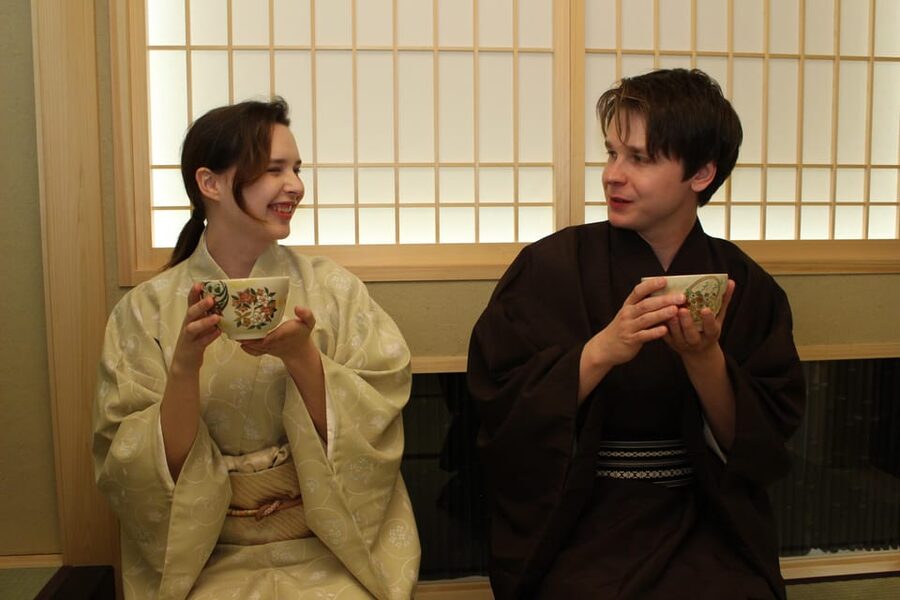
This is taught in English by teachers experienced in tea. In one standout case, the class was led by Mako-san, described as charming and very knowledgeable. That kind of combination matters in a tea ceremony, because the atmosphere depends on the host’s calm guidance.
Look for that quality when you go. Even if you know nothing about tea, a good teacher will explain etiquette in a way that feels natural, not stiff. And if you’re worried about language, the English instruction removes that stress.
It also helps that the tea room itself feels like it steps you back in time. The decor, the pacing, and the quiet focus all support the lesson.
Kimono options, dress code, and comfort
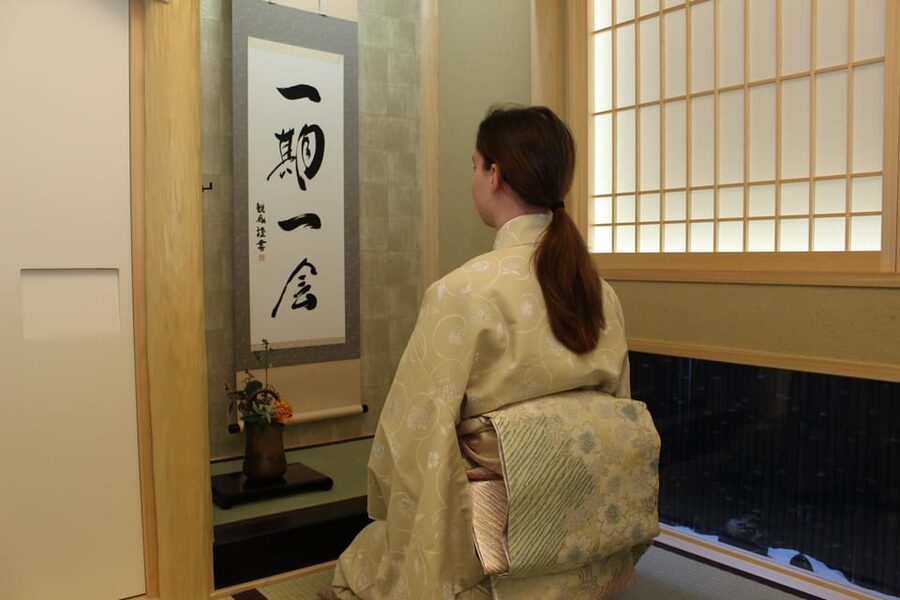
You do not need to bring anything special, but you do need to dress appropriately. Your knees should be covered. If your outfit is too short, you’ll be able to borrow suitable clothing, including pants or a wrap skirt, for free.
If you want the full traditional look, you can wear a kimono during the ceremony, but there’s a charge for it. That’s worth considering because kimono wear can affect comfort and movement. If you’re planning photos, it can be worth the upgrade. If your main goal is learning and enjoying the ritual, the borrowed knee-covering option is the practical choice.
Comfort tip: choose clothes you can sit in comfortably for a while. A tea ceremony is a formal seated experience, and it’s easier if you’re not fighting your outfit.
Price and value: is $81 fair for a private class?
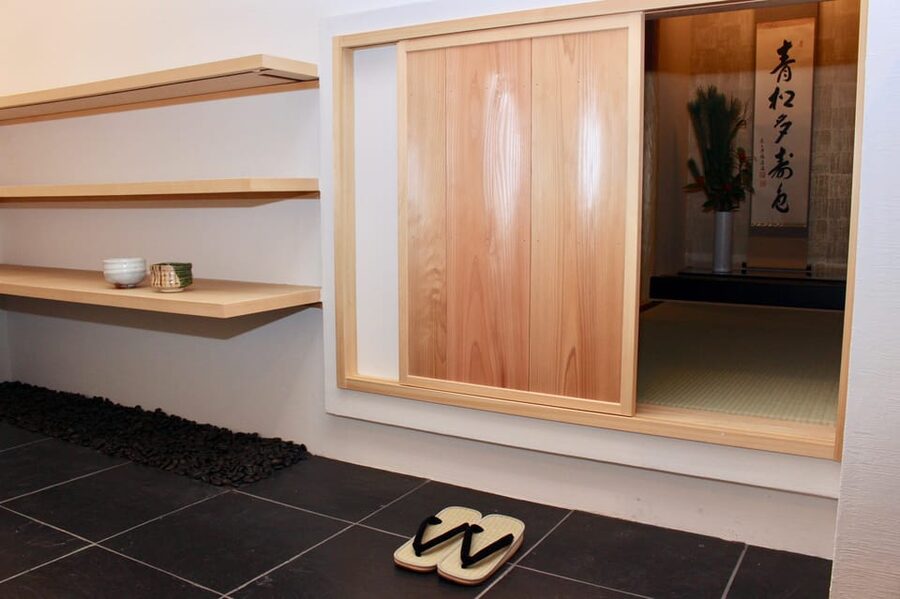
At $81 per person, this is not a casual “pop in and watch” activity. But the value is stronger than the price tag suggests.
Here’s what you’re paying for:
- Tea and sweets fees are included
- Facility charges and taxes are included
- The session is private, for 1 to 4 people per booking
- English-speaking teaching is part of the package
Private instruction is the big value lever. You’re not competing for attention in a room of strangers. You get real-time teaching, time to practice making matcha, and a structured explanation of etiquette and history.
If you only want the fastest photo stop, this might feel pricey. If you want a cultural experience where you learn a technique and taste what you made, the cost starts to look much more reasonable.
Also note: pickup service is included if needed. That can reduce hassle if you’re juggling walking time in busy Shibuya streets.
Timing and how long it can take
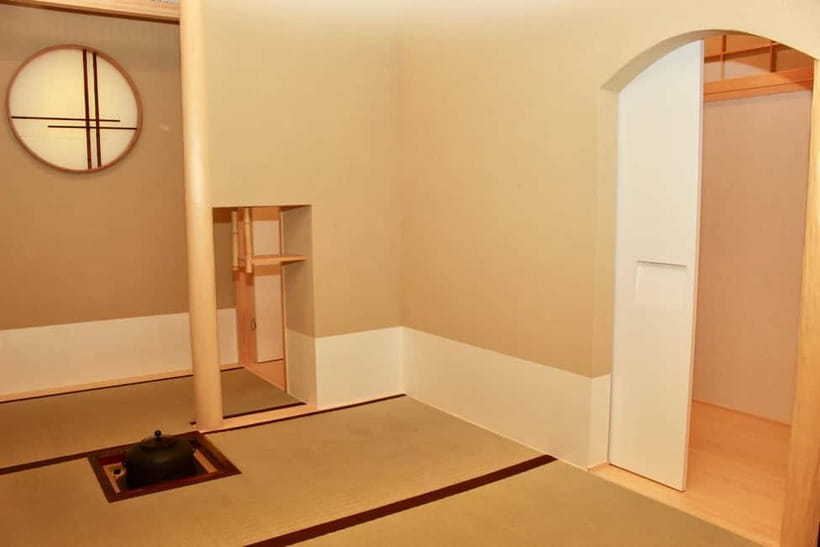
The experience includes a full flow: explanation, Otemae demonstration, making your own matcha, and tasting sweets and tea. Some options may be shorter, such as a version that runs around 1 hour.
If your schedule is tight, go for the shorter option and treat it like a cultural reset. If you have time, the longer format is likely to be more relaxed, giving you more room to ask questions during the steps.
Either way, plan to arrive ready to slow down. This is not a sprint activity.
Practical tips so you get the best experience
A tea ceremony is simple, but you’ll enjoy it more if you prepare lightly and mentally.
- Wear something with knees covered, or plan to use the provided pants or wrap skirt.
- Think about what you want to learn: etiquette basics, matcha-making technique, or both.
- If kimono matters to you, budget for the additional charge ahead of time.
- If you’re sensitive to sitting for a while, dress for comfort, not style at all costs.
And one more thing: ask questions during the etiquette explanation. The value of this class is not just the matcha. It’s understanding how tea culture turns attention into respect.
Who this is best for
This tea ceremony is a great match if you:
- Want a high-quality cultural experience without needing prior knowledge
- Prefer private, calm settings over busy group tours
- Enjoy hands-on food or drink activities
- Travel with small groups, family members, or a partner
It may not be ideal if you’re after a high-energy activity with lots of walking and constant movement. This experience rewards patience.
Should you book the Shibuya tea ceremony?
I’d recommend booking if you want a calm, structured cultural class in English, with real hands-on matcha making and sweets tasting. The private 1 to 4 format is the hidden advantage, because you can actually learn and enjoy without feeling rushed.
Skip it only if you’re looking for a quick photo opportunity, or if sitting still for a formal ritual would annoy you.
If your trip has room for one meaningful cultural stop, this is a solid choice in Shibuya.
FAQ
How many people can be in a booking?
A booking is private for your group, with a minimum of 1 person up to 4 people per booking.
Is the tea ceremony private or shared with other groups?
It is completely private for your group, and mixed sessions are not arranged.
What language is the class taught in?
The class is taught in English.
What do we do during the tea ceremony?
You’ll get an explanation of the history and etiquette, a demonstration of Otemae, the chance to make your own Matcha, and then you’ll taste your Matcha tea along with traditional Japanese sweets.
Is pickup available?
Pick up service is included if needed.
Is a kimono included?
You can wear a kimono, but there is a charge for it.
What should I wear or bring?
Nothing in particular is required, but you should wear pants or skirts long enough to cover your knees. If needed, suitable pants or a wrap skirt can be lent to you for free.
What is included in the price?
The price includes tea and sweets fees, facility charges, and taxes.
Can I reserve now and pay later?
Yes, reserve & pay later is available, so you can book your spot without paying today.
What is the cancellation policy?
You can cancel up to 24 hours in advance for a full refund.
Kyoto by the Bowl

West Tokyo on Foot: Seven More



Newest Tokyo write-ups from the Loving Japan desk






Kyoto Tea Ceremonies and Matcha, side by side.
 ★ 4.9Tea Ceremony in a Traditional Tea House in KiyomizuFrom $493,519 reviews
 ★ 4.9Tea Ceremony Ju-An at Jotokuji TempleFrom $293,207 reviews
 ★ 4.345-Minute Tea Ceremony Lesson ExperienceFrom $222,378 reviews
 ★ 5.0World Heritage Kyoto & Nara Uji Authentic Matcha ExperienceFrom $1291,573 reviews
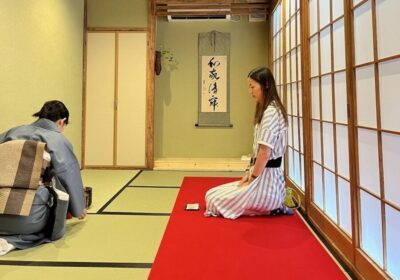 ★ 4.9Tea Ceremony ExperienceFrom $251,426 reviews
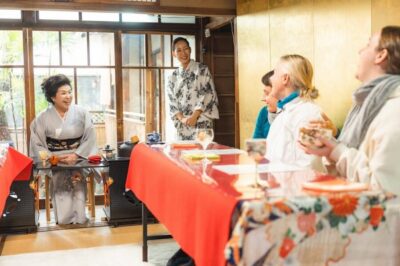 ★ 4.9Table-Style Tea Ceremony at a Kyo-MachiyaFrom $451,211 reviews
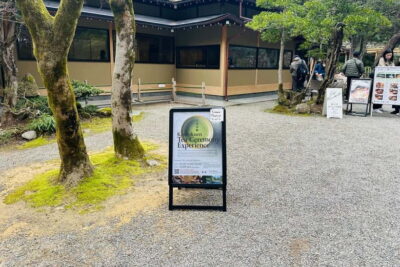 ★ 4.8Kenrokuen Tea Ceremony ExperienceFrom $351,139 reviews
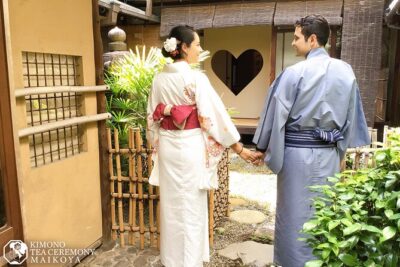 ★ 5.0Kimono Tea Ceremony at Kyoto Maikoya, NISHIKIFrom $65911 reviews
Filed on these lists too