
REVIEW · KYOTO TEA CEREMONIES AND MATCHA
Tokyo Traditional Tea Ceremony with a Japanese Tea Master
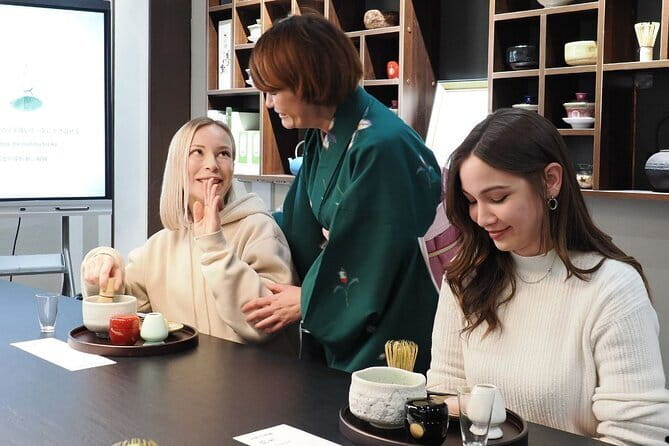
Tokyo gets quiet when you start whisking tea. This one-hour experience is hands-on, set across from Tokyo University, and built around tasting Japanese teas before you make your own matcha.
I love that you get a real step-by-step sequence, starting with wakocha and cake, then moving to gyokuro sencha and seasonal sweets, and ending with genmaicha. The completion certificate and group photo make it easy to remember later, but one consideration is that this is a relaxed matcha lesson and tea tasting, not a long, highly formal ceremony.
In This Review
- Key things to look forward to
- Where this tea ceremony happens, and why the location matters
- Warming up with wakocha and cake
- Gyokuro sencha and wagashi from Ougiya
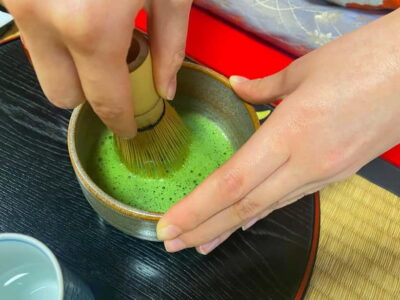
- The matcha making session you actually do
- Finishing calmly with genmaicha
- The certificate and group photo, and what they add
- Price and value, what $33.03 buys you in real terms
- Expectations check, what this is really like
- Practical tips so your one-hour tea class feels smooth
- Who should book this tea experience
- Should you book Tokyo Traditional Tea Ceremony with a Japanese Tea Master?
Key things to look forward to
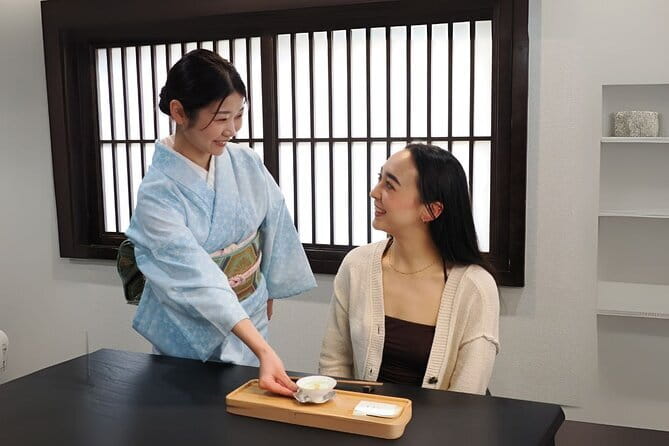
- Wakocha and tea cake to start, a Japanese black tea from Shizuoka paired with something sweet
- Gyokuro sencha tasting with seasonal wagashi sweets from Ougiya
- Matcha making session where you whisk your own matcha using traditional tools
- Genmaicha finale with sencha blended with roasted rice from Niigata Prefecture
- Group photo and certificate included, plus access to the ceremony room
- Small group size with a maximum of 12 people so you can ask questions
Sit down somewhere quieter. Other tea rooms we booked
- Matcha Making Class in Tokyo with Authentic Japanese Sweets Set
★ 5.0 · 744 reviews - Tokyo: Traditional Tea Ceremony with a Tea Master
★ 5.0 · 528 reviews - Tokyo: Matcha Making Experience with Mochi Sweets in Asakusa
★ 4.9 · 388 reviews - Tokyo: Matcha and Kimono Experience
★ 4.7 · 219 reviews
Where this tea ceremony happens, and why the location matters
This tea experience takes place in Bunkyo, right across from Tokyo University. That matters because you can build it into a day that already includes classic neighborhoods around central Tokyo, without losing half your day to logistics.
It runs for about one hour and caps at 12 travelers. In a class like this, that small size changes the vibe fast. You are not just tasting tea in a crowd, you get chances to ask what you are seeing and tasting.
Also, this is a mobile ticket setup. You show up, get into the tea room, and focus on the experience rather than printing anything at home.
Warming up with wakocha and cake
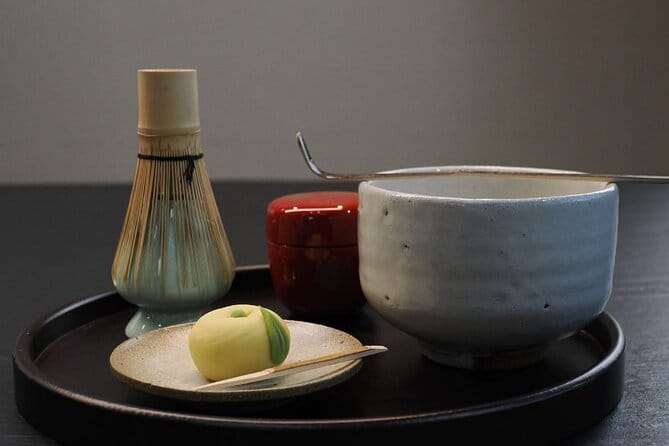
Before green tea takes over, you start with wakocha, a Japanese black tea from Shizuoka. It is a smart opening, because black tea gives you a different flavor frame than matcha or sencha, so your palate can reset.
You also get a slice of cake with your welcome tea. That pairing helps you understand how Japanese tea culture often balances tea with subtle sweetness, instead of treating tea like something you must drink straight and serious.
What I like about starting this way is that it lowers the pressure. You are not instantly expected to know tea terms. You just taste, notice, and then the ceremony steps get easier to follow.
Gyokuro sencha and wagashi from Ougiya
Next comes gyokuro sencha, described as the highest grade of green tea. If you have only had basic green tea before, this is a meaningful upgrade. Gyokuro is typically known for being more complex and concentrated, so you get a cleaner sense of what makes premium sencha different.
You also taste the tea leaves themselves, not only the finished cup. That small detail helps you connect flavor to the actual leaf character. When you later make matcha, it makes the whole process feel less mysterious.
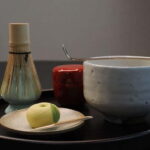
Alongside the tea, you get seasonal wagashi sweets from Ougiya, a confectioner known for generations of making these treats. In plain terms, the sweets are not random dessert. They are part of the flavor and texture conversation, and you get to experience how Japanese sweets can be designed to fit the moment, not just the craving.
- Mt Fuji and Hakone 1-Day Bus Tour Return by Bullet Train★ 5.0 · 26,383 reviews
- 1-Day Tokyo Bus Tour★ 5.0 · 14,250 reviews
- Tokyo: teamLab Planets TOKYO Digital Art Museum Entry Ticket★ 4.6 · 9,779 reviews
- Mt Fuji & Hakone Cruise, Drum Show Bullet Train 1 Day from Tokyo★ 4.0 · 7,413 reviews
- Tokyo: Shinjuku Food Tour (13 Dishes at 4 Local Eateries)★ 5.0 · 6,603 reviews
The matcha making session you actually do
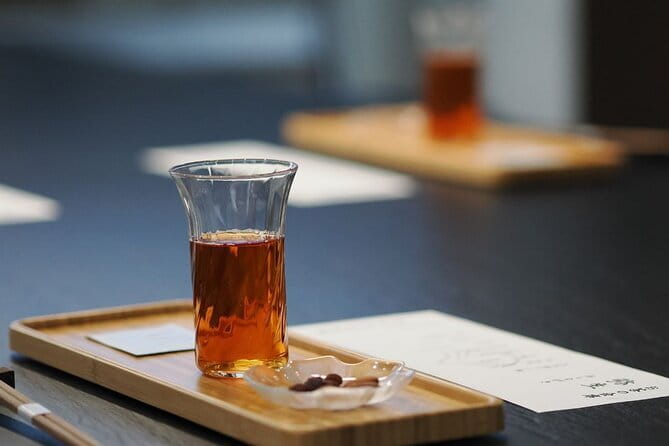
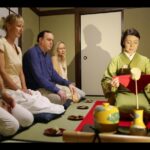
Now for the main event, you whisk your own matcha under guidance from a Japanese tea master. This is where most people get the most value, because you are not only tasting. You are making, adjusting, and learning the rhythm that turns powdered tea into the drink you will understand later.
Traditional tools are used for the preparation. That is important because matcha is picky. Even if your taste buds are great, your first whisk can still be lumpy or weak if the process is off. Having a master show you what to do helps you avoid the common beginner trap of thinking matcha is just powdered tea plus water.
As you work, you also learn how to connect what you see, what you smell, and what you taste. Matcha is one of those foods where the preparation changes the final cup. When you do it yourself, the lesson sticks.
One more practical note: this experience is hands-on, so keep an open mind about making tea the way the tea master demonstrates, not the way you might have seen in videos. The goal is understanding, not perfection.
Finishing calmly with genmaicha
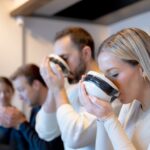
To end, you sip genmaicha, a blend of sencha and roasted rice from Niigata Prefecture. This is a comforting finale because genmaicha often feels smoother and rounder than sharper green teas. The roasted rice adds a warm, toasted note that balances the grassy character you might notice earlier.
You might think of the tasting sequence as a gentle arc. Start with wakocha and cake, move into premium gyokuro sencha and wagashi, learn matcha production, and then settle in with genmaicha. It is a short program, but the structure helps you remember the differences between each tea type.
The certificate and group photo, and what they add
Before you leave, you receive a certificate of completion and a group photo. Those are not big-ticket souvenirs in the classic sense, like buying a branded mug. They are more useful: they give you a concrete memory you can show someone later, or keep as a small proof you did something cultural and hands-on.
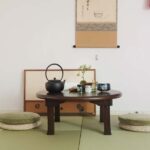
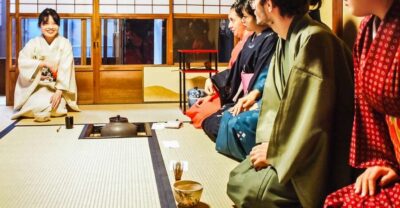
The experience also includes access to the tea ceremony room. That matters because you are not doing this in a busy cafe table setup. You are in a space where the tools, flow, and attention to small steps are the point.
If you like “I did this” keepsakes more than “I bought that,” this part is a solid match.
Price and value, what $33.03 buys you in real terms
At $33.03 per person, the price is easier to judge than it looks on paper. You are paying for an hour, guided tea instruction, multiple tastings, a matcha making session with tools, plus cake, and you leave with a certificate and group photo.
Many tea experiences in big cities either go heavy on tasting with minimal hands-on work, or they focus on one thing and do not include much else. This one strings the experience together. You get a warm-up tea, a premium green tea tasting, a wagashi component from Ougiya, then matcha that you personally whisk, and a genmaicha finish.
Two useful value checks for you:
- You get supplies and instruction for matcha making, not just a cup to drink.
- You also get room access and a structured sequence, which is hard to recreate on your own during a busy Tokyo day.
What is not included is travel to and from the tea room, and no extra souvenirs or gifts beyond what is listed. So plan to get there on your own like you would for any local workshop.
Expectations check, what this is really like
This is described as a traditional tea ceremony experience with a Japanese tea master, but the format is clearly a relaxed tasting and lesson. You will not be sitting through a long, formal event where you only watch. You will whisk matcha, taste multiple teas, and work through sweets designed to match what you are drinking.
That is a good thing. It makes the experience feel friendly, especially if you are traveling solo or with friends who might not want a rigid, quiet performance.
But if you are expecting the look of a strict, old-school ceremony style, go in knowing the focus is instruction plus tasting. You will likely get more out of it that way, and you will feel less disappointed if the pace is upbeat and practical.
Practical tips so your one-hour tea class feels smooth
First, treat this as a short workshop, not a wandering attraction. If you arrive ready to taste, ask questions, and follow the steps, you will squeeze more meaning out of each cup.
Second, plan your day so you are not rushed. You have about one hour, and the experience ends back at the meeting point. Keep your next stop nearby so you do not feel like you are chasing a timeline after the last cup.
Third, if language matters to you, note that the provided details do not spell out what language the tea master uses. When you book, confirm language support so you know what to expect.
Finally, if you care about comfort, dress for sitting and tasting. Tea rooms are typically a calm setting, and your best experience comes from being able to pay attention to the process.
Who should book this tea experience
This is a great fit if you want a hands-on cultural activity in Tokyo that does not take all afternoon. It is also ideal if you love learning by tasting, because you get a sequence of different tea types rather than one repetitive cup.
You should probably book if you:
- want matcha instruction, not just matcha consumption
- enjoy flavor differences and want a guided way to notice them
- like small group classes where you can ask questions
You might not love it as much if you:
- want a long, formal, ceremonial experience with minimal interaction
- are looking for shopping or large souvenir time, since the focus is the tea and included keepsakes
Should you book Tokyo Traditional Tea Ceremony with a Japanese Tea Master?
Yes, I think you should book it if you want a short, high-value cultural activity that teaches you something you can use later. The pairing of multiple teas, including premium gyokuro sencha, plus the matcha making session, plus the certificate and photo, gives you more than a simple taste stop.
If you are the type who learns best by doing, this is exactly the right format. Just go in with realistic expectations about the pace: you are learning and making tea in about an hour, not watching a lengthy scripted ceremony.
Kyoto by the Bowl

Newest Tokyo write-ups from the Loving Japan desk


Kyoto Tea Ceremonies and Matcha, side by side.
 ★ 4.9Tea Ceremony in a Traditional Tea House in KiyomizuFrom $493,519 reviews
 ★ 4.9Tea Ceremony Ju-An at Jotokuji TempleFrom $293,207 reviews
 ★ 4.345-Minute Tea Ceremony Lesson ExperienceFrom $222,378 reviews
 ★ 5.0World Heritage Kyoto & Nara Uji Authentic Matcha ExperienceFrom $1291,573 reviews
 ★ 4.9Tea Ceremony ExperienceFrom $251,426 reviews
 ★ 4.9Table-Style Tea Ceremony at a Kyo-MachiyaFrom $451,211 reviews
 ★ 4.8Kenrokuen Tea Ceremony ExperienceFrom $351,139 reviews
 ★ 5.0Kimono Tea Ceremony at Kyoto Maikoya, NISHIKIFrom $65911 reviews
Filed on these lists too