
REVIEW · KYOTO TEA CEREMONIES AND MATCHA
Tokyo: Two Types of Japanese Sweets Making and Tea Ceremony
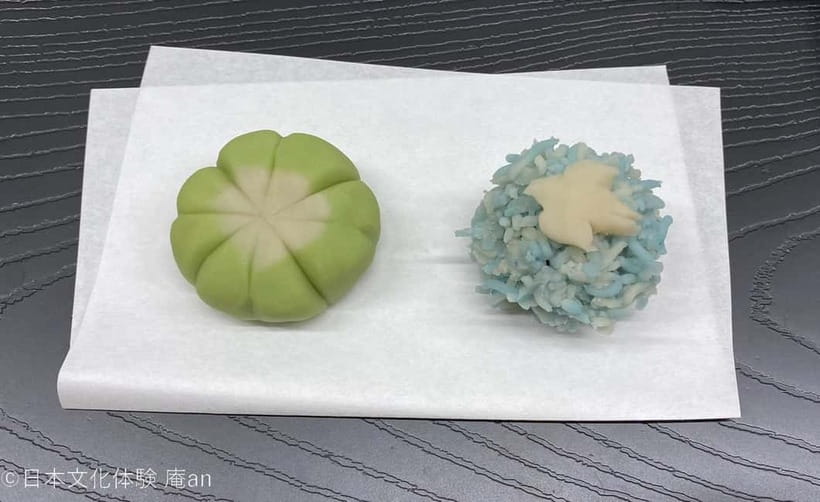
Wagashi gets way more fun when you make it. This Tokyo class pairs ohigashi and nerikiri sweet-making with a hands-on matcha moment and a casual tea ceremony, all in one 125-minute session. I especially love how you work with ingredients tied to tradition, like Kyoto-made bean paste and wasanbon sugar, plus the matcha is treated as the main event, not an afterthought. A small consideration: some of the nerikiri shaping takes a steady hand and a bit of patience.
You also get something that feels unusually well-balanced for a short workshop: you start with the dried-style sweet, then move into the more detailed flower-shaped nerikiri, and you finish by learning how to handle matcha step by step. If you want a culture experience that goes beyond watching, this is one of the better ways to spend a half day. Just know the pace is real, so if you’re slow with arts and crafts, you might want to relax your standards and focus on learning.
In This Review
- Key highlights to look for
- Why ohigashi, nerikiri, and matcha is a smart combo
- The workshop start: ohigashi with wasanbon (and seasonal thinking)
- Nerikiri flowers: shaping bean-paste sweets like you mean it
- Matcha grinding and a casual tea ceremony that feels doable
- Timing: how the 125 minutes actually feels in real life
- What’s included, what costs extra, and what you should plan
- Price and value: is $28 a good deal for this much hands-on?
- Where it fits in your Tokyo plans (and who it suits best)
- Should you book this wagashi and matcha experience
- FAQ
- What is the duration of the Tokyo sweets and tea experience?
- What sweets will I make during the class?
- Does the experience include matcha and a tea ceremony?
- Is there English support during the class?
- Are there any additional charges during the experience?
- What time does the experience run, and what if I book late?
- Are children charged for this activity?
Key highlights to look for
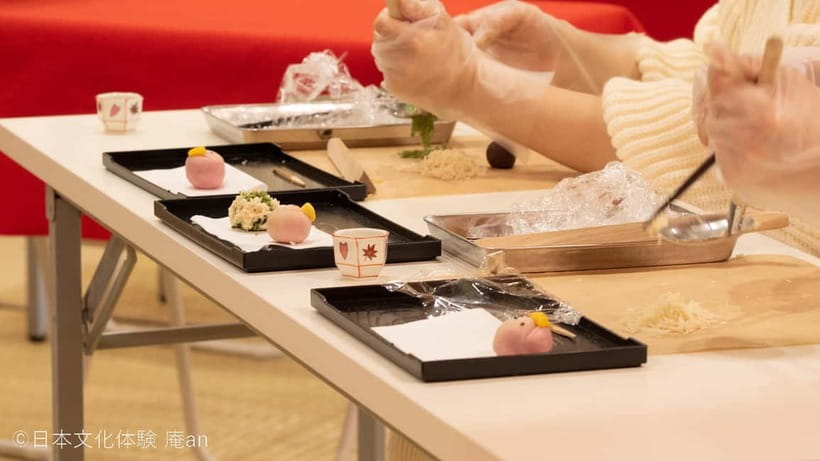
- Wasanbon-focused ohigashi that uses traditional Japanese sugar for a dried-type sweet
- Two seasonal sweets made from white or red bean paste, with Kinton Nerikiri included
- Kyoto long-established-shop bean paste, giving you a more authentic flavor base
- Single-origin matcha, plus a grinding demonstration and a tea-ceremony experience
- English translation as much as possible, led by a Japanese instructor who keeps it approachable
Sit down somewhere quieter. Other tea rooms we booked
- Matcha Making Class in Tokyo with Authentic Japanese Sweets Set
★ 5.0 · 744 reviews - Tokyo: Traditional Tea Ceremony with a Tea Master
★ 5.0 · 528 reviews - Tokyo: Matcha Making Experience with Mochi Sweets in Asakusa
★ 4.9 · 388 reviews - Tokyo: Matcha and Kimono Experience
★ 4.7 · 219 reviews
Why ohigashi, nerikiri, and matcha is a smart combo
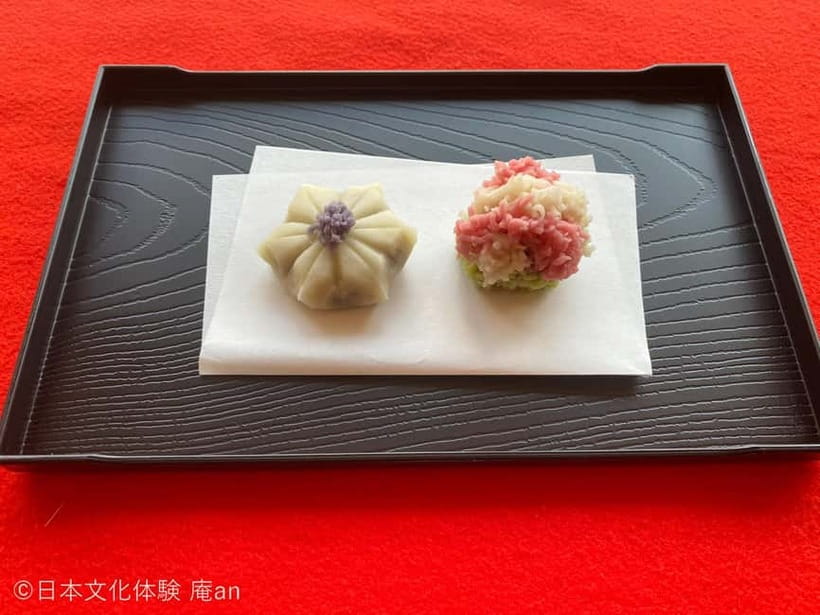
If you like Japanese food but wish cooking classes explained the why, this format helps. You get three different kinds of techniques, and each one matches a different side of Japanese tea culture. Ohigashi is about structure and sweetness, nerikiri is about shaping and texture, and matcha is about aroma, foam, and ritual.
I like that the class is built around the same theme all the way through. You’re not bouncing between unrelated crafts. Instead, you’re learning the language of wagashi and tea, in a way that sticks because your hands do the work.
It’s also good value for people who want more than one “single skill” class. In 125 minutes, you get both sweet-making and the tea part, and the matcha experience is not just tasting. You grind it, you learn the steps, and you get to enjoy the cup you make.
The workshop start: ohigashi with wasanbon (and seasonal thinking)
You begin with a short setup and explanation of Japanese traditional sweets. You’ll then move into dried-type ohigashi making. The key ingredient here is wasanbon, a traditional Japanese sugar used for this style of sweet.
Why that matters: wasanbon is known for a very particular sweetness and finish, and your dessert will taste different from the typical sugar-forward sweets you might be used to. Even if you never study ingredients at home, you’ll feel the difference in how the sweet behaves and how it sets.
In practical terms, you’re learning how an ohigashi differs from the softer, more sculptural wagashi types. Dried-type sweets tend to be less about delicate molding and more about how you handle the mixture and form. It’s a nice warm-up before the nerikiri part, because it builds your confidence first.
One more thing I’d watch for: the class is designed around seasonality. You’re making two seasonal nerikiri later, so even at the beginning, it helps to pay attention to what the instructor says about the seasonal match between sweets and the time of year. It’s a small detail, but it’s the kind of cultural logic you’ll remember when you eat wagashi on your trip.
Nerikiri flowers: shaping bean-paste sweets like you mean it
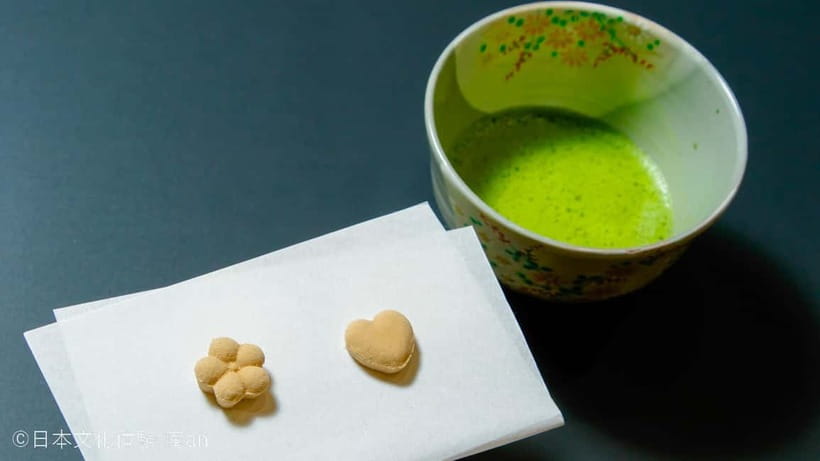
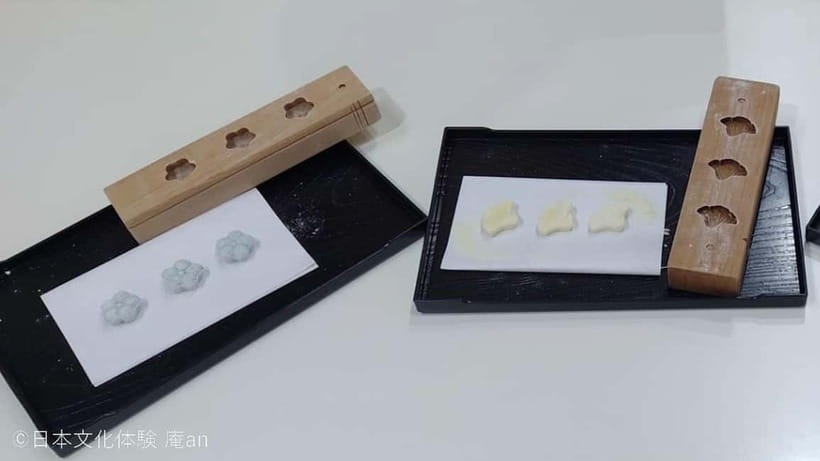
Next comes the showpiece, and you make two seasonal Japanese sweets called nerikiri. These are made with white or red bean paste, and the paste comes from Kyoto’s long-established shops. That Kyoto touch matters because the sweetness profile is subtle. It supports the flavor of matcha later, instead of steamrolling it.
You also make a flower-shaped piece and a specific style called Kinton Nerikiri. If you’re picturing nerikiri as just decorative, you’re right, but it’s also tactile. Nerikiri is about working the paste into a clean shape that still looks soft and lifelike.
This is where I’d tell you to lower the pressure. The nerikiri shaping can be tricky, and you need a bit of fine control. The good news is that this kind of difficulty is usually the productive kind. You’re not failing, you’re just learning the technique in real time.
A practical way to approach it:
- Take your time with the outer shape before you perfect the details.
- Keep your hand motions steady. Rushing usually makes the paste tear or lose its clean edges.
- If you mess up slightly, don’t panic. Your sweet will still taste right, and the instructor’s guidance will help you recover.
Also, if you want more customization, there is an option to add color for an additional fee. That can make your sweets look even more seasonal, especially if the basic design feels too subtle to your eye.
- Mt Fuji and Hakone 1-Day Bus Tour Return by Bullet Train★ 5.0 · 26,383 reviews
- 1-Day Tokyo Bus Tour★ 5.0 · 14,250 reviews
- Tokyo: teamLab Planets TOKYO Digital Art Museum Entry Ticket★ 4.6 · 9,779 reviews
- Mt Fuji & Hakone Cruise, Drum Show Bullet Train 1 Day from Tokyo★ 4.0 · 7,413 reviews
- Tokyo: Shinjuku Food Tour (13 Dishes at 4 Local Eateries)★ 5.0 · 6,603 reviews
Matcha grinding and a casual tea ceremony that feels doable
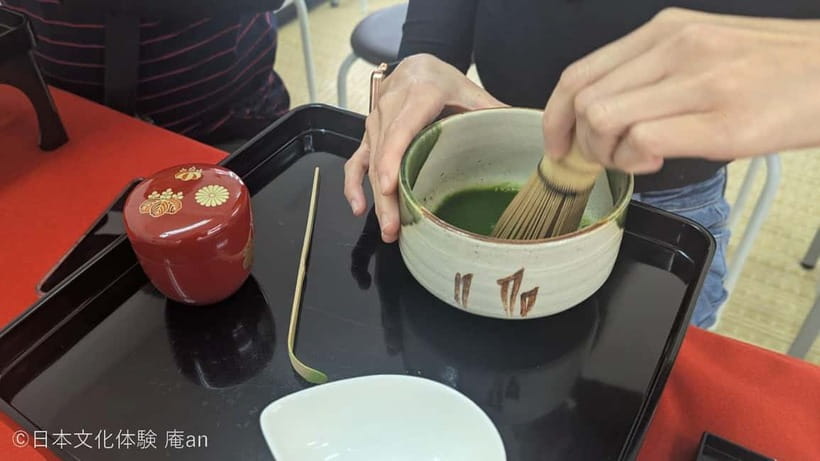
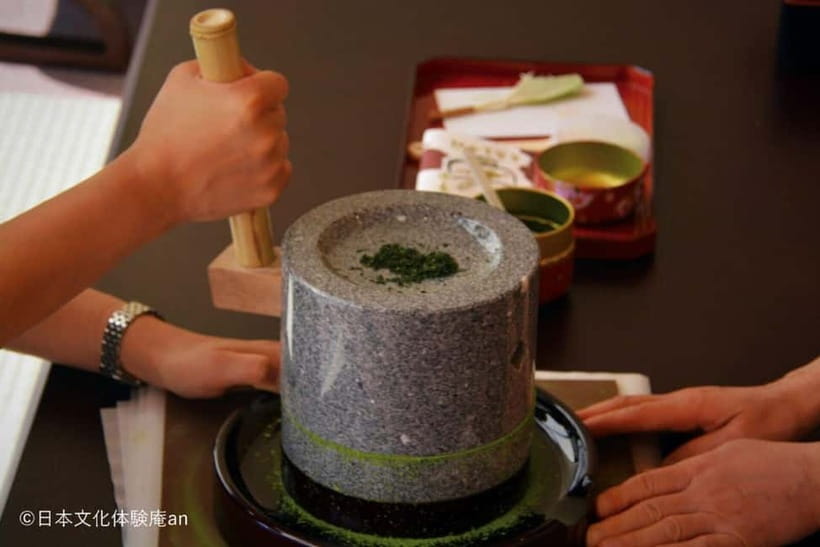
After the sweets, you’ll shift to the tea section. You get an explanation about tea, then a matcha grinding demonstration. This part is where the class earns points for pacing. You get to see how matcha starts as a powder and becomes something airy and fragrant through the right steps.
The matcha itself is single-origin special matcha, so the flavor is meant to be clear and specific, not generic. When you grind and handle it yourself, you notice the aroma changes fast. That sensory step is a big part of why tea ceremonies can feel special, even when they’re casual.
Then comes the tea-ceremony experience. It’s not presented as intimidating. You learn the basic flow, you make your tea, and you get to enjoy it. If you’ve ever stood in front of matcha at a café thinking I should know what to do here, this portion solves that. You get the confidence of actually doing it, not just watching.
One detail I found useful in this kind of lesson is understanding the difference between green tea and matcha. Matcha is not just green tea in powder form. When you hear and taste it in the context of preparation, the distinction becomes obvious.
Timing: how the 125 minutes actually feels in real life
The experience runs for 125 minutes, and it’s structured with breaks so you can reset. You start around the beginning, then you have an early break during the sweet-making sequence. After the nerikiri session, there’s another break before the tea segment.
Why that structure is helpful: making sweets uses different muscles than whisking tea. Your hands get tired, and your focus drops if everything is one long stretch. The breaks keep you from turning the class into a rushed craft project where everything sticks to your fingers.
Also keep an eye on the operational window. The experience runs from 10:00 to 17:00. If you book after 17:00, your reservation is processed next day. If your trip schedule is tight, aim for a time slot early enough that you won’t be stressing over transport.
One more real-world note: the staff will not hold the event to accommodate delays. So if you’re coming from somewhere in Tokyo with unpredictable train timing, pad your schedule. This isn’t the kind of class where you want to arrive 10 minutes late and hope for mercy.
What’s included, what costs extra, and what you should plan
You’re paying for three parts: two types of Japanese sweets making plus the tea ceremony experience. In other words, you’re not just tasting. You’re producing.
Included:
- A set experience covering two types of Japanese sweets making and tea ceremony
Not included extras you might want:
- A take-out box for sweets: 100 JPY
- Adding color: 200 JPY
- Experience completion certificate: 300 JPY
Here’s how I think about those add-ons. The take-out box is useful if you want to share or store your sweets after class. The color option is for people who enjoy visual finishing and want their nerikiri to pop more. The certificate is mostly for keepsakes. If you’re the type who likes proof of learning, it can be a nice souvenir. If not, skip it and put the money toward something edible later.
Price and value: is $28 a good deal for this much hands-on?
At about $28 per person, this workshop is priced like a mid-range cultural class. The value comes from three places.
First, you’re using higher-quality inputs than you’d typically get in basic tourist-level crafting. Kyoto long-established-shop bean paste and wasanbon sugar are not throwaway details. Second, you’re not just tasting matcha. You grind it and experience the tea ritual steps, and the matcha is called out as single-origin special. That kind of focus costs more than a simple tasting.
Third, the class time matters. 125 minutes is long enough to actually learn, but short enough that you won’t feel like you lost your whole day. If you’re in Tokyo for a few days and want one memorable food-centered activity that isn’t a full cooking course, this hits the sweet spot.
If you compare it to the price of wagashi you could buy plus a tea drink, the math makes sense for many people, because you leave with skills and a story you can tell. The food is part of the reward, but the real value is what your hands learn about shaping paste and preparing matcha.
Where it fits in your Tokyo plans (and who it suits best)
This is a great fit if:
- you want a food workshop that teaches technique, not just decoration
- you like Japanese sweets and want a deeper respect for how they’re made
- you enjoy tea culture but don’t want something so formal it feels out of reach
- you’re traveling with someone who might not love an all-day museum plan
It may be less ideal if:
- you want zero skill-building and only want light tasting
- you hate any situation that involves careful shaping, because nerikiri requires a steady touch
- you’re highly time constrained, since delays aren’t accommodated
For couples, I like it because both people can participate and then share the tea they made. For solo travelers, it’s also a nice social reset. Even if you don’t speak much Japanese, you’ll get instruction with English translation as much as possible.
Should you book this wagashi and matcha experience
Book it if you want a compact Tokyo experience that’s genuinely hands-on and tied to tradition. You’ll get ohigashi with wasanbon, you’ll shape nerikiri two times with seasonal themes, and you’ll grind and prepare matcha in a tea ceremony setting that stays practical.
Skip it only if you’re not interested in making sweets at all, or if you’re the type who gets frustrated by precision crafts. Otherwise, this is one of those classes where you walk away with something better than a photo. You walk away knowing how the sweetness and the tea connect, and you’ll taste wagashi differently after.
FAQ
What is the duration of the Tokyo sweets and tea experience?
The experience lasts 125 minutes.
What sweets will I make during the class?
You’ll make dried-type Japanese sweets (ohigashi) and two seasonal Japanese sweets (nerikiri) made from white or red bean paste, including Kinton Nerikiri.
Does the experience include matcha and a tea ceremony?
Yes. You’ll have a matcha grinding demonstration and then enjoy a tea-ceremony experience.
Is there English support during the class?
The instructor is Japanese, and English translation will be provided as much as possible.
Are there any additional charges during the experience?
A sweets take-out box costs 100 JPY, adding color costs 200 JPY, and an experience completion certificate costs 300 JPY.
What time does the experience run, and what if I book late?
Operation hours are from 10:00 to 17:00. Reservations received after 17:00 are processed the next day.
Are children charged for this activity?
Children who sit on their parents’ laps are free of charge if they are under 2 years old.
Kyoto by the Bowl


Newest Tokyo write-ups from the Loving Japan desk


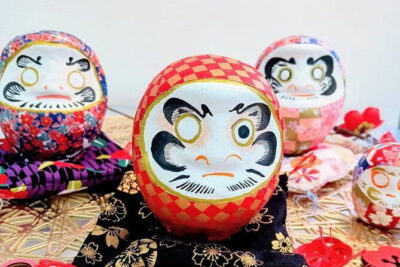

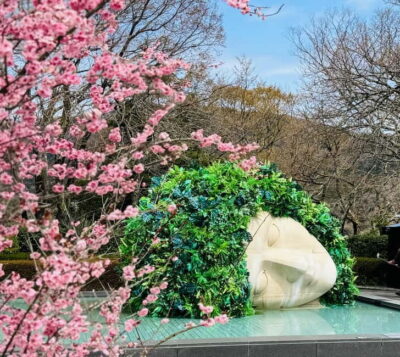
Kyoto Tea Ceremonies and Matcha, side by side.
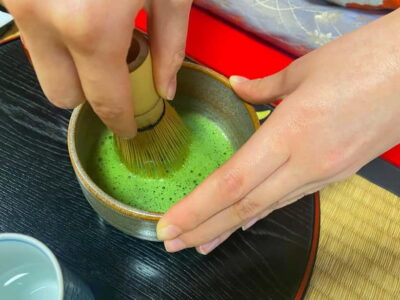 ★ 4.9Tea Ceremony in a Traditional Tea House in KiyomizuFrom $493,519 reviews
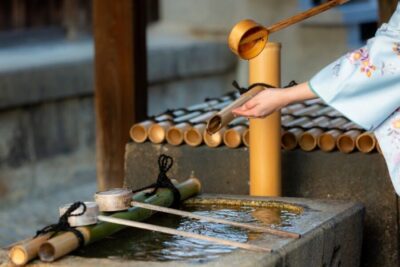 ★ 4.9Tea Ceremony Ju-An at Jotokuji TempleFrom $293,207 reviews
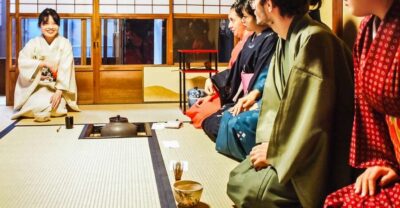 ★ 4.345-Minute Tea Ceremony Lesson ExperienceFrom $222,378 reviews
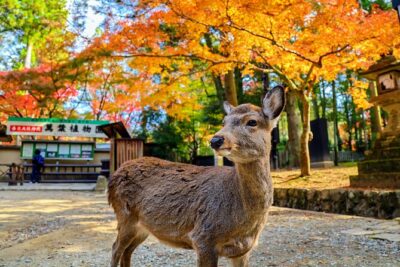 ★ 5.0World Heritage Kyoto & Nara Uji Authentic Matcha ExperienceFrom $1291,573 reviews
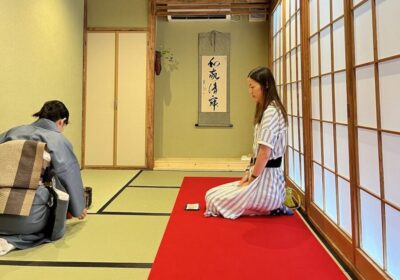 ★ 4.9Tea Ceremony ExperienceFrom $251,426 reviews
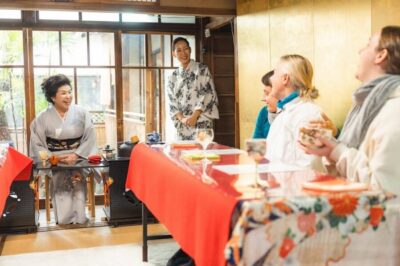 ★ 4.9Table-Style Tea Ceremony at a Kyo-MachiyaFrom $451,211 reviews
 ★ 4.8Kenrokuen Tea Ceremony ExperienceFrom $351,139 reviews
 ★ 5.0Kimono Tea Ceremony at Kyoto Maikoya, NISHIKIFrom $65911 reviews
Filed on these lists too