
REVIEW · JAPANESE COOKING CLASSES
Bento Box Cooking Class
Bento cooking class is one of the quickest ways to understand Japanese food logic. You learn bento technique step by step, from watching master chefs handle the key moves to getting hands-on coaching from an English-speaking instructor, and you finish by eating a lunch you made yourself. I also love how the studio is reported to be careful with food allergies, and that practical attention is a big reason this class earns such strong marks, though the menu can shift by season so you might not get every exact dish you expect.
For the price, this is strong value in Kyoto: you get lunch, all ingredients, an apron, and take-home recipe copies within about 3 hours. It’s built for a small group, with a maximum of 8 per booking, so you are not stuck watching from the sidelines, but you should still plan to bring an appetite, since most of the cooking happens before you sit down to eat.
In This Review
- Key Highlights to Expect
- Where You Start: Cooking Sun Kyoto and the Morning Flow
- Bento’s Backstory and Why It’s Still Perfect for Today
- What You Cook: Classic Bento Staples and Seasonal Swaps
- Learning the Techniques: Small-Group Coaching That Actually Sticks
- Your Bento Lunch: Putting It Together, Then Eating It
- Take-Home Recipes: Cook Again Without Guessing
- Price and Value: What $71.35 Covers in Real Terms
- Practical Tips That Make the Class Smoother
- Who Should Book This Bento Box Class in Kyoto
- Should You Book Bento Box Cooking Class at Cooking Sun?
- FAQ
- How long is the Bento Box Cooking Class?
- Where does the class take place?
- Is lunch included?
- What is included in the class price?
- Are food allergies accommodated?
- How big is the class?
- What kind of ticket do I need?
- Is hotel pickup and drop-off included?
- What is the cancellation window for a full refund?
Key Highlights to Expect
- Small-group hands-on time with close guidance (up to 8 people per booking)
- Japanese master chef demonstrations of core techniques before you cook
- Food-allergy support when you share requirements ahead of time
- Seasonal menu adjustments every few months based on best available ingredients
- Lunch included, plus recipe copies to recreate your bento at home
Cook it yourself instead. Other kitchens in Kyoto
- Sushi Making in Kyoto! Same-day bookings welcome!
★ 5.0 · 713 reviews - Kyoto: Ramen Cooking Class at a Ramen Factory with Souvenir
★ 4.9 · 532 reviews - Kyoto: Ramen, Gyoza, and Onigiri Cooking Class
★ 5.0 · 445 reviews - The Original Small-Group Sushi Making Class in Kyoto
★ 5.0 · 436 reviews
Where You Start: Cooking Sun Kyoto and the Morning Flow
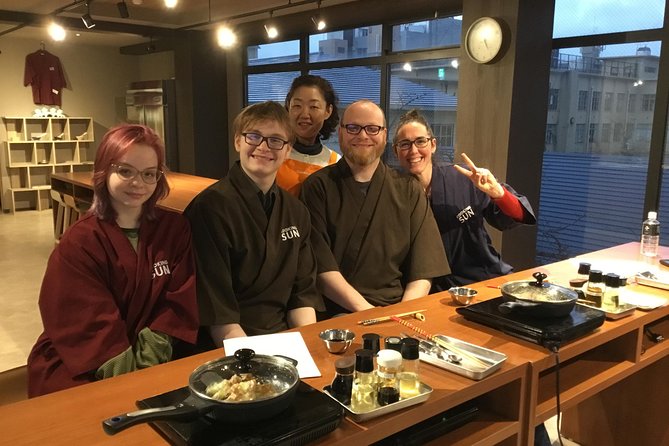
Your class begins in the morning at Cooking Sun, 679 Funayachō in Shimogyo Ward, Kyoto. The location is near public transportation, which matters because Kyoto mornings can turn busy fast, and you do not want to burn time getting to your food plans. Expect a start time around 9:30 am, and an overall session of about 3 to 3.5 hours.
One smart part of the format is the pacing. You begin with context, then watch the technique demo, then switch into hands-on mode, then you eat what you made. If you like lessons that feel practical instead of tour-like, this schedule fits.
Bento’s Backstory and Why It’s Still Perfect for Today
Bento is often sold as a cute convenience meal, but in class you will see it as a system: portioning, balance, and practicality all in one box. You start by learning how bento ties to history, including the idea that the term appears as far back as the 13th century, with the Song Dynasty using bento as slang for anything convenient.
That little history lesson matters more than you might think. It helps you understand why bento is designed for real-life use, not just aesthetics. You learn the mindset behind packing a meal that holds up until it is eaten, which connects neatly to the way you assemble your own box at the end.
What You Cook: Classic Bento Staples and Seasonal Swaps
The bento menu can change depending on the season, and that’s actually a plus if you are visiting Kyoto more than once or you just enjoy variety. The class adjusts every three months with seasonal ingredients, so you might see different vegetables, proteins, or flavor profiles in your box versus someone else’s.
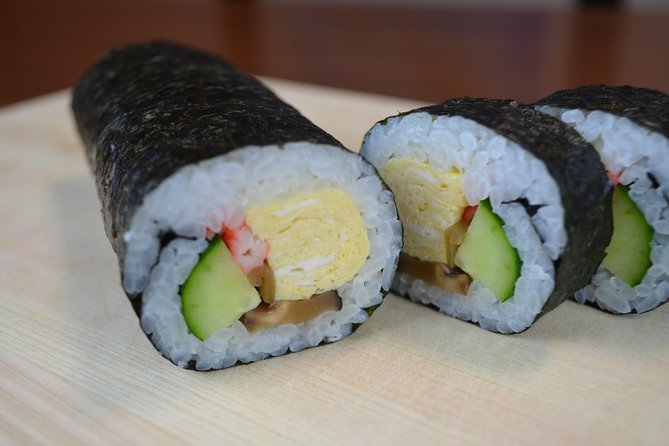
In the sessions people describe, you can expect a blend of familiar Japanese home staples and bento-friendly items. Common examples include miso soup, tempura (often tempura vegetables and sometimes shrimp), egg rolls and layered egg styles, and sushi rolling. You may also make dishes like teriyaki chicken and a spinach-sesame style salad, depending on the class menu.
Here is the real takeaway: this is not just cooking random dishes. You cook components that naturally belong together in a bento format, so when you plate your box, it makes sense how each element fits the whole meal.
- PERFECT KYOTO 1-Day Bus Tour★ 5.0 · 13,518 reviews
- Kyoto: Fushimi Inari, Kinkakuji, Bamboo Grove 1 Day Bus Tour★ 4.8 · 4,316 reviews
- Kyoto: Tea Ceremony in a Traditional Tea House in Kiyomizu★ 4.9 · 3,519 reviews
- Kyoto Geisha Walking Tour: Gion District & Hidden Gems★ 4.7 · 3,273 reviews
- Kyoto: Tea Ceremony Ju-An at Jotokuji Temple★ 4.9 · 3,207 reviews
Learning the Techniques: Small-Group Coaching That Actually Sticks
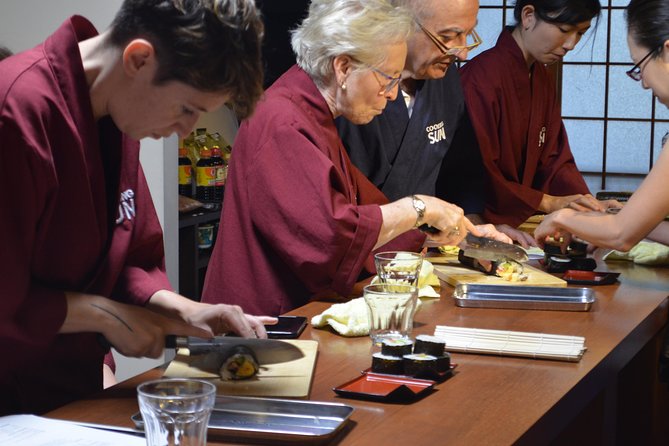
The best cooking classes teach you technique, not just recipes. In this class, you watch Japanese master chefs demonstrate key moves first, then you copy those moves yourself while the instructor gives you guidance. The group size stays small, and that keeps the attention personal even if you are a beginner.
What makes this feel efficient is the way prep is handled. Many dishes are not started from scratch at your station, with key chopping and groundwork handled in advance, so you can focus on the skills that matter most, like rolled egg technique, frying tempura, and assembling a sushi roll. You still get hands-on time across multiple items, so you leave with more than one-use skills.
You also get language help via an English-speaking cooking instructor. That matters in Japan, where cooking terms can be tricky, and where small steps can change the final texture. People specifically call out clear instruction and patience, which you will feel if you need a second look during something like tempura or rolling.
Your Bento Lunch: Putting It Together, Then Eating It
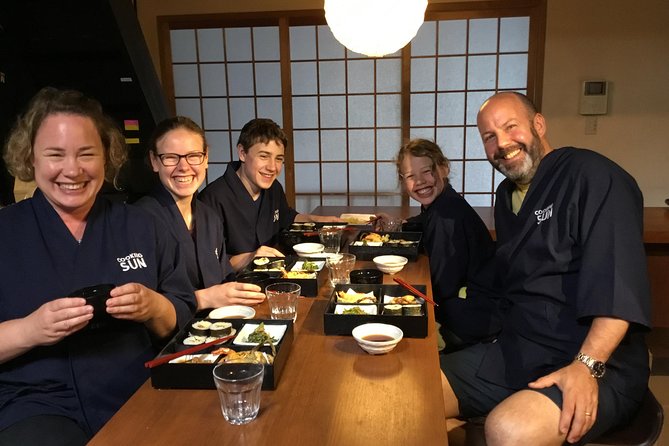
Once the cooking is finished, you stow your knife and apron and sit down with the rest of the group to enjoy your handmade bento box. This is a big deal for two reasons.
First, you get immediate feedback. Your bento is both the lesson and the result, so you can connect taste and texture to the technique you used. Second, you actually get to eat like a Japanese home cook for once, not just sample a single bite and leave.
You should also plan to arrive ready to work. One common practical note is that skipping breakfast can leave you hungry, because you will be cooking for a while before you eat. If you are starting at 9:30 am, a light breakfast helps you stay focused and not feel drained halfway through.
Take-Home Recipes: Cook Again Without Guessing
After lunch, you receive copies of the session recipes, which is what turns this from a fun activity into a skill you can repeat. The goal is not just to enjoy Kyoto food that day, but to bring your new bento box system home to family and friends.
The recipes are valuable because bento techniques are easy to forget if you only rely on memory. When you can recreate the components, you start understanding how bento planning works, like balancing flavors and getting everything to pack well.
If you cook at home already, you will probably enjoy the small upgrades people mention, like tips for dashi and how and when to use different soy sauce colors. Even if your kitchen is not Japanese-style, those kinds of guidance help you get closer to the real taste.
Price and Value: What $71.35 Covers in Real Terms
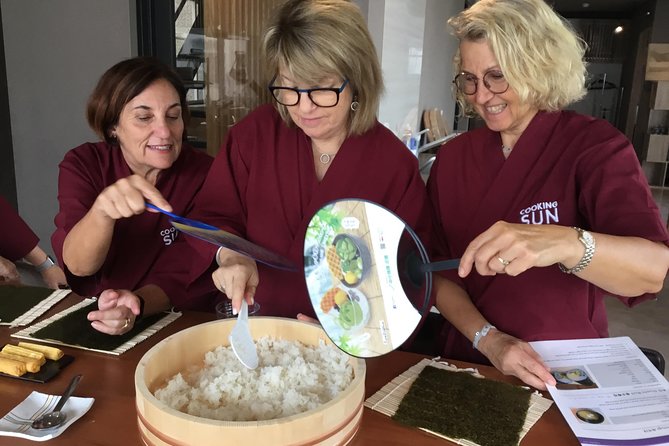
At $71.35 per person, you might wonder if it is worth it compared with other things you can do in Kyoto. Here is how I see the value stacking up based on what you actually receive.
You get a full bento lunch included, all ingredients, and an English-speaking instructor, plus an apron. You are also getting small-group attention, with up to 8 people per booking, which usually costs extra in more formal settings. Add in the take-home recipe copies, and you are essentially buying both a guided cooking session and a meal you would otherwise spend money on.
Also, it’s timed well for a traveler schedule. A 3 to 3.5 hour block is realistic in Kyoto, where sightseeing can run long. You can eat your lunch at the end, then keep moving without hunting for a restaurant that fits your mood and budget.
Practical Tips That Make the Class Smoother
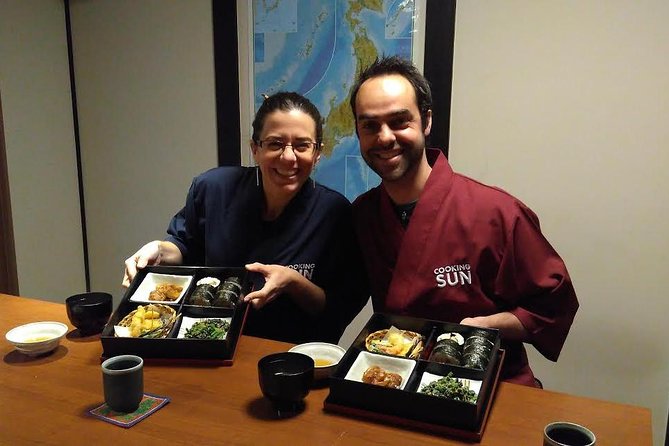
If you want your class to feel smooth instead of stressful, focus on a few practical things.
- Share dietary needs at booking. The studio reports being careful and helpful with food allergies, but you need to tell them in advance so they can plan.
- Eat something beforehand. Even if you are tempted to show up hungry for the big lunch, having a light breakfast helps you enjoy the process.
- Bring an appetite for technique. This class covers multiple dishes, so you will work steadily from start to finish, not just watch and snack.
- Expect seasonal variety. Your exact dishes may differ, so treat the menu as flexible and focus on the skills, not a single checklist.
One more small planning note: food and drinks are not clearly listed as fully included beyond the lunch itself. So if you like a drink with your meal, plan to purchase it separately.
Who Should Book This Bento Box Class in Kyoto
This class is a great fit if you want Japanese food that is hands-on, structured, and repeatable at home. It is especially good for food lovers who like learning technique, not just collecting photos.
It also fits beginners, because the setup supports you. You get demonstrations, you get coaching, and a lot of prep is handled so you can focus on the parts that really build confidence, like tempura frying, rolled egg handling, and sushi rolling.
If you have a foodie teen or you travel as a couple, it works well too. The class format supports couples and family groups, with patient explanations and clear instructions. And because it is a small group experience, it feels more relaxed than big factory-style tours.
Should You Book Bento Box Cooking Class at Cooking Sun?
Yes, if you want a Kyoto activity that turns into a real skill and a real meal in one go. The biggest reasons to book are the hands-on guidance, the small group size, and the fact that you leave with recipe copies you can use again.
You might consider something else if you are tightly focused on a specific list of dishes, because the menu adjusts with the seasons. Also, if you strongly dislike cooking before eating, plan a light breakfast so the long wait until lunch does not feel miserable.
FAQ
How long is the Bento Box Cooking Class?
It runs about 3 hours, with some sessions listed at approximately 3 to 3.5 hours.
Where does the class take place?
The class starts at Cooking Sun, 679 Funayachō, Shimogyo Ward, Kyoto, 600-8466, Japan.
Is lunch included?
Yes. Lunch is included, and you eat the bento box you make.
What is included in the class price?
Included are lunch, all ingredients for cooking, an English-speaking cooking instructor, and an apron.
Are food allergies accommodated?
The provider asks you to advise specific dietary requirements at booking. The experience has feedback noting the staff were careful and helpful with food allergies.
How big is the class?
There is a maximum of 8 travelers per booking.
What kind of ticket do I need?
A mobile ticket is provided.
Is hotel pickup and drop-off included?
No, hotel pickup and drop-off are not included.
What is the cancellation window for a full refund?
You can cancel up to 24 hours in advance for a full refund. If you cancel less than 24 hours before the start time, the amount paid will not be refunded.
Kitchens You Can Book Into
Newest Kyoto write-ups from the Loving Japan desk

Japanese Cooking Classes, side by side.
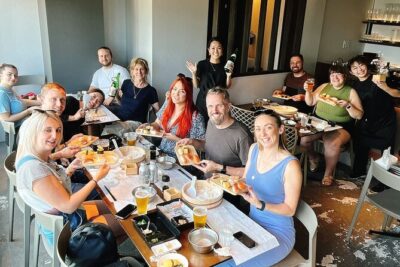 ★ 5.0Sushi Making Tokyo Roll and Authentic Japanese Sushi ClassFrom $593,971 reviews
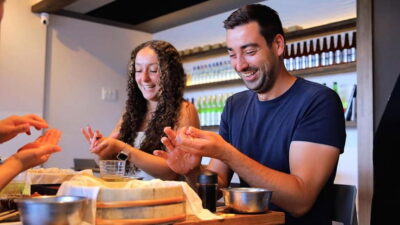 ★ 4.9Roll and Authentic Sushi Making Class in AsakusaFrom $581,957 reviews
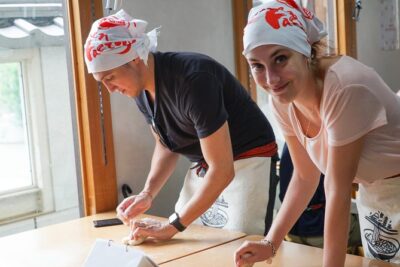 ★ 5.0Ramen Cooking Class at Ramen Factory in KyotoFrom $1311,937 reviews
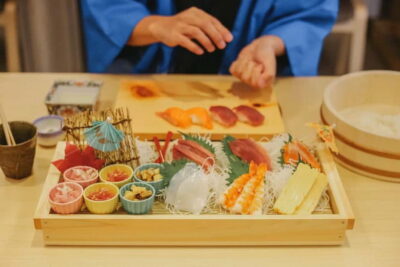 ★ 4.9Sushi Making Class in a Happi Coat near a Famous SpotFrom $421,377 reviews
 ★ 5.0Sushi Making Osaka Roll and Authentic Japanese Sushi ClassFrom $311,220 reviews
 ★ 5.0Tokyo Sushi Making Class in Tsukiji with Professional ChefFrom $491,177 reviews
 ★ 5.0Ramen & Gyoza Cooking Class in Tokyo with Local Supermarket VisitFrom $122823 reviews
 ★ 5.0Tsukiji Fish Market Guided Tour and Sushi Making with Pro ChefFrom $104775 reviews
Filed on these lists too