
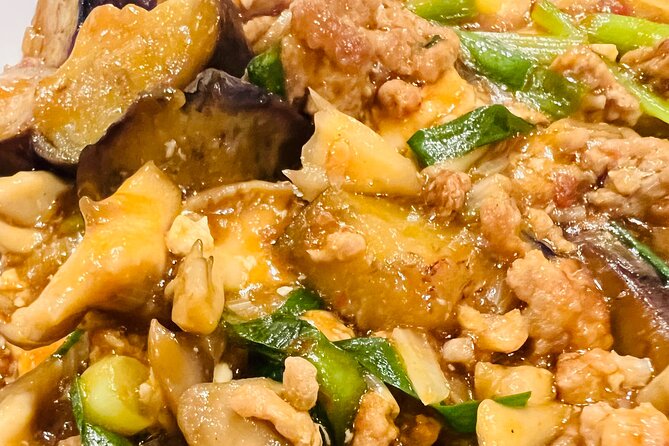
REVIEW · JAPANESE COOKING CLASSES
Kyoto Family Kitchen Cooking Class
Dinner in a real Kyoto home works magic. This is a hands-on cooking evening in a suburban house outside the center, with English instruction from Anthony and a family meal that feels like the best kind of invite. I especially like the hands-on cooking at the kitchen counter, plus the way you learn the staples that power everyday Japanese flavor, dashi, soy sauce, mirin, and sake. You get tea first, then real cooking, then a shared dinner.
The possible drawback is simple: you are stepping into daily life. Kids and pets are part of the vibe, and the experience can feel more like cooking alongside a family than following a rigid, studio-style lesson.
In This Review
- Key Highlights at a Glance
- A Kyoto Cooking Class That Feels Like Dinner, Not School
- Meeting Anthony in a Suburban Kyoto Home
- The Core Lesson: Dashi, Soy Sauce, Mirin, and Sake
- The Hands-On Part: Aprons, Chopping, Mixing, and Cooking Together
- Dinner Table Time: Tea First, Then a Shared Meal
- Price and Value: Why $96.84 Can Make Sense
- Who This Cooking Class Is Best For
- Timing Tips for a Smooth Evening
- Should You Book Kyoto Family Kitchen?
- FAQ
- Where does Kyoto Family Kitchen take place?
- How long is the cooking class?
- What time does it run?
- Is this a private experience?
- What is included in the price?
- Is transportation included?
- Are alcoholic beverages included?
- Is a tip required or included?
- Can dietary needs be accommodated?
- Are service animals allowed?
Key Highlights at a Glance
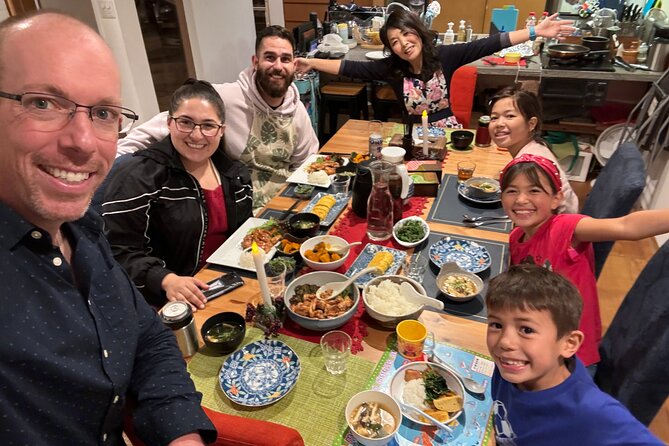
- Japanese pantry staples first: You start with the core flavor builders, dashi, soy sauce, mirin, and sake.
- Kitchen-counter, hands-on work: You chop, mix, and cook with the group right in the family’s space.
- Tea chat, then menu preview: You ease in with conversation before you put aprons on.
- Family meal energy: After cooking, you sit down together and talk over dinner.
- Dietary flexibility shown in practice: A vegetarian guest has been accommodated with plenty to eat.
Cook it yourself instead. Other kitchens in Kyoto
- Sushi Making in Kyoto! Same-day bookings welcome!
★ 5.0 · 713 reviews - Kyoto: Ramen Cooking Class at a Ramen Factory with Souvenir
★ 4.9 · 532 reviews - Kyoto: Ramen, Gyoza, and Onigiri Cooking Class
★ 5.0 · 445 reviews - The Original Small-Group Sushi Making Class in Kyoto
★ 5.0 · 436 reviews
A Kyoto Cooking Class That Feels Like Dinner, Not School
Kyoto has plenty of cooking classes. Most teach techniques in a tidy, predictable way. This one is different because it is anchored in home life. You arrive, have tea, chat about your trip, and then you cook together as a family circle at their kitchen counter.
That matters. When you cook in someone’s real routine, you pick up more than recipes. You learn how those sauces and broths actually show up in everyday meals, how a family thinks about flavor, and how to keep things moving without turning dinner into a stress test.
Two things I think make the experience especially good value for the price. First, dinner is included, so the class is not just cooking practice. Second, the class is designed for all ages, and that changes the pace. It is friendly, informal, and built for participation, not intimidation.
Meeting Anthony in a Suburban Kyoto Home
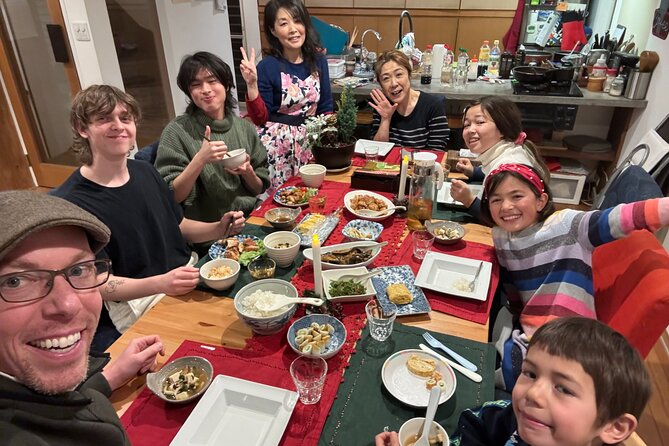
Your evening starts with the meeting point in Sakyo Ward, then you end back there at the finish. The schedule is Monday through Friday, with sessions running from 6:00 PM to 8:30 PM. That time window is great if you want a true night plan, not a half-day squeeze.
You also get transportation to Kokusaikaikan subway station included. Translation: you are not stuck managing every last commute detail after the meal. The location also helps with the feel. This is not the tourist core. It is a typical neighborhood, which means you see a more everyday side of Kyoto.
When you arrive, expect a warm welcome and a quick settling in moment. The flow goes like this: tea, chat, then food talk. In many home-style experiences, the host family helps you feel comfortable fast. Here, the goal is explicit, you are treated like part of the day’s dinner plan, including the kids, and even the pets.
That pet-and-kid factor is worth calling out. You should go in with the mindset that this is a family house. If you need silence and zero chaos, this may not be your best match. If you enjoy life as it actually is, it is the point.
The Core Lesson: Dashi, Soy Sauce, Mirin, and Sake
Most Japanese cooking gets easier once you understand the starter ingredients behind the flavors. This class builds that foundation up front.
You focus on staples that show up in a lot of common dishes:
- Dashi, the broth base
- Soy sauce, for salty depth
- Mirin, for gentle sweetness and shine
- Sake, for aroma and balance
You are not just handed a list. You get the idea that these ingredients are the backbone of many weeknight meals. That is the skill transfer you want. If you take nothing else home, you want to be able to walk into a grocery store later and recognize what you are looking for, and why it matters.
This is also why the class tends to work well for groups. Once everyone understands the purpose of the ingredients, the cooking steps become less random. People can participate more confidently, including kids.
- PERFECT KYOTO 1-Day Bus Tour★ 5.0 · 13,518 reviews
- Kyoto: Fushimi Inari, Kinkakuji, Bamboo Grove 1 Day Bus Tour★ 4.8 · 4,316 reviews
- Kyoto: Tea Ceremony in a Traditional Tea House in Kiyomizu★ 4.9 · 3,519 reviews
- Kyoto Geisha Walking Tour: Gion District & Hidden Gems★ 4.7 · 3,273 reviews
- Kyoto: Tea Ceremony Ju-An at Jotokuji Temple★ 4.9 · 3,207 reviews
The Hands-On Part: Aprons, Chopping, Mixing, and Cooking Together
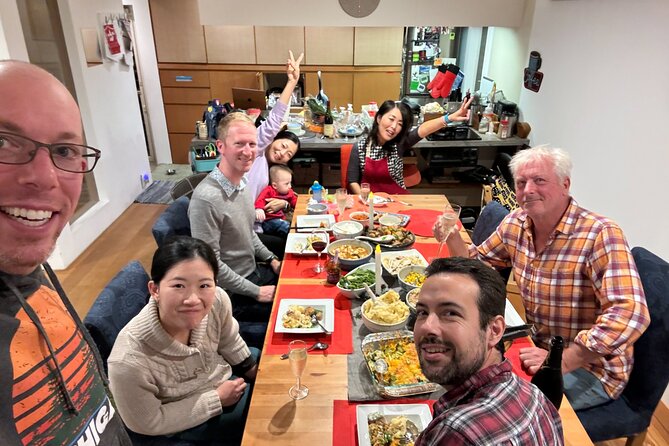
After the tea chat, you move into the kitchen work. The class is hands-on, and it centers on you working around the kitchen counter with the group. You put aprons on, and then you start slicing, dicing, mixing, and cooking.
The menu is previewed before you begin. That matters, because you can relax and watch how the food comes together instead of wondering what step is next. You also have a chance before the class to finalize meeting times and prepare the menu.
What you might cook can vary by night. But the kinds of dishes you should expect are classic home favorites. Based on what the hosts have cooked in past sessions, you may see items like:
- gyoza
- tamago yaki
- okonomiyaki
- teriyaki chicken
- sautéed vegetables
The strongest point here is participation. This is not a class where only a couple people get the knife. It is structured so families can all do something, while the instructor keeps things flowing and explains what you are making and why.
If you are worried about cooking skill level, do not be. The tone stays informal. This is about the joy of cooking and sharing a meal, not perfecting technique for a culinary exam.
One more practical perk: the hosts have shown they can accommodate needs, including a vegetarian guest who still left well-fed. If you have dietary requirements, bring them up during the menu finalization conversation so the kitchen can plan properly.
Dinner Table Time: Tea First, Then a Shared Meal
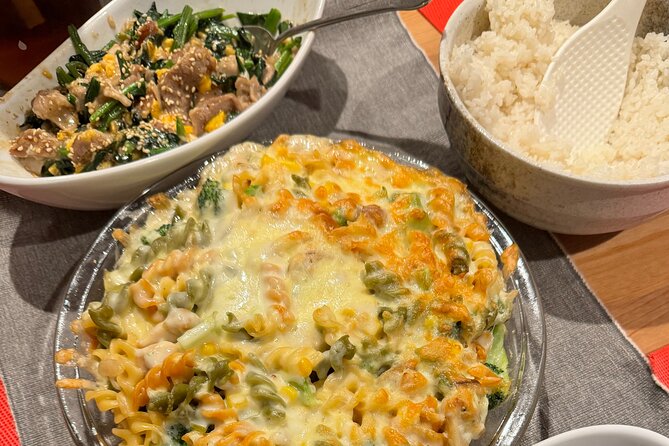
The cooking is only half the evening. The other half is the meal and the conversation after.
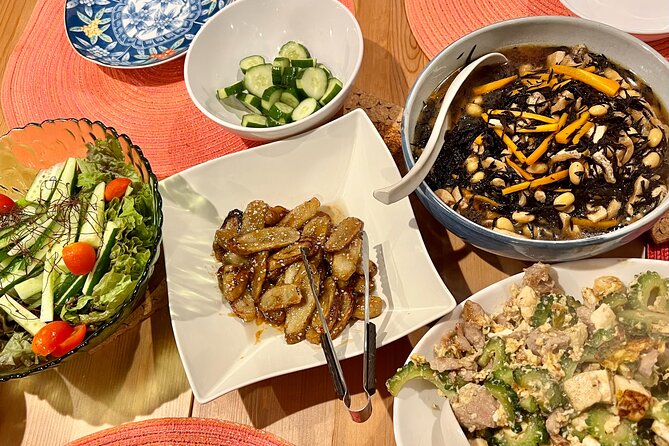
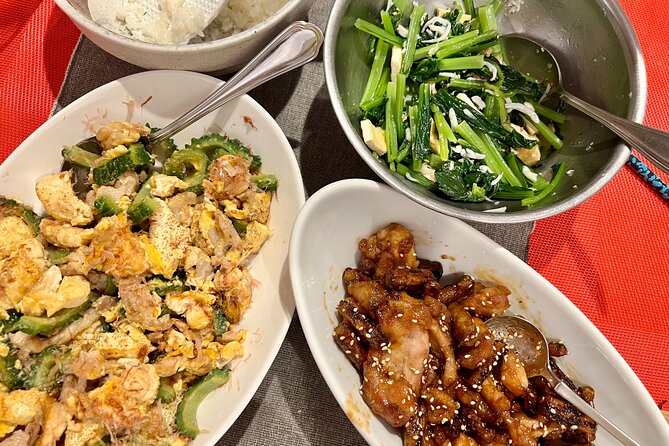
Once food is ready, you gather around the table for dinner. This is where the experience really earns its reputation. You are eating something you made together, in a home setting where stories matter. The host family chats, and you share travel ideas and everyday life topics over real food.
You may also pick up small language helpers along the way. In past sessions, the hosts have taught a few phrases to help with your travels. Even a little bit of that goes a long way in Japan, because it turns polite ordering into a friendly moment.
From a value standpoint, dinner included is the big win. At this price, you are basically paying for an evening of instruction plus a full meal, plus the cultural context that usually costs extra elsewhere.
Price and Value: Why $96.84 Can Make Sense
At $96.84 per person for about 2.5 hours, it might look pricey on first glance. But compare what you get.
You are paying for:
- an English-speaking instructor
- dinner included
- coffee and/or tea
- all seasonings and ingredients
- the cultural exchange part that is hard to price, the family-home setting
- transportation support to Kokusaikaikan station
Many cooking classes are either cheaper but end without dinner, or they include food but keep it minimal. Here, the meal is a core part of the experience, and that changes the math.
Also, the class is private, meaning your group is the only group participating. That tends to make the evening feel more personal, and it helps the host family tailor pace and attention.
Is it for everyone? No. If you want a polished, textbook-style lesson with no home-life distractions, you might feel it is more relaxed than you expected. But if you want a memorable Kyoto night that teaches flavors you can actually use later, this is a strong value.
Who This Cooking Class Is Best For
This is built for families first, but it can work for couples and small groups too.
It is especially good if:
- you want a hands-on cooking experience that is not stressful
- you like a family-style dinner and conversation
- you have kids who would enjoy cooking at a home counter
- you want to learn the staples behind everyday Japanese flavors
- you like stepping slightly off the tourist path, into suburban life
It may be less ideal if:
- you need a quiet, sterile cooking room
- you dislike being in a home with kids and pets present
- you want a strict, step-by-step class format where everyone follows the exact same method
The best decision rule is mindset. Treat it like dinner with people you are getting to know, not like a show.
Timing Tips for a Smooth Evening

The class runs between 6:00 PM and 8:30 PM, Monday through Friday. That timing is convenient because it naturally pairs with a Kyoto day of sightseeing. Also, starting at 6:00 PM gives you enough daylight earlier in the day to see temples or neighborhoods without feeling rushed.
Because you arrive, drink tea, chat, cook, then eat, it is not just a quick activity. Plan for a normal dinner after, because you will already be having dinner here.
If you are sensitive to schedules, aim to show up a little early. Even if the evening is relaxed, home-based experiences work best when you avoid late arrivals.
Should You Book Kyoto Family Kitchen?
Book it if you want a Kyoto experience that is practical and human. You get hands-on cooking with the everyday Japanese building blocks, dashi, soy sauce, mirin, and sake. You also leave with dinner included and a sense of what family life in Kyoto can feel like.
Skip it if you want a quiet, professional cooking studio with zero home-life distractions. This is a family home. Kids and pets are part of the scene, and the format is closer to joining a family dinner than following a formal culinary program.
If your goal is authentic flavor learning and a warm night plan in Kyoto, this one is an easy yes.
FAQ
Where does Kyoto Family Kitchen take place?
It starts at 33-50 Kamitakano Saimyōjiyama, Sakyo Ward, Kyoto 606-0064, Japan, and it ends back at the same meeting point.
How long is the cooking class?
It runs for about 2 hours 30 minutes.
What time does it run?
Sessions run Monday through Friday from 6:00 PM to 8:30 PM.
Is this a private experience?
Yes. It is a private tour/activity, and only your group participates.
What is included in the price?
Dinner, coffee and/or tea, an English-speaking instructor, all seasonings and ingredients, and all fees and taxes are included.
Is transportation included?
Transportation to Kokusaikaikan subway station is included.
Are alcoholic beverages included?
No. Alcoholic beverages are not included.
Is a tip required or included?
Tips or gratuities are not included.
Can dietary needs be accommodated?
The hosts have accommodated a vegetarian guest with plenty to eat. You can also finalize the menu as part of the pre-arrival messaging.
Are service animals allowed?
Yes, service animals are allowed.
Kitchens You Can Book Into
Newest Kyoto write-ups from the Loving Japan desk


Japanese Cooking Classes, side by side.
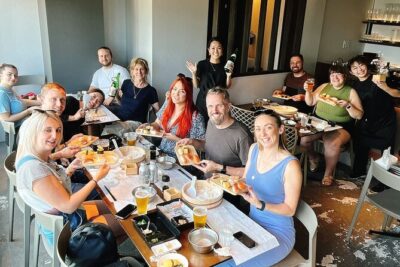 ★ 5.0Sushi Making Tokyo Roll and Authentic Japanese Sushi ClassFrom $593,971 reviews
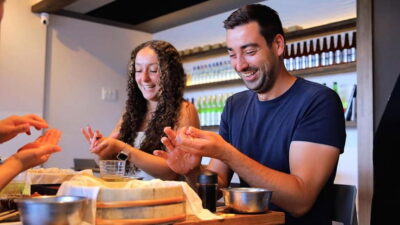 ★ 4.9Roll and Authentic Sushi Making Class in AsakusaFrom $581,957 reviews
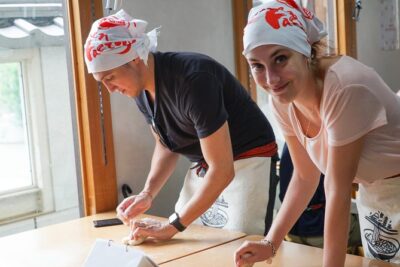 ★ 5.0Ramen Cooking Class at Ramen Factory in KyotoFrom $1311,937 reviews
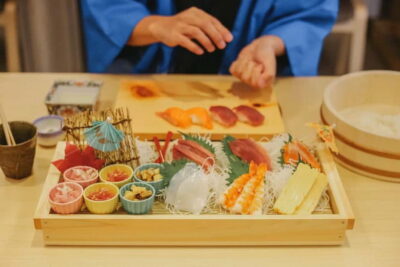 ★ 4.9Sushi Making Class in a Happi Coat near a Famous SpotFrom $421,377 reviews
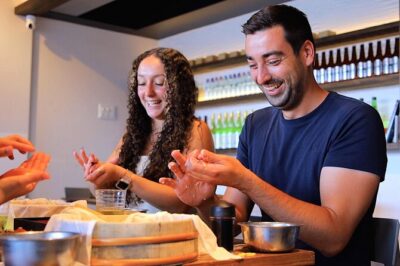 ★ 5.0Sushi Making Osaka Roll and Authentic Japanese Sushi ClassFrom $311,220 reviews
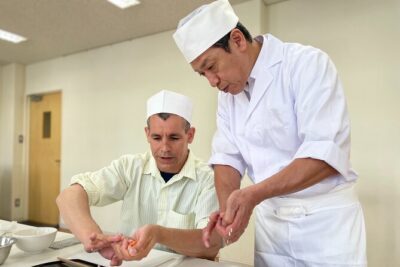 ★ 5.0Tokyo Sushi Making Class in Tsukiji with Professional ChefFrom $491,177 reviews
 ★ 5.0Ramen & Gyoza Cooking Class in Tokyo with Local Supermarket VisitFrom $122823 reviews
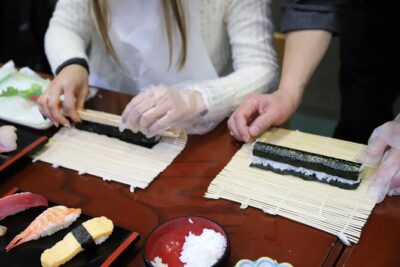 ★ 5.0Tsukiji Fish Market Guided Tour and Sushi Making with Pro ChefFrom $104775 reviews
Filed on these lists too